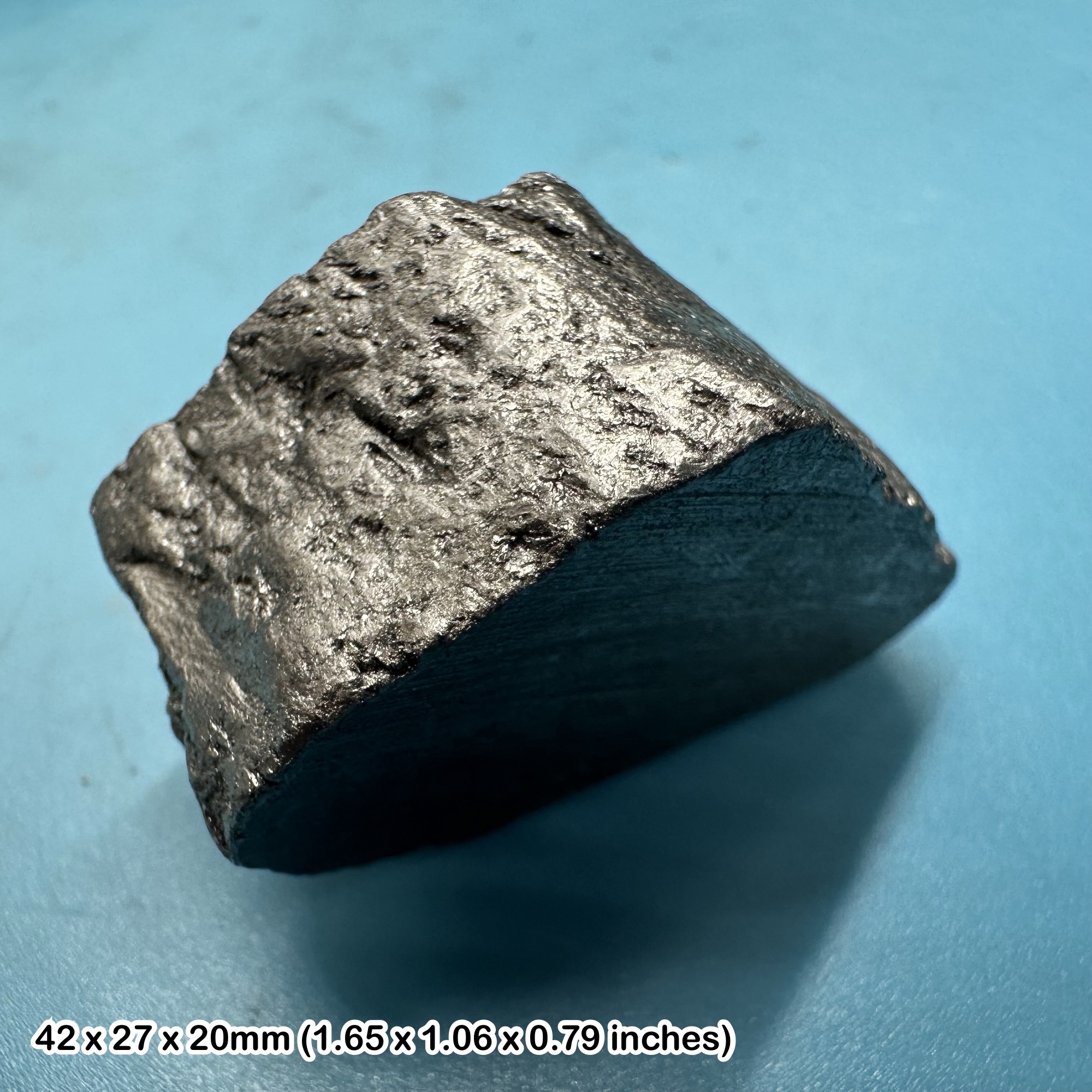
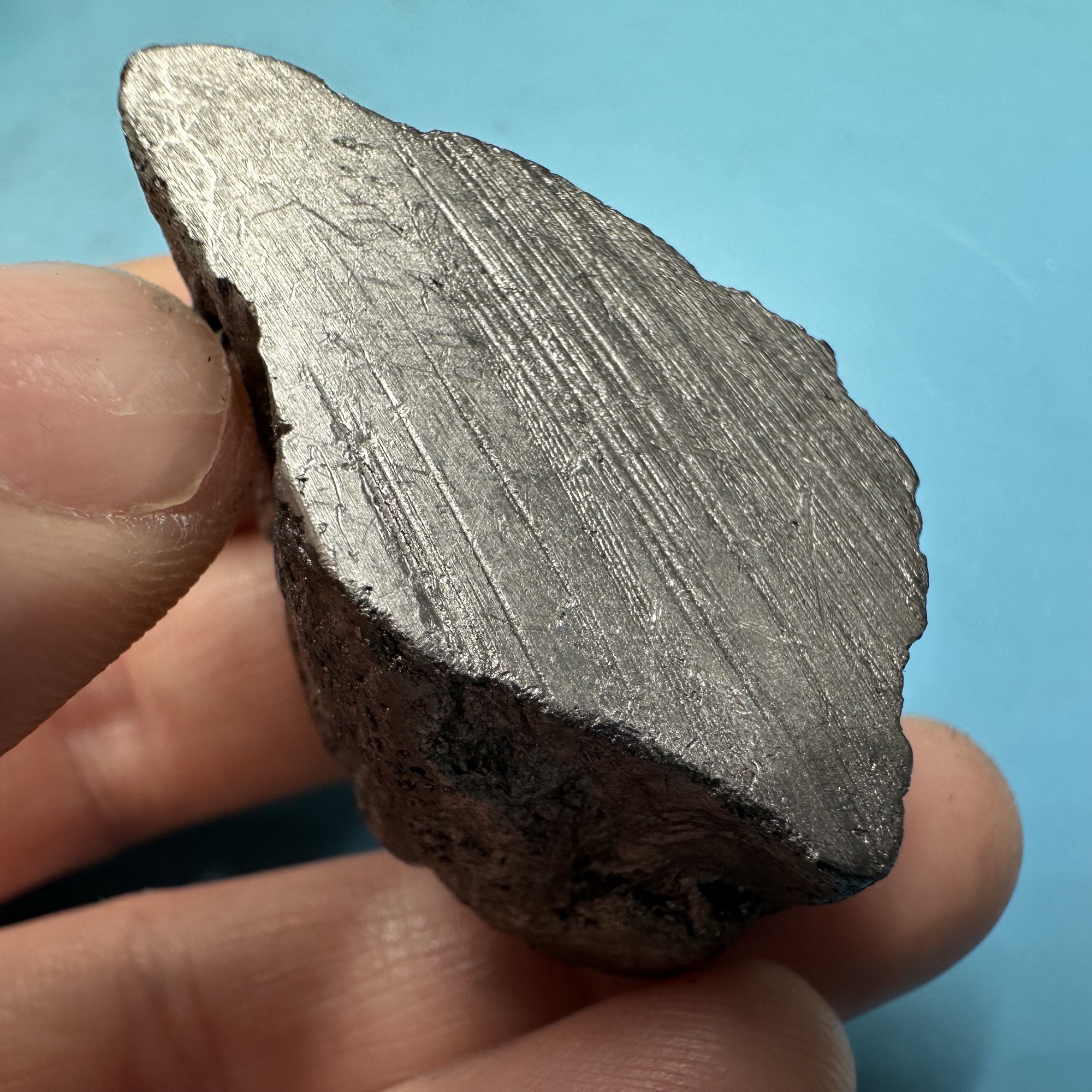
Graphite Mineral Specimen Natural Carbon Crystal China Collectors Stone Metallic Black Carbon Mineral Display Piece
£ 14.40
GENUINE GRAPHITE MINERAL SPECIMEN FROM CHINAThis Graphite mineral specimen is a natural carbon mineral sourced from China, a
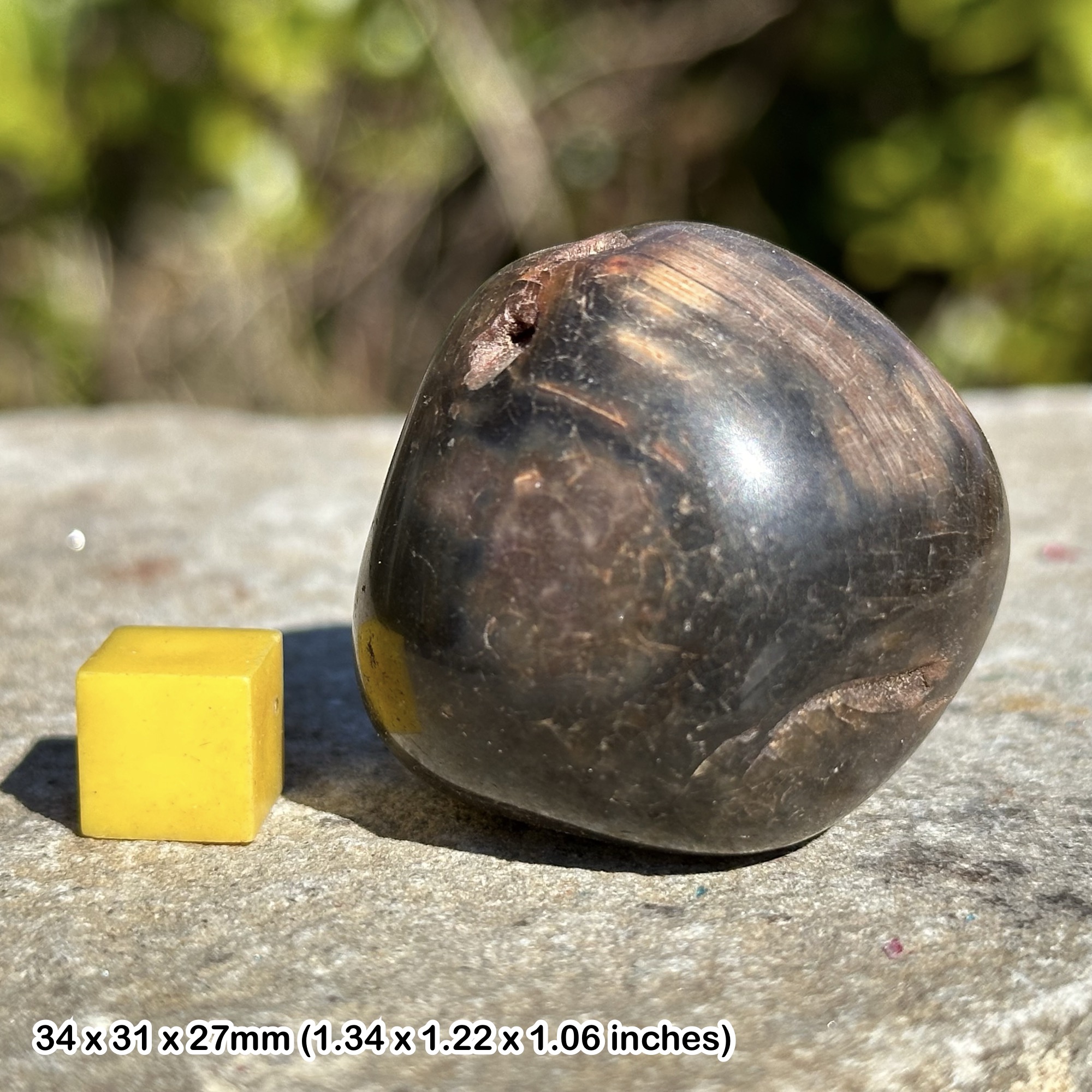
region known for significant graphite deposits and well-preserved mineral formations. The specimen has been carefully selected to highlight the distinctive metallic sheen and layered crystalline structure typical of graphite.The listing photographs show the exact specimen you will receive, allowing collectors and mineral enthusiasts to observe the natural surface textures, colour, and structure before purchase. Full sizing details can be seen in the accompanying photographs.This crystal is a genuine specimen and includes a Certificate of Authenticity lifetime guarantee generic card, confirming the authenticity of the natural mineral. MINERAL IDENTIFICATION AND CHEMICAL COMPOSITIONGraphite is a native element mineral composed entirely of carbon, with the chemical formula C. It belongs to the group of native element minerals, which also includes substances such as diamond and sulfur. Although graphite and diamond share the same chemical composition, their atomic structures differ significantly, producing very different physical properties.Graphite crystallises in the hexagonal crystal system and forms as layered sheets of carbon atoms arranged in a hexagonal lattice. These layers are strongly bonded internally but only weakly bonded between layers, allowing them to slide easily across one another. This structure gives graphite its characteristic soft, slippery texture and excellent cleavage.The mineral typically displays a dark grey to black colour with a metallic to earthy lustre. When rubbed across a surface, graphite often leaves a grey or black streak, which historically led to its use in writing instruments. GEOLOGICAL FORMATION AND NATURAL OCCURRENCEGraphite forms through several geological processes, most commonly associated with metamorphic environments. In many cases, it develops when carbon-rich organic material contained within sedimentary rocks undergoes transformation during regional metamorphism.Under conditions of high temperature and pressure, the carbon atoms reorganise into the layered crystalline structure characteristic of graphite. This process can occur in metamorphic rocks such as:
• Schists
• Gneisses
• Marble and metamorphosed limestone
• Carbon-rich sedimentary formationsGraphite can also occur in hydrothermal veins, where carbon-bearing fluids deposit graphite within fractures and cavities in surrounding rock.China is one of the world’s largest producers of graphite, with deposits forming in a variety of geological environments including metamorphic belts and carbon-rich sedimentary formations. CRYSTAL STRUCTURE AND PHYSICAL CHARACTERISTICSGraphite specimens display a range of distinctive visual and structural features that make them easily recognisable to mineral collectors.Typical characteristics include:
• Dark grey to metallic black colour
• Metallic to submetallic lustre
• Soft texture due to layered carbon structure
• Perfect basal cleavage forming thin sheets or flakes
• Opaque appearance with a distinctive grey streakBecause graphite forms through geological transformation of carbon-rich materials, individual specimens often display foliated or flaky textures, reflecting the layered atomic structure of the mineral.The softness of graphite also means that surfaces may show natural smudging or powdery residue, which is a normal characteristic of the mineral. SCIENTIFIC AND INDUSTRIAL SIGNIFICANCEGraphite is an important mineral in both geological research and industrial applications due to its unique structural properties. The layered carbon structure allows graphite to function as a natural lubricant and electrical conductor, properties that make it useful in numerous technologies.Graphite is widely used in applications such as:
• Writing instruments and art materials
• Refractory materials for high-temperature environments
• Battery technologies and energy storage systems
• Lubricants and industrial coatings
• Carbon-based composite materialsBecause of these properties, graphite is one of the most economically significant carbon minerals. CULTURAL AND TRADITIONAL ASSOCIATIONSThroughout history, graphite has played a significant role in writing, art, and scientific study. In some cultural and symbolic interpretations related to natural minerals, graphite has been traditionally associated with grounding, creativity, and intellectual focus. These references reflect cultural traditions surrounding minerals and are included here as historical or symbolic associations rather than scientific claims. DISPLAY AND COLLECTING APPEALGraphite specimens are popular among mineral collectors, geology students, and educational collections because they demonstrate the unique structure of carbon in mineral form.Collectors often include graphite in collections that focus on:
• Native element minerals
• Carbon minerals
• Metamorphic rock minerals
• Educational mineral identification sets
• Geological study collectionsIts distinctive metallic appearance and geological significance make it a valuable addition to mineral cabinets. AUTHENTIC NATURAL CARBON MINERAL SPECIMENThis listing is for one genuine Graphite mineral specimen from China. The photographs show the exact specimen that will be supplied.Key features:
• Natural graphite carbon mineral
• Native element composed of pure carbon
• Hexagonal crystal structure with layered formation
• Metallic dark grey to black appearance
• Exact specimen shown in photographs
• Includes Certificate of Authenticity lifetime guarantee generic cardGraphite mineral specimens provide an excellent example of carbon crystallisation in nature and make a fascinating addition to mineral collections, geological displays, or educational collections focused on native element minerals.
region known for significant graphite deposits and well-preserved mineral formations. The specimen has been carefully selected to highlight the distinctive metallic sheen and layered crystalline structure typical of graphite.The listing photographs show the exact specimen you will receive, allowing collectors and mineral enthusiasts to observe the natural surface textures, colour, and structure before purchase. Full sizing details can be seen in the accompanying photographs.This crystal is a genuine specimen and includes a Certificate of Authenticity lifetime guarantee generic card, confirming the authenticity of the natural mineral. MINERAL IDENTIFICATION AND CHEMICAL COMPOSITIONGraphite is a native element mineral composed entirely of carbon, with the chemical formula C. It belongs to the group of native element minerals, which also includes substances such as diamond and sulfur. Although graphite and diamond share the same chemical composition, their atomic structures differ significantly, producing very different physical properties.Graphite crystallises in the hexagonal crystal system and forms as layered sheets of carbon atoms arranged in a hexagonal lattice. These layers are strongly bonded internally but only weakly bonded between layers, allowing them to slide easily across one another. This structure gives graphite its characteristic soft, slippery texture and excellent cleavage.The mineral typically displays a dark grey to black colour with a metallic to earthy lustre. When rubbed across a surface, graphite often leaves a grey or black streak, which historically led to its use in writing instruments. GEOLOGICAL FORMATION AND NATURAL OCCURRENCEGraphite forms through several geological processes, most commonly associated with metamorphic environments. In many cases, it develops when carbon-rich organic material contained within sedimentary rocks undergoes transformation during regional metamorphism.Under conditions of high temperature and pressure, the carbon atoms reorganise into the layered crystalline structure characteristic of graphite. This process can occur in metamorphic rocks such as:
• Schists
• Gneisses
• Marble and metamorphosed limestone
• Carbon-rich sedimentary formationsGraphite can also occur in hydrothermal veins, where carbon-bearing fluids deposit graphite within fractures and cavities in surrounding rock.China is one of the world’s largest producers of graphite, with deposits forming in a variety of geological environments including metamorphic belts and carbon-rich sedimentary formations. CRYSTAL STRUCTURE AND PHYSICAL CHARACTERISTICSGraphite specimens display a range of distinctive visual and structural features that make them easily recognisable to mineral collectors.Typical characteristics include:
• Dark grey to metallic black colour
• Metallic to submetallic lustre
• Soft texture due to layered carbon structure
• Perfect basal cleavage forming thin sheets or flakes
• Opaque appearance with a distinctive grey streakBecause graphite forms through geological transformation of carbon-rich materials, individual specimens often display foliated or flaky textures, reflecting the layered atomic structure of the mineral.The softness of graphite also means that surfaces may show natural smudging or powdery residue, which is a normal characteristic of the mineral. SCIENTIFIC AND INDUSTRIAL SIGNIFICANCEGraphite is an important mineral in both geological research and industrial applications due to its unique structural properties. The layered carbon structure allows graphite to function as a natural lubricant and electrical conductor, properties that make it useful in numerous technologies.Graphite is widely used in applications such as:
• Writing instruments and art materials
• Refractory materials for high-temperature environments
• Battery technologies and energy storage systems
• Lubricants and industrial coatings
• Carbon-based composite materialsBecause of these properties, graphite is one of the most economically significant carbon minerals. CULTURAL AND TRADITIONAL ASSOCIATIONSThroughout history, graphite has played a significant role in writing, art, and scientific study. In some cultural and symbolic interpretations related to natural minerals, graphite has been traditionally associated with grounding, creativity, and intellectual focus. These references reflect cultural traditions surrounding minerals and are included here as historical or symbolic associations rather than scientific claims. DISPLAY AND COLLECTING APPEALGraphite specimens are popular among mineral collectors, geology students, and educational collections because they demonstrate the unique structure of carbon in mineral form.Collectors often include graphite in collections that focus on:
• Native element minerals
• Carbon minerals
• Metamorphic rock minerals
• Educational mineral identification sets
• Geological study collectionsIts distinctive metallic appearance and geological significance make it a valuable addition to mineral cabinets. AUTHENTIC NATURAL CARBON MINERAL SPECIMENThis listing is for one genuine Graphite mineral specimen from China. The photographs show the exact specimen that will be supplied.Key features:
• Natural graphite carbon mineral
• Native element composed of pure carbon
• Hexagonal crystal structure with layered formation
• Metallic dark grey to black appearance
• Exact specimen shown in photographs
• Includes Certificate of Authenticity lifetime guarantee generic cardGraphite mineral specimens provide an excellent example of carbon crystallisation in nature and make a fascinating addition to mineral collections, geological displays, or educational collections focused on native element minerals.