Paragarantiana Longidoides Ammonite Fossil Middle Jurassic France Genuine COA
£ 10.20
Genuine Paragarantiana longidoides Ammonite FossilThis listing is for a genuine Paragarantiana longidoides ammonite fossil from
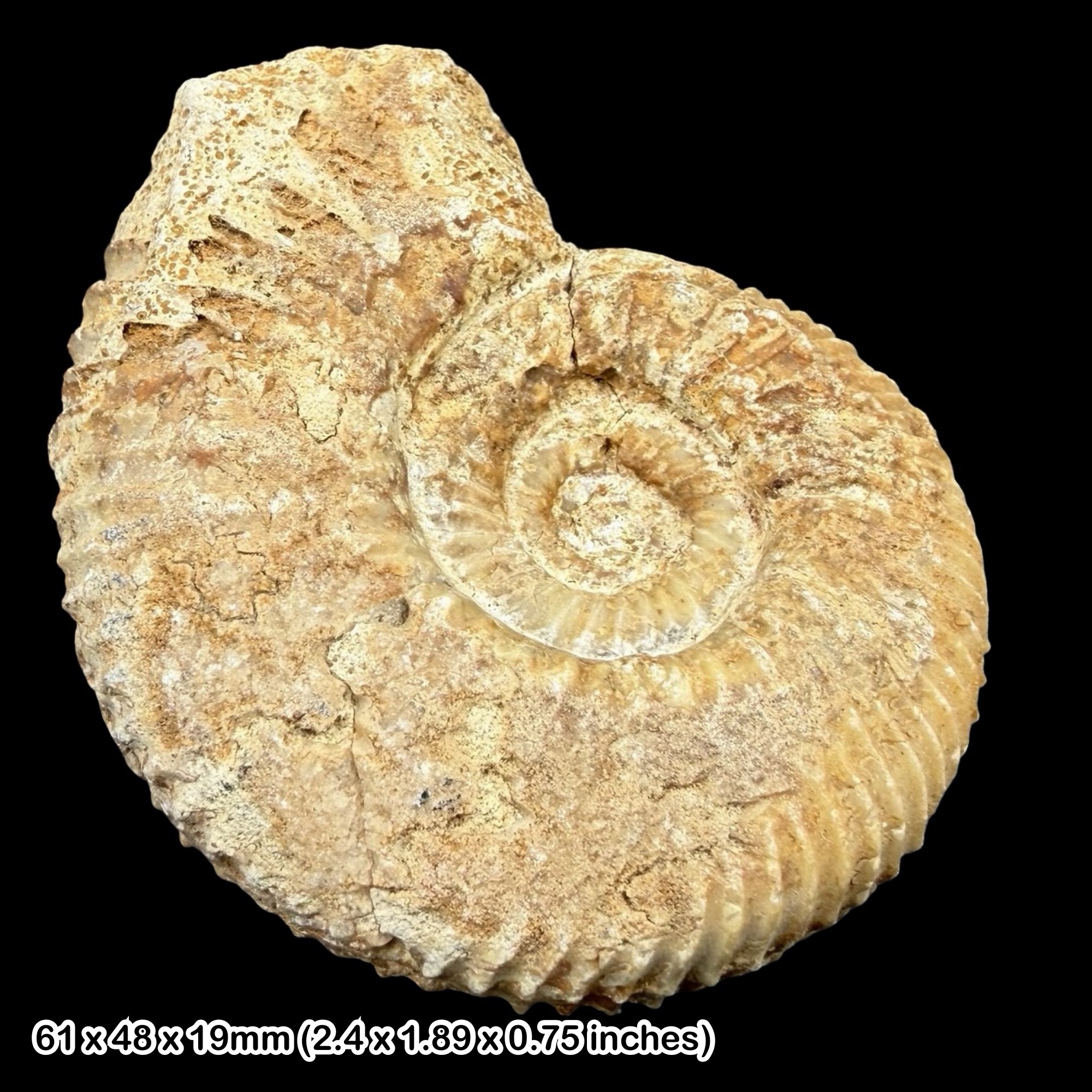
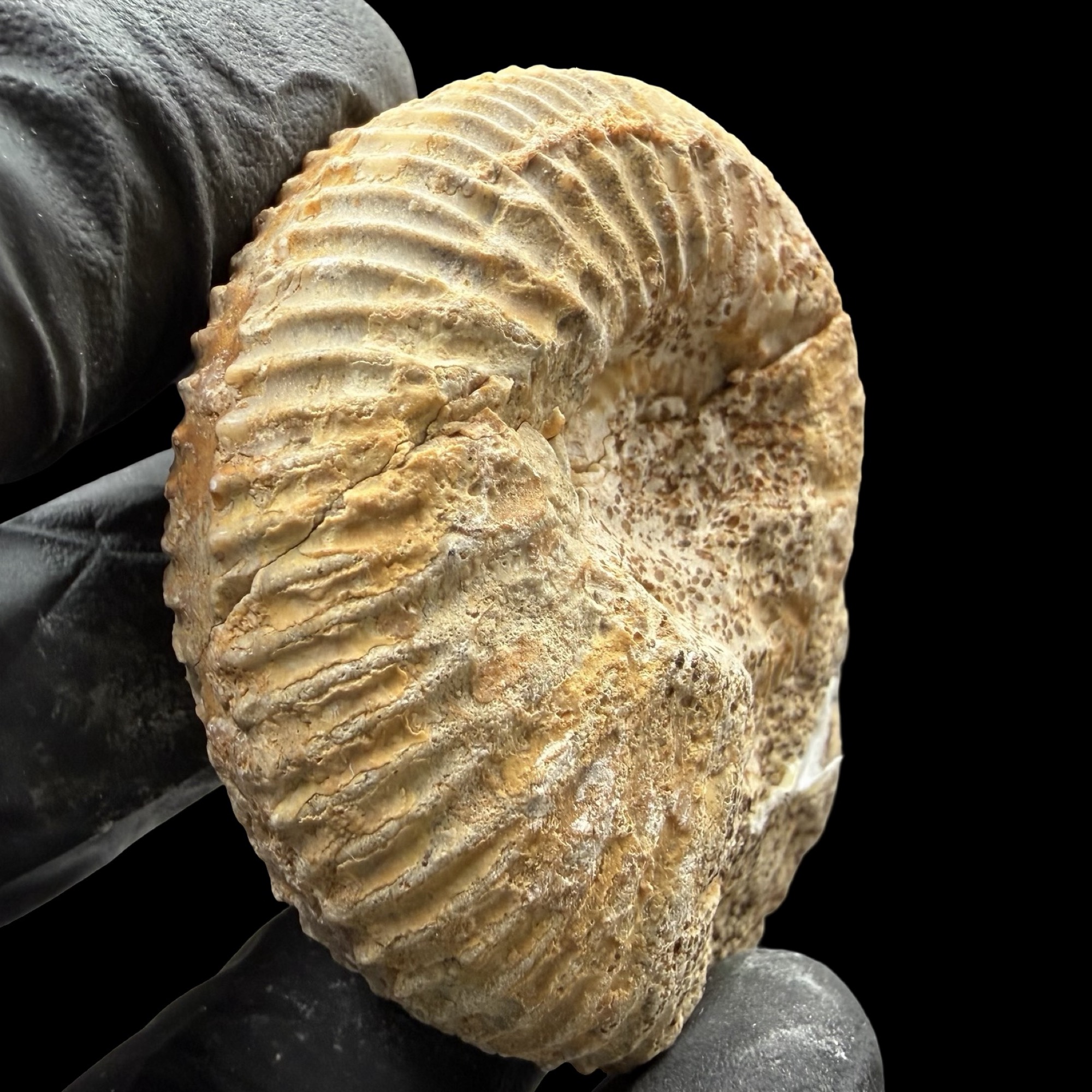
the Middle Jurassic, Bajocian stage, collected from Provence, France. This is a carefully chosen fossil specimen, and the photo shows the actual ammonite you will receive, making it an excellent piece for fossil collectors, natural history enthusiasts, educational displays, and anyone interested in classic Jurassic marine fossils from Europe.Middle Jurassic Fossil from Provence, FranceThis ammonite dates from the Bajocian stage of the Middle Jurassic, a period approximately 170 to 168 million years ago. During this time, large areas of what is now Europe were covered by warm, shallow seas rich in marine life. These Jurassic seas supported a wide variety of ammonites, belemnites, bivalves, brachiopods, crinoids, marine reptiles, and other prehistoric organisms.The Provence region of southern France is well known for Jurassic marine deposits and has produced many important ammonite fossils. Fossils from this region are highly collectable because they come from classic European sedimentary sequences that preserve a detailed record of ancient marine environments. Ammonites from the Bajocian are especially valued because they are important index fossils, helping geologists correlate and date rock layers across different localities.Fossil Type and SpeciesParagarantiana longidoides is an extinct ammonite species. Ammonites were marine cephalopods, related to modern squid, octopus, cuttlefish, and nautilus. They lived inside coiled shells divided into internal chambers, using the outer body chamber for the living animal while earlier chambers helped with buoyancy control.The genus Paragarantiana is associated with Bajocian ammonite faunas and is of particular interest to collectors because of its attractive ribbing and classic Jurassic shell form. This type of ammonite generally shows a planispiral coiled shell, with whorls arranged in a regular spiral. Depending on preservation, specimens may show ribbing across the flanks, a defined outer whorl, and natural shell ornamentation that reflects the animal’s original growth pattern.Scientific and Geological InterestParagarantiana belongs to the ammonite group within the order Ammonitida, a major ammonoid order that became highly diverse during the Jurassic Period. Ammonites such as Paragarantiana are scientifically important because their rapid evolution and wide distribution make them useful for biostratigraphy. This means they can help identify the relative age of sedimentary rocks and compare fossil-bearing layers from different locations.The Bajocian seas of Europe were dynamic marine environments, with carbonate platforms, deeper basins, and changing sea levels influencing the distribution of ammonite species. The presence of ammonites in these deposits indicates a marine setting where cephalopods were active predators or scavengers within the water column, forming an important part of the Jurassic ecosystem.Morphology and Collector AppealThis Paragarantiana longidoides ammonite is a desirable addition to collections focused on Jurassic fossils, French fossils, ammonites, marine invertebrates, or fossil cephalopods. Its coiled form and natural ornamentation make it visually appealing, while its Middle Jurassic age gives it strong educational and geological value.Ammonites are among the most iconic fossils because they combine attractive natural geometry with scientific importance. Their spiral shells show the growth of the animal over time, while ribbing, whorl shape, and shell proportions can help distinguish different genera and species. A named species such as Paragarantiana longidoides is especially appealing for collectors who prefer fossils with precise identification and locality information.Display and Educational UseThis fossil would display well in a fossil cabinet, natural history collection, study tray, geology classroom, museum-style display, or as a thoughtful gift for a fossil enthusiast. It is suitable for collectors of all levels, from beginners building a Jurassic fossil collection to experienced collectors looking for a named Bajocian ammonite from France.The full sizing can be seen in the photo, so please refer to the image for exact scale and dimensions. As a natural fossil specimen, variations in colour, texture, matrix, surface detail, and preservation are part of its individual character.Authenticity and CertificateThis fossil is a genuine specimen and includes a Certificate of Authenticity lifetime guarantee generic card. The photograph shows the actual Paragarantiana longidoides ammonite fossil you will receive, allowing you to view the specimen’s condition, shape, detail, and natural preservation before purchase.
the Middle Jurassic, Bajocian stage, collected from Provence, France. This is a carefully chosen fossil specimen, and the photo shows the actual ammonite you will receive, making it an excellent piece for fossil collectors, natural history enthusiasts, educational displays, and anyone interested in classic Jurassic marine fossils from Europe.Middle Jurassic Fossil from Provence, FranceThis ammonite dates from the Bajocian stage of the Middle Jurassic, a period approximately 170 to 168 million years ago. During this time, large areas of what is now Europe were covered by warm, shallow seas rich in marine life. These Jurassic seas supported a wide variety of ammonites, belemnites, bivalves, brachiopods, crinoids, marine reptiles, and other prehistoric organisms.The Provence region of southern France is well known for Jurassic marine deposits and has produced many important ammonite fossils. Fossils from this region are highly collectable because they come from classic European sedimentary sequences that preserve a detailed record of ancient marine environments. Ammonites from the Bajocian are especially valued because they are important index fossils, helping geologists correlate and date rock layers across different localities.Fossil Type and SpeciesParagarantiana longidoides is an extinct ammonite species. Ammonites were marine cephalopods, related to modern squid, octopus, cuttlefish, and nautilus. They lived inside coiled shells divided into internal chambers, using the outer body chamber for the living animal while earlier chambers helped with buoyancy control.The genus Paragarantiana is associated with Bajocian ammonite faunas and is of particular interest to collectors because of its attractive ribbing and classic Jurassic shell form. This type of ammonite generally shows a planispiral coiled shell, with whorls arranged in a regular spiral. Depending on preservation, specimens may show ribbing across the flanks, a defined outer whorl, and natural shell ornamentation that reflects the animal’s original growth pattern.Scientific and Geological InterestParagarantiana belongs to the ammonite group within the order Ammonitida, a major ammonoid order that became highly diverse during the Jurassic Period. Ammonites such as Paragarantiana are scientifically important because their rapid evolution and wide distribution make them useful for biostratigraphy. This means they can help identify the relative age of sedimentary rocks and compare fossil-bearing layers from different locations.The Bajocian seas of Europe were dynamic marine environments, with carbonate platforms, deeper basins, and changing sea levels influencing the distribution of ammonite species. The presence of ammonites in these deposits indicates a marine setting where cephalopods were active predators or scavengers within the water column, forming an important part of the Jurassic ecosystem.Morphology and Collector AppealThis Paragarantiana longidoides ammonite is a desirable addition to collections focused on Jurassic fossils, French fossils, ammonites, marine invertebrates, or fossil cephalopods. Its coiled form and natural ornamentation make it visually appealing, while its Middle Jurassic age gives it strong educational and geological value.Ammonites are among the most iconic fossils because they combine attractive natural geometry with scientific importance. Their spiral shells show the growth of the animal over time, while ribbing, whorl shape, and shell proportions can help distinguish different genera and species. A named species such as Paragarantiana longidoides is especially appealing for collectors who prefer fossils with precise identification and locality information.Display and Educational UseThis fossil would display well in a fossil cabinet, natural history collection, study tray, geology classroom, museum-style display, or as a thoughtful gift for a fossil enthusiast. It is suitable for collectors of all levels, from beginners building a Jurassic fossil collection to experienced collectors looking for a named Bajocian ammonite from France.The full sizing can be seen in the photo, so please refer to the image for exact scale and dimensions. As a natural fossil specimen, variations in colour, texture, matrix, surface detail, and preservation are part of its individual character.Authenticity and CertificateThis fossil is a genuine specimen and includes a Certificate of Authenticity lifetime guarantee generic card. The photograph shows the actual Paragarantiana longidoides ammonite fossil you will receive, allowing you to view the specimen’s condition, shape, detail, and natural preservation before purchase.