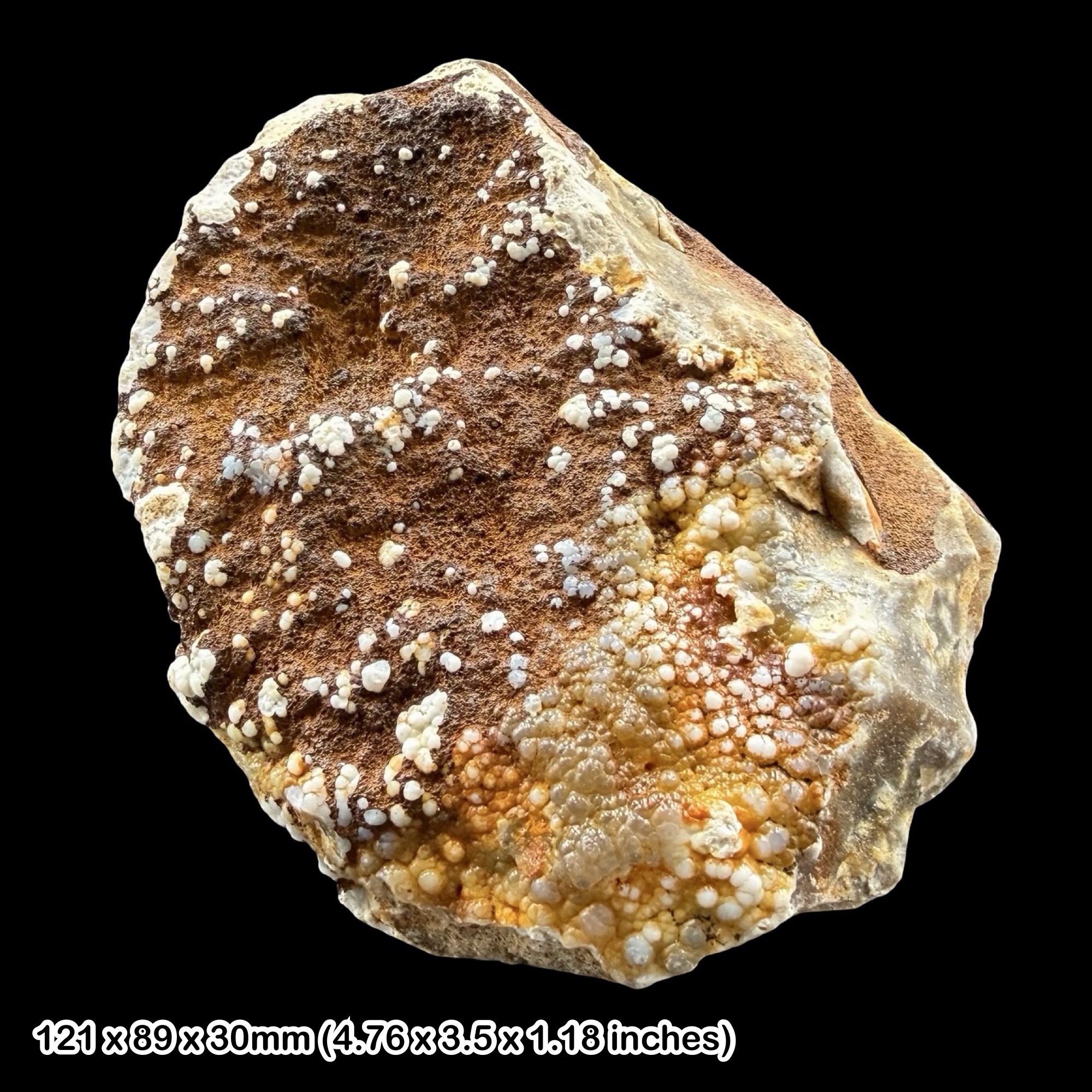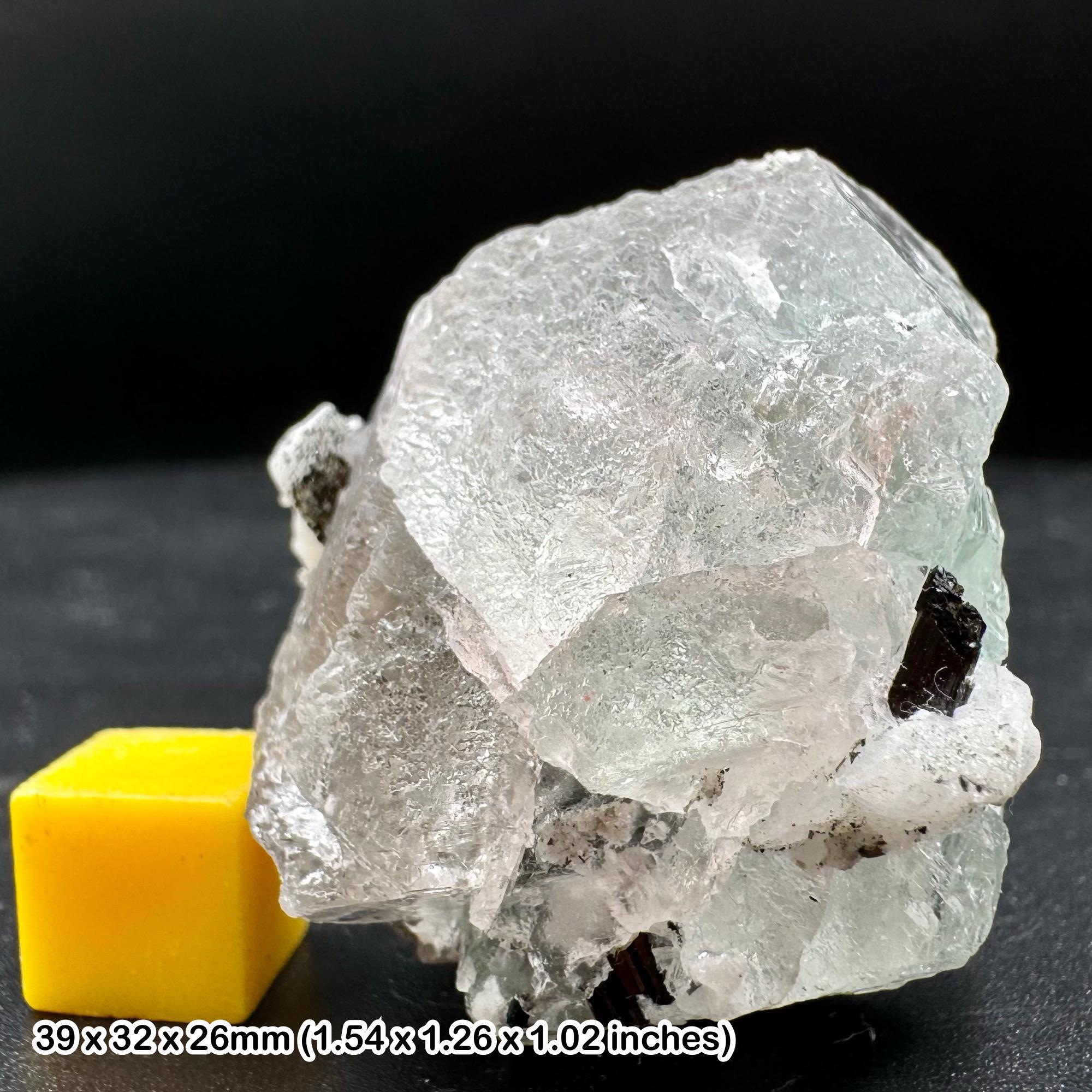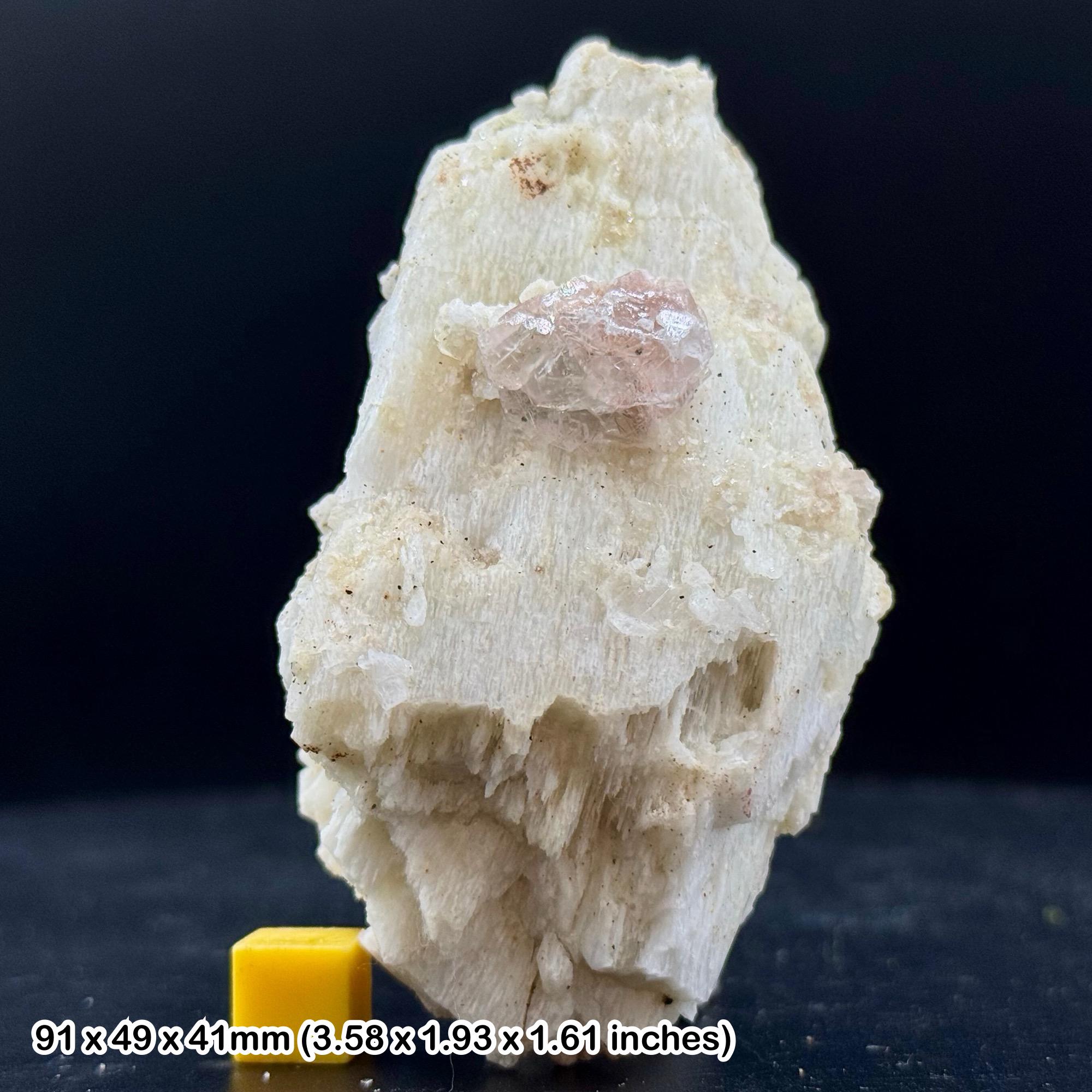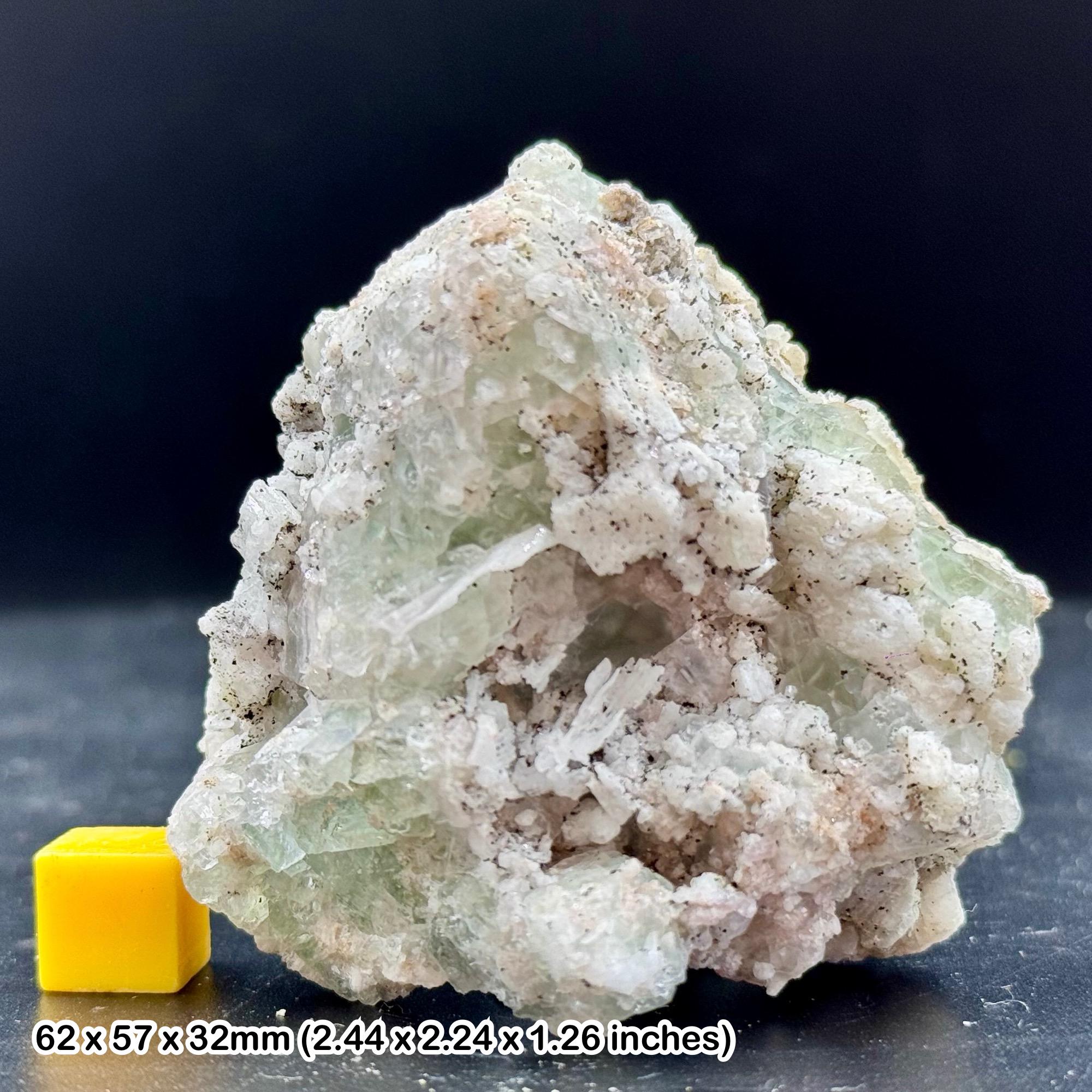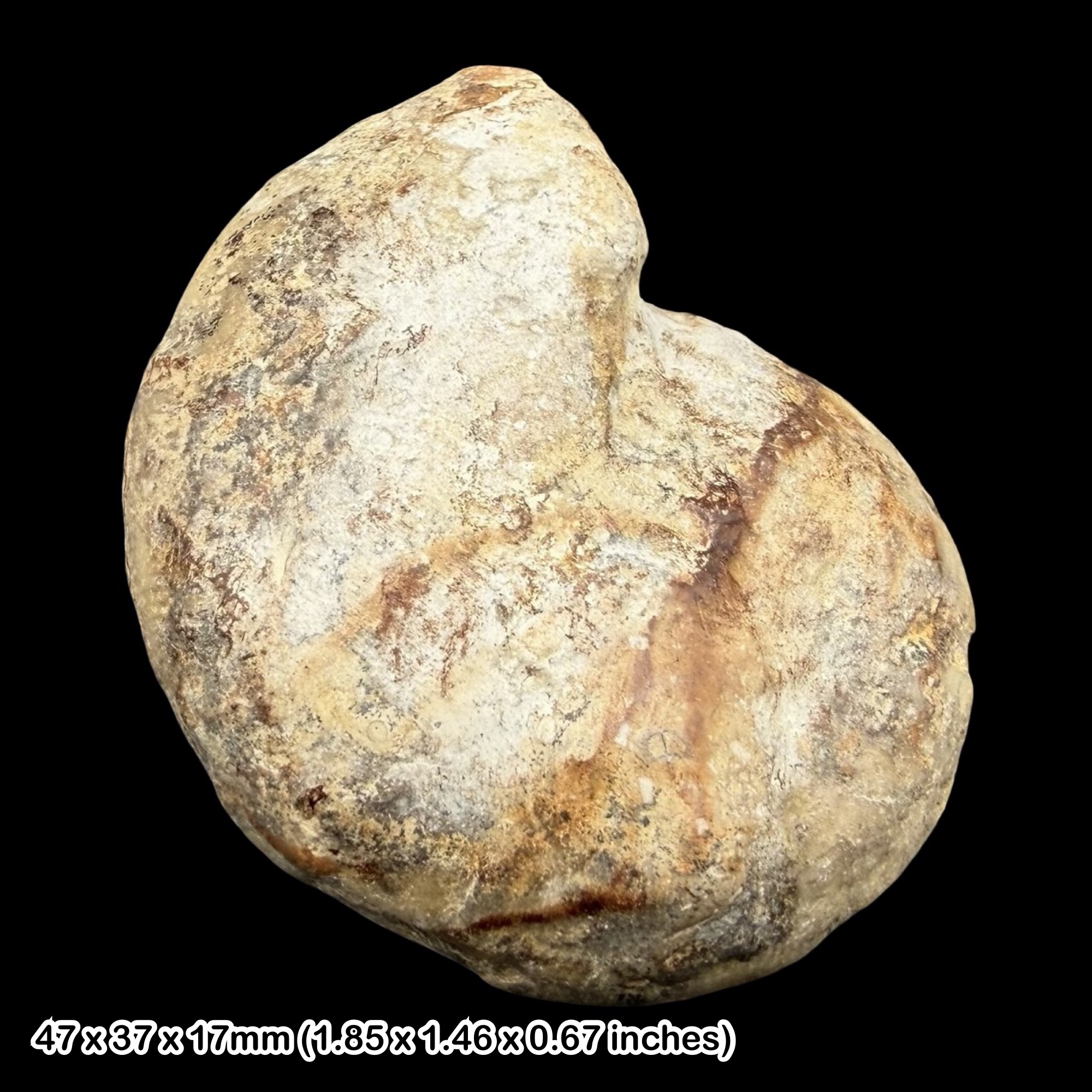
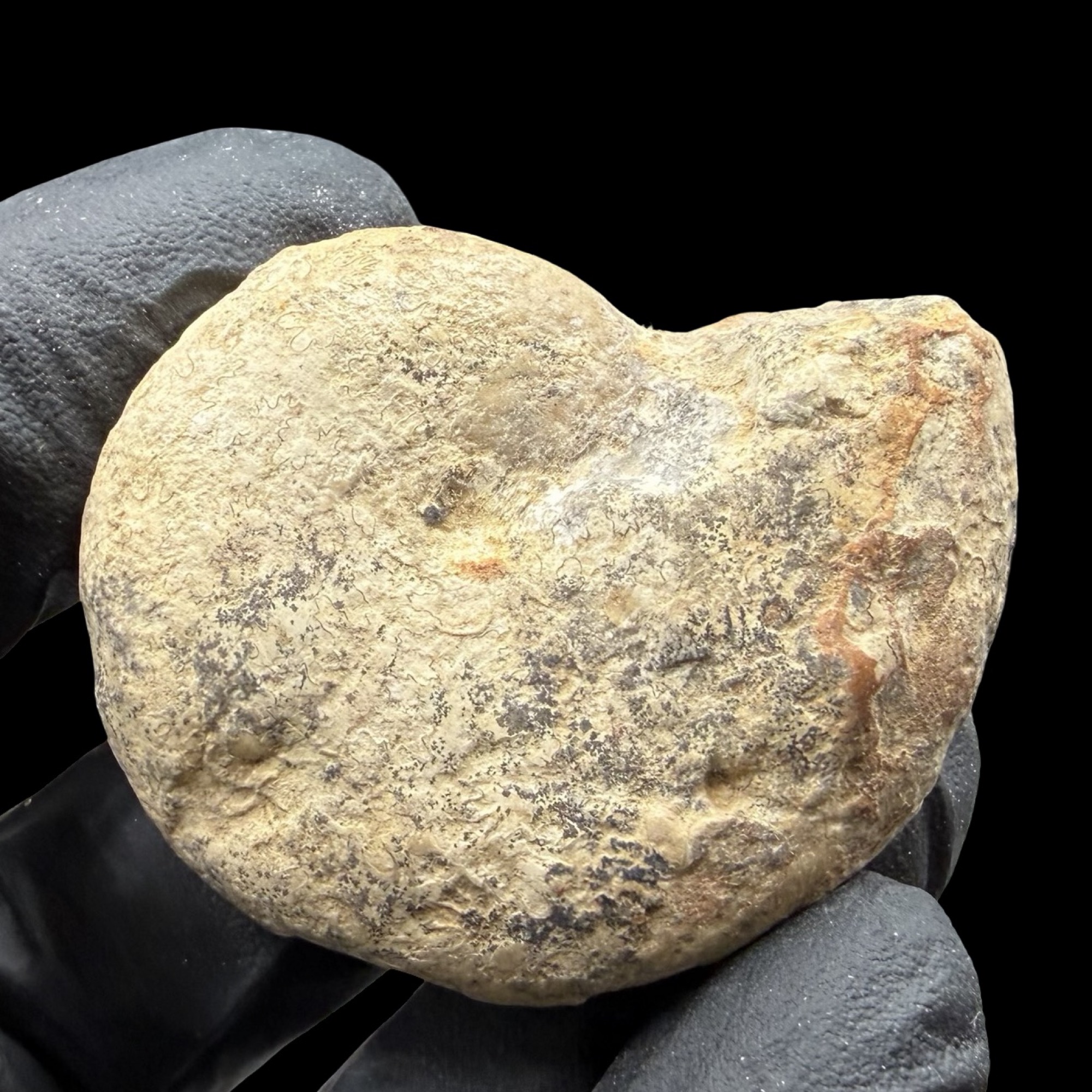
Phylloceras heterophyllum Ammonite Fossil Cretaceous Somerset UK Genuine COA Turonian South Petherton Collectable Display
£ 12.60
Genuine Phylloceras heterophyllum Ammonite FossilThis listing is for a genuine Phylloceras heterophyllum ammonite fossil from the
Upper Cretaceous, Turonian stage, collected from South Petherton, Somerset, United Kingdom. This is a carefully chosen fossil specimen, and the photograph shows the actual fossil you will receive. For full sizing and scale, please see the photo provided.This fossil is supplied with a Certificate of Authenticity lifetime guarantee generic card, making it a trustworthy and attractive piece for fossil collectors, geology enthusiasts, natural history displays, educational collections, or anyone interested in genuine British Cretaceous fossils.Upper Cretaceous Age and Somerset LocalityThis ammonite dates from the Turonian stage of the Upper Cretaceous, a period of Earth history when much of southern Britain was covered by warm, shallow marine seas. The Turonian followed the Cenomanian and forms part of the wider Cretaceous chalk sea interval, when high global sea levels created extensive marine environments across Europe.The locality of South Petherton in Somerset sits within a historically important fossil-bearing region of southwest England. During the Turonian, this area would have been part of a marine setting where fine calcareous sediment accumulated on the seabed. These conditions helped preserve the remains of ammonites, bivalves, echinoids, belemnites, and other marine organisms. Fossils from this region are especially appealing to collectors because they represent authentic British marine life from a time when the landscape was entirely different from the countryside seen today.Fossil Type and Species InformationPhylloceras heterophyllum is an extinct ammonite species, belonging to a group of marine cephalopods related to modern squid, octopus, cuttlefish, and the living nautilus. Ammonites lived in coiled, chambered shells and were among the most successful marine animals of the Mesozoic Era. Their rapid evolution and widespread distribution make them important fossils for understanding ancient marine environments and dating sedimentary rocks.The genus Phylloceras is placed within the Order Phylloceratida, Superfamily Phylloceratoidea, and Family Phylloceratidae. Phylloceratid ammonites are known for their smooth, elegant shells and highly complex suture patterns. The name Phylloceras means “leaf horn”, referring to the distinctive leaf-like form of the suture lines where the shell chambers joined the outer shell wall.Shell Form and MorphologyPhylloceras ammonites are typically recognised by their refined, involute shell shape, where the outer whorl covers much of the earlier coiling. Compared with more heavily ribbed ammonites, Phylloceras often has a smoother, more streamlined appearance. This gives the fossil a clean and classic ammonite form, making it particularly attractive for display.Like other ammonites, Phylloceras heterophyllum had a shell divided into internal chambers. The living animal occupied the final body chamber, while the older chambers were used for buoyancy control. This allowed the ammonite to move through the water column with efficiency, adjusting its position in the ancient sea as it fed, avoided predators, and reproduced.The complex sutures of Phylloceras are one of its most notable scientific features. These intricate patterns strengthened the shell and are a key feature used by palaeontologists to distinguish different ammonite groups. Even when fine detail varies between specimens, the elegant shell form of Phylloceras remains highly recognisable.Cretaceous Marine EnvironmentDuring the Turonian, the seas covering Somerset were part of a broad marine world influenced by high sea levels and warm global climates. Ammonites such as Phylloceras heterophyllum lived alongside a wide range of marine animals, including fish, crustaceans, bivalves, echinoids, and marine reptiles. They were active members of the food chain, likely feeding on small marine organisms while also serving as prey for larger predators.This fossil represents a genuine piece of that ancient Cretaceous ecosystem. It is not simply a decorative object, but a preserved remnant of a once-living marine cephalopod from the prehistoric seas of Britain.Authenticity and Collector AppealThis Phylloceras heterophyllum ammonite fossil from South Petherton, Somerset is a desirable specimen for collectors of British fossils, Cretaceous ammonites, cephalopods, and natural history items. The actual fossil shown in the photograph is the one supplied, allowing you to purchase with confidence.As a natural fossil, the specimen may show matrix, mineralisation, surface texture, natural wear, and preservation features that reflect its geological history. These characteristics are part of its authenticity and individual appeal. Supplied with a Certificate of Authenticity lifetime guarantee generic card, this fossil makes an excellent display piece, educational specimen, collector’s item, or thoughtful gift for anyone fascinated by fossils, geology, and prehistoric marine life.
Upper Cretaceous, Turonian stage, collected from South Petherton, Somerset, United Kingdom. This is a carefully chosen fossil specimen, and the photograph shows the actual fossil you will receive. For full sizing and scale, please see the photo provided.This fossil is supplied with a Certificate of Authenticity lifetime guarantee generic card, making it a trustworthy and attractive piece for fossil collectors, geology enthusiasts, natural history displays, educational collections, or anyone interested in genuine British Cretaceous fossils.Upper Cretaceous Age and Somerset LocalityThis ammonite dates from the Turonian stage of the Upper Cretaceous, a period of Earth history when much of southern Britain was covered by warm, shallow marine seas. The Turonian followed the Cenomanian and forms part of the wider Cretaceous chalk sea interval, when high global sea levels created extensive marine environments across Europe.The locality of South Petherton in Somerset sits within a historically important fossil-bearing region of southwest England. During the Turonian, this area would have been part of a marine setting where fine calcareous sediment accumulated on the seabed. These conditions helped preserve the remains of ammonites, bivalves, echinoids, belemnites, and other marine organisms. Fossils from this region are especially appealing to collectors because they represent authentic British marine life from a time when the landscape was entirely different from the countryside seen today.Fossil Type and Species InformationPhylloceras heterophyllum is an extinct ammonite species, belonging to a group of marine cephalopods related to modern squid, octopus, cuttlefish, and the living nautilus. Ammonites lived in coiled, chambered shells and were among the most successful marine animals of the Mesozoic Era. Their rapid evolution and widespread distribution make them important fossils for understanding ancient marine environments and dating sedimentary rocks.The genus Phylloceras is placed within the Order Phylloceratida, Superfamily Phylloceratoidea, and Family Phylloceratidae. Phylloceratid ammonites are known for their smooth, elegant shells and highly complex suture patterns. The name Phylloceras means “leaf horn”, referring to the distinctive leaf-like form of the suture lines where the shell chambers joined the outer shell wall.Shell Form and MorphologyPhylloceras ammonites are typically recognised by their refined, involute shell shape, where the outer whorl covers much of the earlier coiling. Compared with more heavily ribbed ammonites, Phylloceras often has a smoother, more streamlined appearance. This gives the fossil a clean and classic ammonite form, making it particularly attractive for display.Like other ammonites, Phylloceras heterophyllum had a shell divided into internal chambers. The living animal occupied the final body chamber, while the older chambers were used for buoyancy control. This allowed the ammonite to move through the water column with efficiency, adjusting its position in the ancient sea as it fed, avoided predators, and reproduced.The complex sutures of Phylloceras are one of its most notable scientific features. These intricate patterns strengthened the shell and are a key feature used by palaeontologists to distinguish different ammonite groups. Even when fine detail varies between specimens, the elegant shell form of Phylloceras remains highly recognisable.Cretaceous Marine EnvironmentDuring the Turonian, the seas covering Somerset were part of a broad marine world influenced by high sea levels and warm global climates. Ammonites such as Phylloceras heterophyllum lived alongside a wide range of marine animals, including fish, crustaceans, bivalves, echinoids, and marine reptiles. They were active members of the food chain, likely feeding on small marine organisms while also serving as prey for larger predators.This fossil represents a genuine piece of that ancient Cretaceous ecosystem. It is not simply a decorative object, but a preserved remnant of a once-living marine cephalopod from the prehistoric seas of Britain.Authenticity and Collector AppealThis Phylloceras heterophyllum ammonite fossil from South Petherton, Somerset is a desirable specimen for collectors of British fossils, Cretaceous ammonites, cephalopods, and natural history items. The actual fossil shown in the photograph is the one supplied, allowing you to purchase with confidence.As a natural fossil, the specimen may show matrix, mineralisation, surface texture, natural wear, and preservation features that reflect its geological history. These characteristics are part of its authenticity and individual appeal. Supplied with a Certificate of Authenticity lifetime guarantee generic card, this fossil makes an excellent display piece, educational specimen, collector’s item, or thoughtful gift for anyone fascinated by fossils, geology, and prehistoric marine life.
Other Products