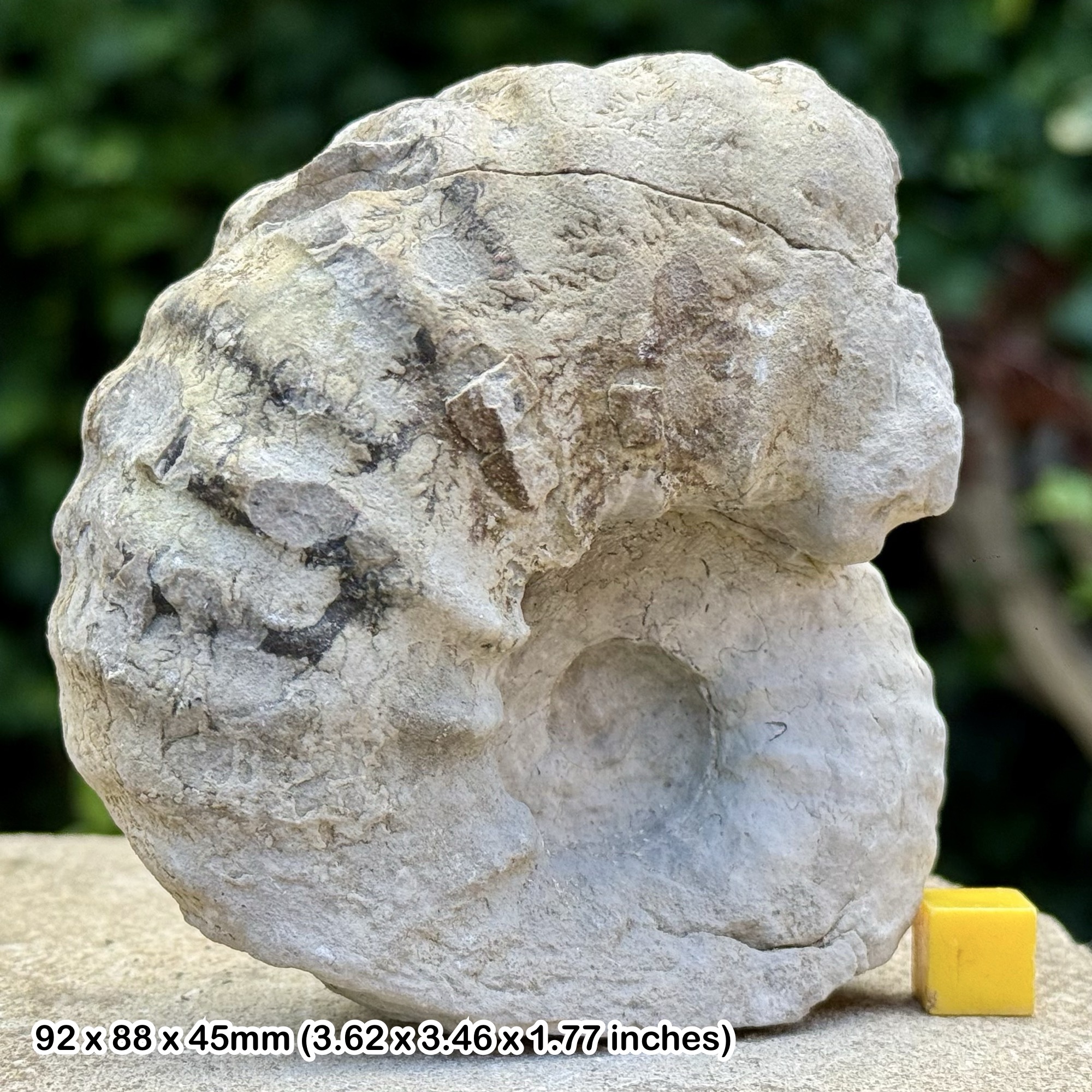
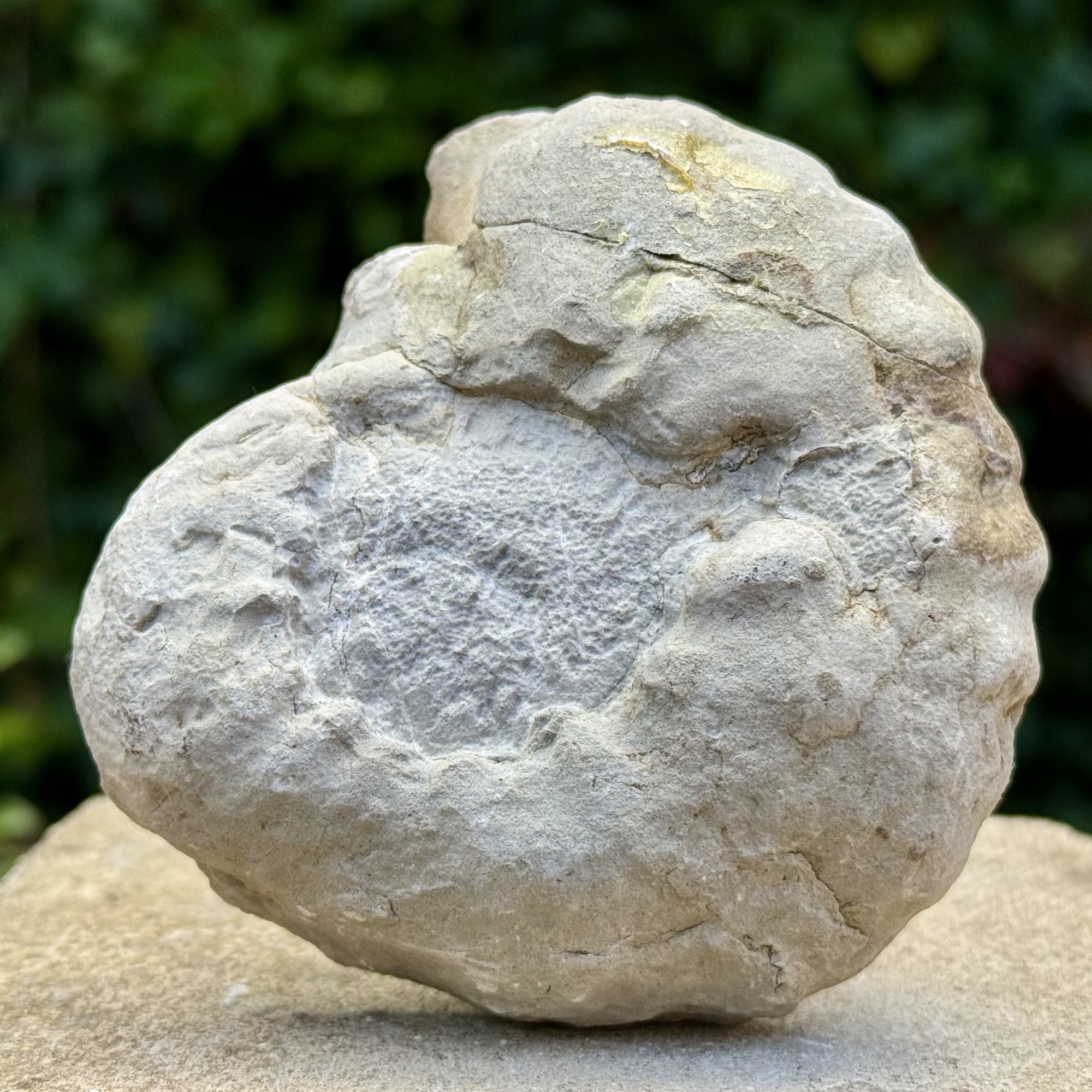
RARE: Kamerunoceras turoniense Fossil Ammonite – Turonian, Cretaceous – Bourges, France | Authentic Ammonite Fossil | COA Included
£ 18.00
This listing features a RARE fossil ammonite specimen of Kamerunoceras
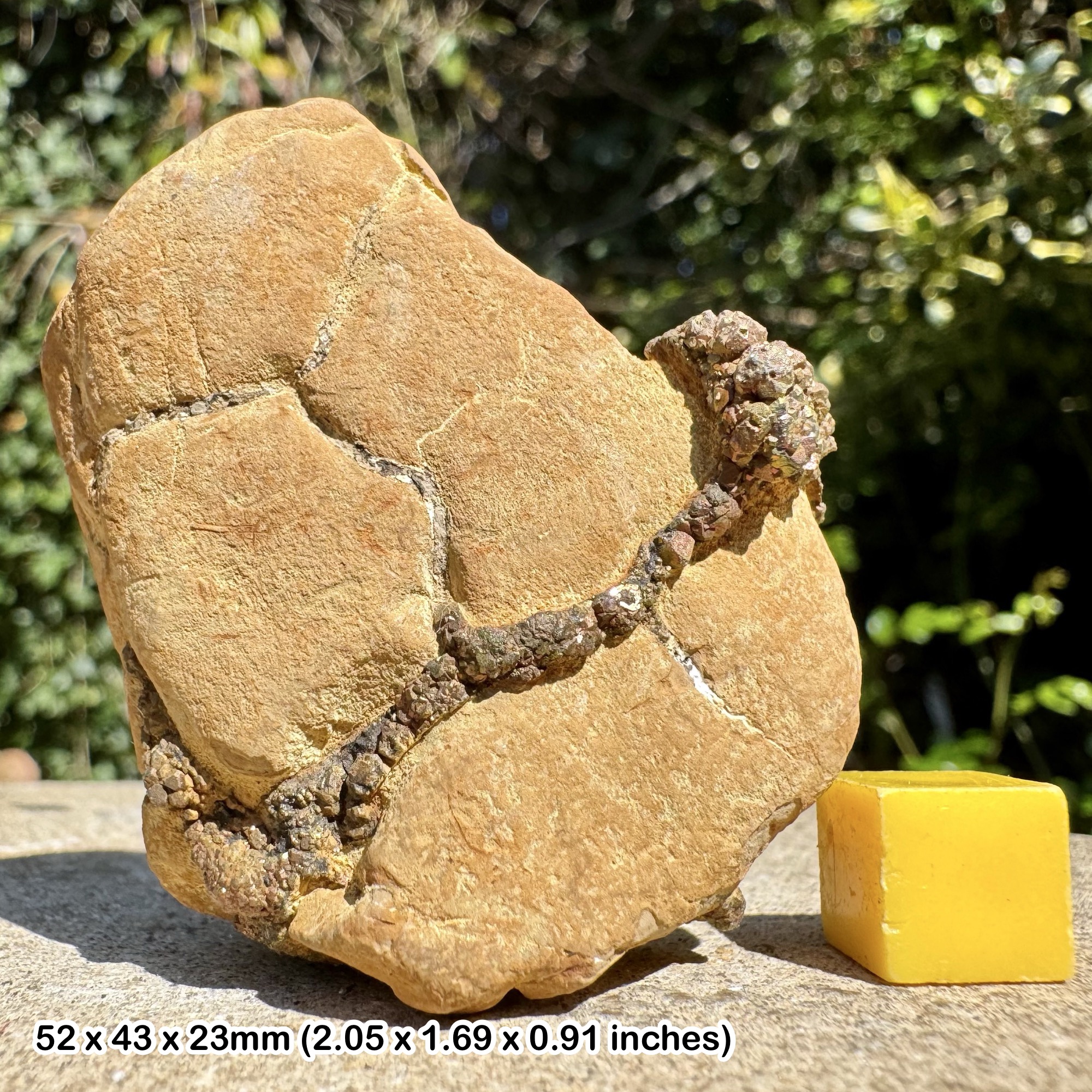
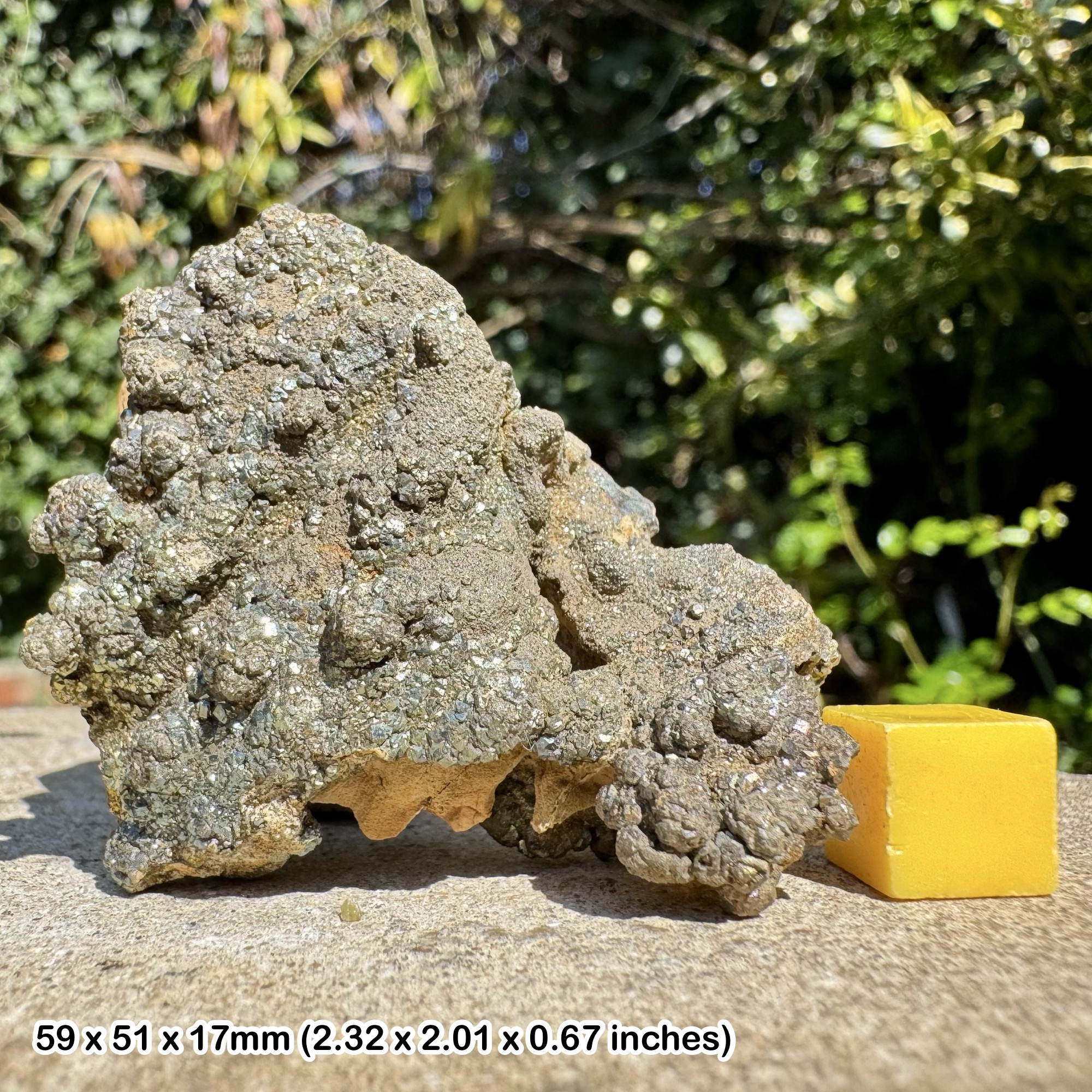
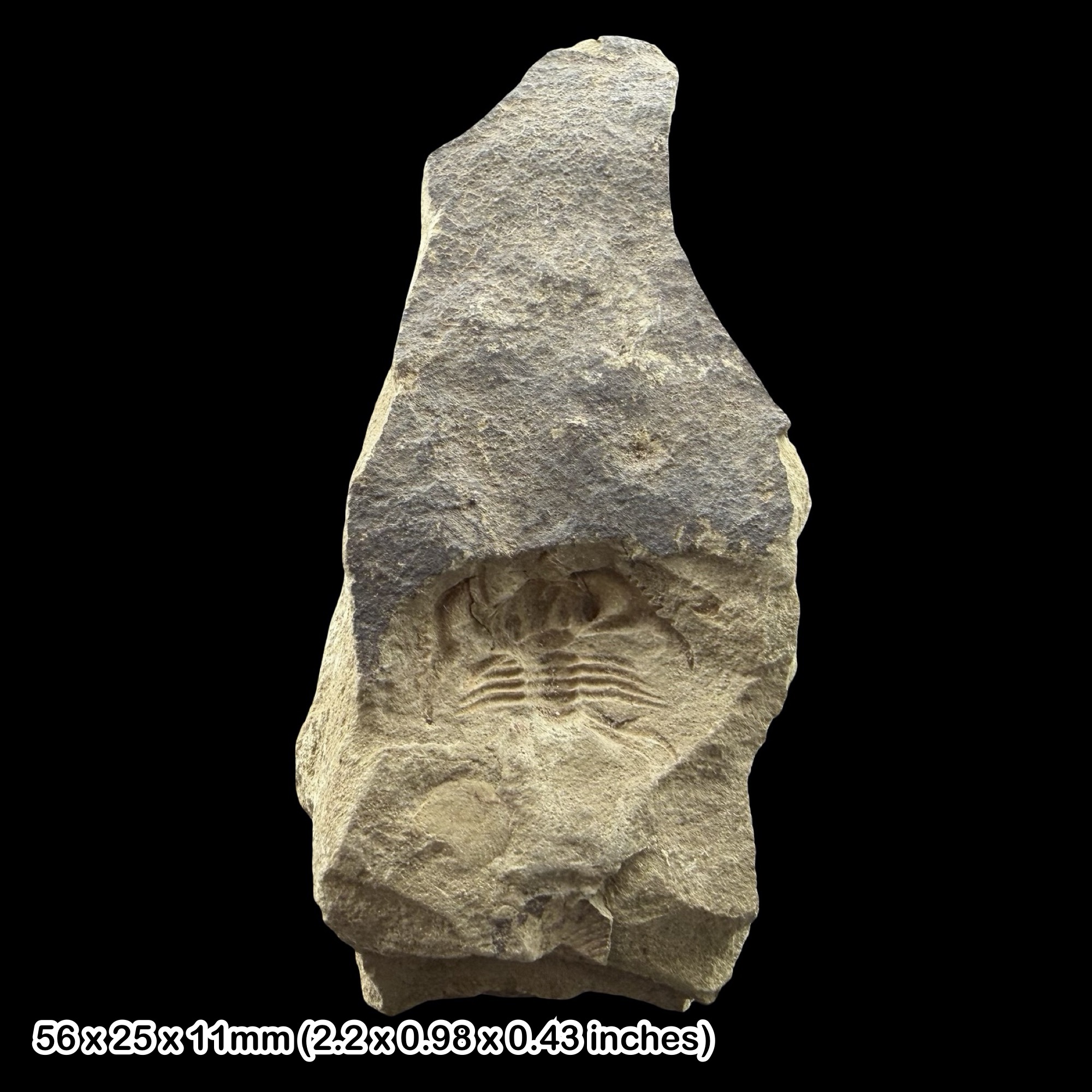
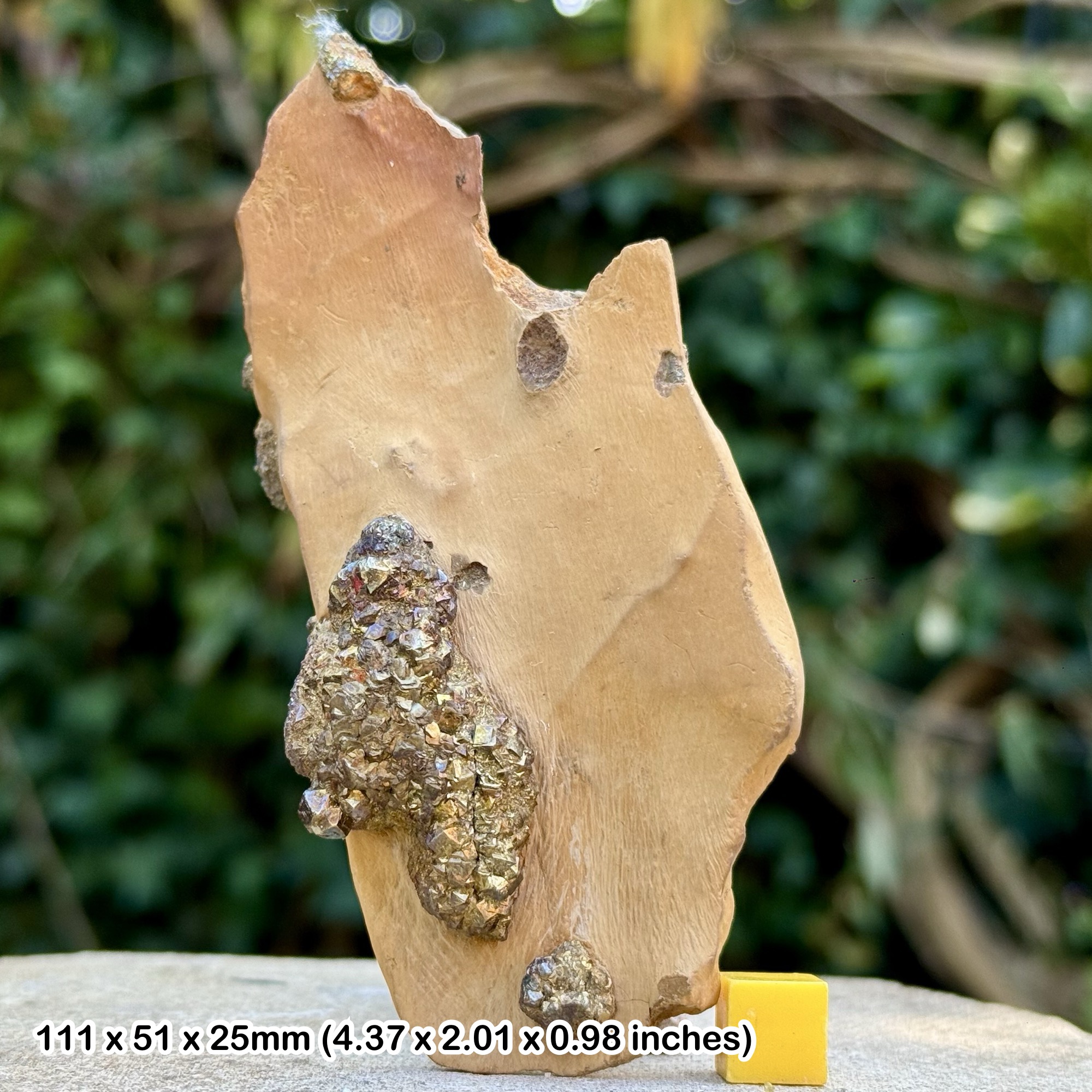
turoniense, beautifully preserved and discovered in Bourges, France, from the Turonian stage of the Late Cretaceous. This genus is a key representative of mid-Cretaceous ammonite faunas and holds high value for collectors and palaeontologists alike.As always, this is a 100% genuine fossil, and the exact specimen shown in the photographs is the one you will receive. The fossil is carefully selected for quality and is accompanied by a Certificate of Authenticity. For full sizing, please refer to the photo with the 1cm scale cube. FOSSIL OVERVIEW:
• Species: Kamerunoceras turoniense
• Common Name: Fossil Ammonite
• Geological Period: Cretaceous
• Stage: Turonian (~93.9 to 89.8 million years ago)
• Locality: Bourges, Centre-Val de Loire, France
• Preservation: External mould with some shell detail in natural matrix GEOLOGICAL CONTEXT & DEPOSITIONAL ENVIRONMENT:This fossil originates from marine sediments laid down during the Turonian, a time when Europe was submerged beneath a warm, shallow inland sea. The area around Bourges represents part of a carbonate platform that preserved a diverse array of marine organisms.The depositional environment was likely a low-energy offshore shelf, rich in plankton and other marine life that supported nektonic ammonites such as Kamerunoceras. These open-marine sediments, typically chalky or marly limestones, provided ideal conditions for fossilisation. BIOZONE SIGNIFICANCE:Kamerunoceras turoniense is indicative of the Upper Turonian ammonite zones, potentially within the Collignoniceras woollgari or Subprionocyclus neptuni zones, depending on locality. These biozones are used for high-resolution correlation of Turonian strata across Western Europe and North Africa. TAXONOMY & CLASSIFICATION:
• Phylum: Mollusca
• Class: Cephalopoda
• Subclass: Ammonoidea
• Order: Ammonitida
• Superfamily: Acanthoceratoidea
• Family: Acanthoceratidae
• Genus: Kamerunoceras
• Species: turoniense MORPHOLOGICAL FEATURES:Kamerunoceras is characterised by:
• Strong ribbing across the whorls
• Presence of prominent tubercles or nodes along the ventrolateral margins
• Moderately evolute coiling with exposed inner whorls
• A compressed, somewhat involute shell profile
• A wide ventral area that may show weak keel developmentThese features reflect a nektonic (actively swimming) lifestyle, typical of mid-Cretaceous ammonites. NOTABLE INFORMATION:
• Kamerunoceras is an important Turonian index fossil
• Shows global distribution from Europe to Africa and parts of the Americas
• Fossils of this genus are relatively scarce in the commercial market
• Ideal for collectors seeking rare ammonites from the mid-Cretaceous
• Scientifically valuable for correlation and palaeobiogeographyWhy Buy From Us?
• All specimens are 100% genuine and naturally preserved fossils
• Each purchase includes a Certificate of Authenticity
• The fossil shown in the photos is the exact one you will receive
• Carefully packed and shipped promptly with professional serviceThis rare Kamerunoceras turoniense ammonite is a striking example of Cretaceous marine life and an excellent addition to any fossil collection, museum exhibit, or educational resource.
turoniense, beautifully preserved and discovered in Bourges, France, from the Turonian stage of the Late Cretaceous. This genus is a key representative of mid-Cretaceous ammonite faunas and holds high value for collectors and palaeontologists alike.As always, this is a 100% genuine fossil, and the exact specimen shown in the photographs is the one you will receive. The fossil is carefully selected for quality and is accompanied by a Certificate of Authenticity. For full sizing, please refer to the photo with the 1cm scale cube. FOSSIL OVERVIEW:
• Species: Kamerunoceras turoniense
• Common Name: Fossil Ammonite
• Geological Period: Cretaceous
• Stage: Turonian (~93.9 to 89.8 million years ago)
• Locality: Bourges, Centre-Val de Loire, France
• Preservation: External mould with some shell detail in natural matrix GEOLOGICAL CONTEXT & DEPOSITIONAL ENVIRONMENT:This fossil originates from marine sediments laid down during the Turonian, a time when Europe was submerged beneath a warm, shallow inland sea. The area around Bourges represents part of a carbonate platform that preserved a diverse array of marine organisms.The depositional environment was likely a low-energy offshore shelf, rich in plankton and other marine life that supported nektonic ammonites such as Kamerunoceras. These open-marine sediments, typically chalky or marly limestones, provided ideal conditions for fossilisation. BIOZONE SIGNIFICANCE:Kamerunoceras turoniense is indicative of the Upper Turonian ammonite zones, potentially within the Collignoniceras woollgari or Subprionocyclus neptuni zones, depending on locality. These biozones are used for high-resolution correlation of Turonian strata across Western Europe and North Africa. TAXONOMY & CLASSIFICATION:
• Phylum: Mollusca
• Class: Cephalopoda
• Subclass: Ammonoidea
• Order: Ammonitida
• Superfamily: Acanthoceratoidea
• Family: Acanthoceratidae
• Genus: Kamerunoceras
• Species: turoniense MORPHOLOGICAL FEATURES:Kamerunoceras is characterised by:
• Strong ribbing across the whorls
• Presence of prominent tubercles or nodes along the ventrolateral margins
• Moderately evolute coiling with exposed inner whorls
• A compressed, somewhat involute shell profile
• A wide ventral area that may show weak keel developmentThese features reflect a nektonic (actively swimming) lifestyle, typical of mid-Cretaceous ammonites. NOTABLE INFORMATION:
• Kamerunoceras is an important Turonian index fossil
• Shows global distribution from Europe to Africa and parts of the Americas
• Fossils of this genus are relatively scarce in the commercial market
• Ideal for collectors seeking rare ammonites from the mid-Cretaceous
• Scientifically valuable for correlation and palaeobiogeographyWhy Buy From Us?
• All specimens are 100% genuine and naturally preserved fossils
• Each purchase includes a Certificate of Authenticity
• The fossil shown in the photos is the exact one you will receive
• Carefully packed and shipped promptly with professional serviceThis rare Kamerunoceras turoniense ammonite is a striking example of Cretaceous marine life and an excellent addition to any fossil collection, museum exhibit, or educational resource.
Other Products