Hebetoxyites Ammonite Fossil France Jurassic Genuine COA Bajocian Specimen Middle Jurassic Collector Display Fossil
£ 12.60
GENUINE HEBETOXYITES SP. AMMONITE FOSSILThis listing is for a genuine Hebetoxyites sp. ammonite fossil from the Middle
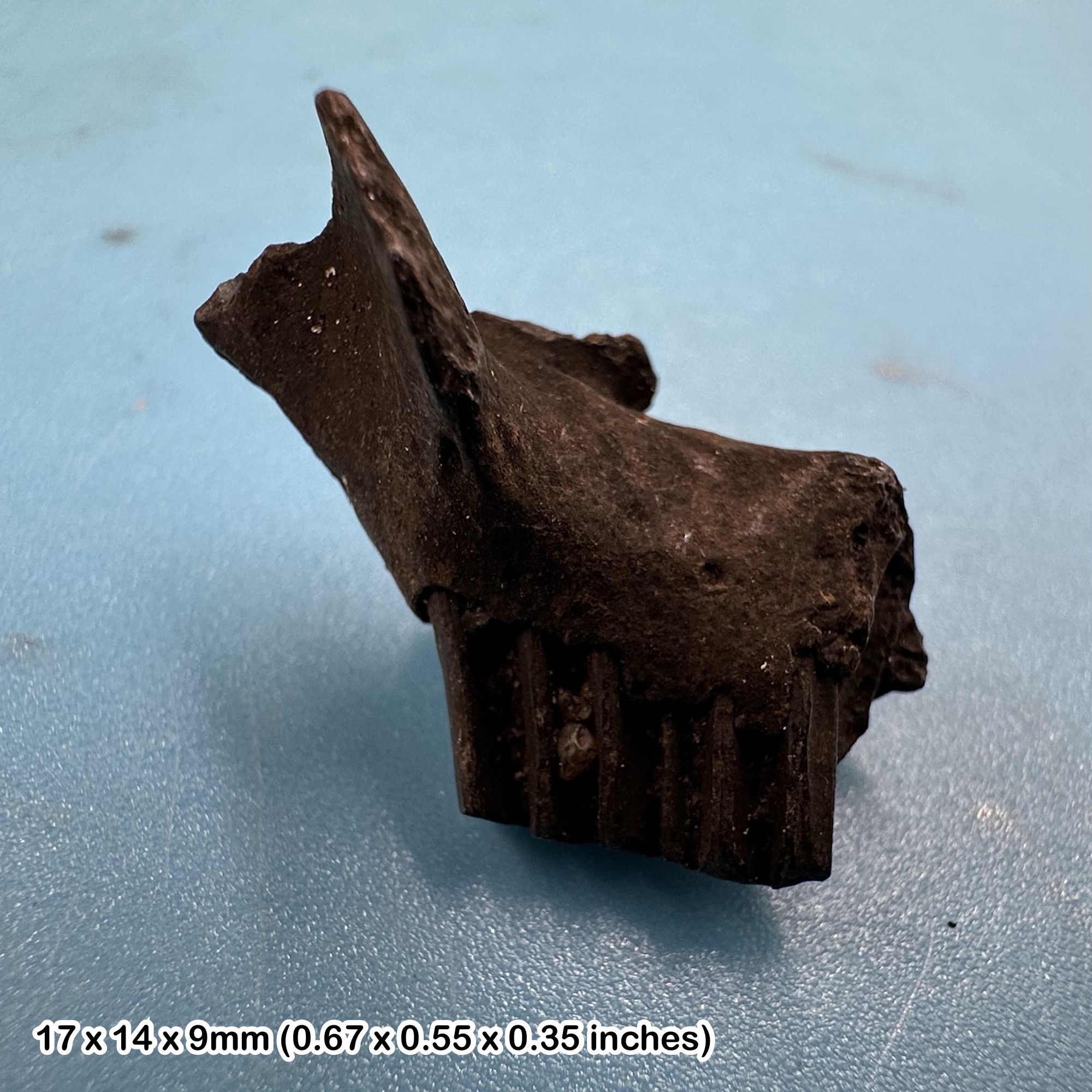
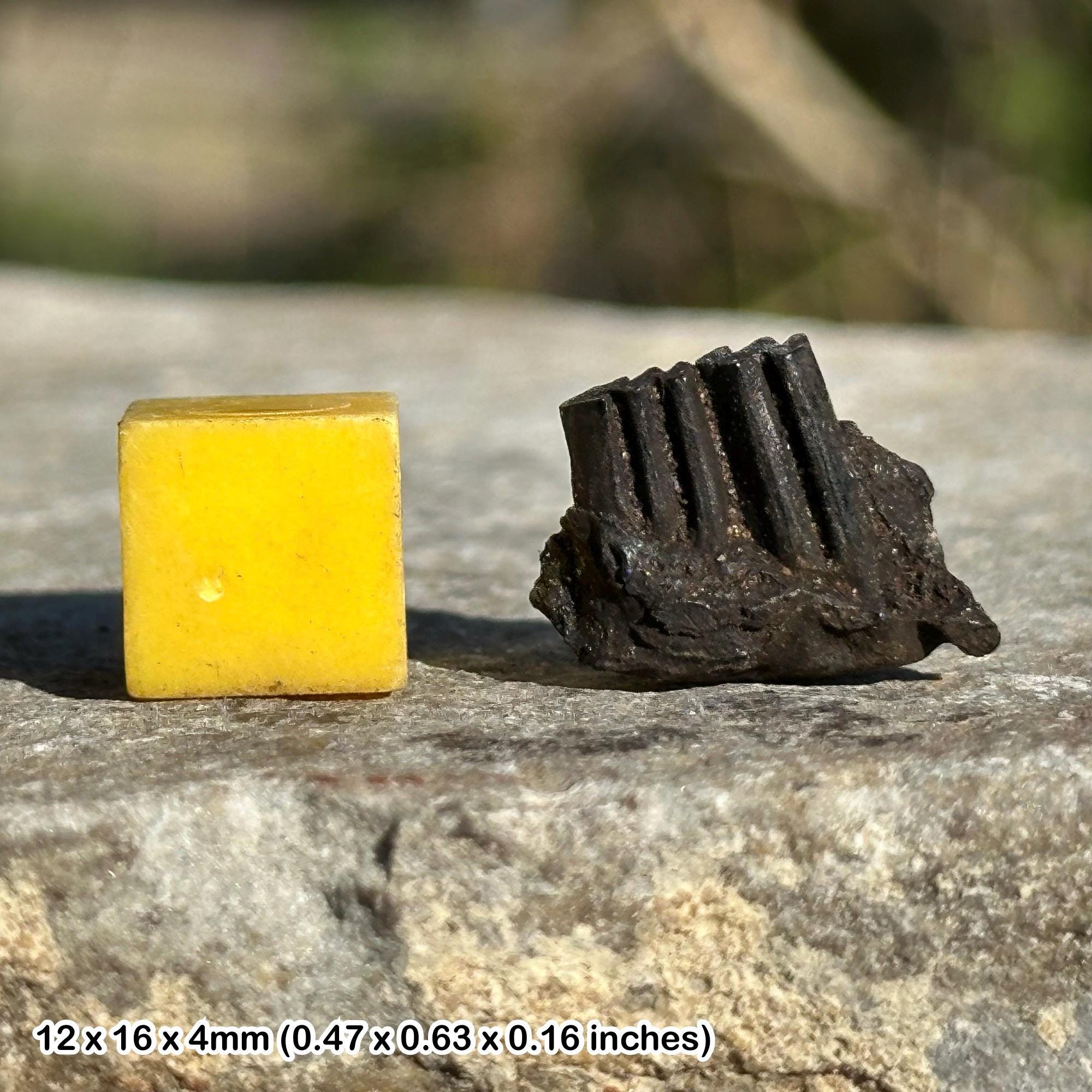
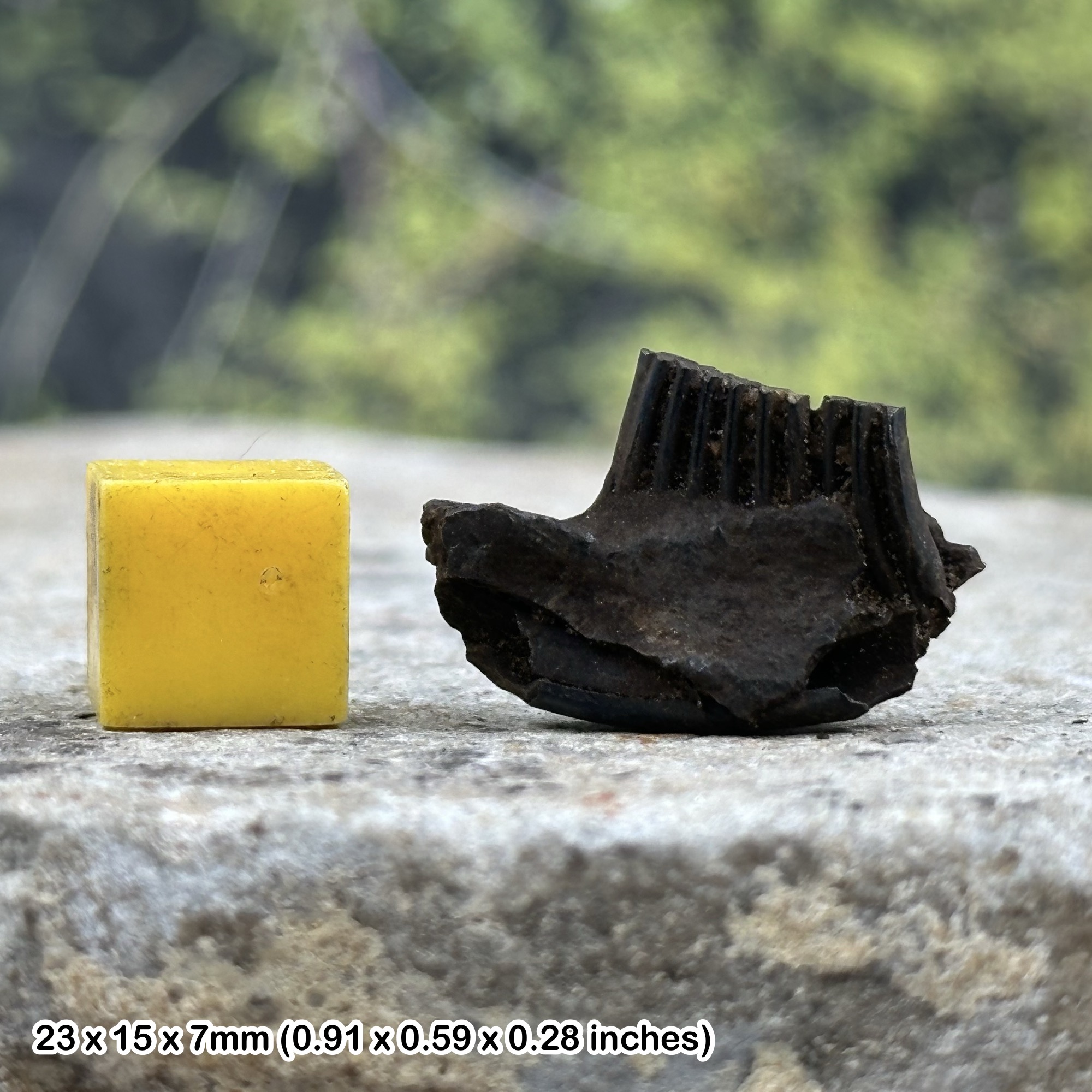
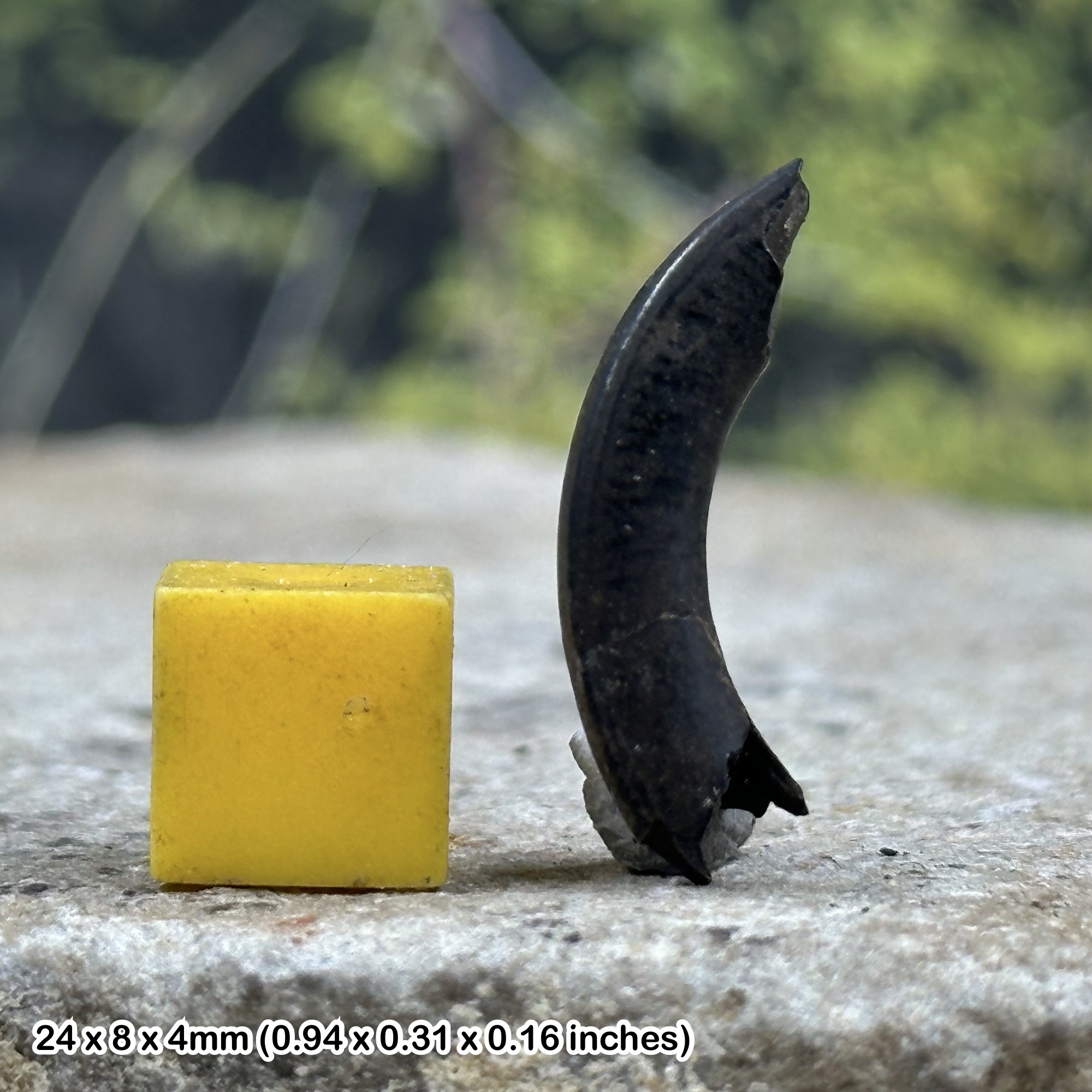
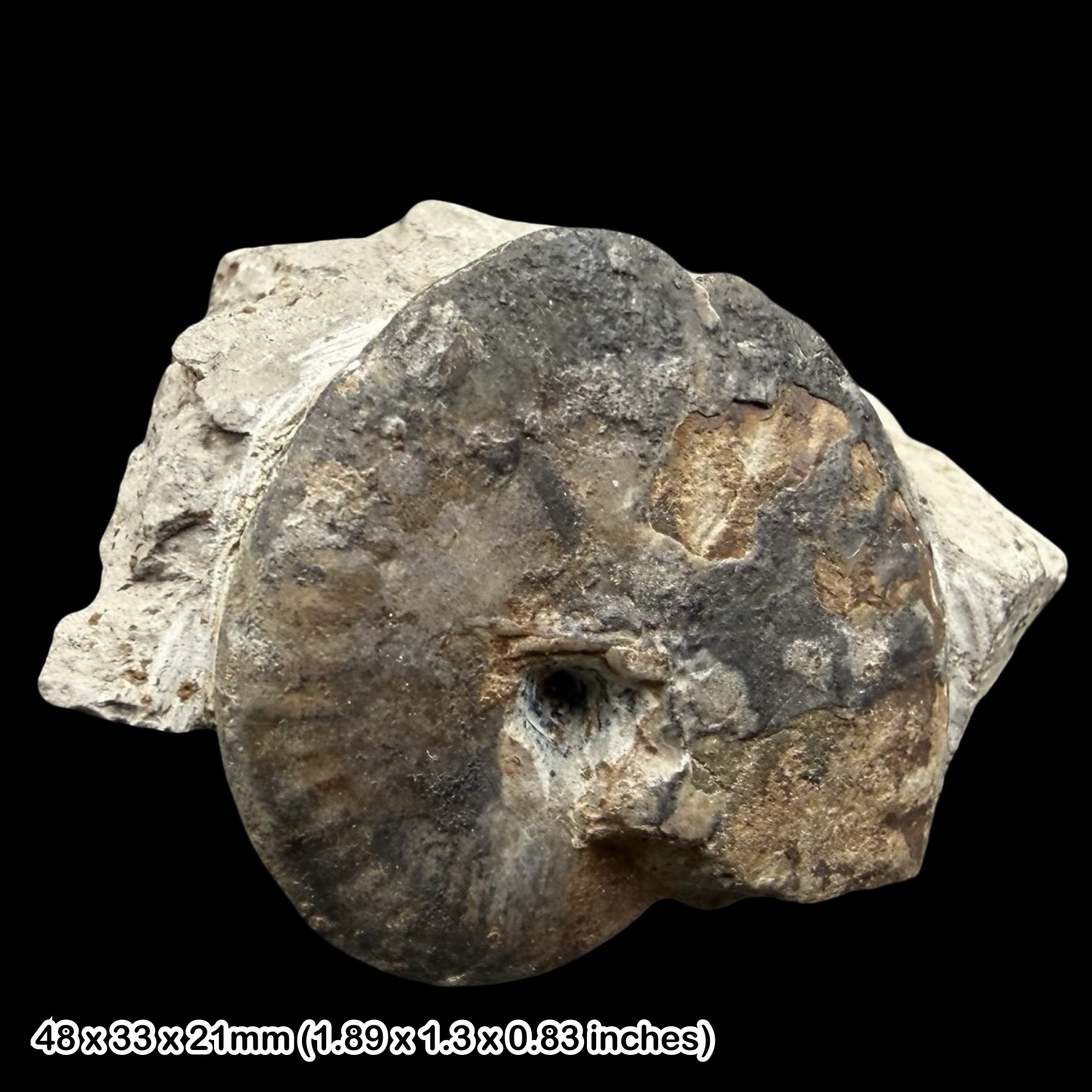
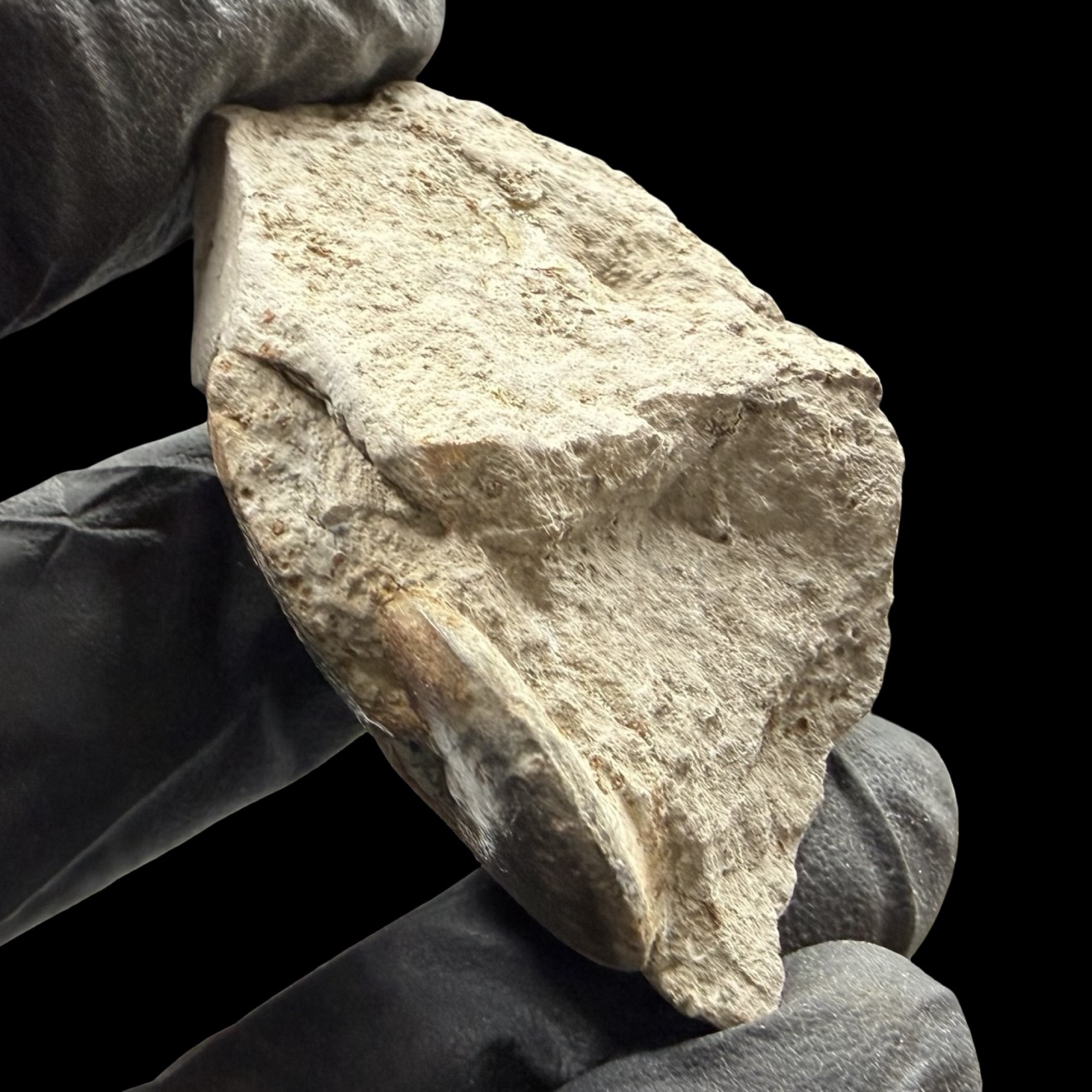
Jurassic, Bajocian Stage of France. This carefully chosen fossil specimen has been selected for its natural fossil character, geological interest, and attractive collector appeal. The photograph shows the actual specimen you will receive, so please refer to the photo for the full sizing, proportions, preservation, colour, matrix, surface texture, and overall condition of this individual fossil.This fossil is supplied with a Certificate of Authenticity lifetime guarantee generic card, giving confidence that the specimen is a genuine fossil and not a modern replica.FOSSIL TYPE AND CLASSIFICATIONHebetoxyites sp. is an extinct ammonite, a type of marine cephalopod that lived in ancient Jurassic seas. Ammonites were related to modern squid, cuttlefish, octopus, and nautilus, but they lived inside coiled, chambered shells. The animal occupied the final outer body chamber, while the earlier internal chambers helped regulate buoyancy, allowing it to move through the water column.This specimen is identified to genus level as Hebetoxyites sp., meaning it belongs to the genus Hebetoxyites, while the exact species is not specified. Hebetoxyites is associated with the ammonite order Ammonitida, a major group of Jurassic and Cretaceous ammonites known for their varied shell forms, rapid evolution, and scientific importance. Ammonites are highly collectable fossils because they combine natural spiral beauty with strong geological value.MIDDLE JURASSIC BAJOCIAN AGEThis fossil dates from the Bajocian Stage of the Middle Jurassic, approximately 170 to 168 million years old. The Bajocian was an important interval in Jurassic marine history, following the Aalenian and preceding the Bathonian. During this stage, ammonites diversified widely in warm European seas, leaving behind a rich fossil record in limestones, marls, clays, and other marine sedimentary rocks.Bajocian ammonites are especially interesting because many groups evolved quickly and are useful for comparing and dating Middle Jurassic rock layers. Their changing shell shapes, ornamentation, whorl profiles, and suture patterns make them important fossils for biostratigraphy as well as attractive natural history specimens for collectors.FRENCH JURASSIC GEOLOGYFrance has a long and important Jurassic fossil record, with many regions preserving marine sediments formed when large parts of Europe were covered by shallow to moderately deep seas. During the Bajocian, the area that is now France was connected to a wider marine realm supporting ammonites, belemnites, bivalves, brachiopods, gastropods, echinoids, fish, and other ancient sea life.Fine sediment accumulated on the sea floor, sometimes burying ammonite shells after death. Over millions of years, pressure, mineral-rich groundwater, and natural geological processes transformed these remains into fossils. Later uplift and erosion exposed the fossil-bearing beds, allowing specimens such as this Hebetoxyites ammonite to be discovered and collected.MORPHOLOGY AND NATURAL FEATURESHebetoxyites ammonites display the classic coiled form that makes Jurassic ammonites so recognisable. Like other ammonites, the shell grew in a planispiral coil, with each whorl recording a stage of growth. Important identification features in ammonites include whorl shape, umbilicus width, ribbing, ornamentation, shell compression, chamber arrangement, and suture pattern.Depending on preservation, this specimen may show natural shell curvature, ribbing or growth lines, chamber traces, mineralisation, matrix, colour variation, surface texture, or geological wear from burial and exposure. These features are part of the fossil’s natural history and help make every genuine ammonite unique. Please use the photograph to view the exact visible characteristics of this particular specimen, as the image shows the actual fossil supplied.ANCIENT MARINE LIFEDuring life, this Hebetoxyites ammonite would have been part of a diverse Middle Jurassic marine ecosystem. Ammonites were active swimming cephalopods, using their chambered shells to regulate buoyancy and maintain stability in the water. They likely fed on small marine organisms or scavenged available food, while also serving as prey for larger predators such as fish and marine reptiles.The coiled shell was both protective and functional, allowing the animal to grow while keeping balance in the sea. After death, the shell settled onto the sea floor and became buried in sediment, beginning the long fossilisation process that preserved it for millions of years.COLLECTOR DISPLAY AND AUTHENTICITYThis Hebetoxyites sp. ammonite fossil from France is ideal for fossil collectors, geology enthusiasts, natural history displays, educational collections, cabinet specimens, and anyone interested in genuine Jurassic fossils. It is especially suitable for collectors of ammonites, fossil cephalopods, French fossils, Middle Jurassic specimens, Bajocian fossils, and ancient marine life.The fossil shown in the photograph is the actual specimen you will receive. Please check the photo carefully for full sizing and condition details, including any natural cracks, matrix, mineralisation, colour variation, preparation marks, surface wear, or other natural features.INCLUDED WITH THIS SPECIMENYour fossil will be supplied as a genuine specimen with a Certificate of Authenticity lifetime guarantee generic card. This makes it suitable for personal collecting, educational use, geology teaching, natural history display, or as a thoughtful gift for fossil lovers, palaeontology enthusiasts, students, teachers, and collectors of ancient marine specimens.
Jurassic, Bajocian Stage of France. This carefully chosen fossil specimen has been selected for its natural fossil character, geological interest, and attractive collector appeal. The photograph shows the actual specimen you will receive, so please refer to the photo for the full sizing, proportions, preservation, colour, matrix, surface texture, and overall condition of this individual fossil.This fossil is supplied with a Certificate of Authenticity lifetime guarantee generic card, giving confidence that the specimen is a genuine fossil and not a modern replica.FOSSIL TYPE AND CLASSIFICATIONHebetoxyites sp. is an extinct ammonite, a type of marine cephalopod that lived in ancient Jurassic seas. Ammonites were related to modern squid, cuttlefish, octopus, and nautilus, but they lived inside coiled, chambered shells. The animal occupied the final outer body chamber, while the earlier internal chambers helped regulate buoyancy, allowing it to move through the water column.This specimen is identified to genus level as Hebetoxyites sp., meaning it belongs to the genus Hebetoxyites, while the exact species is not specified. Hebetoxyites is associated with the ammonite order Ammonitida, a major group of Jurassic and Cretaceous ammonites known for their varied shell forms, rapid evolution, and scientific importance. Ammonites are highly collectable fossils because they combine natural spiral beauty with strong geological value.MIDDLE JURASSIC BAJOCIAN AGEThis fossil dates from the Bajocian Stage of the Middle Jurassic, approximately 170 to 168 million years old. The Bajocian was an important interval in Jurassic marine history, following the Aalenian and preceding the Bathonian. During this stage, ammonites diversified widely in warm European seas, leaving behind a rich fossil record in limestones, marls, clays, and other marine sedimentary rocks.Bajocian ammonites are especially interesting because many groups evolved quickly and are useful for comparing and dating Middle Jurassic rock layers. Their changing shell shapes, ornamentation, whorl profiles, and suture patterns make them important fossils for biostratigraphy as well as attractive natural history specimens for collectors.FRENCH JURASSIC GEOLOGYFrance has a long and important Jurassic fossil record, with many regions preserving marine sediments formed when large parts of Europe were covered by shallow to moderately deep seas. During the Bajocian, the area that is now France was connected to a wider marine realm supporting ammonites, belemnites, bivalves, brachiopods, gastropods, echinoids, fish, and other ancient sea life.Fine sediment accumulated on the sea floor, sometimes burying ammonite shells after death. Over millions of years, pressure, mineral-rich groundwater, and natural geological processes transformed these remains into fossils. Later uplift and erosion exposed the fossil-bearing beds, allowing specimens such as this Hebetoxyites ammonite to be discovered and collected.MORPHOLOGY AND NATURAL FEATURESHebetoxyites ammonites display the classic coiled form that makes Jurassic ammonites so recognisable. Like other ammonites, the shell grew in a planispiral coil, with each whorl recording a stage of growth. Important identification features in ammonites include whorl shape, umbilicus width, ribbing, ornamentation, shell compression, chamber arrangement, and suture pattern.Depending on preservation, this specimen may show natural shell curvature, ribbing or growth lines, chamber traces, mineralisation, matrix, colour variation, surface texture, or geological wear from burial and exposure. These features are part of the fossil’s natural history and help make every genuine ammonite unique. Please use the photograph to view the exact visible characteristics of this particular specimen, as the image shows the actual fossil supplied.ANCIENT MARINE LIFEDuring life, this Hebetoxyites ammonite would have been part of a diverse Middle Jurassic marine ecosystem. Ammonites were active swimming cephalopods, using their chambered shells to regulate buoyancy and maintain stability in the water. They likely fed on small marine organisms or scavenged available food, while also serving as prey for larger predators such as fish and marine reptiles.The coiled shell was both protective and functional, allowing the animal to grow while keeping balance in the sea. After death, the shell settled onto the sea floor and became buried in sediment, beginning the long fossilisation process that preserved it for millions of years.COLLECTOR DISPLAY AND AUTHENTICITYThis Hebetoxyites sp. ammonite fossil from France is ideal for fossil collectors, geology enthusiasts, natural history displays, educational collections, cabinet specimens, and anyone interested in genuine Jurassic fossils. It is especially suitable for collectors of ammonites, fossil cephalopods, French fossils, Middle Jurassic specimens, Bajocian fossils, and ancient marine life.The fossil shown in the photograph is the actual specimen you will receive. Please check the photo carefully for full sizing and condition details, including any natural cracks, matrix, mineralisation, colour variation, preparation marks, surface wear, or other natural features.INCLUDED WITH THIS SPECIMENYour fossil will be supplied as a genuine specimen with a Certificate of Authenticity lifetime guarantee generic card. This makes it suitable for personal collecting, educational use, geology teaching, natural history display, or as a thoughtful gift for fossil lovers, palaeontology enthusiasts, students, teachers, and collectors of ancient marine specimens.
Other Products