Rose Quartz Tower Natural Pink Quartz Crystal Point Polished Mineral Specimen Display Stone Genuine with Certificate of Authenticity
£ 28.56
Rose Quartz Tower Polished Mineral SpecimenThis genuine Rose Quartz tower is a polished mineral specimen carved from
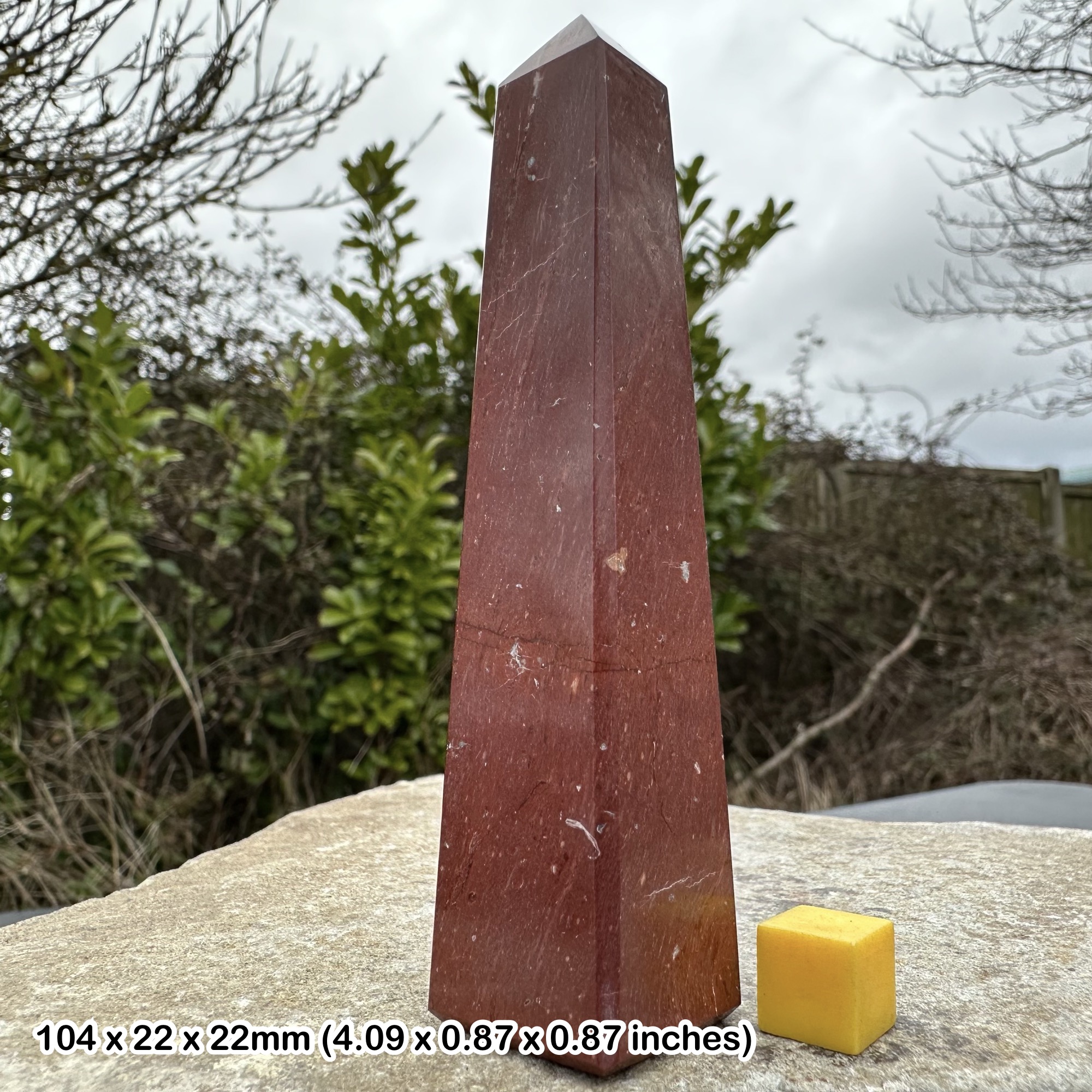
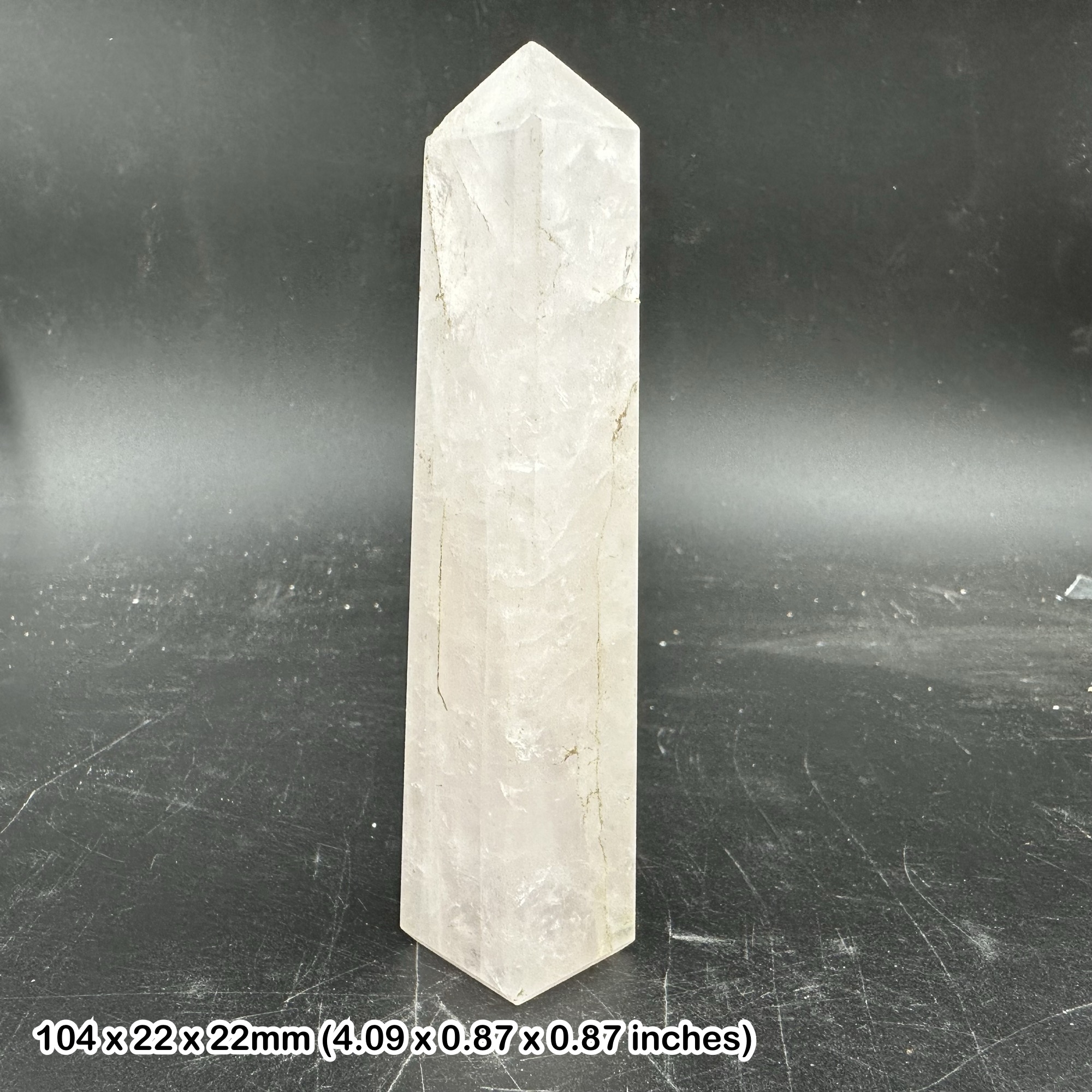
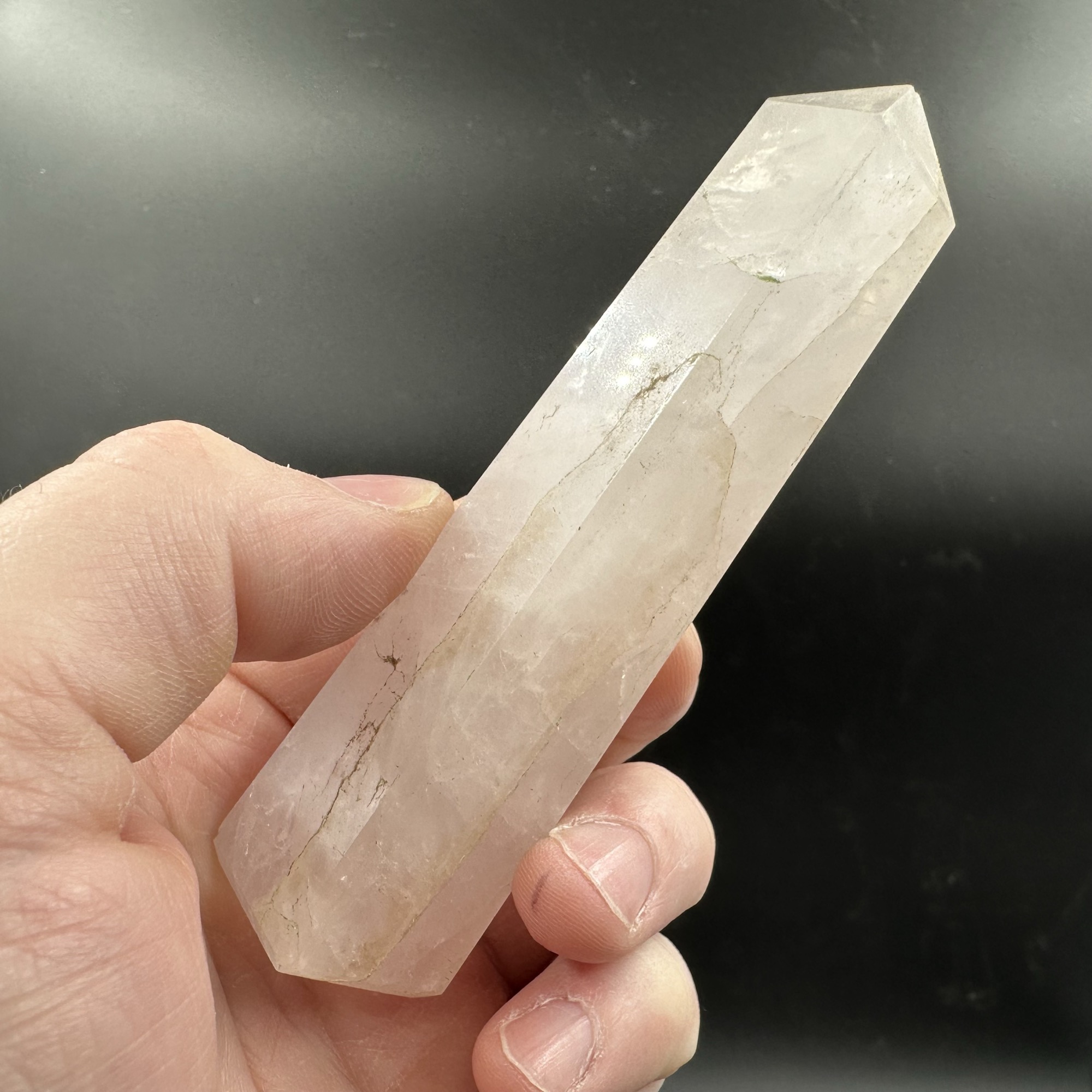
natural pink quartz. The tower form highlights the soft colour and translucent qualities that make rose quartz one of the most recognisable varieties of quartz within the mineral world. Carefully shaped into a standing point, the polished surfaces allow light to pass through the stone, revealing subtle internal textures and colour variations.The listing photographs clearly show the exact specimen you will receive, allowing collectors and buyers to view the natural colour distribution, polish, and mineral structure before purchase. Each piece is individually selected for its appearance and display quality.This crystal includes a Certificate of Authenticity lifetime guarantee generic card, confirming the specimen as genuine natural quartz.Please refer to the listing photos for full sizing and scale.Mineral Identification and Scientific ClassificationRose Quartz is a pink variety of quartz, a mineral composed of silicon dioxide and belonging to the silicate mineral class. Quartz is one of the most abundant minerals in the Earth’s crust and occurs in a wide range of geological environments.Key mineralogical information includes:Mineral Name: QuartzVariety: Rose QuartzMineral Class: SilicatesChemical Formula: SiO₂Crystal System: TrigonalMohs Hardness: 7Lustre: VitreousTransparency: Translucent to transparentThe pink colour of rose quartz is typically caused by microscopic inclusions or trace elements such as titanium, manganese, or dumortierite-related fibres within the quartz structure.Geological Formation of Rose QuartzRose Quartz most commonly forms within pegmatite deposits, which are coarse-grained igneous rocks formed from slowly cooling magma. In these environments, mineral-rich fluids allow quartz crystals and other minerals to grow under favourable conditions.Unlike clear quartz crystals that often form as well-defined points, rose quartz frequently occurs in massive formations, meaning it forms as large solid masses rather than individual crystal shapes.Typical geological environments for rose quartz formation include:Granitic pegmatitesHydrothermal vein systemsMetamorphic environments rich in silicaOver long geological periods, these conditions allow large deposits of quartz to form, which can then be cut and shaped to reveal the natural colour and translucency of the stone.Colour Characteristics and Internal StructureRose Quartz is recognised for its soft pink colour, which can range from pale pastel tones to deeper rose shades depending on the mineral composition and inclusions present.Common visual characteristics include:Soft pink to rose-coloured tonesCloud-like internal texturesSubtle translucency allowing light to pass through the stoneSmooth vitreous lustre after polishingSome specimens may also display faint internal veining or inclusions that reflect the mineral’s natural formation process.Tower Shape and Mineral CarvingThis specimen has been shaped into a tower or point, a common style of mineral carving used to showcase the colour and internal structure of the stone. The tower form features multiple polished faces converging to a point at the top.Polished mineral towers are widely appreciated for their visual symmetry and ability to display the internal features of translucent minerals like quartz.Rose Quartz towers are often displayed as:Mineral cabinet specimensDecorative stone piecesCollector display itemsNatural stone giftsThe vertical shape also allows light to pass through the stone from different angles, highlighting subtle variations in colour and texture.Mineral Collecting and Geological InterestQuartz varieties such as rose quartz are widely collected due to their geological significance and visual appeal. As a member of the quartz family, rose quartz represents an important example of silica mineral formation in pegmatite environments.Collectors often include rose quartz specimens in:Quartz mineral collectionsSilicate mineral displaysPegmatite mineral suitesDecorative mineral cabinetsThe tower form provides an attractive presentation while preserving the natural mineral material.Cultural and Historical ContextRose Quartz has appeared historically in carved objects, jewellery, and decorative stone pieces due to its soft colour and durability. In various cultural traditions, pink stones have been traditionally associated with symbolism related to affection or harmony, interpretations rooted in historical symbolism rather than scientific mineral properties.Authenticity and Exact SpecimenThis listing features a genuine Rose Quartz tower carved from natural quartz. The photographs provided show the exact specimen you will receive so buyers can clearly view the colour, polish, and mineral features.Each purchase includes a Certificate of Authenticity lifetime guarantee generic card, confirming the authenticity of the mineral specimen.Please refer to the listing images for full sizing and scale. The Rose Quartz tower shown in the photographs is the exact specimen that will be shipped.
natural pink quartz. The tower form highlights the soft colour and translucent qualities that make rose quartz one of the most recognisable varieties of quartz within the mineral world. Carefully shaped into a standing point, the polished surfaces allow light to pass through the stone, revealing subtle internal textures and colour variations.The listing photographs clearly show the exact specimen you will receive, allowing collectors and buyers to view the natural colour distribution, polish, and mineral structure before purchase. Each piece is individually selected for its appearance and display quality.This crystal includes a Certificate of Authenticity lifetime guarantee generic card, confirming the specimen as genuine natural quartz.Please refer to the listing photos for full sizing and scale.Mineral Identification and Scientific ClassificationRose Quartz is a pink variety of quartz, a mineral composed of silicon dioxide and belonging to the silicate mineral class. Quartz is one of the most abundant minerals in the Earth’s crust and occurs in a wide range of geological environments.Key mineralogical information includes:Mineral Name: QuartzVariety: Rose QuartzMineral Class: SilicatesChemical Formula: SiO₂Crystal System: TrigonalMohs Hardness: 7Lustre: VitreousTransparency: Translucent to transparentThe pink colour of rose quartz is typically caused by microscopic inclusions or trace elements such as titanium, manganese, or dumortierite-related fibres within the quartz structure.Geological Formation of Rose QuartzRose Quartz most commonly forms within pegmatite deposits, which are coarse-grained igneous rocks formed from slowly cooling magma. In these environments, mineral-rich fluids allow quartz crystals and other minerals to grow under favourable conditions.Unlike clear quartz crystals that often form as well-defined points, rose quartz frequently occurs in massive formations, meaning it forms as large solid masses rather than individual crystal shapes.Typical geological environments for rose quartz formation include:Granitic pegmatitesHydrothermal vein systemsMetamorphic environments rich in silicaOver long geological periods, these conditions allow large deposits of quartz to form, which can then be cut and shaped to reveal the natural colour and translucency of the stone.Colour Characteristics and Internal StructureRose Quartz is recognised for its soft pink colour, which can range from pale pastel tones to deeper rose shades depending on the mineral composition and inclusions present.Common visual characteristics include:Soft pink to rose-coloured tonesCloud-like internal texturesSubtle translucency allowing light to pass through the stoneSmooth vitreous lustre after polishingSome specimens may also display faint internal veining or inclusions that reflect the mineral’s natural formation process.Tower Shape and Mineral CarvingThis specimen has been shaped into a tower or point, a common style of mineral carving used to showcase the colour and internal structure of the stone. The tower form features multiple polished faces converging to a point at the top.Polished mineral towers are widely appreciated for their visual symmetry and ability to display the internal features of translucent minerals like quartz.Rose Quartz towers are often displayed as:Mineral cabinet specimensDecorative stone piecesCollector display itemsNatural stone giftsThe vertical shape also allows light to pass through the stone from different angles, highlighting subtle variations in colour and texture.Mineral Collecting and Geological InterestQuartz varieties such as rose quartz are widely collected due to their geological significance and visual appeal. As a member of the quartz family, rose quartz represents an important example of silica mineral formation in pegmatite environments.Collectors often include rose quartz specimens in:Quartz mineral collectionsSilicate mineral displaysPegmatite mineral suitesDecorative mineral cabinetsThe tower form provides an attractive presentation while preserving the natural mineral material.Cultural and Historical ContextRose Quartz has appeared historically in carved objects, jewellery, and decorative stone pieces due to its soft colour and durability. In various cultural traditions, pink stones have been traditionally associated with symbolism related to affection or harmony, interpretations rooted in historical symbolism rather than scientific mineral properties.Authenticity and Exact SpecimenThis listing features a genuine Rose Quartz tower carved from natural quartz. The photographs provided show the exact specimen you will receive so buyers can clearly view the colour, polish, and mineral features.Each purchase includes a Certificate of Authenticity lifetime guarantee generic card, confirming the authenticity of the mineral specimen.Please refer to the listing images for full sizing and scale. The Rose Quartz tower shown in the photographs is the exact specimen that will be shipped.