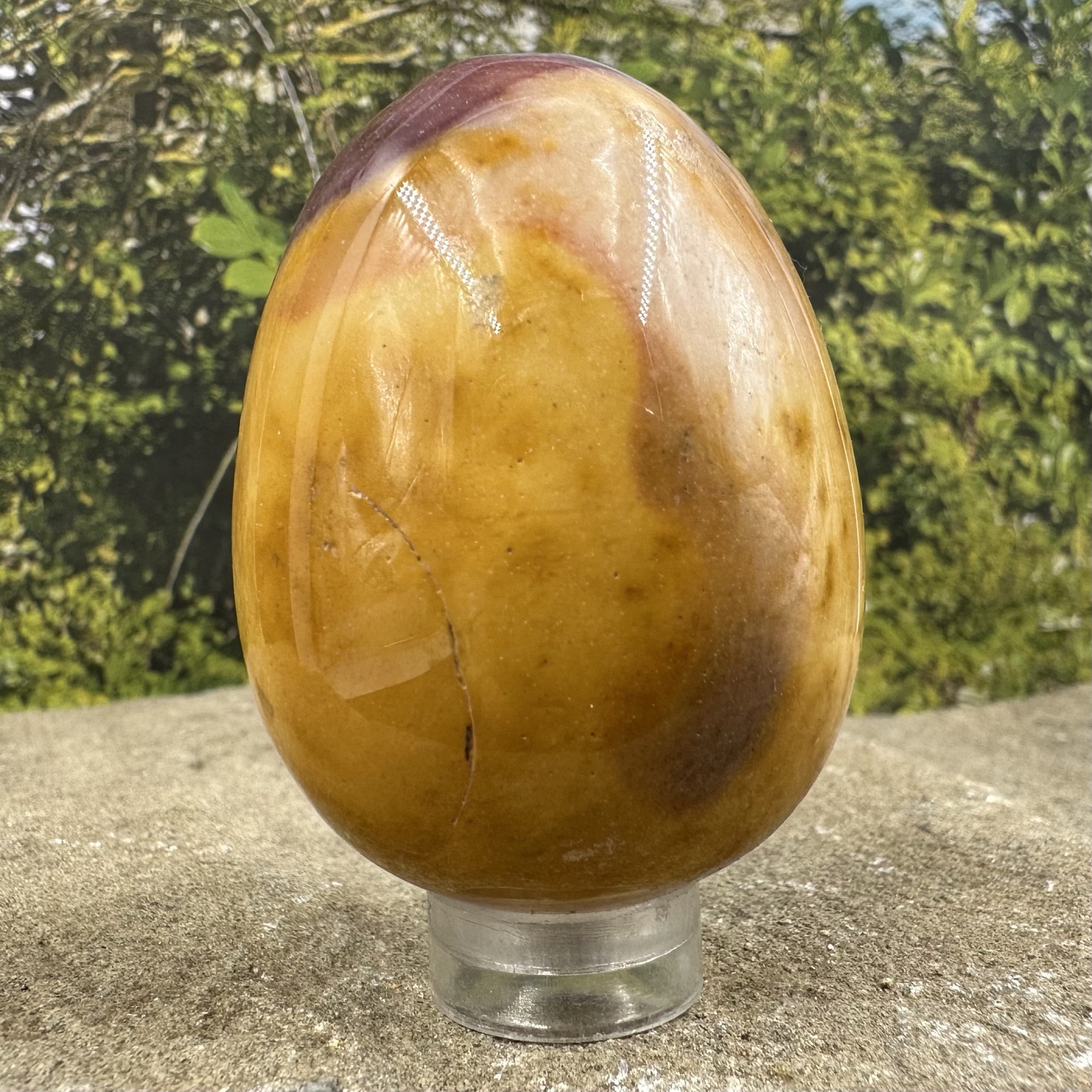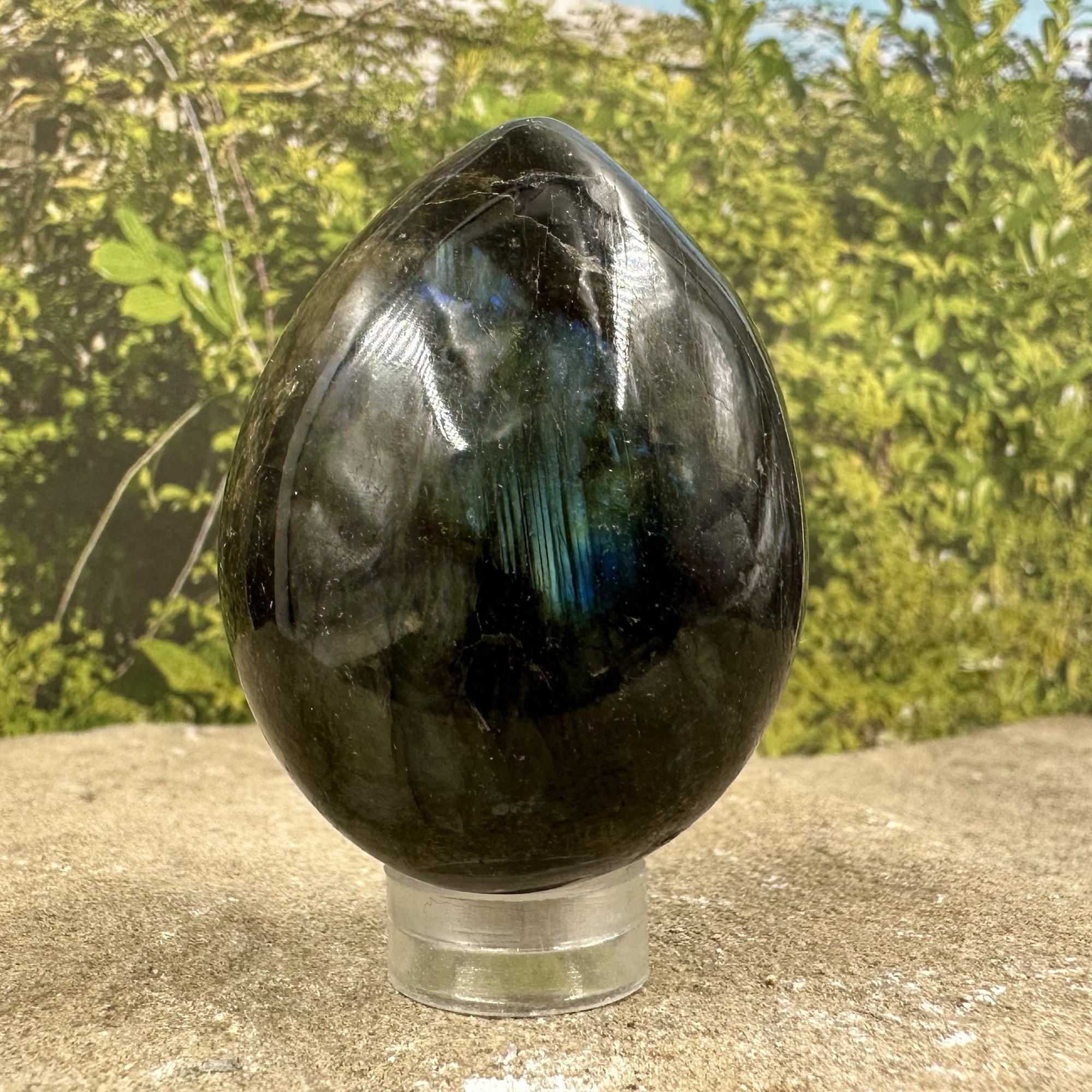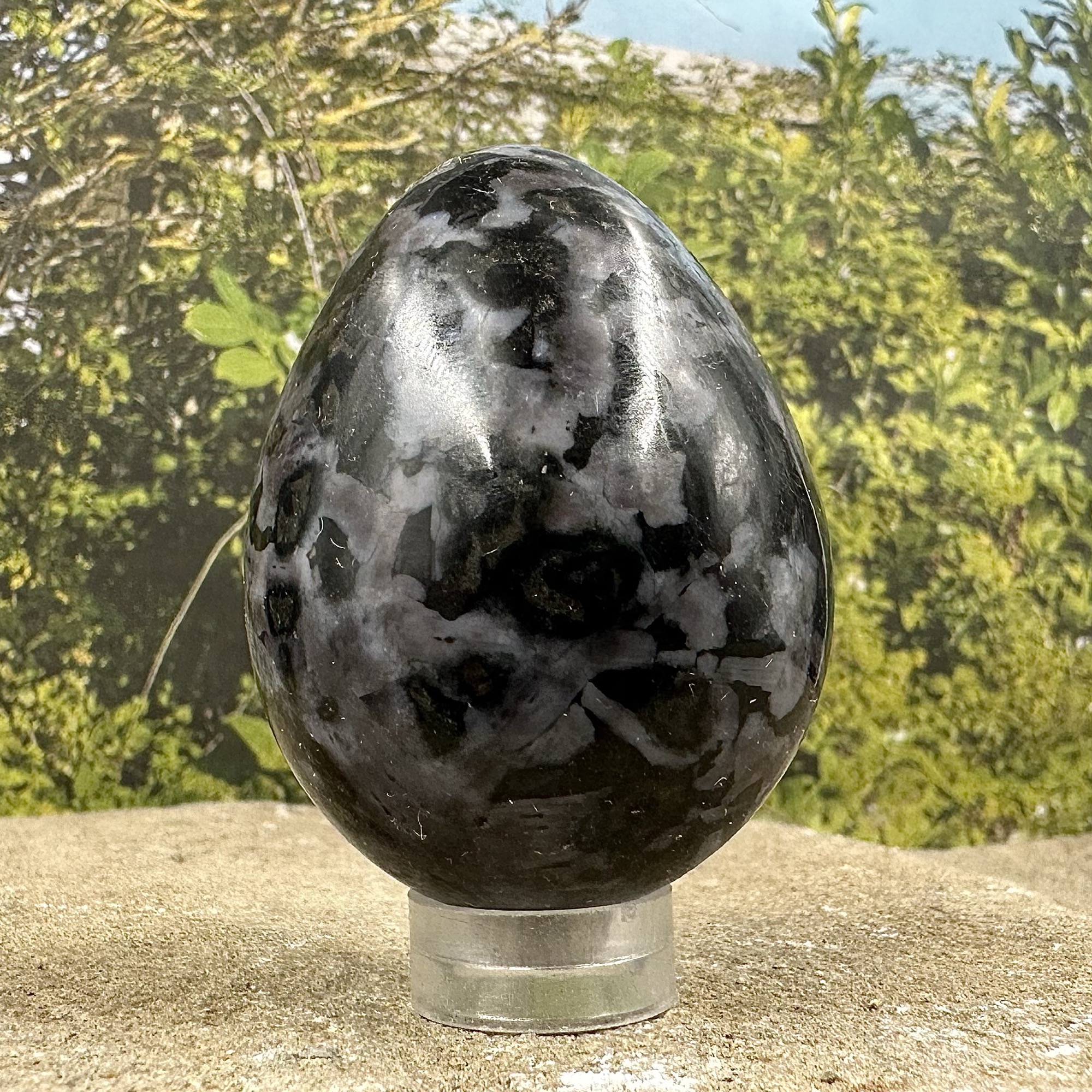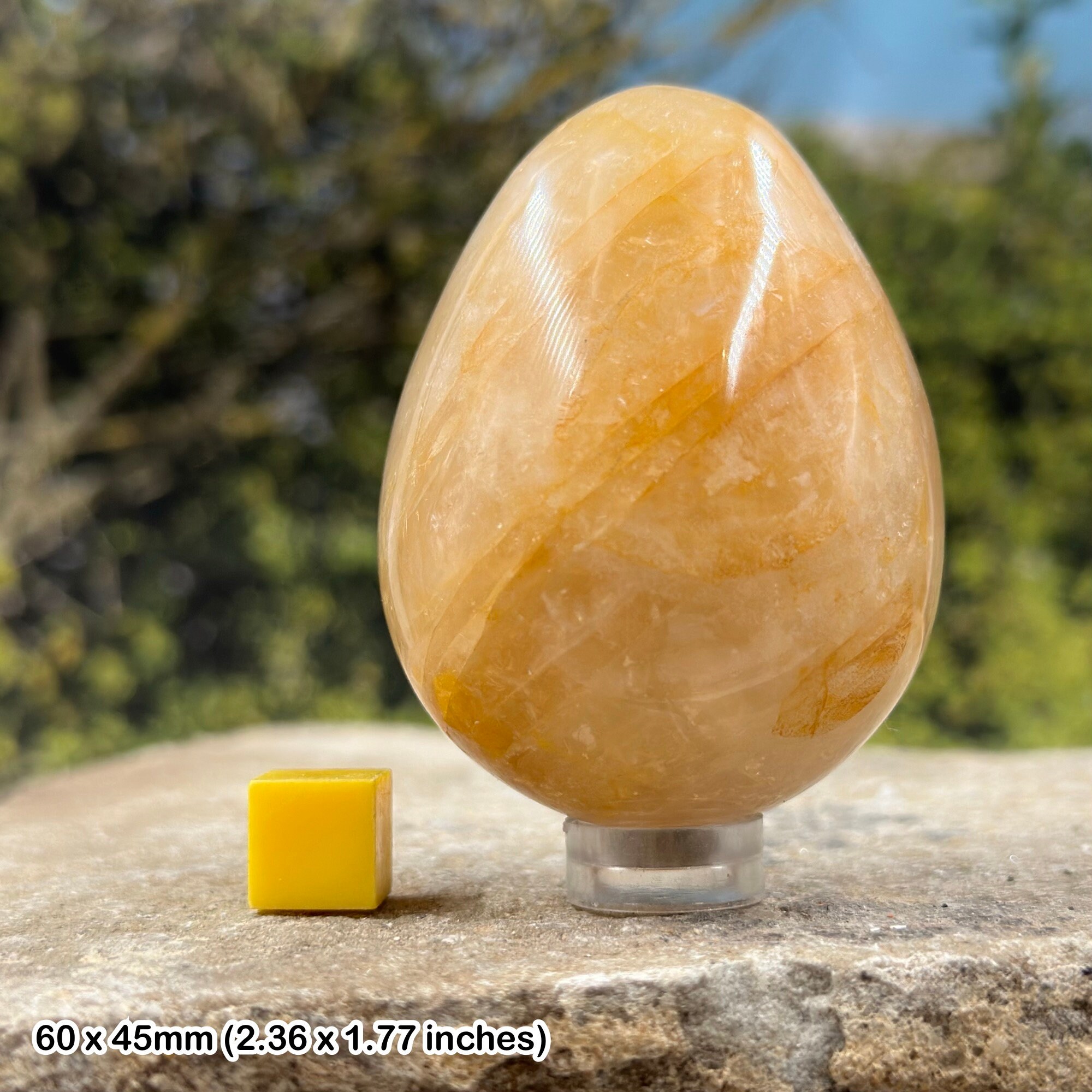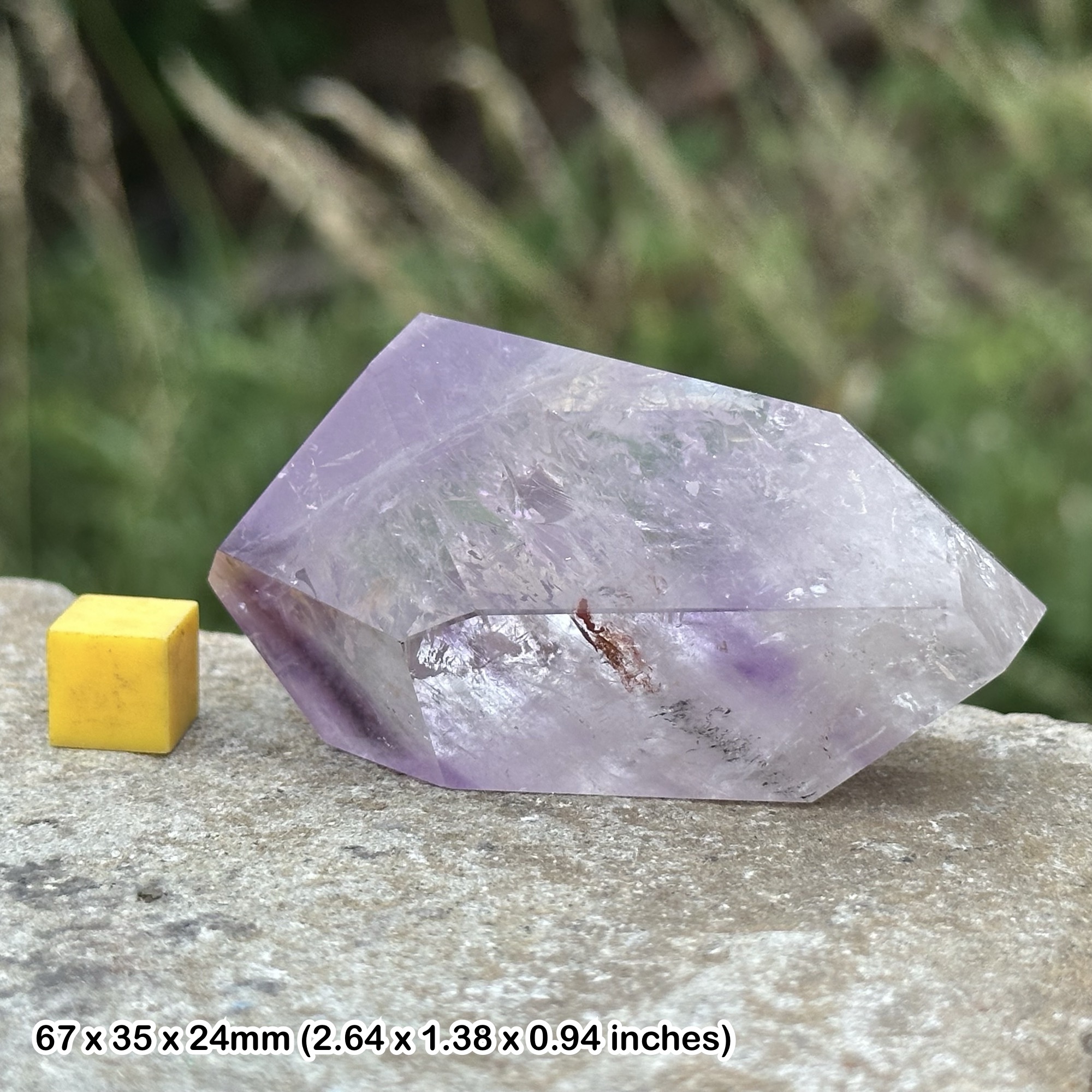
Faceted Amethyst Crystal Madagascar Natural Purple Quartz Mineral Display Specimen
£ 27.00
FACETED AMETHYST CRYSTAL FROM MADAGASCARThis Faceted Amethyst Crystal from Madagascar is a polished natural mineral
specimen crafted from amethyst, the purple variety of quartz. The stone has been cut with multiple facets to enhance the natural colour and internal structure of the mineral, allowing light to reflect across the polished surfaces and highlight its natural purple tones. Faceting brings out the clarity and colour zoning within the stone, creating a visually striking mineral display piece suitable for collectors and decorative arrangements.Amethyst is one of the most recognised quartz varieties and is appreciated for its vibrant violet to lavender colouration. These tones develop naturally through the presence of trace iron within the crystal structure and geological radiation over long periods of time. The faceted form accentuates the colour and internal features formed during crystal growth, giving the specimen a refined appearance while preserving its natural mineral character.The photograph included in this listing shows the exact specimen you will receive, allowing collectors and buyers to clearly examine the stone’s colour, polish, and natural patterns before purchase.This crystal is a genuine specimen and includes a Certificate of Authenticity lifetime guarantee generic card.Please refer to the listing photographs for full sizing and scale. MINERAL IDENTIFICATION AND CLASSIFICATIONAmethyst belongs to the quartz mineral family and is composed primarily of silicon dioxide. Quartz minerals are among the most abundant minerals within the Earth’s crust and are valued for their durability, crystal structure, and natural variety.Key mineralogical properties include:
• Mineral Name: Quartz
• Variety: Amethyst
• Chemical Formula: SiO₂ (Silicon Dioxide)
• Mineral Class: Silicate
• Crystal System: Trigonal
• Mohs Hardness: 7
• Lustre: Vitreous
• Transparency: Transparent to translucent depending on the specimenThe purple colour seen in amethyst results from trace iron impurities combined with natural irradiation during crystal formation. GEOLOGICAL FORMATION OF AMETHYSTAmethyst commonly forms within volcanic rock cavities and hydrothermal mineral veins. During formation, silica-rich fluids circulate through fractures or cavities in rock formations. As these fluids cool, quartz crystals gradually develop.When iron is present in the crystal lattice and natural radiation occurs within the geological environment, the quartz develops the characteristic purple colour associated with amethyst.Typical geological environments where amethyst forms include:
• Basaltic lava cavities and geodes
• Hydrothermal quartz vein systems
• Silica-rich volcanic rock formations
• Sedimentary environments containing quartz mineralsOver geological timescales, crystals grow within these cavities and can later be collected and shaped for display or mineral collections. COLOUR RANGE AND NATURAL INTERNAL FEATURESAmethyst crystals can display a range of purple hues including:
• Pale lavender
• Light lilac
• Medium violet
• Deep purple tonesMany amethyst specimens also show natural colour zoning, where darker and lighter purple areas form within the same crystal during growth. These patterns can become more visible when the stone is polished or faceted.Natural inclusions, faint veils, or internal growth lines may also occur. These features are typical of natural quartz crystals and reflect the geological processes involved in their formation. MADAGASCAR AMETHYST DEPOSITSMadagascar is widely recognised for producing a diverse range of mineral specimens, including high-quality quartz varieties such as amethyst. The island’s geological formations include volcanic and metamorphic environments that allow quartz crystals to develop over long geological periods.Amethyst from Madagascar is often appreciated for its attractive colour and clarity, making it suitable for mineral collectors and decorative display pieces. FACETED LAPIDARY CRAFTSMANSHIPThis specimen has been shaped using lapidary techniques into a faceted form, where multiple polished faces are cut across the surface of the stone. Faceting enhances the mineral’s appearance by increasing light reflection and revealing internal colour variations.The shaping process typically includes: 1. Cutting raw quartz material from larger mineral pieces 2. Grinding the stone into the desired shape 3. Creating multiple flat facets across the surface 4. Polishing each facet to produce a smooth reflective finishThe final result is a polished mineral specimen that highlights the natural beauty of the amethyst crystal. MINERAL COLLECTING AND DISPLAYFaceted amethyst specimens are widely appreciated by collectors due to their natural colour and polished presentation. The reflective surfaces created by faceting allow the stone to display its colour under different lighting conditions.This specimen may be suitable for:
• Quartz and amethyst mineral collections
• Display cabinets or shelves
• Decorative natural mineral arrangements
• Geological study collections
• Unique mineral-themed giftsIn some traditions, amethyst crystals are traditionally associated with symbolic or spiritual interpretations, although these interpretations are cultural beliefs rather than scientific explanations. AUTHENTIC NATURAL MINERAL SPECIMENThis Faceted Amethyst Crystal from Madagascar is a genuine natural quartz mineral specimen selected for its colour and polished finish.The piece includes a Certificate of Authenticity lifetime guarantee generic card, confirming the authenticity of the crystal.Please review the listing photographs carefully for full sizing and scale, as they clearly show the exact specimen you will receive.
specimen crafted from amethyst, the purple variety of quartz. The stone has been cut with multiple facets to enhance the natural colour and internal structure of the mineral, allowing light to reflect across the polished surfaces and highlight its natural purple tones. Faceting brings out the clarity and colour zoning within the stone, creating a visually striking mineral display piece suitable for collectors and decorative arrangements.Amethyst is one of the most recognised quartz varieties and is appreciated for its vibrant violet to lavender colouration. These tones develop naturally through the presence of trace iron within the crystal structure and geological radiation over long periods of time. The faceted form accentuates the colour and internal features formed during crystal growth, giving the specimen a refined appearance while preserving its natural mineral character.The photograph included in this listing shows the exact specimen you will receive, allowing collectors and buyers to clearly examine the stone’s colour, polish, and natural patterns before purchase.This crystal is a genuine specimen and includes a Certificate of Authenticity lifetime guarantee generic card.Please refer to the listing photographs for full sizing and scale. MINERAL IDENTIFICATION AND CLASSIFICATIONAmethyst belongs to the quartz mineral family and is composed primarily of silicon dioxide. Quartz minerals are among the most abundant minerals within the Earth’s crust and are valued for their durability, crystal structure, and natural variety.Key mineralogical properties include:
• Mineral Name: Quartz
• Variety: Amethyst
• Chemical Formula: SiO₂ (Silicon Dioxide)
• Mineral Class: Silicate
• Crystal System: Trigonal
• Mohs Hardness: 7
• Lustre: Vitreous
• Transparency: Transparent to translucent depending on the specimenThe purple colour seen in amethyst results from trace iron impurities combined with natural irradiation during crystal formation. GEOLOGICAL FORMATION OF AMETHYSTAmethyst commonly forms within volcanic rock cavities and hydrothermal mineral veins. During formation, silica-rich fluids circulate through fractures or cavities in rock formations. As these fluids cool, quartz crystals gradually develop.When iron is present in the crystal lattice and natural radiation occurs within the geological environment, the quartz develops the characteristic purple colour associated with amethyst.Typical geological environments where amethyst forms include:
• Basaltic lava cavities and geodes
• Hydrothermal quartz vein systems
• Silica-rich volcanic rock formations
• Sedimentary environments containing quartz mineralsOver geological timescales, crystals grow within these cavities and can later be collected and shaped for display or mineral collections. COLOUR RANGE AND NATURAL INTERNAL FEATURESAmethyst crystals can display a range of purple hues including:
• Pale lavender
• Light lilac
• Medium violet
• Deep purple tonesMany amethyst specimens also show natural colour zoning, where darker and lighter purple areas form within the same crystal during growth. These patterns can become more visible when the stone is polished or faceted.Natural inclusions, faint veils, or internal growth lines may also occur. These features are typical of natural quartz crystals and reflect the geological processes involved in their formation. MADAGASCAR AMETHYST DEPOSITSMadagascar is widely recognised for producing a diverse range of mineral specimens, including high-quality quartz varieties such as amethyst. The island’s geological formations include volcanic and metamorphic environments that allow quartz crystals to develop over long geological periods.Amethyst from Madagascar is often appreciated for its attractive colour and clarity, making it suitable for mineral collectors and decorative display pieces. FACETED LAPIDARY CRAFTSMANSHIPThis specimen has been shaped using lapidary techniques into a faceted form, where multiple polished faces are cut across the surface of the stone. Faceting enhances the mineral’s appearance by increasing light reflection and revealing internal colour variations.The shaping process typically includes: 1. Cutting raw quartz material from larger mineral pieces 2. Grinding the stone into the desired shape 3. Creating multiple flat facets across the surface 4. Polishing each facet to produce a smooth reflective finishThe final result is a polished mineral specimen that highlights the natural beauty of the amethyst crystal. MINERAL COLLECTING AND DISPLAYFaceted amethyst specimens are widely appreciated by collectors due to their natural colour and polished presentation. The reflective surfaces created by faceting allow the stone to display its colour under different lighting conditions.This specimen may be suitable for:
• Quartz and amethyst mineral collections
• Display cabinets or shelves
• Decorative natural mineral arrangements
• Geological study collections
• Unique mineral-themed giftsIn some traditions, amethyst crystals are traditionally associated with symbolic or spiritual interpretations, although these interpretations are cultural beliefs rather than scientific explanations. AUTHENTIC NATURAL MINERAL SPECIMENThis Faceted Amethyst Crystal from Madagascar is a genuine natural quartz mineral specimen selected for its colour and polished finish.The piece includes a Certificate of Authenticity lifetime guarantee generic card, confirming the authenticity of the crystal.Please review the listing photographs carefully for full sizing and scale, as they clearly show the exact specimen you will receive.