Zetoceras Zetes Ammonite Fossil Italy Jurassic Genuine COA Collector Specimen Oxfordian Upper Jurassic Natural Display Fossil
£ 36.00
GENUINE ZETOCERAS ZETES AMMONITE FOSSILThis listing is for a genuine Zetoceras zetes ammonite fossil from the Upper
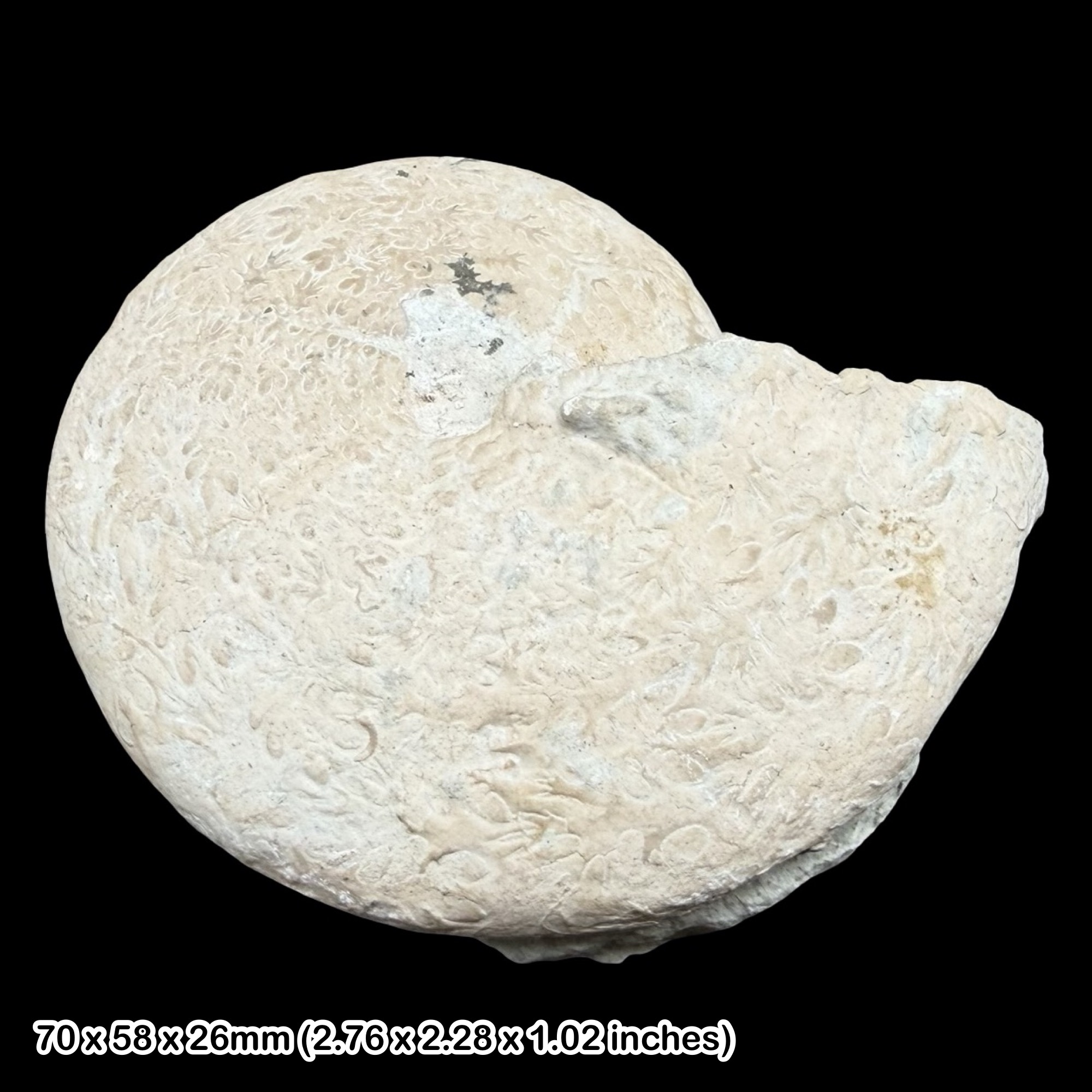
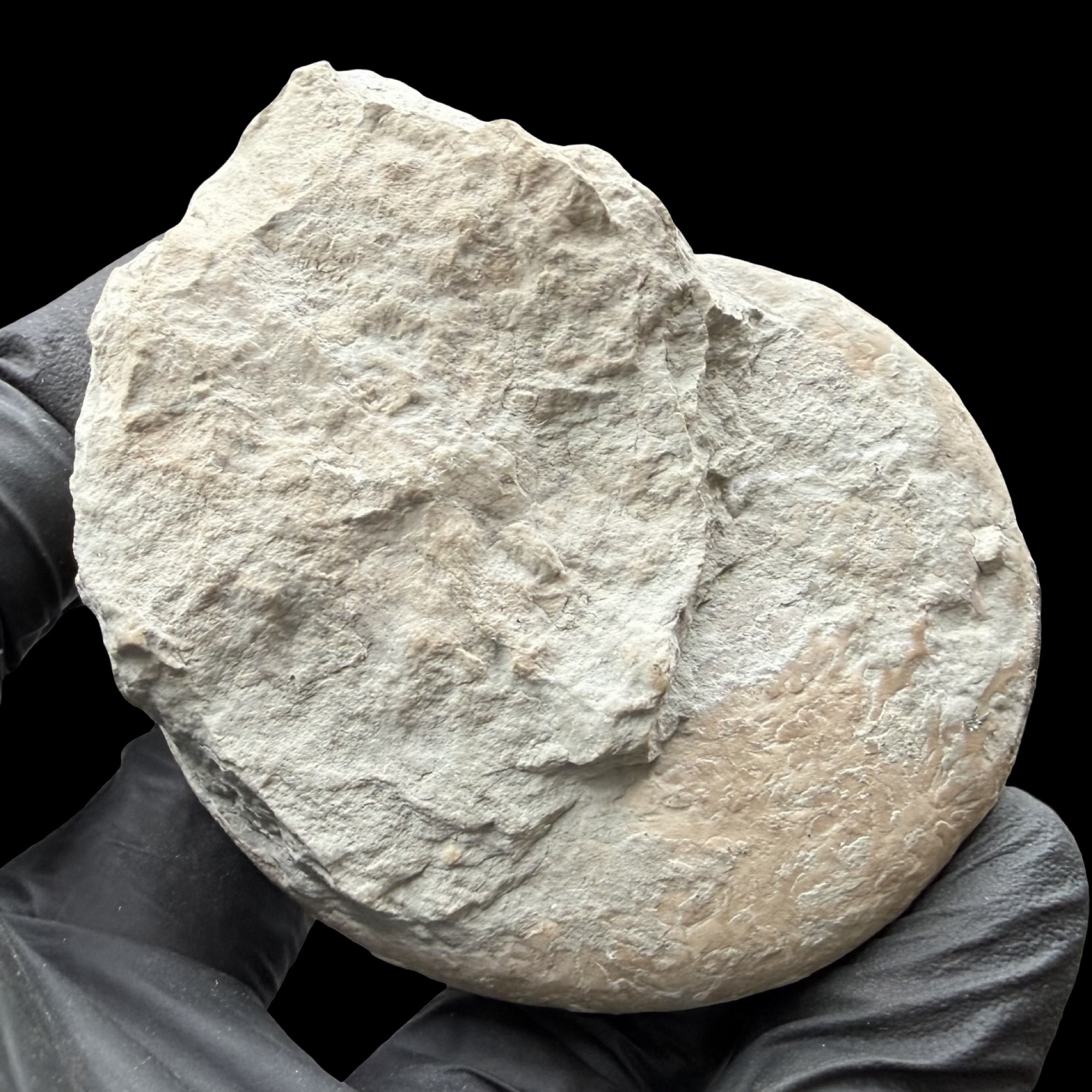
Jurassic, Oxfordian Stage of Italy. This carefully chosen fossil specimen has been selected for its natural character, geological interest, and attractive display appeal. The photograph shows the actual specimen you will receive, so please refer to the photo for the full sizing, proportions, preservation, colour, matrix, surface detail, and overall condition of this individual fossil.This fossil is supplied with a Certificate of Authenticity lifetime guarantee generic card, giving confidence that the specimen is a genuine fossil and not a modern replica.SPECIES AND FOSSIL TYPEZetoceras zetes is an extinct ammonite species, a marine cephalopod that lived during the Jurassic Period. Ammonites were related to modern squid, cuttlefish, octopus, and nautilus, although they lived inside coiled, chambered shells. The living animal occupied the final body chamber, while the earlier internal chambers helped control buoyancy, allowing the ammonite to move through the ancient sea.Ammonites are among the most recognisable and collectible fossils in the world because of their spiral shell form, wide range of ornamentation, and scientific importance. Their shells grew in a coiled planispiral shape, with each whorl recording a stage in the animal’s life. As ammonites evolved rapidly and were widely distributed in ancient seas, they are highly important fossils for dating and comparing Jurassic rock layers.UPPER JURASSIC OXFORDIAN AGEThis fossil dates from the Oxfordian Stage of the Upper Jurassic, an interval approximately 164 to 157 million years old. The Oxfordian was a time of warm global climates, high sea levels, and extensive shallow to deeper marine environments across much of Europe. These seas supported a rich diversity of ammonites, belemnites, nautiloids, bivalves, brachiopods, gastropods, echinoids, fish, and marine reptiles.The Upper Jurassic is especially well known for its ammonite faunas. Ammonites from this time are important in biostratigraphy because their changing shell forms and species successions allow geologists to divide marine rock sequences into detailed time intervals. A fossil such as Zetoceras zetes is therefore not only an appealing collector specimen, but also a direct link to the scientific study of ancient Jurassic seas.ITALIAN JURASSIC GEOLOGYThis specimen comes from Italy, a country with a long and important record of Jurassic marine sediments. During the Oxfordian, the region that is now Italy was very different from the modern landscape. Much of the area was connected to the ancient Tethys Ocean, a vast marine realm that stretched between the northern and southern continental masses of the Mesozoic world.Italian Jurassic rocks include limestones, marls, and other marine sediments deposited in warm seas. These environments created excellent conditions for the preservation of ammonites and other marine fossils. After death, ammonite shells settled onto the sea floor, where they could be buried by sediment. Over millions of years, pressure, mineral-rich groundwater, and geological change transformed these remains into fossils.MORPHOLOGY AND NATURAL FEATURESZetoceras ammonites are valued for their classic coiled cephalopod form and their connection to Upper Jurassic marine ecosystems. Like other ammonites, the shell was divided into internal chambers separated by walls known as septa. The edges of these septa formed suture lines, which are important features in ammonite classification. Depending on preservation, a specimen may show whorl shape, ribbing, shell curvature, chamber traces, mineralisation, matrix, surface texture, or natural colour variation.The species Zetoceras zetes represents a more specific identification than genus-only ammonite listings, making it particularly appealing to collectors who value named fossil specimens. Natural features such as matrix, mineralisation, surface wear, preparation marks, small cracks, colour changes, and preservation differences are normal in genuine fossils and add to the individuality of each piece.ANCIENT MARINE LIFEDuring life, this ammonite would have been part of a diverse Jurassic marine ecosystem. Ammonites were active swimming cephalopods, using their chambered shells to regulate buoyancy as they moved through the water. They likely fed on small marine organisms or scavenged available food, while also forming part of the food chain for larger predators such as fish and marine reptiles.The coiled shell offered protection and helped maintain stability in the water. After the animal died, the shell became part of the sea-floor sediment. With burial and geological time, the original remains were preserved as the fossil seen today.COLLECTOR DISPLAY AND AUTHENTICITYThis Zetoceras zetes ammonite fossil from Italy is ideal for fossil collectors, natural history enthusiasts, geology students, educational displays, cabinet collections, and anyone interested in genuine Jurassic fossils. It is especially suitable for collectors of ammonites, fossil cephalopods, Italian fossils, Upper Jurassic specimens, Oxfordian fossils, and ancient marine life.The fossil shown in the photograph is the actual specimen supplied. Please check the photo carefully for full sizing and condition details, including preservation, colour, matrix, visible morphology, surface texture, and natural fossil character.INCLUDED WITH THIS SPECIMENYour fossil will be supplied as a genuine specimen with a Certificate of Authenticity lifetime guarantee generic card. This makes it suitable for personal collecting, educational use, geology teaching, natural history display, or as a thoughtful gift for fossil lovers, palaeontology enthusiasts, students, teachers, and collectors of ancient marine specimens.
Jurassic, Oxfordian Stage of Italy. This carefully chosen fossil specimen has been selected for its natural character, geological interest, and attractive display appeal. The photograph shows the actual specimen you will receive, so please refer to the photo for the full sizing, proportions, preservation, colour, matrix, surface detail, and overall condition of this individual fossil.This fossil is supplied with a Certificate of Authenticity lifetime guarantee generic card, giving confidence that the specimen is a genuine fossil and not a modern replica.SPECIES AND FOSSIL TYPEZetoceras zetes is an extinct ammonite species, a marine cephalopod that lived during the Jurassic Period. Ammonites were related to modern squid, cuttlefish, octopus, and nautilus, although they lived inside coiled, chambered shells. The living animal occupied the final body chamber, while the earlier internal chambers helped control buoyancy, allowing the ammonite to move through the ancient sea.Ammonites are among the most recognisable and collectible fossils in the world because of their spiral shell form, wide range of ornamentation, and scientific importance. Their shells grew in a coiled planispiral shape, with each whorl recording a stage in the animal’s life. As ammonites evolved rapidly and were widely distributed in ancient seas, they are highly important fossils for dating and comparing Jurassic rock layers.UPPER JURASSIC OXFORDIAN AGEThis fossil dates from the Oxfordian Stage of the Upper Jurassic, an interval approximately 164 to 157 million years old. The Oxfordian was a time of warm global climates, high sea levels, and extensive shallow to deeper marine environments across much of Europe. These seas supported a rich diversity of ammonites, belemnites, nautiloids, bivalves, brachiopods, gastropods, echinoids, fish, and marine reptiles.The Upper Jurassic is especially well known for its ammonite faunas. Ammonites from this time are important in biostratigraphy because their changing shell forms and species successions allow geologists to divide marine rock sequences into detailed time intervals. A fossil such as Zetoceras zetes is therefore not only an appealing collector specimen, but also a direct link to the scientific study of ancient Jurassic seas.ITALIAN JURASSIC GEOLOGYThis specimen comes from Italy, a country with a long and important record of Jurassic marine sediments. During the Oxfordian, the region that is now Italy was very different from the modern landscape. Much of the area was connected to the ancient Tethys Ocean, a vast marine realm that stretched between the northern and southern continental masses of the Mesozoic world.Italian Jurassic rocks include limestones, marls, and other marine sediments deposited in warm seas. These environments created excellent conditions for the preservation of ammonites and other marine fossils. After death, ammonite shells settled onto the sea floor, where they could be buried by sediment. Over millions of years, pressure, mineral-rich groundwater, and geological change transformed these remains into fossils.MORPHOLOGY AND NATURAL FEATURESZetoceras ammonites are valued for their classic coiled cephalopod form and their connection to Upper Jurassic marine ecosystems. Like other ammonites, the shell was divided into internal chambers separated by walls known as septa. The edges of these septa formed suture lines, which are important features in ammonite classification. Depending on preservation, a specimen may show whorl shape, ribbing, shell curvature, chamber traces, mineralisation, matrix, surface texture, or natural colour variation.The species Zetoceras zetes represents a more specific identification than genus-only ammonite listings, making it particularly appealing to collectors who value named fossil specimens. Natural features such as matrix, mineralisation, surface wear, preparation marks, small cracks, colour changes, and preservation differences are normal in genuine fossils and add to the individuality of each piece.ANCIENT MARINE LIFEDuring life, this ammonite would have been part of a diverse Jurassic marine ecosystem. Ammonites were active swimming cephalopods, using their chambered shells to regulate buoyancy as they moved through the water. They likely fed on small marine organisms or scavenged available food, while also forming part of the food chain for larger predators such as fish and marine reptiles.The coiled shell offered protection and helped maintain stability in the water. After the animal died, the shell became part of the sea-floor sediment. With burial and geological time, the original remains were preserved as the fossil seen today.COLLECTOR DISPLAY AND AUTHENTICITYThis Zetoceras zetes ammonite fossil from Italy is ideal for fossil collectors, natural history enthusiasts, geology students, educational displays, cabinet collections, and anyone interested in genuine Jurassic fossils. It is especially suitable for collectors of ammonites, fossil cephalopods, Italian fossils, Upper Jurassic specimens, Oxfordian fossils, and ancient marine life.The fossil shown in the photograph is the actual specimen supplied. Please check the photo carefully for full sizing and condition details, including preservation, colour, matrix, visible morphology, surface texture, and natural fossil character.INCLUDED WITH THIS SPECIMENYour fossil will be supplied as a genuine specimen with a Certificate of Authenticity lifetime guarantee generic card. This makes it suitable for personal collecting, educational use, geology teaching, natural history display, or as a thoughtful gift for fossil lovers, palaeontology enthusiasts, students, teachers, and collectors of ancient marine specimens.
Other Products