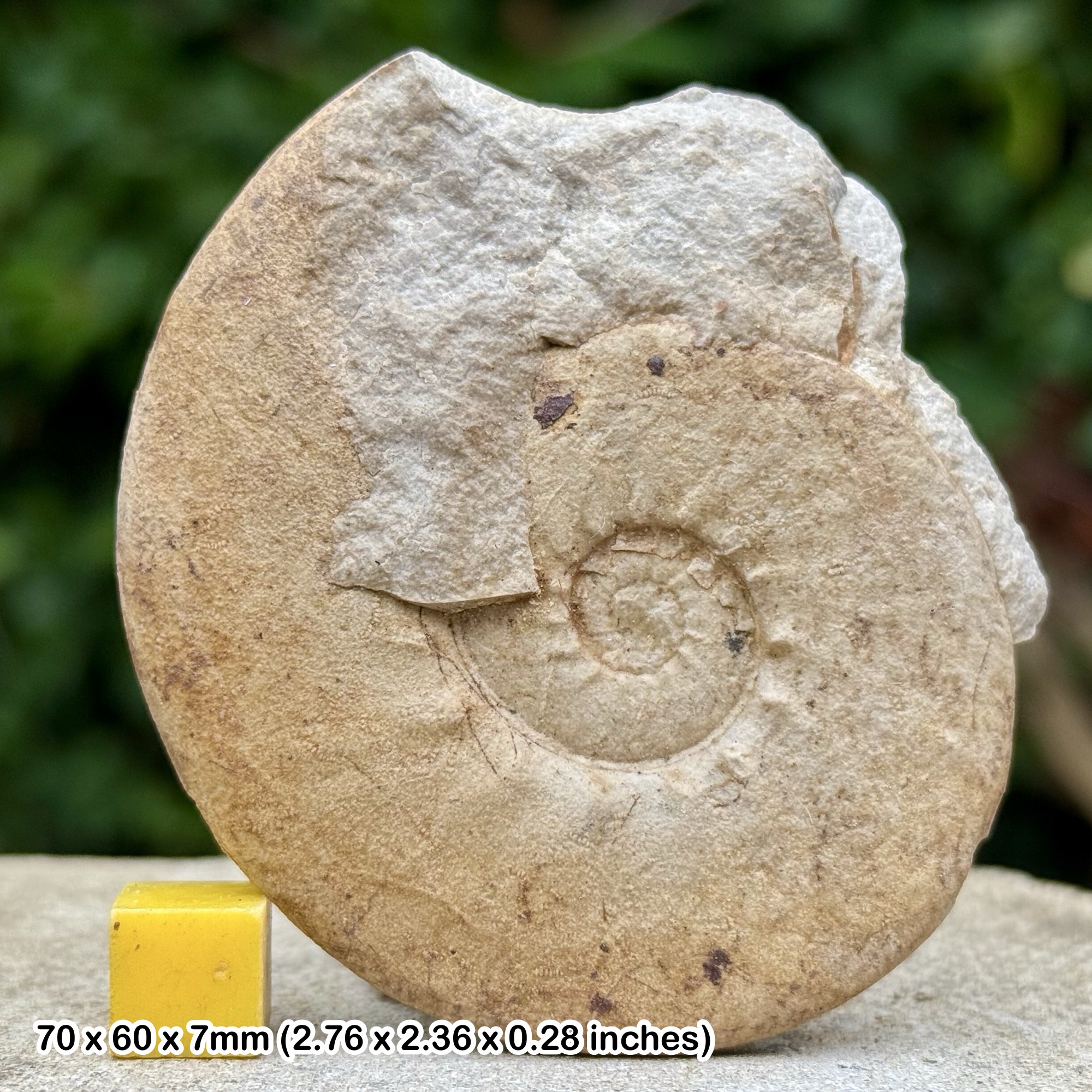
Dalmasiceras dalmasi Ammonite Fossil from Berriasian Cretaceous Gardois France Authentic Specimen
£ 18.00
GEOLOGICAL CONTEXT AND PROVENANCEThis fine specimen is a genuine Dalmasiceras dalmasi ammonite fossil from the
Berriasian Stage of the Early Cretaceous Period, dating to approximately 145 – 139 million years ago. It originates from the Gardois region of France, an area well known for producing world-class ammonite fossils from the very start of the Cretaceous. The Gardois deposits represent shallow marine sediments laid down along the margins of the ancient Tethys Ocean, where ammonites flourished and evolved into distinctive forms that now serve as key markers in the geological record.The Berriasian is of particular significance because it marks the first stage of the Cretaceous. Fossils from this interval, especially ammonites like Dalmasiceras dalmasi, are critical for defining biozones and for correlating strata across Europe and beyond. FOSSIL TYPE AND SPECIES INFORMATIONDalmasiceras dalmasi belongs to the Order Ammonitida, Superfamily Perisphinctoidea, and is part of the Family Neocomitidae. This genus is especially important in Berriasian ammonite faunas, with dalmasi being one of its type species. Ammonites of this group are highly valued for their diagnostic morphology and their role as index fossils, helping to date and subdivide the earliest Cretaceous rocks.The genus is named in recognition of early French palaeontologists who worked extensively in southern France, where many of the finest specimens continue to be found. MORPHOLOGICAL FEATURES AND IDENTIFICATIONThis fossil displays the classic features of Dalmasiceras dalmasi. The shell is tightly coiled with a moderately involute form. Strong, bold ribbing extends across the flanks and onto the venter, often bifurcating into two or more branches, creating an ornate and visually appealing pattern. The ribs are evenly spaced, giving the shell a strikingly sculptural quality.Such features were not purely decorative—they provided structural reinforcement against external pressures and helped stabilise the animal as it moved through the water. Like all ammonites, Dalmasiceras had a chambered shell used for buoyancy control, allowing it to rise and sink within the marine water column. It was an active nektonic predator, likely feeding on planktonic crustaceans, molluscs, and other small marine organisms. DEPOSITIONAL ENVIRONMENTThe Gardois region during the Berriasian was a shallow tropical marine environment linked to the Tethys Ocean. Sediments were dominated by limestones and marls, ideal for preserving ammonites in fine detail. These seas supported a wide variety of marine life, including ammonites, belemnites, bivalves, gastropods, echinoids, and large marine reptiles.Ammonites such as Dalmasiceras dalmasi occupied a central role in this ecosystem. They served as both agile hunters and as prey for larger predators like ichthyosaurs and pliosaurs. Their abundance and diversity make them some of the most important fossils for reconstructing Early Cretaceous ecosystems. COLLECTOR APPEAL AND AUTHENTICITYThis Dalmasiceras dalmasi ammonite is a rare and scientifically important fossil, with its strong ribbing and elegant coiling providing both beauty and diagnostic clarity. Its provenance from the Gardois region enhances its appeal, linking it to one of the most important fossiliferous areas for defining the start of the Cretaceous.
• 100% Genuine Specimen – Every fossil we offer is authentic and accompanied by a Certificate of Authenticity.
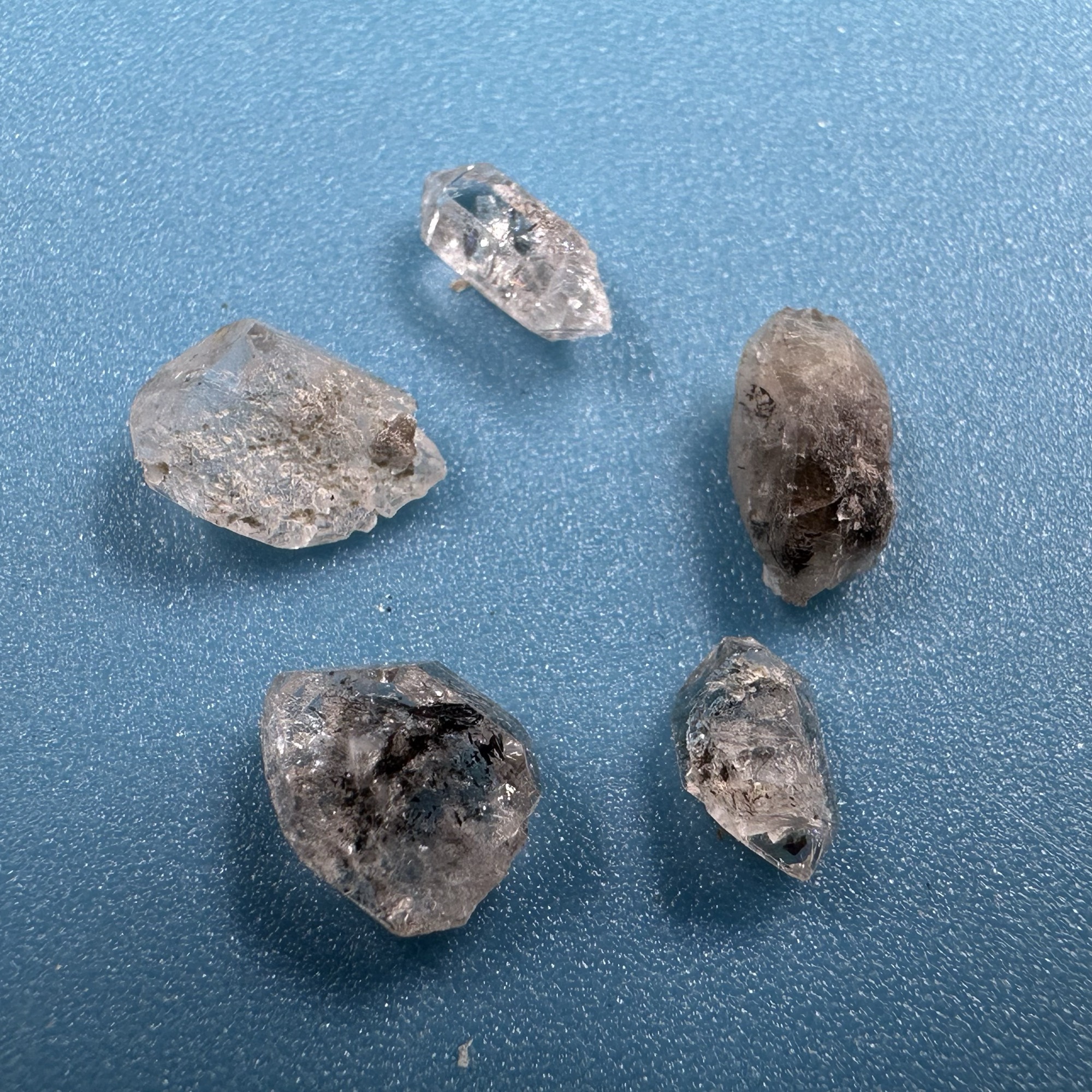
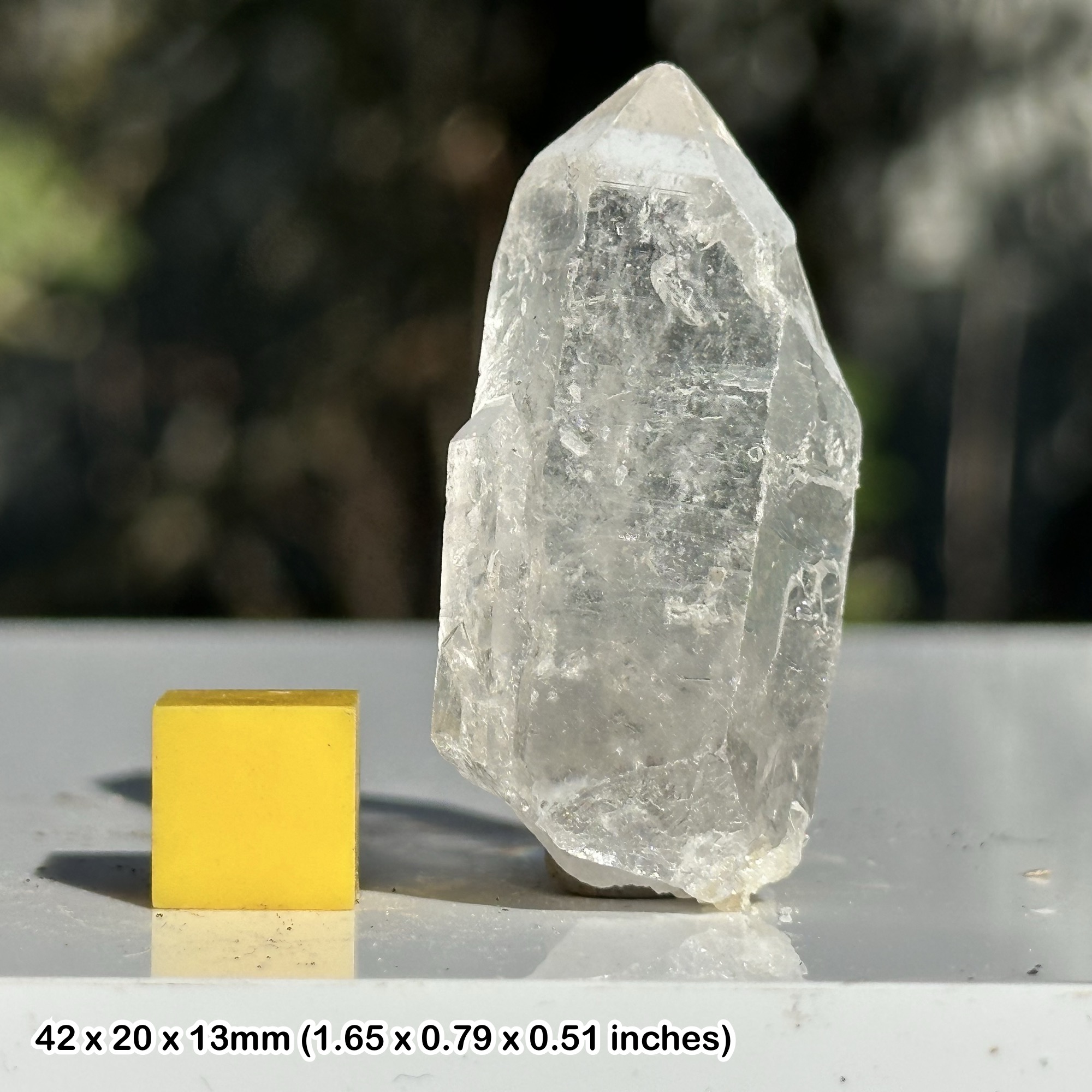
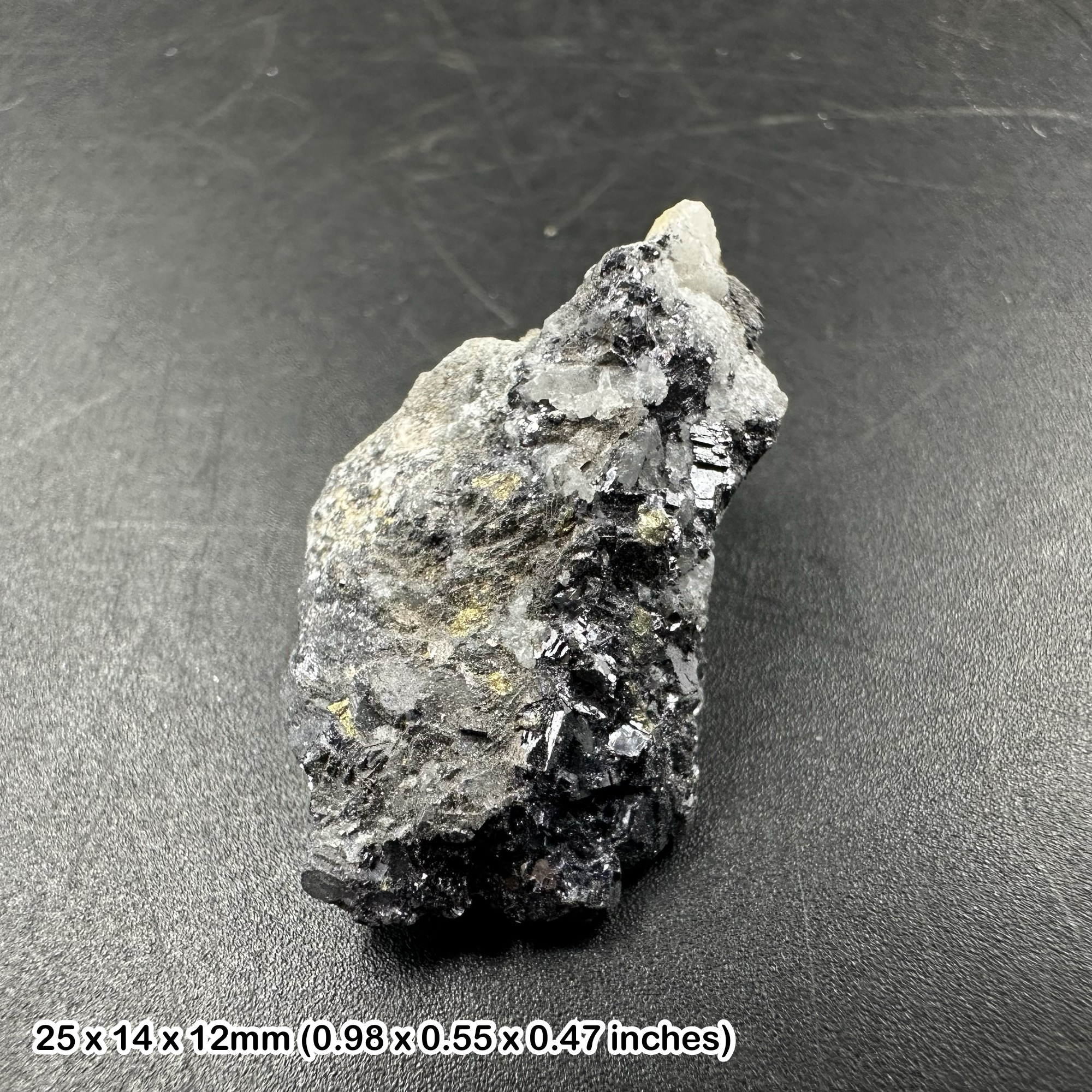
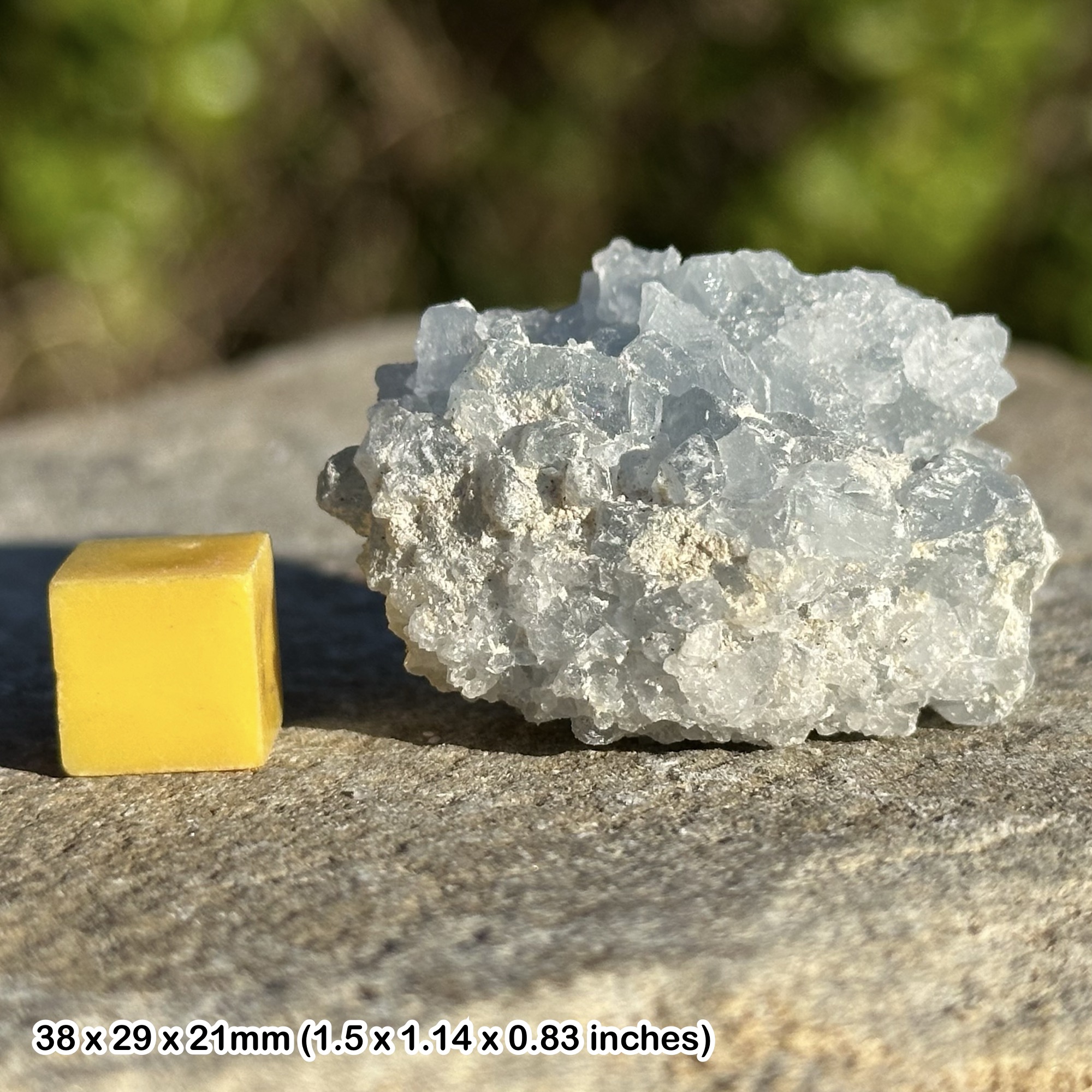
• Exact Fossil Shown – The photographs display the actual specimen you will receive.
• Scale Reference – Scale rule squares / cube = 1 cm. Please refer to the images for precise sizing.This carefully chosen Dalmasiceras dalmasi ammonite fossil represents a remarkable opportunity to own a piece of Earth’s earliest Cretaceous history. With its combination of rarity, aesthetic appeal, and scientific importance, it is an exceptional addition to any fossil collection or natural history display.
Berriasian Stage of the Early Cretaceous Period, dating to approximately 145 – 139 million years ago. It originates from the Gardois region of France, an area well known for producing world-class ammonite fossils from the very start of the Cretaceous. The Gardois deposits represent shallow marine sediments laid down along the margins of the ancient Tethys Ocean, where ammonites flourished and evolved into distinctive forms that now serve as key markers in the geological record.The Berriasian is of particular significance because it marks the first stage of the Cretaceous. Fossils from this interval, especially ammonites like Dalmasiceras dalmasi, are critical for defining biozones and for correlating strata across Europe and beyond. FOSSIL TYPE AND SPECIES INFORMATIONDalmasiceras dalmasi belongs to the Order Ammonitida, Superfamily Perisphinctoidea, and is part of the Family Neocomitidae. This genus is especially important in Berriasian ammonite faunas, with dalmasi being one of its type species. Ammonites of this group are highly valued for their diagnostic morphology and their role as index fossils, helping to date and subdivide the earliest Cretaceous rocks.The genus is named in recognition of early French palaeontologists who worked extensively in southern France, where many of the finest specimens continue to be found. MORPHOLOGICAL FEATURES AND IDENTIFICATIONThis fossil displays the classic features of Dalmasiceras dalmasi. The shell is tightly coiled with a moderately involute form. Strong, bold ribbing extends across the flanks and onto the venter, often bifurcating into two or more branches, creating an ornate and visually appealing pattern. The ribs are evenly spaced, giving the shell a strikingly sculptural quality.Such features were not purely decorative—they provided structural reinforcement against external pressures and helped stabilise the animal as it moved through the water. Like all ammonites, Dalmasiceras had a chambered shell used for buoyancy control, allowing it to rise and sink within the marine water column. It was an active nektonic predator, likely feeding on planktonic crustaceans, molluscs, and other small marine organisms. DEPOSITIONAL ENVIRONMENTThe Gardois region during the Berriasian was a shallow tropical marine environment linked to the Tethys Ocean. Sediments were dominated by limestones and marls, ideal for preserving ammonites in fine detail. These seas supported a wide variety of marine life, including ammonites, belemnites, bivalves, gastropods, echinoids, and large marine reptiles.Ammonites such as Dalmasiceras dalmasi occupied a central role in this ecosystem. They served as both agile hunters and as prey for larger predators like ichthyosaurs and pliosaurs. Their abundance and diversity make them some of the most important fossils for reconstructing Early Cretaceous ecosystems. COLLECTOR APPEAL AND AUTHENTICITYThis Dalmasiceras dalmasi ammonite is a rare and scientifically important fossil, with its strong ribbing and elegant coiling providing both beauty and diagnostic clarity. Its provenance from the Gardois region enhances its appeal, linking it to one of the most important fossiliferous areas for defining the start of the Cretaceous.
• 100% Genuine Specimen – Every fossil we offer is authentic and accompanied by a Certificate of Authenticity.
• Exact Fossil Shown – The photographs display the actual specimen you will receive.
• Scale Reference – Scale rule squares / cube = 1 cm. Please refer to the images for precise sizing.This carefully chosen Dalmasiceras dalmasi ammonite fossil represents a remarkable opportunity to own a piece of Earth’s earliest Cretaceous history. With its combination of rarity, aesthetic appeal, and scientific importance, it is an exceptional addition to any fossil collection or natural history display.
Other Products