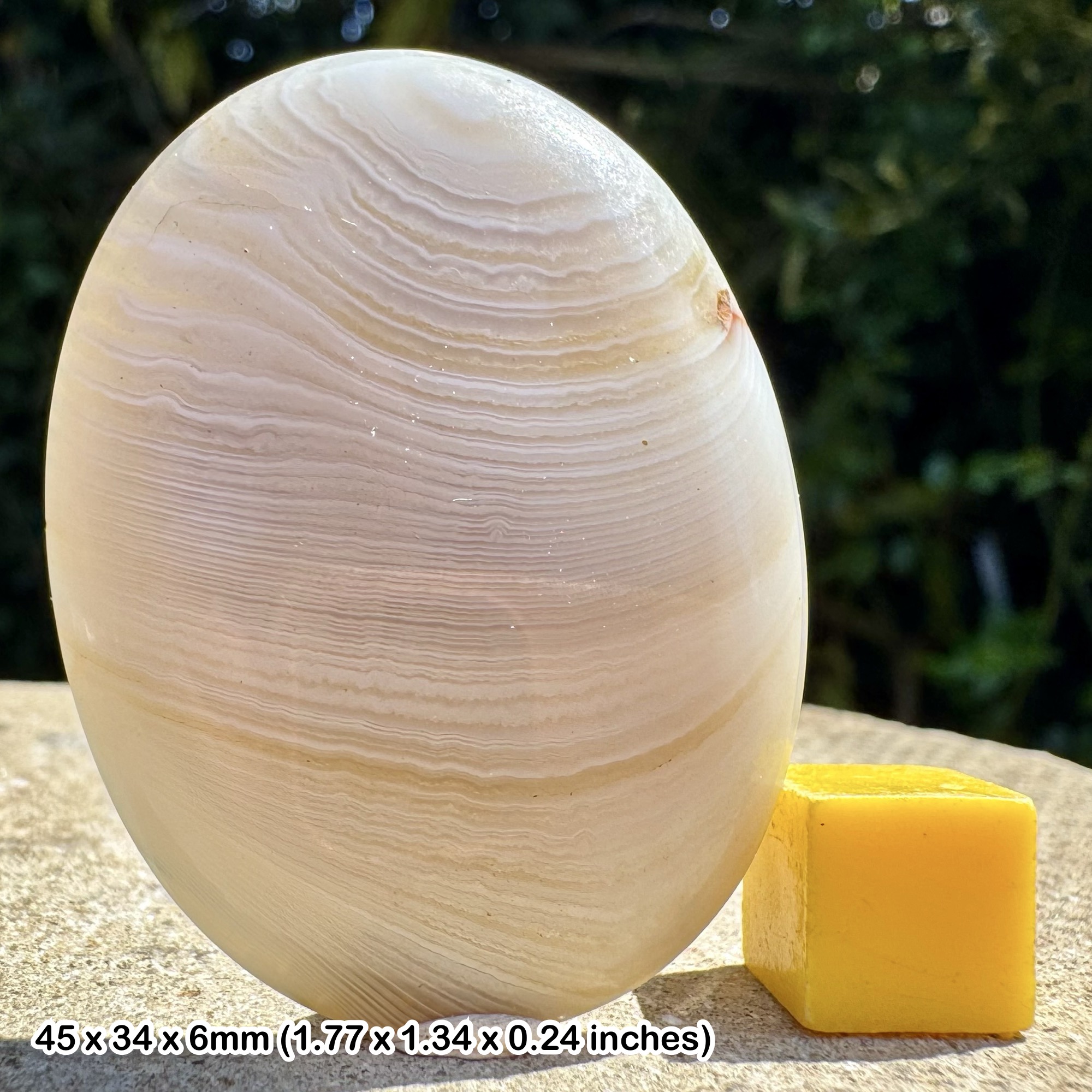
Lace Agate Polished Slice Natural Banded Agate Crystal Mineral Specimen Display Stone, Polished Chalcedony Agate Slice Collector Piece
£ 14.40
NATURAL LACE AGATE POLISHED SLICE CRYSTAL SPECIMEN
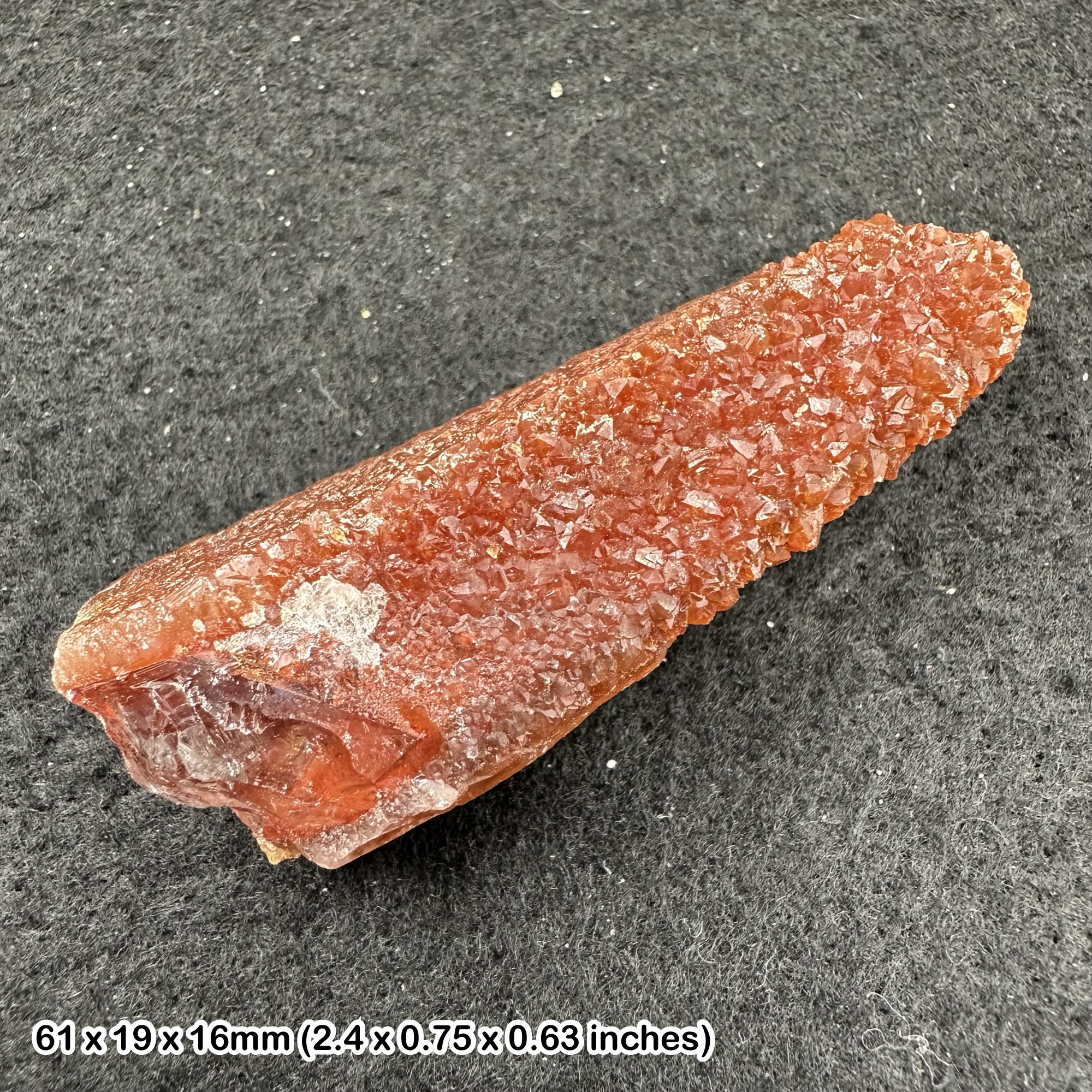
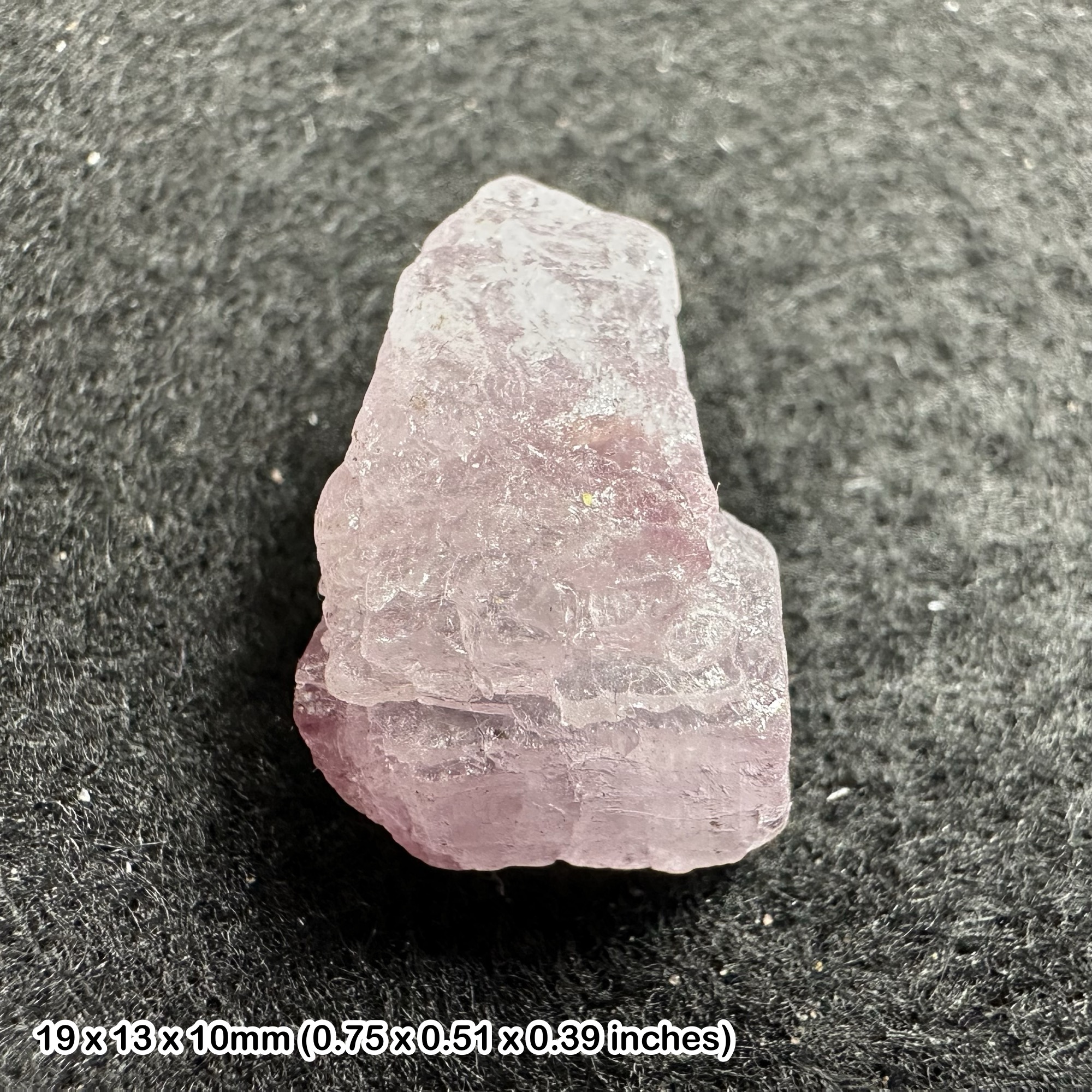
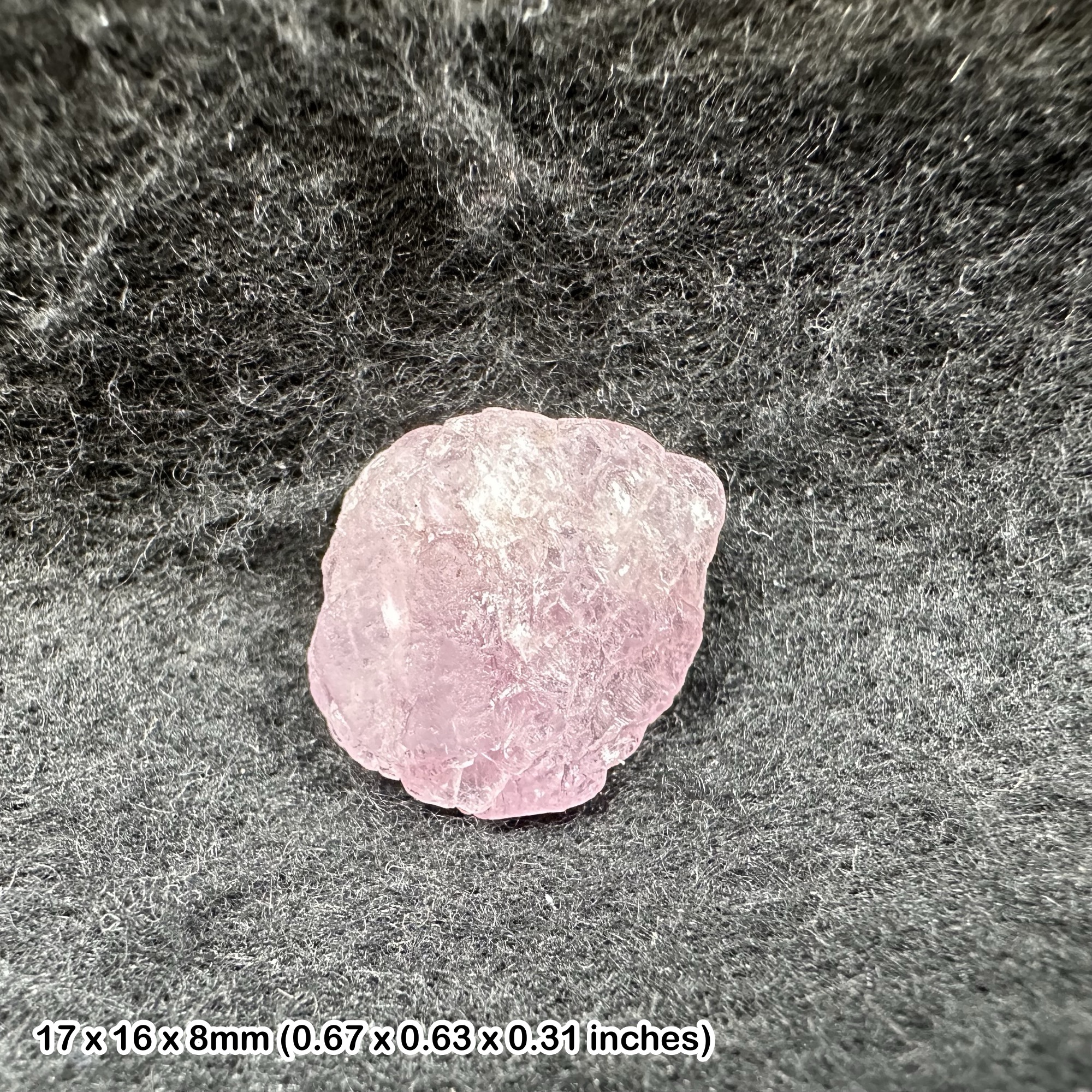
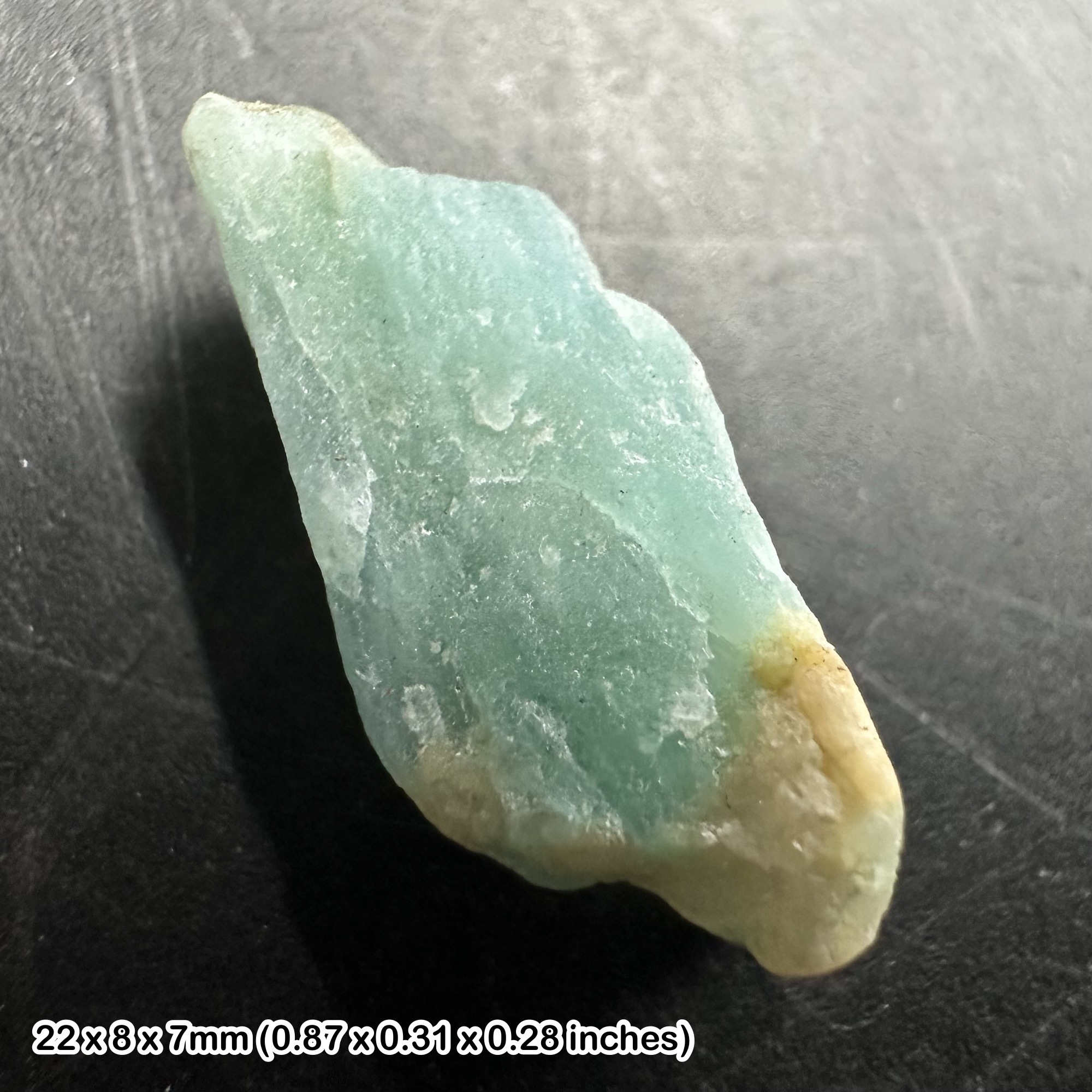
This listing features a natural Lace Agate polished slice, carefully cut and polished to reveal the intricate banding and flowing patterns characteristic of this striking variety of agate. The polished face highlights the stone’s natural layers of chalcedony, while the outer edge retains the natural contour of the original agate nodule. The exact specimen shown in the photographs is the piece you will receive, allowing you to clearly view the mineral patterns, colour variations, and natural structures before purchase. Each crystal specimen includes a Certificate of Authenticity lifetime guarantee card, confirming that the stone is a genuine natural mineral. Please refer to the listing photographs for full sizing and scale, as they accurately represent the specimen’s dimensions and appearance. MINERAL SPECIES AND GEOLOGICAL CLASSIFICATION Lace Agate is a variety of banded agate, which itself is a form of chalcedony, a microcrystalline variety of quartz composed primarily of silicon dioxide (SiO₂). Chalcedony forms from extremely fine intergrowths of quartz and moganite crystals, creating a dense and durable stone with a smooth texture. Quartz minerals crystallise within the trigonal crystal system, although the crystals within chalcedony are microscopic and not individually visible to the naked eye. The layered growth of chalcedony within agate nodules produces the distinctive banded structures that make agate minerals so visually distinctive. Lace Agate is recognised by its delicate, swirling banding patterns, often appearing as intricate loops, waves, or lace-like formations within the stone. COLOUR VARIATIONS AND PATTERN FORMATION Lace Agate displays a wide range of natural colour combinations, often including shades of white, grey, cream, brown, red, or subtle pastel tones depending on the mineral impurities present during formation. The lace-like patterns form through successive layers of silica deposition, with each layer reflecting slightly different chemical conditions during crystal growth. These variations in mineral content and growth conditions produce the intricate banding patterns that define lace agate. In polished slices, these bands often appear as flowing curves, concentric rings, or delicate wave-like patterns, giving each specimen a unique appearance. The chalcedony layers may also show areas of semi-translucency, allowing light to pass through thinner sections of the stone and highlighting the depth of the mineral layers. GEOLOGICAL FORMATION OF LACE AGATE Agate forms within volcanic rock environments, particularly in cavities within basalt or rhyolite lava flows. When molten lava cools, gas bubbles trapped within the rock create hollow spaces known as vesicles. Over time, silica-rich groundwater or hydrothermal fluids enter these cavities and begin depositing layers of chalcedony along the interior walls. Each layer forms slowly as silica precipitates from solution, gradually building up the banded structure characteristic of agate. This geological process can take thousands to millions of years, resulting in the complex internal patterns seen in agate nodules. Lace agates are found in several regions around the world, including Mexico, Brazil, India, Madagascar, and the United States, often associated with volcanic landscapes rich in silica-bearing mineral deposits. POLISHED SLICE PREPARATION Agate slices are created by cutting a section through an agate nodule and polishing the exposed face to reveal the internal banding. The polished surface enhances the natural colours and patterns within the chalcedony layers. The outer edge of the slice typically retains the natural exterior of the original nodule, which may display a rougher texture compared to the polished interior face. This contrast between polished interior and natural exterior highlights the geological origin of the stone. Agate slices are often used as display specimens, decorative mineral pieces, or educational geological samples, allowing the internal mineral structure to be clearly observed. CULTURAL AND DECORATIVE CONTEXT Agate has been used in decorative objects and ornamental carvings for thousands of years. Historical examples appear in jewellery, seals, and carved stones from ancient Greek, Roman, and Middle Eastern civilisations, where the stone’s durability and patterned appearance made it highly valued. In modern spiritual traditions, lace agate is sometimes traditionally associated with balance symbolism and harmony imagery. These interpretations vary between cultures and belief systems and are presented as cultural traditions rather than scientific claims. MINERAL COLLECTING AND DISPLAY APPEAL Polished agate slices are widely appreciated by mineral collectors, geology enthusiasts, gemstone collectors, and decorative stone collectors due to their striking banded patterns and natural geological formation. A lace agate slice makes an attractive addition to mineral cabinets, desk displays, decorative shelves, or gemstone collections, where the intricate banding can be easily viewed. Because each agate forms naturally, no two slices are identical. Every specimen displays unique combinations of banding patterns, colours, and mineral structures formed over long geological periods. AUTHENTIC SPECIMEN AND CERTIFICATION This Lace Agate polished slice is a genuine natural mineral specimen and includes a Certificate of Authenticity lifetime guarantee card confirming the authenticity of the crystal. The listing photographs show the exact specimen you will receive, allowing you to view the stone’s natural banding, colour patterns, and polished surface before purchase. Please refer to the images for accurate size and visual details. Lace Agate remains one of the most visually intricate varieties of agate, admired for its flowing band patterns and volcanic geological origins. This polished slice offers a natural mineral display piece suitable for mineral collections, geological study, or decorative presentation.
This listing features a natural Lace Agate polished slice, carefully cut and polished to reveal the intricate banding and flowing patterns characteristic of this striking variety of agate. The polished face highlights the stone’s natural layers of chalcedony, while the outer edge retains the natural contour of the original agate nodule. The exact specimen shown in the photographs is the piece you will receive, allowing you to clearly view the mineral patterns, colour variations, and natural structures before purchase. Each crystal specimen includes a Certificate of Authenticity lifetime guarantee card, confirming that the stone is a genuine natural mineral. Please refer to the listing photographs for full sizing and scale, as they accurately represent the specimen’s dimensions and appearance. MINERAL SPECIES AND GEOLOGICAL CLASSIFICATION Lace Agate is a variety of banded agate, which itself is a form of chalcedony, a microcrystalline variety of quartz composed primarily of silicon dioxide (SiO₂). Chalcedony forms from extremely fine intergrowths of quartz and moganite crystals, creating a dense and durable stone with a smooth texture. Quartz minerals crystallise within the trigonal crystal system, although the crystals within chalcedony are microscopic and not individually visible to the naked eye. The layered growth of chalcedony within agate nodules produces the distinctive banded structures that make agate minerals so visually distinctive. Lace Agate is recognised by its delicate, swirling banding patterns, often appearing as intricate loops, waves, or lace-like formations within the stone. COLOUR VARIATIONS AND PATTERN FORMATION Lace Agate displays a wide range of natural colour combinations, often including shades of white, grey, cream, brown, red, or subtle pastel tones depending on the mineral impurities present during formation. The lace-like patterns form through successive layers of silica deposition, with each layer reflecting slightly different chemical conditions during crystal growth. These variations in mineral content and growth conditions produce the intricate banding patterns that define lace agate. In polished slices, these bands often appear as flowing curves, concentric rings, or delicate wave-like patterns, giving each specimen a unique appearance. The chalcedony layers may also show areas of semi-translucency, allowing light to pass through thinner sections of the stone and highlighting the depth of the mineral layers. GEOLOGICAL FORMATION OF LACE AGATE Agate forms within volcanic rock environments, particularly in cavities within basalt or rhyolite lava flows. When molten lava cools, gas bubbles trapped within the rock create hollow spaces known as vesicles. Over time, silica-rich groundwater or hydrothermal fluids enter these cavities and begin depositing layers of chalcedony along the interior walls. Each layer forms slowly as silica precipitates from solution, gradually building up the banded structure characteristic of agate. This geological process can take thousands to millions of years, resulting in the complex internal patterns seen in agate nodules. Lace agates are found in several regions around the world, including Mexico, Brazil, India, Madagascar, and the United States, often associated with volcanic landscapes rich in silica-bearing mineral deposits. POLISHED SLICE PREPARATION Agate slices are created by cutting a section through an agate nodule and polishing the exposed face to reveal the internal banding. The polished surface enhances the natural colours and patterns within the chalcedony layers. The outer edge of the slice typically retains the natural exterior of the original nodule, which may display a rougher texture compared to the polished interior face. This contrast between polished interior and natural exterior highlights the geological origin of the stone. Agate slices are often used as display specimens, decorative mineral pieces, or educational geological samples, allowing the internal mineral structure to be clearly observed. CULTURAL AND DECORATIVE CONTEXT Agate has been used in decorative objects and ornamental carvings for thousands of years. Historical examples appear in jewellery, seals, and carved stones from ancient Greek, Roman, and Middle Eastern civilisations, where the stone’s durability and patterned appearance made it highly valued. In modern spiritual traditions, lace agate is sometimes traditionally associated with balance symbolism and harmony imagery. These interpretations vary between cultures and belief systems and are presented as cultural traditions rather than scientific claims. MINERAL COLLECTING AND DISPLAY APPEAL Polished agate slices are widely appreciated by mineral collectors, geology enthusiasts, gemstone collectors, and decorative stone collectors due to their striking banded patterns and natural geological formation. A lace agate slice makes an attractive addition to mineral cabinets, desk displays, decorative shelves, or gemstone collections, where the intricate banding can be easily viewed. Because each agate forms naturally, no two slices are identical. Every specimen displays unique combinations of banding patterns, colours, and mineral structures formed over long geological periods. AUTHENTIC SPECIMEN AND CERTIFICATION This Lace Agate polished slice is a genuine natural mineral specimen and includes a Certificate of Authenticity lifetime guarantee card confirming the authenticity of the crystal. The listing photographs show the exact specimen you will receive, allowing you to view the stone’s natural banding, colour patterns, and polished surface before purchase. Please refer to the images for accurate size and visual details. Lace Agate remains one of the most visually intricate varieties of agate, admired for its flowing band patterns and volcanic geological origins. This polished slice offers a natural mineral display piece suitable for mineral collections, geological study, or decorative presentation.
Other Products