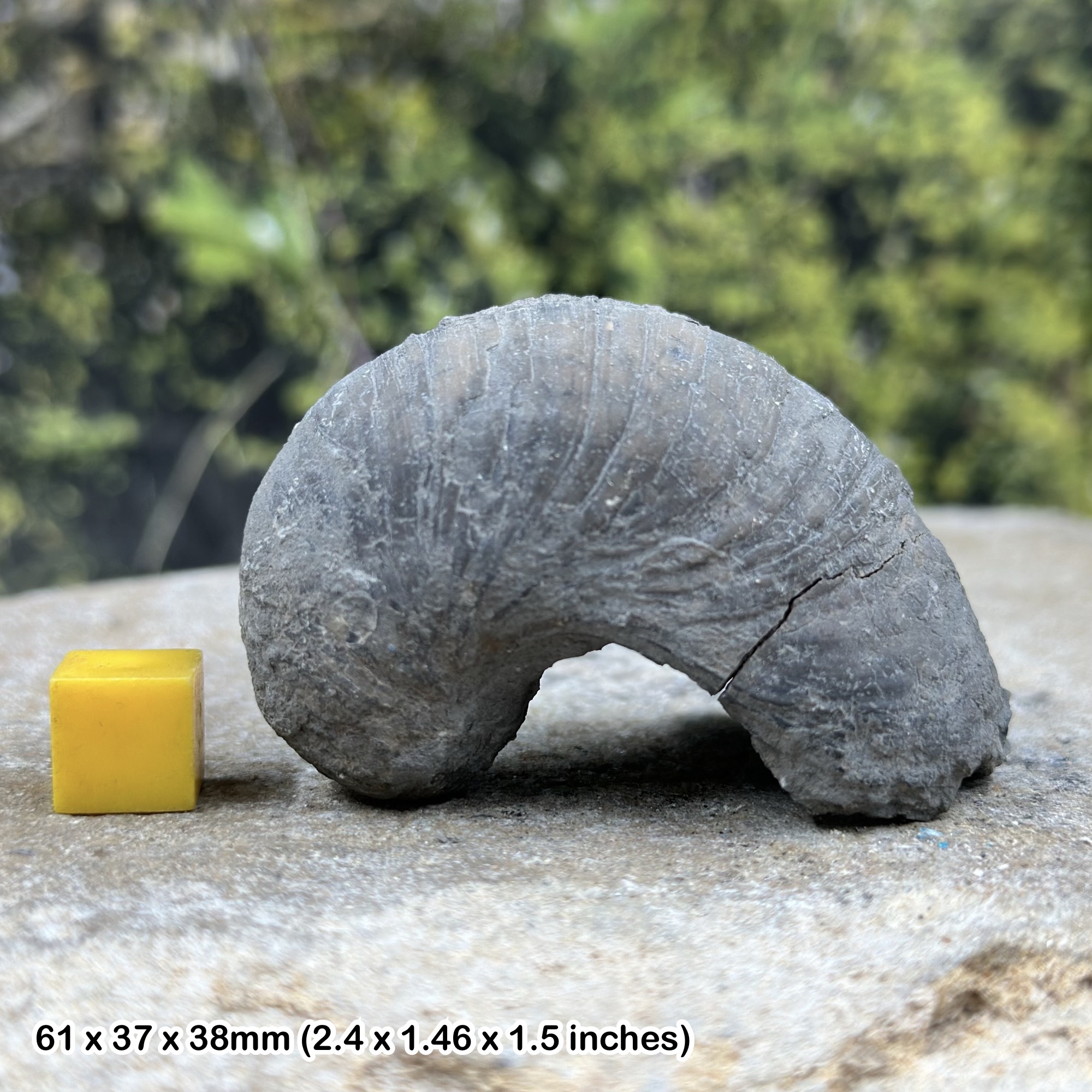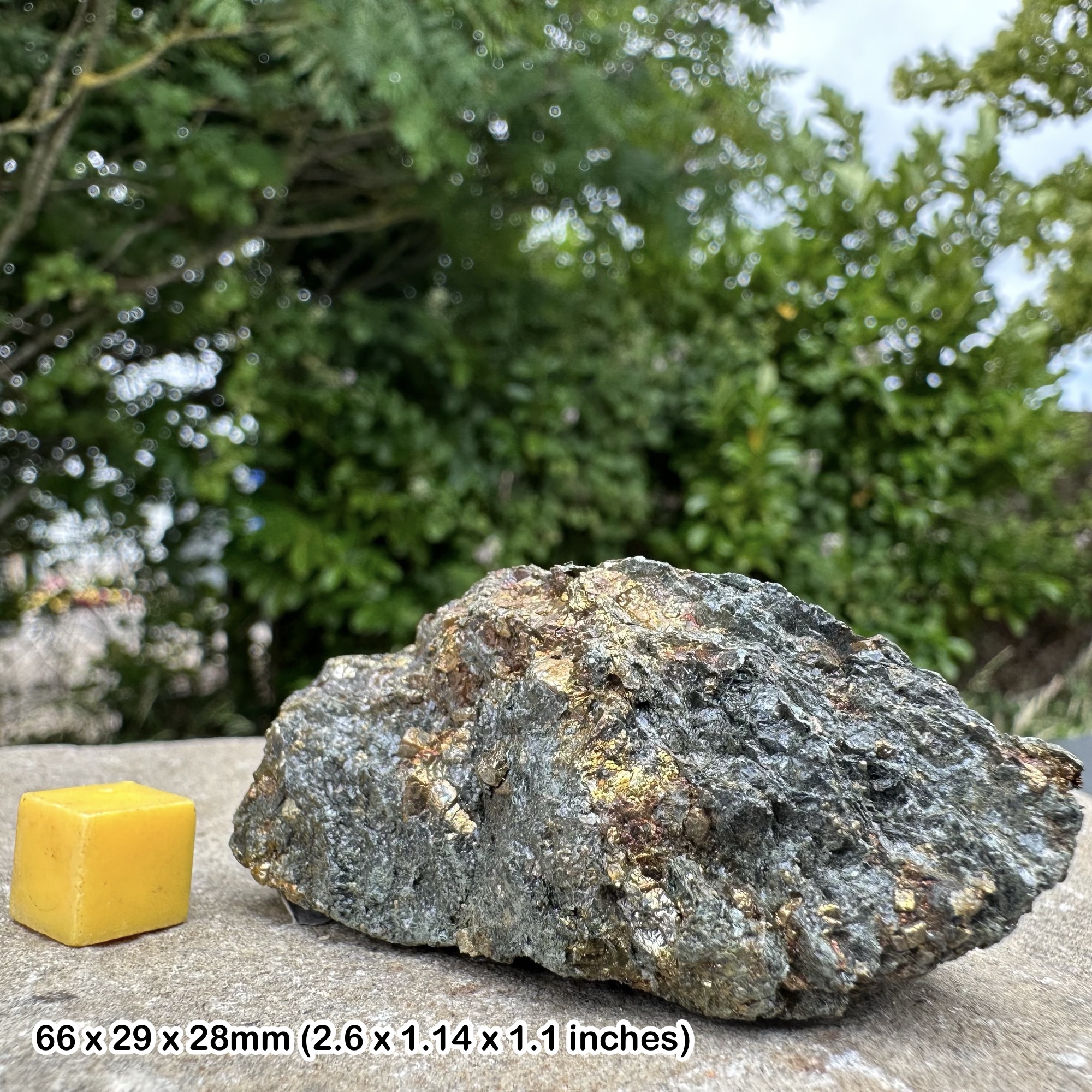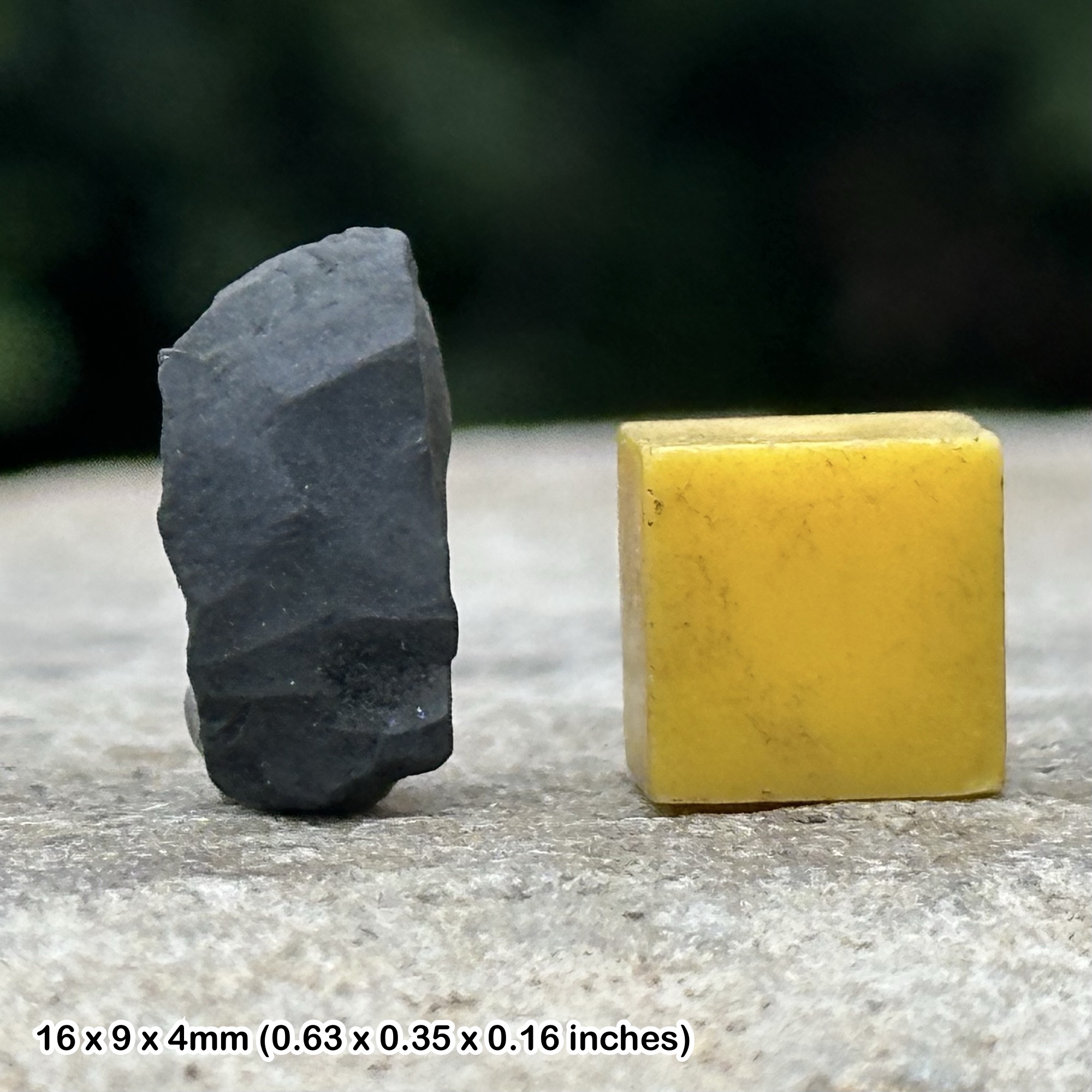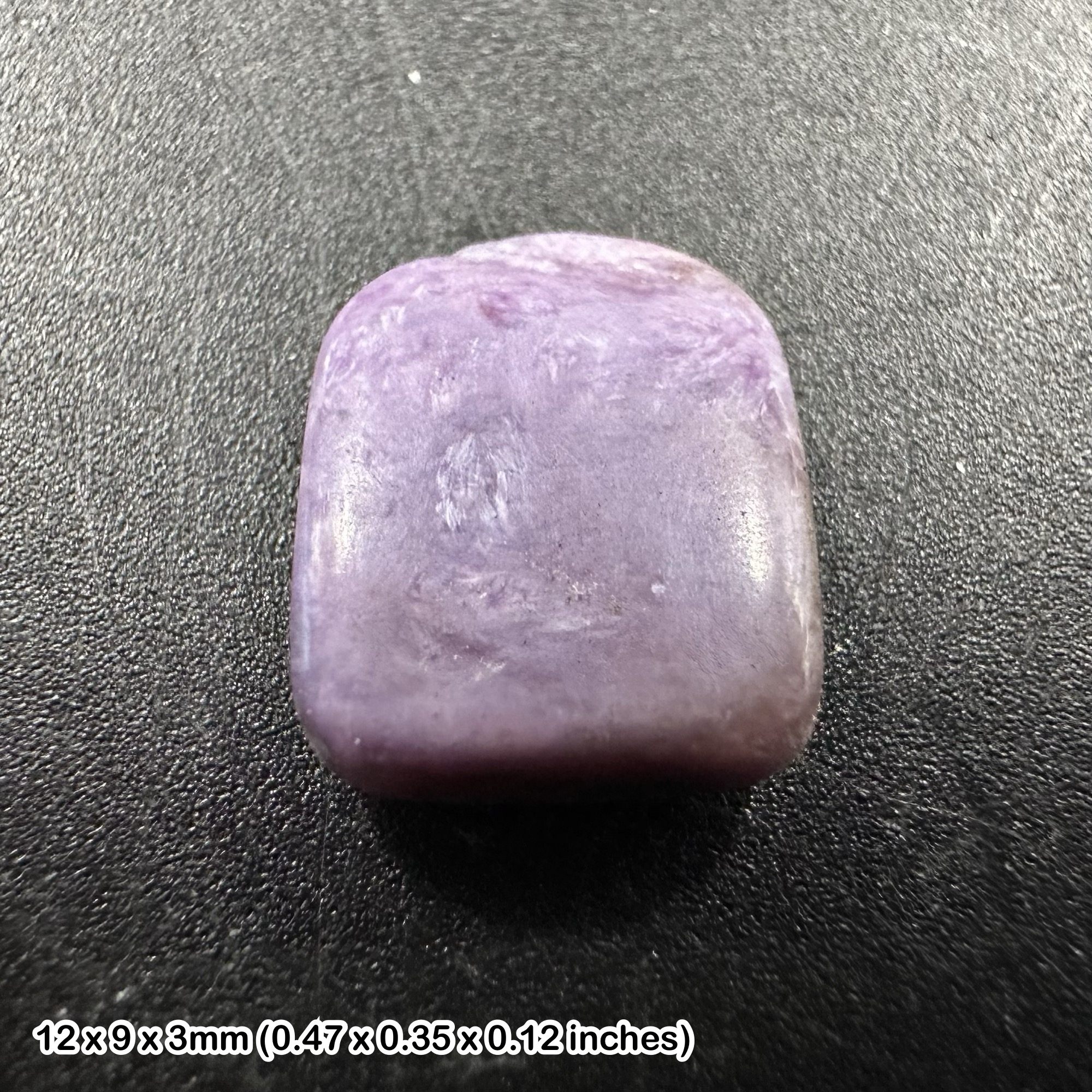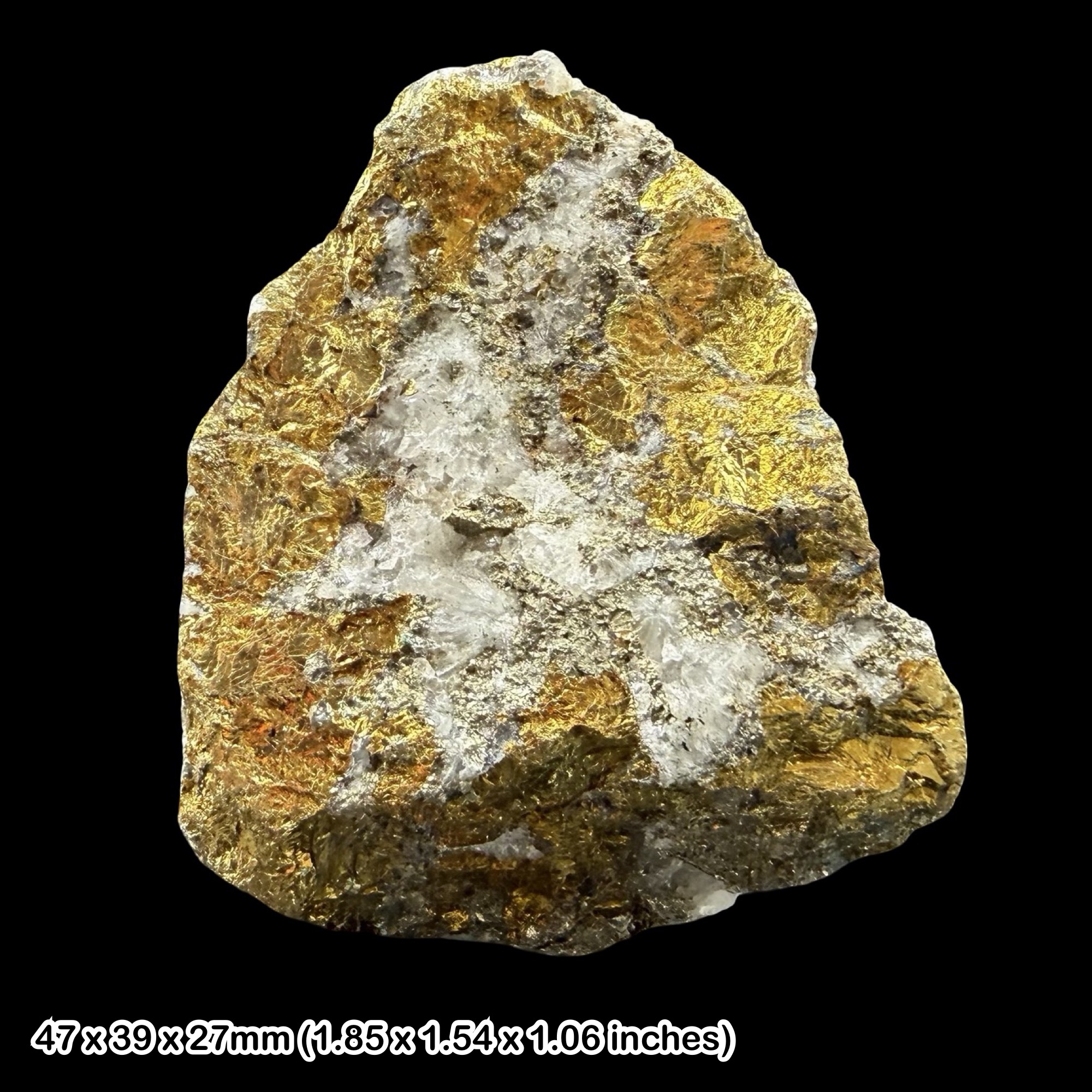
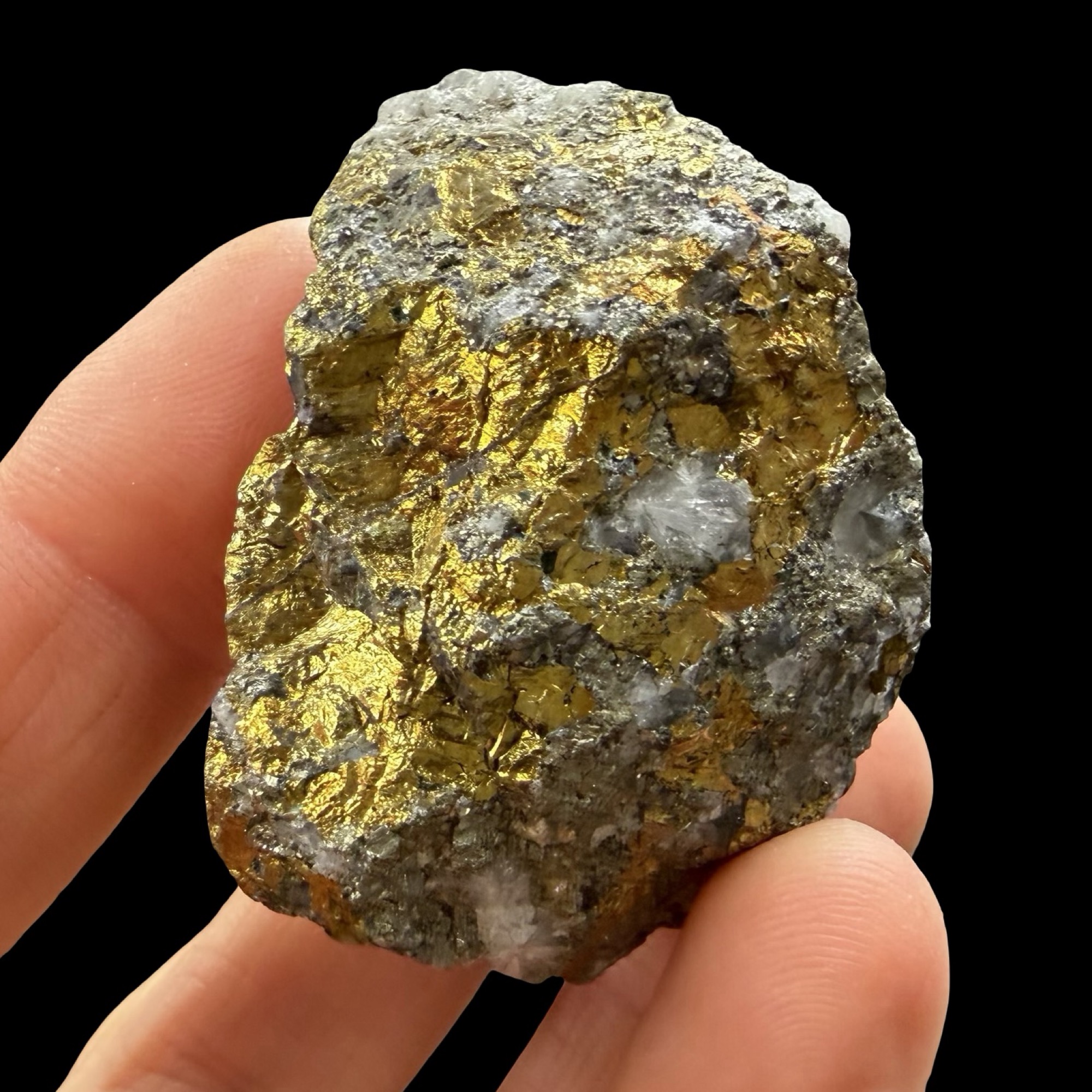
Chalcopyrite on Quartz Matrix Moroccan Mineral Specimen Natural Crystal Genuine Chalcopyrite Quartz Cluster Display Piece Collectors Stone
£ 13.20
CHALCOPYRITE ON QUARTZ MATRIX – NATURAL MOROCCAN MINERAL SPECIMENThis Chalcopyrite on Quartz matrix is a genuine natural mineral specimen sourced
from Morocco, carefully selected for its striking metallic contrast and crystal presentation. The combination of brassy chalcopyrite against a quartz matrix creates a visually compelling piece that highlights natural mineral formation processes. The exact specimen shown in the photographs is the one you will receive, ensuring full confidence in your purchase.Each specimen includes a Certificate of Authenticity lifetime guarantee card, confirming its genuine origin. Full sizing details are available in the listing photographs for accurate scale reference. MINERAL COMPOSITION AND CRYSTAL SPECIESChalcopyrite is a copper iron sulfide mineral with the chemical formula CuFeS₂ and is one of the most important copper ores. It crystallises in the tetragonal crystal system, though it is most commonly found in massive or granular forms rather than well-defined crystals.Quartz, forming the matrix of this specimen, is composed of silicon dioxide (SiO₂) and crystallises in the trigonal crystal system. It typically forms hexagonal prismatic crystals with pyramidal terminations and is known for its hardness (Mohs 7) and vitreous lustre.This pairing of chalcopyrite and quartz is a classic mineral association, frequently found in hydrothermal vein deposits. CRYSTAL HABIT, COLOUR AND VISUAL CHARACTERISTICSThe chalcopyrite in this specimen typically appears as metallic masses or crystalline aggregates with a brassy gold-yellow colour. Over time, natural oxidation can produce iridescent tarnish, displaying subtle hues of purple, blue, or green across the surface, adding further visual interest.The quartz matrix provides a contrasting backdrop, often appearing as white, translucent, or slightly milky crystal formations. Quartz crystals may be well-formed or appear as a clustered base, supporting the chalcopyrite and enhancing the overall structure.The combination of reflective metallic surfaces and crystalline quartz creates a dynamic interplay of textures and light. Natural inclusions, growth patterns, and surface variations ensure that each specimen is unique. GEOLOGICAL FORMATION AND MOROCCAN ORIGINThis type of mineral association typically forms in hydrothermal environments, where hot, mineral-rich fluids circulate through fractures in rock. As these fluids cool, different minerals crystallise at varying temperatures.Quartz often forms first from silica-rich solutions, creating a crystalline matrix. Chalcopyrite forms later from copper- and iron-rich fluids, depositing onto or within the quartz structure.Morocco is well known for producing a wide variety of минерал specimens, particularly from hydrothermal deposits. These geological environments allow for the development of attractive mineral combinations like chalcopyrite on quartz. STRUCTURE, MATRIX AND DISPLAY APPEAL• Metallic chalcopyrite with natural brassy and possible iridescent tones• Contrasting quartz crystal matrix with translucent to white colour• Strong visual combination of metallic and crystalline textures• Ideal for mineral collectors, display cabinets, or décorThe presence of the natural matrix preserves the geological context of the specimen, making it particularly appealing for collectors who value both aesthetics and formation history.Chalcopyrite has been traditionally associated with abundance in symbolic contexts, while quartz is often linked to clarity, making this pairing popular for decorative use while remaining valued primarily for its mineralogical properties. AUTHENTICITY AND PRODUCT DETAILS• Genuine Chalcopyrite on Quartz matrix specimen• Sourced from Morocco• Includes Certificate of Authenticity lifetime guarantee card• Carefully selected individual piece• Exact specimen shown in photos will be receivedThis Chalcopyrite on Quartz specimen offers a compelling combination of metallic mineralisation and crystalline structure, making it a distinctive and highly collectible addition to any mineral collection or display.
from Morocco, carefully selected for its striking metallic contrast and crystal presentation. The combination of brassy chalcopyrite against a quartz matrix creates a visually compelling piece that highlights natural mineral formation processes. The exact specimen shown in the photographs is the one you will receive, ensuring full confidence in your purchase.Each specimen includes a Certificate of Authenticity lifetime guarantee card, confirming its genuine origin. Full sizing details are available in the listing photographs for accurate scale reference. MINERAL COMPOSITION AND CRYSTAL SPECIESChalcopyrite is a copper iron sulfide mineral with the chemical formula CuFeS₂ and is one of the most important copper ores. It crystallises in the tetragonal crystal system, though it is most commonly found in massive or granular forms rather than well-defined crystals.Quartz, forming the matrix of this specimen, is composed of silicon dioxide (SiO₂) and crystallises in the trigonal crystal system. It typically forms hexagonal prismatic crystals with pyramidal terminations and is known for its hardness (Mohs 7) and vitreous lustre.This pairing of chalcopyrite and quartz is a classic mineral association, frequently found in hydrothermal vein deposits. CRYSTAL HABIT, COLOUR AND VISUAL CHARACTERISTICSThe chalcopyrite in this specimen typically appears as metallic masses or crystalline aggregates with a brassy gold-yellow colour. Over time, natural oxidation can produce iridescent tarnish, displaying subtle hues of purple, blue, or green across the surface, adding further visual interest.The quartz matrix provides a contrasting backdrop, often appearing as white, translucent, or slightly milky crystal formations. Quartz crystals may be well-formed or appear as a clustered base, supporting the chalcopyrite and enhancing the overall structure.The combination of reflective metallic surfaces and crystalline quartz creates a dynamic interplay of textures and light. Natural inclusions, growth patterns, and surface variations ensure that each specimen is unique. GEOLOGICAL FORMATION AND MOROCCAN ORIGINThis type of mineral association typically forms in hydrothermal environments, where hot, mineral-rich fluids circulate through fractures in rock. As these fluids cool, different minerals crystallise at varying temperatures.Quartz often forms first from silica-rich solutions, creating a crystalline matrix. Chalcopyrite forms later from copper- and iron-rich fluids, depositing onto or within the quartz structure.Morocco is well known for producing a wide variety of минерал specimens, particularly from hydrothermal deposits. These geological environments allow for the development of attractive mineral combinations like chalcopyrite on quartz. STRUCTURE, MATRIX AND DISPLAY APPEAL• Metallic chalcopyrite with natural brassy and possible iridescent tones• Contrasting quartz crystal matrix with translucent to white colour• Strong visual combination of metallic and crystalline textures• Ideal for mineral collectors, display cabinets, or décorThe presence of the natural matrix preserves the geological context of the specimen, making it particularly appealing for collectors who value both aesthetics and formation history.Chalcopyrite has been traditionally associated with abundance in symbolic contexts, while quartz is often linked to clarity, making this pairing popular for decorative use while remaining valued primarily for its mineralogical properties. AUTHENTICITY AND PRODUCT DETAILS• Genuine Chalcopyrite on Quartz matrix specimen• Sourced from Morocco• Includes Certificate of Authenticity lifetime guarantee card• Carefully selected individual piece• Exact specimen shown in photos will be receivedThis Chalcopyrite on Quartz specimen offers a compelling combination of metallic mineralisation and crystalline structure, making it a distinctive and highly collectible addition to any mineral collection or display.
Other Products