Leioceras Ammonites with Bivalve Fossil Burton Bradstock Dorset Jurassic UK COA Genuine Inferior Oolite Display Specimen
£ 24.00
GENUINE LEIOCERAS FOSSIL AMMONITES WITH BIVALVEThis listing is for a genuine fossil specimen containing Leioceras ammonites and
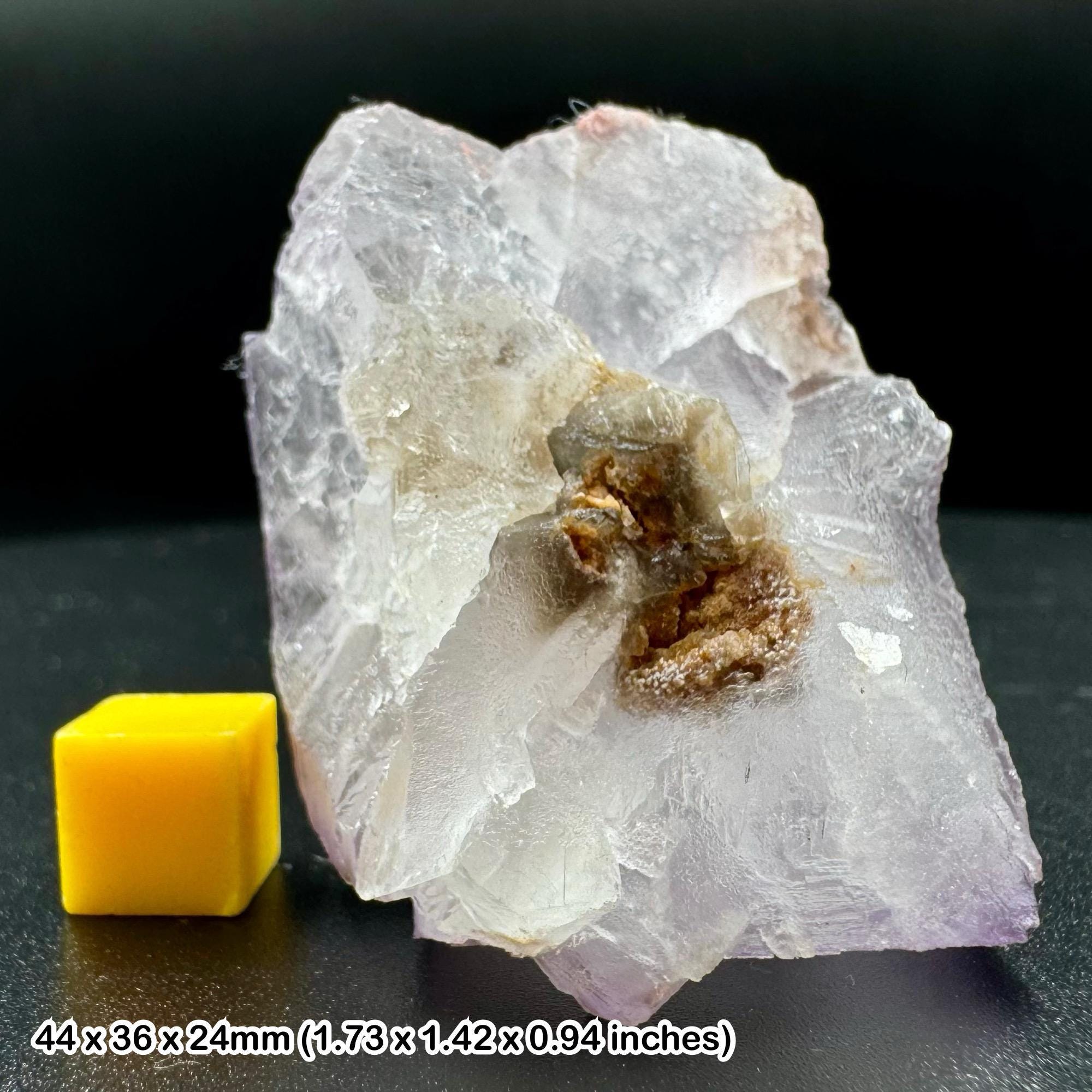
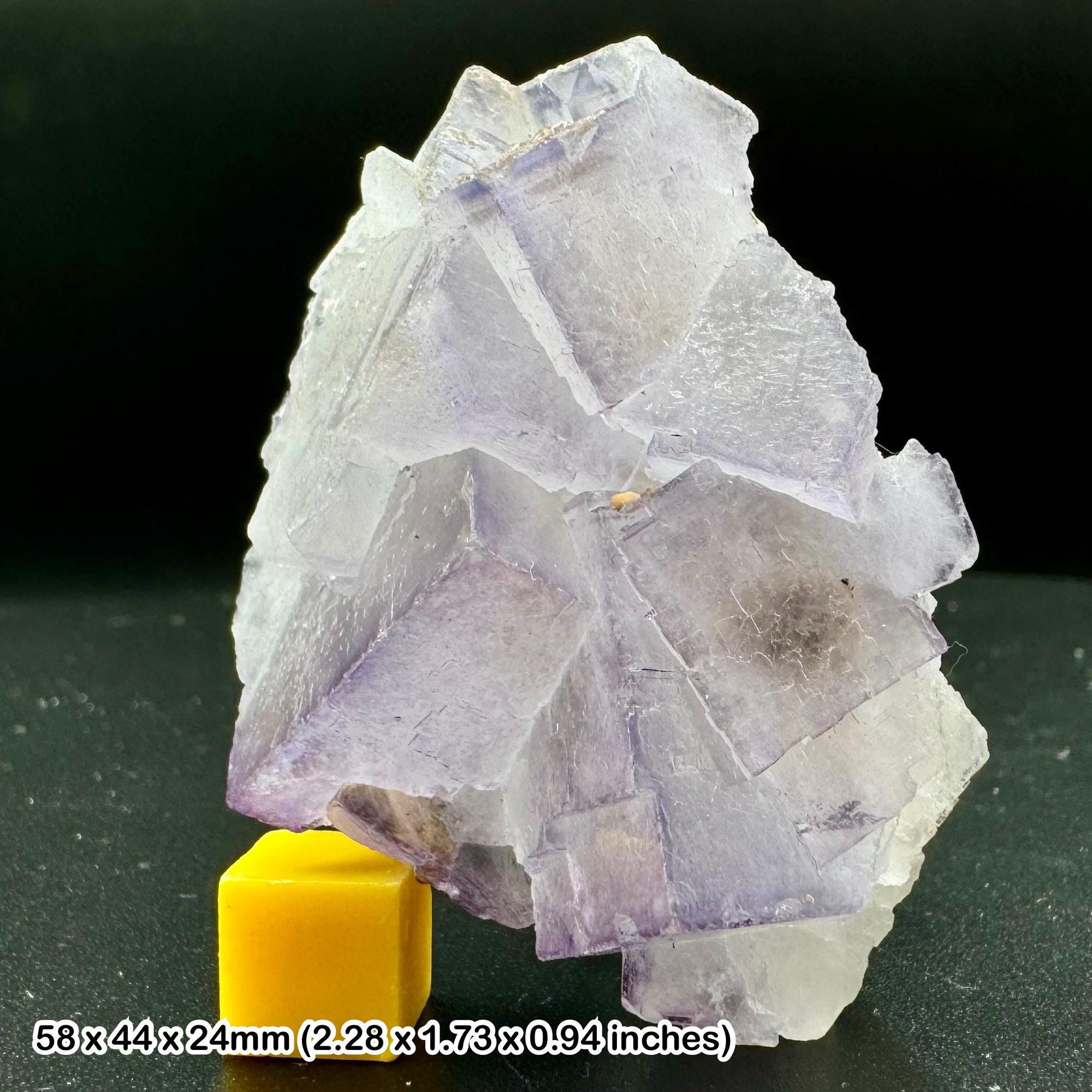
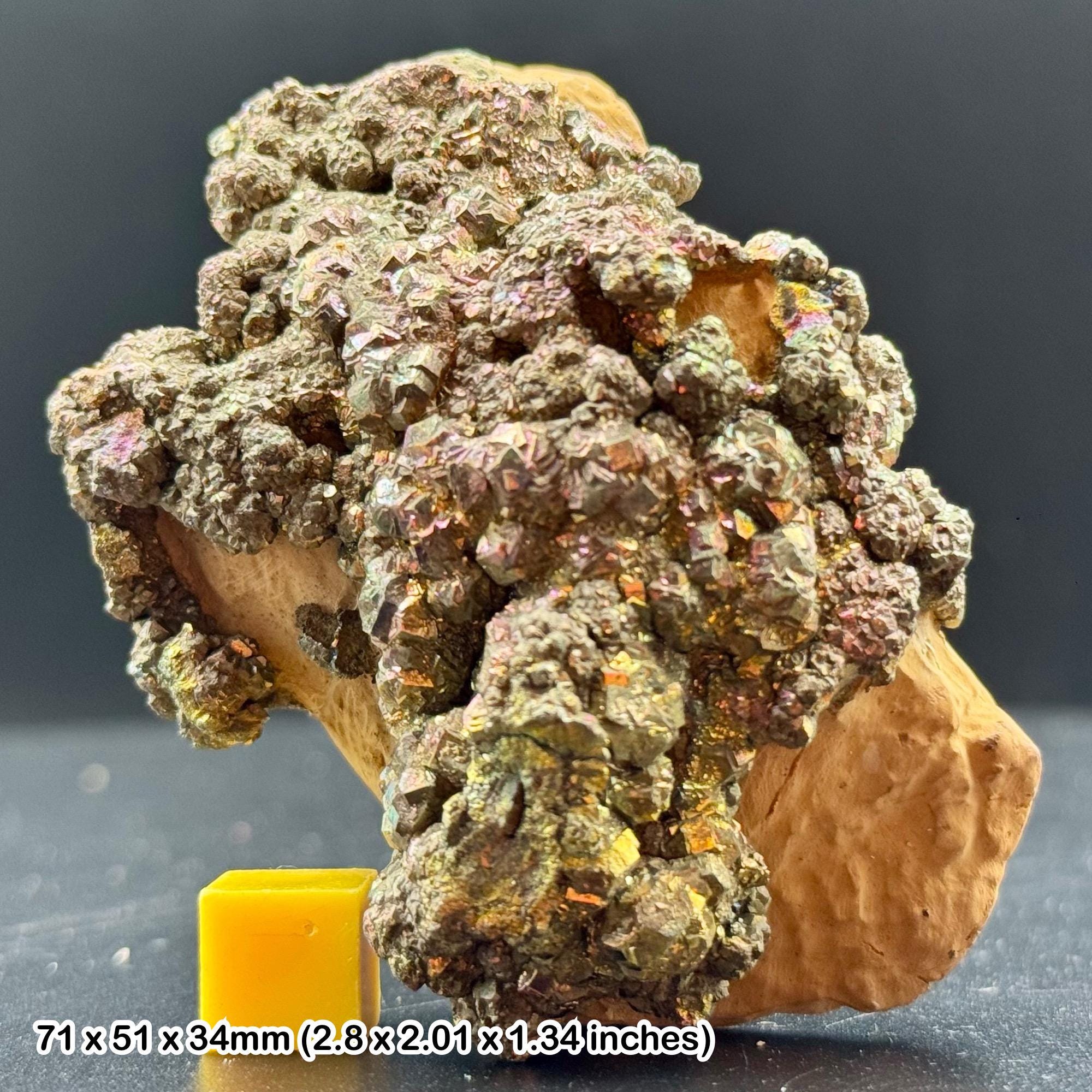
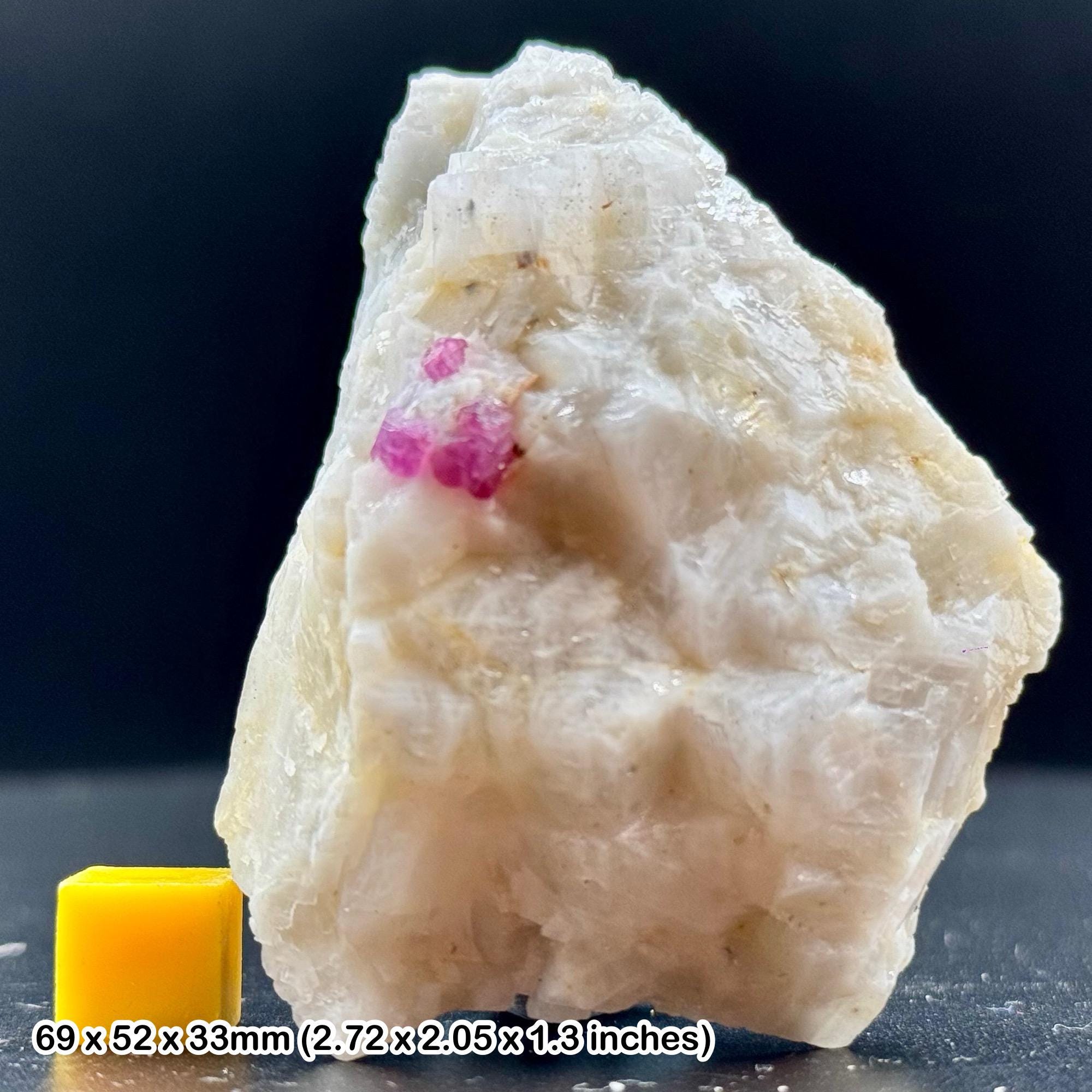
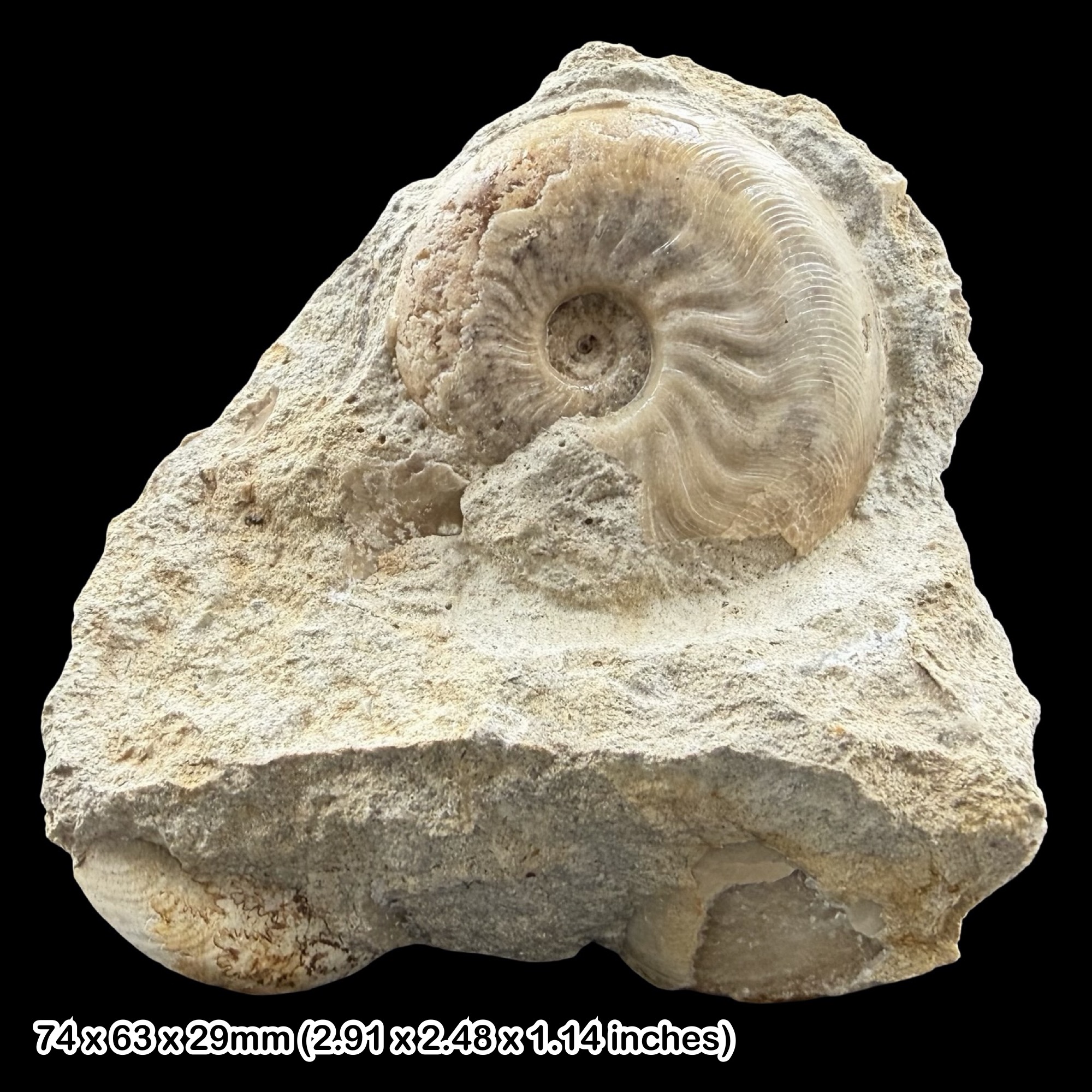
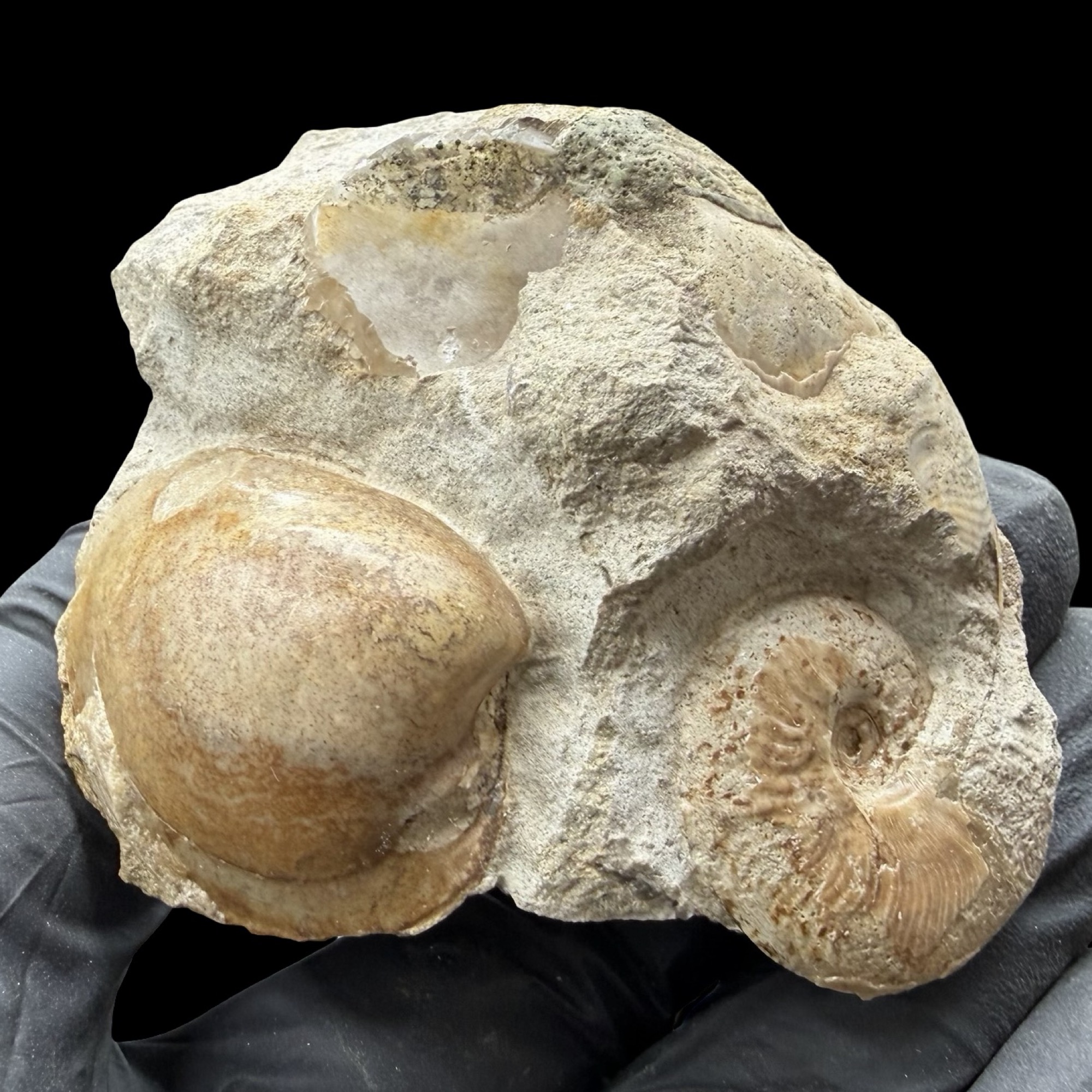
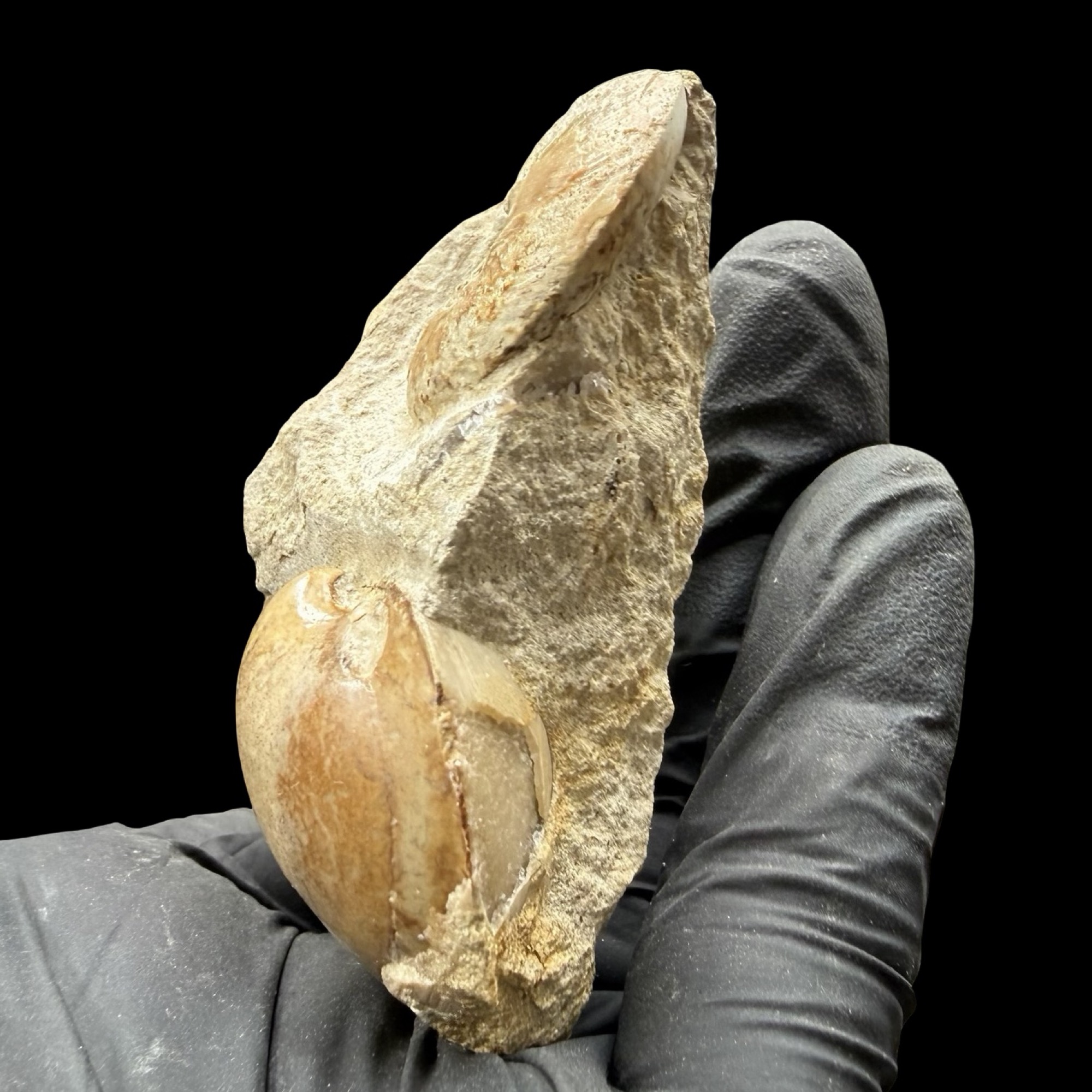
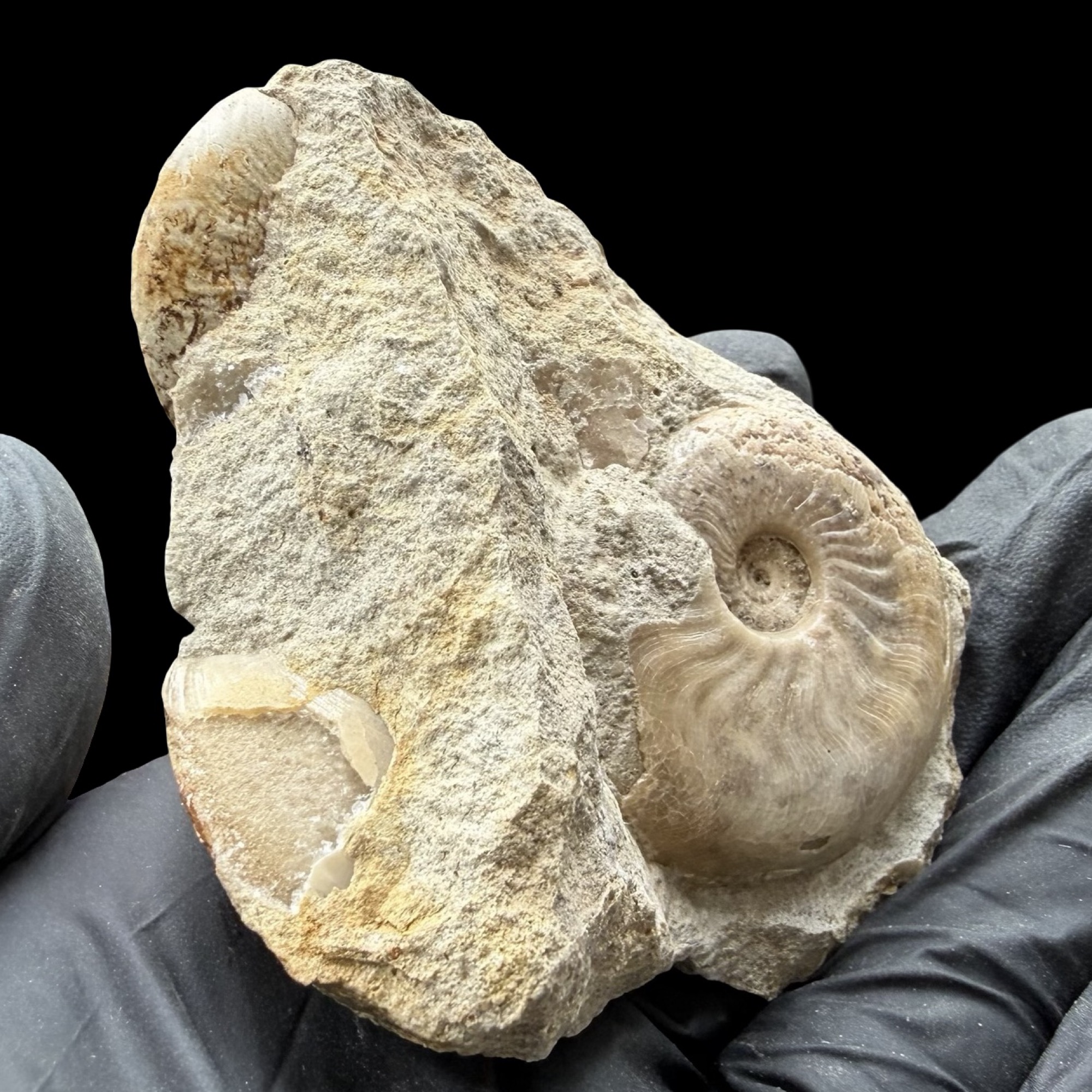
a bivalve from the Inferior Oolite of the Jurassic Coast: Burton Bradstock, Dorset, UK. This carefully chosen fossil includes a Certificate of Authenticity lifetime guarantee generic card. The photo shows the actual specimen you will receive, allowing you to view the natural ammonite forms, associated bivalve, matrix, preservation, surface detail and overall display character of this individual piece before purchase. Full sizing details can be seen in the photo.Your specimen was discovered by our own team members, Alister and Alison, and has been cleaned, prepped and treated by Alison. This gives the fossil a clear collecting history, from discovery through to careful preparation and presentation, making it an excellent choice for collectors who value genuine provenance and authentic British Jurassic fossils. LEIOCERAS AMMONITE INFORMATIONLeioceras is a Jurassic ammonite genus known for its elegant coiled shell form and its importance in the study of Middle Jurassic marine deposits. Ammonites were extinct marine cephalopods related to modern squid, cuttlefish and nautilus, living inside chambered spiral shells. Their rapid evolution and wide distribution make them especially useful to geologists for dating and correlating sedimentary rocks.Leioceras ammonites are typically associated with a compressed, planispiral shell form, often with a smoother or more finely ornamented appearance than many heavily ribbed ammonite genera. Depending on preservation, specimens may show neat whorl structure, a defined outer whorl, subtle growth lines, natural shell curvature and a refined spiral profile. The smoother form gives Leioceras a distinctive appearance and makes it desirable for collectors who appreciate classic ammonites with clean, balanced morphology.Leioceras is closely associated with the Aalenian stage of the Middle Jurassic. Leioceras opalinum is particularly well known for its connection with the Opalinum Zone, an important ammonite zone used in Jurassic biostratigraphy. This gives Leioceras specimens added geological interest, as they represent a key ammonite group within the wider Middle Jurassic fossil record. BIVALVE ASSOCIATION AND MULTI-FOSSIL INTERESTThe presence of a bivalve alongside the Leioceras ammonites adds extra palaeontological and display value. Bivalves are marine molluscs with two hinged shell valves and were common inhabitants of Jurassic seabed environments. Their shells often preserve evidence of ancient marine communities, including shell beds, seabed accumulation, transport and burial within shallow marine sediments.A specimen combining ammonites and a bivalve offers a broader view of Jurassic life than a single isolated fossil. The ammonites represent active swimming cephalopods, while the bivalve represents part of the benthic, or seabed-living, community. Together, they create a natural multi-fossil display piece that reflects the variety of life present in the ancient marine environment of the Inferior Oolite. INFERIOR OOLITE GEOLOGICAL SETTINGThis specimen comes from the Inferior Oolite, a well-known Jurassic rock unit in southern England. Oolitic limestone forms from small rounded carbonate grains called ooids, which developed in warm, shallow, agitated seawater. These conditions are often associated with active marine shoals, carbonate sedimentation and shell-rich seabeds.The Inferior Oolite is valued by collectors for its marine fossils, including ammonites, bivalves, brachiopods, gastropods, echinoids and other invertebrates. Fossils from this formation record a different Jurassic setting from the clay-rich Lower Jurassic deposits of Lyme Regis and Charmouth, offering an important view of Middle Jurassic shallow marine life. BURTON BRADSTOCK, DORSET JURASSIC COAST LOCALITYBurton Bradstock is a classic fossil locality on the Dorset Jurassic Coast, known for its coastal cliffs and fossil-bearing Jurassic rocks. Specimens from this area are highly collectable because they combine strong British locality appeal with recognised geological context. Dorset is internationally famous for its fossil heritage, and Burton Bradstock provides an important Middle Jurassic contrast to the better-known Lower Jurassic fossil sites farther west.A Leioceras ammonite and bivalve specimen from Burton Bradstock is well suited to collections focused on British fossils, Dorset ammonites, Jurassic Coast specimens, Inferior Oolite fossils and ancient marine ecosystems. Its locality, formation and multi-fossil composition make it a distinctive and appealing addition to a fossil cabinet or natural history display. PREPARATION, AUTHENTICITY AND DISPLAY APPEALThis fossil has been cleaned, prepped and treated by Alison to help present the specimen clearly while retaining its natural geological character. Careful preparation is important with ammonite and bivalve specimens, as it helps reveal shell form, whorl structure, surface detail, matrix texture and the relationship between the fossils preserved together.The specimen is suitable for ammonite collectors, fossil enthusiasts, geology students, natural history displays, educational collections, cabinet displays or as a distinctive gift for someone interested in British palaeontology. It is supplied with a Certificate of Authenticity lifetime guarantee generic card, confirming that it is a genuine fossil specimen. The fossil shown in the photo is the exact piece you will receive.
a bivalve from the Inferior Oolite of the Jurassic Coast: Burton Bradstock, Dorset, UK. This carefully chosen fossil includes a Certificate of Authenticity lifetime guarantee generic card. The photo shows the actual specimen you will receive, allowing you to view the natural ammonite forms, associated bivalve, matrix, preservation, surface detail and overall display character of this individual piece before purchase. Full sizing details can be seen in the photo.Your specimen was discovered by our own team members, Alister and Alison, and has been cleaned, prepped and treated by Alison. This gives the fossil a clear collecting history, from discovery through to careful preparation and presentation, making it an excellent choice for collectors who value genuine provenance and authentic British Jurassic fossils. LEIOCERAS AMMONITE INFORMATIONLeioceras is a Jurassic ammonite genus known for its elegant coiled shell form and its importance in the study of Middle Jurassic marine deposits. Ammonites were extinct marine cephalopods related to modern squid, cuttlefish and nautilus, living inside chambered spiral shells. Their rapid evolution and wide distribution make them especially useful to geologists for dating and correlating sedimentary rocks.Leioceras ammonites are typically associated with a compressed, planispiral shell form, often with a smoother or more finely ornamented appearance than many heavily ribbed ammonite genera. Depending on preservation, specimens may show neat whorl structure, a defined outer whorl, subtle growth lines, natural shell curvature and a refined spiral profile. The smoother form gives Leioceras a distinctive appearance and makes it desirable for collectors who appreciate classic ammonites with clean, balanced morphology.Leioceras is closely associated with the Aalenian stage of the Middle Jurassic. Leioceras opalinum is particularly well known for its connection with the Opalinum Zone, an important ammonite zone used in Jurassic biostratigraphy. This gives Leioceras specimens added geological interest, as they represent a key ammonite group within the wider Middle Jurassic fossil record. BIVALVE ASSOCIATION AND MULTI-FOSSIL INTERESTThe presence of a bivalve alongside the Leioceras ammonites adds extra palaeontological and display value. Bivalves are marine molluscs with two hinged shell valves and were common inhabitants of Jurassic seabed environments. Their shells often preserve evidence of ancient marine communities, including shell beds, seabed accumulation, transport and burial within shallow marine sediments.A specimen combining ammonites and a bivalve offers a broader view of Jurassic life than a single isolated fossil. The ammonites represent active swimming cephalopods, while the bivalve represents part of the benthic, or seabed-living, community. Together, they create a natural multi-fossil display piece that reflects the variety of life present in the ancient marine environment of the Inferior Oolite. INFERIOR OOLITE GEOLOGICAL SETTINGThis specimen comes from the Inferior Oolite, a well-known Jurassic rock unit in southern England. Oolitic limestone forms from small rounded carbonate grains called ooids, which developed in warm, shallow, agitated seawater. These conditions are often associated with active marine shoals, carbonate sedimentation and shell-rich seabeds.The Inferior Oolite is valued by collectors for its marine fossils, including ammonites, bivalves, brachiopods, gastropods, echinoids and other invertebrates. Fossils from this formation record a different Jurassic setting from the clay-rich Lower Jurassic deposits of Lyme Regis and Charmouth, offering an important view of Middle Jurassic shallow marine life. BURTON BRADSTOCK, DORSET JURASSIC COAST LOCALITYBurton Bradstock is a classic fossil locality on the Dorset Jurassic Coast, known for its coastal cliffs and fossil-bearing Jurassic rocks. Specimens from this area are highly collectable because they combine strong British locality appeal with recognised geological context. Dorset is internationally famous for its fossil heritage, and Burton Bradstock provides an important Middle Jurassic contrast to the better-known Lower Jurassic fossil sites farther west.A Leioceras ammonite and bivalve specimen from Burton Bradstock is well suited to collections focused on British fossils, Dorset ammonites, Jurassic Coast specimens, Inferior Oolite fossils and ancient marine ecosystems. Its locality, formation and multi-fossil composition make it a distinctive and appealing addition to a fossil cabinet or natural history display. PREPARATION, AUTHENTICITY AND DISPLAY APPEALThis fossil has been cleaned, prepped and treated by Alison to help present the specimen clearly while retaining its natural geological character. Careful preparation is important with ammonite and bivalve specimens, as it helps reveal shell form, whorl structure, surface detail, matrix texture and the relationship between the fossils preserved together.The specimen is suitable for ammonite collectors, fossil enthusiasts, geology students, natural history displays, educational collections, cabinet displays or as a distinctive gift for someone interested in British palaeontology. It is supplied with a Certificate of Authenticity lifetime guarantee generic card, confirming that it is a genuine fossil specimen. The fossil shown in the photo is the exact piece you will receive.
Other Products