Fossil Shark Fin Spine Isle of Wight Cretaceous Genuine Specimen Certificate Authenticity Vectis Formation Rare Collector Display
£ 60.00
Fossil Shark Fin Spine – Vectis Formation, Isle of Wight DiscoveryThis impressive fossil Shark Fin Spine originates from the Vectis Formation at
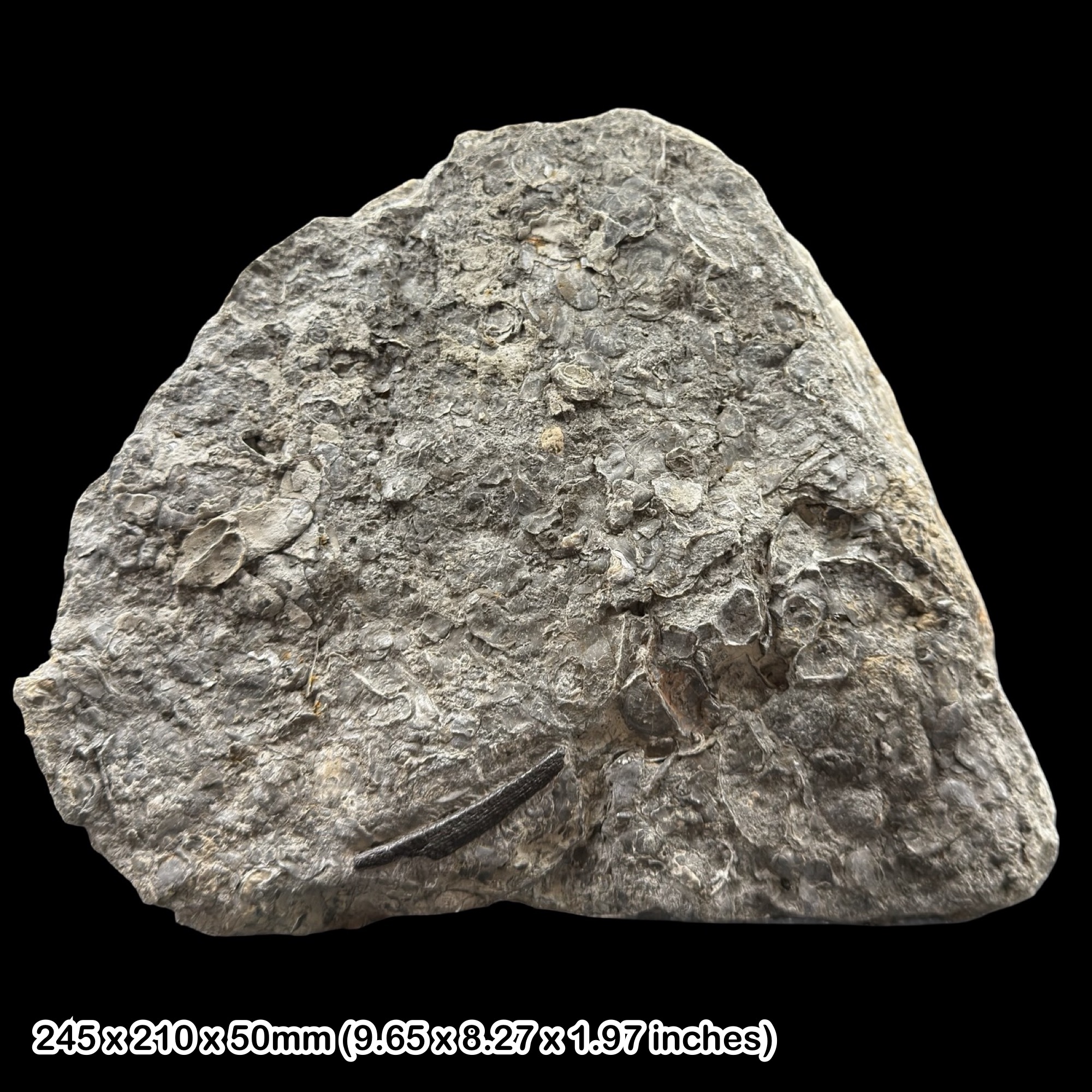
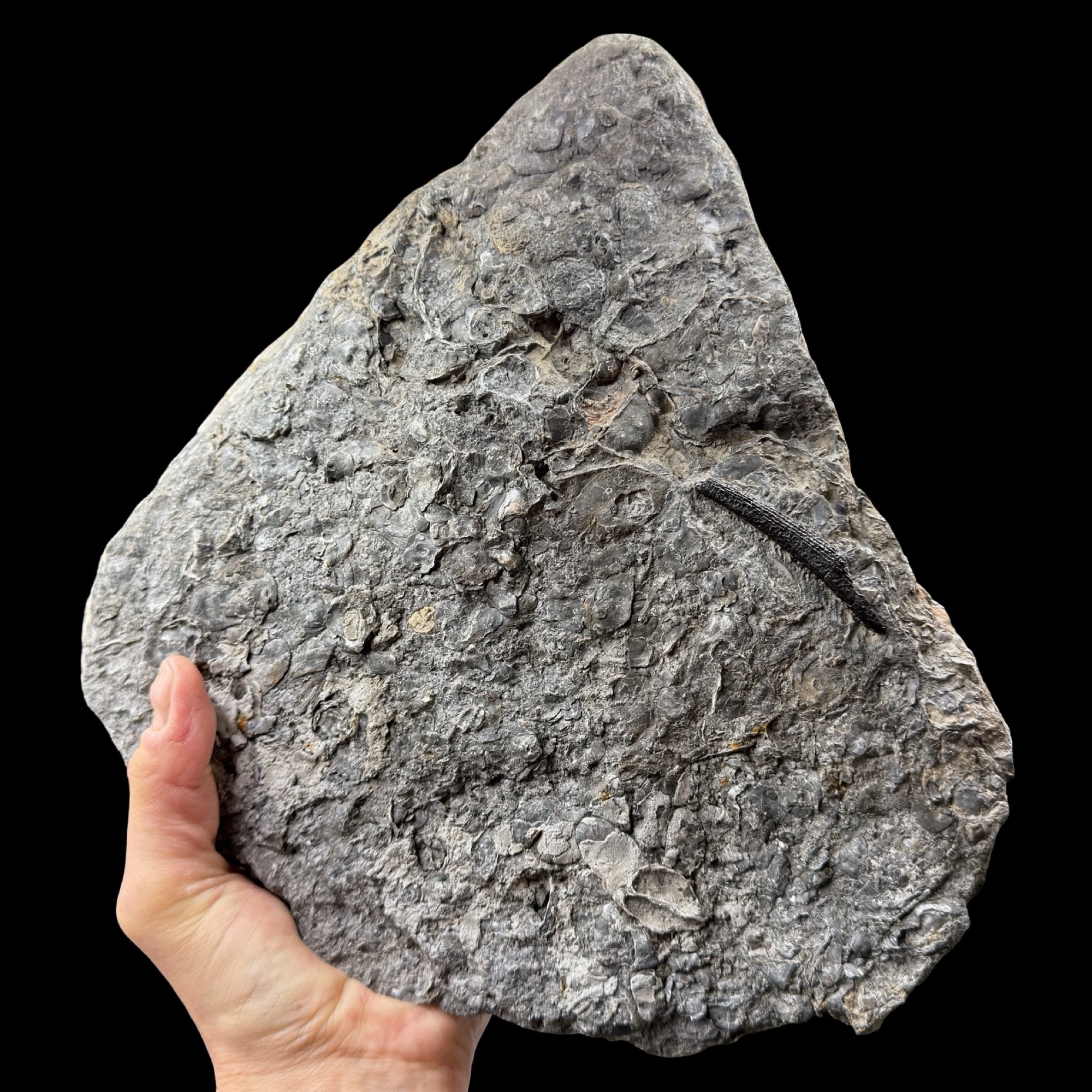
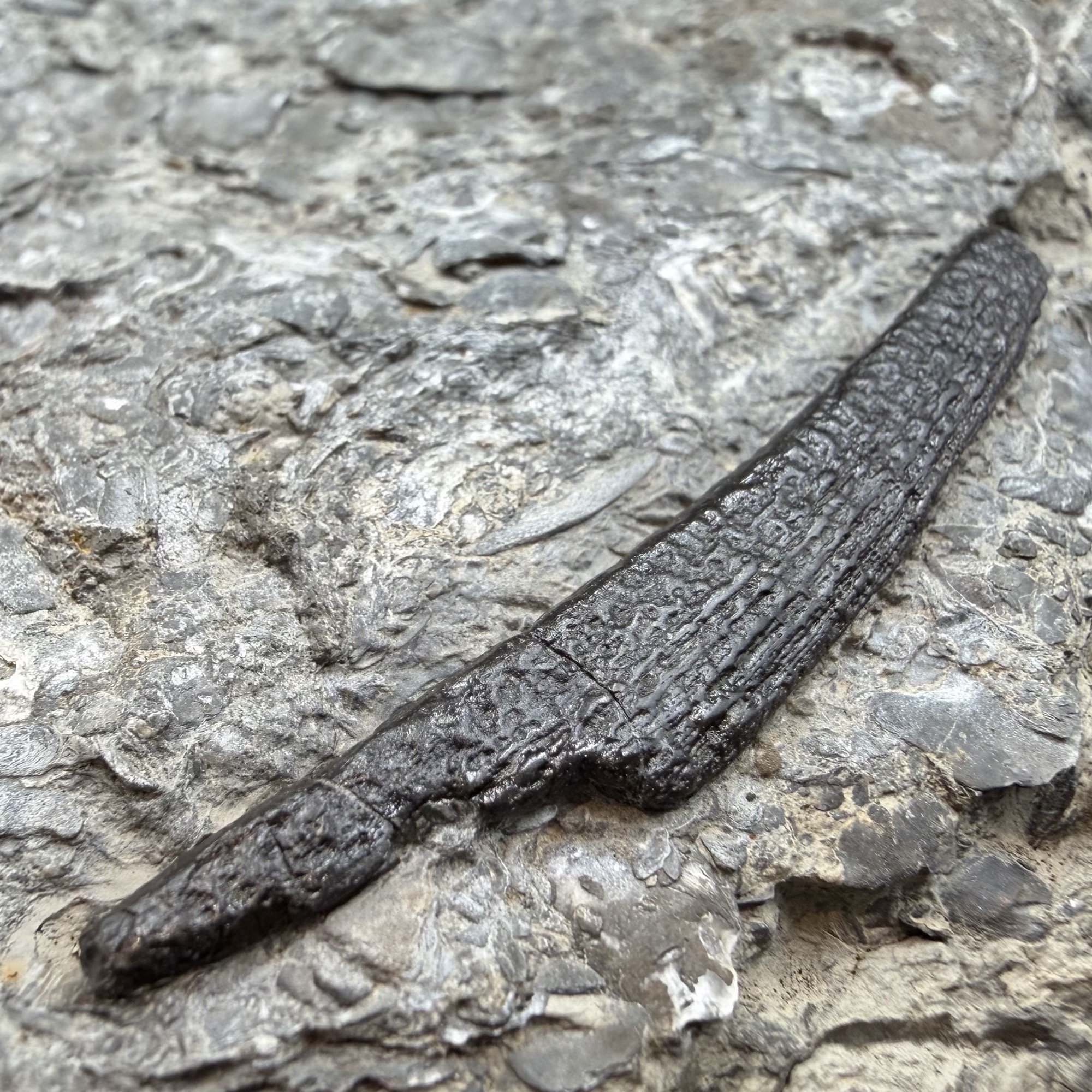
Yaverland on the Isle of Wight, one of the UK’s most productive Lower Cretaceous fossil sites. Dating to the Barremian stage, approximately 125 million years ago, this specimen offers a rare and fascinating insight into the cartilaginous fish that inhabited ancient coastal waters.Discovered by our experienced team members, Alister and Alison, this fossil has been carefully cleaned, expertly prepared, and treated by Alison to preserve its natural form and reveal its defining features. The fossil shown in the photographs is the exact specimen you will receive, making it a unique and highly collectible piece.Geological Context and Depositional EnvironmentThe Vectis Formation forms part of the Wealden Group and represents a complex lagoonal and coastal plain environment influenced by fluctuating freshwater and marine conditions. During the Barremian, this region consisted of lagoons, tidal channels, and shallow coastal waters, supporting a diverse ecosystem of fish, reptiles, and invertebrates.Fine-grained sediments allowed rapid burial of organic material, enabling delicate structures such as fin spines to be preserved. Occasional marine incursions introduced species of sharks and other marine organisms into these environments, contributing to the fossil diversity found today.Shark Fin Spine Overview and BiologyShark fin spines are robust defensive and structural elements associated with certain groups of ancient cartilaginous fish. Unlike modern sharks, many prehistoric species possessed prominent dorsal spines composed of dentine and enamel-like tissues, providing protection against predators and structural support for the fin.These spines are often among the most durable parts of the skeleton, making them more likely to fossilise than softer tissues. Their presence provides valuable evidence of shark diversity and adaptation during the Early Cretaceous.Morphology and Structural FeaturesThis specimen displays the characteristic elongated and tapered form of a shark fin spine, with a gently curved profile and a solid, well-preserved structure. Surface textures may include subtle ridging or longitudinal striations, reflecting the original biological growth patterns.The spine’s robust composition highlights its functional role in life, while the preserved detail offers insight into its development and attachment within the fin. Natural mineralisation enhances the fossil’s appearance, giving it a distinctive and authentic look that adds to its display appeal.Preservation and PreparationAlison’s careful preparation has ensured that the spine is clearly visible while maintaining its natural integrity. The fossil retains its original structure and surface detail, with minimal interference to preserve authenticity.The surrounding matrix has been stabilised where present, creating a balanced presentation that highlights the fossil while retaining its geological context. Full sizing details can be confirmed via the accompanying photographs.Authenticity and ProvenanceThis fossil is a genuine specimen and includes a Certificate of Authenticity lifetime guarantee card, ensuring complete confidence in its origin and identification. Each fossil we offer is responsibly sourced and handled directly by our team, providing full traceability from discovery through to preparation.Collector Appeal and Display ValueShark fin spines from the Isle of Wight are highly sought after due to their rarity and the unique insight they provide into prehistoric marine life. This specimen stands out for its strong preservation, natural form, and provenance.Ideal for collectors of vertebrate fossils, Cretaceous material, or British geological specimens, this piece offers both scientific significance and striking visual appeal. Whether displayed in a cabinet, study, or gallery, it provides a tangible connection to the ancient ecosystems that once existed along the southern coast of England.
Yaverland on the Isle of Wight, one of the UK’s most productive Lower Cretaceous fossil sites. Dating to the Barremian stage, approximately 125 million years ago, this specimen offers a rare and fascinating insight into the cartilaginous fish that inhabited ancient coastal waters.Discovered by our experienced team members, Alister and Alison, this fossil has been carefully cleaned, expertly prepared, and treated by Alison to preserve its natural form and reveal its defining features. The fossil shown in the photographs is the exact specimen you will receive, making it a unique and highly collectible piece.Geological Context and Depositional EnvironmentThe Vectis Formation forms part of the Wealden Group and represents a complex lagoonal and coastal plain environment influenced by fluctuating freshwater and marine conditions. During the Barremian, this region consisted of lagoons, tidal channels, and shallow coastal waters, supporting a diverse ecosystem of fish, reptiles, and invertebrates.Fine-grained sediments allowed rapid burial of organic material, enabling delicate structures such as fin spines to be preserved. Occasional marine incursions introduced species of sharks and other marine organisms into these environments, contributing to the fossil diversity found today.Shark Fin Spine Overview and BiologyShark fin spines are robust defensive and structural elements associated with certain groups of ancient cartilaginous fish. Unlike modern sharks, many prehistoric species possessed prominent dorsal spines composed of dentine and enamel-like tissues, providing protection against predators and structural support for the fin.These spines are often among the most durable parts of the skeleton, making them more likely to fossilise than softer tissues. Their presence provides valuable evidence of shark diversity and adaptation during the Early Cretaceous.Morphology and Structural FeaturesThis specimen displays the characteristic elongated and tapered form of a shark fin spine, with a gently curved profile and a solid, well-preserved structure. Surface textures may include subtle ridging or longitudinal striations, reflecting the original biological growth patterns.The spine’s robust composition highlights its functional role in life, while the preserved detail offers insight into its development and attachment within the fin. Natural mineralisation enhances the fossil’s appearance, giving it a distinctive and authentic look that adds to its display appeal.Preservation and PreparationAlison’s careful preparation has ensured that the spine is clearly visible while maintaining its natural integrity. The fossil retains its original structure and surface detail, with minimal interference to preserve authenticity.The surrounding matrix has been stabilised where present, creating a balanced presentation that highlights the fossil while retaining its geological context. Full sizing details can be confirmed via the accompanying photographs.Authenticity and ProvenanceThis fossil is a genuine specimen and includes a Certificate of Authenticity lifetime guarantee card, ensuring complete confidence in its origin and identification. Each fossil we offer is responsibly sourced and handled directly by our team, providing full traceability from discovery through to preparation.Collector Appeal and Display ValueShark fin spines from the Isle of Wight are highly sought after due to their rarity and the unique insight they provide into prehistoric marine life. This specimen stands out for its strong preservation, natural form, and provenance.Ideal for collectors of vertebrate fossils, Cretaceous material, or British geological specimens, this piece offers both scientific significance and striking visual appeal. Whether displayed in a cabinet, study, or gallery, it provides a tangible connection to the ancient ecosystems that once existed along the southern coast of England.