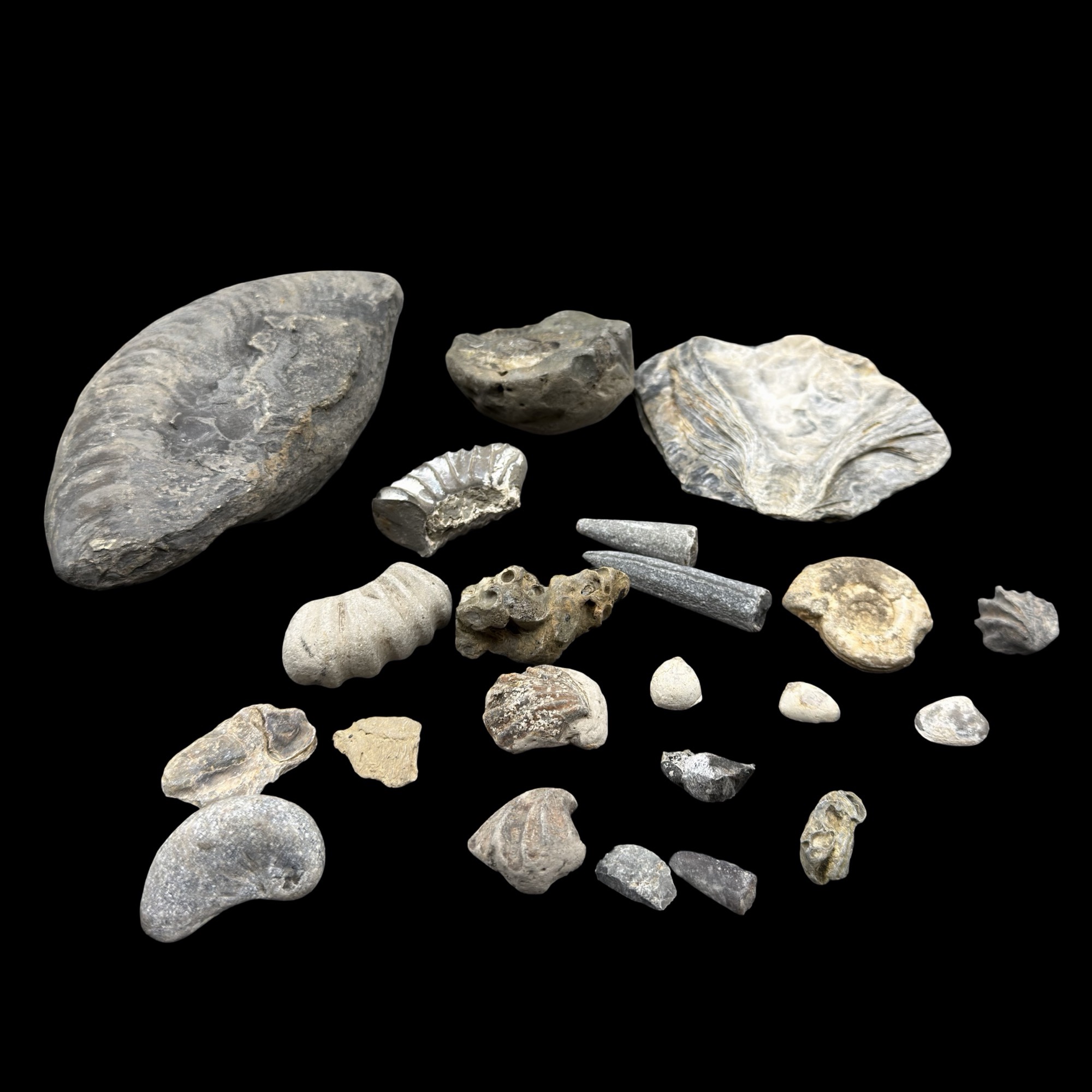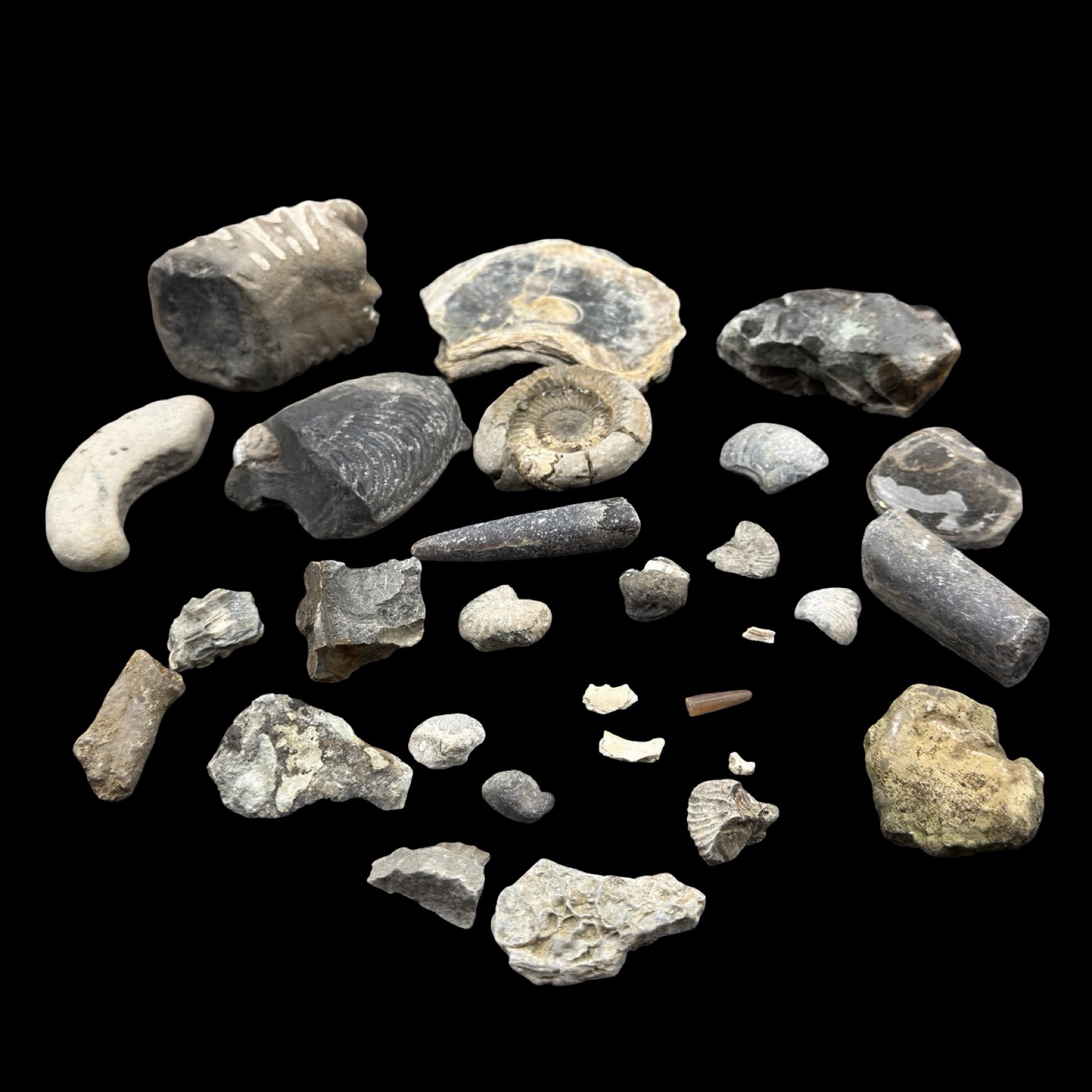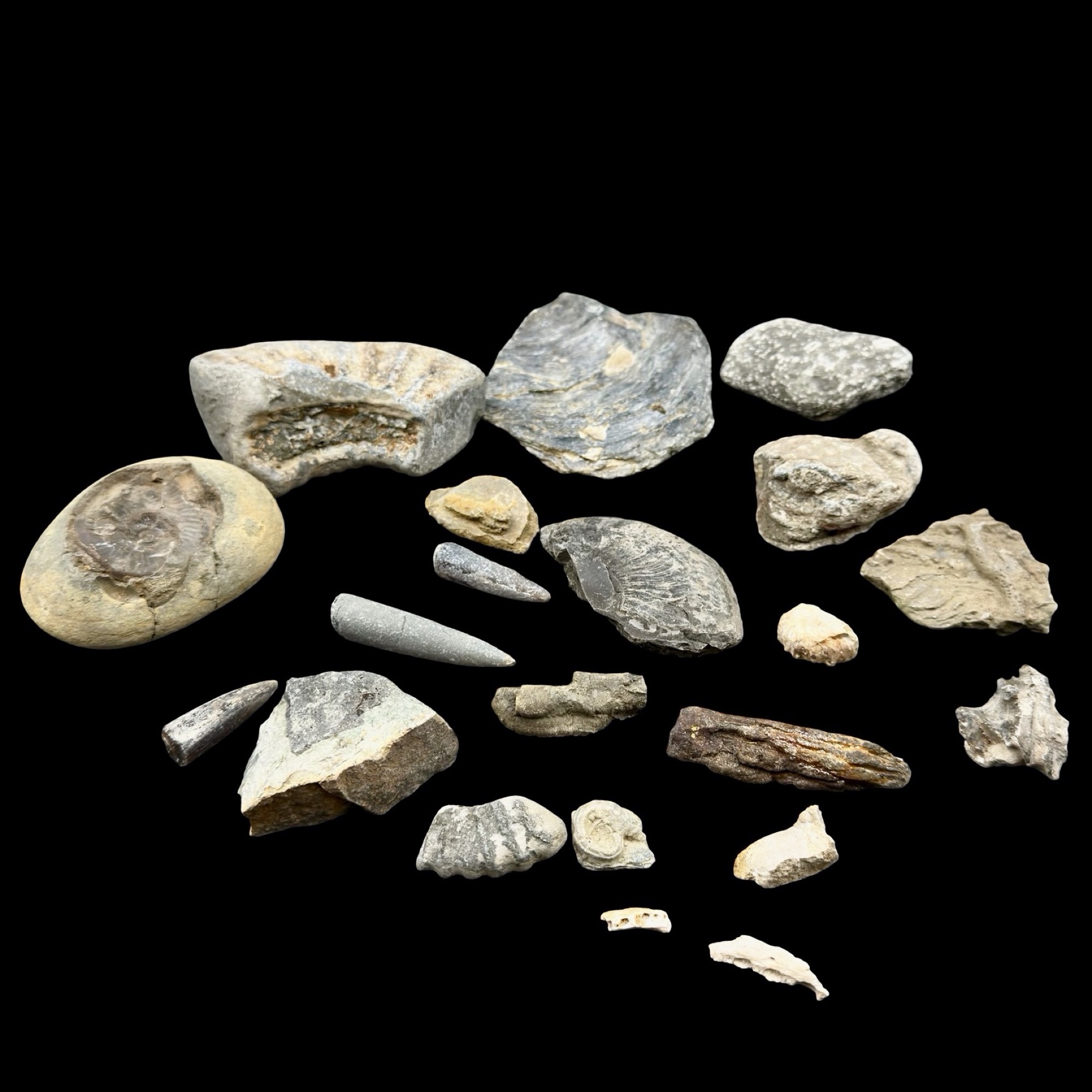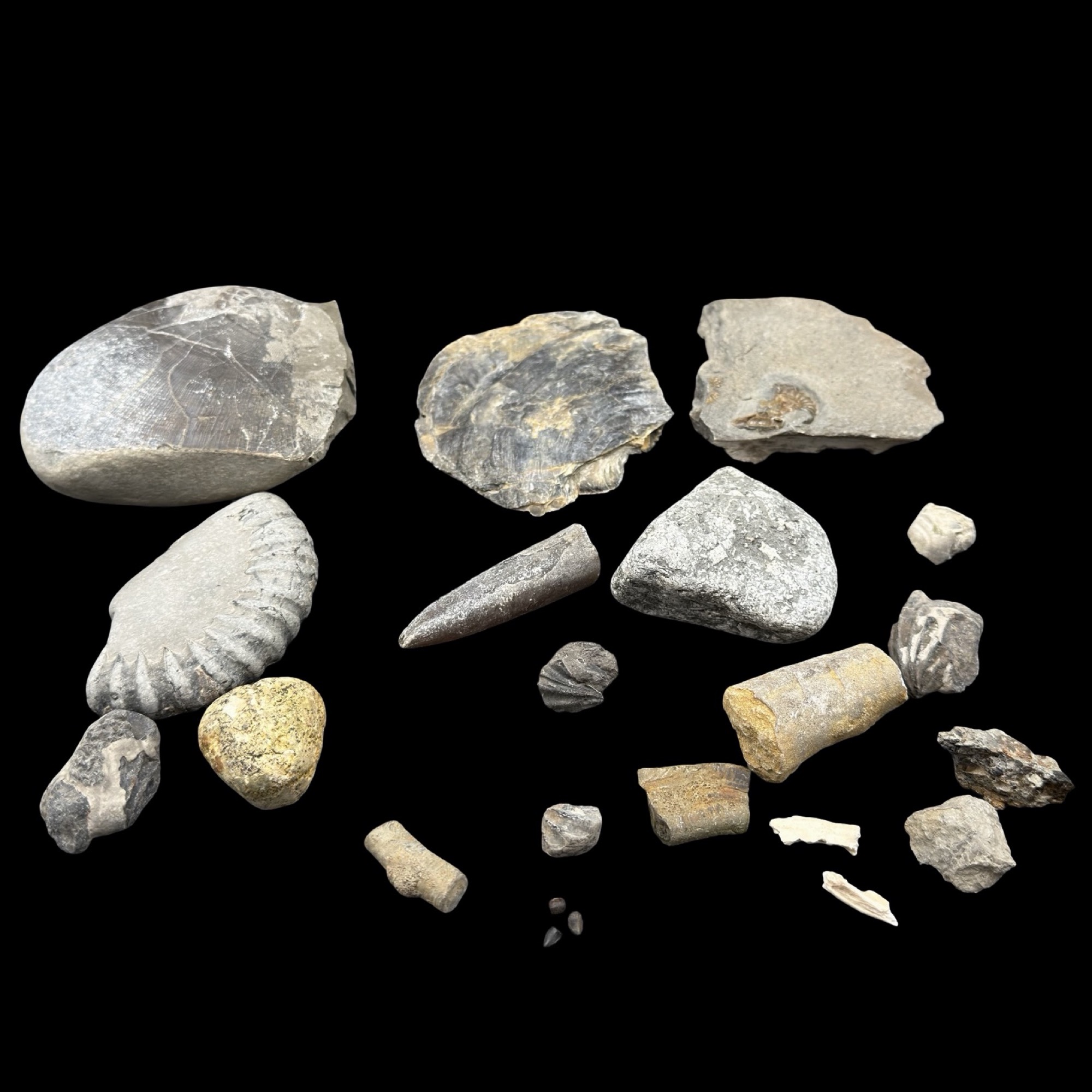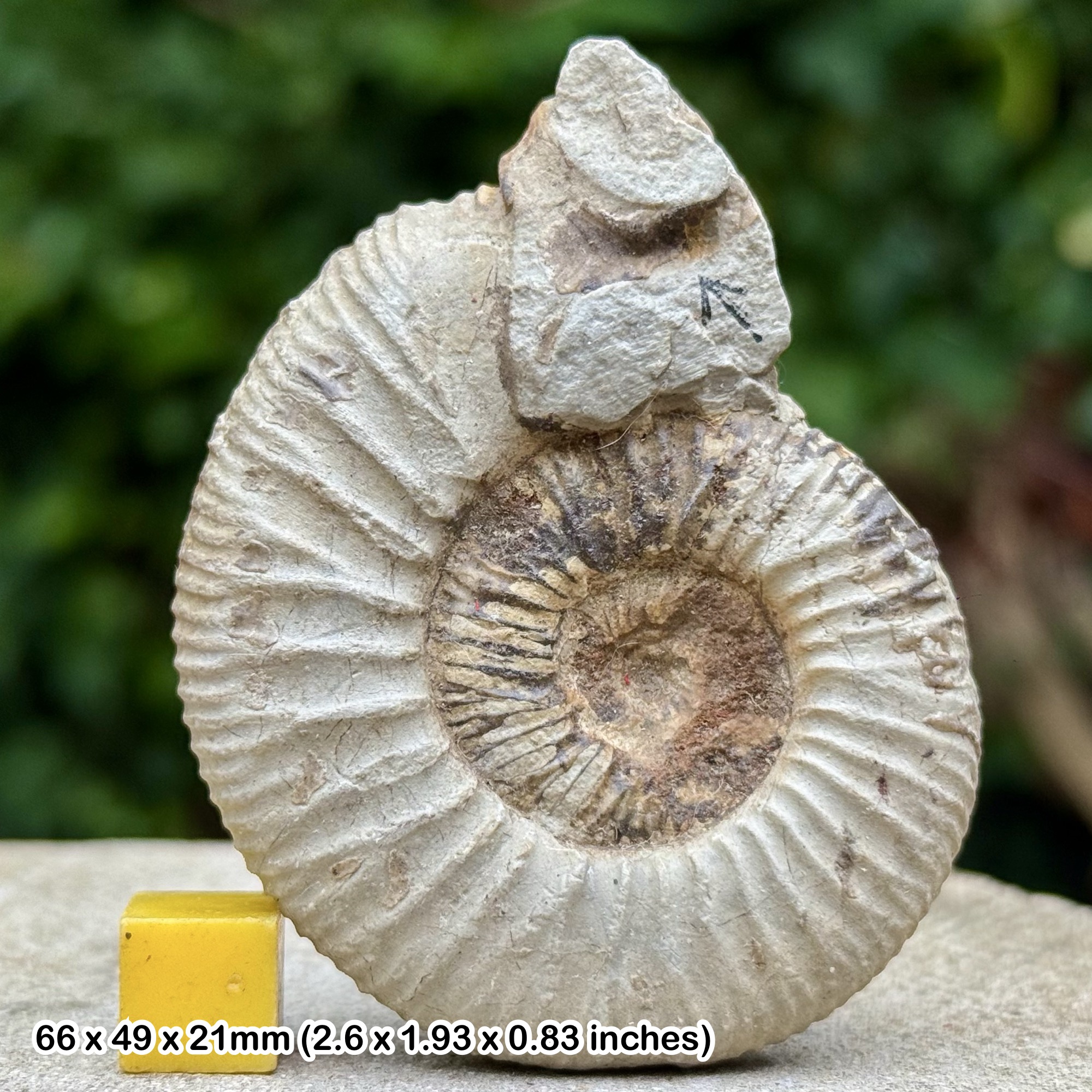
Parapallasiceras pseudocontiguus Ammonite Fossil with Ammonite Lappet from Tithonian Cretaceous Ellenbrun Germany
£ 48.00
GEOLOGICAL CONTEXT AND PROVENANCEThis specimen is a rare Parapallasiceras pseudocontiguus ammonite fossil with
preserved ammonite lappet, dating to the Tithonian Stage of the Late Jurassic, transitioning into the Early Cretaceous, approximately 152 – 145 million years ago. It was collected from Ellenbrun, Germany, a region with rich marine fossil deposits that provide valuable insights into the end of the Jurassic marine ecosystems.The Tithonian is the terminal stage of the Jurassic, preceding the Berriasian Stage of the Cretaceous. Fossils from this interval, particularly ammonites, are of major importance in biostratigraphy and palaeontology because they allow scientists to refine the boundary between the Jurassic and Cretaceous. FOSSIL TYPE AND SPECIES INFORMATIONParapallasiceras pseudocontiguus is part of the Order Ammonitida, Superfamily Perisphinctoidea, and Family Perisphinctidae. This genus is notable for its ornate shell ornamentation and, in rare cases such as this, the presence of lappets – elongated extensions of the shell aperture. Lappets are believed to have functioned as protective features or hydrodynamic aids, making this specimen particularly rare and scientifically significant.Ammonites of this group were fast-growing, highly adapted marine cephalopods that occupied important ecological niches in Late Jurassic seas. Their distinctive ribbing and lappets make them stand out within the fossil record and enhance their appeal for collectors. MORPHOLOGICAL FEATURES AND IDENTIFICATIONThis Parapallasiceras pseudocontiguus specimen shows the characteristic evolute shell, with earlier whorls clearly visible, and prominent ribbing extending radially across the flanks and over the venter. The ribs are bold, regularly spaced, and provide the fossil with a striking sculptural quality.Most remarkably, this ammonite retains a lappet – a rare feature not often preserved in the fossil record. Lappets are protrusions extending from the aperture of the shell and may have served multiple functions, from protecting the soft body parts of the animal to streamlining its movements in open water. Their rarity adds significant scientific and collector value to this specimen.The shell chambers would have been filled with gas and fluid during life, enabling buoyancy control. This adaptation allowed the ammonite to regulate its position in the water column and actively hunt prey such as plankton, small crustaceans, and other invertebrates. DEPOSITIONAL ENVIRONMENTDuring the Tithonian, the Ellenbrun region was submerged beneath shallow seas influenced by the Tethys Ocean. The environment was warm, stable, and supported an abundance of marine life, including ammonites, belemnites, gastropods, bivalves, echinoids, and larger marine reptiles.Fine-grained sediments such as marls and limestones were deposited in these seas, creating ideal conditions for fossil preservation. The combination of low oxygen levels in some depositional zones and rapid burial processes meant that delicate structures, like ammonite lappets, occasionally fossilised in remarkable detail. COLLECTOR APPEAL AND AUTHENTICITYThis Parapallasiceras pseudocontiguus ammonite fossil is not only scientifically valuable but also visually striking, with the rare presence of a lappet elevating its importance. Specimens like this are seldom available on the collectors’ market and are highly sought after for their rarity and scientific interest.
• 100% Genuine Specimen – Supplied with a Certificate of Authenticity.
• Exact Fossil Shown – The photographs depict the actual specimen you will receive.
• Scale Reference – Scale rule squares / cube = 1 cm. Please refer to images for precise sizing.This rare Parapallasiceras pseudocontiguus ammonite with lappet from the Tithonian of Ellenbrun, Germany, is a unique opportunity to acquire a scientifically significant and visually impressive fossil for any serious collection or natural history display.
preserved ammonite lappet, dating to the Tithonian Stage of the Late Jurassic, transitioning into the Early Cretaceous, approximately 152 – 145 million years ago. It was collected from Ellenbrun, Germany, a region with rich marine fossil deposits that provide valuable insights into the end of the Jurassic marine ecosystems.The Tithonian is the terminal stage of the Jurassic, preceding the Berriasian Stage of the Cretaceous. Fossils from this interval, particularly ammonites, are of major importance in biostratigraphy and palaeontology because they allow scientists to refine the boundary between the Jurassic and Cretaceous. FOSSIL TYPE AND SPECIES INFORMATIONParapallasiceras pseudocontiguus is part of the Order Ammonitida, Superfamily Perisphinctoidea, and Family Perisphinctidae. This genus is notable for its ornate shell ornamentation and, in rare cases such as this, the presence of lappets – elongated extensions of the shell aperture. Lappets are believed to have functioned as protective features or hydrodynamic aids, making this specimen particularly rare and scientifically significant.Ammonites of this group were fast-growing, highly adapted marine cephalopods that occupied important ecological niches in Late Jurassic seas. Their distinctive ribbing and lappets make them stand out within the fossil record and enhance their appeal for collectors. MORPHOLOGICAL FEATURES AND IDENTIFICATIONThis Parapallasiceras pseudocontiguus specimen shows the characteristic evolute shell, with earlier whorls clearly visible, and prominent ribbing extending radially across the flanks and over the venter. The ribs are bold, regularly spaced, and provide the fossil with a striking sculptural quality.Most remarkably, this ammonite retains a lappet – a rare feature not often preserved in the fossil record. Lappets are protrusions extending from the aperture of the shell and may have served multiple functions, from protecting the soft body parts of the animal to streamlining its movements in open water. Their rarity adds significant scientific and collector value to this specimen.The shell chambers would have been filled with gas and fluid during life, enabling buoyancy control. This adaptation allowed the ammonite to regulate its position in the water column and actively hunt prey such as plankton, small crustaceans, and other invertebrates. DEPOSITIONAL ENVIRONMENTDuring the Tithonian, the Ellenbrun region was submerged beneath shallow seas influenced by the Tethys Ocean. The environment was warm, stable, and supported an abundance of marine life, including ammonites, belemnites, gastropods, bivalves, echinoids, and larger marine reptiles.Fine-grained sediments such as marls and limestones were deposited in these seas, creating ideal conditions for fossil preservation. The combination of low oxygen levels in some depositional zones and rapid burial processes meant that delicate structures, like ammonite lappets, occasionally fossilised in remarkable detail. COLLECTOR APPEAL AND AUTHENTICITYThis Parapallasiceras pseudocontiguus ammonite fossil is not only scientifically valuable but also visually striking, with the rare presence of a lappet elevating its importance. Specimens like this are seldom available on the collectors’ market and are highly sought after for their rarity and scientific interest.
• 100% Genuine Specimen – Supplied with a Certificate of Authenticity.
• Exact Fossil Shown – The photographs depict the actual specimen you will receive.
• Scale Reference – Scale rule squares / cube = 1 cm. Please refer to images for precise sizing.This rare Parapallasiceras pseudocontiguus ammonite with lappet from the Tithonian of Ellenbrun, Germany, is a unique opportunity to acquire a scientifically significant and visually impressive fossil for any serious collection or natural history display.
Other Products