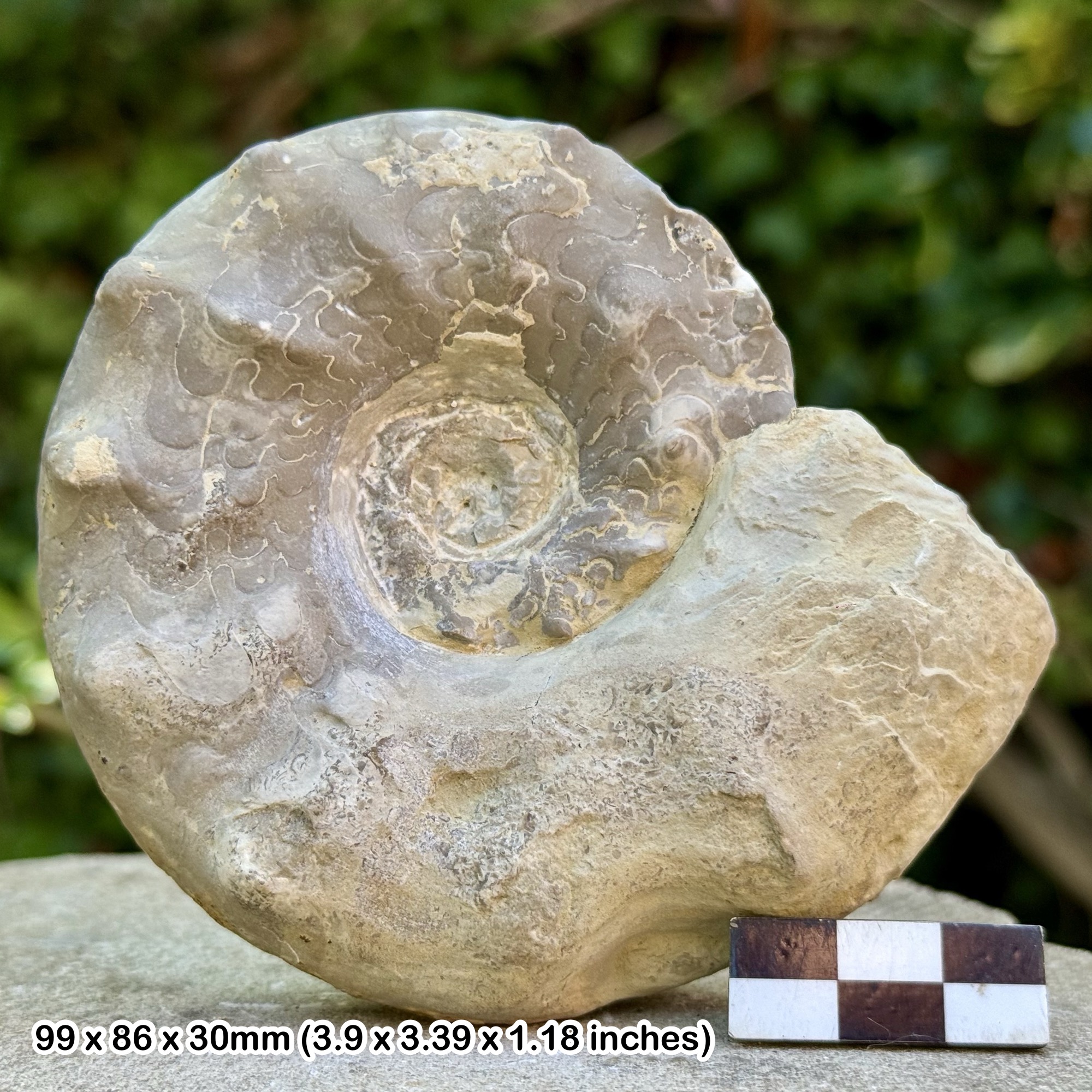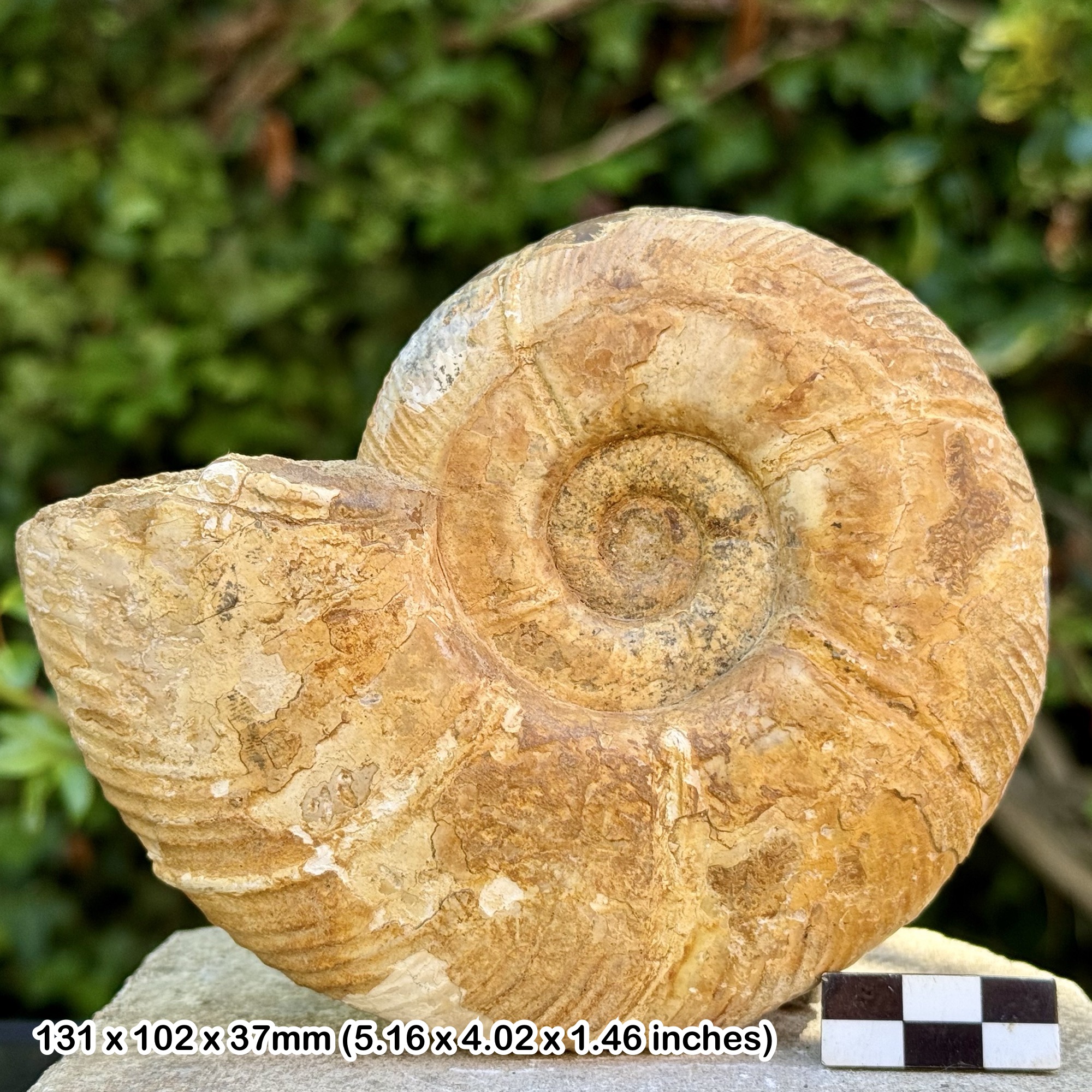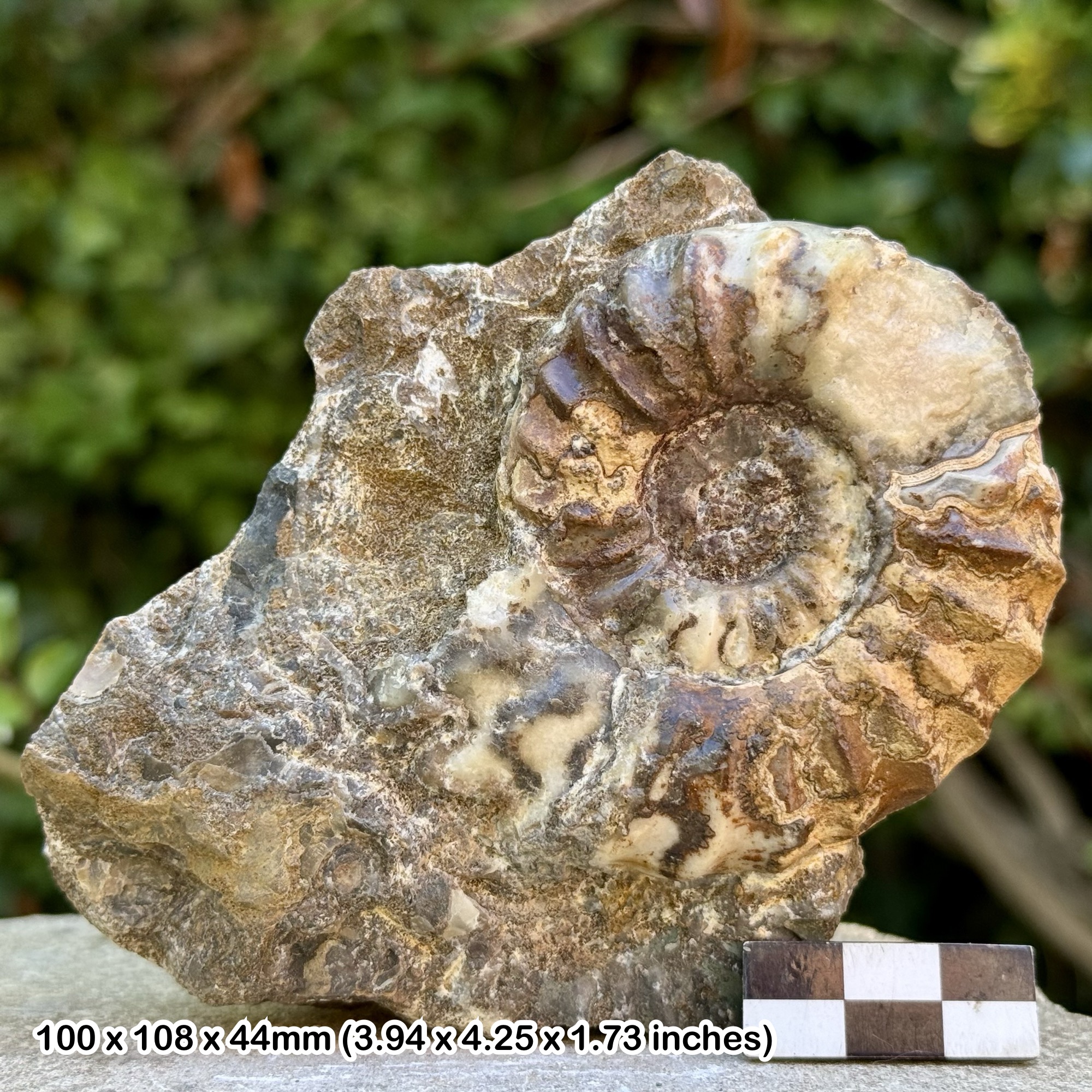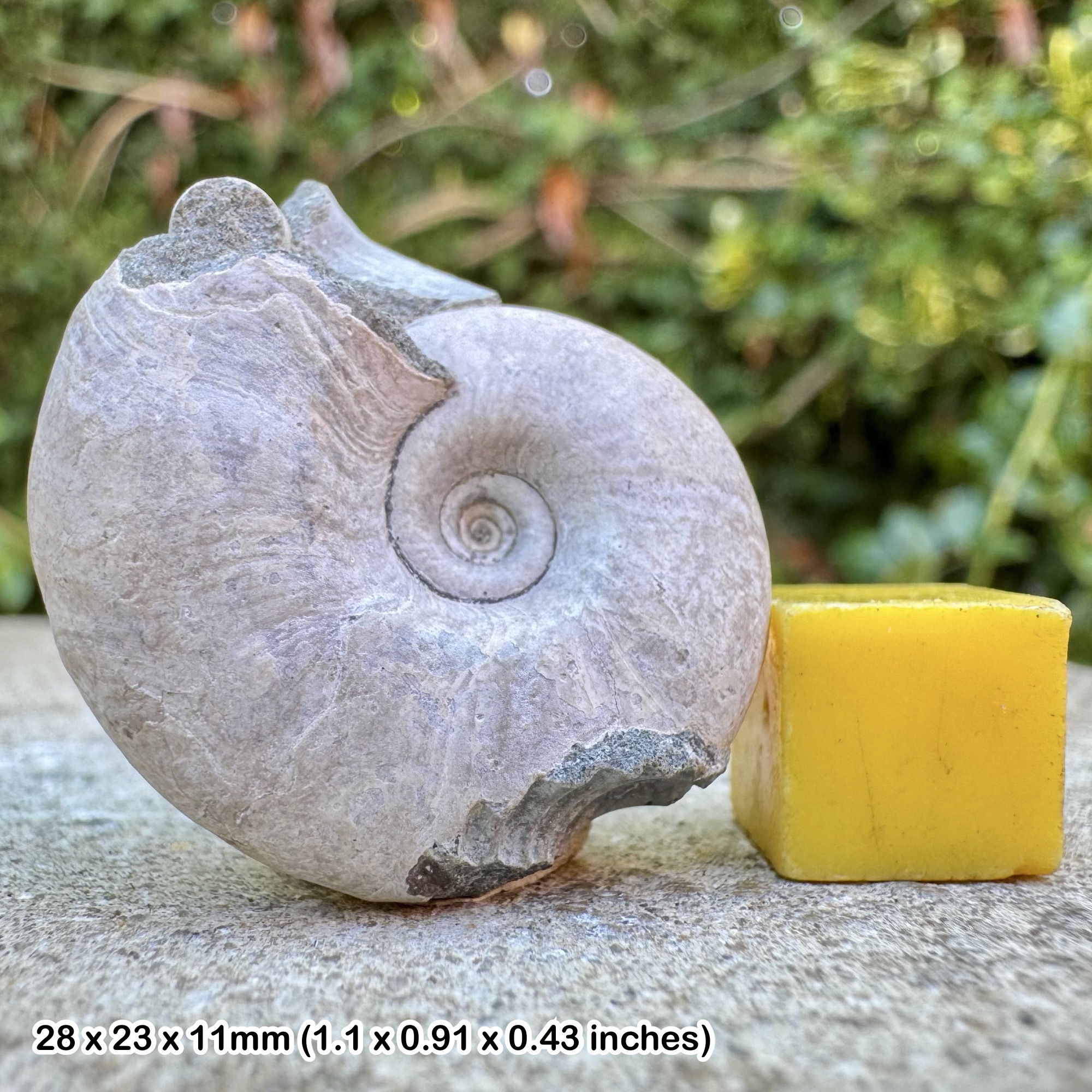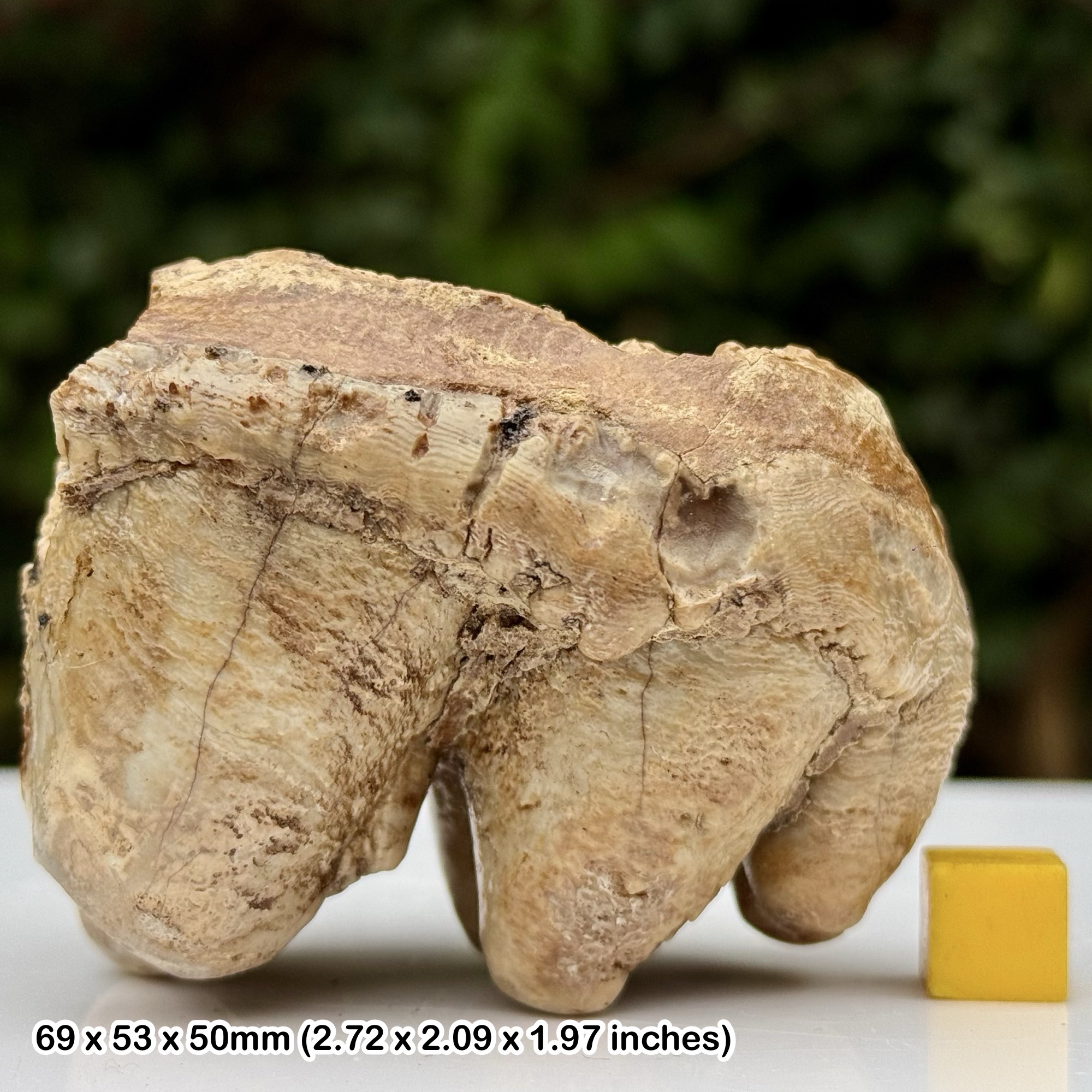
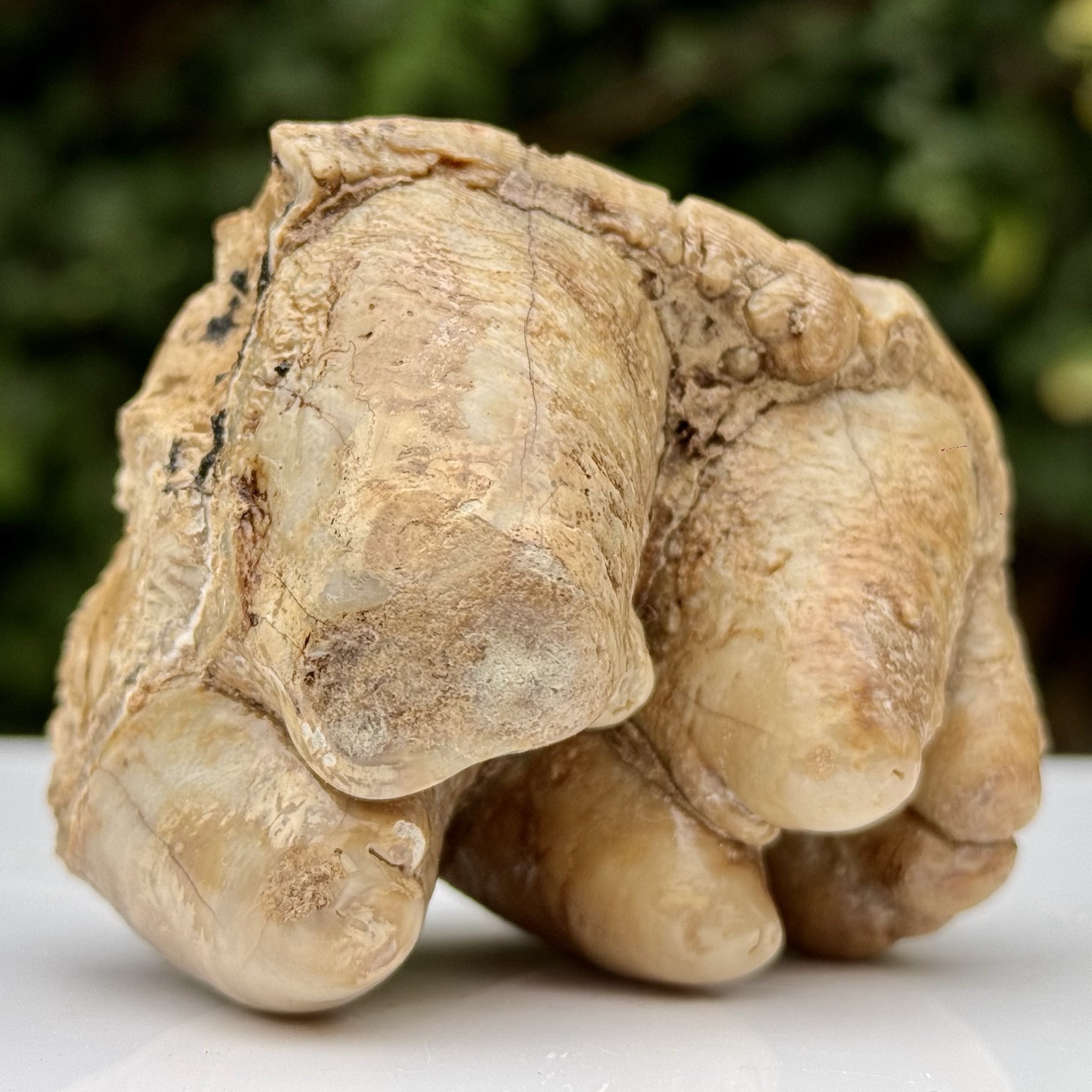
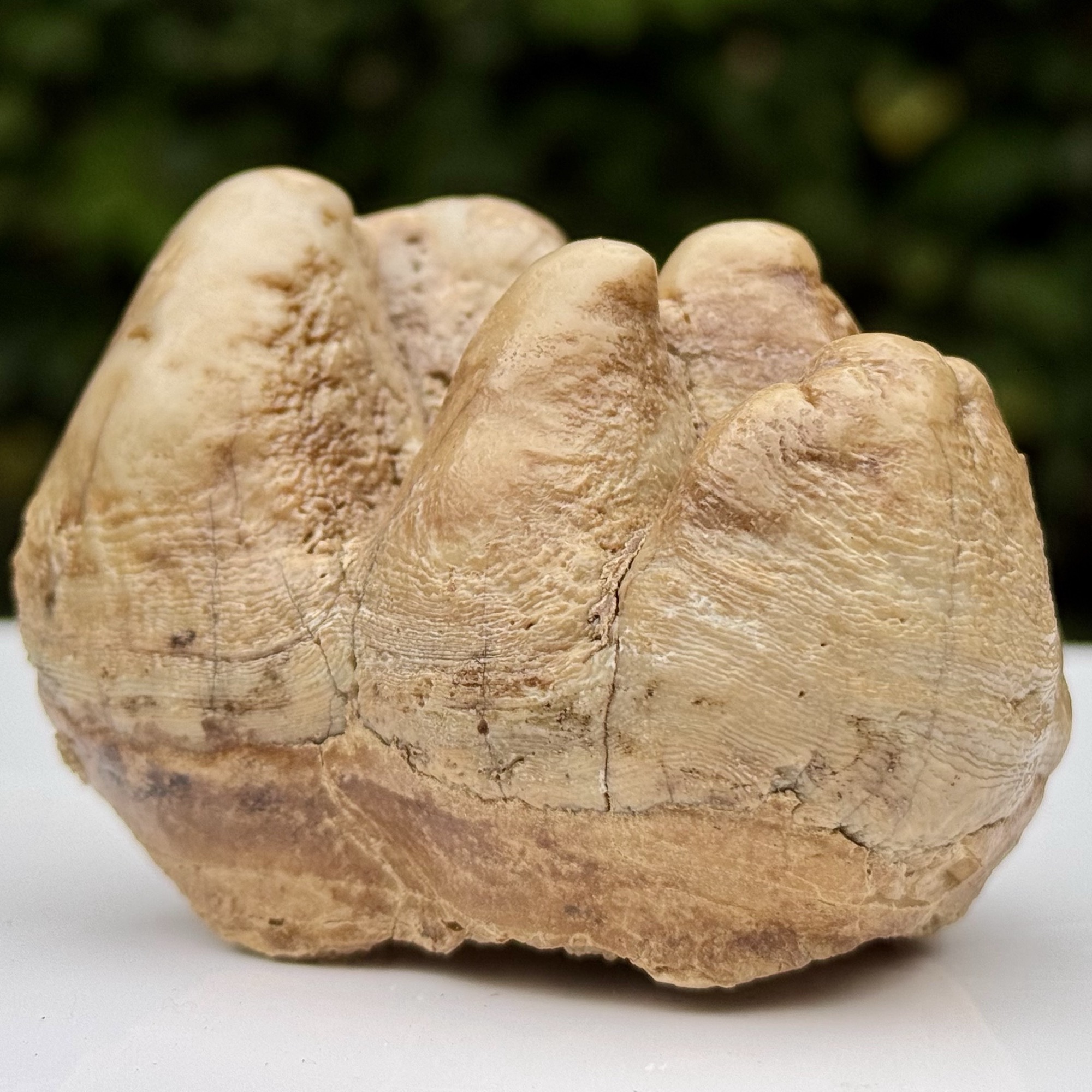
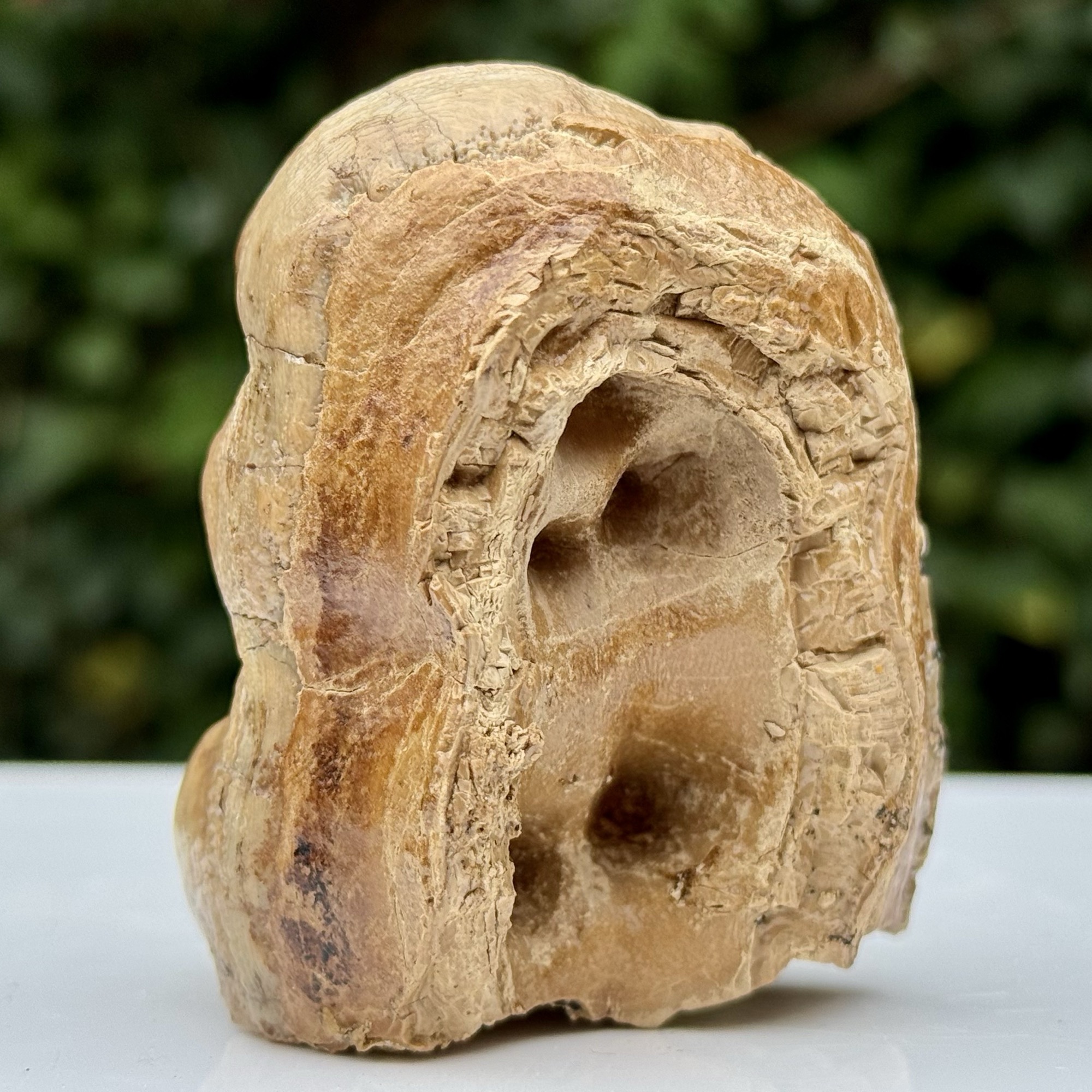
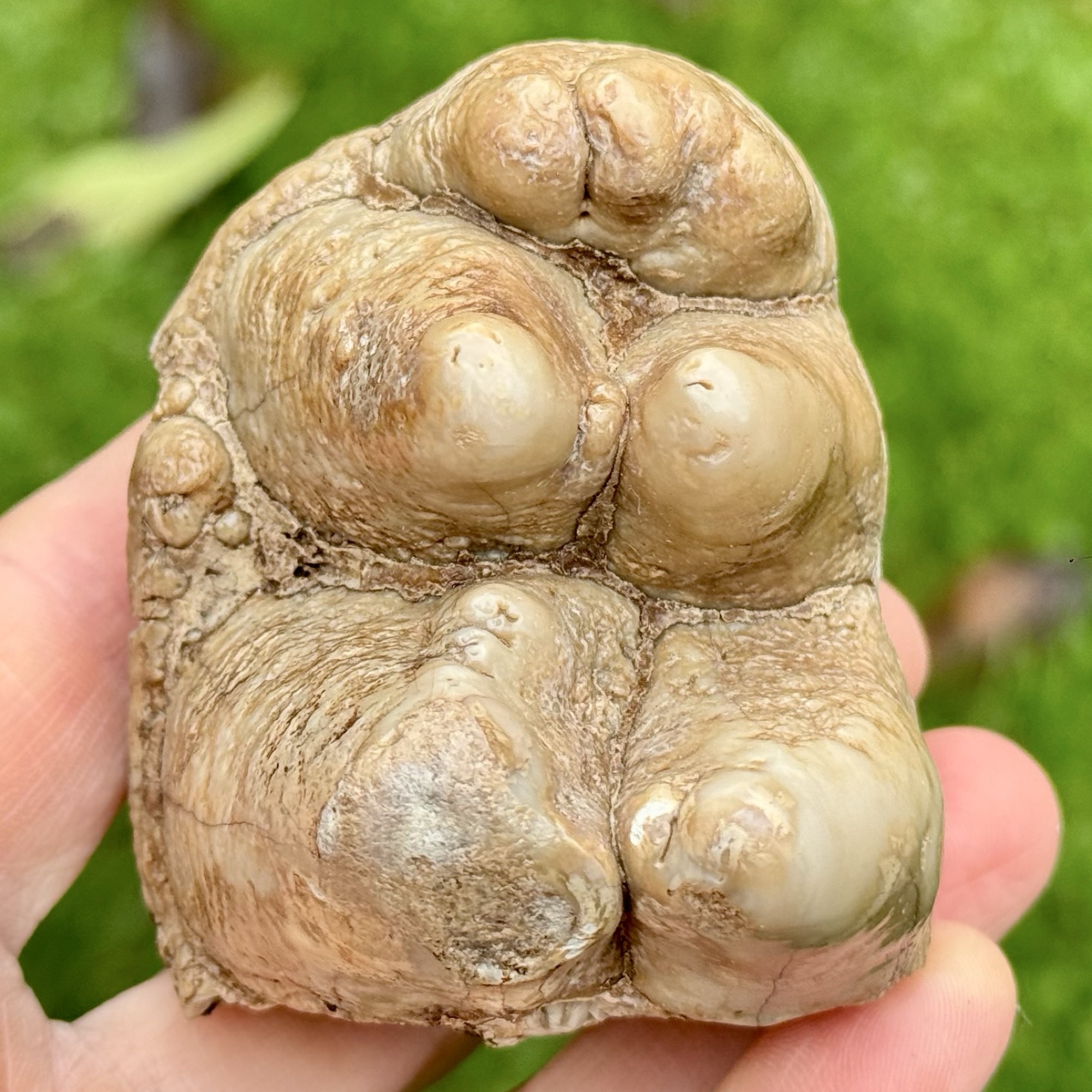
Fossil Mastodon Tooth Pleistocene USA A-Grade Prehistoric Mammal Specimen
£ 180.00
FOSSIL MASTODON TOOTH – GENUINE PLEISTOCENE PREHISTORIC MAMMAL SPECIMEN FROM THE
USAThis authentic Fossil Mastodon Tooth is a remarkable remnant of one of North America’s most iconic Ice Age mammals. Dating to the Pleistocene Epoch, this impressive specimen offers a direct connection to the great megafauna that once dominated the ancient forests, wetlands, and plains of prehistoric America. The exact tooth shown in the photographs is the specimen you will receive, with 1 cm scale cubes included for accurate size reference. All of our Fossils are 100% Genuine Specimens and come with a Certificate of Authenticity. GEOLOGICAL AGE AND ORIGINThis fossil tooth dates to the Pleistocene (approx. 2.58 million – 11,700 years ago), a period characterised by repeated glaciations and rich megafaunal ecosystems. Throughout this epoch, Mastodons roamed much of North America, from Alaska to Florida. Their remains are frequently discovered in riverbeds, gravel deposits, and ancient floodplain sediments where preservation conditions were favourable.The depositional environments that preserved mastodon remains typically include:
• Wetlands and bogs, where low-oxygen conditions slowed decay
• Riverine gravel bars transporting and burying skeletal elements
• Glacial-outwash plains, where sediment carried by meltwater encapsulated bones and teethThese natural settings helped mineralise the tooth over thousands of years, giving it its distinctive fossilised structure and colouration. FOSSIL TYPE, SPECIES, AND CLASSIFICATION FOSSIL TYPE
• Mastodon Tooth – from a prehistoric proboscidean (elephant relative). TAXONOMYMost Pleistocene mastodon fossils from the USA belong to:
• Species: Mammut americanum (American Mastodon)
• Genus: Mammut
• Family: Mammutidae
• Order: Proboscidea
• Class: MammaliaMammut americanum is not a direct ancestor of modern elephants, but rather a distinct branch of the proboscidean lineage. MORPHOLOGICAL FEATURESThis fossil tooth displays the classic traits associated with mastodon molars:
• Conical cusp patterns, forming distinctive pointed ridges rather than flat grinding plates
• Thick enamel, designed for chewing leaves, twigs, bark, and forest vegetation
• Rugged crown structure, reflecting a browsing diet different from grazing mammoths
• Dense, mineralised dentin, typical of Ice Age proboscidean fossils
• Natural wear facets, showing patterns of lifetime useUnlike mammoth teeth, which feature flat, corrugated grinding surfaces, mastodon teeth have prominent cone-shaped cusps, making them easily identifiable and highly desirable for collectors. PALEOECOLOGY AND BEHAVIOURAmerican Mastodons thrived in forested, swampy, and cold-climate habitats, feeding on shrubs, conifers, and hardwood foliage. Their diet is reflected in their tooth structure, which was adapted for:
• Stripping bark
• Breaking branches
• Crushing woody vegetationThey coexisted with mammoths, giant ground sloths, saber-toothed cats, and early human populations. The extinction of mastodons around 11,000 years ago is attributed to a combination of climate change and human hunting pressures. DEPOSITIONAL ENVIRONMENT AND FOSSILISATIONThe ideal conditions for mastodon tooth fossilisation include:
• Rapid burial by sediment
• Low-oxygen environments that reduced decomposition
• Groundwater mineralisation, replacing organic material with silica, iron, or calciteThese processes produce the durable, richly coloured fossil teeth prized by collectors today. SCIENTIFIC AND HISTORICAL IMPORTANCEMastodon fossils are vital for understanding:
• Pleistocene megafaunal diversity
• Proboscidean evolution
• North American Ice Age ecosystems
• Human–megafauna interactions
• Climate-driven changes in habitat distributionTheir distinctive teeth are among the most recognised and scientifically informative elements of their anatomy. COLLECTOR GRADE AND DISPLAY APPEALThis mastodon tooth was chosen for:
• Strong enamel preservation
• Clear cusp definition
• Robust fossil structure
• Attractive natural colouration
• High display valueIts substantial size and unmistakable shape make it an excellent centrepiece for any fossil collection or educational display. IDEAL FOR COLLECTORS, ENTHUSIASTS, AND NATURAL HISTORY DISPLAYSThis genuine Fossil Mastodon Tooth offers a rare opportunity to own a tangible piece of Ice Age history. Its exceptional preservation, scientific significance, and storytelling power make it a premium addition to any fossil collection, museum exhibit, or prehistoric display.
USAThis authentic Fossil Mastodon Tooth is a remarkable remnant of one of North America’s most iconic Ice Age mammals. Dating to the Pleistocene Epoch, this impressive specimen offers a direct connection to the great megafauna that once dominated the ancient forests, wetlands, and plains of prehistoric America. The exact tooth shown in the photographs is the specimen you will receive, with 1 cm scale cubes included for accurate size reference. All of our Fossils are 100% Genuine Specimens and come with a Certificate of Authenticity. GEOLOGICAL AGE AND ORIGINThis fossil tooth dates to the Pleistocene (approx. 2.58 million – 11,700 years ago), a period characterised by repeated glaciations and rich megafaunal ecosystems. Throughout this epoch, Mastodons roamed much of North America, from Alaska to Florida. Their remains are frequently discovered in riverbeds, gravel deposits, and ancient floodplain sediments where preservation conditions were favourable.The depositional environments that preserved mastodon remains typically include:
• Wetlands and bogs, where low-oxygen conditions slowed decay
• Riverine gravel bars transporting and burying skeletal elements
• Glacial-outwash plains, where sediment carried by meltwater encapsulated bones and teethThese natural settings helped mineralise the tooth over thousands of years, giving it its distinctive fossilised structure and colouration. FOSSIL TYPE, SPECIES, AND CLASSIFICATION FOSSIL TYPE
• Mastodon Tooth – from a prehistoric proboscidean (elephant relative). TAXONOMYMost Pleistocene mastodon fossils from the USA belong to:
• Species: Mammut americanum (American Mastodon)
• Genus: Mammut
• Family: Mammutidae
• Order: Proboscidea
• Class: MammaliaMammut americanum is not a direct ancestor of modern elephants, but rather a distinct branch of the proboscidean lineage. MORPHOLOGICAL FEATURESThis fossil tooth displays the classic traits associated with mastodon molars:
• Conical cusp patterns, forming distinctive pointed ridges rather than flat grinding plates
• Thick enamel, designed for chewing leaves, twigs, bark, and forest vegetation
• Rugged crown structure, reflecting a browsing diet different from grazing mammoths
• Dense, mineralised dentin, typical of Ice Age proboscidean fossils
• Natural wear facets, showing patterns of lifetime useUnlike mammoth teeth, which feature flat, corrugated grinding surfaces, mastodon teeth have prominent cone-shaped cusps, making them easily identifiable and highly desirable for collectors. PALEOECOLOGY AND BEHAVIOURAmerican Mastodons thrived in forested, swampy, and cold-climate habitats, feeding on shrubs, conifers, and hardwood foliage. Their diet is reflected in their tooth structure, which was adapted for:
• Stripping bark
• Breaking branches
• Crushing woody vegetationThey coexisted with mammoths, giant ground sloths, saber-toothed cats, and early human populations. The extinction of mastodons around 11,000 years ago is attributed to a combination of climate change and human hunting pressures. DEPOSITIONAL ENVIRONMENT AND FOSSILISATIONThe ideal conditions for mastodon tooth fossilisation include:
• Rapid burial by sediment
• Low-oxygen environments that reduced decomposition
• Groundwater mineralisation, replacing organic material with silica, iron, or calciteThese processes produce the durable, richly coloured fossil teeth prized by collectors today. SCIENTIFIC AND HISTORICAL IMPORTANCEMastodon fossils are vital for understanding:
• Pleistocene megafaunal diversity
• Proboscidean evolution
• North American Ice Age ecosystems
• Human–megafauna interactions
• Climate-driven changes in habitat distributionTheir distinctive teeth are among the most recognised and scientifically informative elements of their anatomy. COLLECTOR GRADE AND DISPLAY APPEALThis mastodon tooth was chosen for:
• Strong enamel preservation
• Clear cusp definition
• Robust fossil structure
• Attractive natural colouration
• High display valueIts substantial size and unmistakable shape make it an excellent centrepiece for any fossil collection or educational display. IDEAL FOR COLLECTORS, ENTHUSIASTS, AND NATURAL HISTORY DISPLAYSThis genuine Fossil Mastodon Tooth offers a rare opportunity to own a tangible piece of Ice Age history. Its exceptional preservation, scientific significance, and storytelling power make it a premium addition to any fossil collection, museum exhibit, or prehistoric display.
Other Products