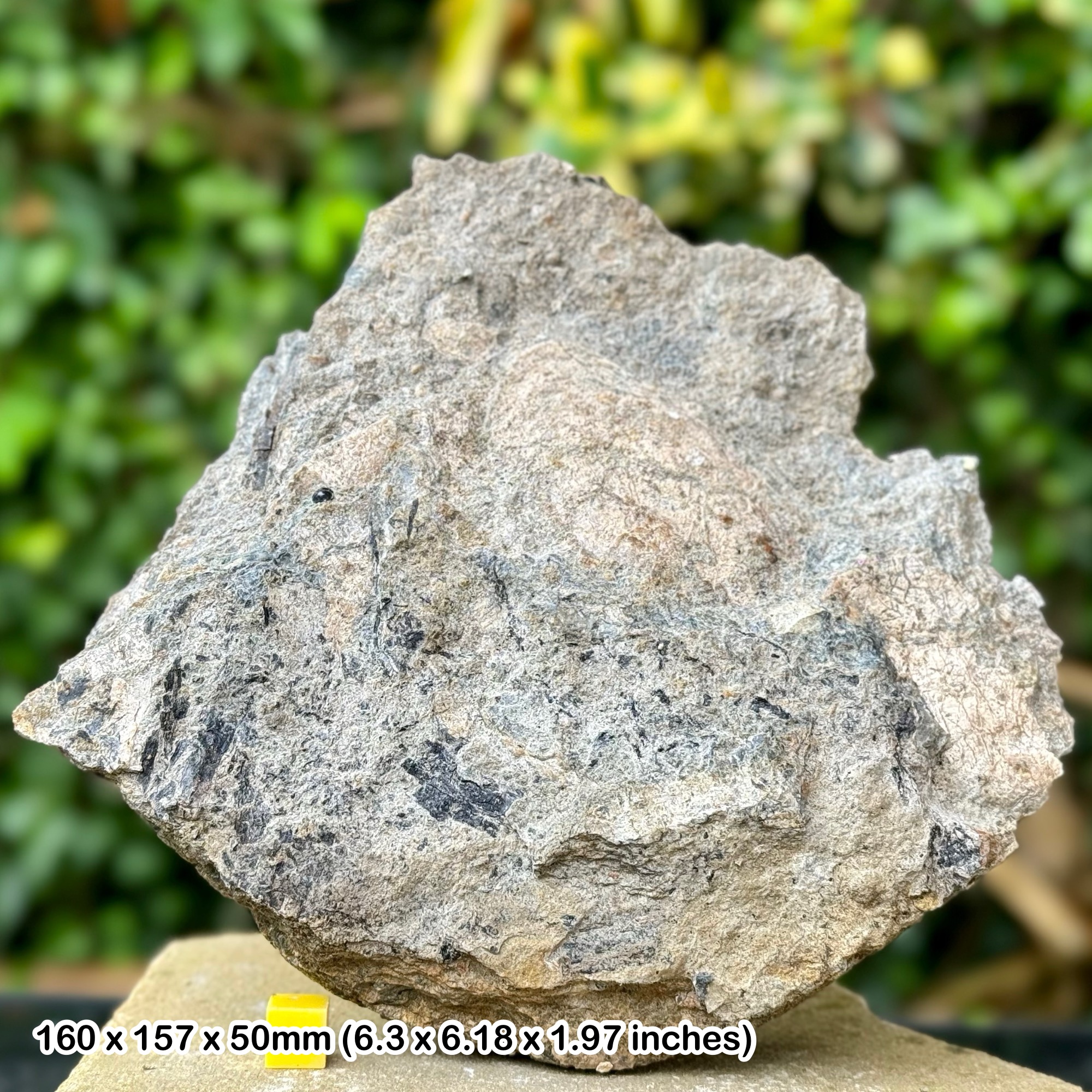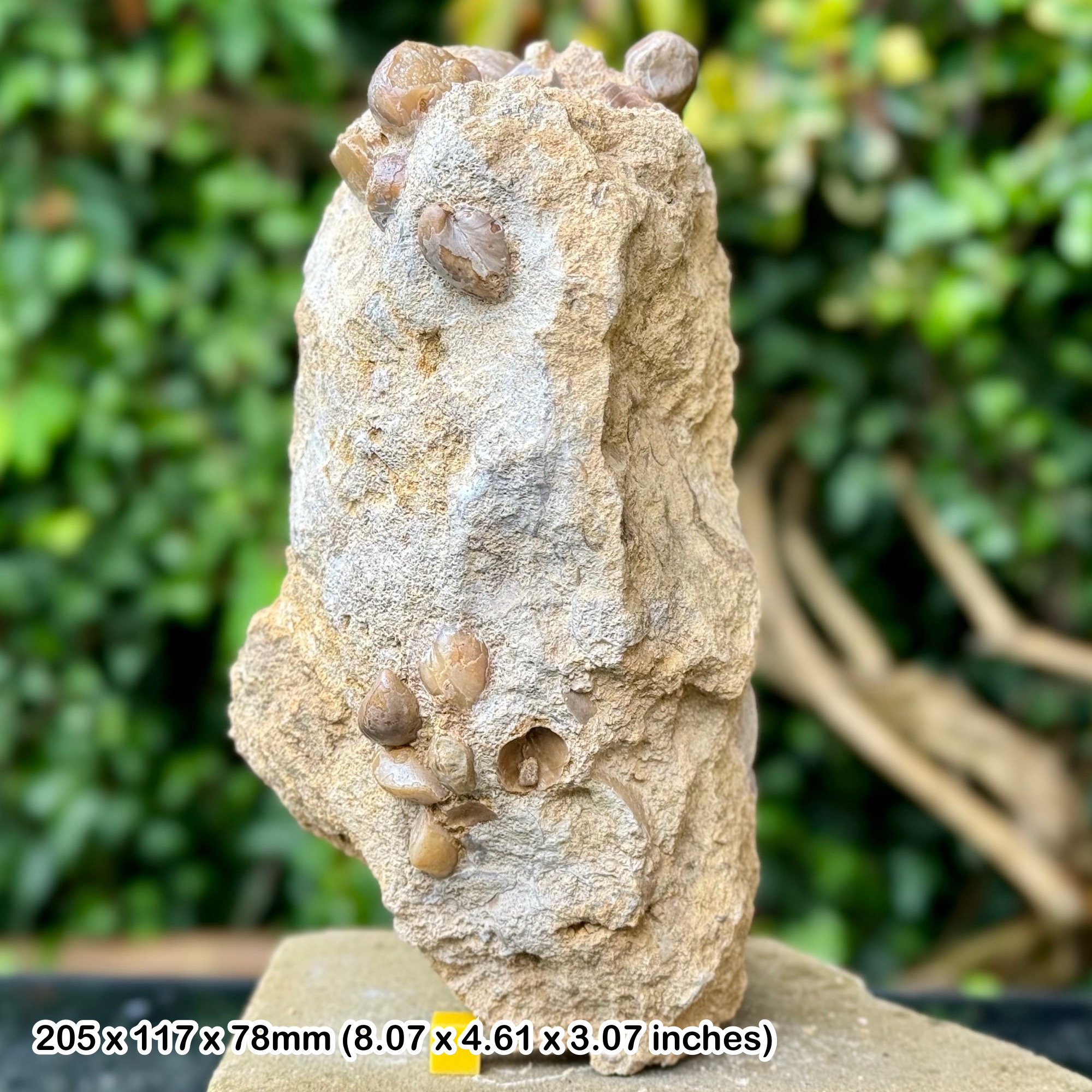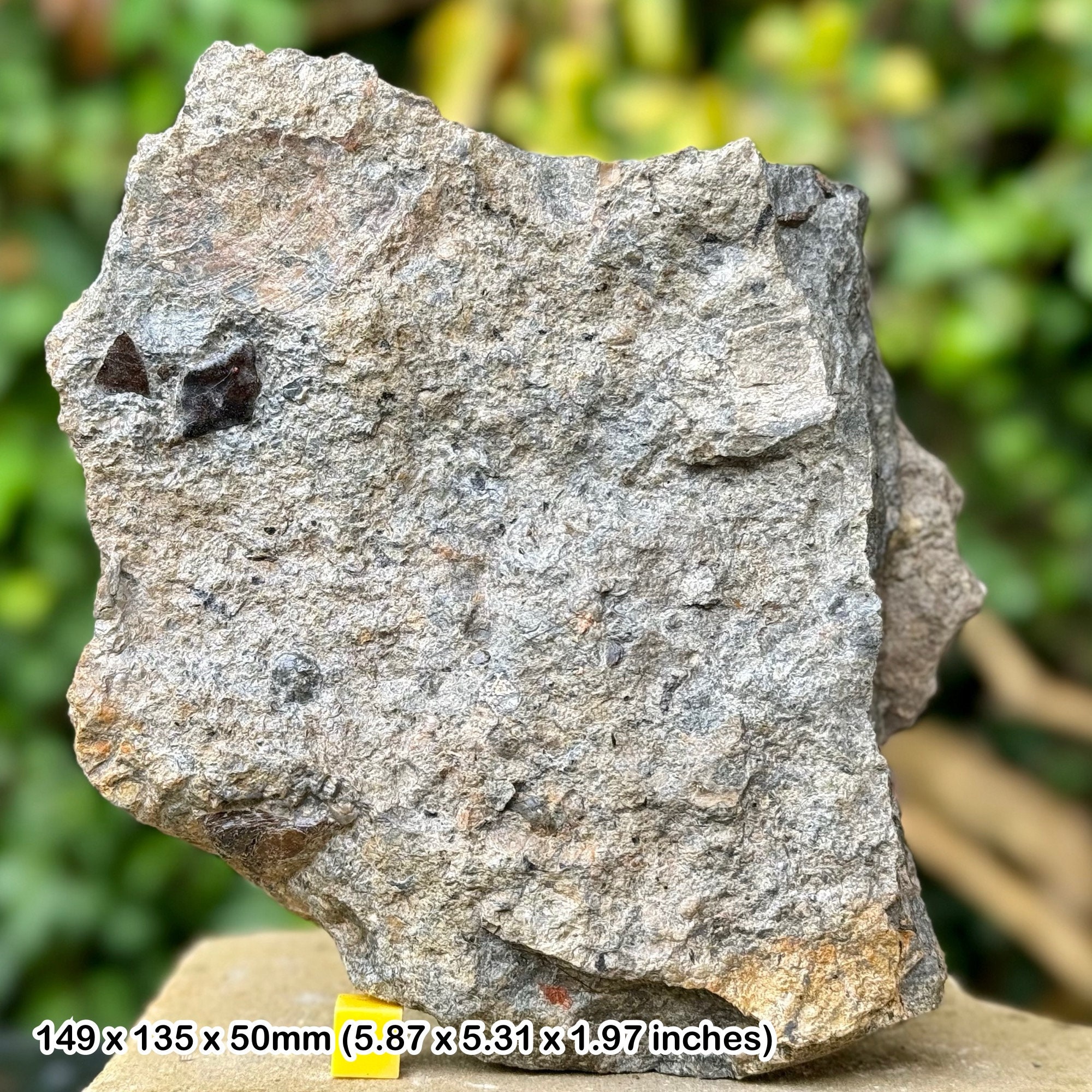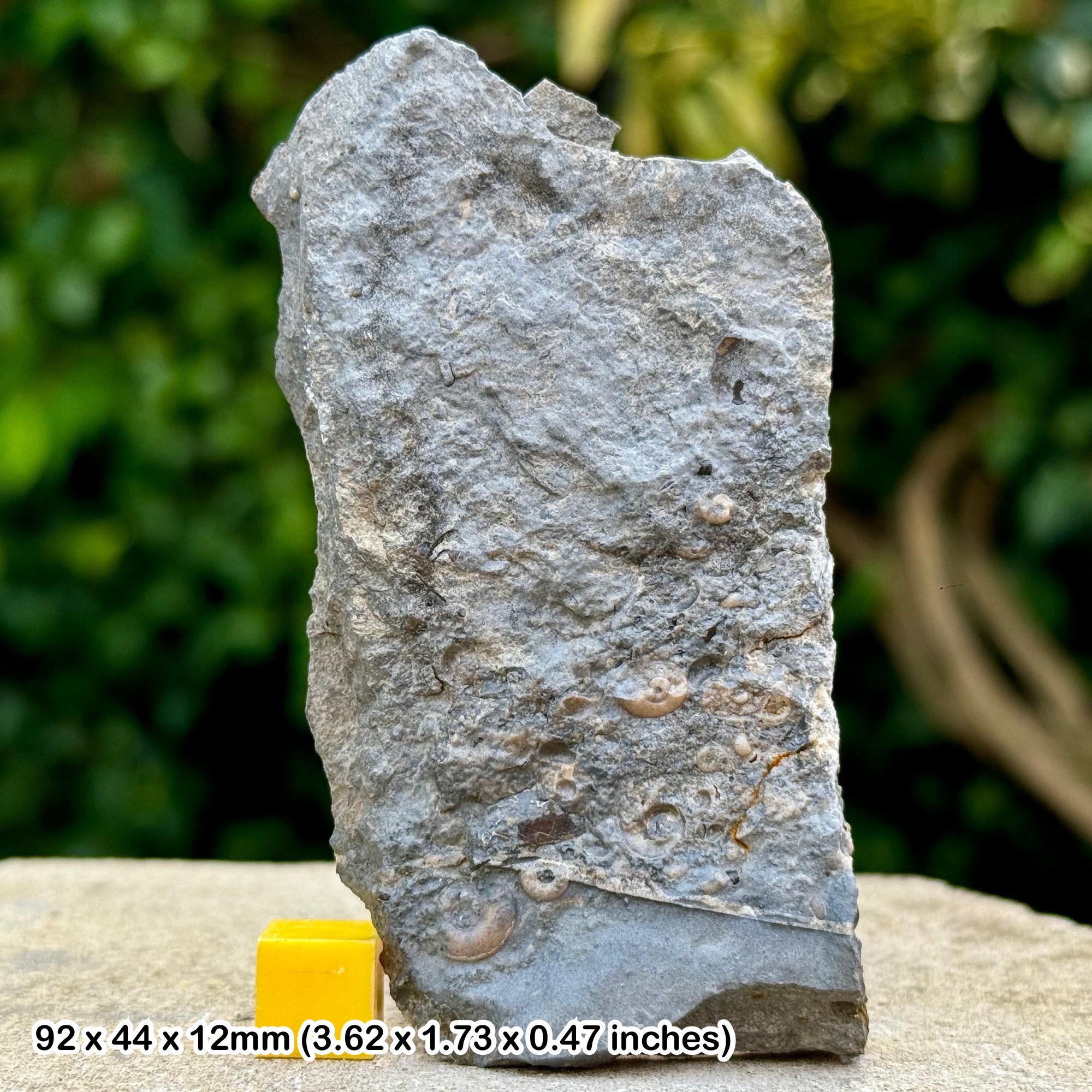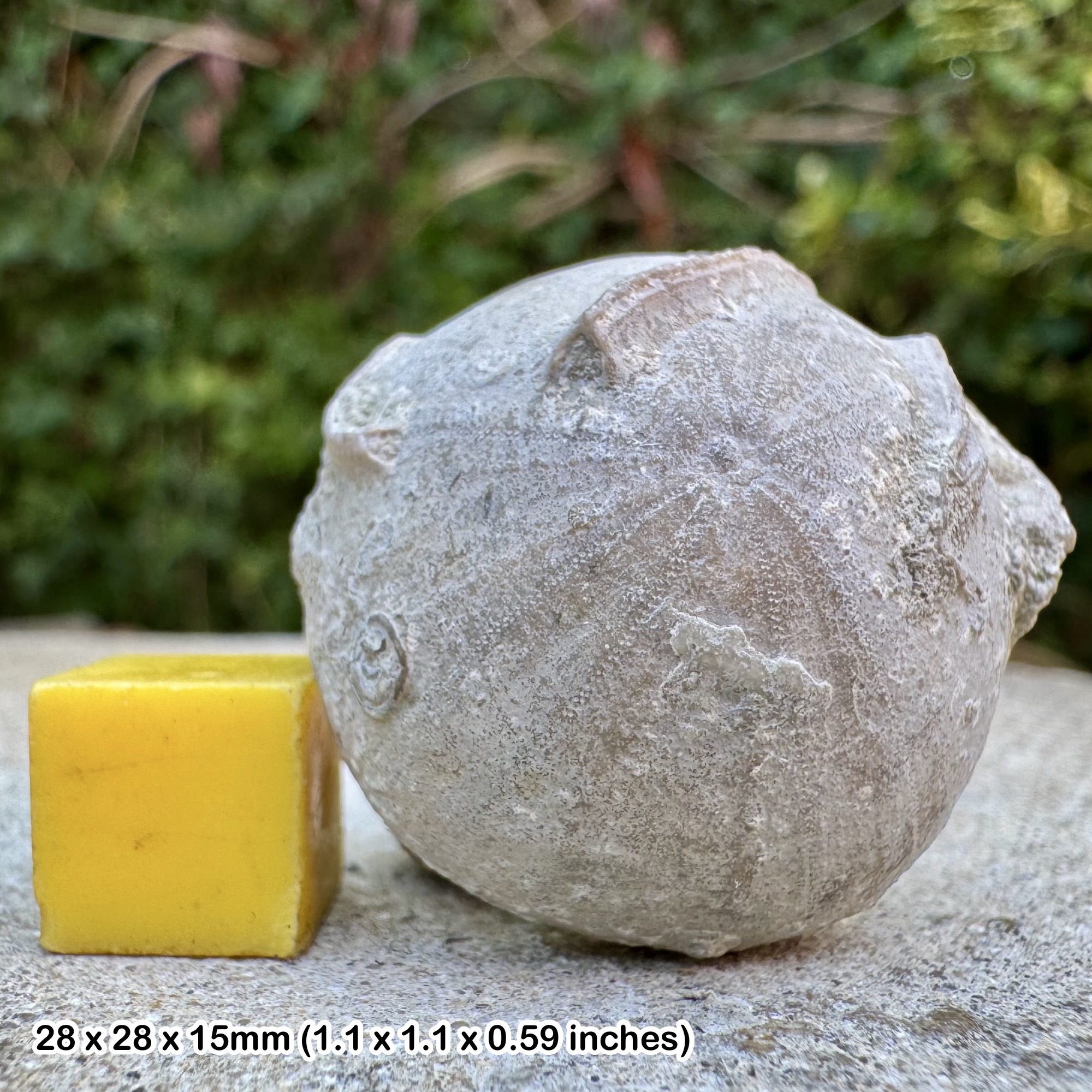
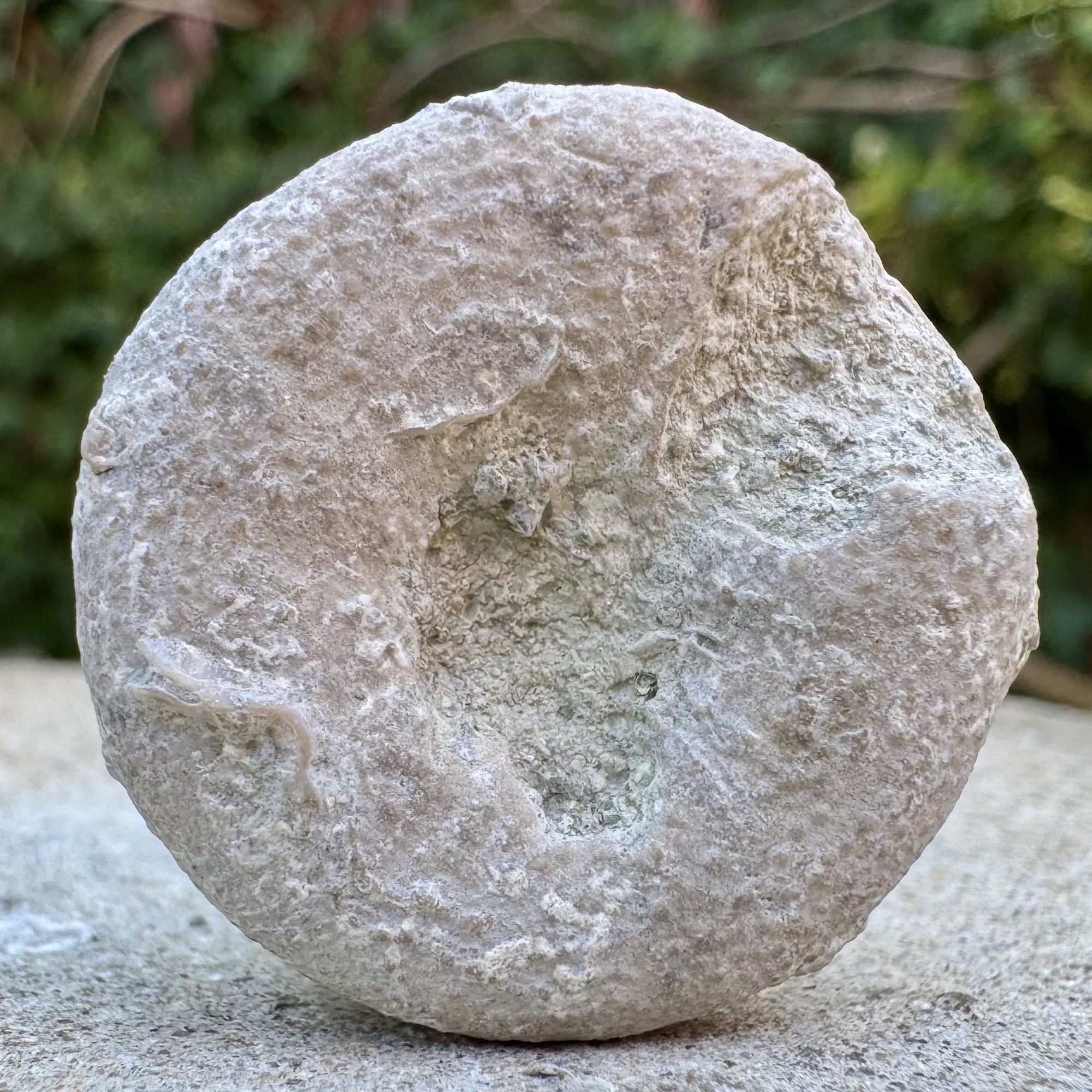
Holectypus depressus Fossil Echinoid Cornbrash Formation Middle Jurassic Cambridgeshire England with Certificate of Authenticity
£ 12.60
This listing is for a genuine Holectypus depressus fossil echinoid from the
Cornbrash Formation, Middle Jurassic period, discovered in Cambridgeshire, UK. This well-preserved specimen represents one of the most distinctive echinoids of the Jurassic seas, a remarkable survivor from the age when dinosaurs roamed the land and marine ecosystems flourished in warm, shallow seas. The fossil you see in the photographs is the exact specimen you will receive, with a 1 cm scale cube included for sizing reference.As with all of our specimens, this fossil comes with a Certificate of Authenticity, guaranteeing that it is a 100% genuine piece of natural history, carefully selected for both scientific and collector value. GEOLOGICAL SETTING: CORNBRASH FORMATIONThe Cornbrash Formation is a Middle Jurassic unit dating to approximately 165–161 million years ago. It is composed primarily of fossiliferous limestone and marl beds, laid down in shallow marine conditions that supported an abundant and diverse fauna. This formation is especially well-known for yielding echinoids, brachiopods, molluscs, and occasional vertebrate remains.The Cambridgeshire deposits provide excellent preservation of calcareous shells and tests, making them a significant source for Jurassic invertebrate paleontology. The presence of Holectypus depressus within these beds highlights the thriving echinoid populations that once lived across Jurassic Europe. TAXONOMY AND CLASSIFICATION
• Phylum: Echinodermata
• Class: Echinoidea
• Order: Holectypoida
• Family: Holectypidae
• Genus: Holectypus
• Species: Holectypus depressusThis genus and species are notable for their abundance in Jurassic marine sediments across Europe. They represent an important stage in echinoid evolution, bridging the gap between regular urchins and more specialized irregular forms. MORPHOLOGY AND DISTINCTIVE FEATURESThe fossil of Holectypus depressus is characterised by:
• A flattened, circular to sub-oval test with a low profile, distinguishing it from more globular echinoids.
• Ambulacra arranged in petaloid patterns, used for respiration and subtle movement within soft sediment.
• A centrally located peristome (mouth opening) and a posterior periproct, reflecting an adaptation toward semi-infaunal lifestyles.
• Depressed test morphology, giving the species its name, suited to burrowing into marine substrates.These adaptations allowed Holectypus to exploit food resources within sediment, playing an important ecological role in Jurassic seafloors. DEPOSITIONAL ENVIRONMENTThe Cornbrash Formation was deposited in warm, shallow marine seas of the Middle Jurassic. The sediments consist largely of bioclastic limestone rich in shelly debris, indicating a highly productive environment. Echinoids such as Holectypus depressus thrived here alongside ammonites, bivalves, brachiopods, and other marine invertebrates.The fine preservation of echinoid tests in these deposits allows paleontologists to study their evolutionary adaptations in detail, making these specimens both scientifically valuable and collectible. COLLECTOR AND DISPLAY VALUEThis Holectypus depressus fossil echinoid is a fine addition to any fossil collection, representing an iconic Jurassic echinoid from one of Britain’s classic geological formations. Its distinctive flattened form and well-preserved features make it an attractive specimen for display as well as a valuable teaching aid for illustrating echinoid evolution.
• Locality: Cambridgeshire, UK
• Formation: Cornbrash Formation
• Period: Middle JurassicCarefully cleaned and presented, this fossil stands as a striking piece of ancient marine history. With its Certificate of Authenticity, you can be confident in its provenance and genuine scientific significance.This specimen captures both the natural beauty and the evolutionary story of echinoids in the Jurassic seas of Britain.
Cornbrash Formation, Middle Jurassic period, discovered in Cambridgeshire, UK. This well-preserved specimen represents one of the most distinctive echinoids of the Jurassic seas, a remarkable survivor from the age when dinosaurs roamed the land and marine ecosystems flourished in warm, shallow seas. The fossil you see in the photographs is the exact specimen you will receive, with a 1 cm scale cube included for sizing reference.As with all of our specimens, this fossil comes with a Certificate of Authenticity, guaranteeing that it is a 100% genuine piece of natural history, carefully selected for both scientific and collector value. GEOLOGICAL SETTING: CORNBRASH FORMATIONThe Cornbrash Formation is a Middle Jurassic unit dating to approximately 165–161 million years ago. It is composed primarily of fossiliferous limestone and marl beds, laid down in shallow marine conditions that supported an abundant and diverse fauna. This formation is especially well-known for yielding echinoids, brachiopods, molluscs, and occasional vertebrate remains.The Cambridgeshire deposits provide excellent preservation of calcareous shells and tests, making them a significant source for Jurassic invertebrate paleontology. The presence of Holectypus depressus within these beds highlights the thriving echinoid populations that once lived across Jurassic Europe. TAXONOMY AND CLASSIFICATION
• Phylum: Echinodermata
• Class: Echinoidea
• Order: Holectypoida
• Family: Holectypidae
• Genus: Holectypus
• Species: Holectypus depressusThis genus and species are notable for their abundance in Jurassic marine sediments across Europe. They represent an important stage in echinoid evolution, bridging the gap between regular urchins and more specialized irregular forms. MORPHOLOGY AND DISTINCTIVE FEATURESThe fossil of Holectypus depressus is characterised by:
• A flattened, circular to sub-oval test with a low profile, distinguishing it from more globular echinoids.
• Ambulacra arranged in petaloid patterns, used for respiration and subtle movement within soft sediment.
• A centrally located peristome (mouth opening) and a posterior periproct, reflecting an adaptation toward semi-infaunal lifestyles.
• Depressed test morphology, giving the species its name, suited to burrowing into marine substrates.These adaptations allowed Holectypus to exploit food resources within sediment, playing an important ecological role in Jurassic seafloors. DEPOSITIONAL ENVIRONMENTThe Cornbrash Formation was deposited in warm, shallow marine seas of the Middle Jurassic. The sediments consist largely of bioclastic limestone rich in shelly debris, indicating a highly productive environment. Echinoids such as Holectypus depressus thrived here alongside ammonites, bivalves, brachiopods, and other marine invertebrates.The fine preservation of echinoid tests in these deposits allows paleontologists to study their evolutionary adaptations in detail, making these specimens both scientifically valuable and collectible. COLLECTOR AND DISPLAY VALUEThis Holectypus depressus fossil echinoid is a fine addition to any fossil collection, representing an iconic Jurassic echinoid from one of Britain’s classic geological formations. Its distinctive flattened form and well-preserved features make it an attractive specimen for display as well as a valuable teaching aid for illustrating echinoid evolution.
• Locality: Cambridgeshire, UK
• Formation: Cornbrash Formation
• Period: Middle JurassicCarefully cleaned and presented, this fossil stands as a striking piece of ancient marine history. With its Certificate of Authenticity, you can be confident in its provenance and genuine scientific significance.This specimen captures both the natural beauty and the evolutionary story of echinoids in the Jurassic seas of Britain.
Other Products