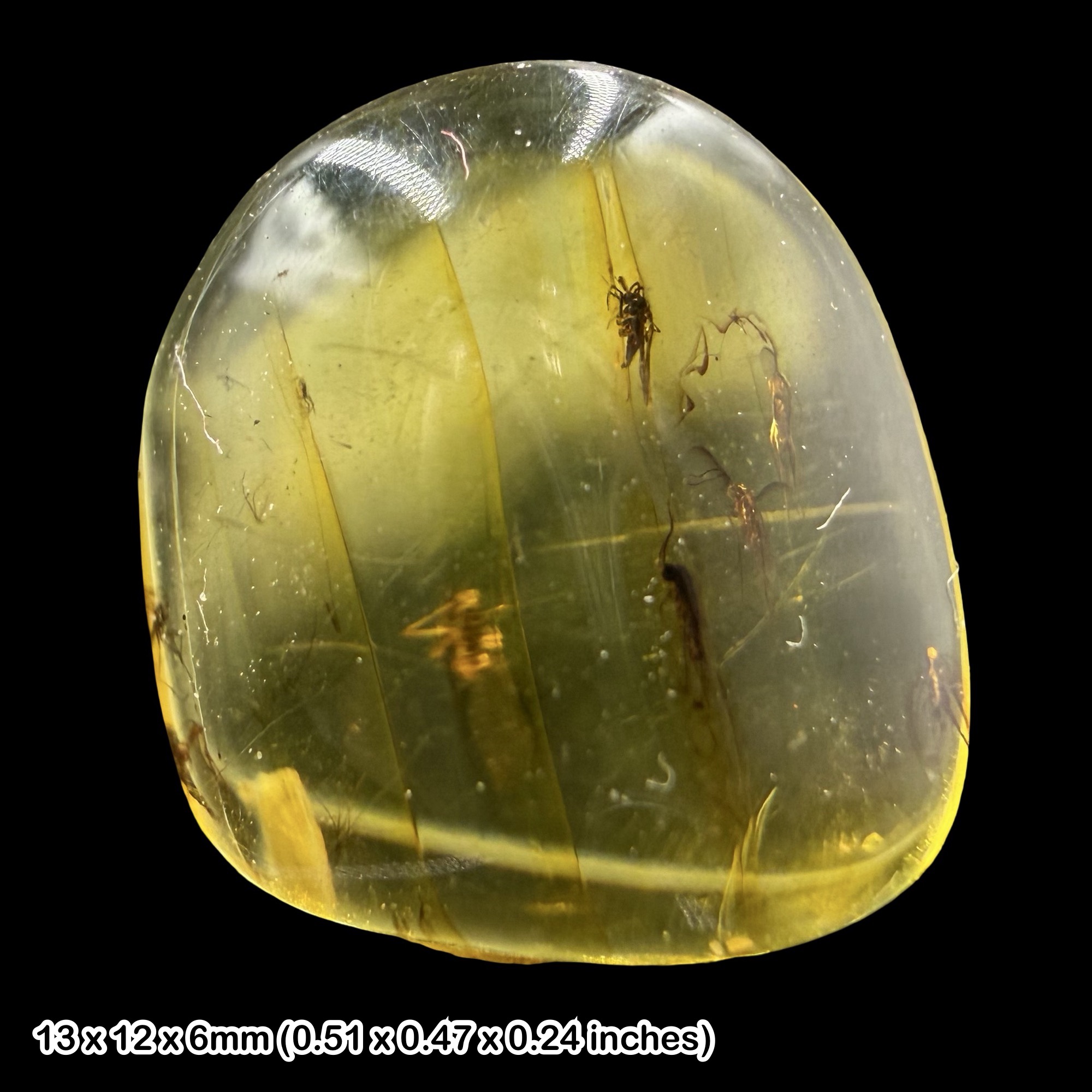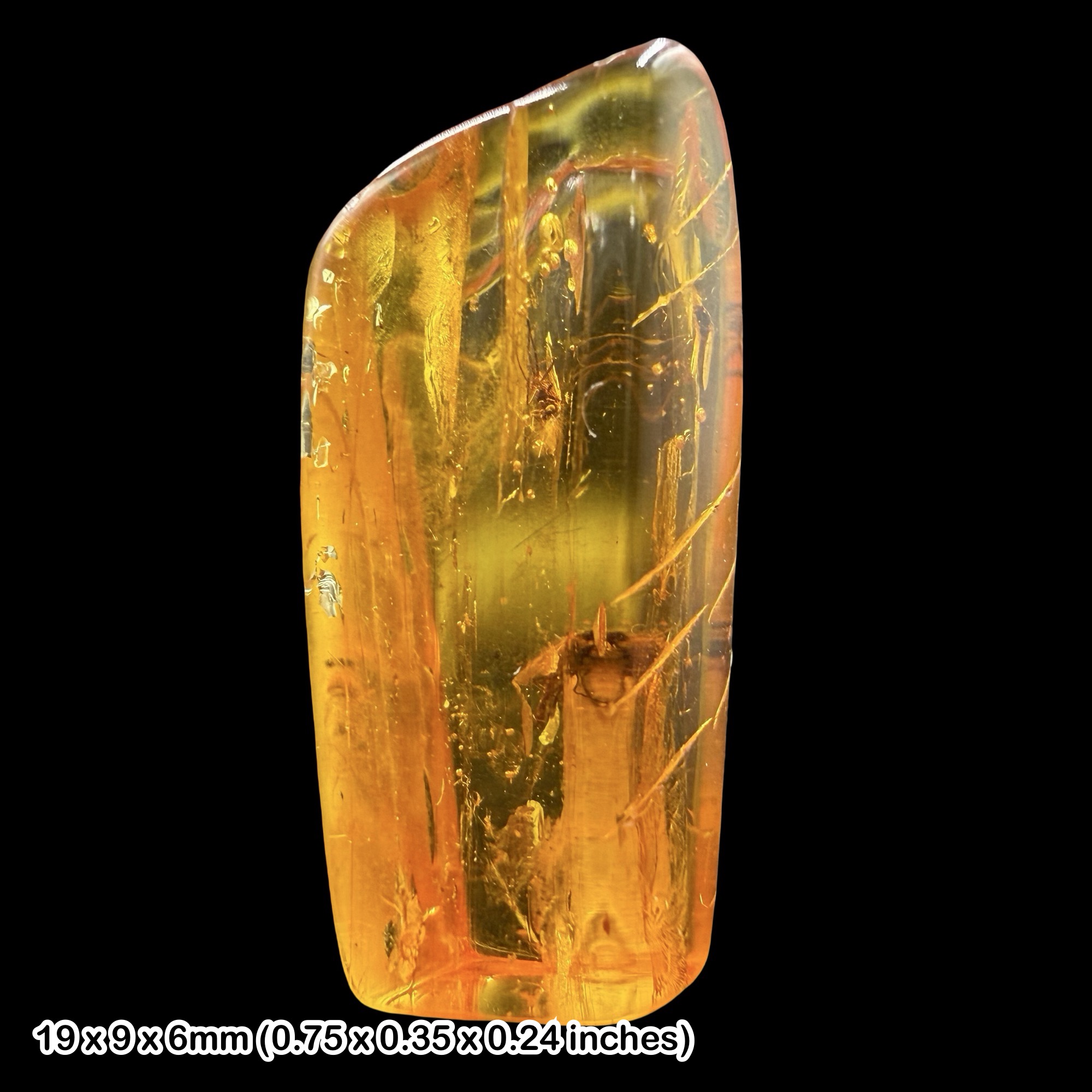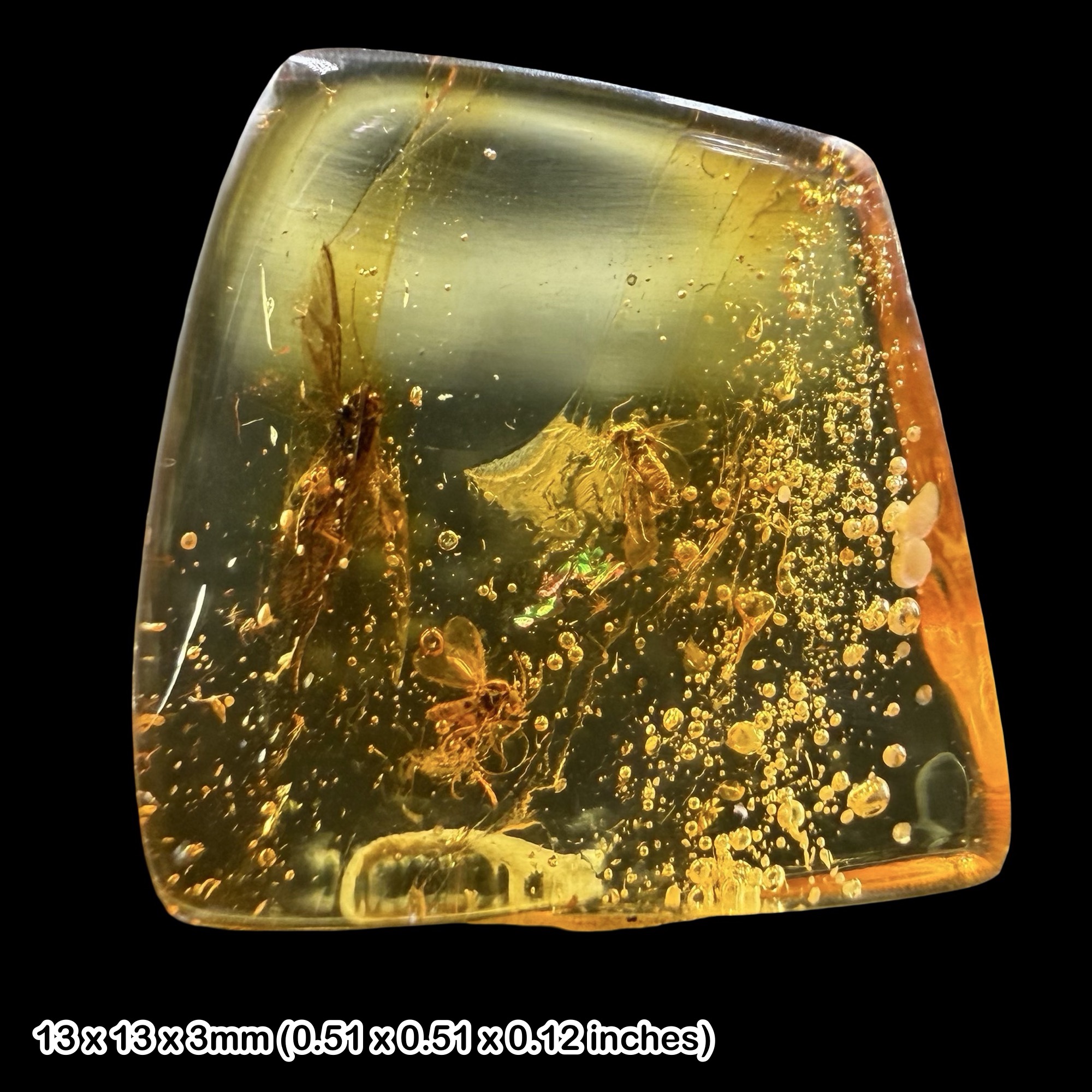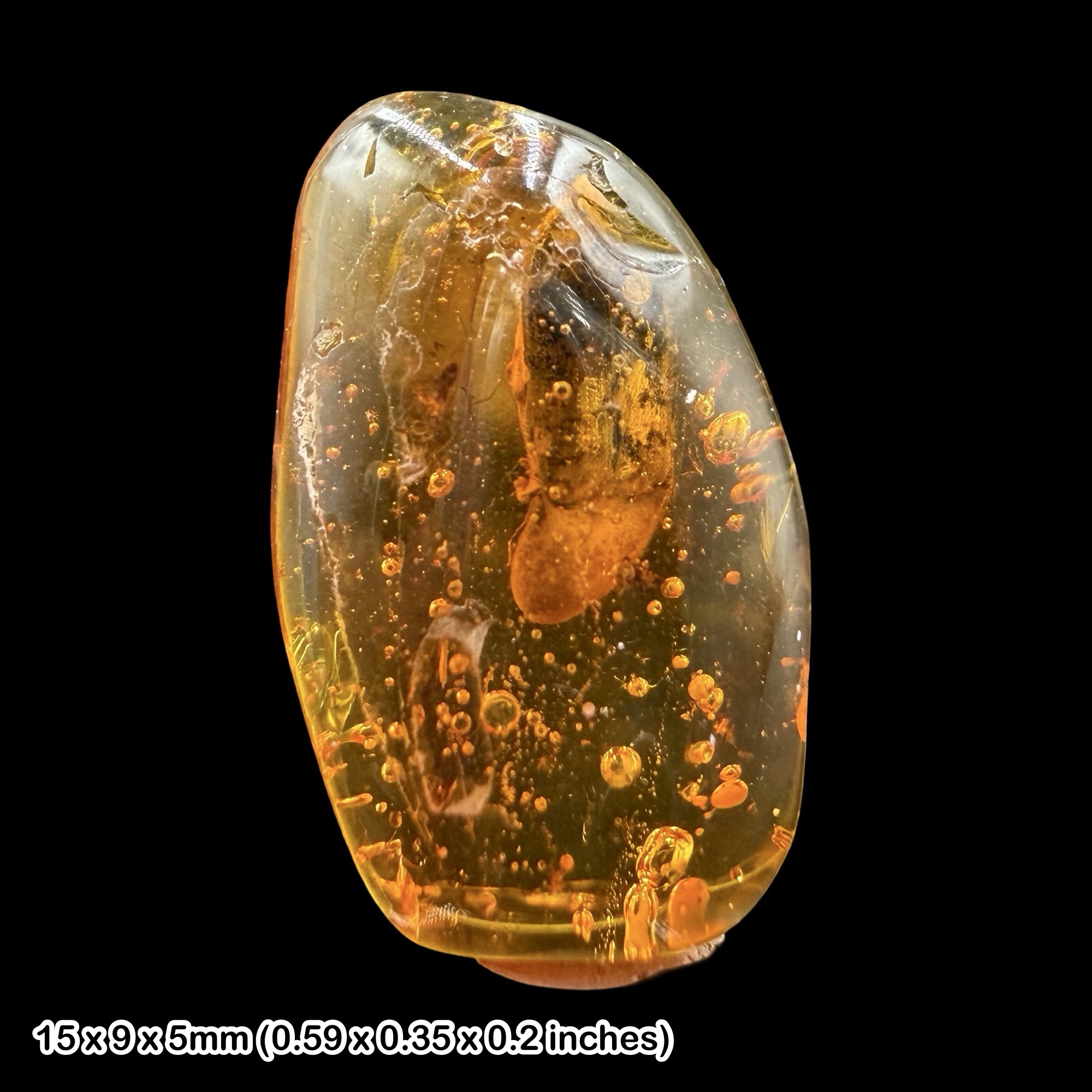
Holocystis elegans Fossil Coral Isle of Wight Lower Greensand Genuine Specimen Certificate Authenticity UK Rare Collector Display
£ 42.00
Holocystis elegans Fossil Coral – Isle of Wight Lower Cretaceous DiscoveryThis beautiful and scientifically significant fossil coral specimen of
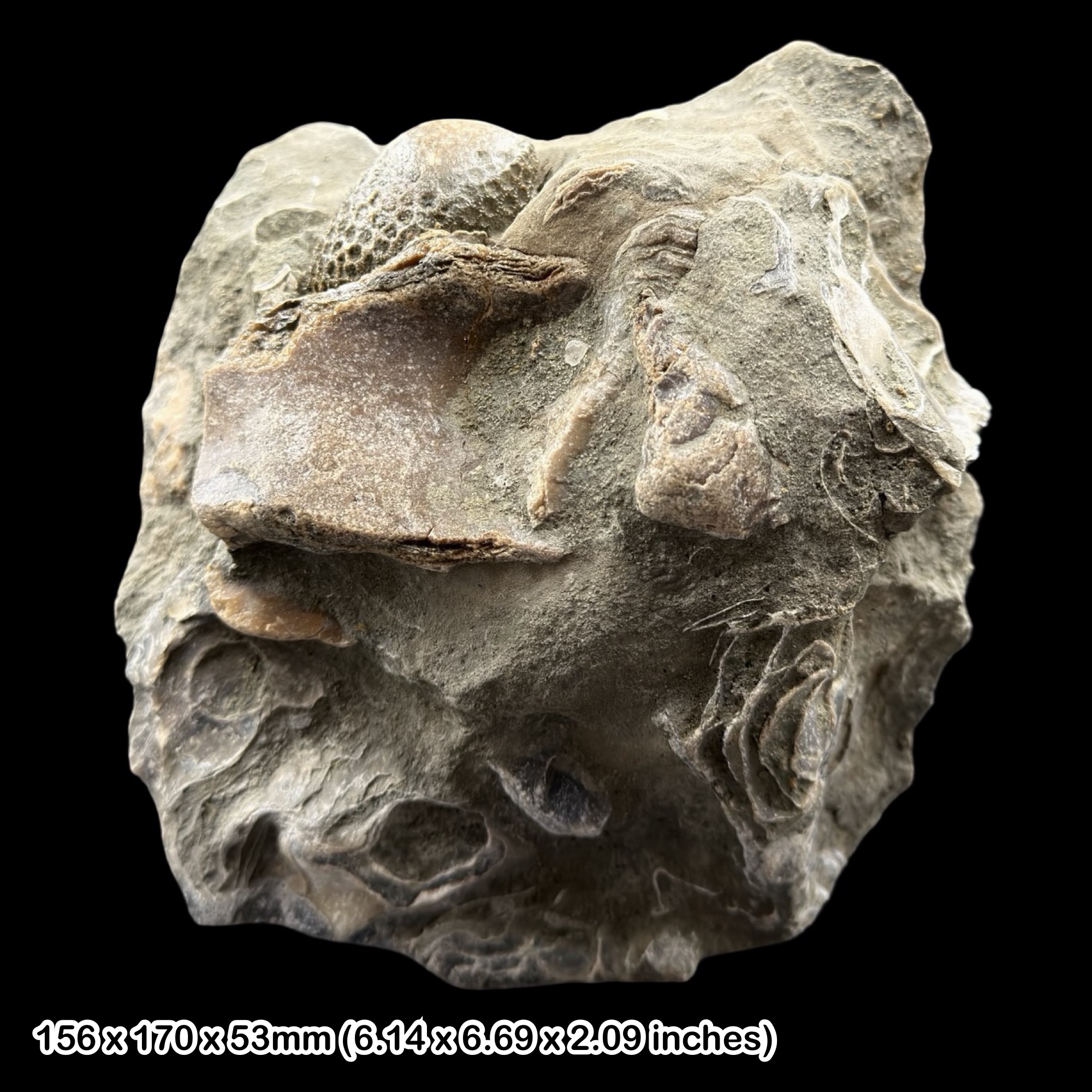
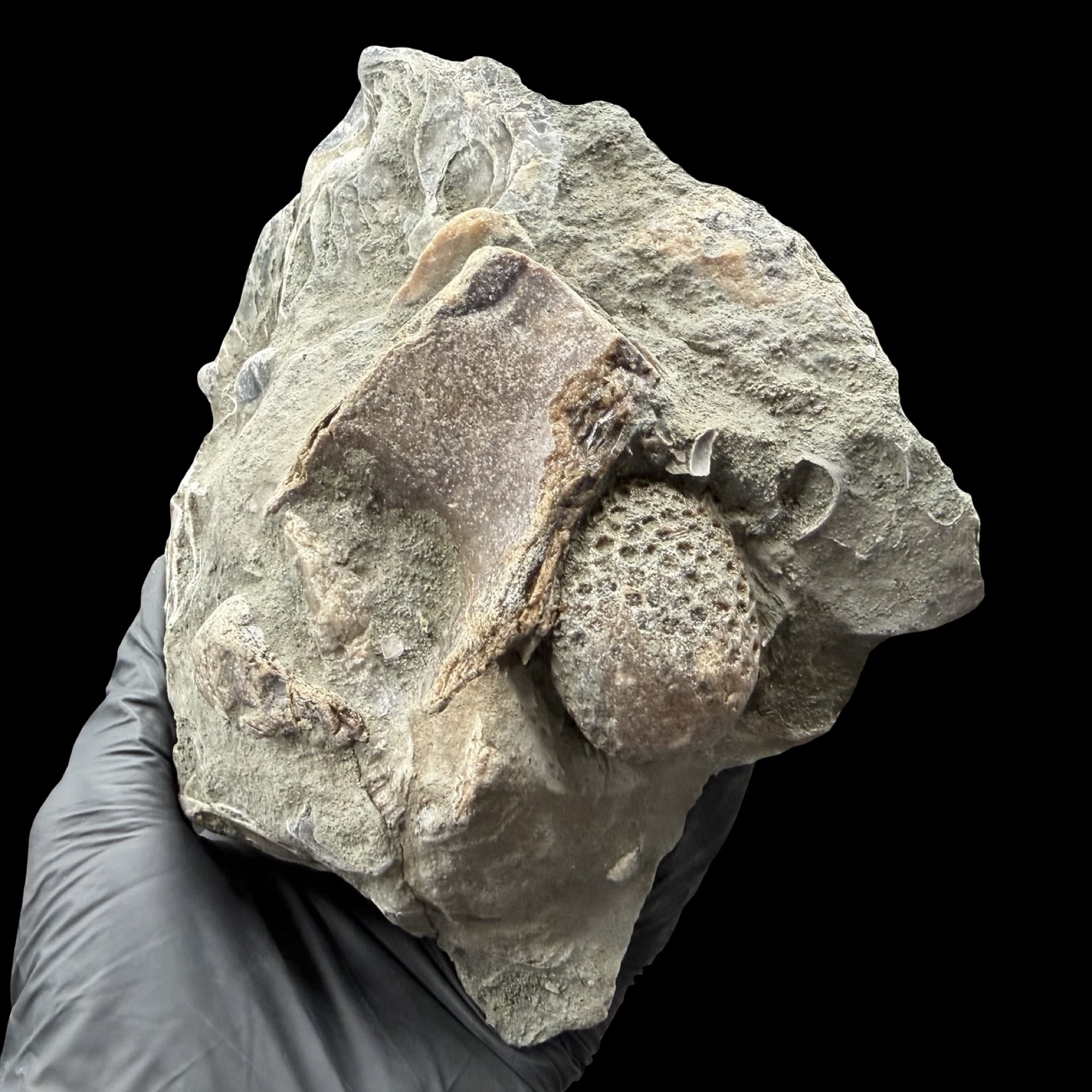
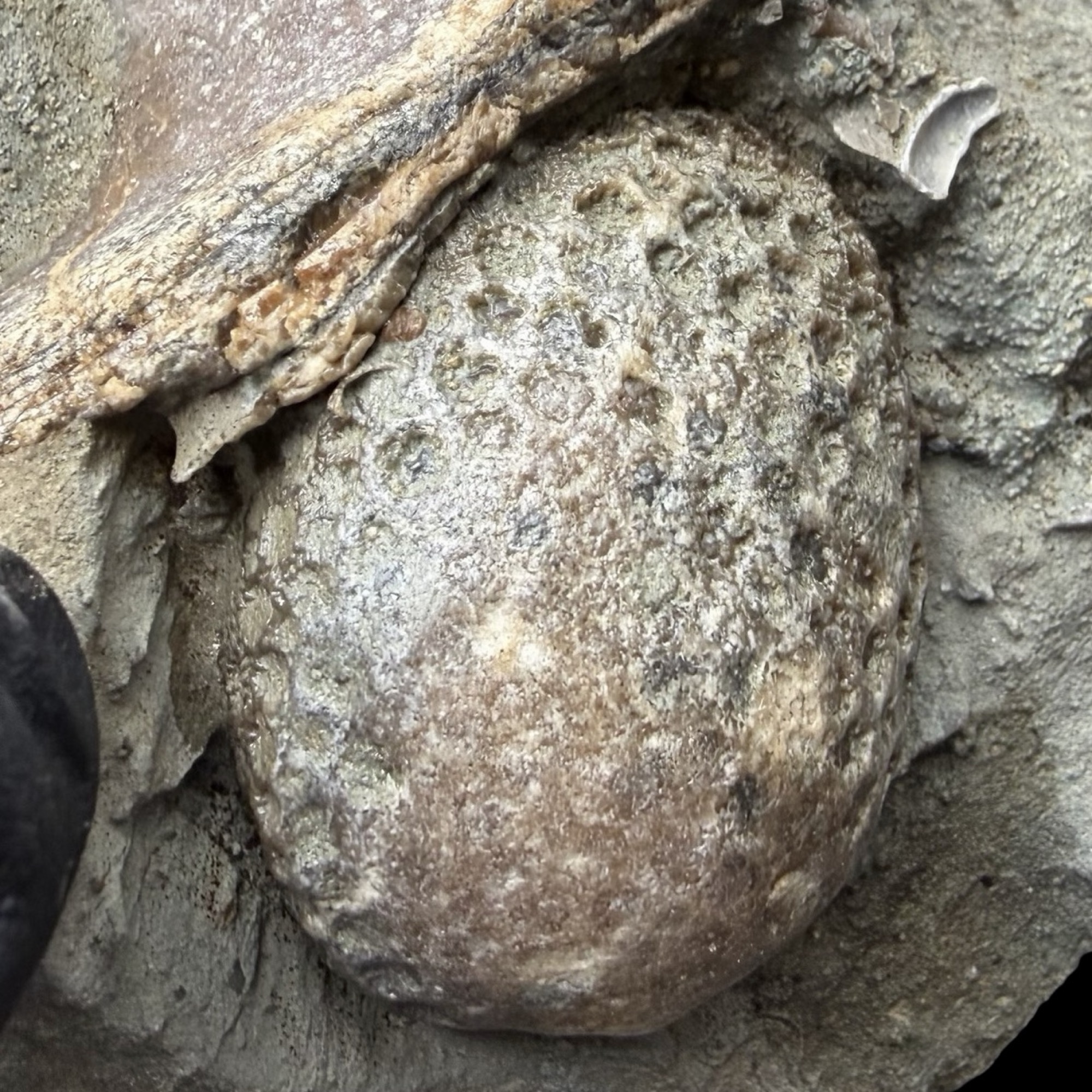
Holocystis elegans originates from the famous Perna Bed within the Atherfield Clay Formation, part of the Lower Greensand Group at Atherfield Point, Isle of Wight, UK. Dating to the Lower Cretaceous period, this fossil captures a moment in time from approximately 125 million years ago, when warm, shallow seas covered much of southern England.Discovered by our experienced team members, Alister and Alison, this specimen has been expertly cleaned, prepared, and treated by Alison to reveal its natural structure while ensuring long-term preservation. The fossil shown in the images is the exact specimen you will receive, making this a unique and highly collectible piece.Geological Setting and Depositional EnvironmentThe Atherfield Clay Formation represents a marine depositional environment, characterised by fine sediments laid down in relatively calm, shallow coastal waters. The Perna Bed is a well-known fossil horizon rich in marine life, including bivalves, corals, and other invertebrates. These conditions were ideal for coral growth, allowing species such as Holocystis elegans to thrive in stable, nutrient-rich waters.During the Lower Greensand deposition, periodic marine transgressions created environments where reef-like communities could develop, preserving a diverse assemblage of marine organisms. Fossils from this formation are highly valued for both their preservation quality and their importance in understanding Early Cretaceous marine ecosystems.Species Overview and MorphologyHolocystis elegans is a fossil coral species notable for its compact and often elegantly structured skeletal form. As a member of the class Anthozoa, these corals constructed calcareous skeletons composed primarily of calcium carbonate. The preserved structure typically displays fine internal septa and radial patterns, which were integral to the coral’s living anatomy.This specimen exhibits characteristic morphological features, including a well-defined skeletal framework and natural surface textures that highlight its original biological form. The intricate details visible on the fossil surface reflect the coral’s growth patterns and environmental adaptations, offering insight into its life within ancient marine settings.Preservation and Visual AppealCareful preparation has enhanced the natural beauty of this fossil while maintaining its authenticity. The subtle tones and mineralisation present in the specimen add to its aesthetic appeal, making it suitable for both scientific study and display. Its form and structure make it an excellent example of fossil coral preservation from the Lower Greensand.Full sizing can be confirmed via the provided photographs, allowing collectors to appreciate the scale and detail of this unique piece.Authenticity and ProvenanceThis fossil is a 100% genuine specimen and includes a Certificate of Authenticity lifetime guarantee card, ensuring confidence in its origin and identification. Every fossil we offer is responsibly sourced and handled entirely by our team, from discovery through to preparation.Collector’s Display PieceFossil corals from the Isle of Wight are highly sought after due to their geological significance and visual appeal. This Holocystis elegans specimen represents an excellent addition to any fossil collection, particularly for those interested in marine invertebrates or Cretaceous fossils. Its provenance, condition, and rarity make it a standout display piece, ideal for collectors, educators, or enthusiasts seeking a genuine connection to prehistoric marine life.
Holocystis elegans originates from the famous Perna Bed within the Atherfield Clay Formation, part of the Lower Greensand Group at Atherfield Point, Isle of Wight, UK. Dating to the Lower Cretaceous period, this fossil captures a moment in time from approximately 125 million years ago, when warm, shallow seas covered much of southern England.Discovered by our experienced team members, Alister and Alison, this specimen has been expertly cleaned, prepared, and treated by Alison to reveal its natural structure while ensuring long-term preservation. The fossil shown in the images is the exact specimen you will receive, making this a unique and highly collectible piece.Geological Setting and Depositional EnvironmentThe Atherfield Clay Formation represents a marine depositional environment, characterised by fine sediments laid down in relatively calm, shallow coastal waters. The Perna Bed is a well-known fossil horizon rich in marine life, including bivalves, corals, and other invertebrates. These conditions were ideal for coral growth, allowing species such as Holocystis elegans to thrive in stable, nutrient-rich waters.During the Lower Greensand deposition, periodic marine transgressions created environments where reef-like communities could develop, preserving a diverse assemblage of marine organisms. Fossils from this formation are highly valued for both their preservation quality and their importance in understanding Early Cretaceous marine ecosystems.Species Overview and MorphologyHolocystis elegans is a fossil coral species notable for its compact and often elegantly structured skeletal form. As a member of the class Anthozoa, these corals constructed calcareous skeletons composed primarily of calcium carbonate. The preserved structure typically displays fine internal septa and radial patterns, which were integral to the coral’s living anatomy.This specimen exhibits characteristic morphological features, including a well-defined skeletal framework and natural surface textures that highlight its original biological form. The intricate details visible on the fossil surface reflect the coral’s growth patterns and environmental adaptations, offering insight into its life within ancient marine settings.Preservation and Visual AppealCareful preparation has enhanced the natural beauty of this fossil while maintaining its authenticity. The subtle tones and mineralisation present in the specimen add to its aesthetic appeal, making it suitable for both scientific study and display. Its form and structure make it an excellent example of fossil coral preservation from the Lower Greensand.Full sizing can be confirmed via the provided photographs, allowing collectors to appreciate the scale and detail of this unique piece.Authenticity and ProvenanceThis fossil is a 100% genuine specimen and includes a Certificate of Authenticity lifetime guarantee card, ensuring confidence in its origin and identification. Every fossil we offer is responsibly sourced and handled entirely by our team, from discovery through to preparation.Collector’s Display PieceFossil corals from the Isle of Wight are highly sought after due to their geological significance and visual appeal. This Holocystis elegans specimen represents an excellent addition to any fossil collection, particularly for those interested in marine invertebrates or Cretaceous fossils. Its provenance, condition, and rarity make it a standout display piece, ideal for collectors, educators, or enthusiasts seeking a genuine connection to prehistoric marine life.
Other Products