Camarasaurus Lentus Rib Fossil Dinosaur Bone Utah USA Jurassic Sauropod COA Rare Genuine Morrison Formation Specimen with Metal Stand
£ 51.00
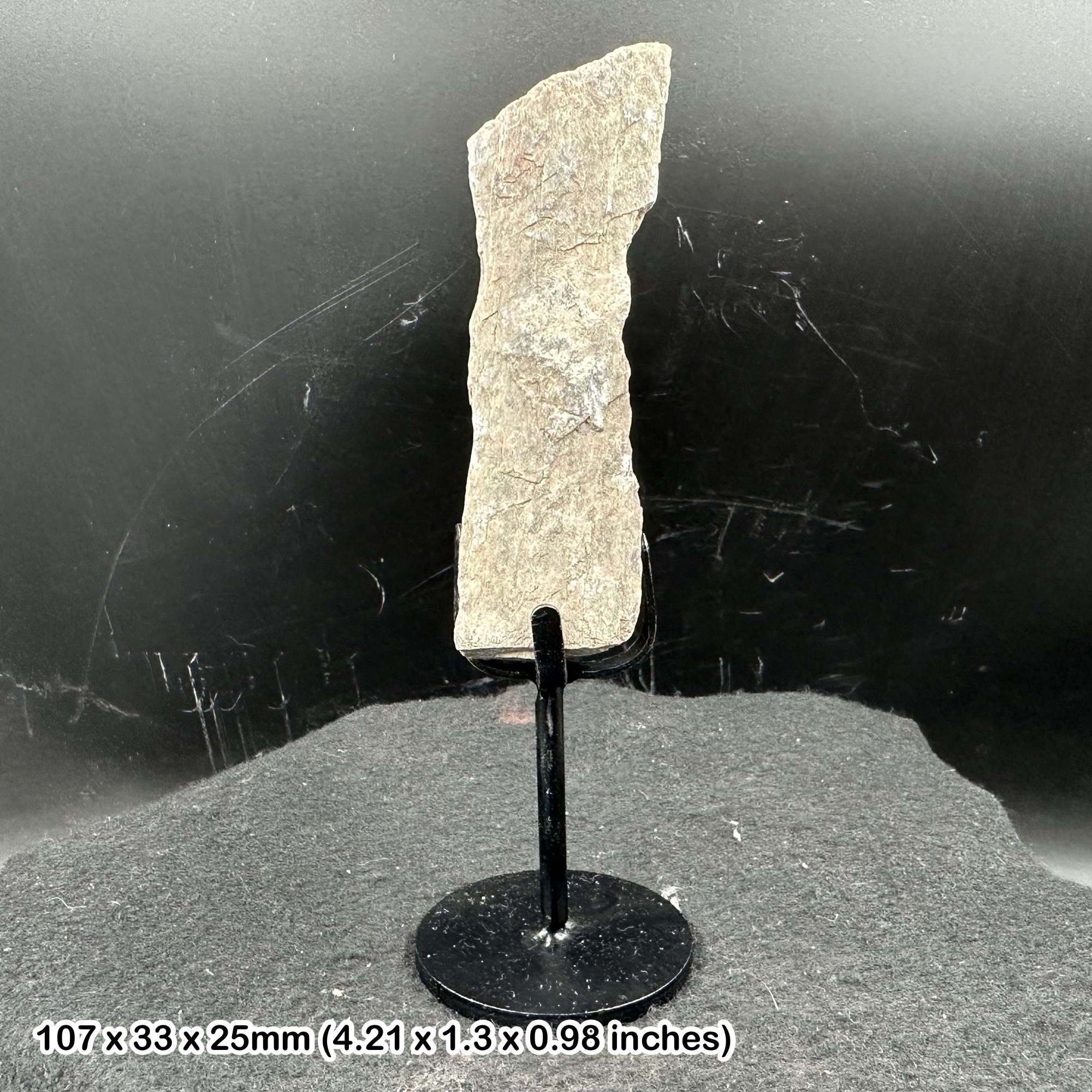
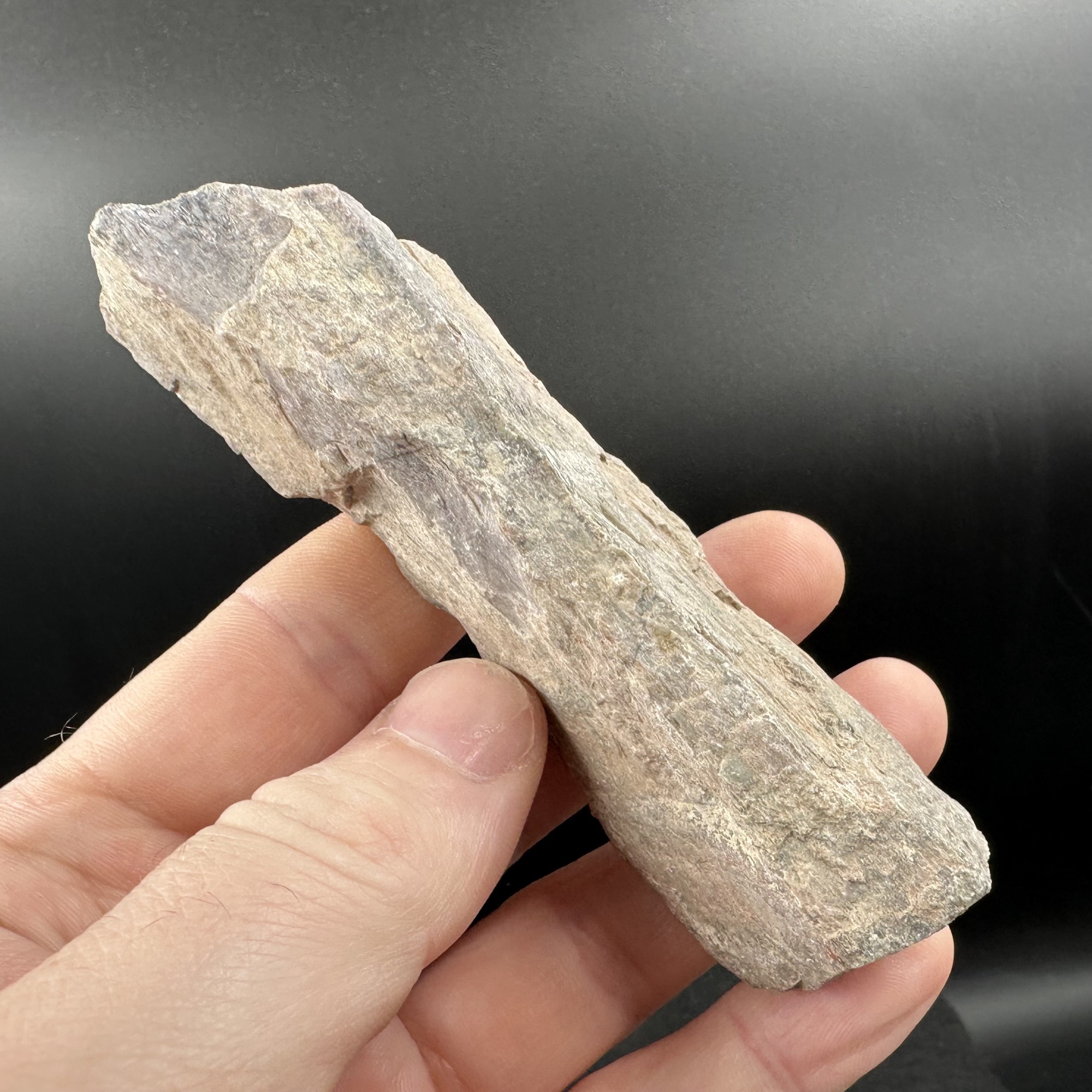
Genuine Camarasaurus lentus Dinosaur Rib Fragment FossilThis listing is for a genuine Dinosaur Camarasaurus lentus rib fragment fossil
from Utah, USA, supplied with a metal display stand. This excellent sauropod dinosaur bone specimen comes from the world-famous Morrison Formation and dates to the Upper Jurassic Period, one of the great ages of giant long-necked dinosaurs. It is a carefully chosen fossil with strong display appeal, ideal for collectors of dinosaur fossils, Jurassic fossil bone, sauropod specimens, Morrison Formation fossils, and authentic natural history display pieces.The fossil shown in the photographs is the actual specimen you will receive. Full sizing and scale can be seen in the listing photos. Presented with its metal stand, this genuine dinosaur fossil makes an attractive display piece for a fossil cabinet, desk, study, educational collection, museum-style display, or natural history room.Fossil Type, Species and ClassificationCamarasaurus lentus was a large herbivorous sauropod dinosaur from the Late Jurassic of North America. Sauropods are famous for their long necks, long tails, massive bodies, and column-like limbs, and Camarasaurus is one of the best-known members of this remarkable dinosaur group. The genus Camarasaurus belongs to Sauropoda within the order Saurischia and is traditionally placed in the family Camarasauridae.The genus Camarasaurus was formally named by Edward Drinker Cope in 1877. The species Camarasaurus lentus was named by Othniel Charles Marsh in 1889 and is one of the classic sauropods known from the Morrison Formation. Compared with some of the extremely elongated diplodocid sauropods, Camarasaurus had a relatively deeper skull, strong jaws, spoon-shaped teeth, a robust body, and a sturdy skeletal build, making it one of the most distinctive herbivorous dinosaurs of the Upper Jurassic.This specimen represents a rib fragment, part of the skeletal structure that helped support the body and protect the chest cavity. Sauropod ribs were large, curved bones forming part of the torso, helping define the shape of the animal’s massive body. A genuine Camarasaurus rib fragment is a collectable piece of dinosaur anatomy and offers a direct connection to one of the great plant-eating giants of prehistoric North America.Morrison Formation, Utah, USAThis fossil comes from Utah, USA, from the Morrison Formation, one of the most celebrated dinosaur-bearing geological formations in the world. The Morrison Formation extends across large areas of the western United States and has produced many of the most famous Jurassic dinosaurs, including Camarasaurus, Allosaurus, Apatosaurus, Diplodocus, Stegosaurus, Ceratosaurus, and other prehistoric reptiles and vertebrates.The Morrison Formation dates to the Upper Jurassic, approximately 145 to 156 million years ago. Utah is especially well known for important Morrison Formation fossil sites, and dinosaur fossils from this region are highly valued by collectors because of their classic American dinosaur association, scientific importance, and strong display appeal.Upper Jurassic Geology and Ancient EnvironmentDuring the Upper Jurassic, the area now known as Utah formed part of a broad inland landscape of river systems, floodplains, seasonal wetlands, lakes, ponds, and open lowland habitats. The Morrison Formation was deposited in layers of sandstone, siltstone, mudstone, and clay-rich sediment, laid down by ancient rivers and flood events across a changing prehistoric environment.This landscape supported a diverse dinosaur fauna. Large herbivorous sauropods such as Camarasaurus would have fed on Jurassic vegetation, while plated dinosaurs, smaller herbivores, crocodile-like reptiles, turtles, fish, early mammals, and predatory theropods shared the environment. Dinosaur bones were often preserved when remains were buried by river or floodplain sediments. Over millions of years, mineral-rich groundwater moved through the buried bone, replacing and strengthening the original material through fossilisation.Morphology and Display FeaturesThis Camarasaurus lentus rib fragment preserves genuine fossilised dinosaur bone from a large Jurassic sauropod. Rib bone fragments can show natural curvature, dense bone texture, internal structure, mineral staining, surface wear, weathered edges, and colour variation caused by ancient burial and mineralisation. As an authentic fossil specimen, it may display natural cracks, repairs, matrix traces, irregular edges, and other features consistent with genuine fossil bone.The included metal stand enhances the presentation and allows the fossil to be displayed as a freestanding specimen. This makes it ideal for collectors looking for a genuine dinosaur bone fossil with an attractive presentation, especially those interested in sauropod fossils, Jurassic dinosaurs, Morrison Formation fossils, Utah fossil specimens, and display-ready prehistoric material.Certificate of AuthenticityThis fossil is a genuine specimen and includes a Certificate of Authenticity lifetime guarantee generic card. The certificate provides reassurance that the item is an authentic fossil specimen and not a modern replica or cast.Collectable Dinosaur Bone Display SpecimenA genuine Camarasaurus lentus rib fragment from the Morrison Formation is a desirable addition to any fossil collection. It combines a recognised dinosaur species, a famous Upper Jurassic formation, a classic Utah locality, and a display-ready metal stand. This fossil is well suited for dinosaur enthusiasts, fossil collectors, educators, natural history displays, and anyone looking for an authentic piece of Jurassic dinosaur history.
from Utah, USA, supplied with a metal display stand. This excellent sauropod dinosaur bone specimen comes from the world-famous Morrison Formation and dates to the Upper Jurassic Period, one of the great ages of giant long-necked dinosaurs. It is a carefully chosen fossil with strong display appeal, ideal for collectors of dinosaur fossils, Jurassic fossil bone, sauropod specimens, Morrison Formation fossils, and authentic natural history display pieces.The fossil shown in the photographs is the actual specimen you will receive. Full sizing and scale can be seen in the listing photos. Presented with its metal stand, this genuine dinosaur fossil makes an attractive display piece for a fossil cabinet, desk, study, educational collection, museum-style display, or natural history room.Fossil Type, Species and ClassificationCamarasaurus lentus was a large herbivorous sauropod dinosaur from the Late Jurassic of North America. Sauropods are famous for their long necks, long tails, massive bodies, and column-like limbs, and Camarasaurus is one of the best-known members of this remarkable dinosaur group. The genus Camarasaurus belongs to Sauropoda within the order Saurischia and is traditionally placed in the family Camarasauridae.The genus Camarasaurus was formally named by Edward Drinker Cope in 1877. The species Camarasaurus lentus was named by Othniel Charles Marsh in 1889 and is one of the classic sauropods known from the Morrison Formation. Compared with some of the extremely elongated diplodocid sauropods, Camarasaurus had a relatively deeper skull, strong jaws, spoon-shaped teeth, a robust body, and a sturdy skeletal build, making it one of the most distinctive herbivorous dinosaurs of the Upper Jurassic.This specimen represents a rib fragment, part of the skeletal structure that helped support the body and protect the chest cavity. Sauropod ribs were large, curved bones forming part of the torso, helping define the shape of the animal’s massive body. A genuine Camarasaurus rib fragment is a collectable piece of dinosaur anatomy and offers a direct connection to one of the great plant-eating giants of prehistoric North America.Morrison Formation, Utah, USAThis fossil comes from Utah, USA, from the Morrison Formation, one of the most celebrated dinosaur-bearing geological formations in the world. The Morrison Formation extends across large areas of the western United States and has produced many of the most famous Jurassic dinosaurs, including Camarasaurus, Allosaurus, Apatosaurus, Diplodocus, Stegosaurus, Ceratosaurus, and other prehistoric reptiles and vertebrates.The Morrison Formation dates to the Upper Jurassic, approximately 145 to 156 million years ago. Utah is especially well known for important Morrison Formation fossil sites, and dinosaur fossils from this region are highly valued by collectors because of their classic American dinosaur association, scientific importance, and strong display appeal.Upper Jurassic Geology and Ancient EnvironmentDuring the Upper Jurassic, the area now known as Utah formed part of a broad inland landscape of river systems, floodplains, seasonal wetlands, lakes, ponds, and open lowland habitats. The Morrison Formation was deposited in layers of sandstone, siltstone, mudstone, and clay-rich sediment, laid down by ancient rivers and flood events across a changing prehistoric environment.This landscape supported a diverse dinosaur fauna. Large herbivorous sauropods such as Camarasaurus would have fed on Jurassic vegetation, while plated dinosaurs, smaller herbivores, crocodile-like reptiles, turtles, fish, early mammals, and predatory theropods shared the environment. Dinosaur bones were often preserved when remains were buried by river or floodplain sediments. Over millions of years, mineral-rich groundwater moved through the buried bone, replacing and strengthening the original material through fossilisation.Morphology and Display FeaturesThis Camarasaurus lentus rib fragment preserves genuine fossilised dinosaur bone from a large Jurassic sauropod. Rib bone fragments can show natural curvature, dense bone texture, internal structure, mineral staining, surface wear, weathered edges, and colour variation caused by ancient burial and mineralisation. As an authentic fossil specimen, it may display natural cracks, repairs, matrix traces, irregular edges, and other features consistent with genuine fossil bone.The included metal stand enhances the presentation and allows the fossil to be displayed as a freestanding specimen. This makes it ideal for collectors looking for a genuine dinosaur bone fossil with an attractive presentation, especially those interested in sauropod fossils, Jurassic dinosaurs, Morrison Formation fossils, Utah fossil specimens, and display-ready prehistoric material.Certificate of AuthenticityThis fossil is a genuine specimen and includes a Certificate of Authenticity lifetime guarantee generic card. The certificate provides reassurance that the item is an authentic fossil specimen and not a modern replica or cast.Collectable Dinosaur Bone Display SpecimenA genuine Camarasaurus lentus rib fragment from the Morrison Formation is a desirable addition to any fossil collection. It combines a recognised dinosaur species, a famous Upper Jurassic formation, a classic Utah locality, and a display-ready metal stand. This fossil is well suited for dinosaur enthusiasts, fossil collectors, educators, natural history displays, and anyone looking for an authentic piece of Jurassic dinosaur history.