Xipheroceras Calcite Ammonite Fossil Charmouth Dorset Jurassic Coast UK COA Genuine Lower Lias Black Ven Marls Collectable Display
£ 60.00
GENUINE XIPHEROCERAS CALCITE AMMONITE FOSSILThis listing is for a genuine Xipheroceras calcite ammonite fossil from the
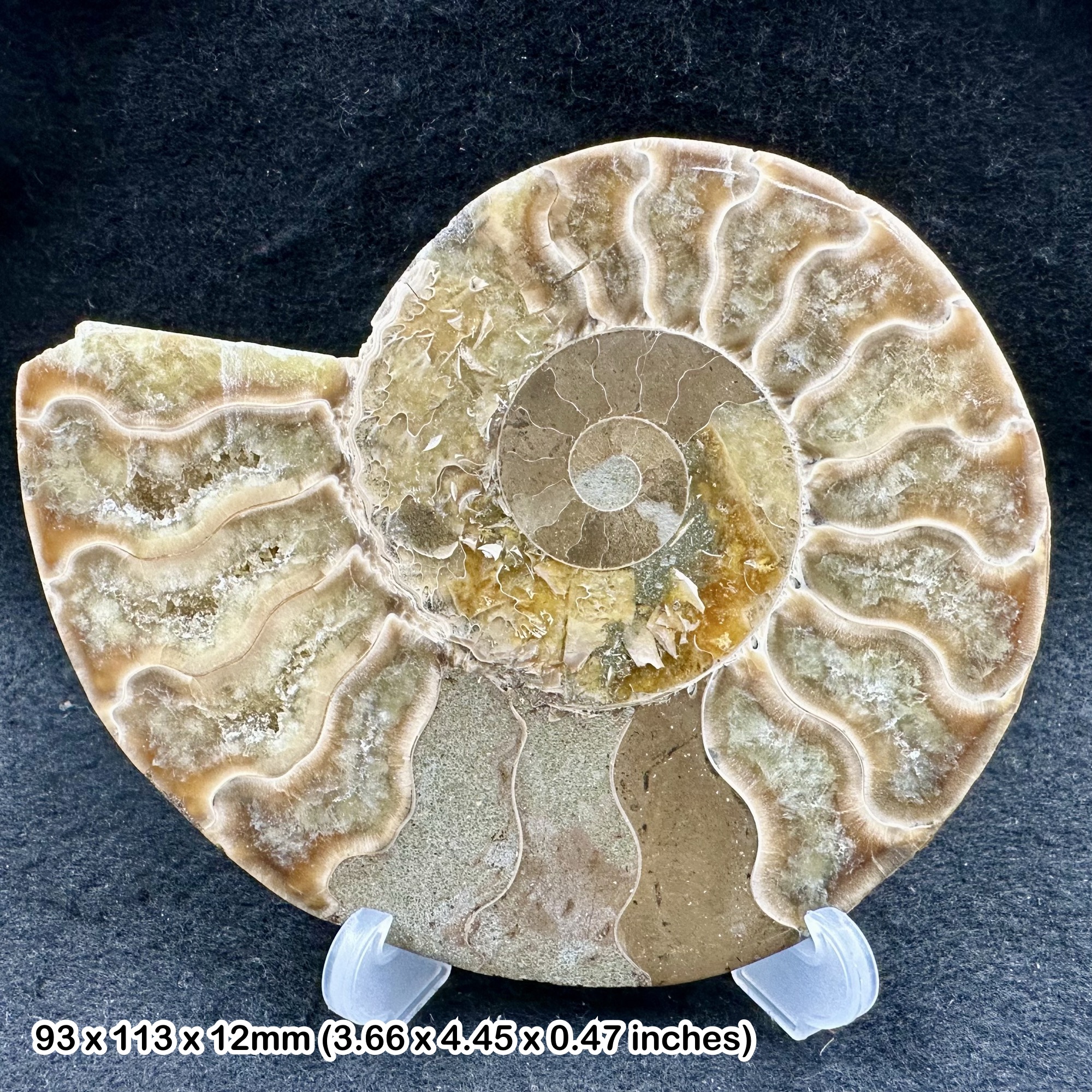
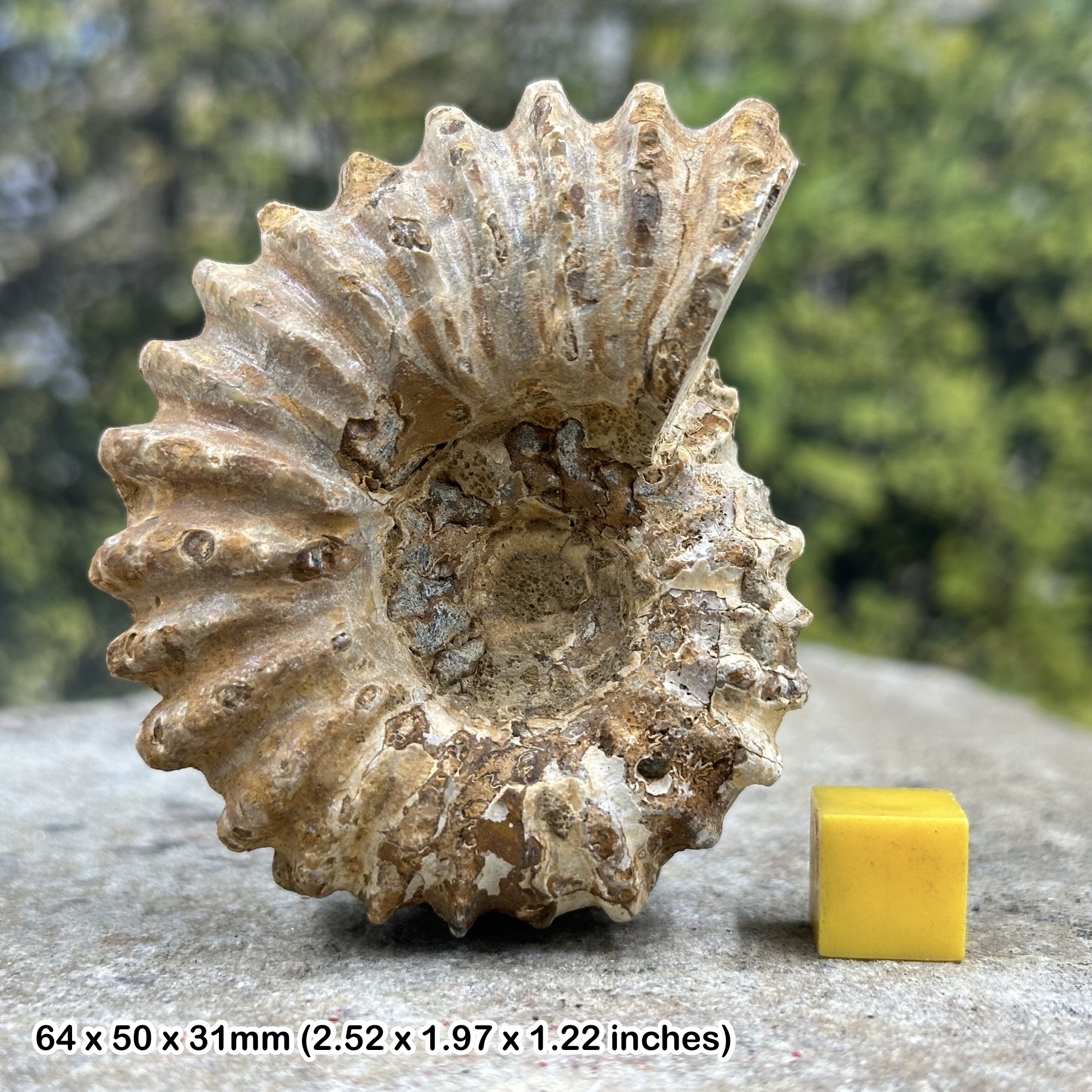
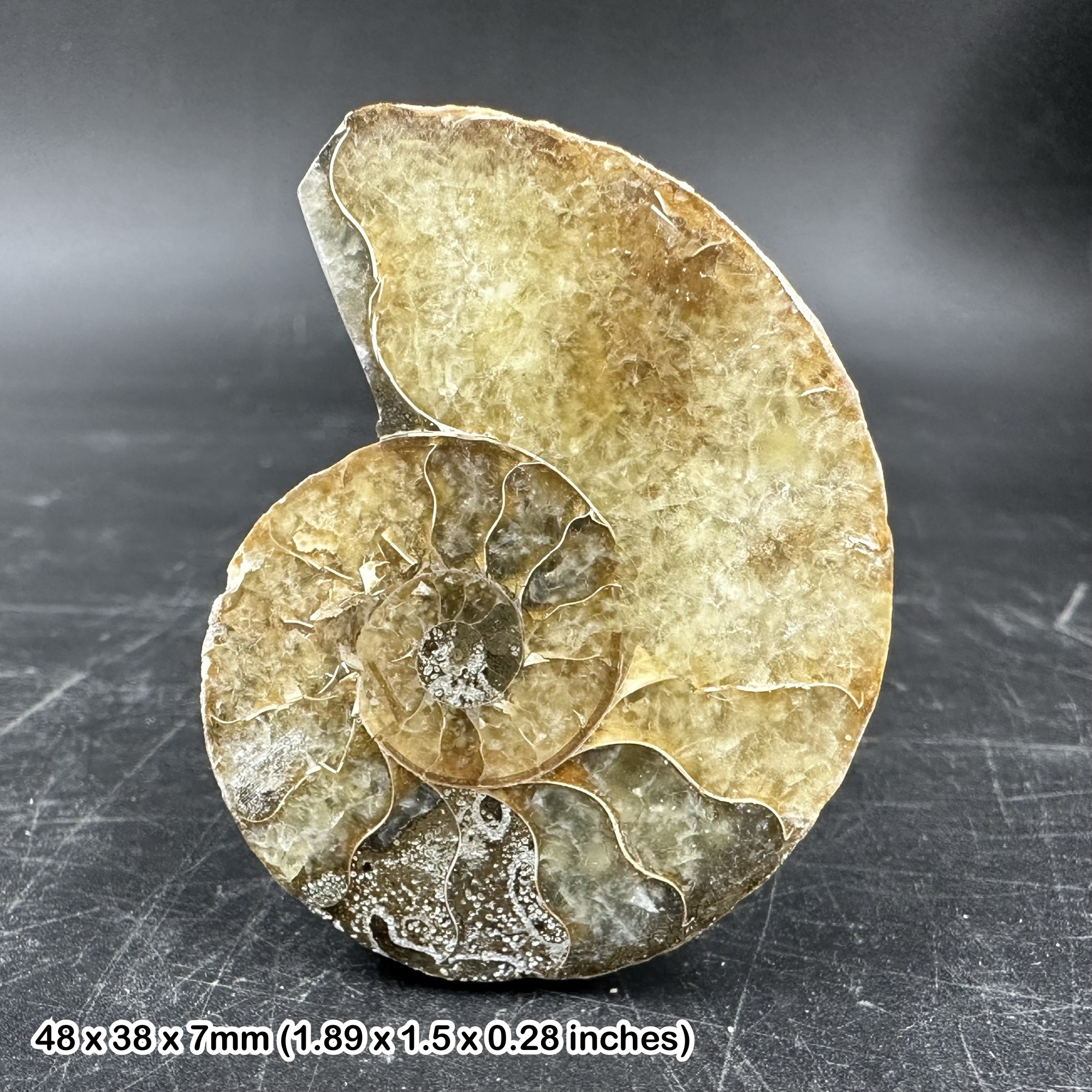
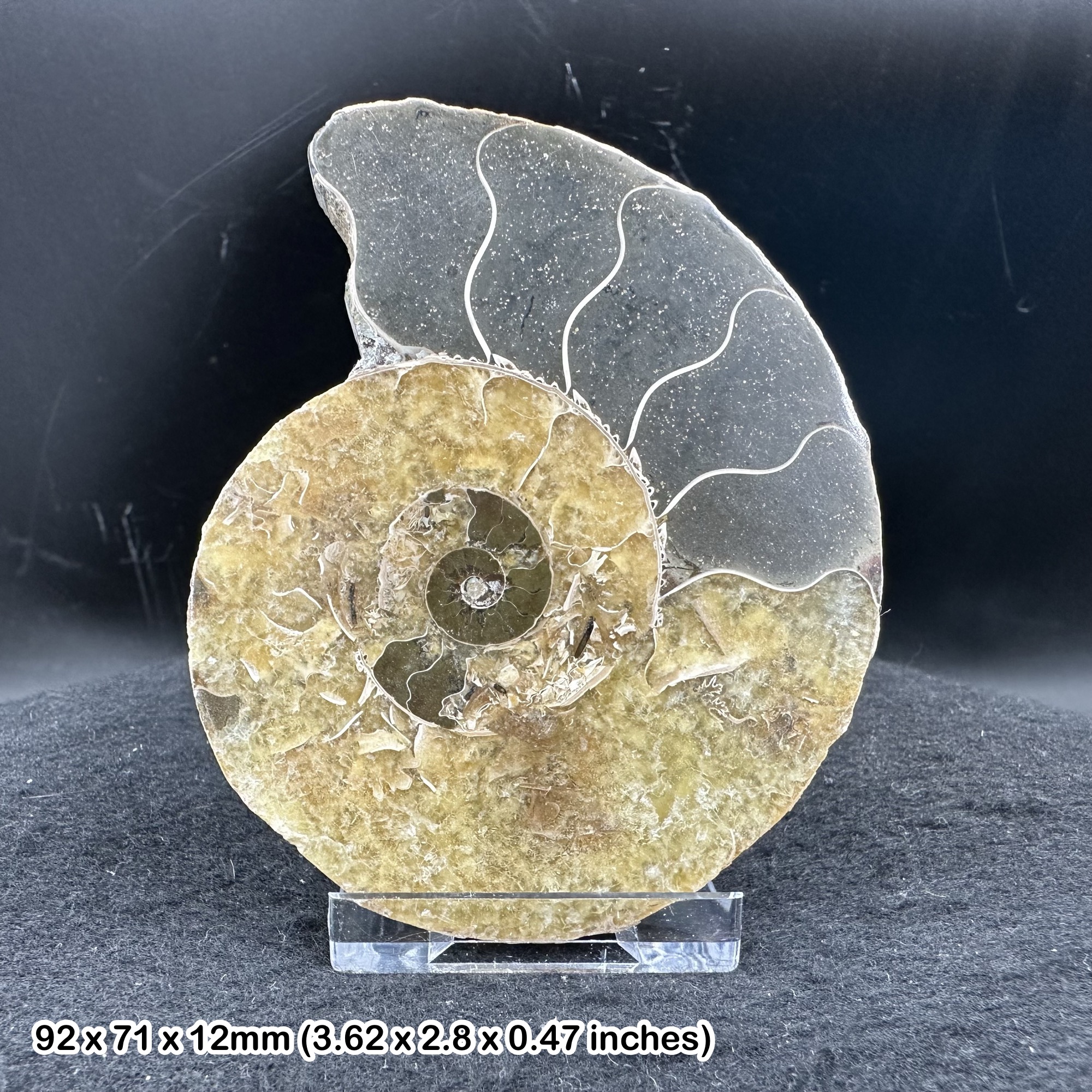
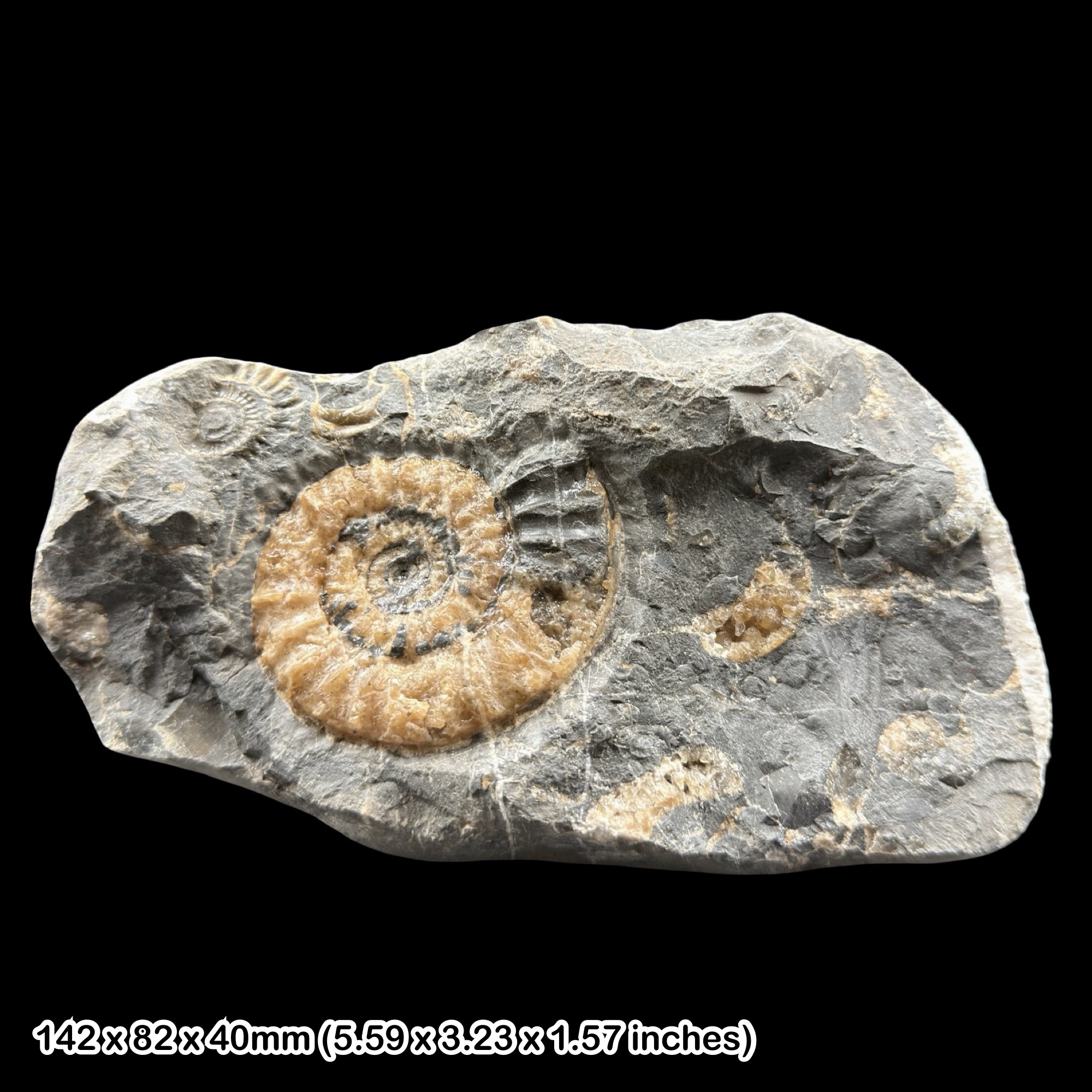
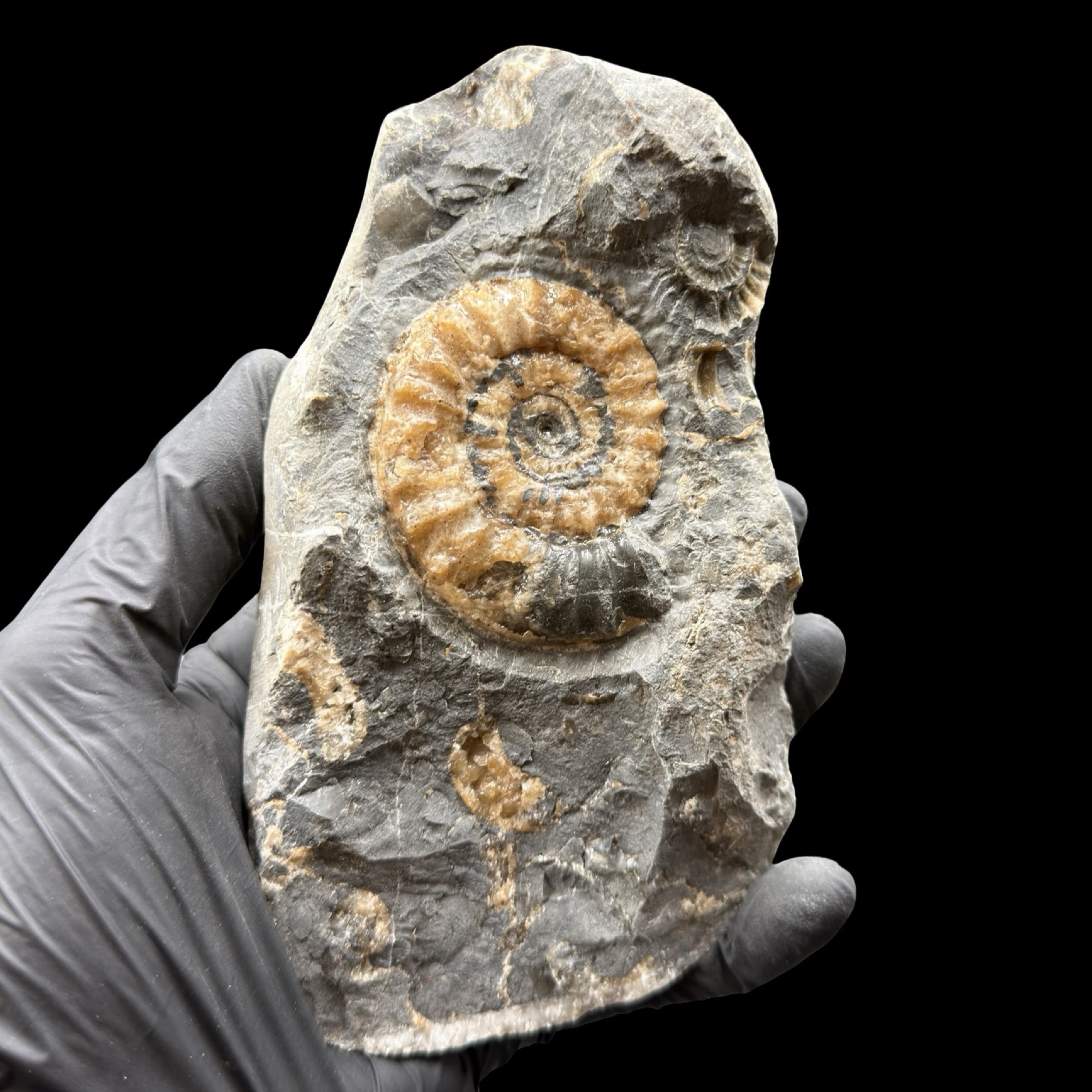
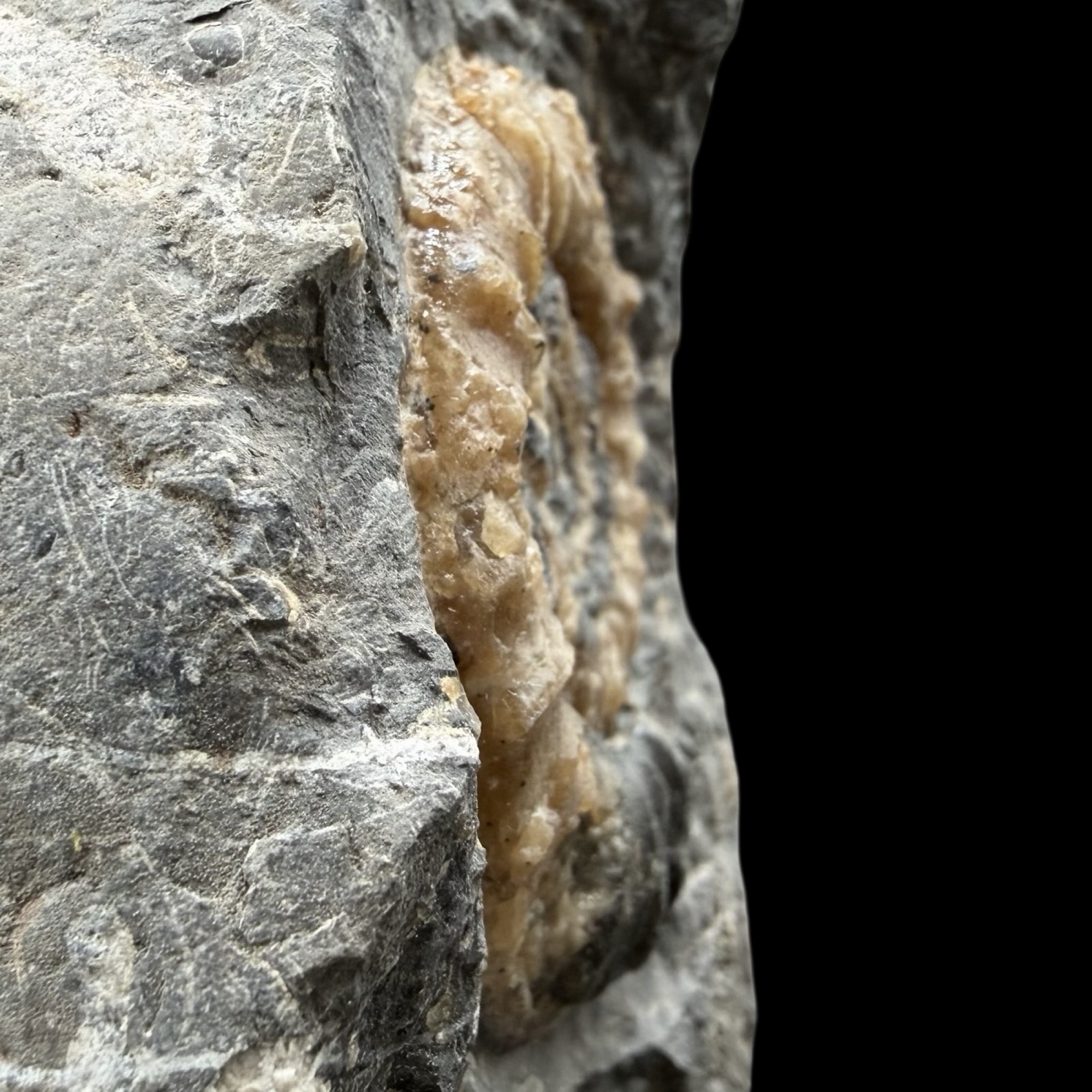
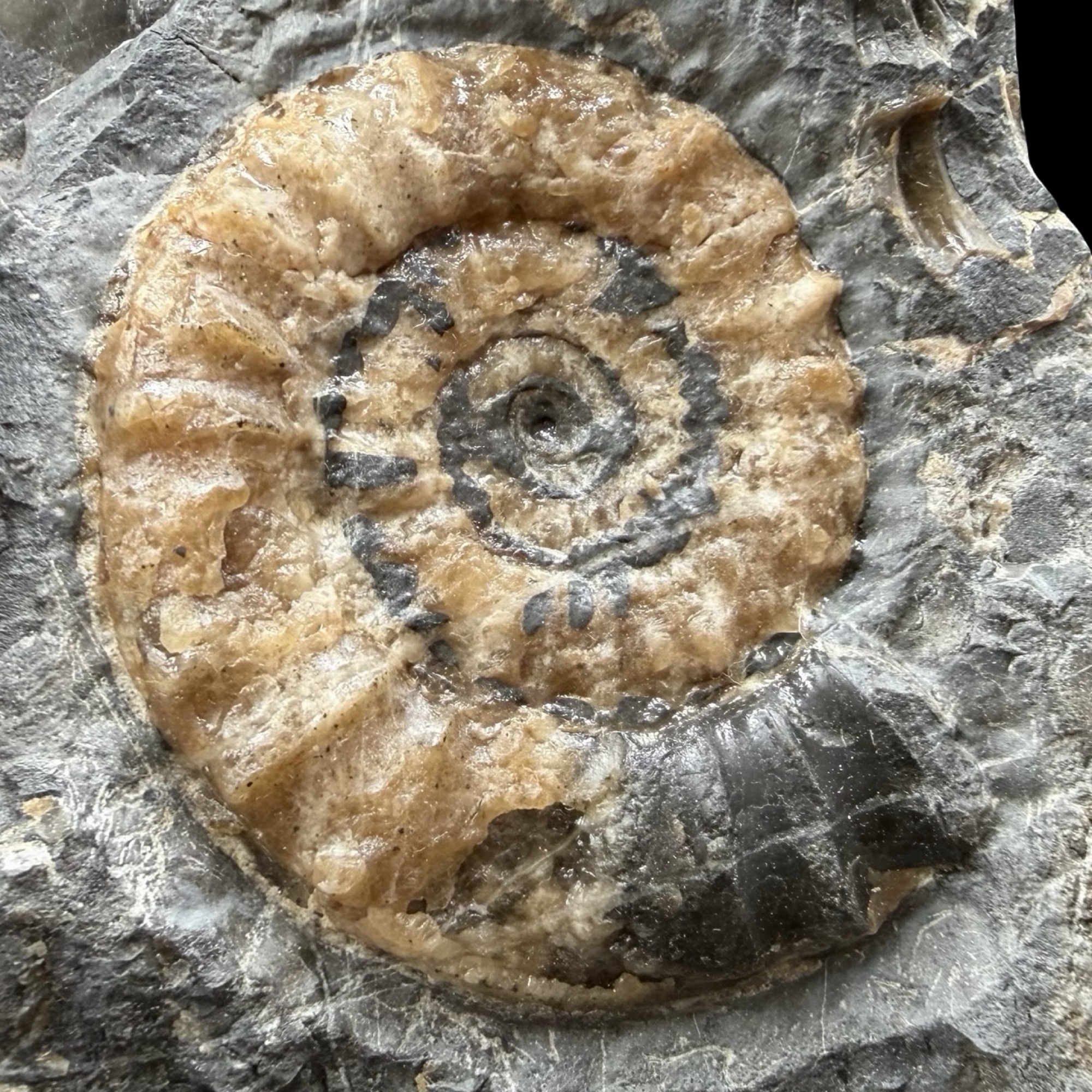
Black Ven Marls, Lower Lias, Jurassic Coast: Charmouth, Lyme Regis, Dorset, UK. This carefully chosen specimen includes a Certificate of Authenticity lifetime guarantee generic card. The photo shows the actual fossil you will receive, allowing you to view the natural ammonite form, calcite preservation, surface detail, matrix, colour and overall display character of this individual piece before purchase. Full sizing details can be seen in the photo.Your specimen was discovered by our own team members, Alister and Alison, and has been cleaned, prepped and treated by Alison. This gives the fossil a clear collecting history, from discovery on the Jurassic Coast through to preparation, making it an appealing specimen for collectors who value genuine provenance and carefully presented British fossils. XIPHEROCERAS AMMONITE SPECIES INFORMATIONXipheroceras is an Early Jurassic ammonite genus associated with the Lower Lias of Britain and Europe. Ammonites were extinct marine cephalopods related to modern squid, cuttlefish and nautilus, living within coiled, chambered shells. Their rapid evolution and wide distribution make them some of the most important fossils for dating Jurassic marine rocks, while their natural spiral form makes them highly collectable display specimens.Xipheroceras is especially recognised for its distinctive shell ornamentation. Specimens often show an evolute coiled form, with the inner whorls remaining visible, and prominent ribbing that may be bold, spaced and strongly developed depending on preservation. Some examples can show spines, tubercles or strengthened rib structures along the whorl, giving the genus a striking and sculptural appearance among Lower Jurassic ammonites.The shell form of Xipheroceras gives this fossil strong visual appeal. The visible whorl structure, ribbed ornament and natural coiling reflect the anatomy of a marine animal that lived in the Early Jurassic seas over 190 million years ago. As a named ammonite genus from a classic British locality, it is an excellent addition to collections focused on Jurassic ammonites, Dorset fossils, Lower Lias specimens or marine palaeontology. CALCITE PRESERVATION AND NATURAL DETAILThis specimen is described as a calcite ammonite, meaning the fossil shows mineral preservation involving calcite. Calcite is a common calcium carbonate mineral that can preserve or replace shell material during fossilisation. In ammonites, calcite preservation can create attractive natural surfaces, pale to cream-coloured details, crystalline texture, contrast within the matrix or distinctive mineralised shell features.Calcite ammonites are appreciated by collectors because they combine fossil form with mineralogical interest. The preservation can enhance the fossil’s visual character, showing the shell shape and ornament in a way that differs from flattened impressions or purely matrix-bound specimens. The result is a natural fossil display piece with both palaeontological and mineral appeal. BLACK VEN MARLS AND LOWER LIAS GEOLOGYThis Xipheroceras comes from the Black Ven Marls, part of the Lower Lias sequence exposed around Charmouth and Lyme Regis. These rocks were deposited during the Early Jurassic in a marine environment, when fine muds and silts accumulated on the seabed. Over time, the remains of ammonites, belemnites, bivalves, gastropods, fish and marine reptiles were buried and preserved within the fossil-bearing layers.The Black Ven Marls are famous for producing classic Jurassic Coast fossils, particularly ammonites from the Lower Lias. These deposits record an ancient marine ecosystem and are of great interest to fossil collectors because they contain a wide range of well-known Early Jurassic species. A specimen from this setting carries strong geological context and classic Dorset fossil appeal. CHARMOUTH, LYME REGIS AND THE JURASSIC COASTCharmouth and Lyme Regis are among the most famous fossil locations in the United Kingdom. The surrounding cliffs and foreshore have a long history of fossil collecting and scientific discovery, with Lower Jurassic rocks yielding ammonites, belemnites, marine reptiles and many other fossils. The area forms part of the Jurassic Coast, a UNESCO World Heritage Site recognised for its outstanding geological record.A Xipheroceras ammonite from Charmouth has excellent locality value for collectors of British fossils, Dorset ammonites and Jurassic Coast material. Its combination of named genus, calcite preservation, Black Ven Marls origin and Lower Lias age makes it a desirable piece for fossil cabinets, educational collections and natural history displays. PREPARATION, AUTHENTICITY AND DISPLAY APPEALThis fossil has been cleaned, prepped and treated by Alison to help present the specimen clearly while retaining its natural geological character. Careful preparation is important for Lower Lias ammonites, as it helps reveal shell form, ribbing, mineralisation and surface detail while preserving the authentic appearance of the fossil.This specimen is suitable for ammonite collectors, fossil enthusiasts, geology students, natural history displays, educational collections, cabinet displays or as a distinctive gift for someone interested in British palaeontology. It is supplied with a Certificate of Authenticity lifetime guarantee generic card, confirming that it is a genuine fossil specimen. The fossil shown in the photo is the exact piece you will receive.
Black Ven Marls, Lower Lias, Jurassic Coast: Charmouth, Lyme Regis, Dorset, UK. This carefully chosen specimen includes a Certificate of Authenticity lifetime guarantee generic card. The photo shows the actual fossil you will receive, allowing you to view the natural ammonite form, calcite preservation, surface detail, matrix, colour and overall display character of this individual piece before purchase. Full sizing details can be seen in the photo.Your specimen was discovered by our own team members, Alister and Alison, and has been cleaned, prepped and treated by Alison. This gives the fossil a clear collecting history, from discovery on the Jurassic Coast through to preparation, making it an appealing specimen for collectors who value genuine provenance and carefully presented British fossils. XIPHEROCERAS AMMONITE SPECIES INFORMATIONXipheroceras is an Early Jurassic ammonite genus associated with the Lower Lias of Britain and Europe. Ammonites were extinct marine cephalopods related to modern squid, cuttlefish and nautilus, living within coiled, chambered shells. Their rapid evolution and wide distribution make them some of the most important fossils for dating Jurassic marine rocks, while their natural spiral form makes them highly collectable display specimens.Xipheroceras is especially recognised for its distinctive shell ornamentation. Specimens often show an evolute coiled form, with the inner whorls remaining visible, and prominent ribbing that may be bold, spaced and strongly developed depending on preservation. Some examples can show spines, tubercles or strengthened rib structures along the whorl, giving the genus a striking and sculptural appearance among Lower Jurassic ammonites.The shell form of Xipheroceras gives this fossil strong visual appeal. The visible whorl structure, ribbed ornament and natural coiling reflect the anatomy of a marine animal that lived in the Early Jurassic seas over 190 million years ago. As a named ammonite genus from a classic British locality, it is an excellent addition to collections focused on Jurassic ammonites, Dorset fossils, Lower Lias specimens or marine palaeontology. CALCITE PRESERVATION AND NATURAL DETAILThis specimen is described as a calcite ammonite, meaning the fossil shows mineral preservation involving calcite. Calcite is a common calcium carbonate mineral that can preserve or replace shell material during fossilisation. In ammonites, calcite preservation can create attractive natural surfaces, pale to cream-coloured details, crystalline texture, contrast within the matrix or distinctive mineralised shell features.Calcite ammonites are appreciated by collectors because they combine fossil form with mineralogical interest. The preservation can enhance the fossil’s visual character, showing the shell shape and ornament in a way that differs from flattened impressions or purely matrix-bound specimens. The result is a natural fossil display piece with both palaeontological and mineral appeal. BLACK VEN MARLS AND LOWER LIAS GEOLOGYThis Xipheroceras comes from the Black Ven Marls, part of the Lower Lias sequence exposed around Charmouth and Lyme Regis. These rocks were deposited during the Early Jurassic in a marine environment, when fine muds and silts accumulated on the seabed. Over time, the remains of ammonites, belemnites, bivalves, gastropods, fish and marine reptiles were buried and preserved within the fossil-bearing layers.The Black Ven Marls are famous for producing classic Jurassic Coast fossils, particularly ammonites from the Lower Lias. These deposits record an ancient marine ecosystem and are of great interest to fossil collectors because they contain a wide range of well-known Early Jurassic species. A specimen from this setting carries strong geological context and classic Dorset fossil appeal. CHARMOUTH, LYME REGIS AND THE JURASSIC COASTCharmouth and Lyme Regis are among the most famous fossil locations in the United Kingdom. The surrounding cliffs and foreshore have a long history of fossil collecting and scientific discovery, with Lower Jurassic rocks yielding ammonites, belemnites, marine reptiles and many other fossils. The area forms part of the Jurassic Coast, a UNESCO World Heritage Site recognised for its outstanding geological record.A Xipheroceras ammonite from Charmouth has excellent locality value for collectors of British fossils, Dorset ammonites and Jurassic Coast material. Its combination of named genus, calcite preservation, Black Ven Marls origin and Lower Lias age makes it a desirable piece for fossil cabinets, educational collections and natural history displays. PREPARATION, AUTHENTICITY AND DISPLAY APPEALThis fossil has been cleaned, prepped and treated by Alison to help present the specimen clearly while retaining its natural geological character. Careful preparation is important for Lower Lias ammonites, as it helps reveal shell form, ribbing, mineralisation and surface detail while preserving the authentic appearance of the fossil.This specimen is suitable for ammonite collectors, fossil enthusiasts, geology students, natural history displays, educational collections, cabinet displays or as a distinctive gift for someone interested in British palaeontology. It is supplied with a Certificate of Authenticity lifetime guarantee generic card, confirming that it is a genuine fossil specimen. The fossil shown in the photo is the exact piece you will receive.