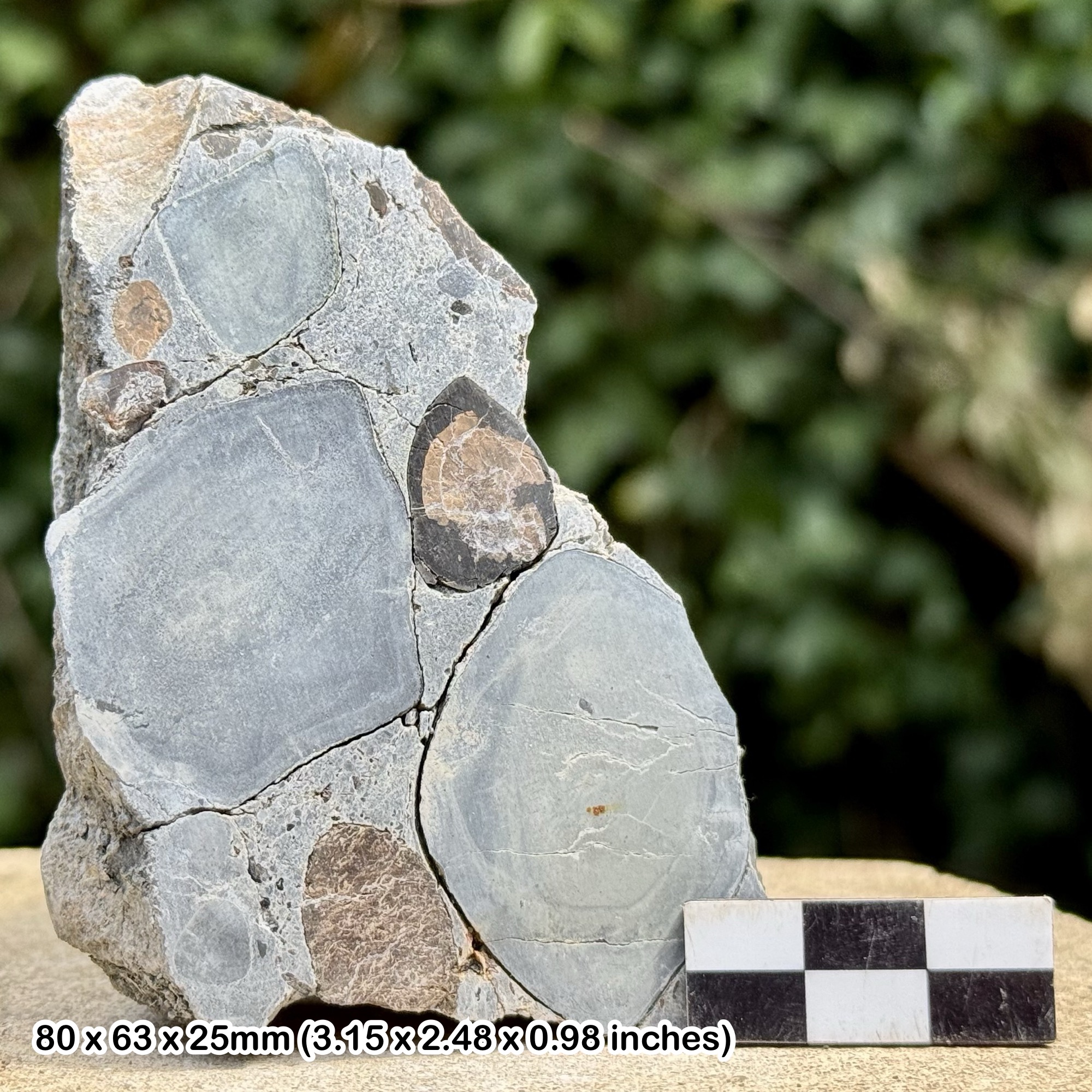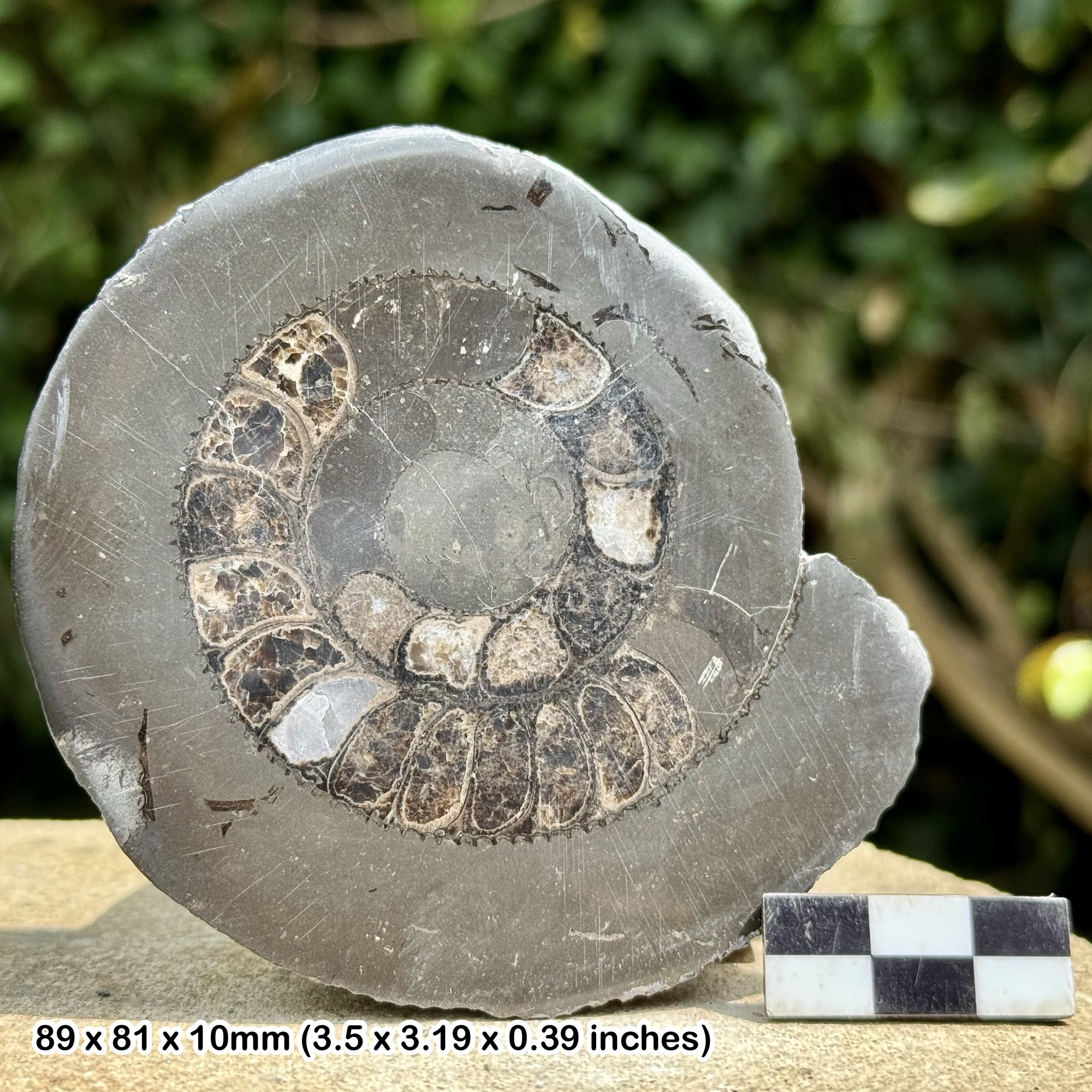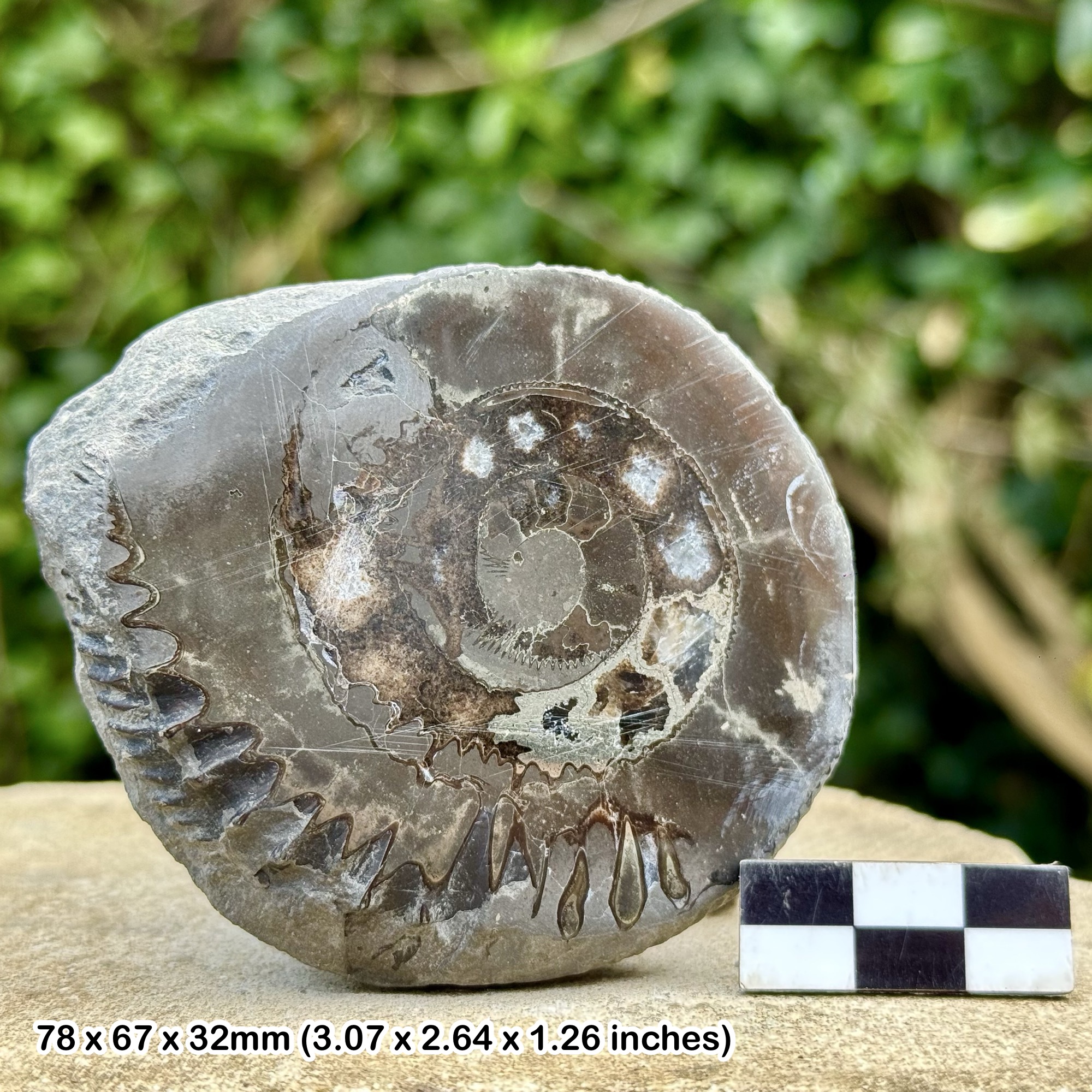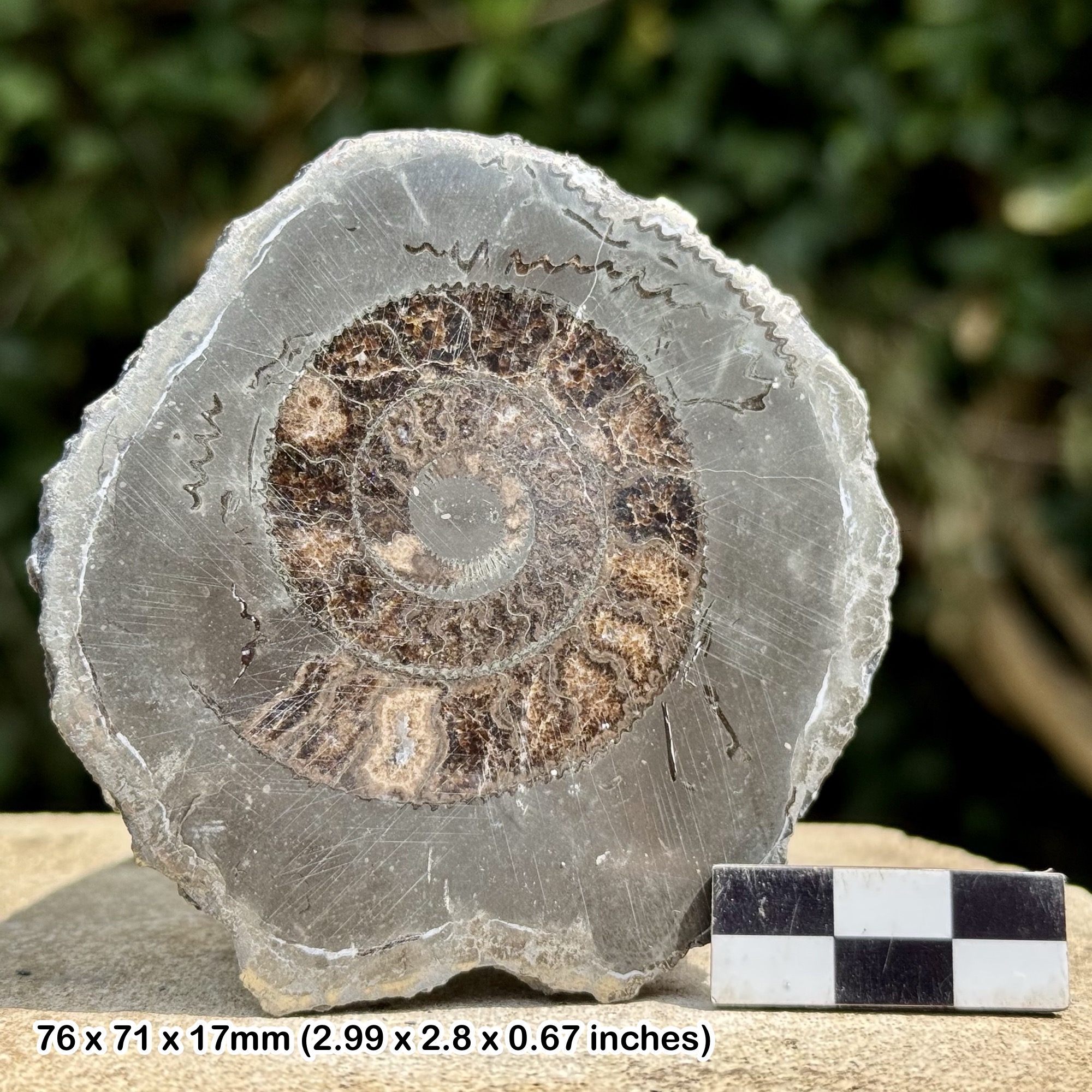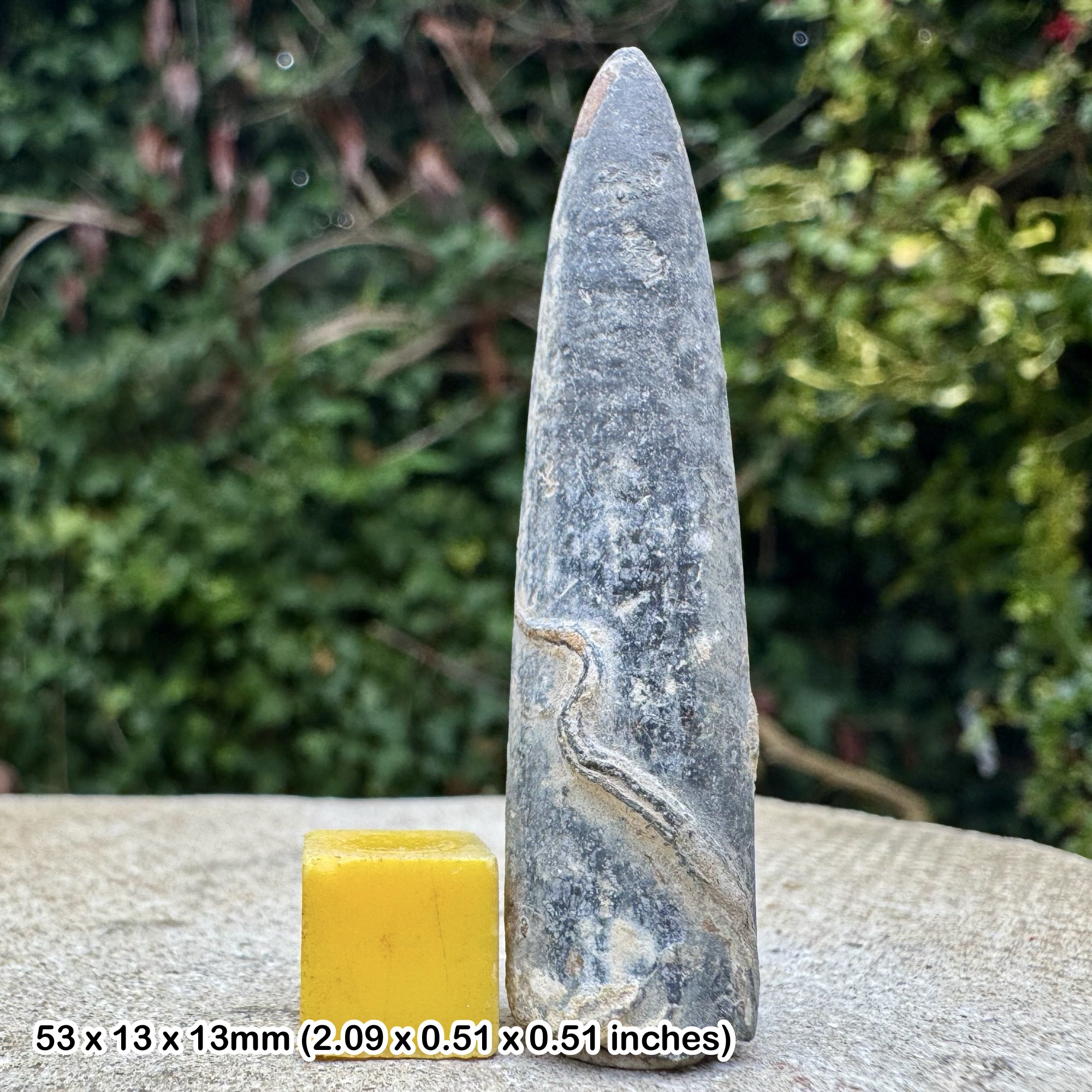
Nannobelus acutus Fossil Belemnite Lower Sinemurian Jurassic Lyme United Kingdom with Certificate of Authenticity
£ 6.90
NANNOBELUS ACUTUS BELEMNITE FROM LYME, UNITED KINGDOMThis specimen is a genuine Nannobelus acutus fossil belemnite, collected from
the Lower Sinemurian Stage of the Early Jurassic, in the classic fossil-rich locality of Lyme Regis, Dorset, United Kingdom. Dating back around 199–196 million years, this specimen represents the calcified rostrum (guard) of a squid-like cephalopod that once thrived in the Jurassic seas. Belemnites are iconic fossils, valued for both their scientific significance and their sleek, bullet-shaped appearance.Every fossil we provide is 100% genuine and supplied with a Certificate of Authenticity. The photos show the actual specimen you will receive, with a 1cm scale cube and rule squares for precise size reference. GEOLOGICAL AGE AND PROVENANCEThe Lower Sinemurian Stage of the Early Jurassic is well known for its diverse and exceptionally preserved marine fauna. During this time, southern England was submerged under shallow epicontinental seas teeming with life. Ammonites, belemnites, bivalves, and marine reptiles flourished in these rich environments.Lyme Regis, part of the UNESCO World Heritage Jurassic Coast, is world-renowned for its Early Jurassic deposits. Its exposures of the Blue Lias Formation yield some of the most important cephalopod fossils in Europe, with Nannobelus acutus among the most distinctive. Collectors and palaeontologists alike value specimens from Lyme due to their excellent preservation and historical importance. FOSSIL TYPE AND SCIENTIFIC CLASSIFICATION
• Genus: Nannobelus
• Species: Nannobelus acutus
• Order: Belemnitida
• Superfamily: Belemnitoidea
• Family: BelemnitidaeBelemnites were squid-like marine predators that hunted actively in Jurassic seas. Unlike modern squid, they had a robust internal skeleton, with the bullet-shaped guard being the most durable and frequently preserved part. Nannobelus acutus is one of the key Sinemurian belemnite species, recognised for its role in biostratigraphic studies. MORPHOLOGICAL FEATURESKey identifying traits of Nannobelus acutus include:
• Slender, Elongated Guard: A long, narrow rostrum tapering to a fine point.
• Apex: Sharply defined posterior tip aiding in streamlining.
• Alveolus: An anterior hollow cavity where the phragmocone (chambered portion) was attached.
• Surface Texture: Generally smooth, though some specimens may display faint longitudinal striations.These features made N. acutus highly efficient in life as a nektonic predator, navigating swiftly through Jurassic waters. SCIENTIFIC AND COLLECTOR IMPORTANCE
• Nannobelus acutus
• is particularly significant in biostratigraphy, serving as an index fossil for Lower Sinemurian strata. Its distinctive form and stratigraphic restriction allow geologists to date deposits with high accuracy.For collectors, this species is sought after not only for its scientific relevance but also for its elegance and provenance. Specimens from Lyme Regis are considered highly desirable, as the area is one of the most famous fossil localities in the world, associated with pioneering fossil discoveries. DISPLAY AND EDUCATIONAL VALUEThis specimen was chosen for its fine preservation and clarity of diagnostic features. Its sleek, bullet-like form makes it a visually striking display piece, while its scientific background enhances its educational value.Perfect for museum exhibitions, teaching resources, or private collections, this Nannobelus acutus belemnite from Lyme Regis offers a direct connection to the rich marine life of the Early Jurassic seas. It is both a beautiful fossil and a scientifically important specimen that captures the story of cephalopod evolution nearly 200 million years ago.
the Lower Sinemurian Stage of the Early Jurassic, in the classic fossil-rich locality of Lyme Regis, Dorset, United Kingdom. Dating back around 199–196 million years, this specimen represents the calcified rostrum (guard) of a squid-like cephalopod that once thrived in the Jurassic seas. Belemnites are iconic fossils, valued for both their scientific significance and their sleek, bullet-shaped appearance.Every fossil we provide is 100% genuine and supplied with a Certificate of Authenticity. The photos show the actual specimen you will receive, with a 1cm scale cube and rule squares for precise size reference. GEOLOGICAL AGE AND PROVENANCEThe Lower Sinemurian Stage of the Early Jurassic is well known for its diverse and exceptionally preserved marine fauna. During this time, southern England was submerged under shallow epicontinental seas teeming with life. Ammonites, belemnites, bivalves, and marine reptiles flourished in these rich environments.Lyme Regis, part of the UNESCO World Heritage Jurassic Coast, is world-renowned for its Early Jurassic deposits. Its exposures of the Blue Lias Formation yield some of the most important cephalopod fossils in Europe, with Nannobelus acutus among the most distinctive. Collectors and palaeontologists alike value specimens from Lyme due to their excellent preservation and historical importance. FOSSIL TYPE AND SCIENTIFIC CLASSIFICATION
• Genus: Nannobelus
• Species: Nannobelus acutus
• Order: Belemnitida
• Superfamily: Belemnitoidea
• Family: BelemnitidaeBelemnites were squid-like marine predators that hunted actively in Jurassic seas. Unlike modern squid, they had a robust internal skeleton, with the bullet-shaped guard being the most durable and frequently preserved part. Nannobelus acutus is one of the key Sinemurian belemnite species, recognised for its role in biostratigraphic studies. MORPHOLOGICAL FEATURESKey identifying traits of Nannobelus acutus include:
• Slender, Elongated Guard: A long, narrow rostrum tapering to a fine point.
• Apex: Sharply defined posterior tip aiding in streamlining.
• Alveolus: An anterior hollow cavity where the phragmocone (chambered portion) was attached.
• Surface Texture: Generally smooth, though some specimens may display faint longitudinal striations.These features made N. acutus highly efficient in life as a nektonic predator, navigating swiftly through Jurassic waters. SCIENTIFIC AND COLLECTOR IMPORTANCE
• Nannobelus acutus
• is particularly significant in biostratigraphy, serving as an index fossil for Lower Sinemurian strata. Its distinctive form and stratigraphic restriction allow geologists to date deposits with high accuracy.For collectors, this species is sought after not only for its scientific relevance but also for its elegance and provenance. Specimens from Lyme Regis are considered highly desirable, as the area is one of the most famous fossil localities in the world, associated with pioneering fossil discoveries. DISPLAY AND EDUCATIONAL VALUEThis specimen was chosen for its fine preservation and clarity of diagnostic features. Its sleek, bullet-like form makes it a visually striking display piece, while its scientific background enhances its educational value.Perfect for museum exhibitions, teaching resources, or private collections, this Nannobelus acutus belemnite from Lyme Regis offers a direct connection to the rich marine life of the Early Jurassic seas. It is both a beautiful fossil and a scientifically important specimen that captures the story of cephalopod evolution nearly 200 million years ago.
Other Products