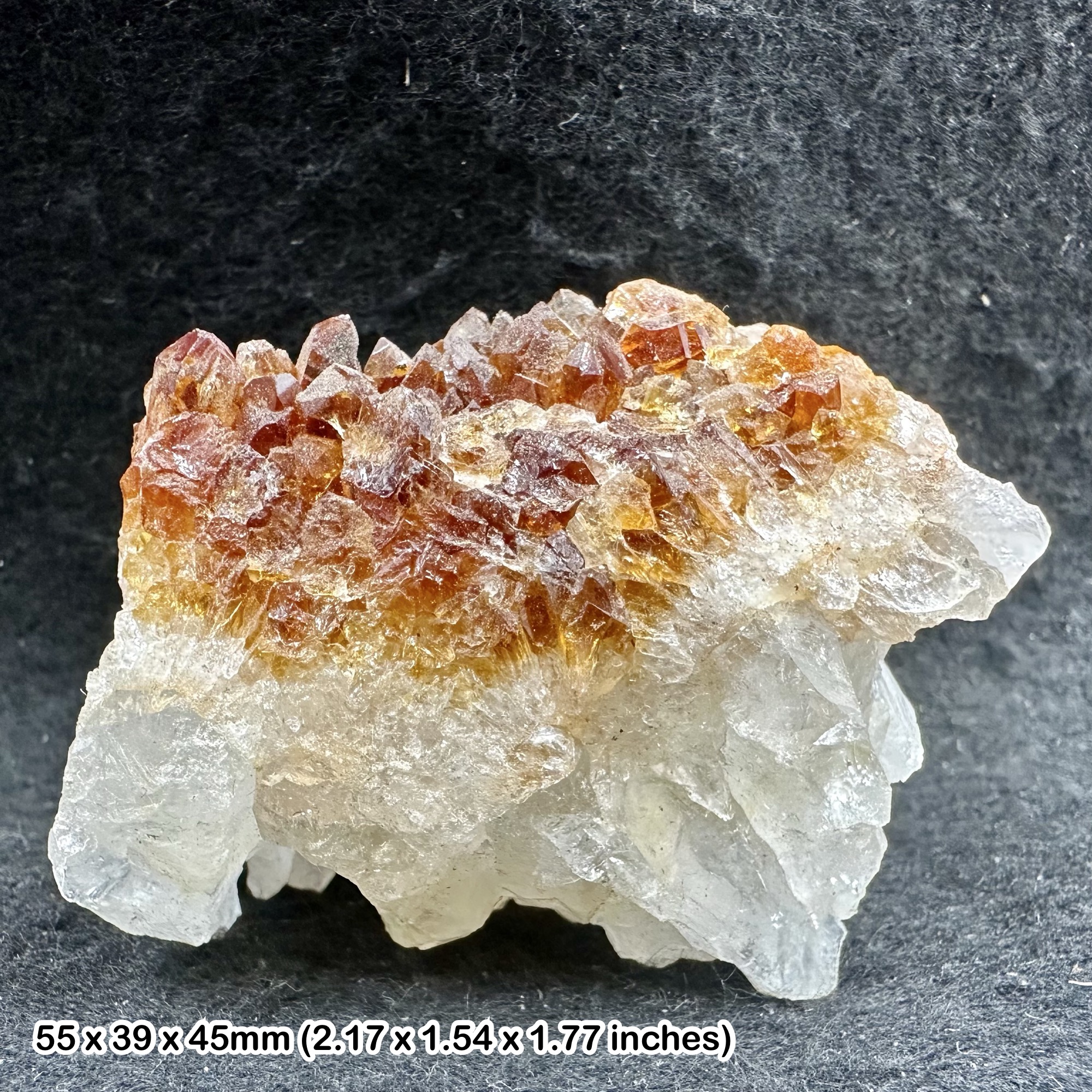
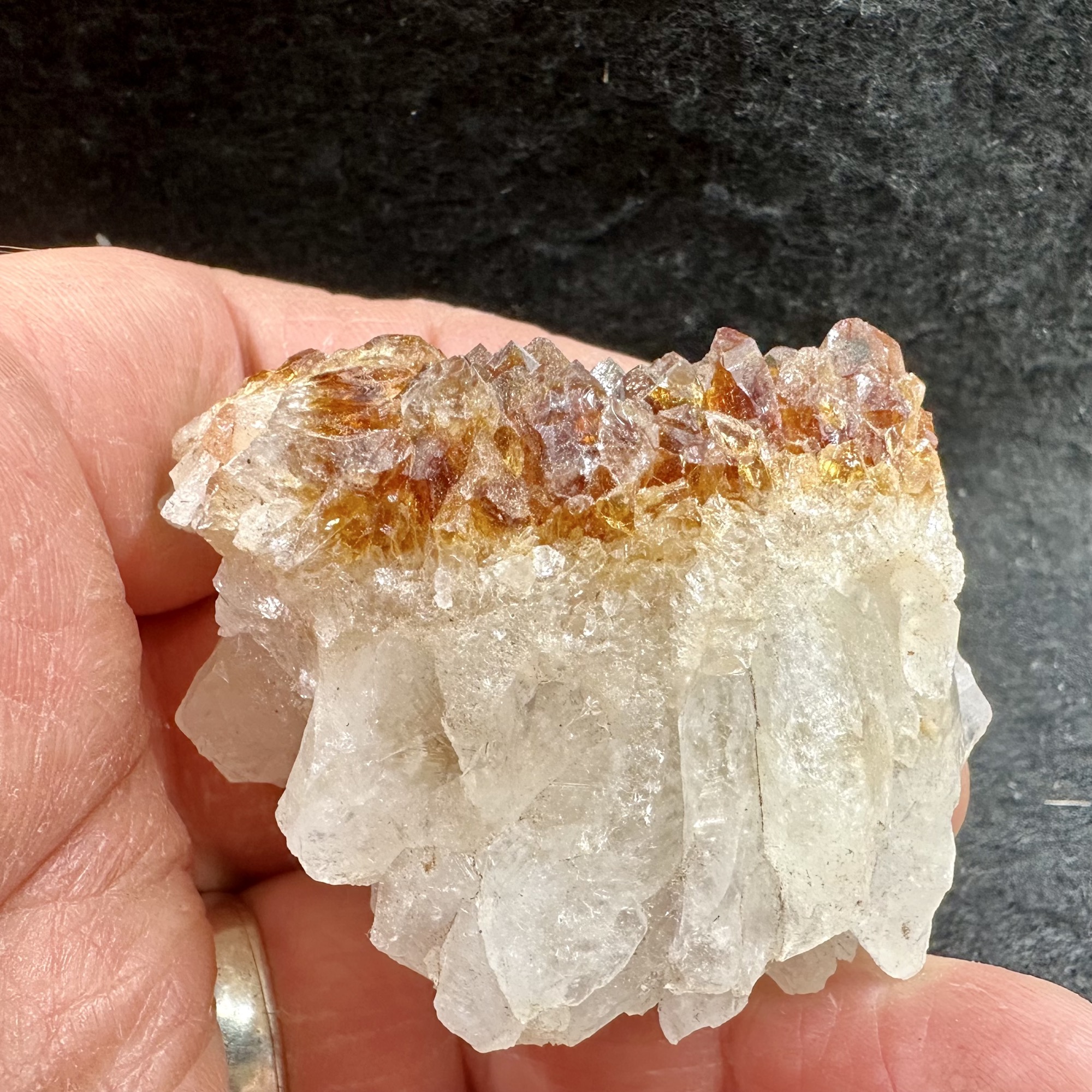
Citrine Crystal A Grade Brazil Natural Golden Quartz Mineral Specimen Collectable Gemstone Crystal Display with Certificate
£ 13.80
Natural A Grade Citrine Quartz Crystal from BrazilThis listing features a genuine A Grade Citrine crystal from Brazil, a vibrant
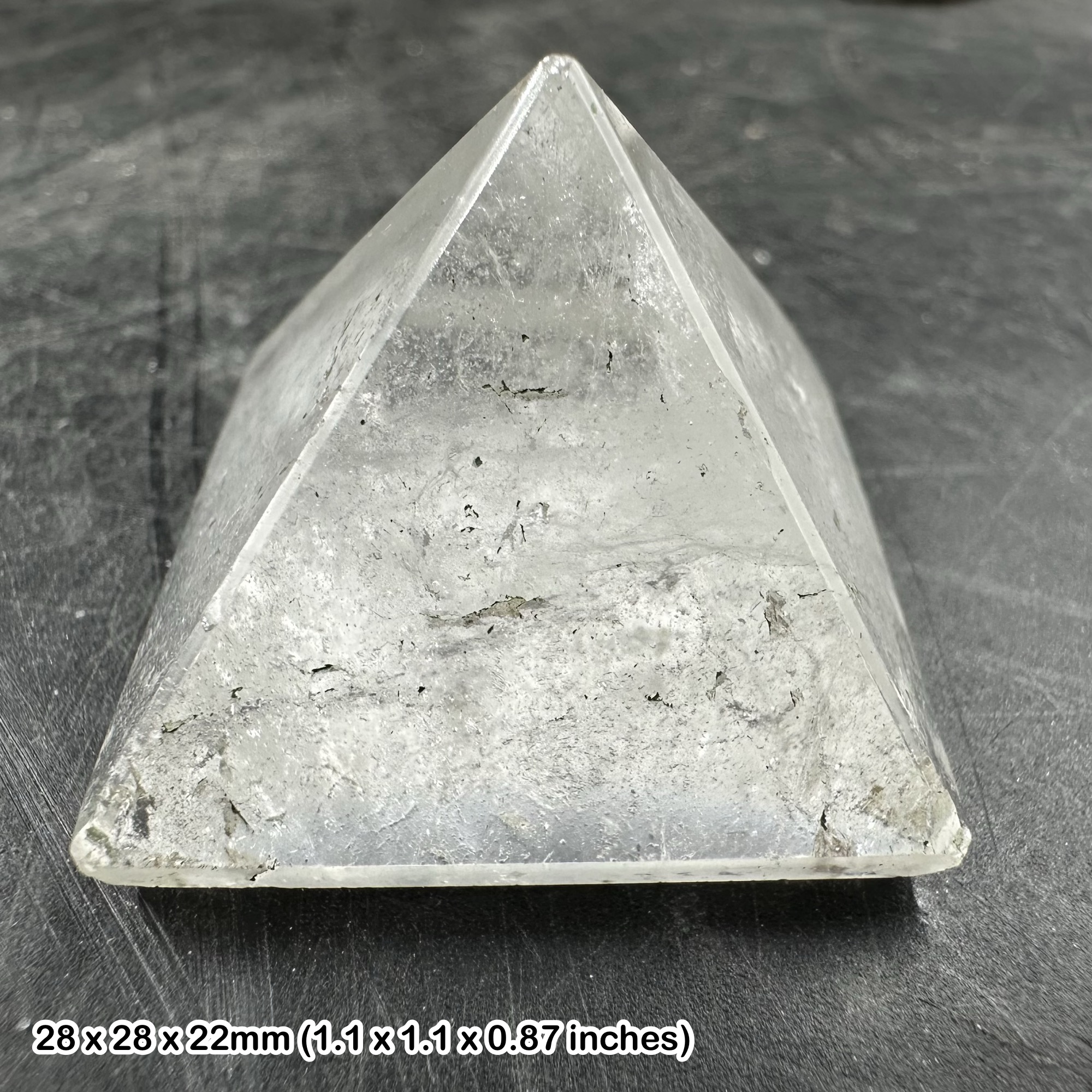
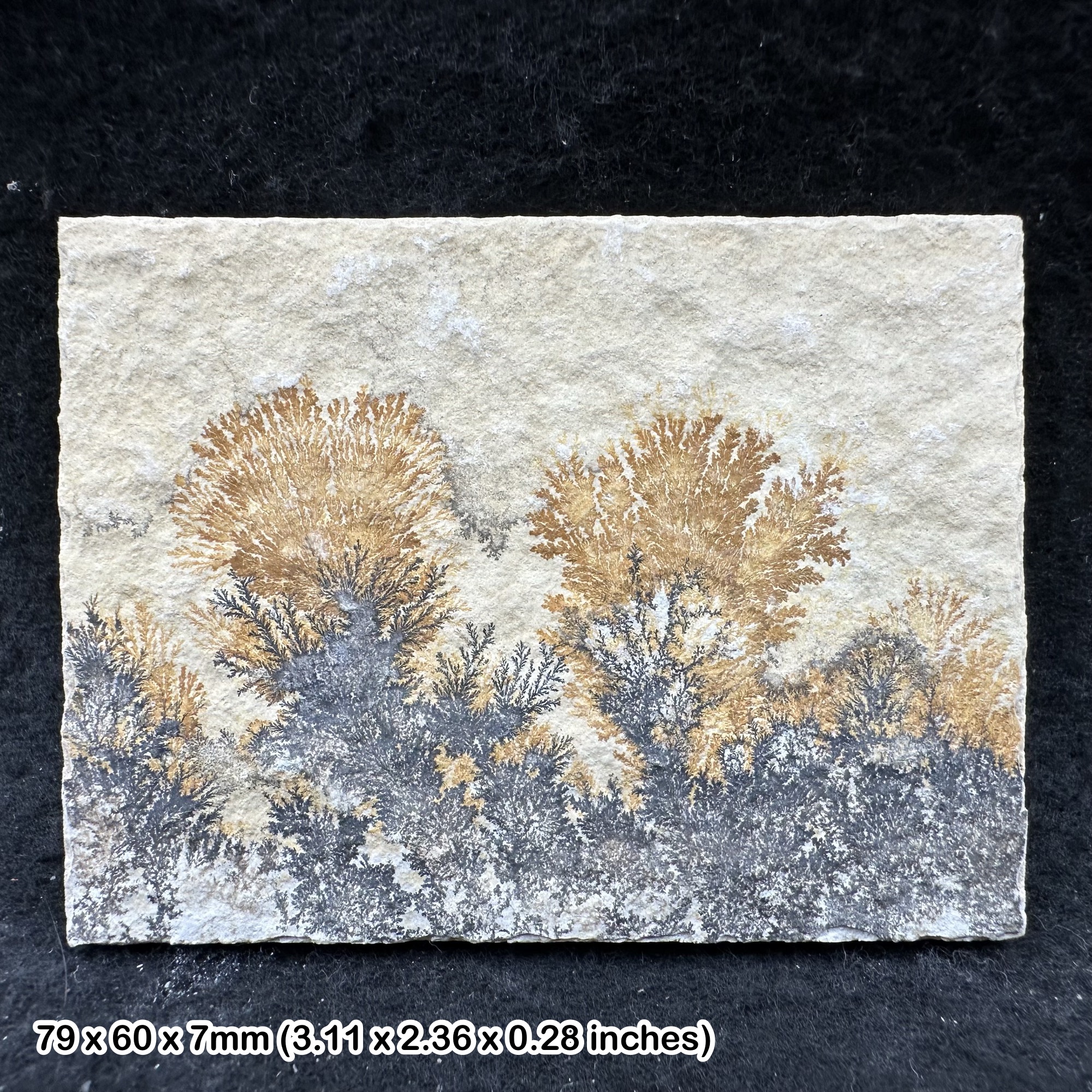
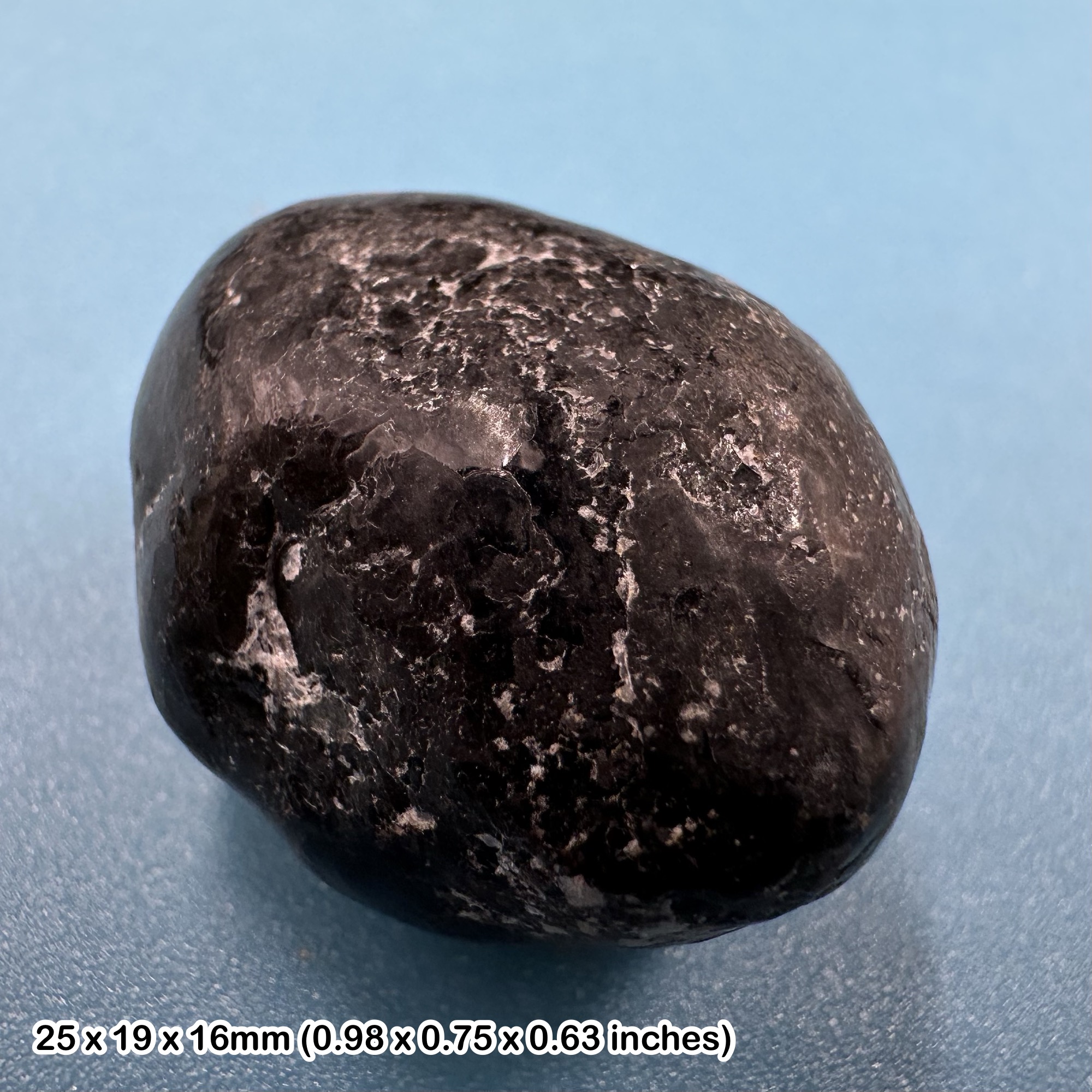
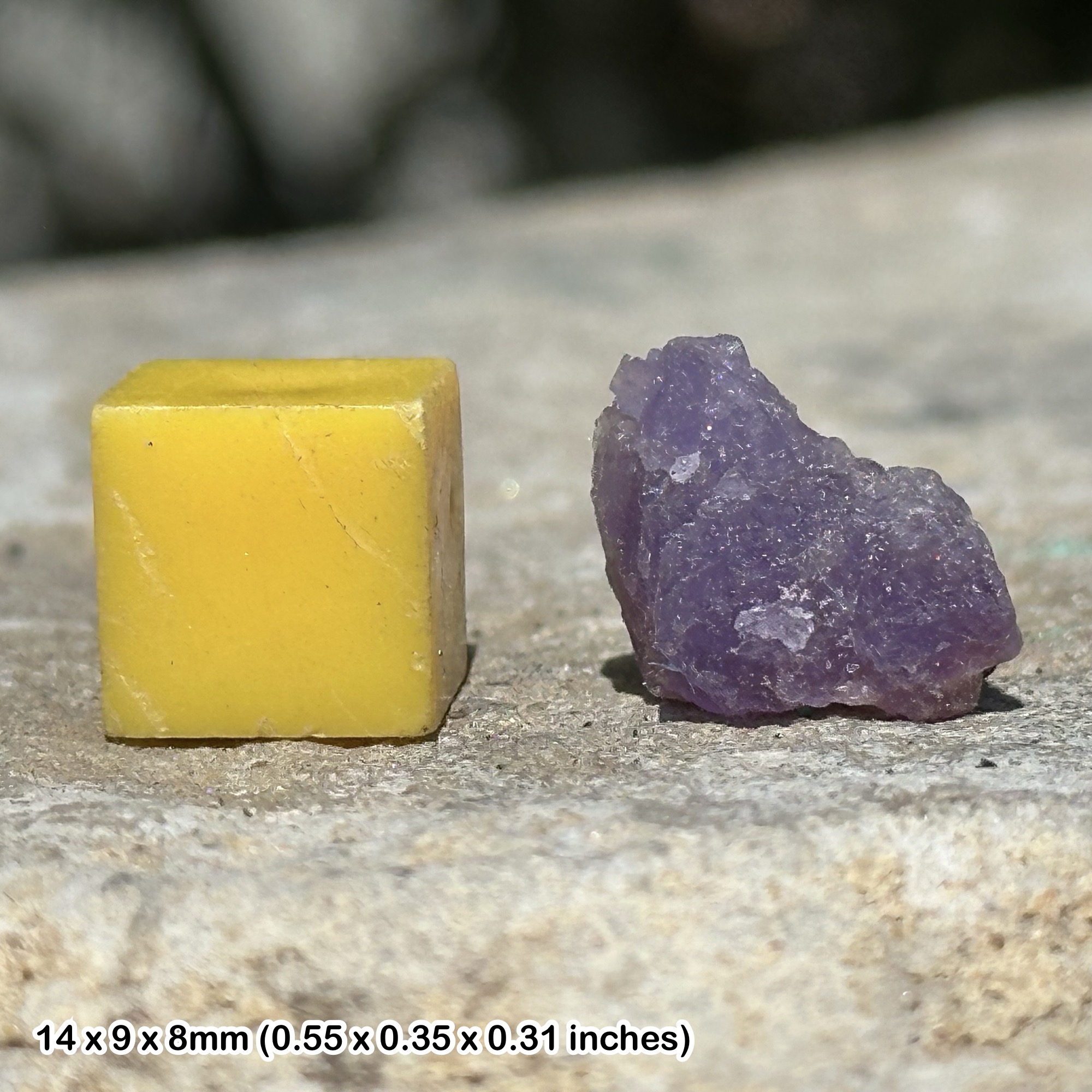
golden variety of quartz admired for its warm colour and natural crystal clarity. Carefully selected for its quality and visual character, this specimen is suitable for mineral collectors, gemstone enthusiasts, or decorative crystal displays.The photograph in this listing shows the exact specimen you will receive, allowing you to clearly examine the natural colour, crystal surfaces, and internal mineral structure before purchase. Each crystal develops unique features during formation, making every specimen visually distinctive.This crystal includes a Certificate of Authenticity lifetime guarantee generic card, confirming that the specimen is genuine natural quartz. Full sizing information can be seen in the listing photographs to provide an accurate reference of scale.Mineral Identification and Scientific ClassificationCitrine is a yellow to golden variety of quartz, composed primarily of silicon dioxide (SiO₂). It belongs to the quartz mineral family and crystallises in the trigonal crystal system, commonly forming six-sided prismatic crystals with pointed terminations.The characteristic colour of Citrine ranges from pale yellow to deep amber tones and is typically caused by trace amounts of iron within the quartz crystal lattice. Geological conditions such as natural irradiation and temperature changes influence the intensity of the colour during crystal formation.Key mineralogical properties include:
• Mineral group: Quartz
• Chemical composition: Silicon dioxide (SiO₂)
• Crystal system: Trigonal
• Hardness: 7 on the Mohs scale
• Lustre: Vitreous
• Transparency: Transparent to translucent
• Typical colours: Pale yellow, honey, golden amber, or smoky golden tonesQuartz crystals are among the most abundant minerals on Earth and occur in a wide range of geological environments.Geological Formation and Natural OccurrenceCitrine typically forms in hydrothermal veins and volcanic rock cavities, where silica-rich fluids crystallise slowly under stable temperature and pressure conditions. Over long geological periods, dissolved silica begins to form quartz crystals inside open cavities, fractures, or geodes.Brazil is one of the most famous sources of quartz crystals, including Citrine, due to its extensive pegmatite and hydrothermal mineral deposits. These geological environments provide ideal conditions for the formation of well-developed quartz crystals with good transparency and colour.Quartz minerals often occur alongside other minerals such as:
• Amethyst
• Smoky quartz
• Calcite
• Feldspar
• TourmalineThese minerals frequently form together in hydrothermal mineral veins or pegmatite systems.Colour Characteristics and Natural Crystal FeaturesCitrine crystals are valued for their warm golden tones, which can vary depending on trace elements and formation conditions. Colour variations may include:
• Pale yellow
• Lemon yellow
• Honey gold
• Amber or golden-brown tonesSome specimens may display subtle colour zoning where the crystal shows slightly darker or lighter sections depending on how the trace elements were incorporated during growth.Natural inclusions, internal veils, or minor fractures may sometimes be present and are typical features of quartz crystals formed in natural geological environments.Brazilian Quartz DepositsBrazil has long been recognised as one of the world’s most significant sources of quartz crystals. The country’s geological landscape contains numerous mineral-rich pegmatites and hydrothermal vein systems, which allow large quartz crystals to grow over extended periods.Many quartz deposits in Brazil occur within volcanic or metamorphic regions, where silica-rich fluids circulated through fractures in rock formations millions of years ago. These geological conditions contributed to the formation of the high-quality quartz crystals widely collected today.Brazilian quartz specimens are widely appreciated for their clarity, crystal development, and attractive colour variations.Mineral Collecting and Display ValueCitrine quartz is highly valued in mineral collections due to its colour and crystal structure. Well-formed crystals are commonly displayed in mineral cabinets, gemstone collections, or decorative displays where their natural colour and crystal form can be appreciated.Collectors often seek Citrine specimens for:
• Their distinctive golden colour
• Association with quartz mineral deposits
• Attractive crystal structure
• Geological significance within hydrothermal mineral formationsQuartz crystals are also commonly used as educational specimens in geology collections due to their well-defined crystal structure.Cultural and Traditional ContextIn some crystal collecting traditions, Citrine is traditionally associated with prosperity and positive outlook, and specimens may appear in decorative or symbolic displays. These interpretations reflect cultural traditions rather than scientifically established mineral properties.Authenticity and Specimen Details
• Genuine A Grade Citrine quartz crystal
• Origin: Brazil
• Natural quartz mineral specimen
• Carefully selected display-quality crystal
• Exact piece shown in listing photographs
• Full sizing reference available in images
• Includes Certificate of Authenticity lifetime guarantee generic cardEach Citrine crystal forms naturally through long geological processes, producing unique variations in colour, clarity, and crystal structure that make every specimen distinctive.
golden variety of quartz admired for its warm colour and natural crystal clarity. Carefully selected for its quality and visual character, this specimen is suitable for mineral collectors, gemstone enthusiasts, or decorative crystal displays.The photograph in this listing shows the exact specimen you will receive, allowing you to clearly examine the natural colour, crystal surfaces, and internal mineral structure before purchase. Each crystal develops unique features during formation, making every specimen visually distinctive.This crystal includes a Certificate of Authenticity lifetime guarantee generic card, confirming that the specimen is genuine natural quartz. Full sizing information can be seen in the listing photographs to provide an accurate reference of scale.Mineral Identification and Scientific ClassificationCitrine is a yellow to golden variety of quartz, composed primarily of silicon dioxide (SiO₂). It belongs to the quartz mineral family and crystallises in the trigonal crystal system, commonly forming six-sided prismatic crystals with pointed terminations.The characteristic colour of Citrine ranges from pale yellow to deep amber tones and is typically caused by trace amounts of iron within the quartz crystal lattice. Geological conditions such as natural irradiation and temperature changes influence the intensity of the colour during crystal formation.Key mineralogical properties include:
• Mineral group: Quartz
• Chemical composition: Silicon dioxide (SiO₂)
• Crystal system: Trigonal
• Hardness: 7 on the Mohs scale
• Lustre: Vitreous
• Transparency: Transparent to translucent
• Typical colours: Pale yellow, honey, golden amber, or smoky golden tonesQuartz crystals are among the most abundant minerals on Earth and occur in a wide range of geological environments.Geological Formation and Natural OccurrenceCitrine typically forms in hydrothermal veins and volcanic rock cavities, where silica-rich fluids crystallise slowly under stable temperature and pressure conditions. Over long geological periods, dissolved silica begins to form quartz crystals inside open cavities, fractures, or geodes.Brazil is one of the most famous sources of quartz crystals, including Citrine, due to its extensive pegmatite and hydrothermal mineral deposits. These geological environments provide ideal conditions for the formation of well-developed quartz crystals with good transparency and colour.Quartz minerals often occur alongside other minerals such as:
• Amethyst
• Smoky quartz
• Calcite
• Feldspar
• TourmalineThese minerals frequently form together in hydrothermal mineral veins or pegmatite systems.Colour Characteristics and Natural Crystal FeaturesCitrine crystals are valued for their warm golden tones, which can vary depending on trace elements and formation conditions. Colour variations may include:
• Pale yellow
• Lemon yellow
• Honey gold
• Amber or golden-brown tonesSome specimens may display subtle colour zoning where the crystal shows slightly darker or lighter sections depending on how the trace elements were incorporated during growth.Natural inclusions, internal veils, or minor fractures may sometimes be present and are typical features of quartz crystals formed in natural geological environments.Brazilian Quartz DepositsBrazil has long been recognised as one of the world’s most significant sources of quartz crystals. The country’s geological landscape contains numerous mineral-rich pegmatites and hydrothermal vein systems, which allow large quartz crystals to grow over extended periods.Many quartz deposits in Brazil occur within volcanic or metamorphic regions, where silica-rich fluids circulated through fractures in rock formations millions of years ago. These geological conditions contributed to the formation of the high-quality quartz crystals widely collected today.Brazilian quartz specimens are widely appreciated for their clarity, crystal development, and attractive colour variations.Mineral Collecting and Display ValueCitrine quartz is highly valued in mineral collections due to its colour and crystal structure. Well-formed crystals are commonly displayed in mineral cabinets, gemstone collections, or decorative displays where their natural colour and crystal form can be appreciated.Collectors often seek Citrine specimens for:
• Their distinctive golden colour
• Association with quartz mineral deposits
• Attractive crystal structure
• Geological significance within hydrothermal mineral formationsQuartz crystals are also commonly used as educational specimens in geology collections due to their well-defined crystal structure.Cultural and Traditional ContextIn some crystal collecting traditions, Citrine is traditionally associated with prosperity and positive outlook, and specimens may appear in decorative or symbolic displays. These interpretations reflect cultural traditions rather than scientifically established mineral properties.Authenticity and Specimen Details
• Genuine A Grade Citrine quartz crystal
• Origin: Brazil
• Natural quartz mineral specimen
• Carefully selected display-quality crystal
• Exact piece shown in listing photographs
• Full sizing reference available in images
• Includes Certificate of Authenticity lifetime guarantee generic cardEach Citrine crystal forms naturally through long geological processes, producing unique variations in colour, clarity, and crystal structure that make every specimen distinctive.
Other Products