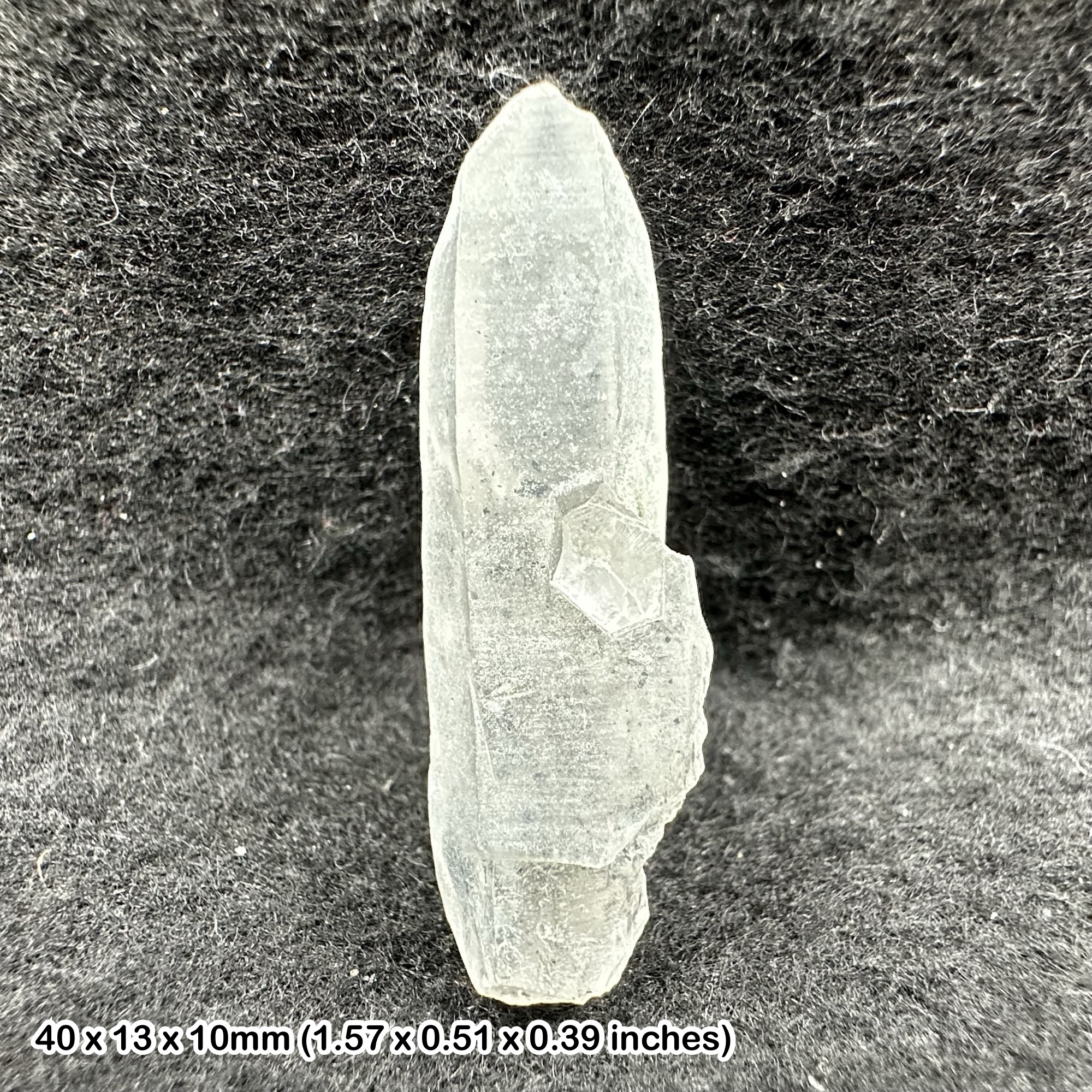
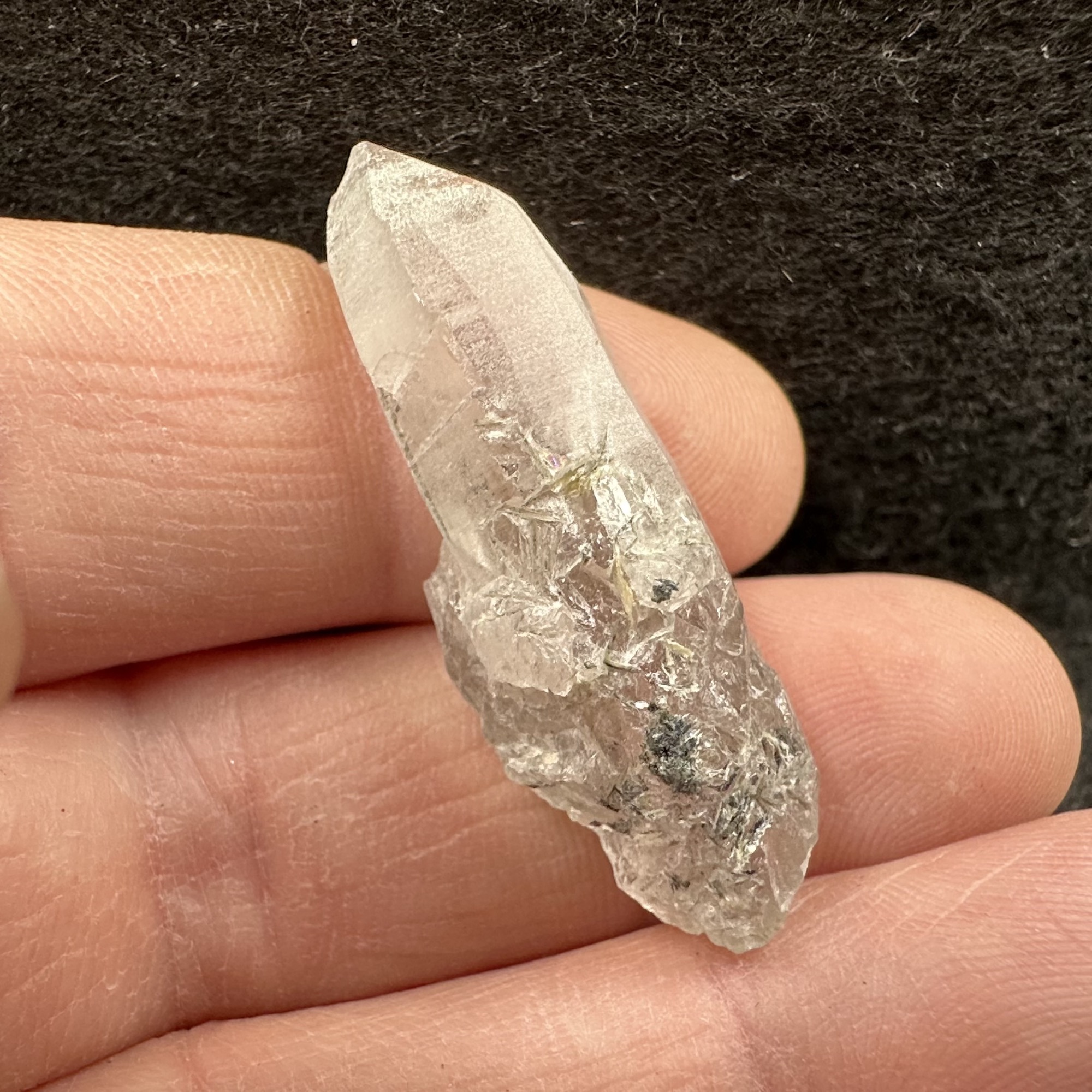
Himalayan Quartz Crystal India Natural Clear Quartz Point Mineral Specimen Collector Display Piece Genuine with Certificate of Authenticity
£ 9.00
NATURAL HIMALAYAN QUARTZ CRYSTAL FROM INDIAThis genuine Himalayan Quartz crystal specimen from India showcases the natural
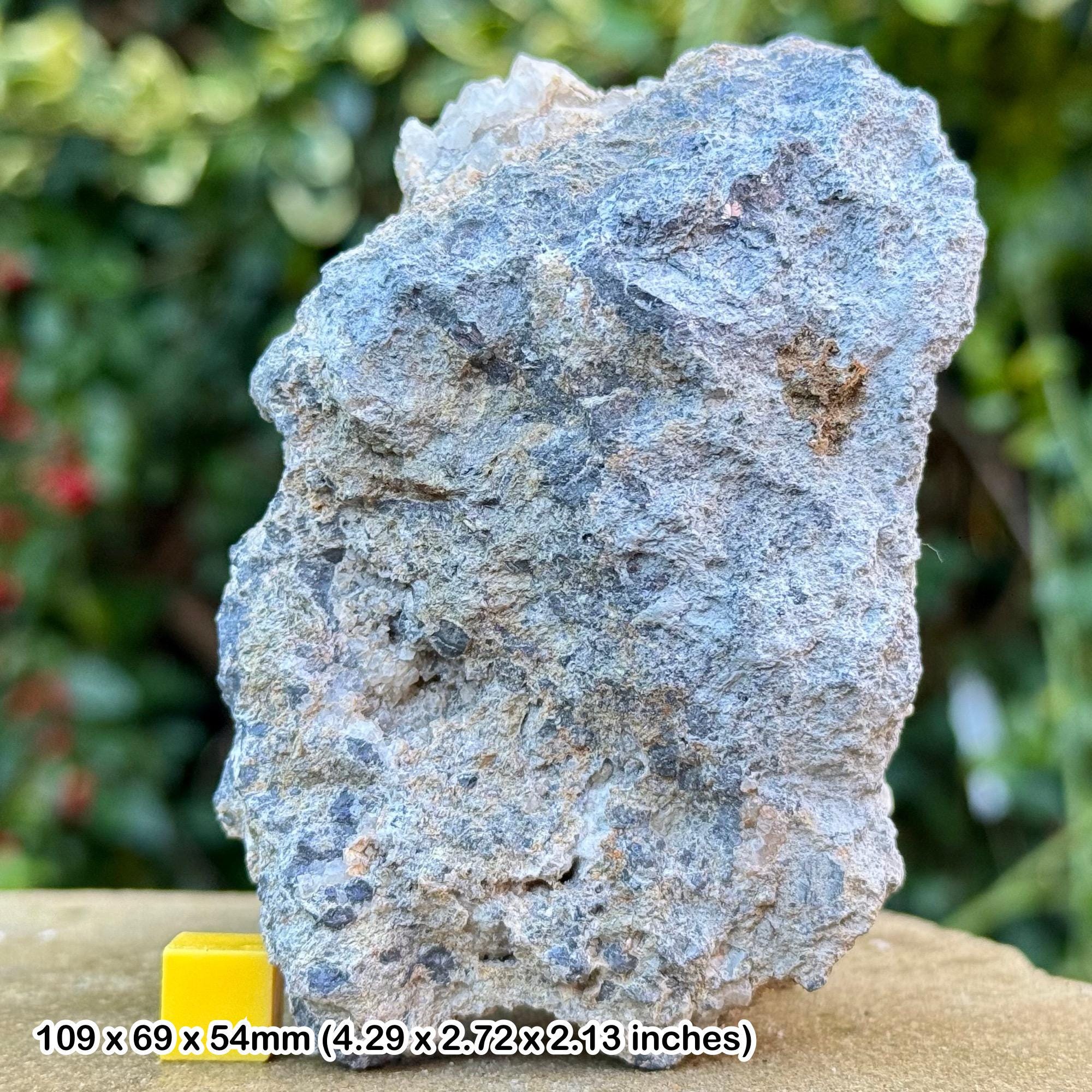
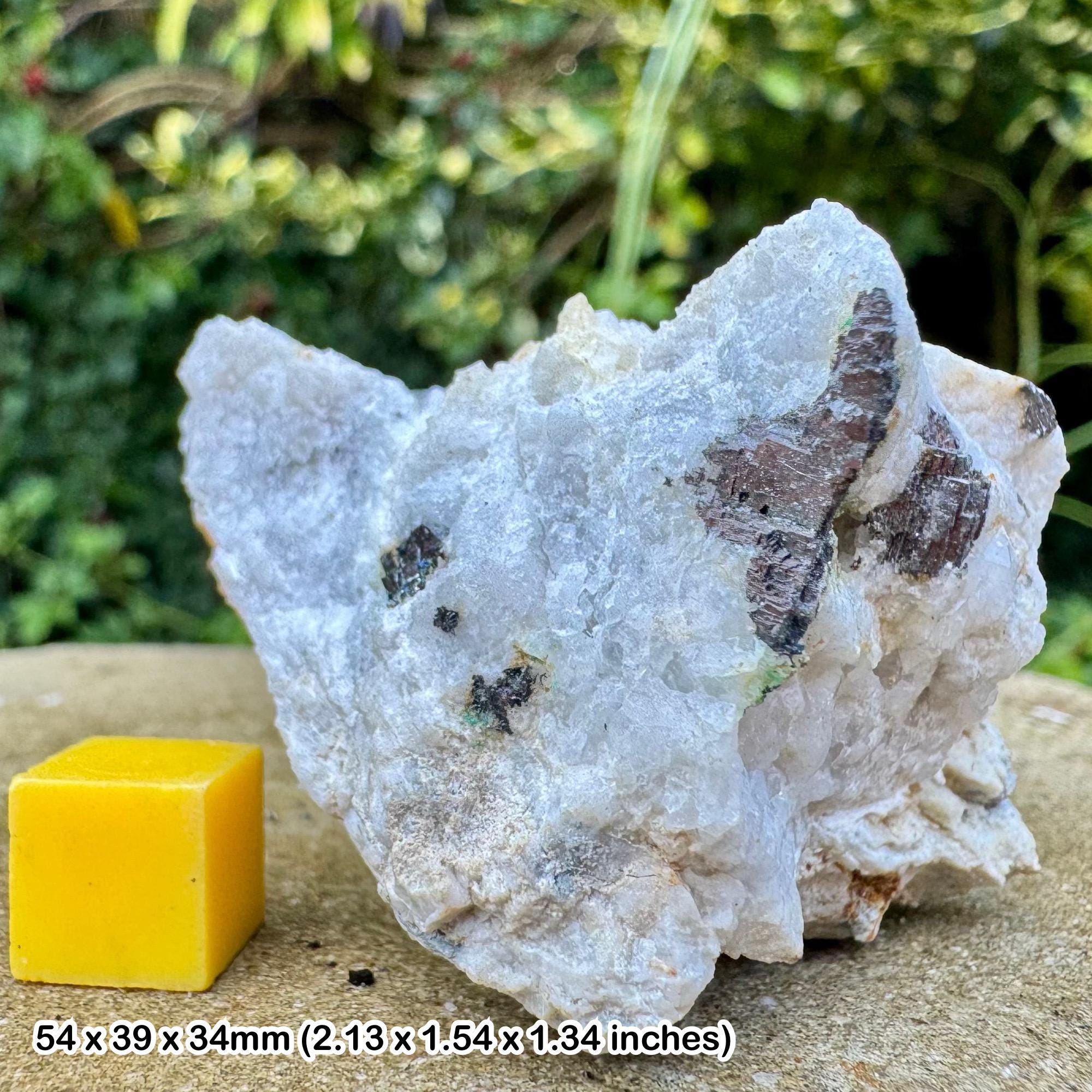
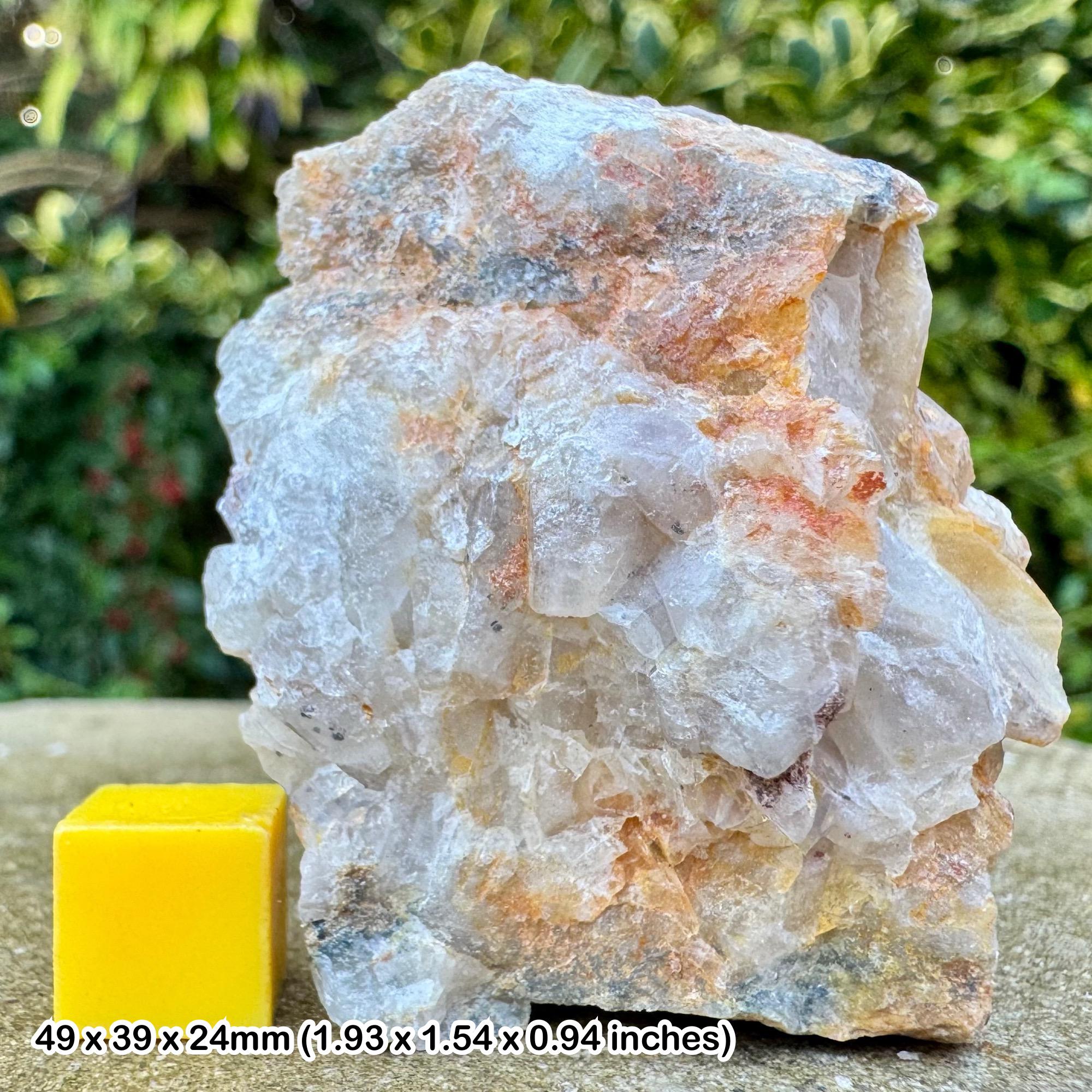
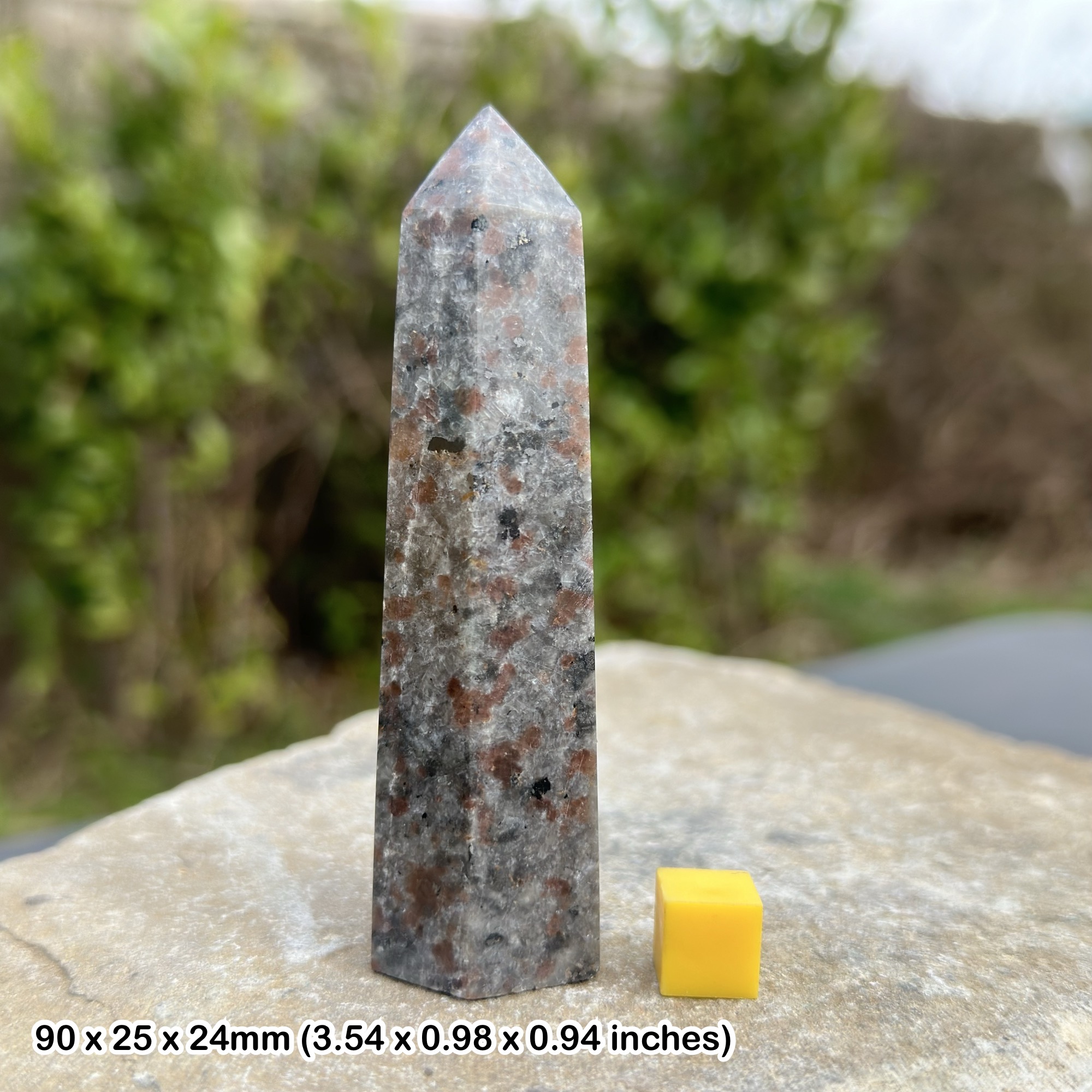
clarity and well-formed crystal structure associated with quartz crystals sourced from the Himalayan mountain region. Carefully selected for its natural shape and crystal development, this specimen highlights the classic prismatic crystal form that makes quartz one of the most recognisable minerals in the world.The listing photographs display the exact specimen you will receive, allowing collectors to examine the crystal termination, transparency, and natural mineral features before purchase. Each Himalayan quartz crystal is unique, reflecting the geological conditions present during its formation deep within mountainous mineral veins. MINERAL IDENTIFICATION AND SCIENTIFIC CLASSIFICATIONQuartz is a silicon dioxide mineral and one of the most abundant minerals found in the Earth’s crust. It belongs to the tectosilicate mineral group and forms well-defined crystals in a wide range of geological environments.Key mineralogical characteristics include:
• Mineral Species: Quartz
• Chemical Formula: SiO₂ (Silicon Dioxide)
• Mineral Group: Tectosilicates
• Crystal System: Trigonal
• Mohs Hardness: 7
• Lustre: Vitreous
• Transparency: Transparent to translucent
• Typical Crystal Habit: Six-sided prismatic crystals with pointed terminationsQuartz crystals often develop as elongated hexagonal prisms capped by pyramid-shaped crystal terminations. These geometric forms result from the orderly arrangement of silicon and oxygen atoms during crystal growth. GEOLOGICAL FORMATION OF HIMALAYAN QUARTZHimalayan quartz forms within hydrothermal veins and fractures in high-altitude metamorphic and igneous rock formations. These crystals develop when silica-rich fluids circulate through cracks in rock under elevated temperature and pressure conditions.As the mineral-rich fluids cool or undergo chemical changes, dissolved silica begins to crystallise along the walls of these fractures. Over time, quartz crystals grow inward into open spaces, gradually forming the prismatic crystal structures commonly seen in mineral specimens.The Himalayan mountain region contains complex geological formations created through tectonic activity and mountain building processes. These environments provide ideal conditions for hydrothermal mineral formation. HIMALAYAN MINERAL LOCALITIESQuartz crystals from the Himalayan region are typically recovered from high-altitude mineral deposits in northern India, where geological uplift and erosion have exposed mineral-bearing veins. In some areas, crystals are discovered within cavities in metamorphic rock formations where silica-rich fluids once circulated.The rugged terrain and high elevations of the Himalayas mean that many of these crystals are recovered through small-scale collection efforts rather than large mining operations. As a result, Himalayan quartz specimens are widely appreciated for their natural appearance and geological origin. CRYSTAL STRUCTURE AND NATURAL FEATURESHimalayan quartz crystals often display well-defined hexagonal prism structures with natural terminations. Many specimens exhibit transparent or translucent crystal faces that reflect light from the smooth natural surfaces.Common natural features found in quartz crystals may include:
• Sharp prismatic crystal faces
• Natural growth striations along the crystal length
• Internal inclusions formed during crystal growth
• Minor surface features resulting from geological conditionsThese features provide evidence of the natural crystal growth process and contribute to the uniqueness of each specimen. COLOUR AND TRANSPARENCYClear quartz from the Himalayan region is often valued for its high clarity and natural transparency. Depending on the formation conditions, crystals may appear fully transparent or contain faint internal inclusions or cloudiness.The clarity of quartz crystals allows light to pass through the mineral, highlighting the internal crystal structure and natural geometry of the specimen. MINERAL COLLECTING AND DISPLAYQuartz is one of the most widely collected minerals due to its durability, crystal form, and geological importance. Himalayan quartz specimens are particularly appealing to collectors because of their association with mountainous mineral deposits and natural crystal formations.Collectors value Himalayan quartz crystals for:
• Classic hexagonal crystal structure
• Natural transparency and clarity
• Geological origin in mountain hydrothermal veins
• Well-formed natural crystal terminationsSpecimens such as this are commonly displayed in mineral collections, geological displays, natural history cabinets, or decorative mineral arrangements. CULTURAL AND TRADITIONAL ASSOCIATIONSQuartz crystals have appeared in decorative objects and cultural traditions across many societies throughout history. In some traditions, clear quartz crystals are traditionally associated with clarity and symbolic reflection, interpretations derived from cultural symbolism rather than scientific properties. AUTHENTICITY AND CERTIFICATE OF AUTHENTICITYThis Himalayan Quartz crystal from India is a genuine natural mineral specimen. Each purchase includes a Certificate of Authenticity lifetime guarantee generic card, confirming the authenticity of the crystal.The listing photographs clearly show the exact crystal you will receive, ensuring collectors and buyers know precisely which specimen they are purchasing. SIZE AND SPECIMEN DETAILSPlease refer to the listing photographs for full sizing and scale of the specimen. Images clearly display the crystal termination, surface features, and natural mineral structure so buyers can accurately evaluate the piece before purchase.This Himalayan Quartz crystal from India represents a classic example of natural quartz crystallisation within hydrothermal mountain deposits and offers an excellent addition to any mineral collection, geological display, or natural crystal cabinet.
clarity and well-formed crystal structure associated with quartz crystals sourced from the Himalayan mountain region. Carefully selected for its natural shape and crystal development, this specimen highlights the classic prismatic crystal form that makes quartz one of the most recognisable minerals in the world.The listing photographs display the exact specimen you will receive, allowing collectors to examine the crystal termination, transparency, and natural mineral features before purchase. Each Himalayan quartz crystal is unique, reflecting the geological conditions present during its formation deep within mountainous mineral veins. MINERAL IDENTIFICATION AND SCIENTIFIC CLASSIFICATIONQuartz is a silicon dioxide mineral and one of the most abundant minerals found in the Earth’s crust. It belongs to the tectosilicate mineral group and forms well-defined crystals in a wide range of geological environments.Key mineralogical characteristics include:
• Mineral Species: Quartz
• Chemical Formula: SiO₂ (Silicon Dioxide)
• Mineral Group: Tectosilicates
• Crystal System: Trigonal
• Mohs Hardness: 7
• Lustre: Vitreous
• Transparency: Transparent to translucent
• Typical Crystal Habit: Six-sided prismatic crystals with pointed terminationsQuartz crystals often develop as elongated hexagonal prisms capped by pyramid-shaped crystal terminations. These geometric forms result from the orderly arrangement of silicon and oxygen atoms during crystal growth. GEOLOGICAL FORMATION OF HIMALAYAN QUARTZHimalayan quartz forms within hydrothermal veins and fractures in high-altitude metamorphic and igneous rock formations. These crystals develop when silica-rich fluids circulate through cracks in rock under elevated temperature and pressure conditions.As the mineral-rich fluids cool or undergo chemical changes, dissolved silica begins to crystallise along the walls of these fractures. Over time, quartz crystals grow inward into open spaces, gradually forming the prismatic crystal structures commonly seen in mineral specimens.The Himalayan mountain region contains complex geological formations created through tectonic activity and mountain building processes. These environments provide ideal conditions for hydrothermal mineral formation. HIMALAYAN MINERAL LOCALITIESQuartz crystals from the Himalayan region are typically recovered from high-altitude mineral deposits in northern India, where geological uplift and erosion have exposed mineral-bearing veins. In some areas, crystals are discovered within cavities in metamorphic rock formations where silica-rich fluids once circulated.The rugged terrain and high elevations of the Himalayas mean that many of these crystals are recovered through small-scale collection efforts rather than large mining operations. As a result, Himalayan quartz specimens are widely appreciated for their natural appearance and geological origin. CRYSTAL STRUCTURE AND NATURAL FEATURESHimalayan quartz crystals often display well-defined hexagonal prism structures with natural terminations. Many specimens exhibit transparent or translucent crystal faces that reflect light from the smooth natural surfaces.Common natural features found in quartz crystals may include:
• Sharp prismatic crystal faces
• Natural growth striations along the crystal length
• Internal inclusions formed during crystal growth
• Minor surface features resulting from geological conditionsThese features provide evidence of the natural crystal growth process and contribute to the uniqueness of each specimen. COLOUR AND TRANSPARENCYClear quartz from the Himalayan region is often valued for its high clarity and natural transparency. Depending on the formation conditions, crystals may appear fully transparent or contain faint internal inclusions or cloudiness.The clarity of quartz crystals allows light to pass through the mineral, highlighting the internal crystal structure and natural geometry of the specimen. MINERAL COLLECTING AND DISPLAYQuartz is one of the most widely collected minerals due to its durability, crystal form, and geological importance. Himalayan quartz specimens are particularly appealing to collectors because of their association with mountainous mineral deposits and natural crystal formations.Collectors value Himalayan quartz crystals for:
• Classic hexagonal crystal structure
• Natural transparency and clarity
• Geological origin in mountain hydrothermal veins
• Well-formed natural crystal terminationsSpecimens such as this are commonly displayed in mineral collections, geological displays, natural history cabinets, or decorative mineral arrangements. CULTURAL AND TRADITIONAL ASSOCIATIONSQuartz crystals have appeared in decorative objects and cultural traditions across many societies throughout history. In some traditions, clear quartz crystals are traditionally associated with clarity and symbolic reflection, interpretations derived from cultural symbolism rather than scientific properties. AUTHENTICITY AND CERTIFICATE OF AUTHENTICITYThis Himalayan Quartz crystal from India is a genuine natural mineral specimen. Each purchase includes a Certificate of Authenticity lifetime guarantee generic card, confirming the authenticity of the crystal.The listing photographs clearly show the exact crystal you will receive, ensuring collectors and buyers know precisely which specimen they are purchasing. SIZE AND SPECIMEN DETAILSPlease refer to the listing photographs for full sizing and scale of the specimen. Images clearly display the crystal termination, surface features, and natural mineral structure so buyers can accurately evaluate the piece before purchase.This Himalayan Quartz crystal from India represents a classic example of natural quartz crystallisation within hydrothermal mountain deposits and offers an excellent addition to any mineral collection, geological display, or natural crystal cabinet.
Other Products