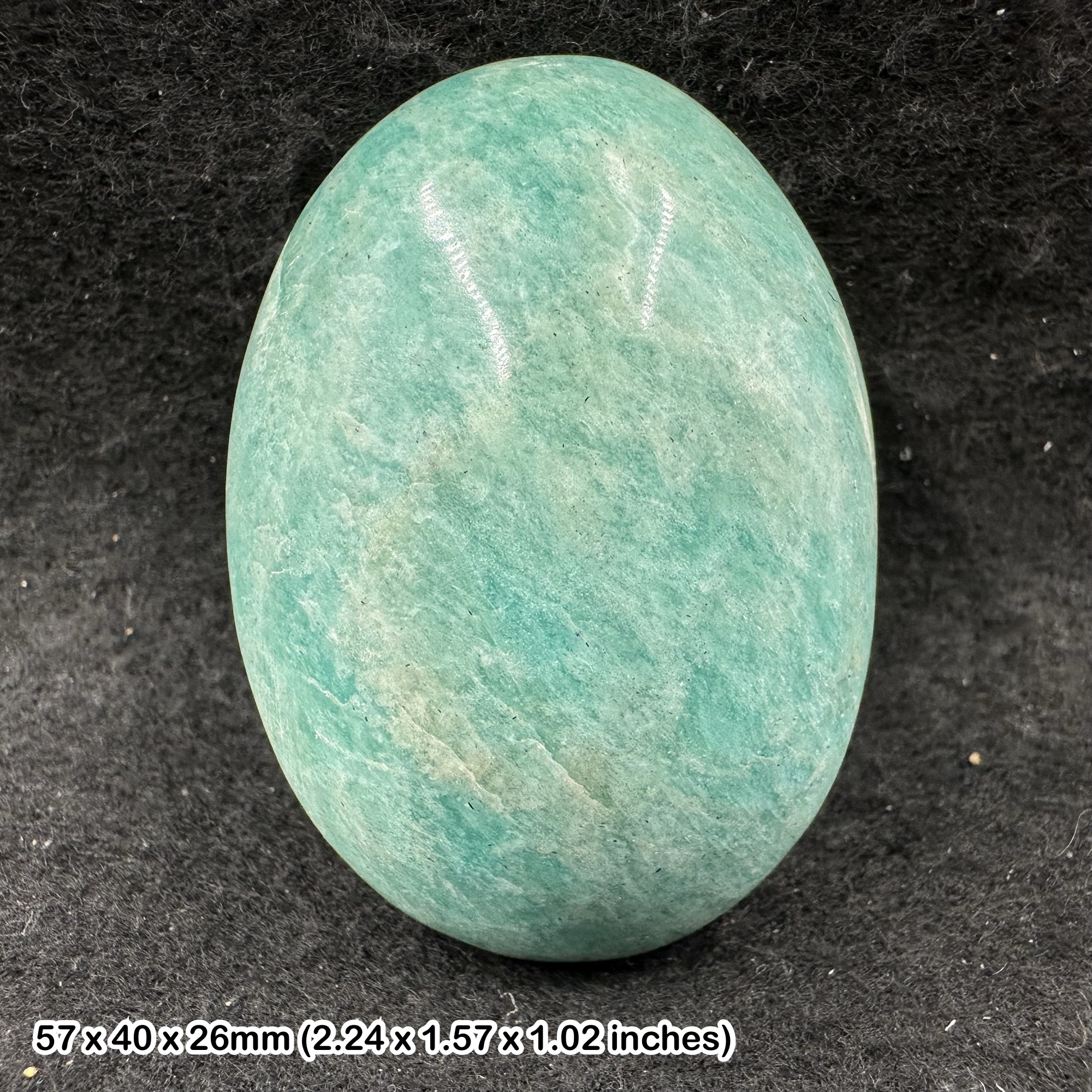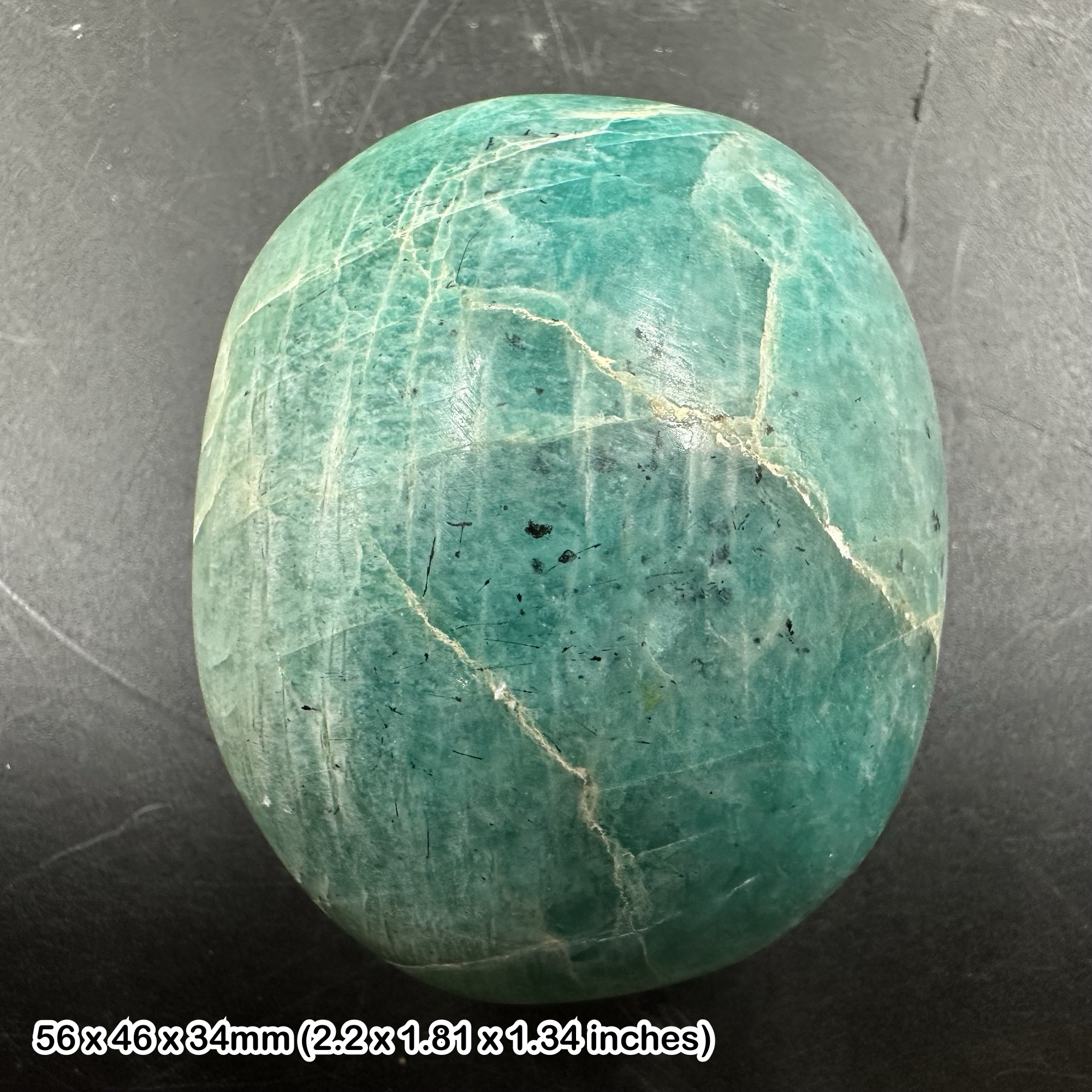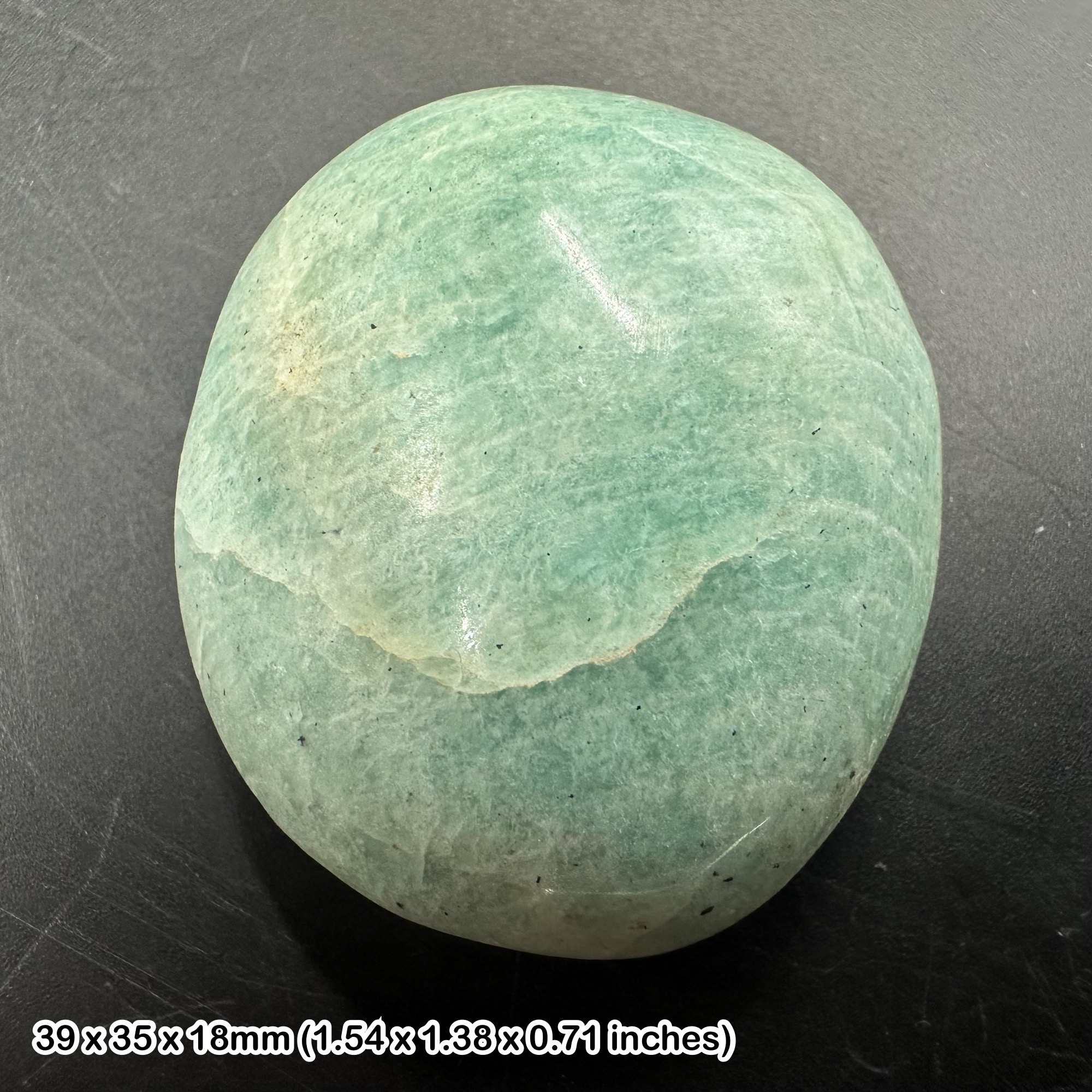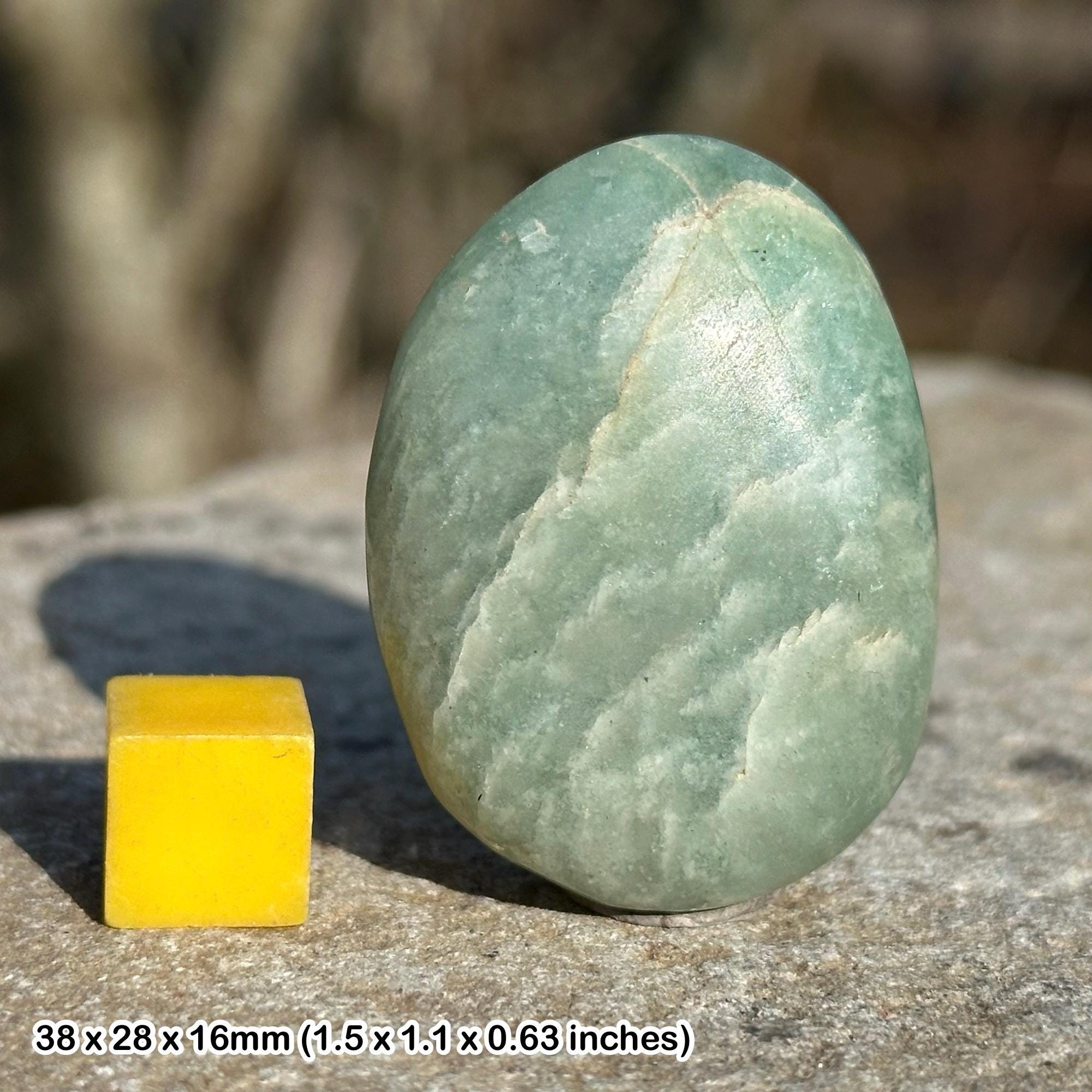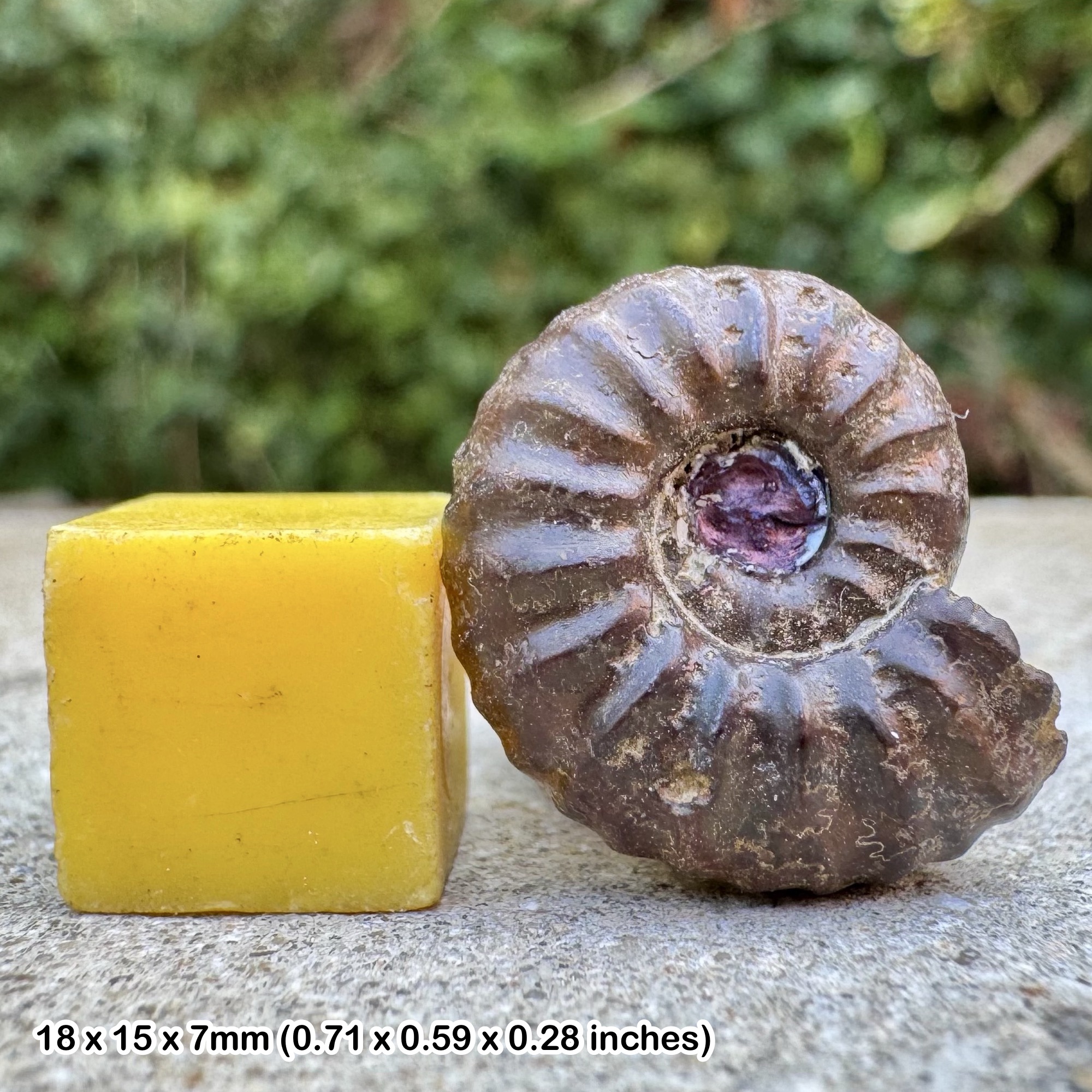
Fossil Ammonite Hysteroceras varicosum Genuine Cretaceous Lower Albian France Specimen
£ 6.90
GENUINE FOSSIL AMMONITE – HYSTEROCERAS VARICOSUMThis listing is for a rare and well-preserved Fossil Ammonite of the species
Hysteroceras varicosum, originating from the Lower Albian stage of the Early Cretaceous Period, discovered in France. At approximately 113–110 million years old, this ammonite is an important species within the Albian ammonite succession and serves as a highly recognisable fossil due to its ornate ribbing and distinctive morphology. This specimen was carefully chosen for its preservation and represents both a collector’s treasure and a scientifically valuable piece of natural history. THE SPECIES – HYSTEROCERAS VARICOSUMHysteroceras is part of the Order Ammonitida, Superfamily Acanthoceratoidea, and Family Brancoceratidae. The species varicosum is particularly important because it defines the Varicosum Zone, a key ammonite biozone within the Lower Albian. Its ornate ribbing, irregularly thickened growth structures, and strong ornamentation make it instantly identifiable. For paleontologists, this ammonite is one of the most useful index fossils of the Early Cretaceous, allowing rock layers of this age to be precisely dated and correlated across Europe and beyond. GEOLOGICAL CONTEXT – LOWER ALBIAN, EARLY CRETACEOUSThe Lower Albian stage, spanning 113–110 million years ago, represents a dynamic interval of the Cretaceous when ammonites flourished in the warm shallow seas of Europe. The fossiliferous deposits of France from this time are part of a series of marine sediments laid down along the margins of the ancient Tethys Ocean. These conditions supported diverse ecosystems, with ammonites, belemnites, bivalves, gastropods, and marine reptiles all thriving. The preservation of Hysteroceras varicosum in these sediments makes French deposits some of the most important for understanding Albian stratigraphy worldwide. MORPHOLOGICAL FEATURES OF THE FOSSILThis specimen of Hysteroceras varicosum displays the defining characteristics of the species:
• Planispiral shell coiling, with a tightly wound symmetrical spiral.
• Strong, ornate ribbing with irregularly thickened growth lines and varices (swollen ribs), giving the shell a textured appearance.
• Compressed whorl section, producing an elegant, narrow outline.
• Suture lines visible along parts of the fossil, showing the complex internal chamber divisions typical of ammonites.The fossil is shown with a 1 cm scale cube for accurate size reference. The specimen in the photographs is the exact piece you will receive, carefully selected for its scientific value and display quality. SCIENTIFIC IMPORTANCEHysteroceras varicosum is one of the most important ammonites in stratigraphy, used to define the Varicosum Biozone within the Lower Albian. As an index fossil, it is crucial for dating and correlating Cretaceous marine sediments. Its widespread distribution across Europe and beyond makes it invaluable for constructing a precise geological timescale. For collectors, it is also a highly sought-after ammonite due to its ornate and easily recognisable morphology. PROVENANCE AND AUTHENTICITY
• Species: Hysteroceras varicosum
• Age: Lower Albian, Early Cretaceous (~113–110 million years old)
• Locality: France
• Family: Brancoceratidae
• Superfamily: Acanthoceratoidea
• Order: AmmonitidaEvery specimen is guaranteed 100% genuine and is supplied with a Certificate of Authenticity, ensuring full confidence in its authenticity and provenance. WHY THIS FOSSIL IS EXCEPTIONAL
• A scientifically significant ammonite defining the Varicosum Biozone of the Lower Albian.
• Beautifully preserved with characteristic ornate ribbing and varices.
• From the fossil-rich Cretaceous deposits of France.
• Supplied with a Certificate of Authenticity, guaranteeing authenticity.This Hysteroceras varicosum ammonite fossil is a rare and valuable specimen, combining scientific importance with striking natural beauty, making it an exceptional addition to any fossil collection or natural history display.
Hysteroceras varicosum, originating from the Lower Albian stage of the Early Cretaceous Period, discovered in France. At approximately 113–110 million years old, this ammonite is an important species within the Albian ammonite succession and serves as a highly recognisable fossil due to its ornate ribbing and distinctive morphology. This specimen was carefully chosen for its preservation and represents both a collector’s treasure and a scientifically valuable piece of natural history. THE SPECIES – HYSTEROCERAS VARICOSUMHysteroceras is part of the Order Ammonitida, Superfamily Acanthoceratoidea, and Family Brancoceratidae. The species varicosum is particularly important because it defines the Varicosum Zone, a key ammonite biozone within the Lower Albian. Its ornate ribbing, irregularly thickened growth structures, and strong ornamentation make it instantly identifiable. For paleontologists, this ammonite is one of the most useful index fossils of the Early Cretaceous, allowing rock layers of this age to be precisely dated and correlated across Europe and beyond. GEOLOGICAL CONTEXT – LOWER ALBIAN, EARLY CRETACEOUSThe Lower Albian stage, spanning 113–110 million years ago, represents a dynamic interval of the Cretaceous when ammonites flourished in the warm shallow seas of Europe. The fossiliferous deposits of France from this time are part of a series of marine sediments laid down along the margins of the ancient Tethys Ocean. These conditions supported diverse ecosystems, with ammonites, belemnites, bivalves, gastropods, and marine reptiles all thriving. The preservation of Hysteroceras varicosum in these sediments makes French deposits some of the most important for understanding Albian stratigraphy worldwide. MORPHOLOGICAL FEATURES OF THE FOSSILThis specimen of Hysteroceras varicosum displays the defining characteristics of the species:
• Planispiral shell coiling, with a tightly wound symmetrical spiral.
• Strong, ornate ribbing with irregularly thickened growth lines and varices (swollen ribs), giving the shell a textured appearance.
• Compressed whorl section, producing an elegant, narrow outline.
• Suture lines visible along parts of the fossil, showing the complex internal chamber divisions typical of ammonites.The fossil is shown with a 1 cm scale cube for accurate size reference. The specimen in the photographs is the exact piece you will receive, carefully selected for its scientific value and display quality. SCIENTIFIC IMPORTANCEHysteroceras varicosum is one of the most important ammonites in stratigraphy, used to define the Varicosum Biozone within the Lower Albian. As an index fossil, it is crucial for dating and correlating Cretaceous marine sediments. Its widespread distribution across Europe and beyond makes it invaluable for constructing a precise geological timescale. For collectors, it is also a highly sought-after ammonite due to its ornate and easily recognisable morphology. PROVENANCE AND AUTHENTICITY
• Species: Hysteroceras varicosum
• Age: Lower Albian, Early Cretaceous (~113–110 million years old)
• Locality: France
• Family: Brancoceratidae
• Superfamily: Acanthoceratoidea
• Order: AmmonitidaEvery specimen is guaranteed 100% genuine and is supplied with a Certificate of Authenticity, ensuring full confidence in its authenticity and provenance. WHY THIS FOSSIL IS EXCEPTIONAL
• A scientifically significant ammonite defining the Varicosum Biozone of the Lower Albian.
• Beautifully preserved with characteristic ornate ribbing and varices.
• From the fossil-rich Cretaceous deposits of France.
• Supplied with a Certificate of Authenticity, guaranteeing authenticity.This Hysteroceras varicosum ammonite fossil is a rare and valuable specimen, combining scientific importance with striking natural beauty, making it an exceptional addition to any fossil collection or natural history display.
Other Products