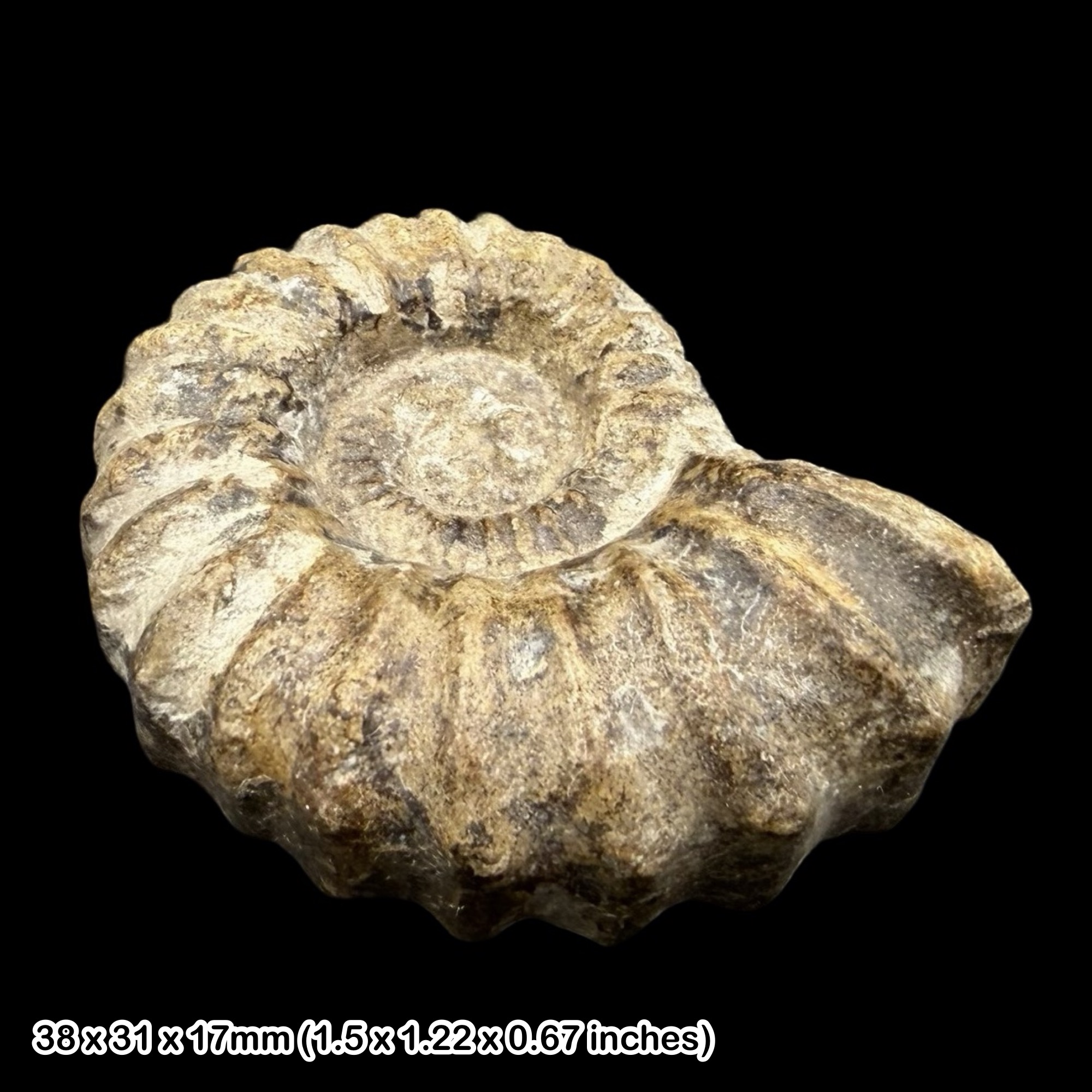
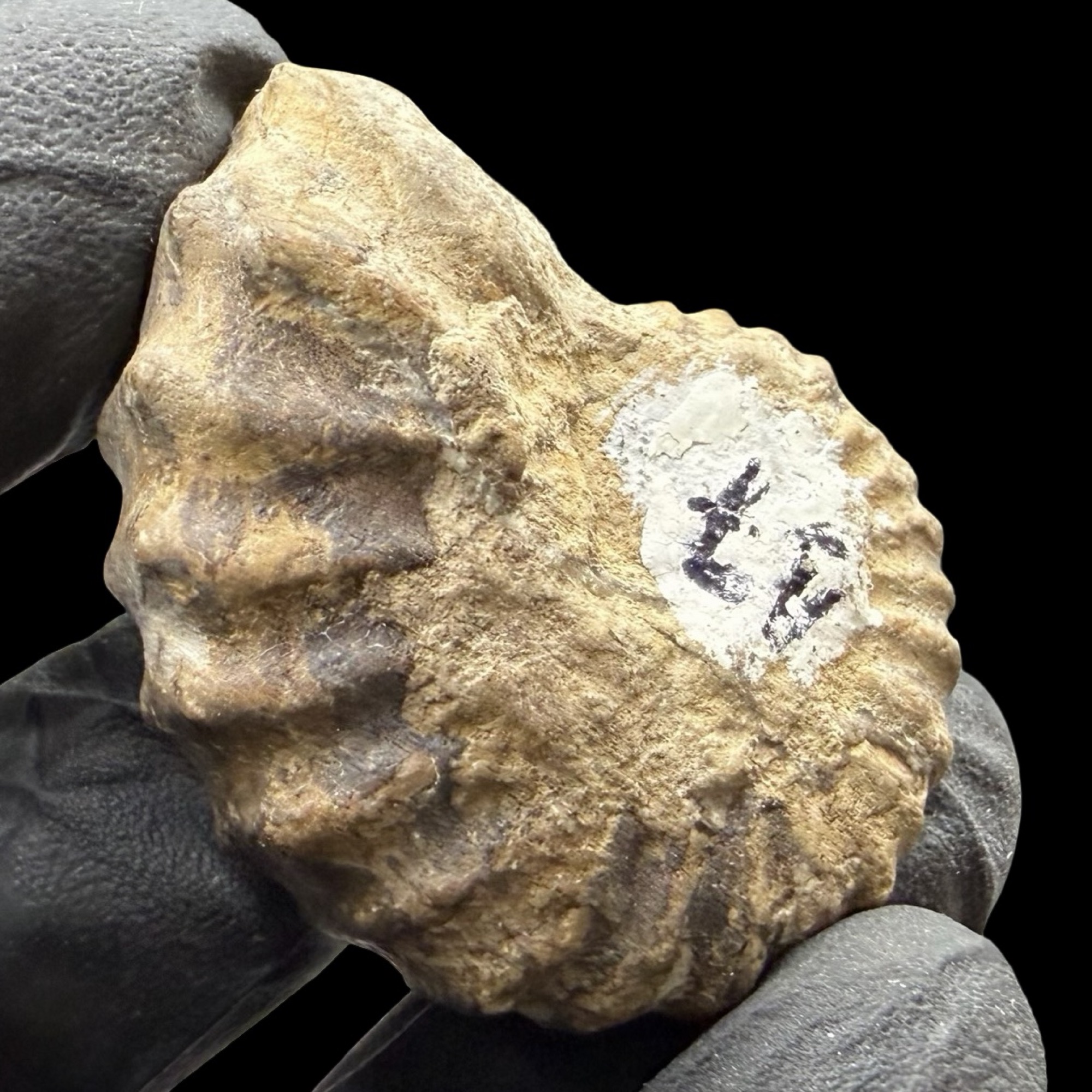
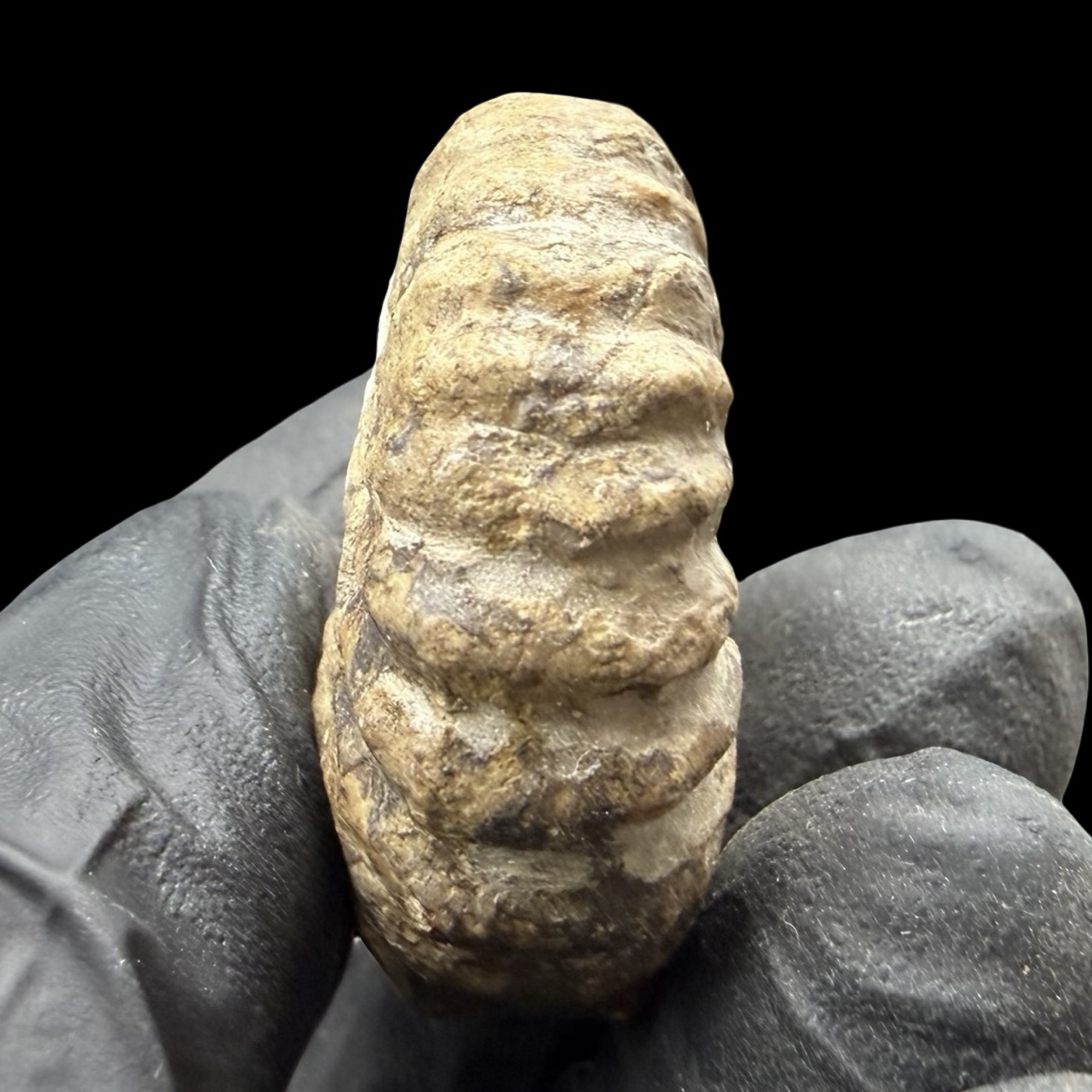
Pachynemadoplites Ammonite Fossil Upper Cretaceous France Genuine COA Card - Barremian Alpes-Maritimes Collector Specimen
£ 12.60
Pachynemadoplites sp. Ammonite Fossil from FranceThis is a genuine Pachynemadoplites sp. ammonite fossil from the Upper Barremian
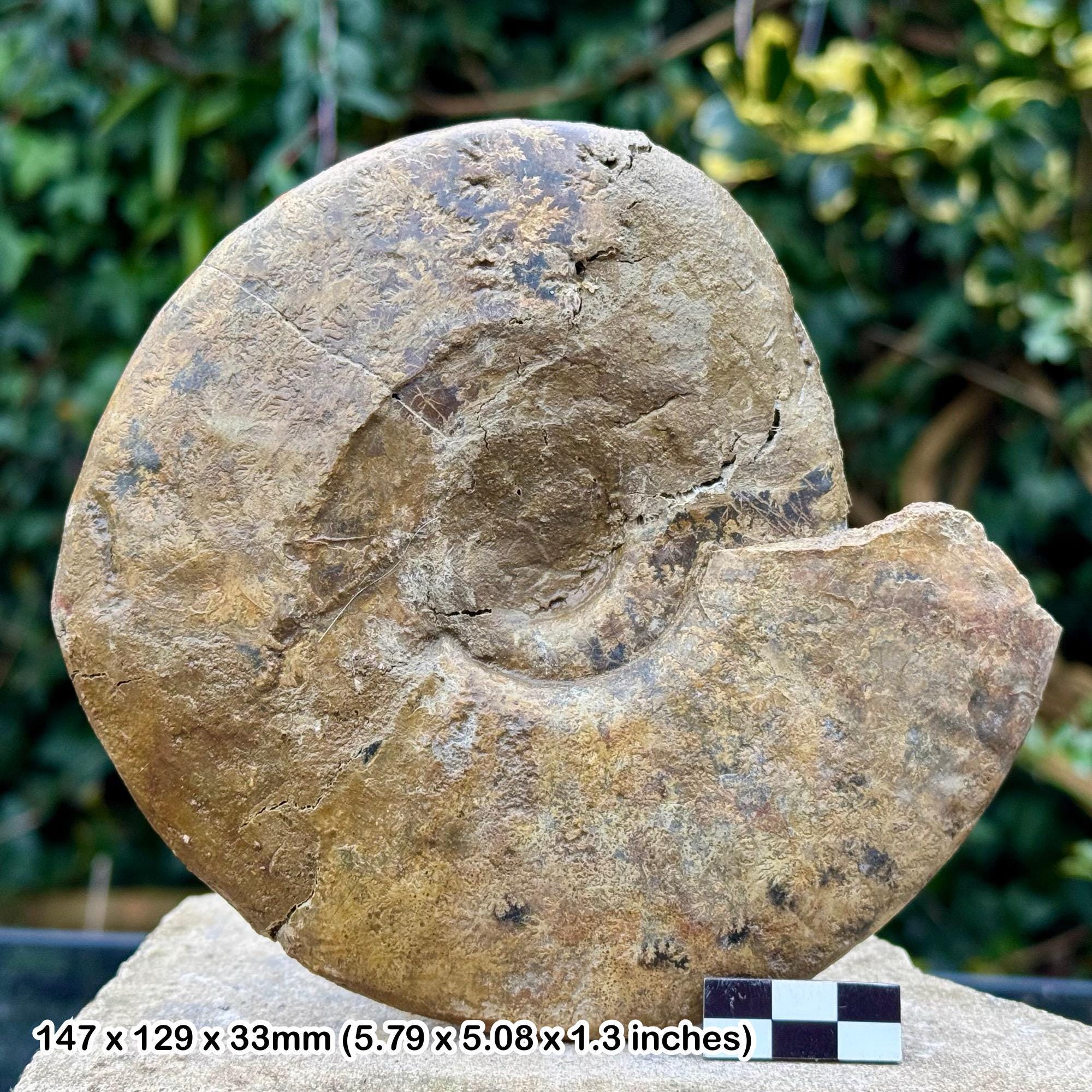
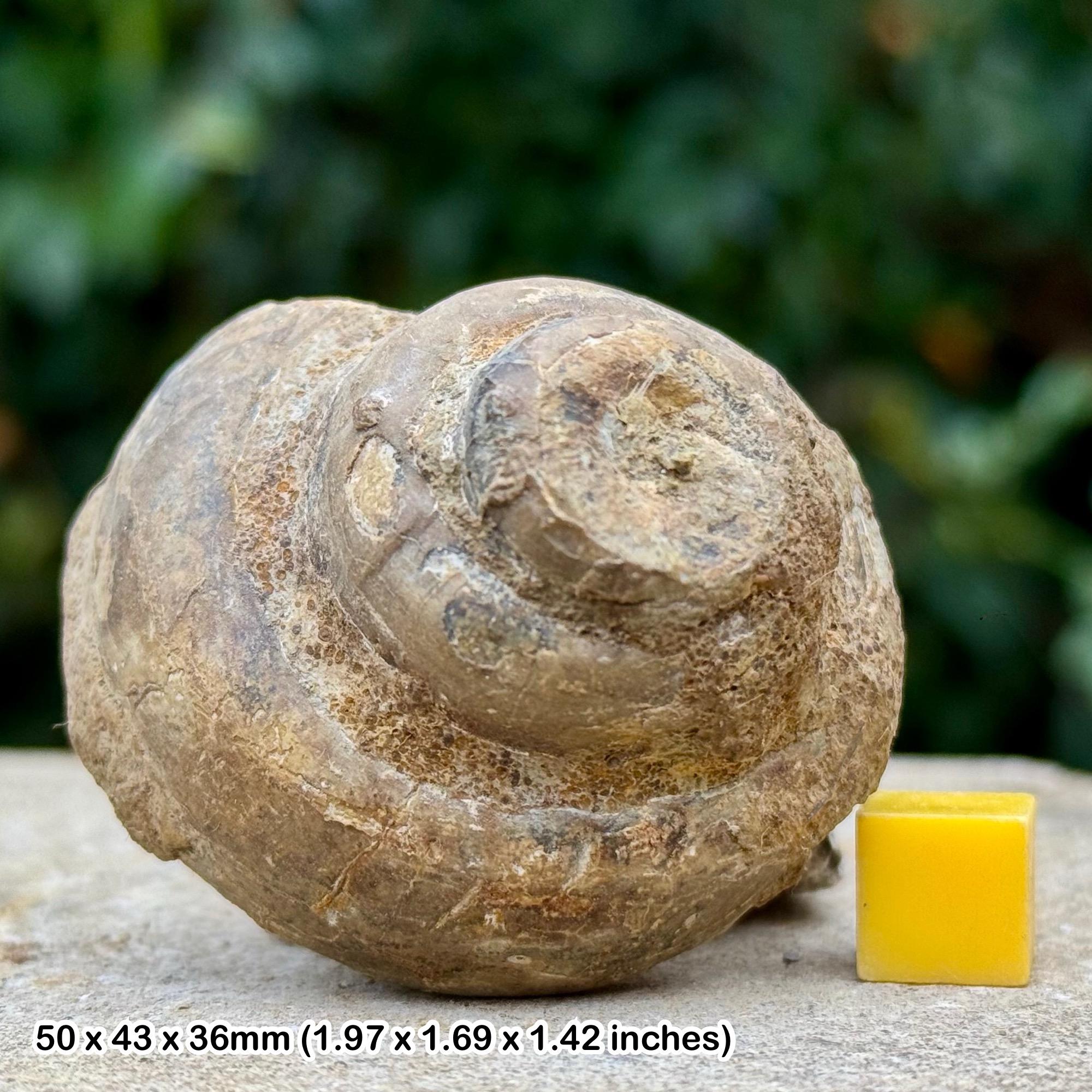
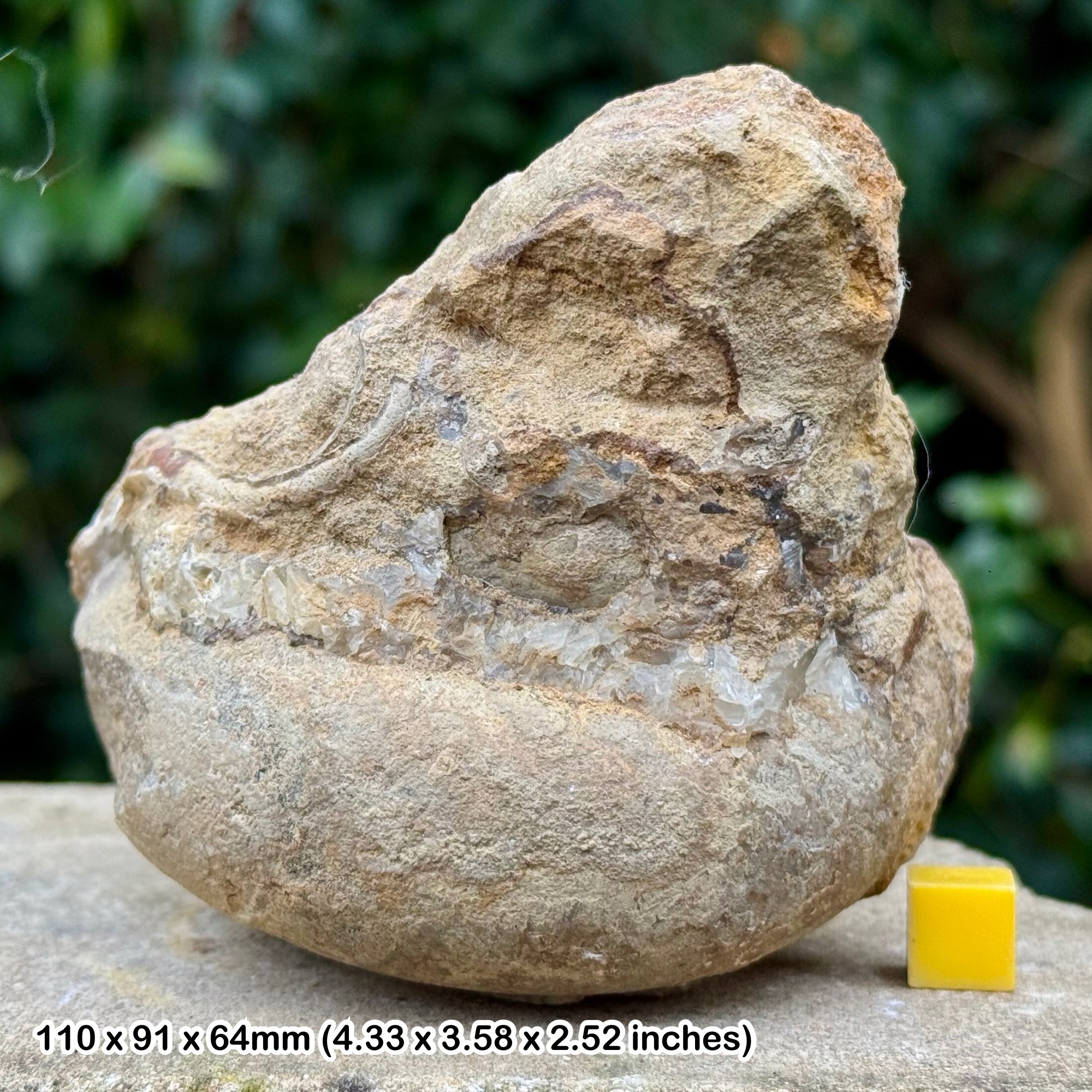
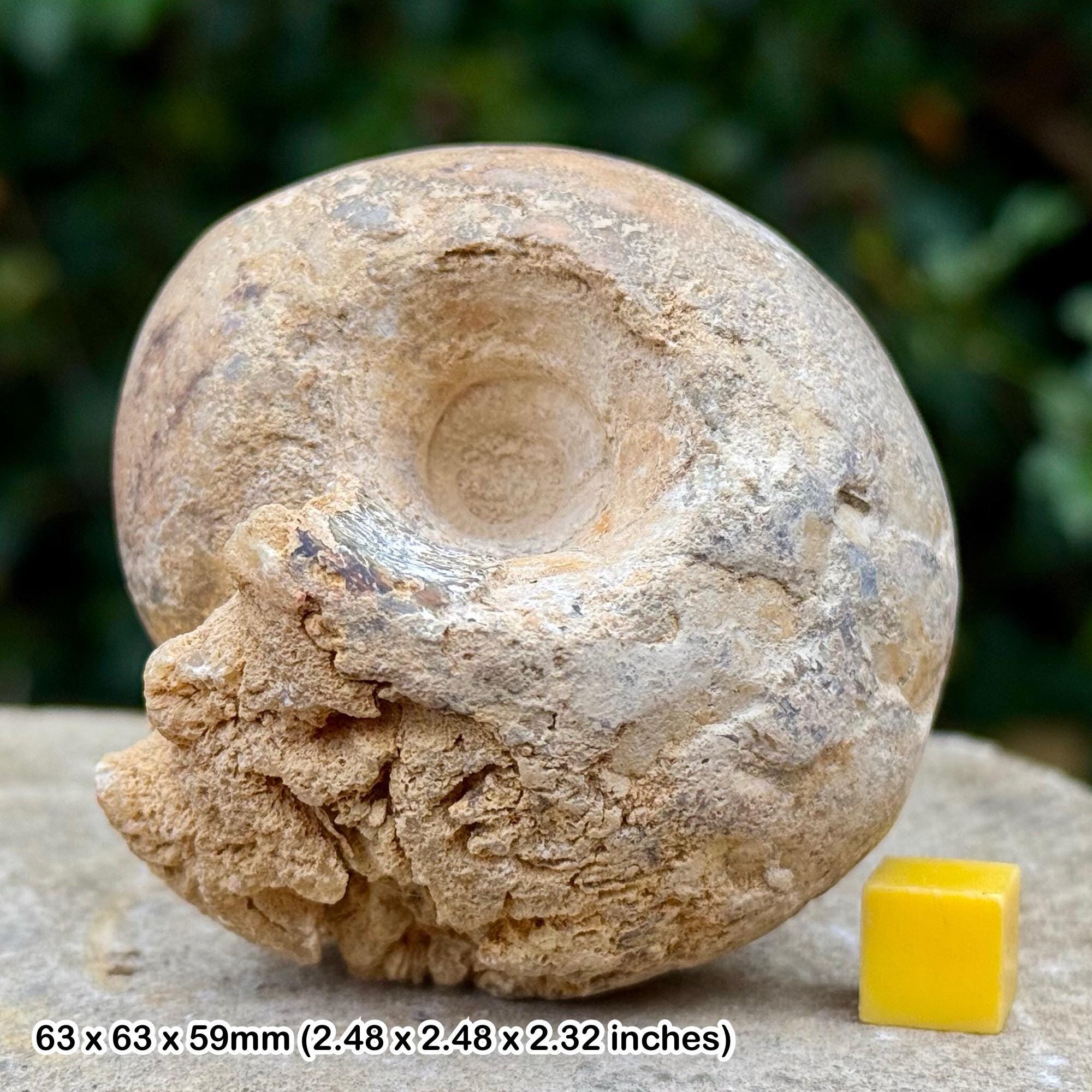
of the Cretaceous, collected from Alpes-Maritimes in Provence-Alpes-Côte d’Azur, France. This carefully chosen fossil is a highly collectable example of a Cretaceous ammonite, supplied with a Certificate of Authenticity lifetime guarantee generic card. The photograph shows the actual specimen you will receive, making this an ideal display piece, study specimen, fossil collection addition, or natural history gift.Full sizing and scale can be seen in the photo.Geological Age and LocationThis ammonite dates to the Upper Barremian, a stage of the Early Cretaceous Period, approximately 125 million years old. The Barremian was an important interval in ammonite evolution, particularly in the Tethyan marine regions of southern Europe. The Alpes-Maritimes area of south-eastern France is well known for Cretaceous marine fossil deposits, formed when this region lay within the warm seas connected to the ancient Tethys Ocean.During the Barremian, much of what is now Provence-Alpes-Côte d’Azur was influenced by marine sedimentation, including limestones, marls, and deeper-water deposits associated with platform and basin environments. These conditions were ideal for preserving ammonites, which lived as free-swimming marine cephalopods and are now among the most useful fossils for dating Cretaceous rock layers.Fossil Type and SpeciesThis fossil is identified as Pachynemadoplites sp., an ammonite from the Cretaceous seas of France. The “sp.” designation means the fossil has been identified to genus level, while the exact species is left open. This is common with ammonite specimens where preservation, natural wear, or visible diagnostic features do not allow a confident species-level assignment.Ammonites were extinct marine molluscs related to modern squid, cuttlefish, and nautilus. They had coiled, chambered shells, with the animal living in the outer body chamber while earlier chambers helped control buoyancy. Their shells often show ribs, whorls, and sutures that are important for scientific classification. Ammonites are especially prized by collectors because of their attractive spiral form, evolutionary variety, and importance as index fossils.Morphology and Collectable FeaturesPachynemadoplites ammonites are part of the diverse Barremian ammonite fauna found in south-eastern France. Specimens from this region can show classic Cretaceous ammonite characteristics such as a planispiral coiled shell, defined whorl structure, and ribbing patterns that reflect the growth of the animal’s shell. The natural shape and surface details make this fossil a visually appealing example of ancient marine life.As with all genuine fossils, natural variation is part of the specimen’s character. Features such as matrix, surface texture, fossil colour, shell detail, mineralisation, and any natural chips or worn areas are the result of the fossilisation process and long geological history. The supplied image shows the exact piece being offered, so buyers can view the condition, size, preservation, and display quality before purchase.Cretaceous Marine EnvironmentThis ammonite lived in the Cretaceous seas that covered parts of southern France. These waters supported a rich marine ecosystem including ammonites, belemnites, bivalves, gastropods, echinoids, fish, and marine reptiles. Ammonites were active predators or opportunistic feeders, moving through the water column and using their tentacles to capture small prey.The Barremian seas of the western Tethys region were dynamic environments, with marine platforms, basins, carbonate sedimentation, and changing sea levels all influencing fossil preservation. Ammonites from these deposits are valued not only for their appearance but also for their scientific importance in understanding Cretaceous biostratigraphy and ancient marine ecosystems.Authenticity and DisplayThis Pachynemadoplites sp. ammonite fossil is a genuine specimen and includes a Certificate of Authenticity lifetime guarantee generic card. It has been carefully selected as an attractive and interesting fossil from a classic European Cretaceous locality. The fossil is suitable for collectors of ammonites, French fossils, Cretaceous fossils, marine invertebrates, natural history specimens, and educational geology displays.This is a real fossil from Alpes-Maritimes, Provence-Alpes-Côte d’Azur, France, and the photo shows the actual specimen you will receive.
of the Cretaceous, collected from Alpes-Maritimes in Provence-Alpes-Côte d’Azur, France. This carefully chosen fossil is a highly collectable example of a Cretaceous ammonite, supplied with a Certificate of Authenticity lifetime guarantee generic card. The photograph shows the actual specimen you will receive, making this an ideal display piece, study specimen, fossil collection addition, or natural history gift.Full sizing and scale can be seen in the photo.Geological Age and LocationThis ammonite dates to the Upper Barremian, a stage of the Early Cretaceous Period, approximately 125 million years old. The Barremian was an important interval in ammonite evolution, particularly in the Tethyan marine regions of southern Europe. The Alpes-Maritimes area of south-eastern France is well known for Cretaceous marine fossil deposits, formed when this region lay within the warm seas connected to the ancient Tethys Ocean.During the Barremian, much of what is now Provence-Alpes-Côte d’Azur was influenced by marine sedimentation, including limestones, marls, and deeper-water deposits associated with platform and basin environments. These conditions were ideal for preserving ammonites, which lived as free-swimming marine cephalopods and are now among the most useful fossils for dating Cretaceous rock layers.Fossil Type and SpeciesThis fossil is identified as Pachynemadoplites sp., an ammonite from the Cretaceous seas of France. The “sp.” designation means the fossil has been identified to genus level, while the exact species is left open. This is common with ammonite specimens where preservation, natural wear, or visible diagnostic features do not allow a confident species-level assignment.Ammonites were extinct marine molluscs related to modern squid, cuttlefish, and nautilus. They had coiled, chambered shells, with the animal living in the outer body chamber while earlier chambers helped control buoyancy. Their shells often show ribs, whorls, and sutures that are important for scientific classification. Ammonites are especially prized by collectors because of their attractive spiral form, evolutionary variety, and importance as index fossils.Morphology and Collectable FeaturesPachynemadoplites ammonites are part of the diverse Barremian ammonite fauna found in south-eastern France. Specimens from this region can show classic Cretaceous ammonite characteristics such as a planispiral coiled shell, defined whorl structure, and ribbing patterns that reflect the growth of the animal’s shell. The natural shape and surface details make this fossil a visually appealing example of ancient marine life.As with all genuine fossils, natural variation is part of the specimen’s character. Features such as matrix, surface texture, fossil colour, shell detail, mineralisation, and any natural chips or worn areas are the result of the fossilisation process and long geological history. The supplied image shows the exact piece being offered, so buyers can view the condition, size, preservation, and display quality before purchase.Cretaceous Marine EnvironmentThis ammonite lived in the Cretaceous seas that covered parts of southern France. These waters supported a rich marine ecosystem including ammonites, belemnites, bivalves, gastropods, echinoids, fish, and marine reptiles. Ammonites were active predators or opportunistic feeders, moving through the water column and using their tentacles to capture small prey.The Barremian seas of the western Tethys region were dynamic environments, with marine platforms, basins, carbonate sedimentation, and changing sea levels all influencing fossil preservation. Ammonites from these deposits are valued not only for their appearance but also for their scientific importance in understanding Cretaceous biostratigraphy and ancient marine ecosystems.Authenticity and DisplayThis Pachynemadoplites sp. ammonite fossil is a genuine specimen and includes a Certificate of Authenticity lifetime guarantee generic card. It has been carefully selected as an attractive and interesting fossil from a classic European Cretaceous locality. The fossil is suitable for collectors of ammonites, French fossils, Cretaceous fossils, marine invertebrates, natural history specimens, and educational geology displays.This is a real fossil from Alpes-Maritimes, Provence-Alpes-Côte d’Azur, France, and the photo shows the actual specimen you will receive.
Other Products