Smithsonite Botryoidal Grape Crystal Cluster Natural Mineral Specimen Collectors Display Piece with Certificate of Authenticity
£ 25.20
Smithsonite Botryoidal ‘Grape’ Crystal Cluster – Natural Mineral SpecimenThis beautiful Smithsonite botryoidal ‘grape’ crystal cluster is a classic
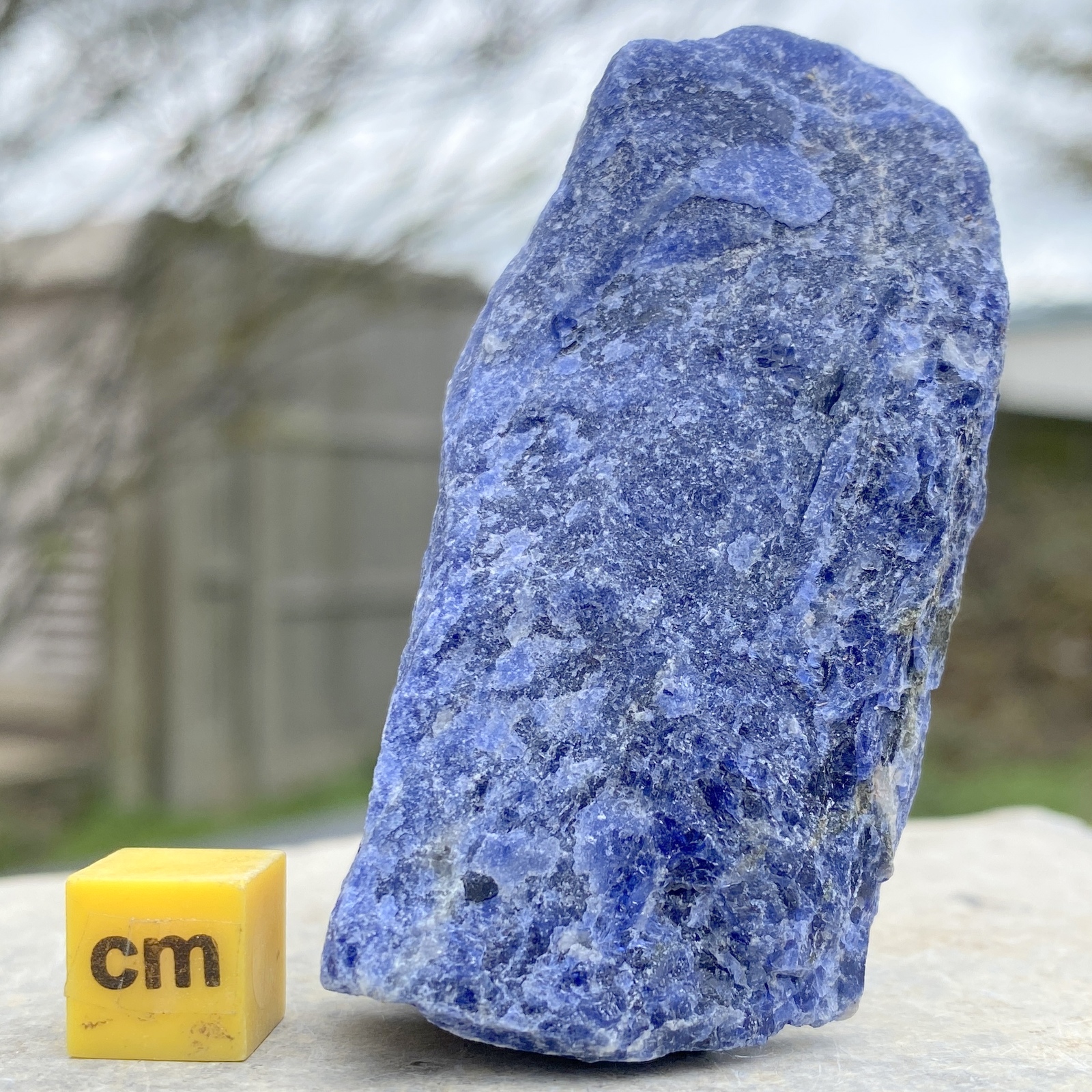
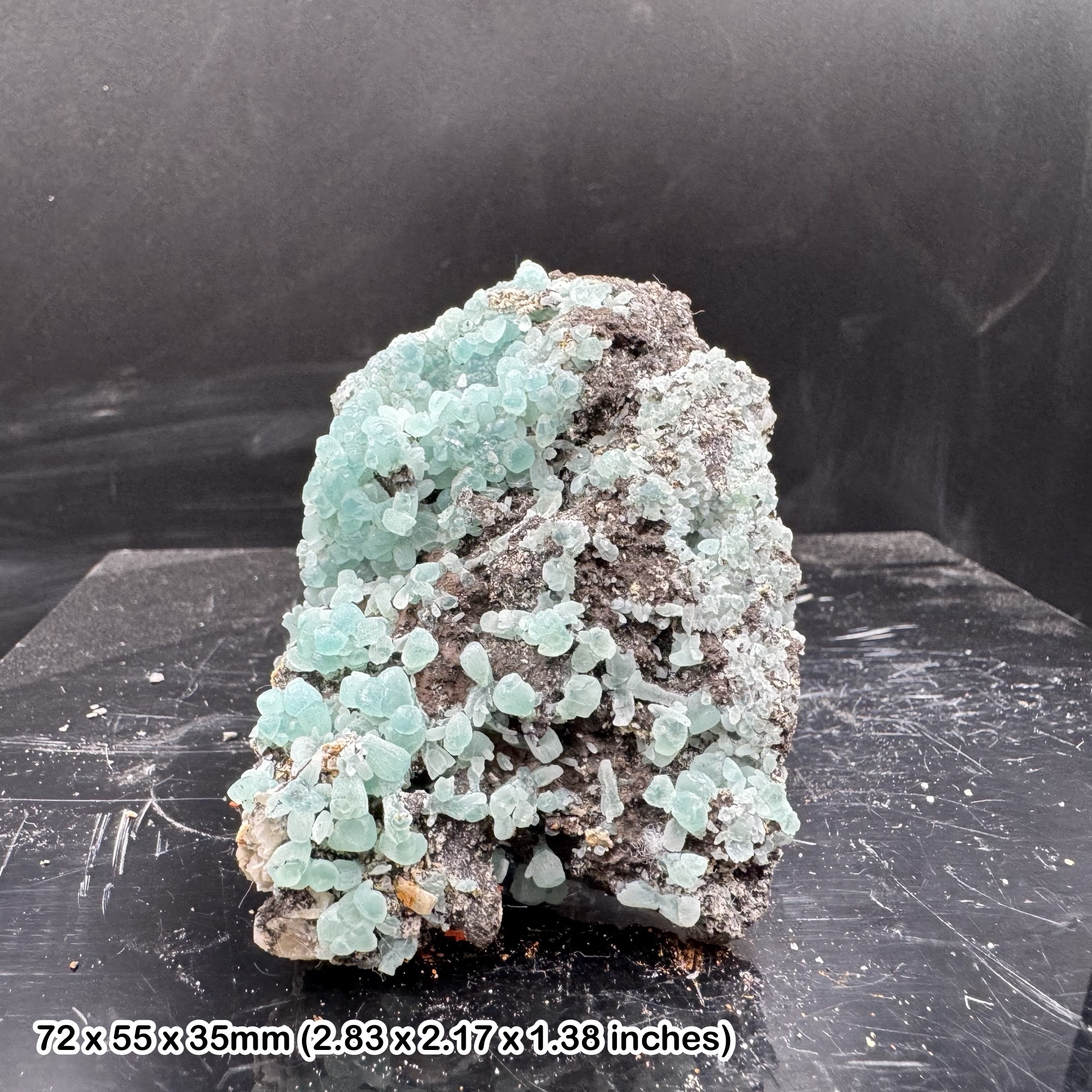
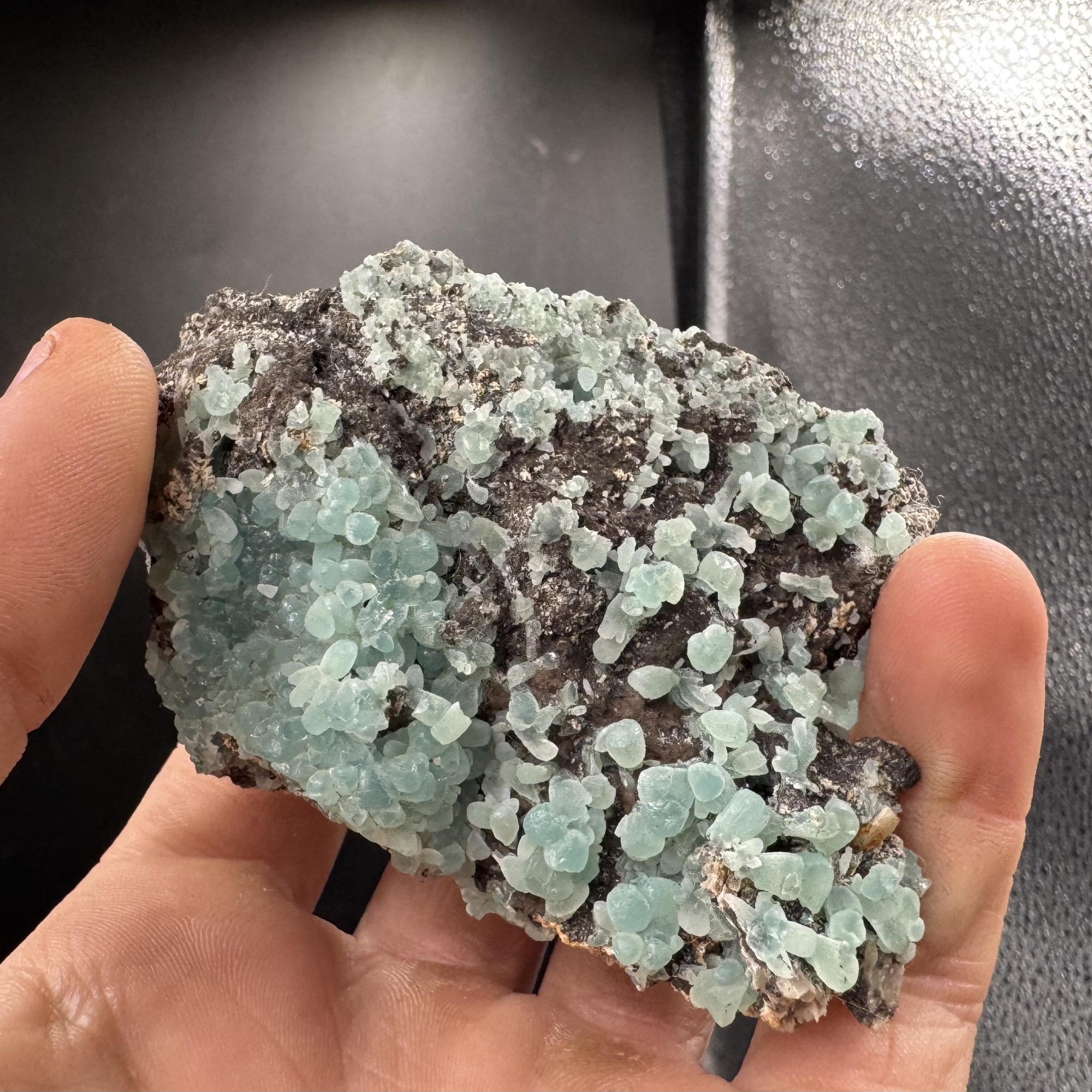
example of natural mineral formation. Carefully selected for its shape, surface texture, and overall visual impact, this specimen features rounded, clustered formations resembling a bunch of grapes. The smooth, bulbous structure and soft lustre create an organic, sculptural appearance that makes it an outstanding display piece for collectors and enthusiasts.Mineral Species and CompositionSmithsonite is a zinc carbonate mineral with the chemical formula ZnCO₃. It belongs to the calcite group and crystallises in the trigonal crystal system, although well-defined crystals are relatively rare. Instead, Smithsonite is most commonly found in botryoidal, reniform, or massive forms. The botryoidal “grape” habit seen in this specimen is one of the most recognisable and desirable forms, characterised by tightly packed, rounded nodules that develop during mineral growth.Botryoidal Formation and Crystal HabitThe term “botryoidal” is derived from the Greek word for grapes, perfectly describing the spherical, clustered formations present in this specimen. These structures form when mineral deposition occurs simultaneously at multiple nucleation points, allowing rounded surfaces to grow outward and merge. The result is a smooth, undulating surface composed of interconnected globules, often with a silky, waxy, or slightly vitreous lustre.Colour and Surface CharacteristicsSmithsonite can occur in a wide range of colours depending on trace elements present during formation, including shades of green, blue, pink, grey, and cream. This specimen may display soft, natural tones with subtle variations across the surface, enhanced by the curved botryoidal structure. Light interacts gently with the rounded forms, highlighting the natural contours and giving the piece a tactile, almost polished appearance, even in its raw state.Geological Formation and EnvironmentSmithsonite forms as a secondary mineral in the oxidised zones of zinc ore deposits, typically developing from the weathering and alteration of primary zinc minerals such as sphalerite. In these environments, zinc-rich solutions react with carbonate ions, leading to the precipitation of Smithsonite. The botryoidal habit develops under conditions where mineral-rich fluids deposit material in layers over time, creating the characteristic rounded growth patterns.Natural Structure and Associated FeaturesThe internal structure of Smithsonite is microcrystalline, contributing to its smooth texture and consistent appearance. It is often found alongside other secondary minerals such as hemimorphite, cerussite, or calcite, reflecting the complex chemistry of oxidised ore environments. The surface may show natural variations, subtle banding, or minor inclusions that add depth and authenticity to the specimen.Collecting and Display AppealBotryoidal Smithsonite is highly prized by collectors for its unique formation and aesthetic qualities. This ‘grape’ cluster is ideal for display in a mineral cabinet, on a shelf, or as part of a curated collection. Its natural symmetry and organic form make it equally suitable as a decorative piece, offering visual interest and texture in any setting.Authenticity and GuaranteeThis crystal is a genuine natural specimen and includes a Certificate of Authenticity lifetime guarantee card, ensuring confidence in its origin and classification. The photograph provided shows the exact specimen you will receive, offering full transparency and assurance in your purchase.Size and Natural ConditionPlease refer to the photo for full sizing and scale. As a natural mineral specimen, slight surface variations, growth features, and minor imperfections are expected and contribute to the individuality and authenticity of the piece.
example of natural mineral formation. Carefully selected for its shape, surface texture, and overall visual impact, this specimen features rounded, clustered formations resembling a bunch of grapes. The smooth, bulbous structure and soft lustre create an organic, sculptural appearance that makes it an outstanding display piece for collectors and enthusiasts.Mineral Species and CompositionSmithsonite is a zinc carbonate mineral with the chemical formula ZnCO₃. It belongs to the calcite group and crystallises in the trigonal crystal system, although well-defined crystals are relatively rare. Instead, Smithsonite is most commonly found in botryoidal, reniform, or massive forms. The botryoidal “grape” habit seen in this specimen is one of the most recognisable and desirable forms, characterised by tightly packed, rounded nodules that develop during mineral growth.Botryoidal Formation and Crystal HabitThe term “botryoidal” is derived from the Greek word for grapes, perfectly describing the spherical, clustered formations present in this specimen. These structures form when mineral deposition occurs simultaneously at multiple nucleation points, allowing rounded surfaces to grow outward and merge. The result is a smooth, undulating surface composed of interconnected globules, often with a silky, waxy, or slightly vitreous lustre.Colour and Surface CharacteristicsSmithsonite can occur in a wide range of colours depending on trace elements present during formation, including shades of green, blue, pink, grey, and cream. This specimen may display soft, natural tones with subtle variations across the surface, enhanced by the curved botryoidal structure. Light interacts gently with the rounded forms, highlighting the natural contours and giving the piece a tactile, almost polished appearance, even in its raw state.Geological Formation and EnvironmentSmithsonite forms as a secondary mineral in the oxidised zones of zinc ore deposits, typically developing from the weathering and alteration of primary zinc minerals such as sphalerite. In these environments, zinc-rich solutions react with carbonate ions, leading to the precipitation of Smithsonite. The botryoidal habit develops under conditions where mineral-rich fluids deposit material in layers over time, creating the characteristic rounded growth patterns.Natural Structure and Associated FeaturesThe internal structure of Smithsonite is microcrystalline, contributing to its smooth texture and consistent appearance. It is often found alongside other secondary minerals such as hemimorphite, cerussite, or calcite, reflecting the complex chemistry of oxidised ore environments. The surface may show natural variations, subtle banding, or minor inclusions that add depth and authenticity to the specimen.Collecting and Display AppealBotryoidal Smithsonite is highly prized by collectors for its unique formation and aesthetic qualities. This ‘grape’ cluster is ideal for display in a mineral cabinet, on a shelf, or as part of a curated collection. Its natural symmetry and organic form make it equally suitable as a decorative piece, offering visual interest and texture in any setting.Authenticity and GuaranteeThis crystal is a genuine natural specimen and includes a Certificate of Authenticity lifetime guarantee card, ensuring confidence in its origin and classification. The photograph provided shows the exact specimen you will receive, offering full transparency and assurance in your purchase.Size and Natural ConditionPlease refer to the photo for full sizing and scale. As a natural mineral specimen, slight surface variations, growth features, and minor imperfections are expected and contribute to the individuality and authenticity of the piece.
Other Products