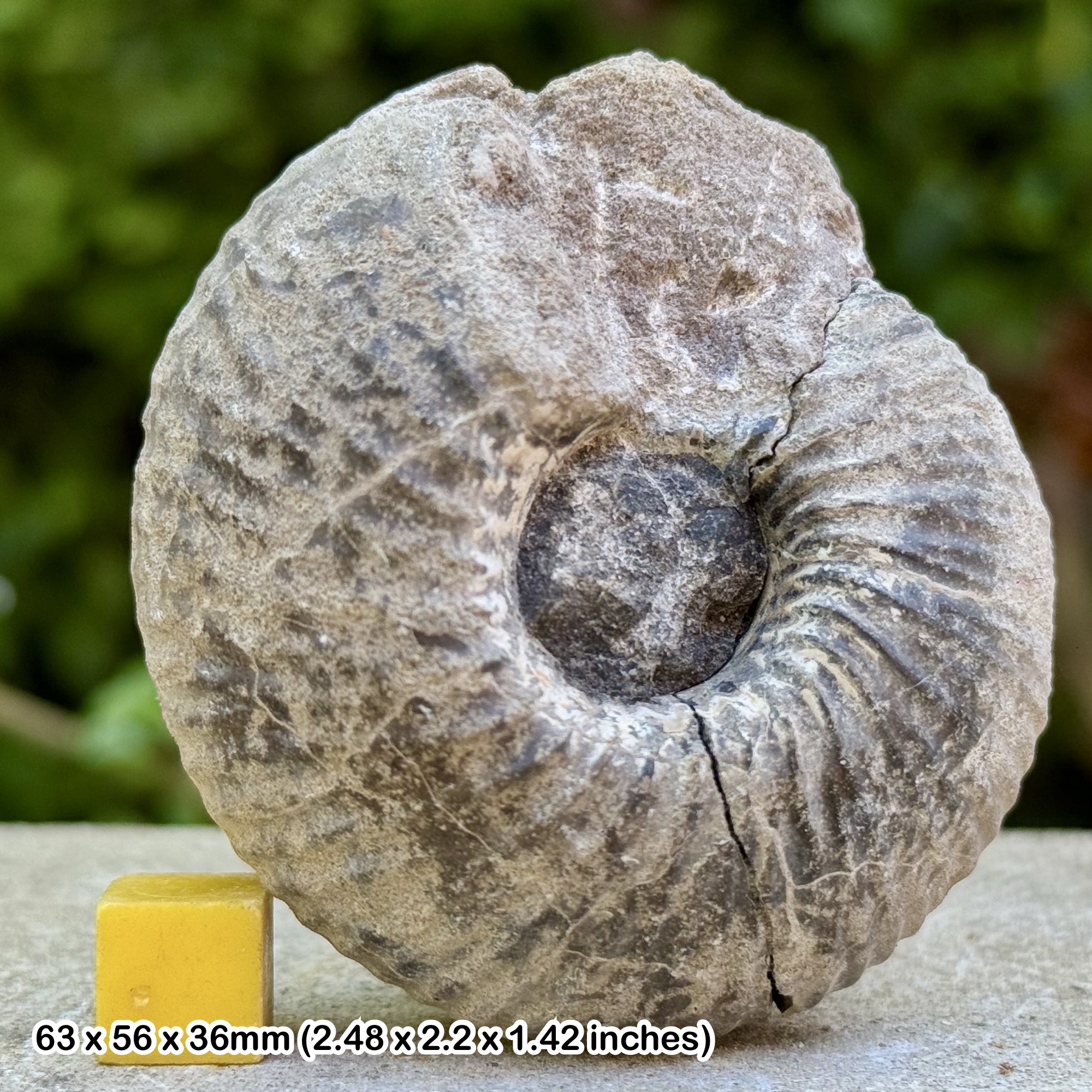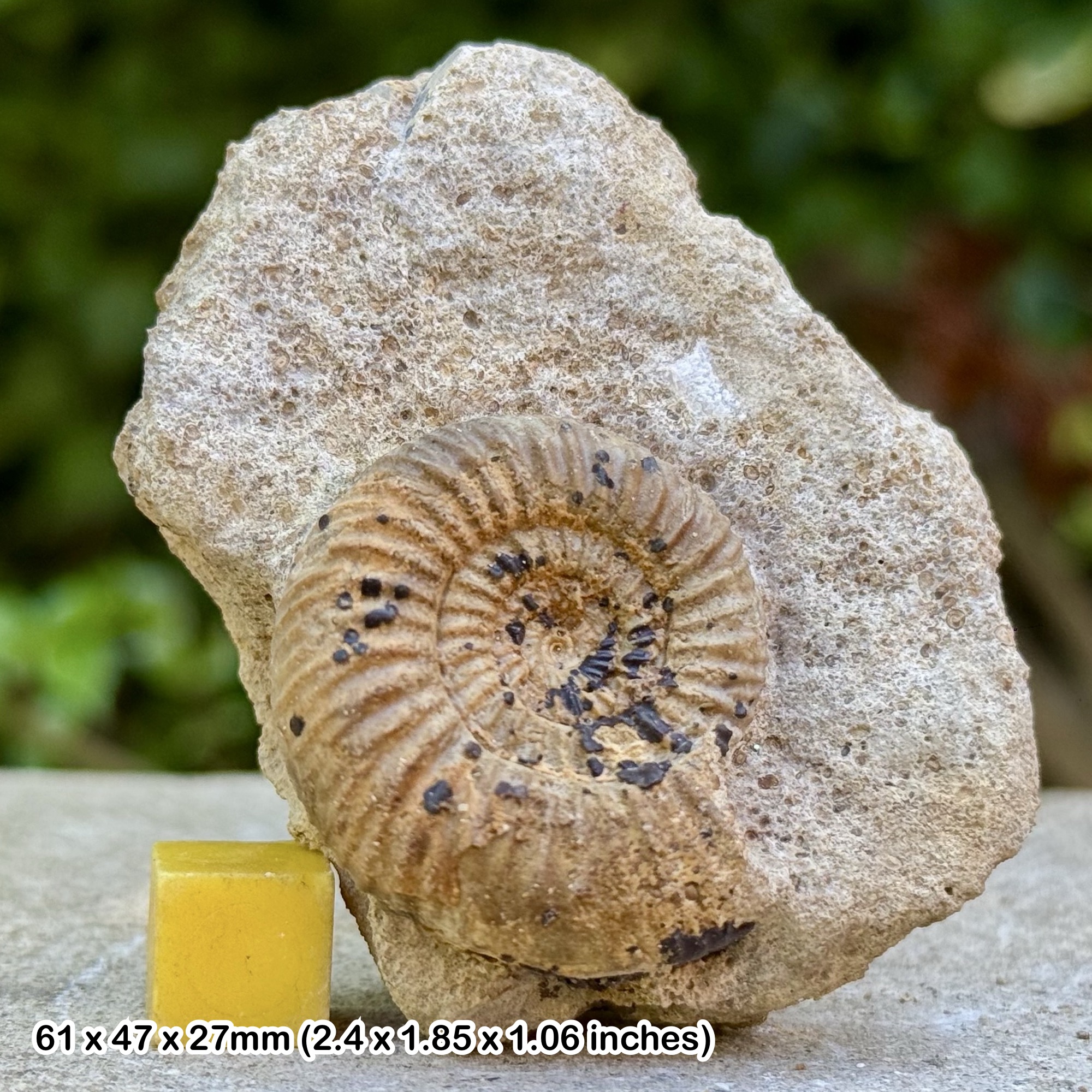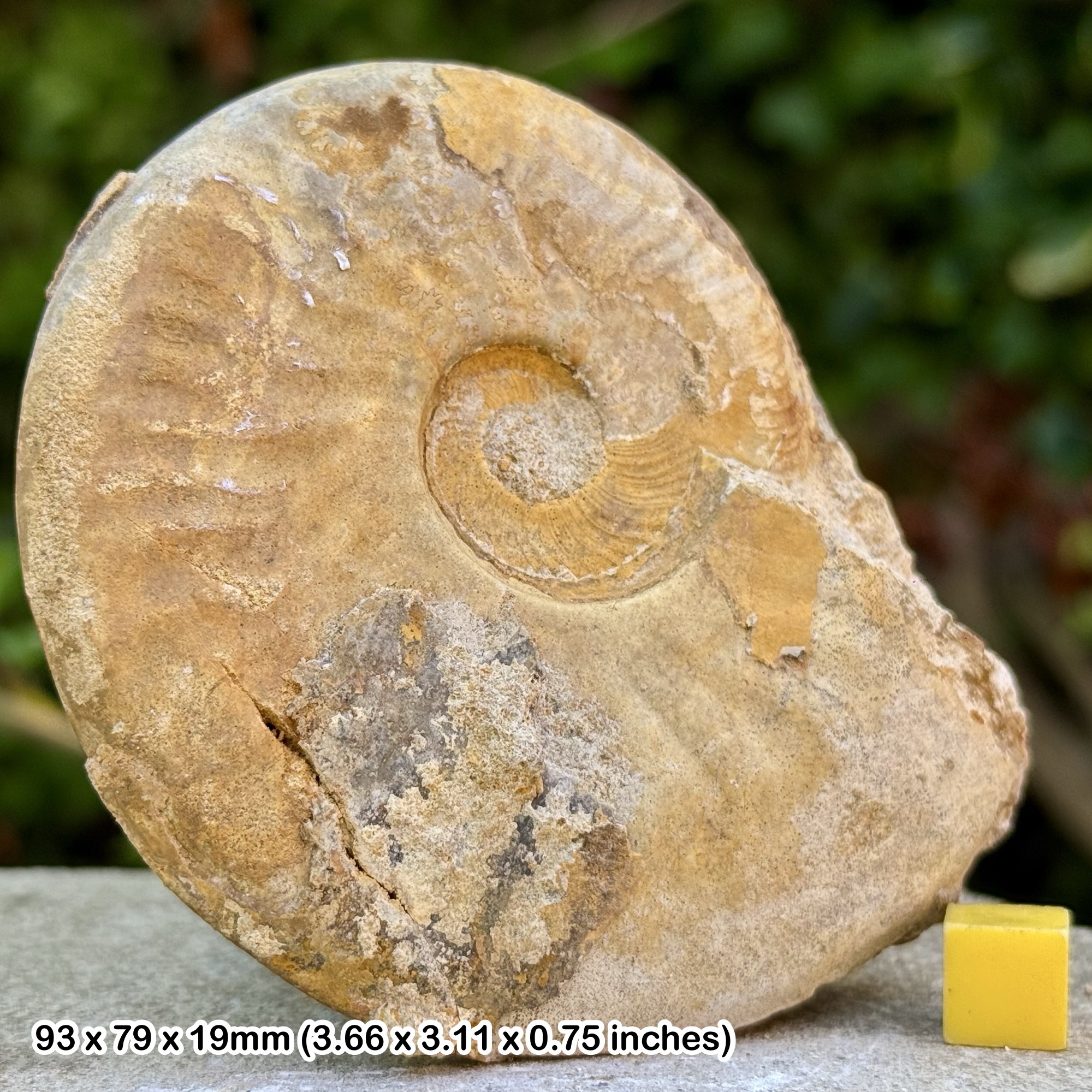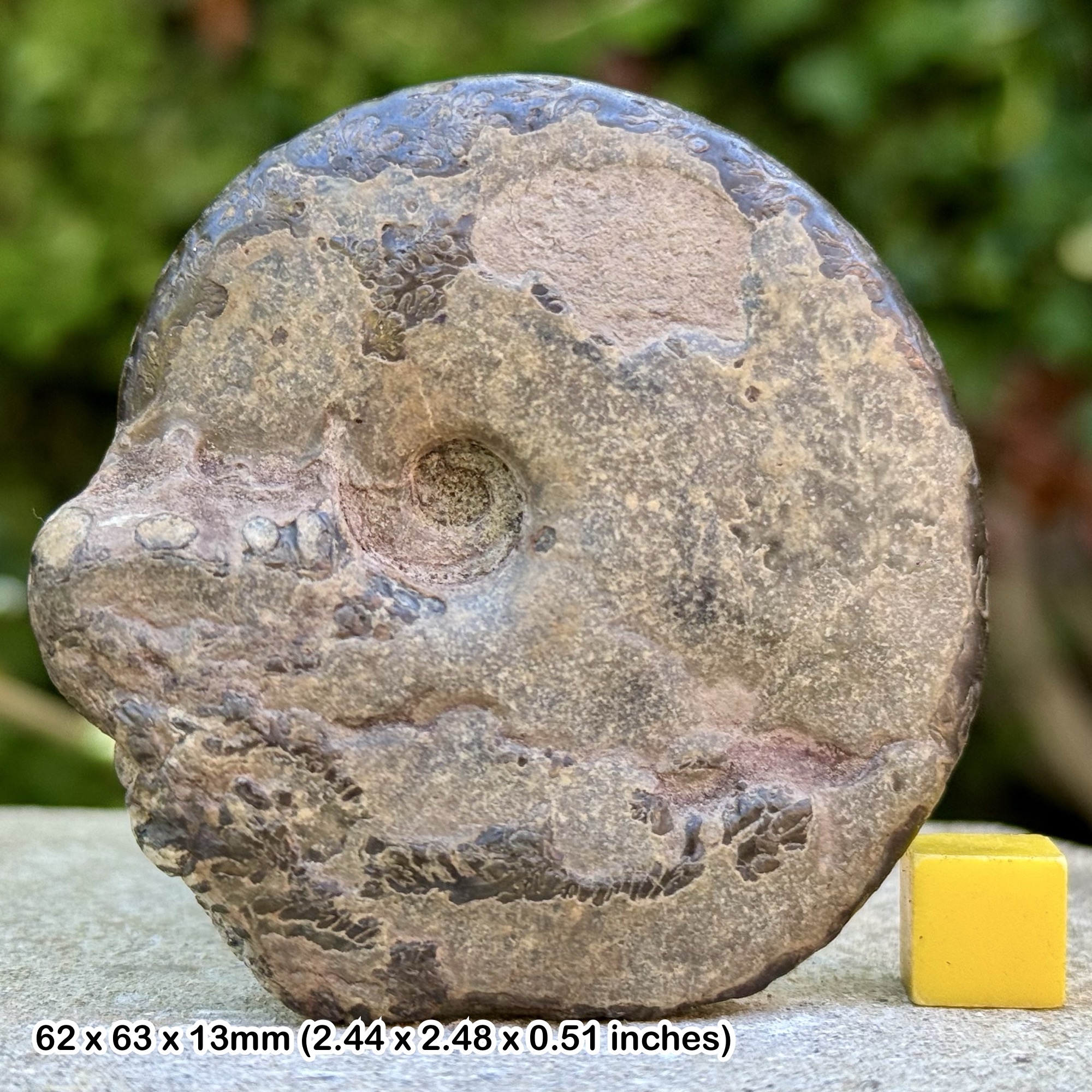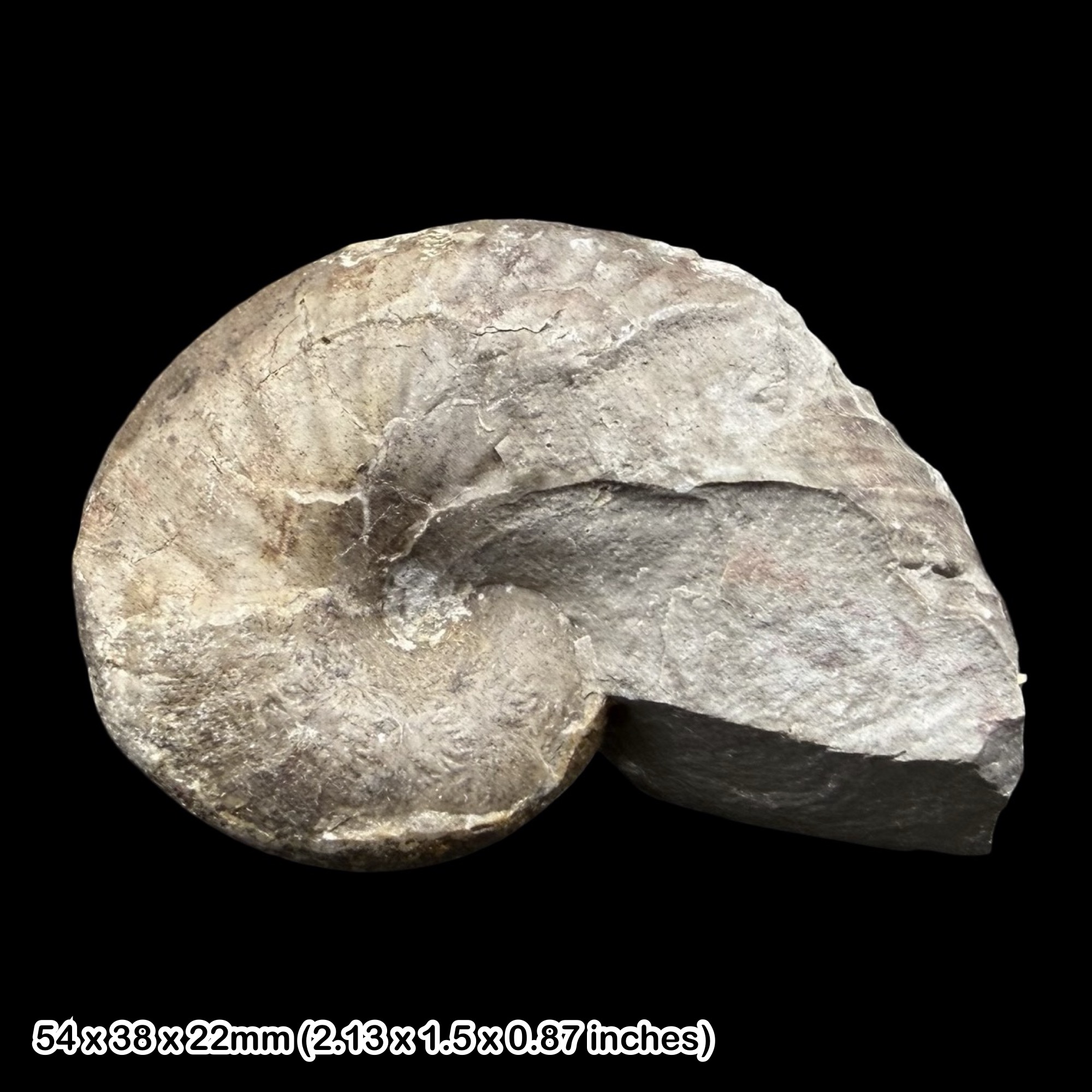
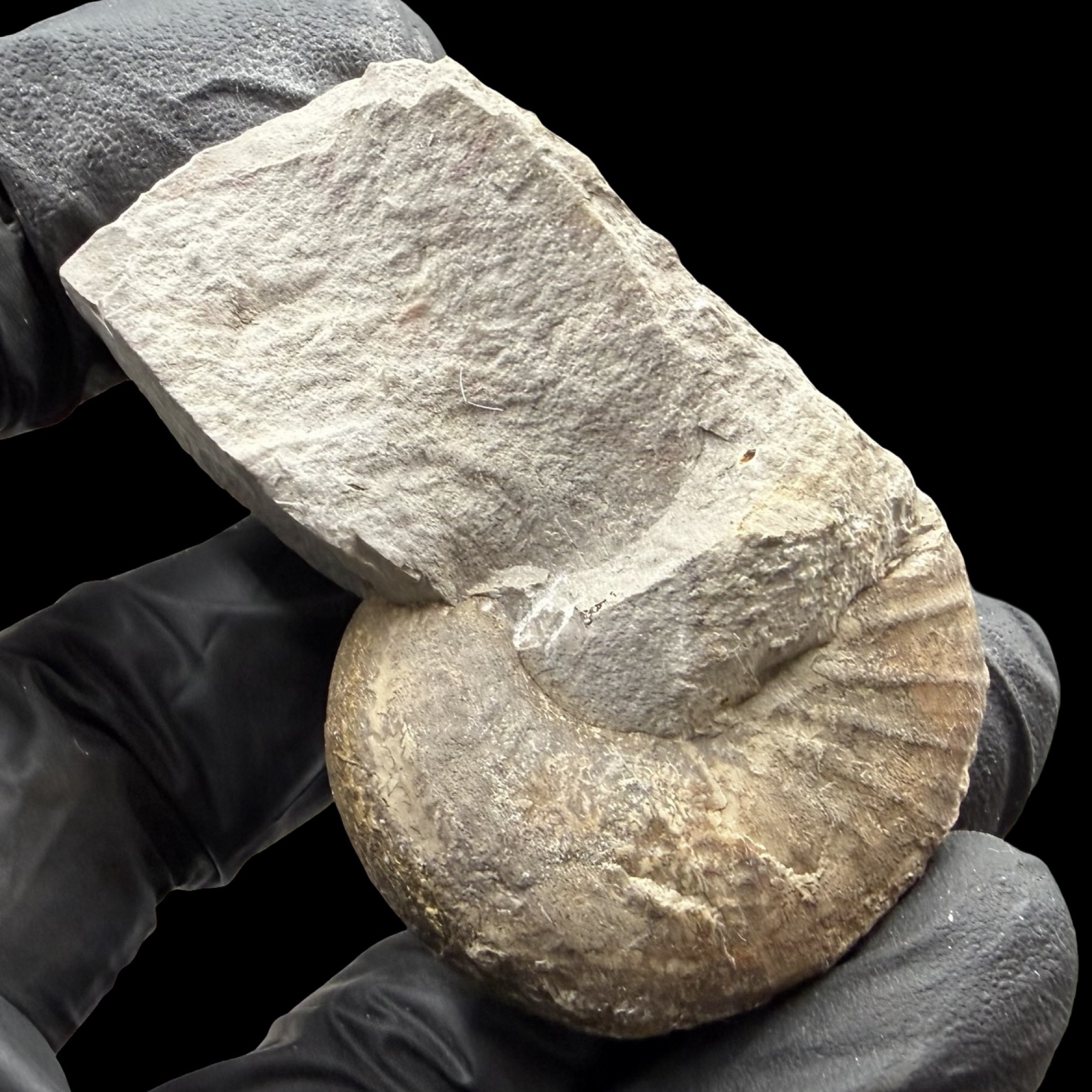
Phyllopachyceras Infundibulum Ammonite Fossil France Genuine COA Specimen Lower Cretaceous Hauterivian Drome Collector Fossil
£ 19.80
GENUINE PHYLLOPACHYCERAS INFUNDIBULUM AMMONITE FOSSILThis listing is for a genuine Phyllopachyceras infundibulum ammonite fossil from
the Lower Cretaceous, Hauterivian Stage, found in Drôme, Auvergne-Rhône-Alpes, France. This is a carefully chosen fossil specimen, selected for its natural character, geological interest, and classic ammonite display appeal. The photograph shows the actual specimen you will receive, so please refer to the photo for the full sizing, proportions, preservation, colour, surface detail, matrix, and overall appearance of this individual fossil.This fossil is supplied with a Certificate of Authenticity lifetime guarantee generic card, giving confidence that the specimen is a genuine fossil and not a modern replica.SPECIES AND FOSSIL TYPEPhyllopachyceras infundibulum is an extinct ammonite species, belonging to a group of marine cephalopods that lived in ancient seas during the Mesozoic Era. Ammonites were related to modern squid, cuttlefish, octopus, and nautilus, but they lived inside coiled, chambered shells. The living animal occupied the final body chamber, while earlier chambers were used for buoyancy control, allowing it to move through the water column.Phyllopachyceras belongs to the ammonite order Phylloceratida, a group known for elegant shell forms and distinctive suture patterns. Members of this group are often recognised by their generally smooth or lightly ornamented shells, compressed whorls, and complex leaf-like sutures. These features make phylloceratid ammonites especially attractive to collectors who appreciate refined morphology rather than heavy ribbing or spines.LOWER CRETACEOUS HAUTERIVIAN AGEThis fossil dates from the Hauterivian Stage of the Lower Cretaceous, an interval of geological time that occurred after the Valanginian and before the Barremian. During the Hauterivian, marine life was highly diverse, and ammonites remained important animals in open marine ecosystems. Their rapid evolution and wide distribution make them valuable fossils for understanding Cretaceous rock layers and ancient sea conditions.The Lower Cretaceous was a time of warm global climates, rising seas, and widespread marine sedimentation. Across parts of Europe, including what is now southern and south-eastern France, marine basins accumulated limestones, marls, and clay-rich sediments. These deposits preserved ammonites, belemnites, bivalves, gastropods, echinoids, fish remains, and other marine fossils.FRENCH GEOLOGY AND LOCALITYThis specimen comes from Drôme in the Auvergne-Rhône-Alpes region of France, an area with important Mesozoic sedimentary rocks connected to the wider Alpine and sub-Alpine geological history. During the Early Cretaceous, this region was influenced by marine environments along the margins of ancient basins. Fine sediment settled on the sea floor, creating conditions suitable for the preservation of ammonite shells and other marine remains.Over millions of years, the original sediments were compacted, mineralised, uplifted, and exposed by erosion. The fossil now represents a preserved remnant of the ancient Cretaceous seas that once covered this part of France.MORPHOLOGY AND NATURAL FEATURESPhyllopachyceras ammonites are typically appreciated for their coiled shell form, relatively smooth appearance, and elegant whorl development. The genus name reflects a phylloceratid ammonite style, with complex suture patterns that are an important feature in scientific classification. The shell would have been divided internally into chambers, with the outer body chamber housing the living animal during life.Depending on preservation, specimens may show natural shell curvature, whorl profile, chamber traces, mineralisation, matrix, colour variation, surface texture, or subtle growth features. Each fossil is individual, and the photograph should be used to assess the exact visible details of this particular specimen. Natural marks, wear, cracks, matrix, and mineral changes are normal features of genuine fossils and form part of their geological character.ANCIENT MARINE LIFEDuring life, Phyllopachyceras infundibulum would have been part of a Cretaceous marine ecosystem, sharing the sea with other ammonites, nautiloids, belemnites, fish, marine reptiles, and sea-floor invertebrates. Ammonites were active swimming animals, using their chambered shells to regulate buoyancy while moving through the water. They likely fed on small marine organisms or scavenged available food, while also forming part of the food chain for larger predators.After death, the shell settled onto the sea floor and was gradually buried by sediment. Mineral-rich groundwater, pressure, and geological time transformed the remains into the fossil seen today.COLLECTOR DISPLAY AND AUTHENTICITYThis Phyllopachyceras infundibulum ammonite fossil from France is ideal for fossil collectors, natural history enthusiasts, geology students, educational displays, cabinet collections, and anyone interested in genuine Cretaceous marine fossils. It is especially suitable for collectors of ammonites, French fossils, phylloceratid ammonites, Lower Cretaceous specimens, and scientifically interesting cephalopods.The fossil shown in the photograph is the actual specimen supplied. Please check the photo carefully for full sizing and condition details, including preservation, colour, shape, matrix, and surface features.INCLUDED WITH THIS SPECIMENYour fossil will be supplied as a genuine specimen with a Certificate of Authenticity lifetime guarantee generic card. This makes it suitable for personal collecting, educational use, natural history display, geology teaching, or as a thoughtful gift for fossil lovers, palaeontology enthusiasts, students, teachers, and collectors of ancient marine life.
the Lower Cretaceous, Hauterivian Stage, found in Drôme, Auvergne-Rhône-Alpes, France. This is a carefully chosen fossil specimen, selected for its natural character, geological interest, and classic ammonite display appeal. The photograph shows the actual specimen you will receive, so please refer to the photo for the full sizing, proportions, preservation, colour, surface detail, matrix, and overall appearance of this individual fossil.This fossil is supplied with a Certificate of Authenticity lifetime guarantee generic card, giving confidence that the specimen is a genuine fossil and not a modern replica.SPECIES AND FOSSIL TYPEPhyllopachyceras infundibulum is an extinct ammonite species, belonging to a group of marine cephalopods that lived in ancient seas during the Mesozoic Era. Ammonites were related to modern squid, cuttlefish, octopus, and nautilus, but they lived inside coiled, chambered shells. The living animal occupied the final body chamber, while earlier chambers were used for buoyancy control, allowing it to move through the water column.Phyllopachyceras belongs to the ammonite order Phylloceratida, a group known for elegant shell forms and distinctive suture patterns. Members of this group are often recognised by their generally smooth or lightly ornamented shells, compressed whorls, and complex leaf-like sutures. These features make phylloceratid ammonites especially attractive to collectors who appreciate refined morphology rather than heavy ribbing or spines.LOWER CRETACEOUS HAUTERIVIAN AGEThis fossil dates from the Hauterivian Stage of the Lower Cretaceous, an interval of geological time that occurred after the Valanginian and before the Barremian. During the Hauterivian, marine life was highly diverse, and ammonites remained important animals in open marine ecosystems. Their rapid evolution and wide distribution make them valuable fossils for understanding Cretaceous rock layers and ancient sea conditions.The Lower Cretaceous was a time of warm global climates, rising seas, and widespread marine sedimentation. Across parts of Europe, including what is now southern and south-eastern France, marine basins accumulated limestones, marls, and clay-rich sediments. These deposits preserved ammonites, belemnites, bivalves, gastropods, echinoids, fish remains, and other marine fossils.FRENCH GEOLOGY AND LOCALITYThis specimen comes from Drôme in the Auvergne-Rhône-Alpes region of France, an area with important Mesozoic sedimentary rocks connected to the wider Alpine and sub-Alpine geological history. During the Early Cretaceous, this region was influenced by marine environments along the margins of ancient basins. Fine sediment settled on the sea floor, creating conditions suitable for the preservation of ammonite shells and other marine remains.Over millions of years, the original sediments were compacted, mineralised, uplifted, and exposed by erosion. The fossil now represents a preserved remnant of the ancient Cretaceous seas that once covered this part of France.MORPHOLOGY AND NATURAL FEATURESPhyllopachyceras ammonites are typically appreciated for their coiled shell form, relatively smooth appearance, and elegant whorl development. The genus name reflects a phylloceratid ammonite style, with complex suture patterns that are an important feature in scientific classification. The shell would have been divided internally into chambers, with the outer body chamber housing the living animal during life.Depending on preservation, specimens may show natural shell curvature, whorl profile, chamber traces, mineralisation, matrix, colour variation, surface texture, or subtle growth features. Each fossil is individual, and the photograph should be used to assess the exact visible details of this particular specimen. Natural marks, wear, cracks, matrix, and mineral changes are normal features of genuine fossils and form part of their geological character.ANCIENT MARINE LIFEDuring life, Phyllopachyceras infundibulum would have been part of a Cretaceous marine ecosystem, sharing the sea with other ammonites, nautiloids, belemnites, fish, marine reptiles, and sea-floor invertebrates. Ammonites were active swimming animals, using their chambered shells to regulate buoyancy while moving through the water. They likely fed on small marine organisms or scavenged available food, while also forming part of the food chain for larger predators.After death, the shell settled onto the sea floor and was gradually buried by sediment. Mineral-rich groundwater, pressure, and geological time transformed the remains into the fossil seen today.COLLECTOR DISPLAY AND AUTHENTICITYThis Phyllopachyceras infundibulum ammonite fossil from France is ideal for fossil collectors, natural history enthusiasts, geology students, educational displays, cabinet collections, and anyone interested in genuine Cretaceous marine fossils. It is especially suitable for collectors of ammonites, French fossils, phylloceratid ammonites, Lower Cretaceous specimens, and scientifically interesting cephalopods.The fossil shown in the photograph is the actual specimen supplied. Please check the photo carefully for full sizing and condition details, including preservation, colour, shape, matrix, and surface features.INCLUDED WITH THIS SPECIMENYour fossil will be supplied as a genuine specimen with a Certificate of Authenticity lifetime guarantee generic card. This makes it suitable for personal collecting, educational use, natural history display, geology teaching, or as a thoughtful gift for fossil lovers, palaeontology enthusiasts, students, teachers, and collectors of ancient marine life.
Other Products