Rare Hamites Heteromorph Ammonite Fossil Cretaceous Albian Texas USA Genuine Certified Specimen | Authentic Collector Fossil
£ 14.40
AUTHENTIC HAMITES AMMONITE FOSSIL FROM TEXAS, USAThis listing features a rare Hamites heteromorph ammonite fossil from the Albian
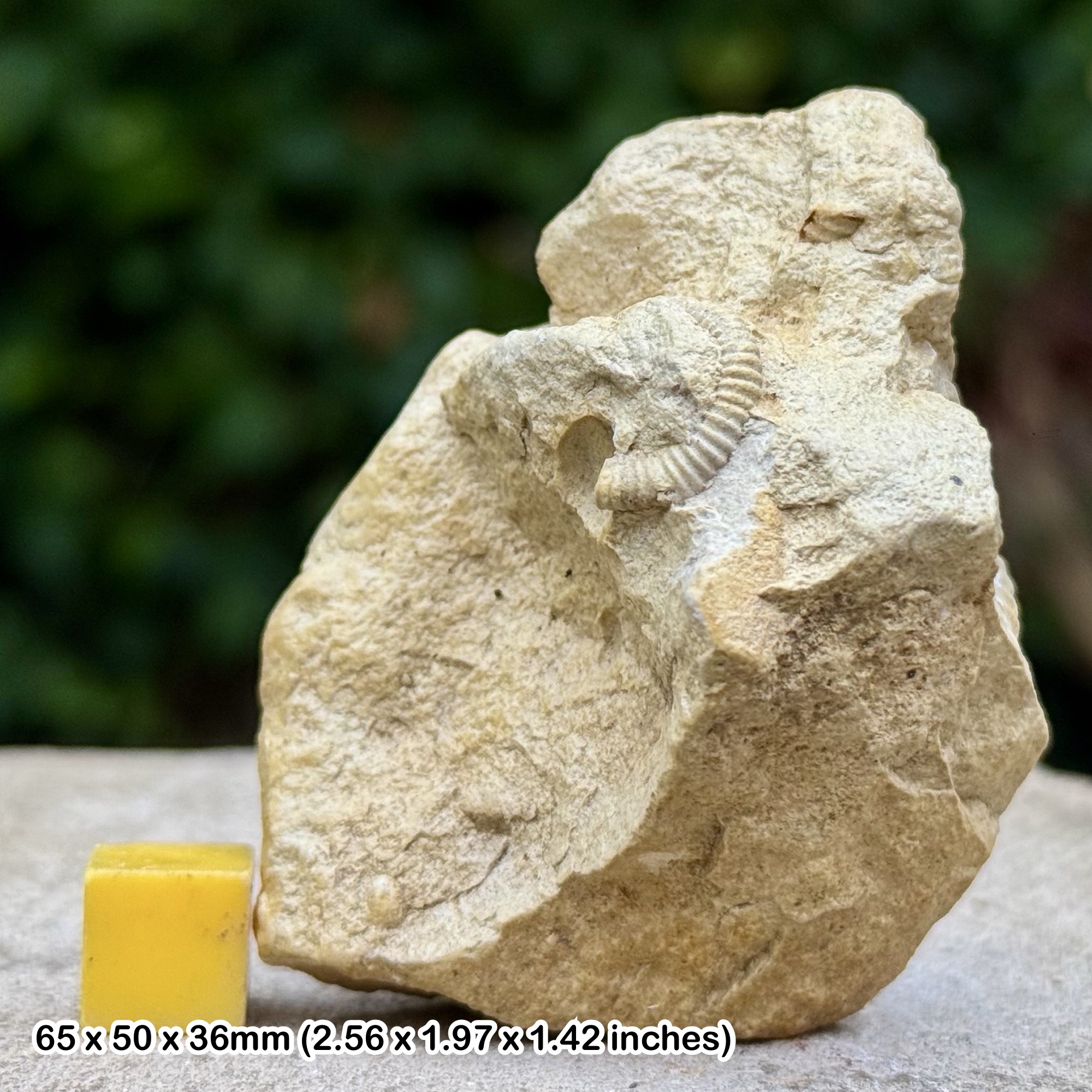
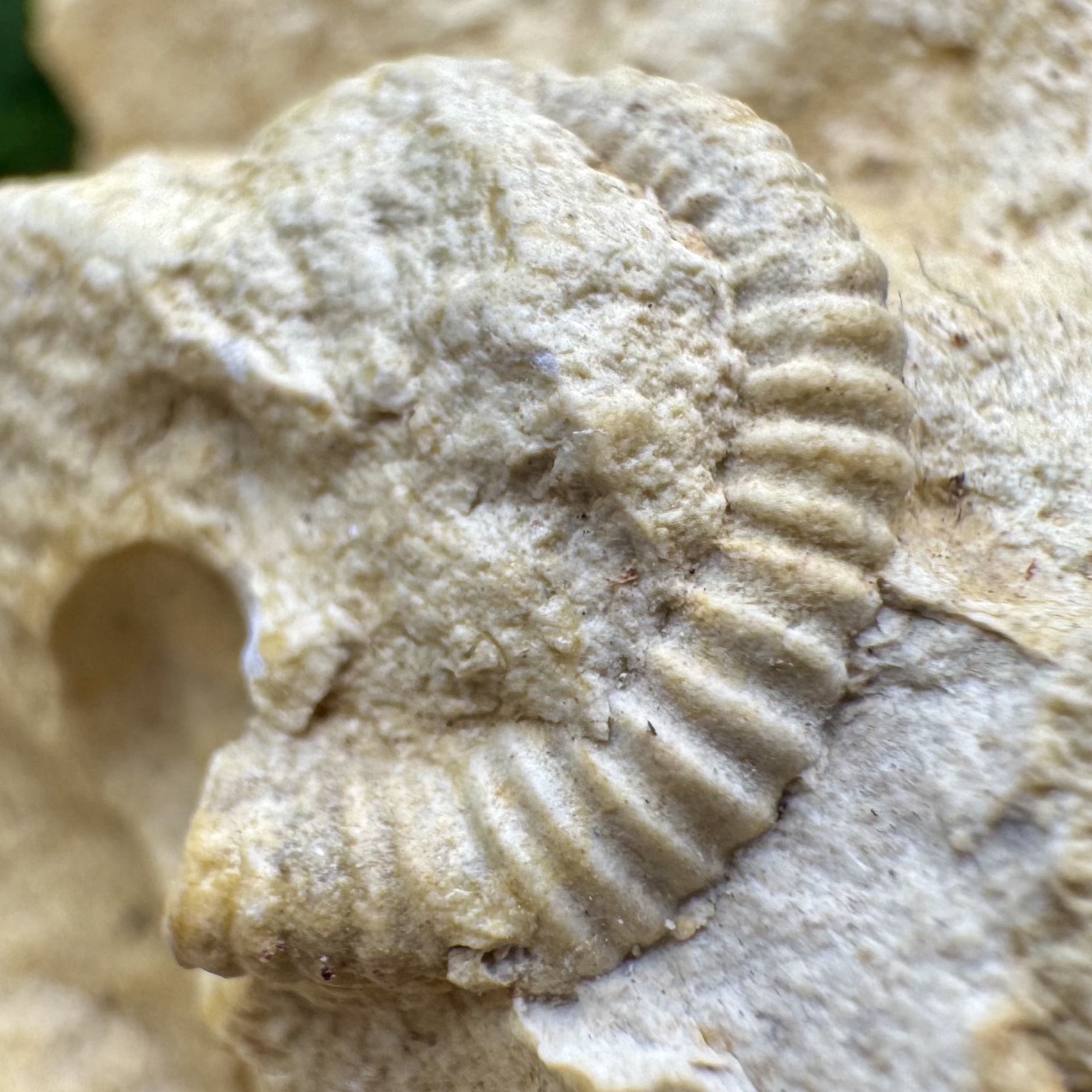
Stage of the Early Cretaceous Period, approximately 113–100 million years old. The specimen comes from North Texas, USA, a locality well known for its excellent preservation of ammonites and other marine fossils from the Cretaceous seas. Each fossil we sell is 100% genuine, carefully selected, and comes with a Certificate of Authenticity. The specimen photographed is the exact one you will receive, and the 1 cm scale cube shown provides an accurate representation of its size. GEOLOGICAL AGE AND PROVENANCEThe Albian Stage was a key interval in the Early Cretaceous, marked by widespread shallow seas covering much of present-day North America. These warm, nutrient-rich waters supported a diverse marine ecosystem, including numerous ammonite genera. The deposits of North Texas, part of the ancient Western Interior Seaway, are highly fossiliferous and have yielded some of the finest examples of heteromorph ammonites. Fossils such as this Hamites specimen provide a direct window into these ecosystems, recording evolutionary adaptations that flourished just before the transition into the Late Cretaceous. FOSSIL TYPE AND CLASSIFICATIONAmmonites were extinct marine molluscs within the order Ammonitida, related to squid and octopus. The genus Hamites, one of the most distinctive heteromorph ammonites, belongs to the family Hamitidae and the superfamily Turrilitoidea. Unlike planispiral ammonites, Hamites displayed uncoiled, rod-like or hook-shaped shells, which deviated dramatically from the classic spiral form. This unusual morphology highlights the evolutionary experimentation of ammonites during the Cretaceous and has made Hamites a focal point of scientific and collector interest alike. MORPHOLOGY AND DISTINCTIVE FEATURESThe fossilised shell of Hamites is characterised by its elongated, straight sections and abrupt bends or hooks. Its ribbing and ornamentation are typically well-marked, providing clear diagnostic traits for species recognition. This heteromorph coiling is thought to have influenced its swimming and buoyancy, suggesting that Hamites may have lived a different lifestyle compared to tightly coiled ammonites. The distinctive geometry of the shell, preserved in this specimen, makes it both a scientifically valuable fossil and a visually striking display piece. SCIENTIFIC AND COLLECTOR SIGNIFICANCEHeteromorph ammonites such as Hamites are important index fossils, used by geologists to define Albian biozones and correlate rock layers across continents. Their restricted stratigraphic range and unique shell design make them vital tools for reconstructing the geological timescale. For collectors, owning a specimen of Hamites offers not only a glimpse into the evolutionary story of ammonites but also an attractive and unusual fossil that stands out from more conventional ammonite forms. The provenance from North Texas adds further appeal, as fossils from this region are prized for their historical significance and quality. PROVENANCE AND AUTHENTICITY
• Genus: Hamites
• Fossil Type: Heteromorph ammonite
• Geological Stage: Albian, Early Cretaceous (~113–100 million years ago)
• Location: North Texas, USA
• Family: Hamitidae
• Superfamily: Turrilitoidea
• Order: Ammonitida
• Notable Features: Elongated uncoiled shell, hook-shaped sections, strong ribbing
• Authenticity: 100% genuine fossil with Certificate of Authenticity
• Photographs: Actual specimen shown with 1 cm scale cube for accurate sizing A CAREFULLY SELECTED FOSSILThis Hamites heteromorph ammonite fossil has been hand-selected for its quality, preservation, and rarity. The fossil pictured is the exact specimen you will receive, guaranteeing full transparency. Every piece is supplied with a Certificate of Authenticity, making it a secure addition to any serious fossil collection, educational resource, or museum display.This rare Hamites ammonite from North Texas is a remarkable piece of natural history, offering both scientific importance and aesthetic beauty as a unique record of Cretaceous marine life.
Stage of the Early Cretaceous Period, approximately 113–100 million years old. The specimen comes from North Texas, USA, a locality well known for its excellent preservation of ammonites and other marine fossils from the Cretaceous seas. Each fossil we sell is 100% genuine, carefully selected, and comes with a Certificate of Authenticity. The specimen photographed is the exact one you will receive, and the 1 cm scale cube shown provides an accurate representation of its size. GEOLOGICAL AGE AND PROVENANCEThe Albian Stage was a key interval in the Early Cretaceous, marked by widespread shallow seas covering much of present-day North America. These warm, nutrient-rich waters supported a diverse marine ecosystem, including numerous ammonite genera. The deposits of North Texas, part of the ancient Western Interior Seaway, are highly fossiliferous and have yielded some of the finest examples of heteromorph ammonites. Fossils such as this Hamites specimen provide a direct window into these ecosystems, recording evolutionary adaptations that flourished just before the transition into the Late Cretaceous. FOSSIL TYPE AND CLASSIFICATIONAmmonites were extinct marine molluscs within the order Ammonitida, related to squid and octopus. The genus Hamites, one of the most distinctive heteromorph ammonites, belongs to the family Hamitidae and the superfamily Turrilitoidea. Unlike planispiral ammonites, Hamites displayed uncoiled, rod-like or hook-shaped shells, which deviated dramatically from the classic spiral form. This unusual morphology highlights the evolutionary experimentation of ammonites during the Cretaceous and has made Hamites a focal point of scientific and collector interest alike. MORPHOLOGY AND DISTINCTIVE FEATURESThe fossilised shell of Hamites is characterised by its elongated, straight sections and abrupt bends or hooks. Its ribbing and ornamentation are typically well-marked, providing clear diagnostic traits for species recognition. This heteromorph coiling is thought to have influenced its swimming and buoyancy, suggesting that Hamites may have lived a different lifestyle compared to tightly coiled ammonites. The distinctive geometry of the shell, preserved in this specimen, makes it both a scientifically valuable fossil and a visually striking display piece. SCIENTIFIC AND COLLECTOR SIGNIFICANCEHeteromorph ammonites such as Hamites are important index fossils, used by geologists to define Albian biozones and correlate rock layers across continents. Their restricted stratigraphic range and unique shell design make them vital tools for reconstructing the geological timescale. For collectors, owning a specimen of Hamites offers not only a glimpse into the evolutionary story of ammonites but also an attractive and unusual fossil that stands out from more conventional ammonite forms. The provenance from North Texas adds further appeal, as fossils from this region are prized for their historical significance and quality. PROVENANCE AND AUTHENTICITY
• Genus: Hamites
• Fossil Type: Heteromorph ammonite
• Geological Stage: Albian, Early Cretaceous (~113–100 million years ago)
• Location: North Texas, USA
• Family: Hamitidae
• Superfamily: Turrilitoidea
• Order: Ammonitida
• Notable Features: Elongated uncoiled shell, hook-shaped sections, strong ribbing
• Authenticity: 100% genuine fossil with Certificate of Authenticity
• Photographs: Actual specimen shown with 1 cm scale cube for accurate sizing A CAREFULLY SELECTED FOSSILThis Hamites heteromorph ammonite fossil has been hand-selected for its quality, preservation, and rarity. The fossil pictured is the exact specimen you will receive, guaranteeing full transparency. Every piece is supplied with a Certificate of Authenticity, making it a secure addition to any serious fossil collection, educational resource, or museum display.This rare Hamites ammonite from North Texas is a remarkable piece of natural history, offering both scientific importance and aesthetic beauty as a unique record of Cretaceous marine life.
Other Products