12th Century Medieval Arrowhead European Iron Weapon Historic Artifact Authentic Rare Crusader Era Arrowhead with Certificate
£ 240.00
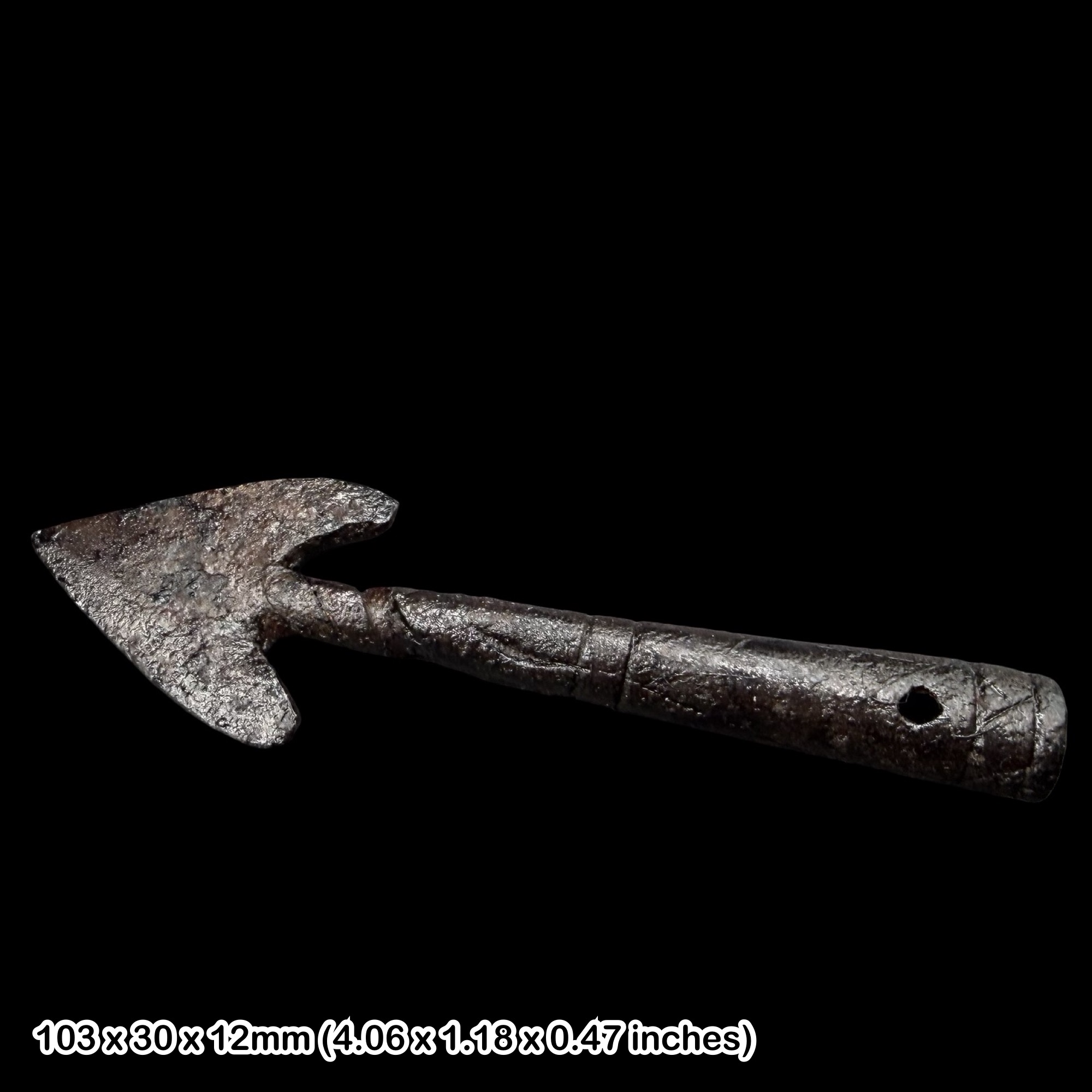
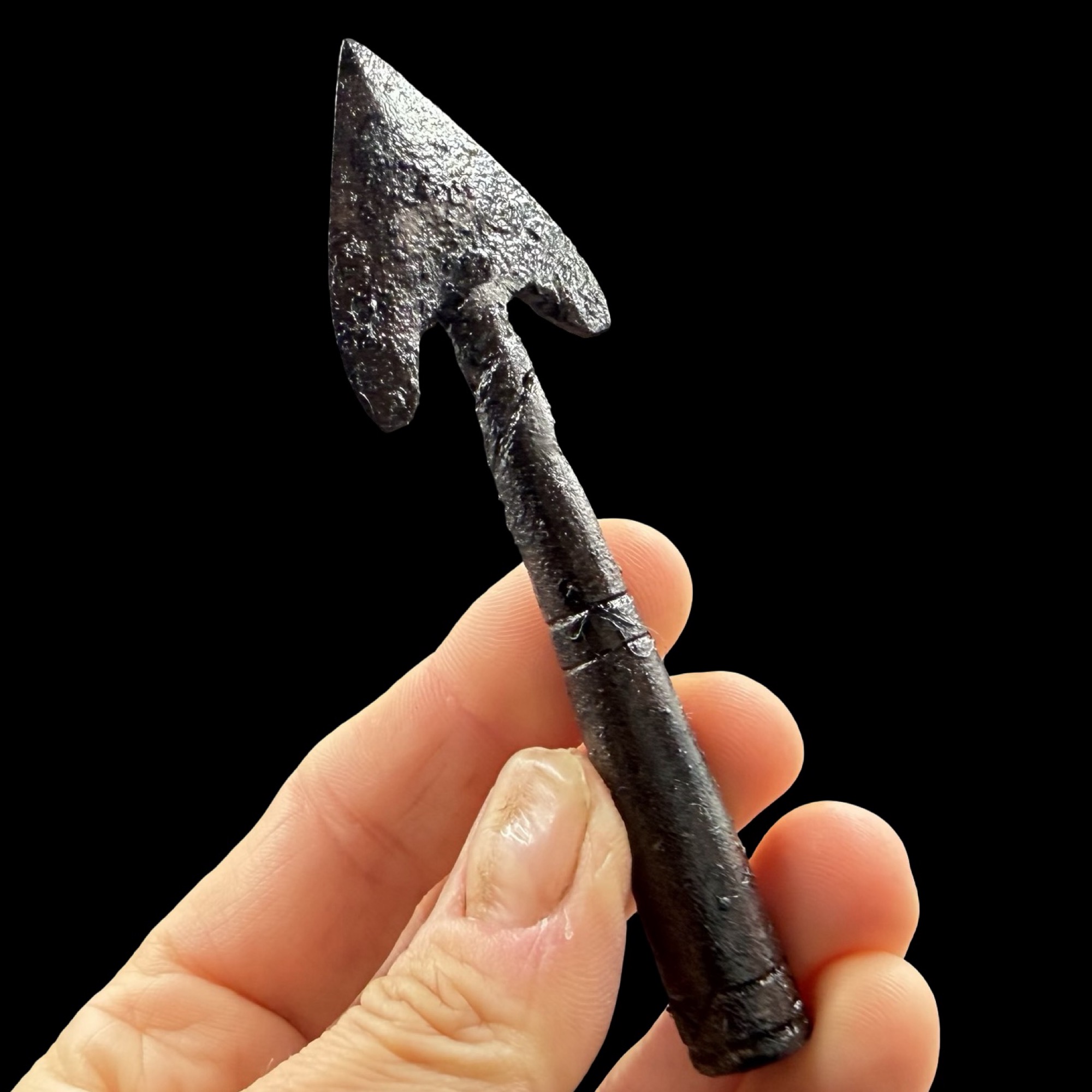
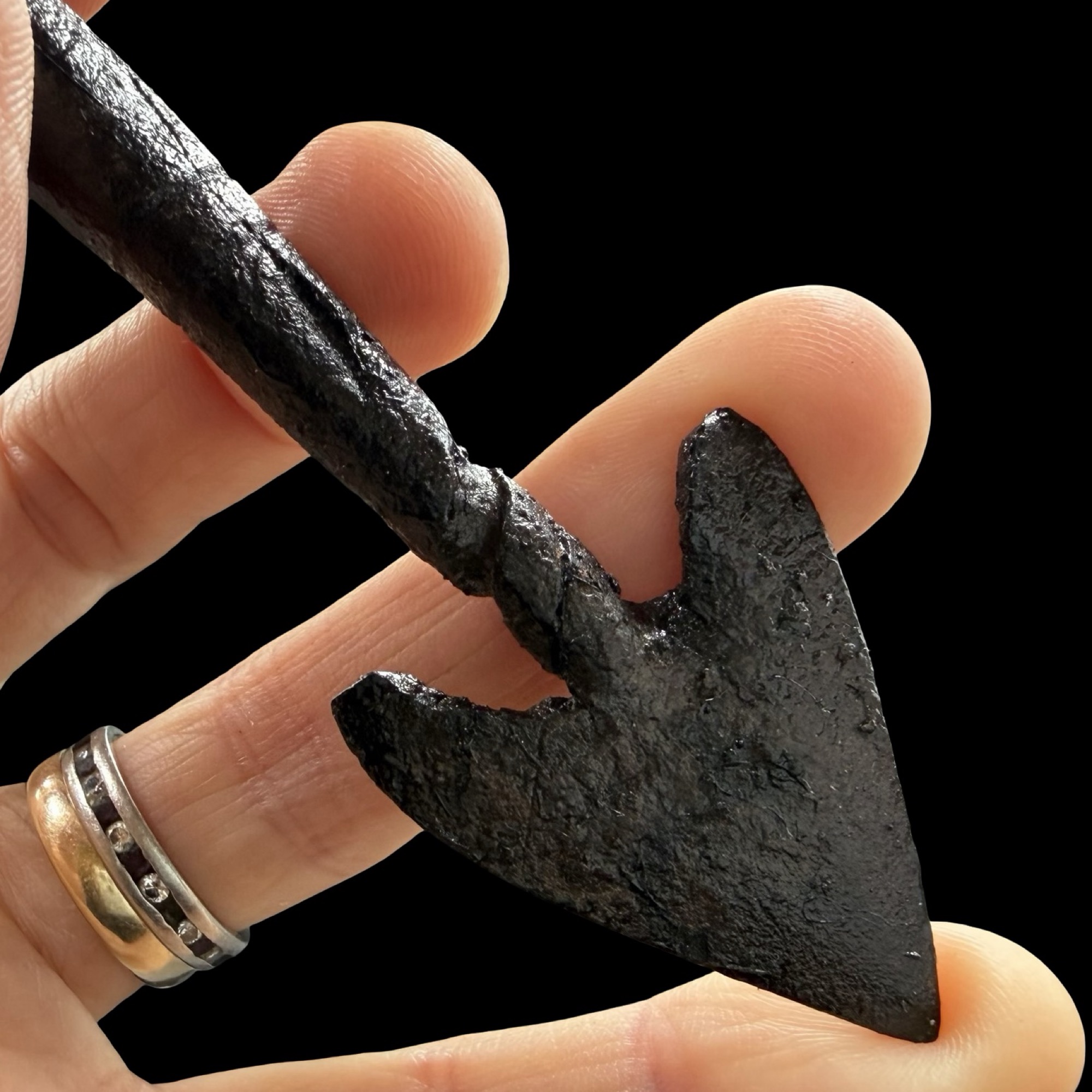
Rare 12th Century European Iron Arrowhead – Medieval Historic ArtefactThis rare 12th century European iron arrowhead is a genuine medieval artefact,
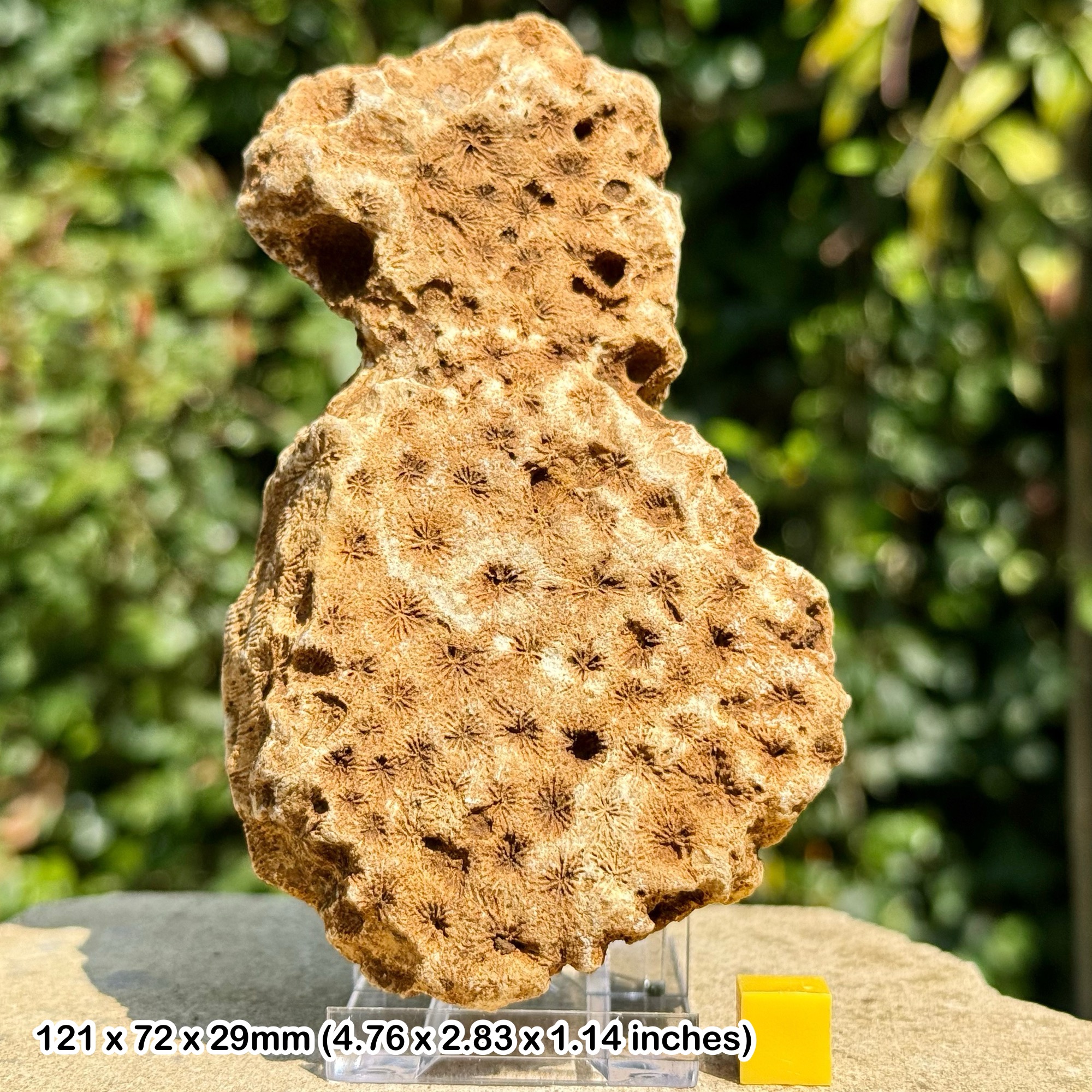
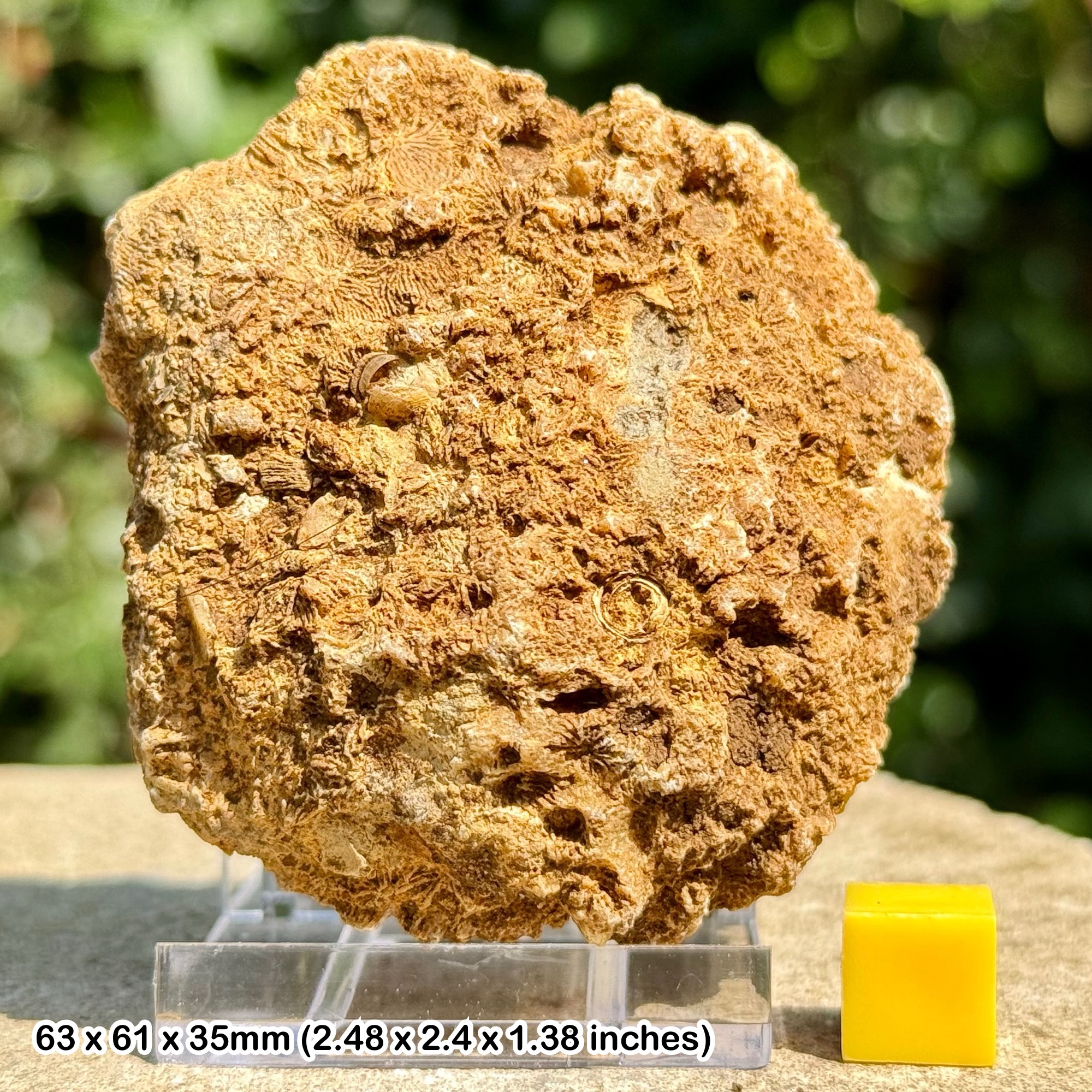
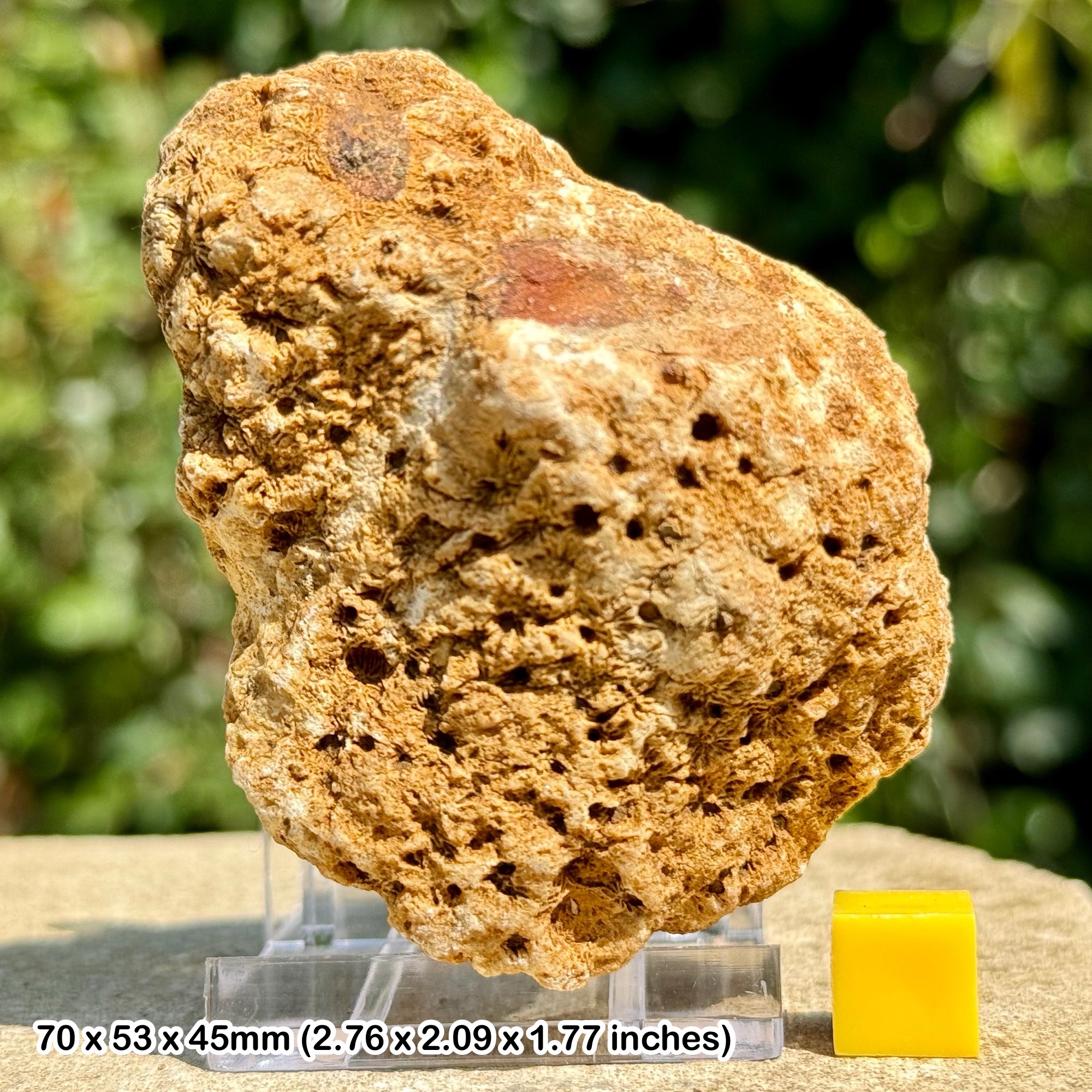
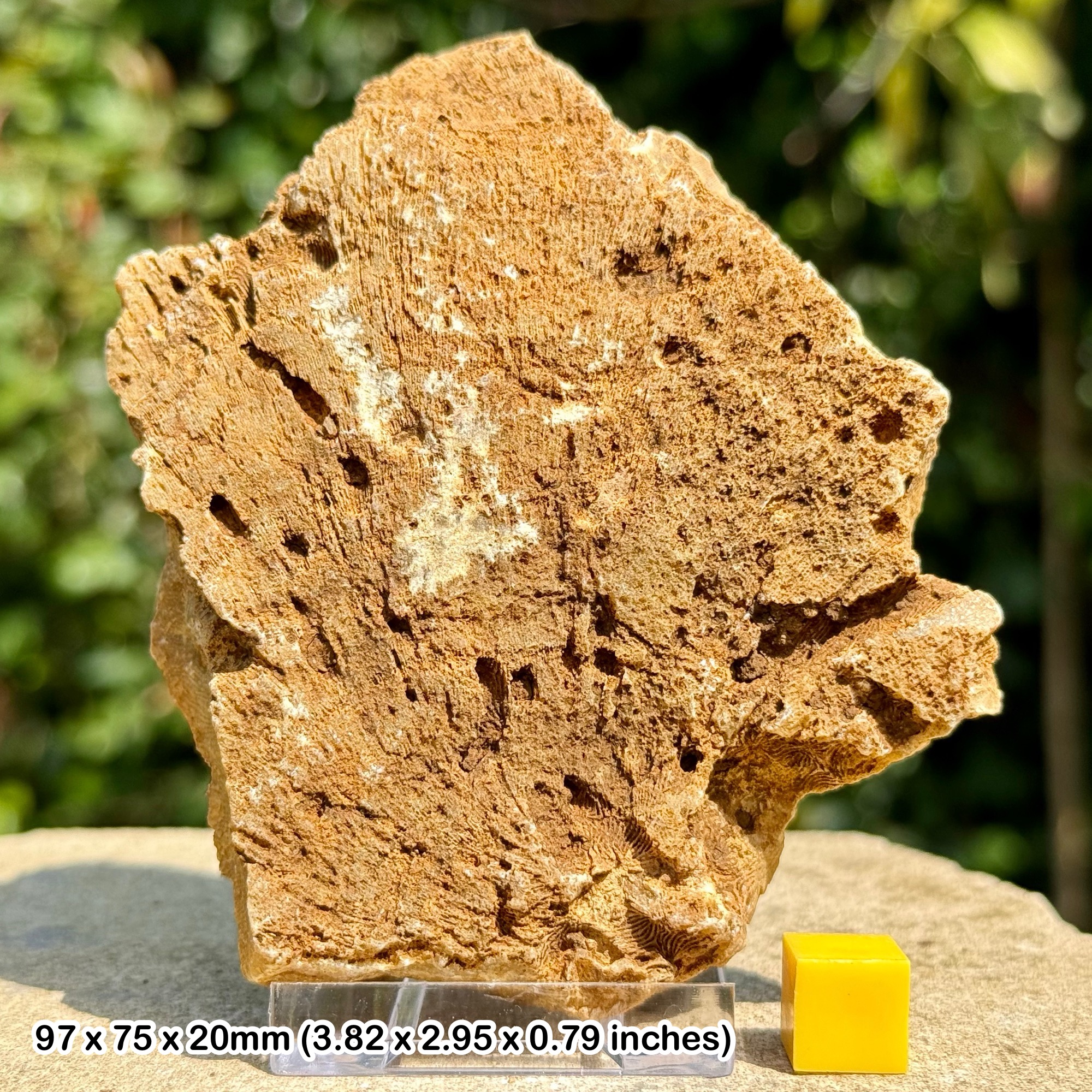
representing an authentic piece of weaponry from the High Middle Ages. Carefully selected for its preservation and historical significance, this arrowhead offers a direct connection to a dynamic period of European history. The exact specimen shown in the photographs is the one you will receive and includes a Certificate of Authenticity lifetime guarantee generic card.Historical Context – 12th Century EuropeThe 12th century was a defining period of the High Middle Ages, marked by the growth of kingdoms, fortified castles, and organised warfare. This era includes the time of the Crusades, feudal conflicts, and the expansion of medieval societies across Europe.Archery played a crucial role in both battlefield tactics and hunting. Arrowheads such as this would have been used by archers in military campaigns, castle defence, and everyday survival. The effectiveness of the bow made it one of the most important weapons of the medieval period, and iron arrowheads were essential components of this technology.Artefact Identification – Medieval Iron ArrowheadThis artefact is a forged iron arrowhead typical of medieval European weaponry. By the 12th century, ironworking techniques had advanced significantly, allowing blacksmiths to produce stronger, more refined weapons.The arrowhead would originally have been mounted onto a wooden shaft using a tang or socket, forming a complete arrow used with bows of varying strength. Its design reflects functionality, durability, and efficiency in combat or hunting scenarios.Construction Method and Material CompositionThis arrowhead was produced using traditional medieval blacksmithing techniques. Iron was heated in a forge and shaped through hammering, then refined to create a sharp and durable point.Key features include:
• Hand-forged iron construction
• Natural aged patina developed over centuries
• Evidence of hammering and shaping during manufacture
• Functional blade design optimised for penetration
• Tang or socket base for attachment to a shaftThe corrosion and surface texture are consistent with long-term burial and natural ageing, reinforcing its authenticity as a historical artefact.Morphology and Notable FeaturesThis specimen displays classic features associated with 12th century European arrowheads:
• Tapered, pointed blade suitable for piercing armour or soft targets
• Symmetrical shape for stable flight and accuracy
• Reinforced central spine for added strength
• Compact and aerodynamic design
• Subtle irregularities indicative of hand-forged craftsmanshipDepending on its exact profile, arrowheads of this type could have been used for general combat or specialised purposes such as penetrating armour.Cultural and Archaeological SignificanceArrowheads from the 12th century provide valuable insight into medieval warfare, craftsmanship, and daily life. They are often discovered at battle sites, settlement areas, and defensive structures, offering a direct link to historical events and practices.As artefacts from the High Middle Ages, these pieces are highly sought after by collectors and historians. Each arrowhead represents not only a functional object but also the skill of the blacksmith and the historical context in which it was used.Authenticity and PresentationThis artefact is a 100% genuine 12th century European iron arrowhead and includes a Certificate of Authenticity lifetime guarantee generic card. The item shown in the photographs is the exact piece you will receive.Full sizing can be confirmed via the listing images, allowing you to clearly assess the dimensions and condition of the artefact.Ideal for Collectors, Display, or Historical StudyThis medieval arrowhead is an exceptional addition to any collection of historical artefacts. Its authenticity, craftsmanship, and historical relevance make it ideal for collectors, educators, or as a distinctive display piece. It represents a genuine fragment of medieval European history, preserved across centuries.
representing an authentic piece of weaponry from the High Middle Ages. Carefully selected for its preservation and historical significance, this arrowhead offers a direct connection to a dynamic period of European history. The exact specimen shown in the photographs is the one you will receive and includes a Certificate of Authenticity lifetime guarantee generic card.Historical Context – 12th Century EuropeThe 12th century was a defining period of the High Middle Ages, marked by the growth of kingdoms, fortified castles, and organised warfare. This era includes the time of the Crusades, feudal conflicts, and the expansion of medieval societies across Europe.Archery played a crucial role in both battlefield tactics and hunting. Arrowheads such as this would have been used by archers in military campaigns, castle defence, and everyday survival. The effectiveness of the bow made it one of the most important weapons of the medieval period, and iron arrowheads were essential components of this technology.Artefact Identification – Medieval Iron ArrowheadThis artefact is a forged iron arrowhead typical of medieval European weaponry. By the 12th century, ironworking techniques had advanced significantly, allowing blacksmiths to produce stronger, more refined weapons.The arrowhead would originally have been mounted onto a wooden shaft using a tang or socket, forming a complete arrow used with bows of varying strength. Its design reflects functionality, durability, and efficiency in combat or hunting scenarios.Construction Method and Material CompositionThis arrowhead was produced using traditional medieval blacksmithing techniques. Iron was heated in a forge and shaped through hammering, then refined to create a sharp and durable point.Key features include:
• Hand-forged iron construction
• Natural aged patina developed over centuries
• Evidence of hammering and shaping during manufacture
• Functional blade design optimised for penetration
• Tang or socket base for attachment to a shaftThe corrosion and surface texture are consistent with long-term burial and natural ageing, reinforcing its authenticity as a historical artefact.Morphology and Notable FeaturesThis specimen displays classic features associated with 12th century European arrowheads:
• Tapered, pointed blade suitable for piercing armour or soft targets
• Symmetrical shape for stable flight and accuracy
• Reinforced central spine for added strength
• Compact and aerodynamic design
• Subtle irregularities indicative of hand-forged craftsmanshipDepending on its exact profile, arrowheads of this type could have been used for general combat or specialised purposes such as penetrating armour.Cultural and Archaeological SignificanceArrowheads from the 12th century provide valuable insight into medieval warfare, craftsmanship, and daily life. They are often discovered at battle sites, settlement areas, and defensive structures, offering a direct link to historical events and practices.As artefacts from the High Middle Ages, these pieces are highly sought after by collectors and historians. Each arrowhead represents not only a functional object but also the skill of the blacksmith and the historical context in which it was used.Authenticity and PresentationThis artefact is a 100% genuine 12th century European iron arrowhead and includes a Certificate of Authenticity lifetime guarantee generic card. The item shown in the photographs is the exact piece you will receive.Full sizing can be confirmed via the listing images, allowing you to clearly assess the dimensions and condition of the artefact.Ideal for Collectors, Display, or Historical StudyThis medieval arrowhead is an exceptional addition to any collection of historical artefacts. Its authenticity, craftsmanship, and historical relevance make it ideal for collectors, educators, or as a distinctive display piece. It represents a genuine fragment of medieval European history, preserved across centuries.
Other Products