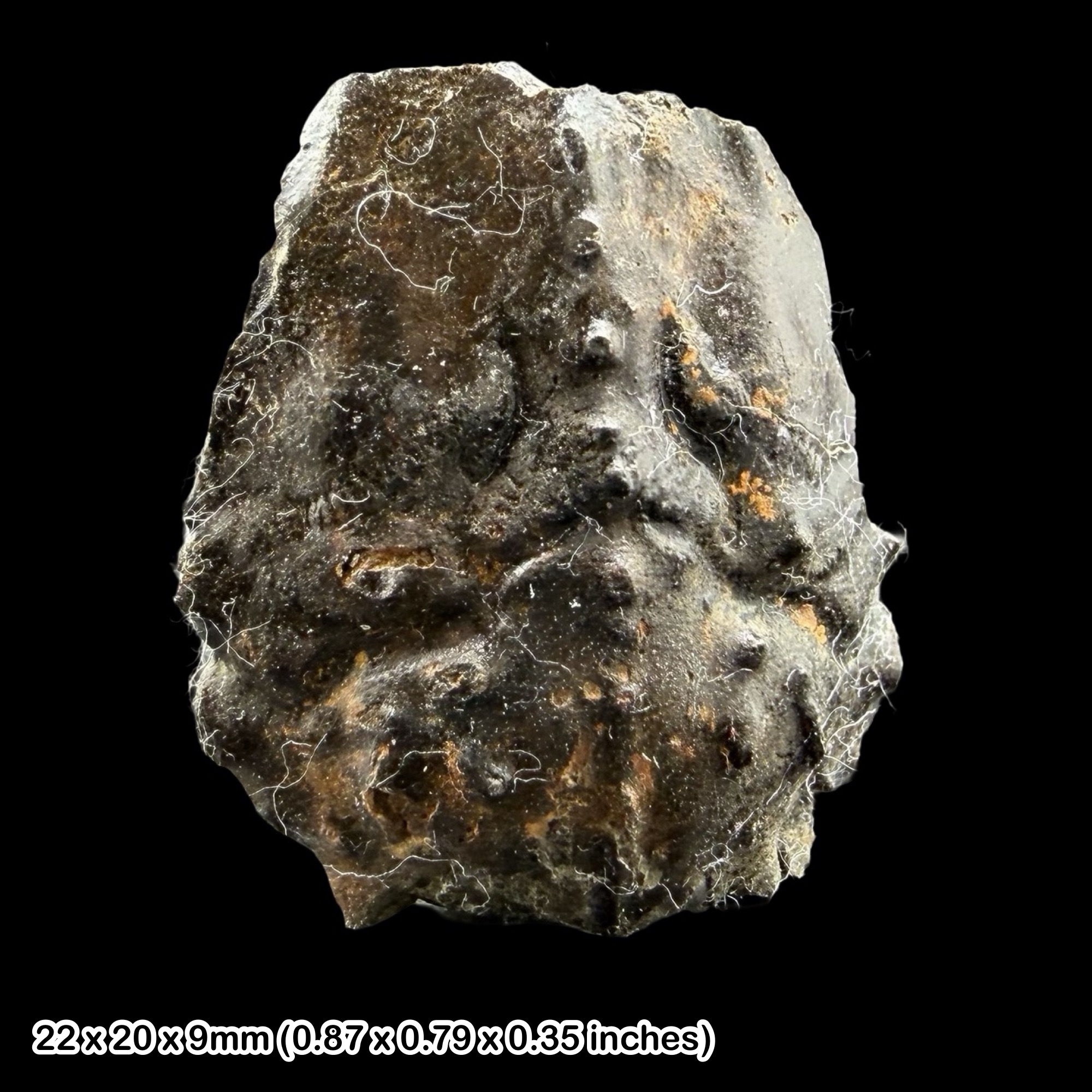

Fossil Crab Brachyura indet Jurassic Crab Fossil Oxfordshire UK Great Oolite Genuine Fossil Specimen
£ 60.00
GENUINE FOSSIL CRAB FROM THE GREAT OOLITE GROUP, OXFORDSHIREThis genuine Fossil Crab specimen, identified as Brachyura indet., originates
from the Great Oolite Group deposits of Ardley Fields Quarry, Oxfordshire, UK. Dating to the Middle Jurassic Bathonian stage, this remarkable fossil preserves part of an ancient marine crustacean that lived approximately 168 million years ago within warm shallow seas that once covered much of southern Britain.The exact fossil shown in the photographs is the specimen you will receive. Each fossil is a carefully selected natural piece supplied with a Certificate of Authenticity lifetime guarantee generic card confirming the specimen is completely genuine.Please refer to the photographs for full sizing and scale. ABOUT JURASSIC FOSSIL CRABSBrachyura, commonly known as true crabs, belong to the order Decapoda within the class Malacostraca. These marine arthropods are characterised by their compact body form, broad carapace, reduced abdomen tucked beneath the body, and multiple pairs of walking legs. Fossil crabs are significantly rarer than many marine fossils because their exoskeletons were more fragile and less likely to survive the fossilisation process intact.Middle Jurassic crab fossils are especially collectable due to their rarity and importance in understanding the evolutionary history of decapod crustaceans. During the Jurassic period, brachyuran crabs were diversifying within marine ecosystems, adapting to shallow carbonate shelf environments and lagoonal habitats rich in marine life.This specimen represents an ancient marine arthropod preserved within the fossil-rich limestones and sedimentary deposits of the Great Oolite Group, one of Britain’s most significant Jurassic geological formations. GEOLOGICAL FORMATION AND DEPOSITIONAL ENVIRONMENTThe Great Oolite Group is a sequence of Middle Jurassic sedimentary rocks deposited during the Bathonian stage. These formations are composed primarily of limestones, calcareous mudstones, and shallow marine sediments formed within warm subtropical seas.Ardley Fields Quarry in Oxfordshire is recognised for producing a diverse range of Jurassic fossils including marine reptiles, bivalves, echinoids, ammonites, crustaceans, and exceptionally preserved decapod remains. The depositional environment consisted of shallow carbonate platforms, lagoons, and nearshore marine settings where marine organisms thrived in oxygenated tropical waters.Over millions of years, rapid burial within fine carbonate sediments enabled the preservation of delicate anatomical features. Mineralisation processes gradually replaced organic material while retaining the structure of the original exoskeleton, resulting in the fossil visible today.The Bathonian stage represents an important interval within the Middle Jurassic, known for extensive carbonate sedimentation across Europe and flourishing marine biodiversity. FOSSIL PRESERVATION AND MORPHOLOGICAL FEATURESThis fossil crab specimen preserves characteristic brachyuran morphology, potentially including portions of the carapace, claw structures, limb elements, or dorsal shell surface depending on preservation. Natural surface textures and skeletal detail formed during fossilisation contribute to the individuality and scientific interest of the specimen.The fossil may display natural limestone matrix contrast, mineral infilling, calcitic preservation, or subtle sedimentary textures associated with the surrounding Jurassic rock. Variations in colour can include shades of cream, beige, grey, brown, or darker mineralised tones depending on the composition of the sediment and fossilisation conditions.Because fossil crabs are relatively uncommon compared to ammonites and shell fossils, specimens from British Jurassic deposits are highly sought after by collectors specialising in arthropods, marine fossils, and British palaeontology. COLLECTABLE JURASSIC MARINE FOSSILJurassic crab fossils are prized by fossil enthusiasts due to their rarity, detailed preservation, and importance within marine evolutionary history. This specimen makes an excellent addition to:
• Fossil and crustacean collections
• Jurassic fossil collections
• British fossil collections
• Marine invertebrate collections
• Educational and geological displays
• Natural history cabinets
• Curiosity displays and interior décor
• Gifts for fossil collectors and palaeontology enthusiastsThe specimen provides a fascinating glimpse into marine ecosystems that existed long before the age of modern crustaceans. GENUINE BRITISH JURASSIC FOSSIL SPECIMENThis Fossil Crab (Brachyura indet.) from Ardley Fields Quarry, Oxfordshire, UK is a genuine carefully chosen specimen selected for preservation quality, display appeal, and collectability. The exact fossil shown in the photographs is the one you will receive.Every fossil supplied by us is 100% genuine and includes a Certificate of Authenticity lifetime guarantee generic card, providing confidence in the authenticity and provenance of this exceptional Middle Jurassic fossil crab specimen from the Great Oolite Group.
from the Great Oolite Group deposits of Ardley Fields Quarry, Oxfordshire, UK. Dating to the Middle Jurassic Bathonian stage, this remarkable fossil preserves part of an ancient marine crustacean that lived approximately 168 million years ago within warm shallow seas that once covered much of southern Britain.The exact fossil shown in the photographs is the specimen you will receive. Each fossil is a carefully selected natural piece supplied with a Certificate of Authenticity lifetime guarantee generic card confirming the specimen is completely genuine.Please refer to the photographs for full sizing and scale. ABOUT JURASSIC FOSSIL CRABSBrachyura, commonly known as true crabs, belong to the order Decapoda within the class Malacostraca. These marine arthropods are characterised by their compact body form, broad carapace, reduced abdomen tucked beneath the body, and multiple pairs of walking legs. Fossil crabs are significantly rarer than many marine fossils because their exoskeletons were more fragile and less likely to survive the fossilisation process intact.Middle Jurassic crab fossils are especially collectable due to their rarity and importance in understanding the evolutionary history of decapod crustaceans. During the Jurassic period, brachyuran crabs were diversifying within marine ecosystems, adapting to shallow carbonate shelf environments and lagoonal habitats rich in marine life.This specimen represents an ancient marine arthropod preserved within the fossil-rich limestones and sedimentary deposits of the Great Oolite Group, one of Britain’s most significant Jurassic geological formations. GEOLOGICAL FORMATION AND DEPOSITIONAL ENVIRONMENTThe Great Oolite Group is a sequence of Middle Jurassic sedimentary rocks deposited during the Bathonian stage. These formations are composed primarily of limestones, calcareous mudstones, and shallow marine sediments formed within warm subtropical seas.Ardley Fields Quarry in Oxfordshire is recognised for producing a diverse range of Jurassic fossils including marine reptiles, bivalves, echinoids, ammonites, crustaceans, and exceptionally preserved decapod remains. The depositional environment consisted of shallow carbonate platforms, lagoons, and nearshore marine settings where marine organisms thrived in oxygenated tropical waters.Over millions of years, rapid burial within fine carbonate sediments enabled the preservation of delicate anatomical features. Mineralisation processes gradually replaced organic material while retaining the structure of the original exoskeleton, resulting in the fossil visible today.The Bathonian stage represents an important interval within the Middle Jurassic, known for extensive carbonate sedimentation across Europe and flourishing marine biodiversity. FOSSIL PRESERVATION AND MORPHOLOGICAL FEATURESThis fossil crab specimen preserves characteristic brachyuran morphology, potentially including portions of the carapace, claw structures, limb elements, or dorsal shell surface depending on preservation. Natural surface textures and skeletal detail formed during fossilisation contribute to the individuality and scientific interest of the specimen.The fossil may display natural limestone matrix contrast, mineral infilling, calcitic preservation, or subtle sedimentary textures associated with the surrounding Jurassic rock. Variations in colour can include shades of cream, beige, grey, brown, or darker mineralised tones depending on the composition of the sediment and fossilisation conditions.Because fossil crabs are relatively uncommon compared to ammonites and shell fossils, specimens from British Jurassic deposits are highly sought after by collectors specialising in arthropods, marine fossils, and British palaeontology. COLLECTABLE JURASSIC MARINE FOSSILJurassic crab fossils are prized by fossil enthusiasts due to their rarity, detailed preservation, and importance within marine evolutionary history. This specimen makes an excellent addition to:
• Fossil and crustacean collections
• Jurassic fossil collections
• British fossil collections
• Marine invertebrate collections
• Educational and geological displays
• Natural history cabinets
• Curiosity displays and interior décor
• Gifts for fossil collectors and palaeontology enthusiastsThe specimen provides a fascinating glimpse into marine ecosystems that existed long before the age of modern crustaceans. GENUINE BRITISH JURASSIC FOSSIL SPECIMENThis Fossil Crab (Brachyura indet.) from Ardley Fields Quarry, Oxfordshire, UK is a genuine carefully chosen specimen selected for preservation quality, display appeal, and collectability. The exact fossil shown in the photographs is the one you will receive.Every fossil supplied by us is 100% genuine and includes a Certificate of Authenticity lifetime guarantee generic card, providing confidence in the authenticity and provenance of this exceptional Middle Jurassic fossil crab specimen from the Great Oolite Group.
Other Products