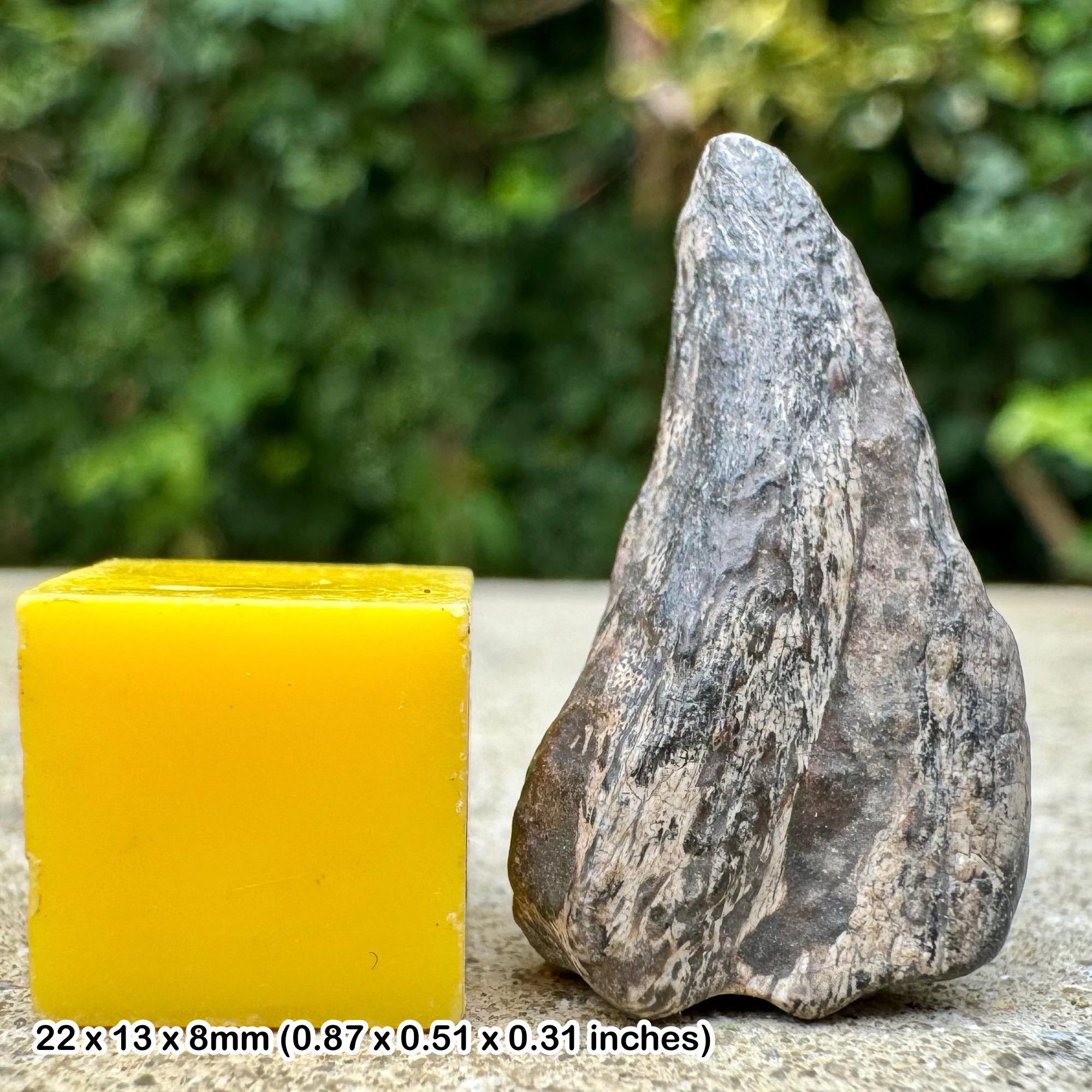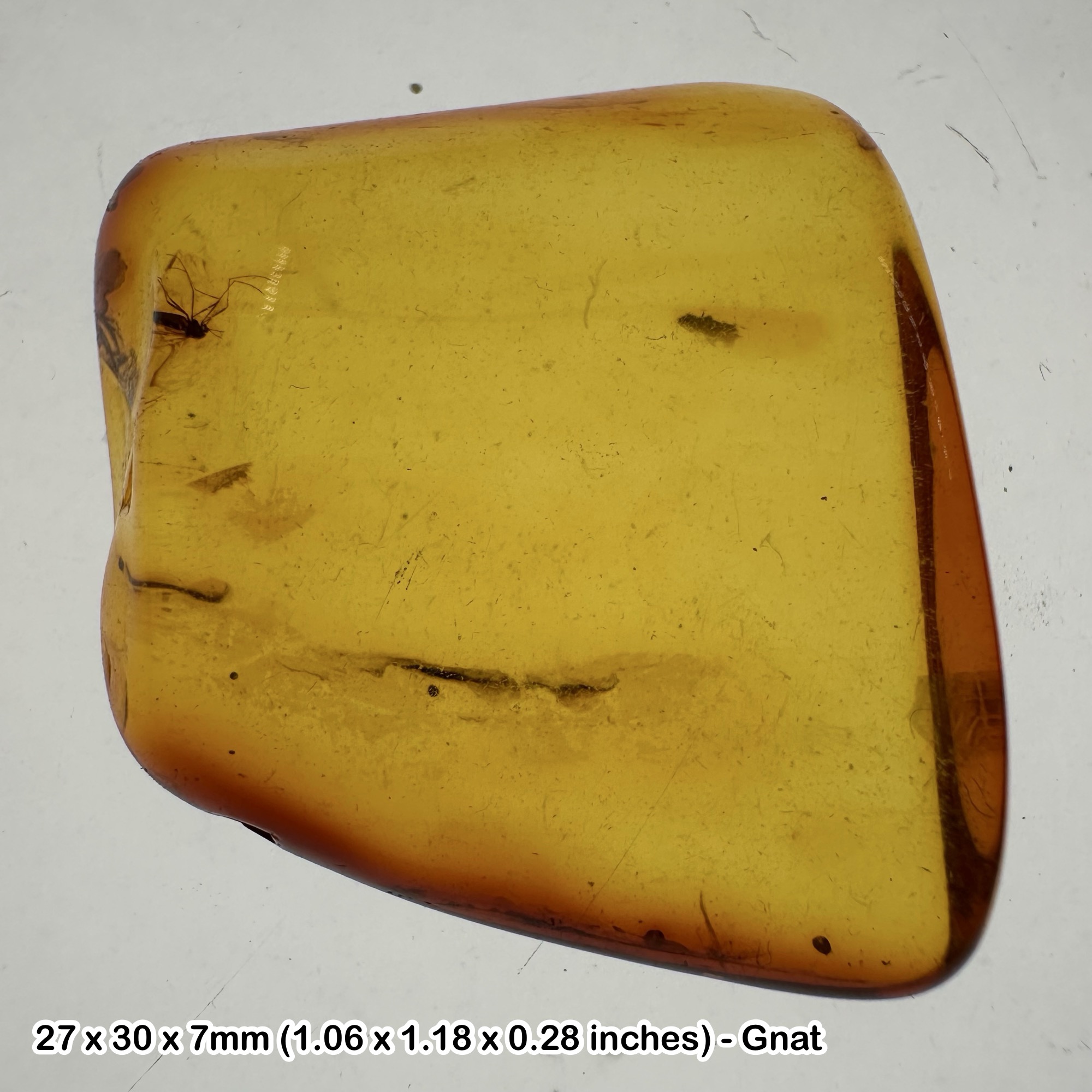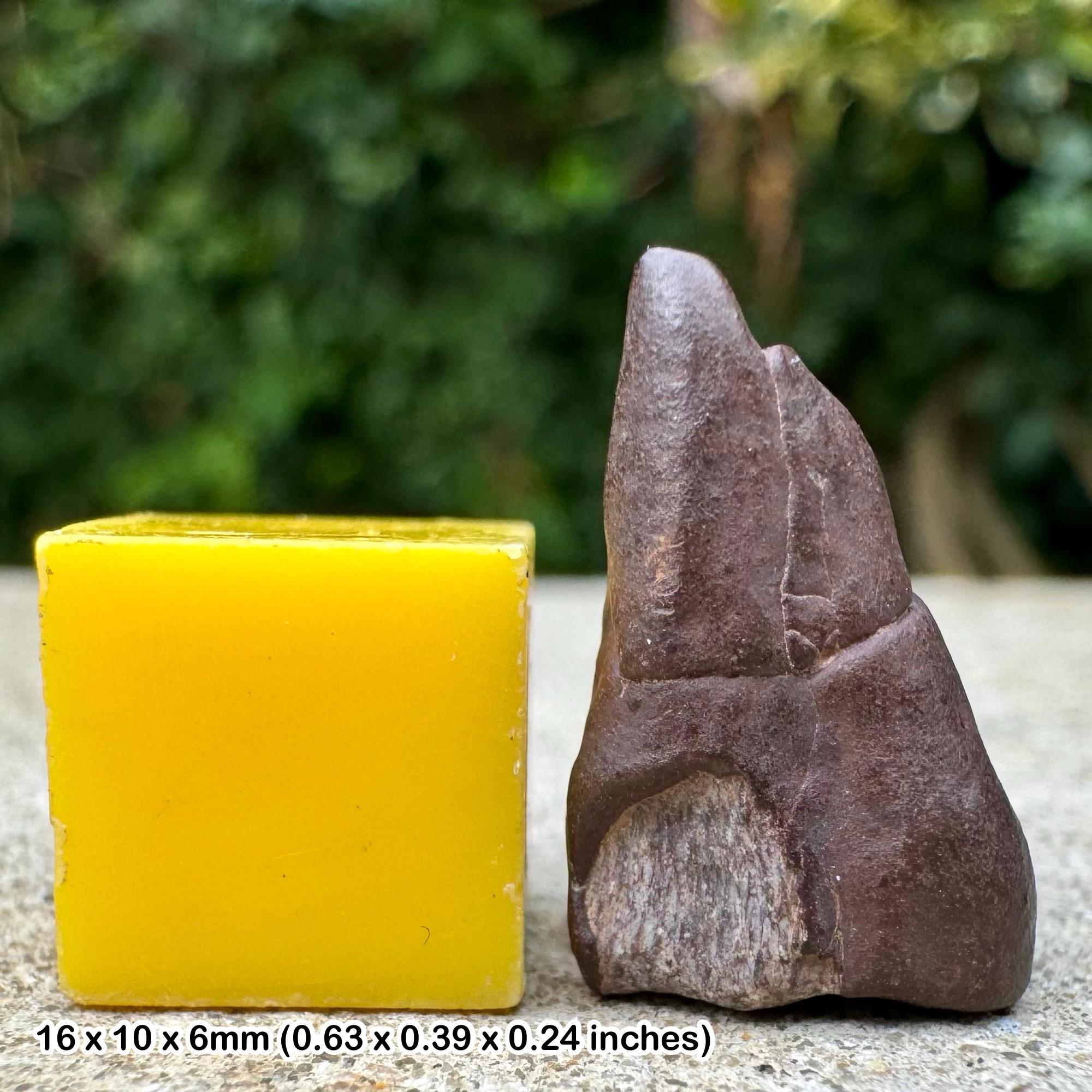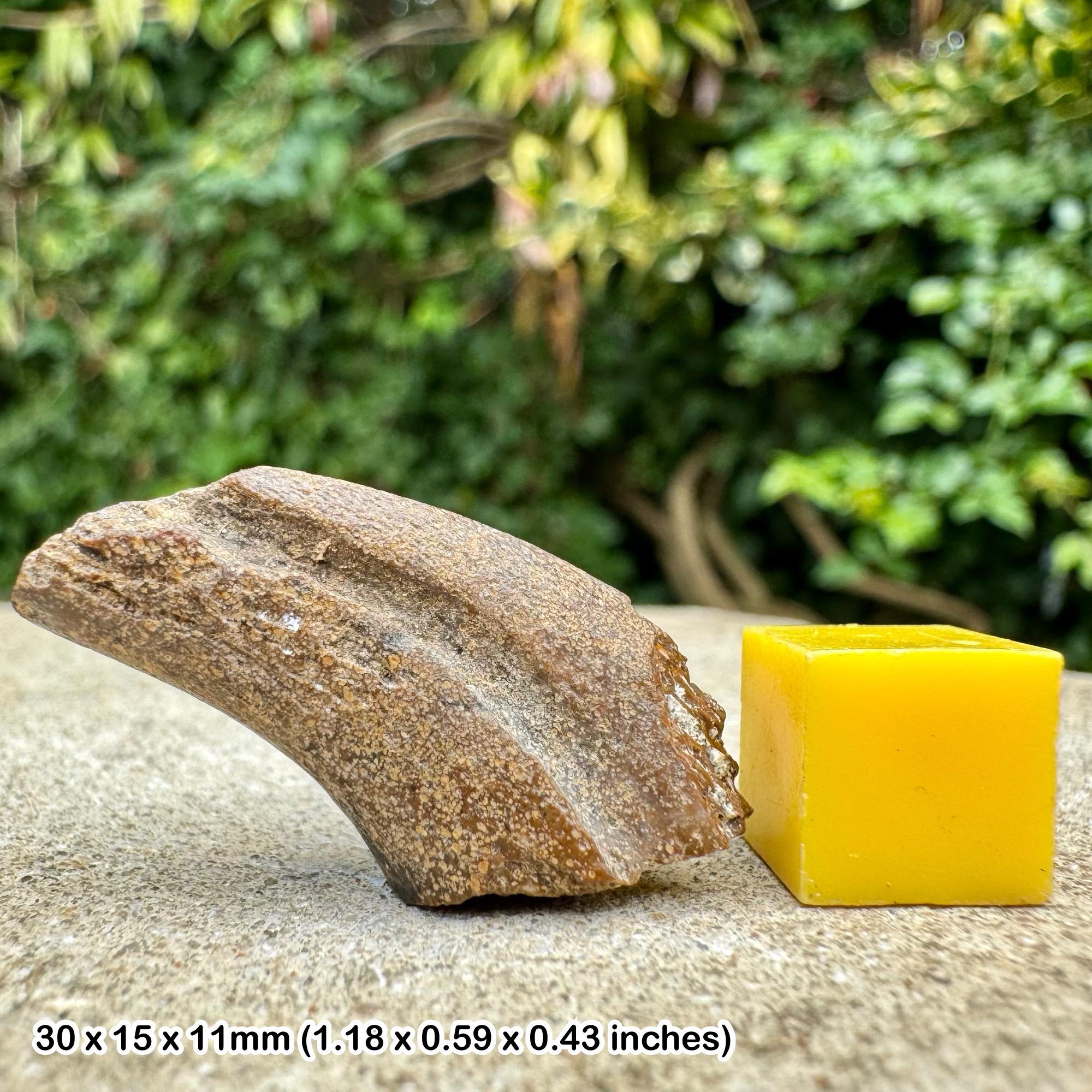
RARE: Shark Fin Spine Fossil Jurassic Coast Charmouth Lyme Regis Dorset UK Authentic Lower Lias Black Ven Marls Specimen Certificate
£ 60.00
Shark Fin Spine Fossil – Jurassic Coast, Dorset, UKThis rare and highly desirable shark fin spine fossil section originates from
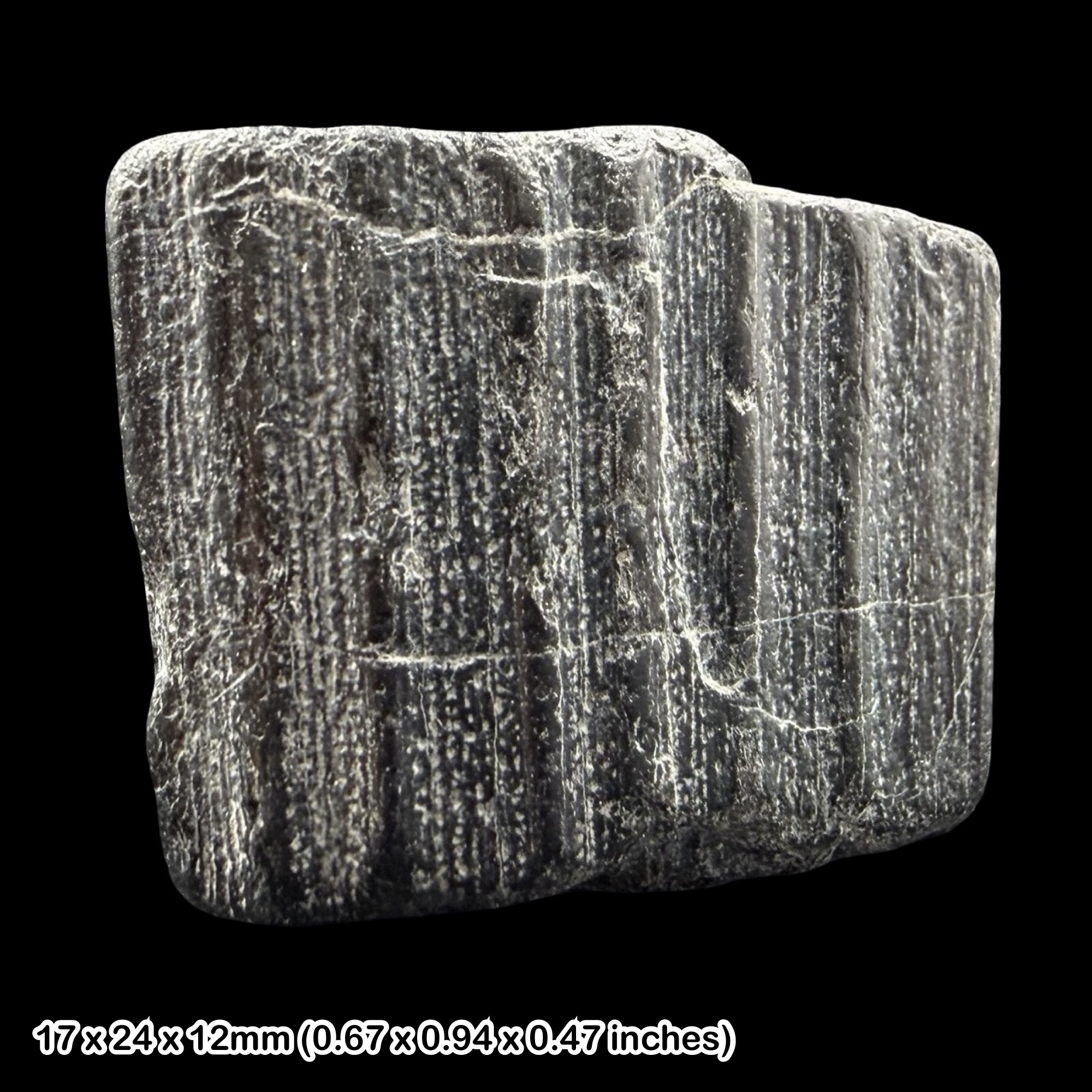
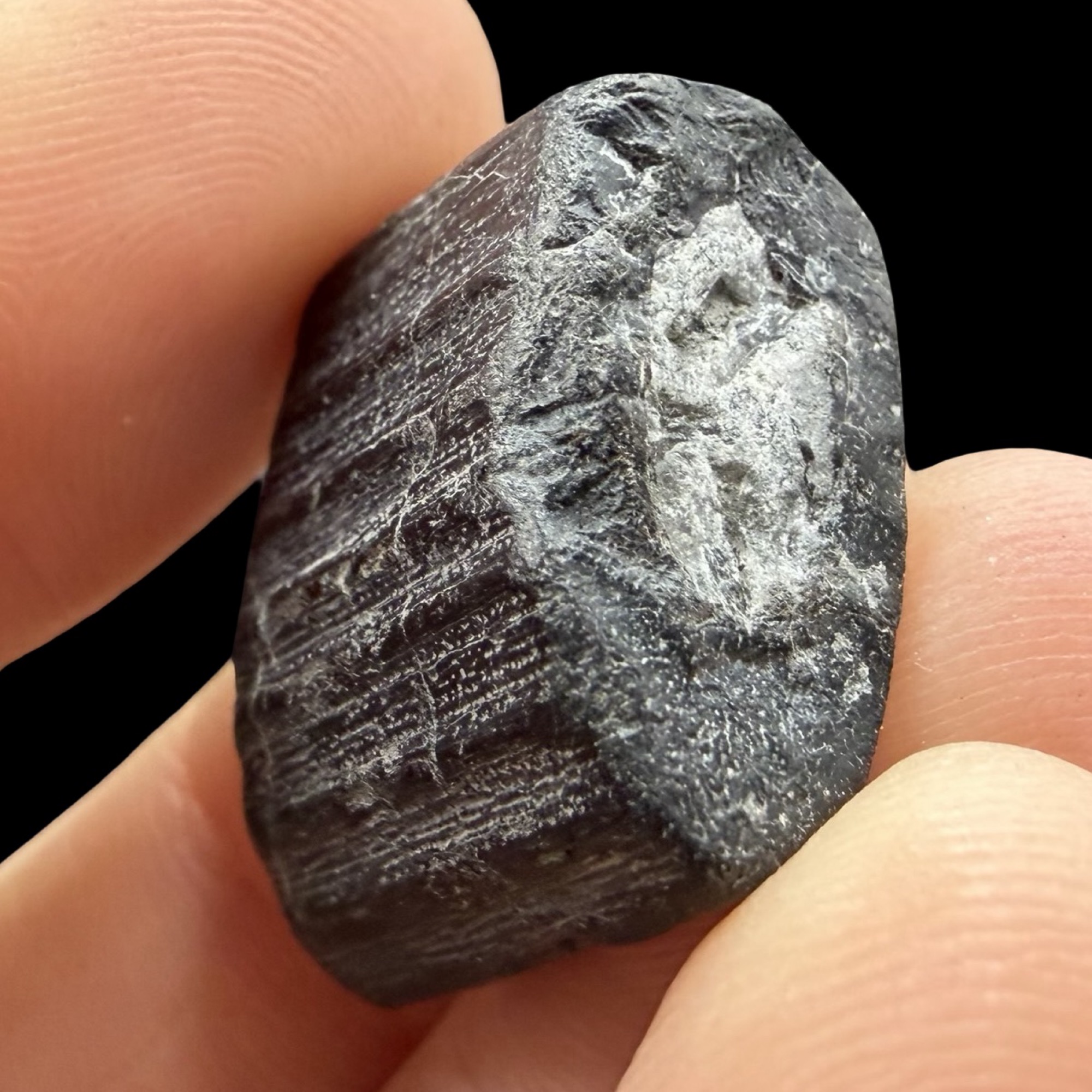
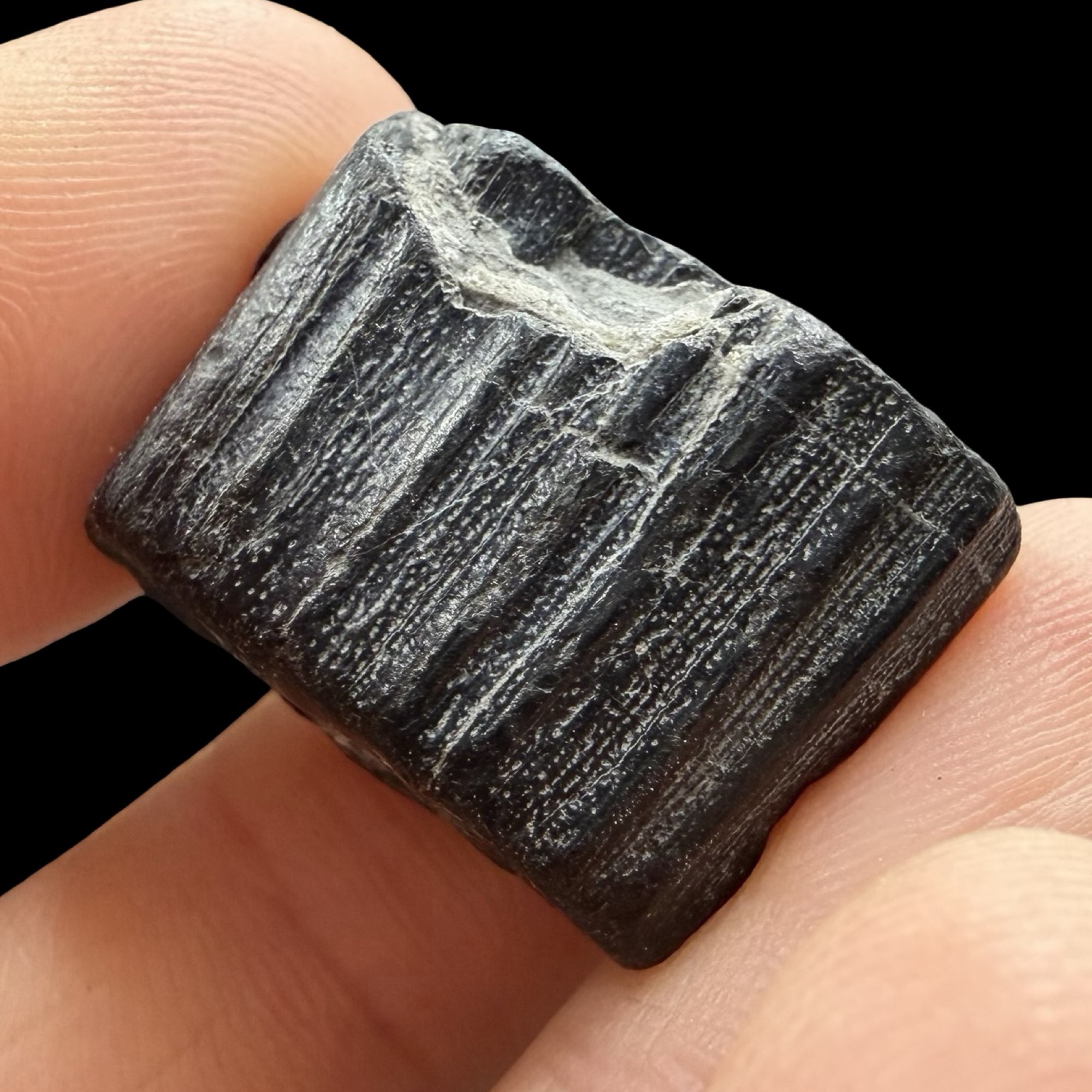
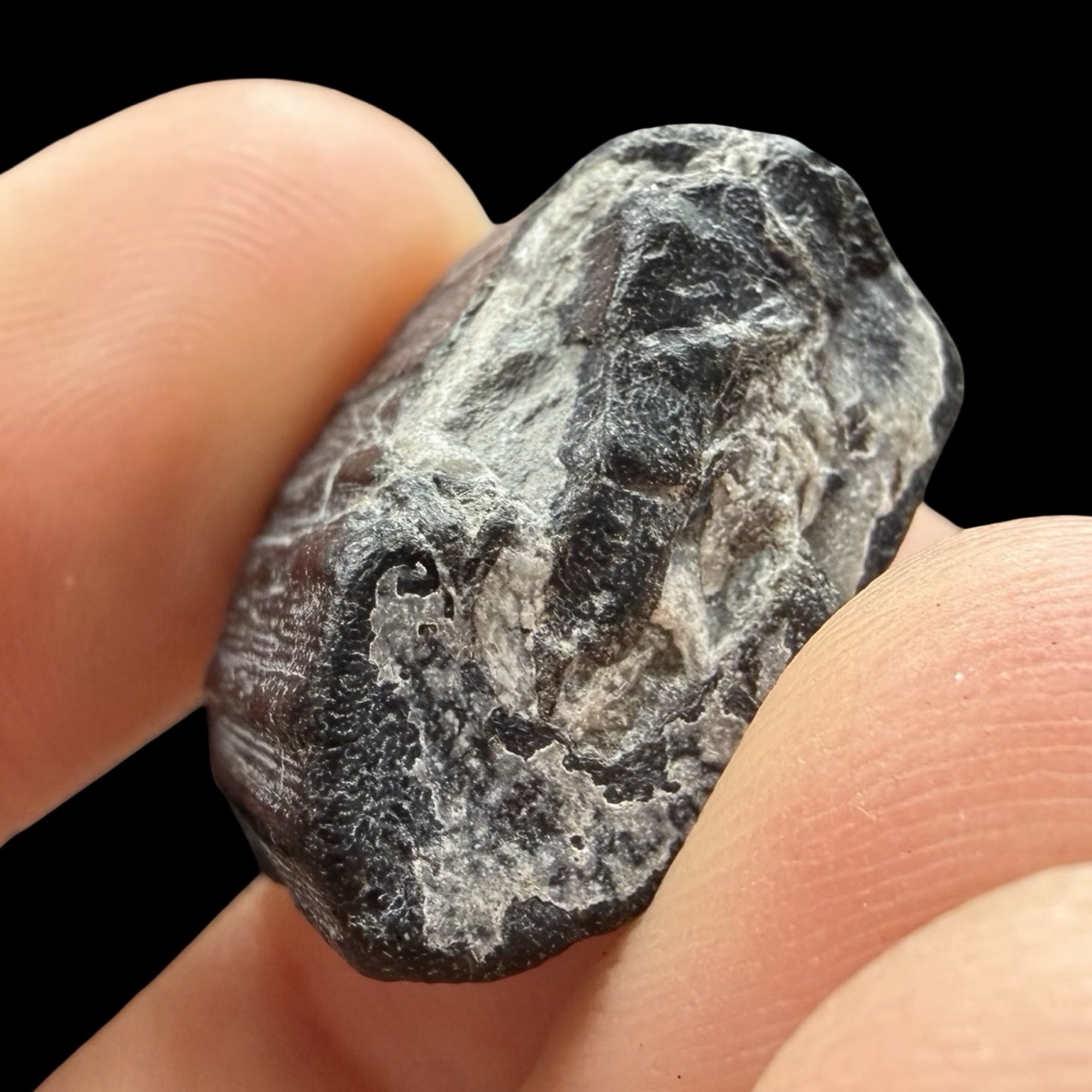
the renowned Black Ven Marls of Charmouth, near Lyme Regis on the Jurassic Coast, Dorset, UK. Dating to the Lower Lias of the Early Jurassic period, this specimen represents an exceptional remnant of ancient marine life, preserved for approximately 200 million years.The fossil shown in the photographs is the exact specimen you will receive, carefully selected for its preservation, structure, and display quality. Each piece includes a Certificate of Authenticity with a lifetime guarantee, ensuring confidence in its genuine nature.Geological Formation & AgeThis specimen comes from the Black Ven Marls, part of the Lower Lias Group, a sequence of fine-grained mudstones and marls deposited during the Early Jurassic (Hettangian to Sinemurian stages). These sediments formed in a calm, shallow marine environment that covered much of what is now southern England.The low-energy depositional conditions, combined with rapid burial and reduced oxygen levels on the seabed, allowed for remarkable fossil preservation. The Jurassic Coast is internationally recognised as a UNESCO World Heritage Site, famed for its continuous stratigraphic record and abundance of marine fossils.Fossil Type & Biological ClassificationThis fossil represents a section of a shark fin spine, a rigid defensive structure associated with certain early cartilaginous fish, particularly within the subclass Elasmobranchii. Fin spines were typically located anterior to the dorsal fins and served both protective and stabilising functions.Unlike the cartilaginous skeleton of sharks, which rarely fossilises, fin spines are composed of more mineralised tissue, allowing them to be preserved in the fossil record. These structures are often attributed to early shark groups such as the Hybodontiformes, which were widespread during the Jurassic period.Morphology & Notable FeaturesThe fin spine section displays characteristic features including a dense, elongated structure with a gently tapering form. Surface textures may include longitudinal ridges or striations, reflecting growth patterns and structural reinforcement.The fossilisation process has preserved the internal density and external morphology, with natural mineralisation enhancing its durability. The contrast between the fossil material and surrounding marl matrix highlights the specimen’s structure, making it an attractive and informative display piece.Palaeoenvironment & Scientific ImportanceDuring the Early Jurassic, the seas around present-day Dorset were rich in marine biodiversity, hosting a variety of fish, ammonites, marine reptiles, and invertebrates. Sharks equipped with fin spines occupied an important ecological niche as active predators or scavengers within this ecosystem.Fossil fin spines provide valuable insight into the evolution of early sharks, particularly in understanding defensive adaptations and skeletal development in cartilaginous fish. Their relative rarity compared to teeth makes them especially sought after by collectors and researchers alike.Presentation & AuthenticityThis shark fin spine fossil is presented exactly as photographed, offering a genuine and unaltered specimen from one of the most iconic fossil localities in the world. Its natural preservation, geological context, and identifiable structure make it a standout addition to any fossil collection.Included with the fossil is a Certificate of Authenticity, providing a lifetime guarantee of its genuine origin. Whether for display, education, or investment, this rare Jurassic shark fin spine fossil is a remarkable piece of prehistoric marine history.
the renowned Black Ven Marls of Charmouth, near Lyme Regis on the Jurassic Coast, Dorset, UK. Dating to the Lower Lias of the Early Jurassic period, this specimen represents an exceptional remnant of ancient marine life, preserved for approximately 200 million years.The fossil shown in the photographs is the exact specimen you will receive, carefully selected for its preservation, structure, and display quality. Each piece includes a Certificate of Authenticity with a lifetime guarantee, ensuring confidence in its genuine nature.Geological Formation & AgeThis specimen comes from the Black Ven Marls, part of the Lower Lias Group, a sequence of fine-grained mudstones and marls deposited during the Early Jurassic (Hettangian to Sinemurian stages). These sediments formed in a calm, shallow marine environment that covered much of what is now southern England.The low-energy depositional conditions, combined with rapid burial and reduced oxygen levels on the seabed, allowed for remarkable fossil preservation. The Jurassic Coast is internationally recognised as a UNESCO World Heritage Site, famed for its continuous stratigraphic record and abundance of marine fossils.Fossil Type & Biological ClassificationThis fossil represents a section of a shark fin spine, a rigid defensive structure associated with certain early cartilaginous fish, particularly within the subclass Elasmobranchii. Fin spines were typically located anterior to the dorsal fins and served both protective and stabilising functions.Unlike the cartilaginous skeleton of sharks, which rarely fossilises, fin spines are composed of more mineralised tissue, allowing them to be preserved in the fossil record. These structures are often attributed to early shark groups such as the Hybodontiformes, which were widespread during the Jurassic period.Morphology & Notable FeaturesThe fin spine section displays characteristic features including a dense, elongated structure with a gently tapering form. Surface textures may include longitudinal ridges or striations, reflecting growth patterns and structural reinforcement.The fossilisation process has preserved the internal density and external morphology, with natural mineralisation enhancing its durability. The contrast between the fossil material and surrounding marl matrix highlights the specimen’s structure, making it an attractive and informative display piece.Palaeoenvironment & Scientific ImportanceDuring the Early Jurassic, the seas around present-day Dorset were rich in marine biodiversity, hosting a variety of fish, ammonites, marine reptiles, and invertebrates. Sharks equipped with fin spines occupied an important ecological niche as active predators or scavengers within this ecosystem.Fossil fin spines provide valuable insight into the evolution of early sharks, particularly in understanding defensive adaptations and skeletal development in cartilaginous fish. Their relative rarity compared to teeth makes them especially sought after by collectors and researchers alike.Presentation & AuthenticityThis shark fin spine fossil is presented exactly as photographed, offering a genuine and unaltered specimen from one of the most iconic fossil localities in the world. Its natural preservation, geological context, and identifiable structure make it a standout addition to any fossil collection.Included with the fossil is a Certificate of Authenticity, providing a lifetime guarantee of its genuine origin. Whether for display, education, or investment, this rare Jurassic shark fin spine fossil is a remarkable piece of prehistoric marine history.
Other Products