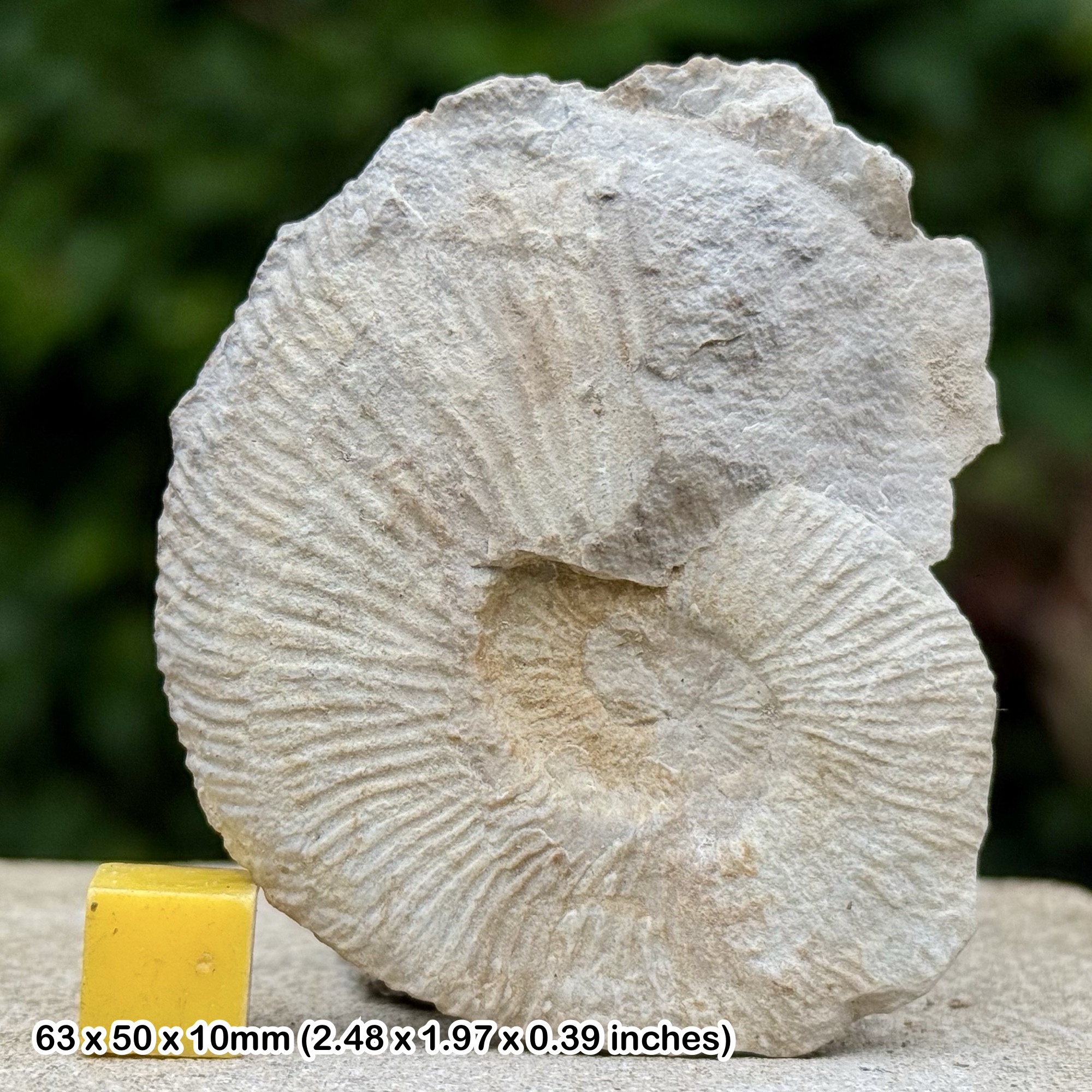
Tuinovella alpillensis Ammonite Fossil from Berriasian Cretaceous Lacisterne Boisset Gard France Authentic Specimen
£ 12.60
GEOLOGICAL CONTEXT AND PROVENANCEThis specimen is a genuine Tuinovella alpillensis ammonite fossil from the
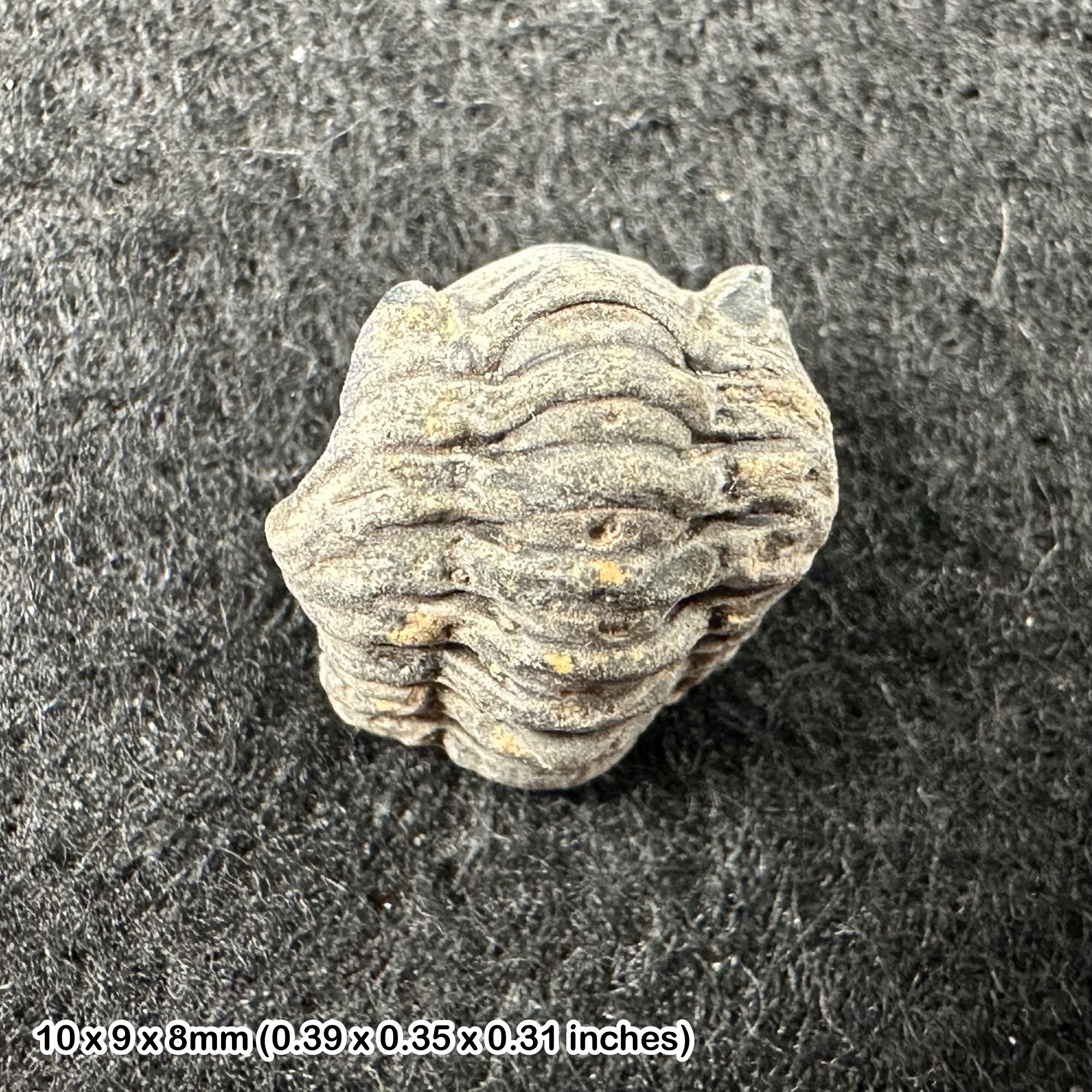
Berriasian Stage of the Early Cretaceous Period, approximately 145 – 139 million years ago. It was discovered in Lacisterne, Boisset, Gard, France, a locality famous for its Lower Cretaceous deposits that have yielded some of the most scientifically important ammonites known. These sediments formed in shallow marine conditions along the margins of the ancient Tethys Ocean, preserving ammonites in exceptional detail.The Berriasian Stage marks the very beginning of the Cretaceous, making fossils from this interval historically significant. Ammonites such as Tuinovella alpillensis are critical biostratigraphic markers, helping to define and subdivide the earliest part of the Cretaceous and to correlate marine deposits across Europe and beyond. FOSSIL TYPE AND SPECIES INFORMATIONTuinovella alpillensis belongs to the Order Ammonitida, Superfamily Perisphinctoidea, and Family Neocomitidae. The genus Tuinovella is particularly significant for its restricted stratigraphic range, making it a valuable index fossil for the Berriasian Stage.The species alpillensis is distinctive for its ornate ribbing and tightly coiled whorls, traits that make it recognisable to palaeontologists and desirable to collectors. Its occurrence in southern France has long been central to studies of Early Cretaceous ammonite faunas. MORPHOLOGICAL FEATURES AND IDENTIFICATIONThis specimen exhibits the classic features of Tuinovella alpillensis. The shell is moderately involute, with strong, well-defined ribs running across the flanks and extending over the venter. These ribs are often bifurcate or branched, producing an intricate and striking ornamentation. The whorls are compact, giving the ammonite a robust and elegant form.The ribbing provided both strength and stability, reinforcing the shell against the pressures of a marine environment while also enhancing hydrodynamic performance. Like all ammonites, Tuinovella possessed a chambered shell, which was used to regulate buoyancy and allowed it to move freely through the water column as an active predator. DEPOSITIONAL ENVIRONMENTDuring the Berriasian, the Lacisterne–Boisset region of Gard was part of a warm, shallow sea influenced by the Tethys Ocean. Sedimentation was dominated by marls and limestones, which provided excellent conditions for preserving ammonite shells in fine detail.The marine ecosystem was diverse and abundant, populated by ammonites, belemnites, bivalves, gastropods, echinoids, and marine reptiles. Ammonites such as Tuinovella alpillensis were important components of this ecosystem, feeding on planktonic crustaceans and small molluscs, while also forming part of the diet of larger marine predators. COLLECTOR APPEAL AND AUTHENTICITYThis Tuinovella alpillensis ammonite fossil is both scientifically valuable and aesthetically striking. Its strong ribbing, compact whorl structure, and provenance from the classic Berriasian beds of Gard, France, make it a highly desirable specimen for collectors, educators, and enthusiasts of natural history.
• 100% Genuine Specimen – All fossils we supply are authentic and accompanied by a Certificate of Authenticity.
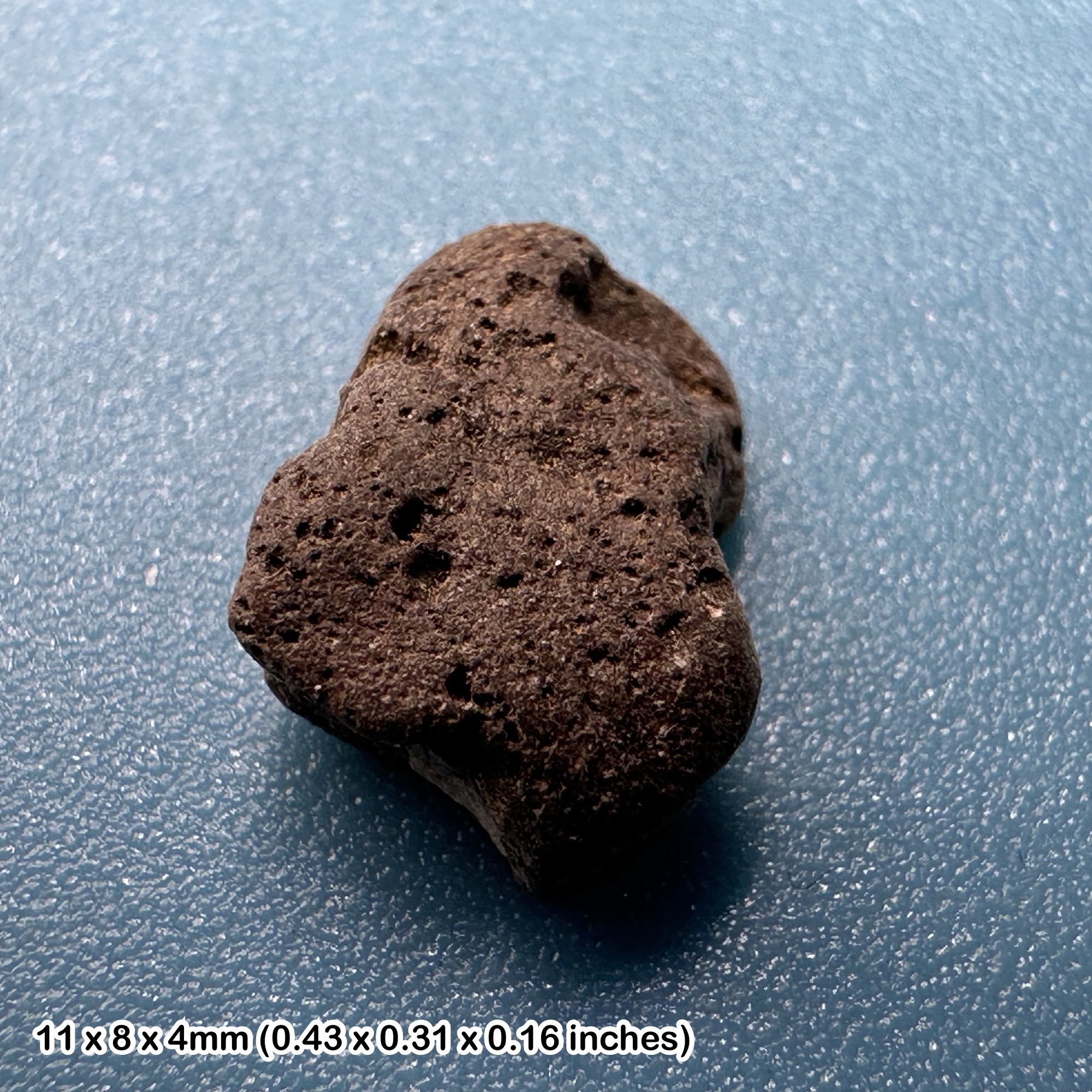
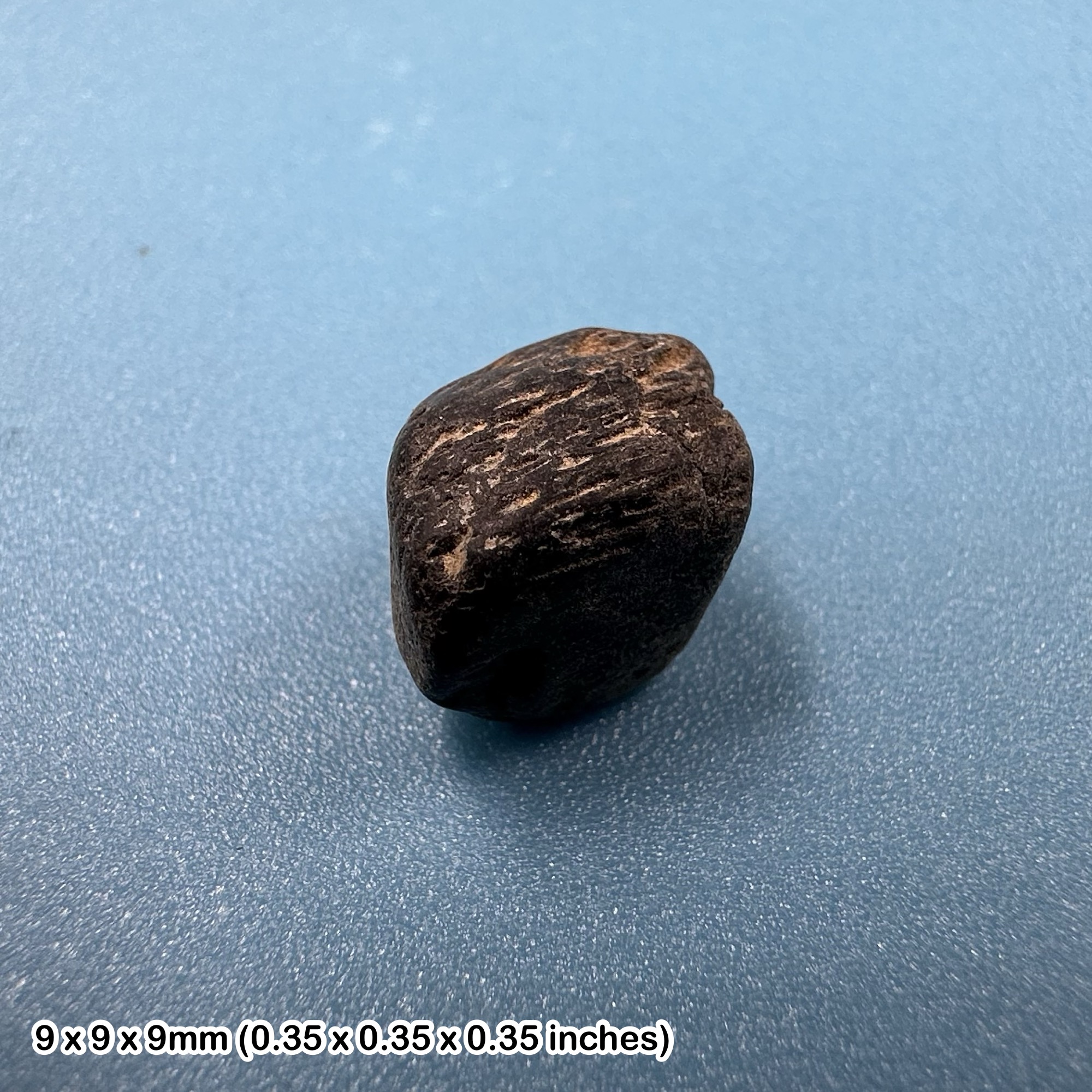
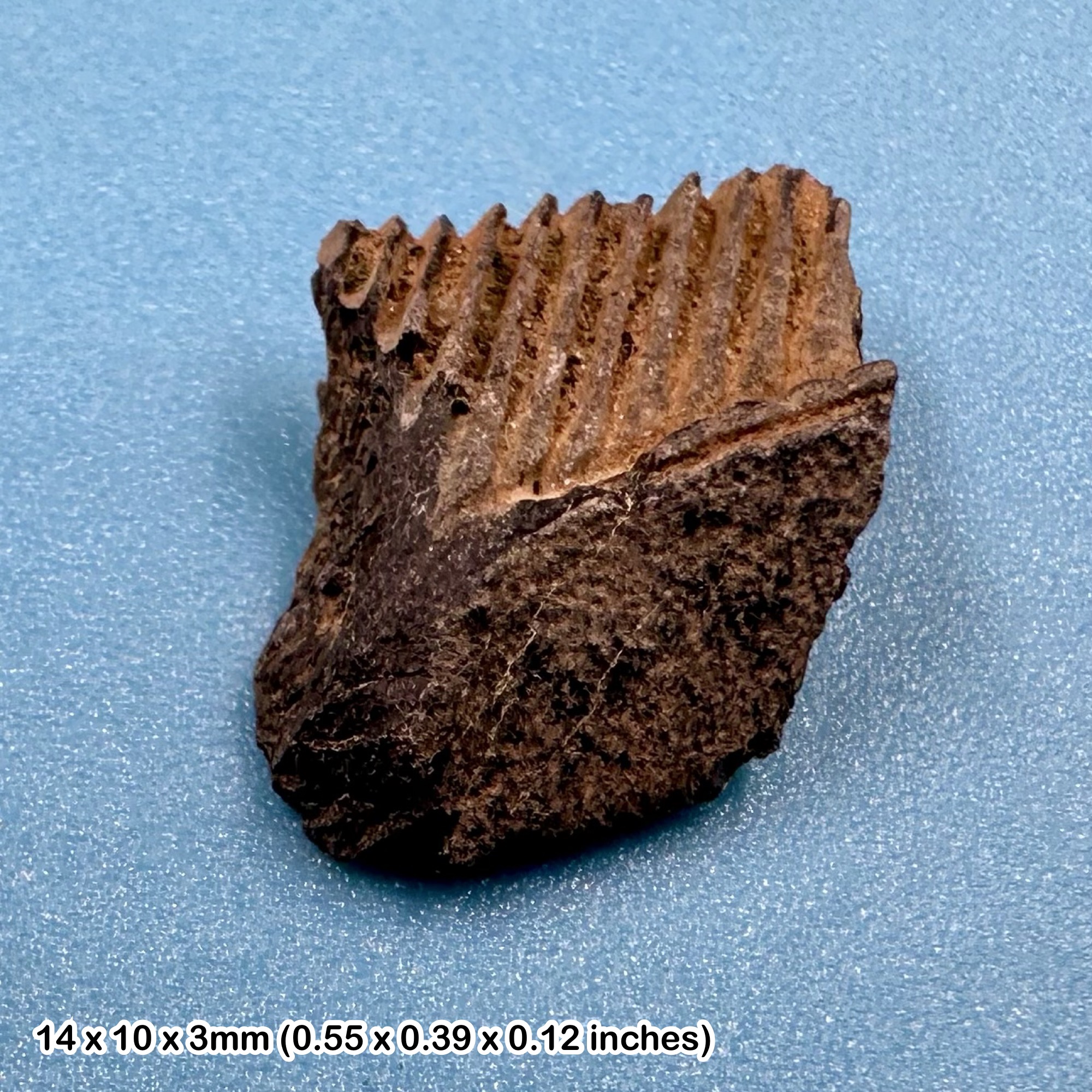
• Exact Fossil Shown – The photographs display the actual ammonite you will receive.
• Scale Reference – Scale rule squares / cube = 1 cm. Please check images for precise sizing.This carefully chosen Tuinovella alpillensis ammonite fossil provides a direct link to the dawn of the Cretaceous seas. With its rarity, fine preservation, and scientific importance, it represents an exceptional addition to any fossil collection or natural history display.
Berriasian Stage of the Early Cretaceous Period, approximately 145 – 139 million years ago. It was discovered in Lacisterne, Boisset, Gard, France, a locality famous for its Lower Cretaceous deposits that have yielded some of the most scientifically important ammonites known. These sediments formed in shallow marine conditions along the margins of the ancient Tethys Ocean, preserving ammonites in exceptional detail.The Berriasian Stage marks the very beginning of the Cretaceous, making fossils from this interval historically significant. Ammonites such as Tuinovella alpillensis are critical biostratigraphic markers, helping to define and subdivide the earliest part of the Cretaceous and to correlate marine deposits across Europe and beyond. FOSSIL TYPE AND SPECIES INFORMATIONTuinovella alpillensis belongs to the Order Ammonitida, Superfamily Perisphinctoidea, and Family Neocomitidae. The genus Tuinovella is particularly significant for its restricted stratigraphic range, making it a valuable index fossil for the Berriasian Stage.The species alpillensis is distinctive for its ornate ribbing and tightly coiled whorls, traits that make it recognisable to palaeontologists and desirable to collectors. Its occurrence in southern France has long been central to studies of Early Cretaceous ammonite faunas. MORPHOLOGICAL FEATURES AND IDENTIFICATIONThis specimen exhibits the classic features of Tuinovella alpillensis. The shell is moderately involute, with strong, well-defined ribs running across the flanks and extending over the venter. These ribs are often bifurcate or branched, producing an intricate and striking ornamentation. The whorls are compact, giving the ammonite a robust and elegant form.The ribbing provided both strength and stability, reinforcing the shell against the pressures of a marine environment while also enhancing hydrodynamic performance. Like all ammonites, Tuinovella possessed a chambered shell, which was used to regulate buoyancy and allowed it to move freely through the water column as an active predator. DEPOSITIONAL ENVIRONMENTDuring the Berriasian, the Lacisterne–Boisset region of Gard was part of a warm, shallow sea influenced by the Tethys Ocean. Sedimentation was dominated by marls and limestones, which provided excellent conditions for preserving ammonite shells in fine detail.The marine ecosystem was diverse and abundant, populated by ammonites, belemnites, bivalves, gastropods, echinoids, and marine reptiles. Ammonites such as Tuinovella alpillensis were important components of this ecosystem, feeding on planktonic crustaceans and small molluscs, while also forming part of the diet of larger marine predators. COLLECTOR APPEAL AND AUTHENTICITYThis Tuinovella alpillensis ammonite fossil is both scientifically valuable and aesthetically striking. Its strong ribbing, compact whorl structure, and provenance from the classic Berriasian beds of Gard, France, make it a highly desirable specimen for collectors, educators, and enthusiasts of natural history.
• 100% Genuine Specimen – All fossils we supply are authentic and accompanied by a Certificate of Authenticity.
• Exact Fossil Shown – The photographs display the actual ammonite you will receive.
• Scale Reference – Scale rule squares / cube = 1 cm. Please check images for precise sizing.This carefully chosen Tuinovella alpillensis ammonite fossil provides a direct link to the dawn of the Cretaceous seas. With its rarity, fine preservation, and scientific importance, it represents an exceptional addition to any fossil collection or natural history display.
Other Products