40mm Native Copper Sphere Natural Copper Metal Mineral Crystal Ball Specimen, Polished Copper Display Sphere Collector Stone
£ 78.00
NATURAL 40MM COPPER SPHERE MINERAL SPECIMEN
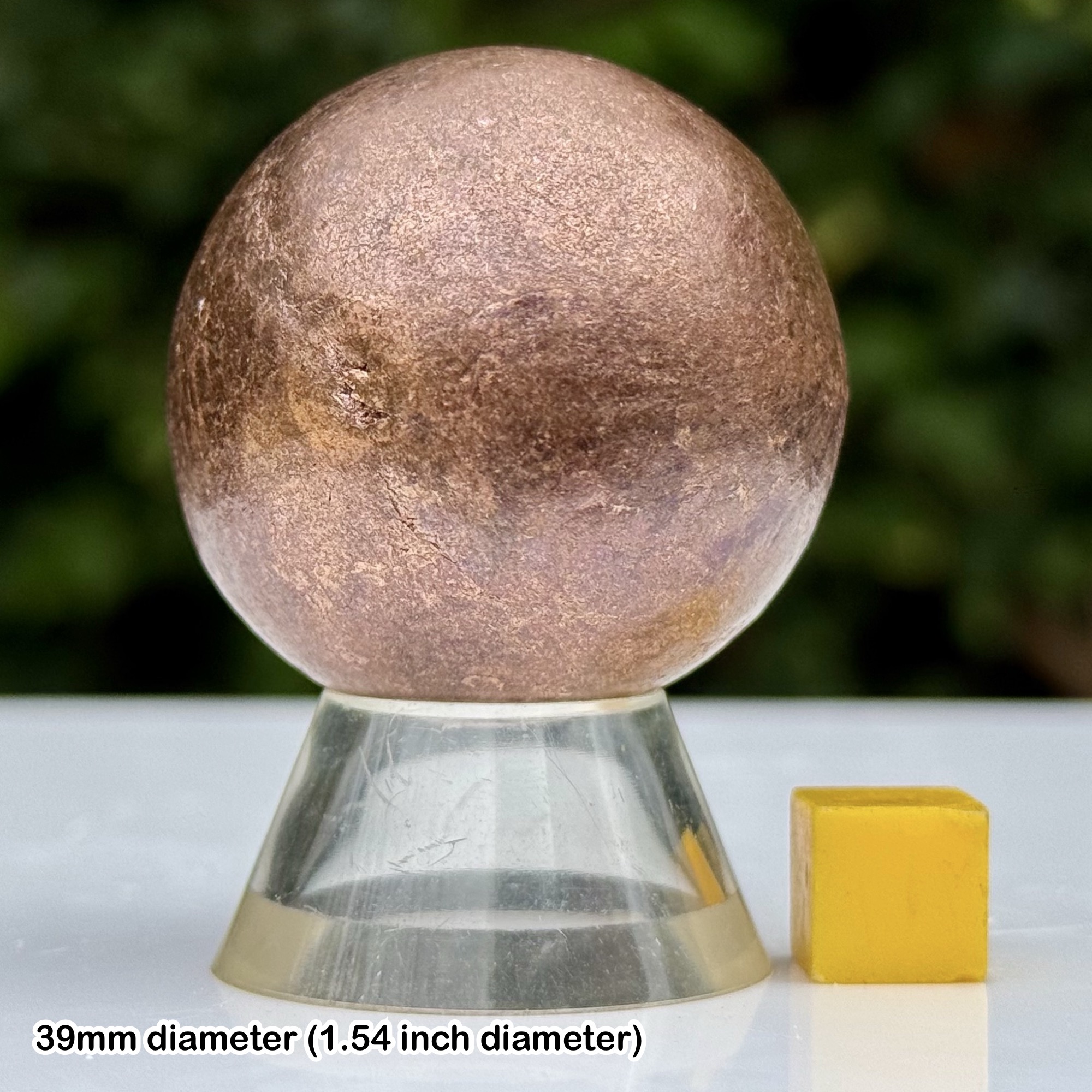
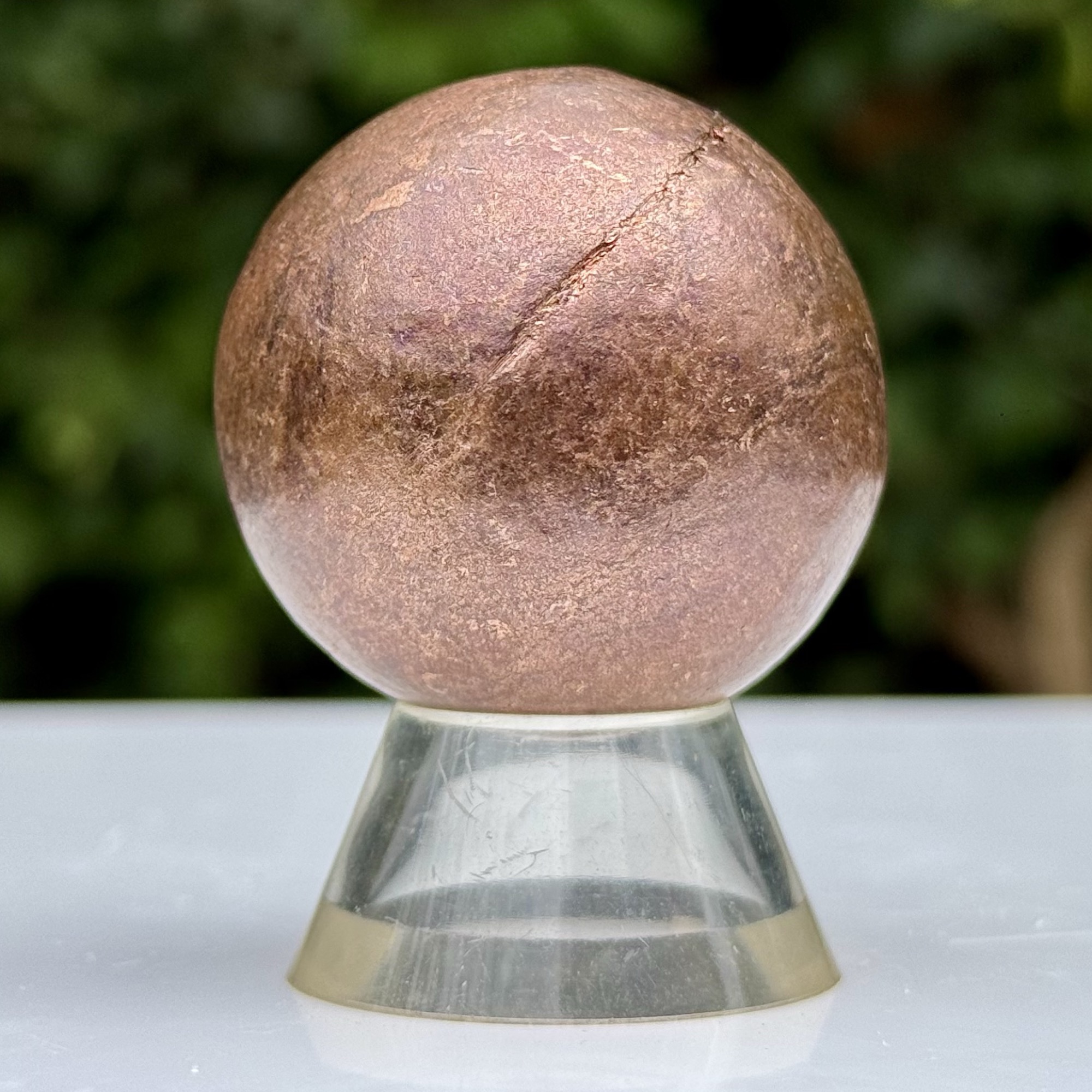
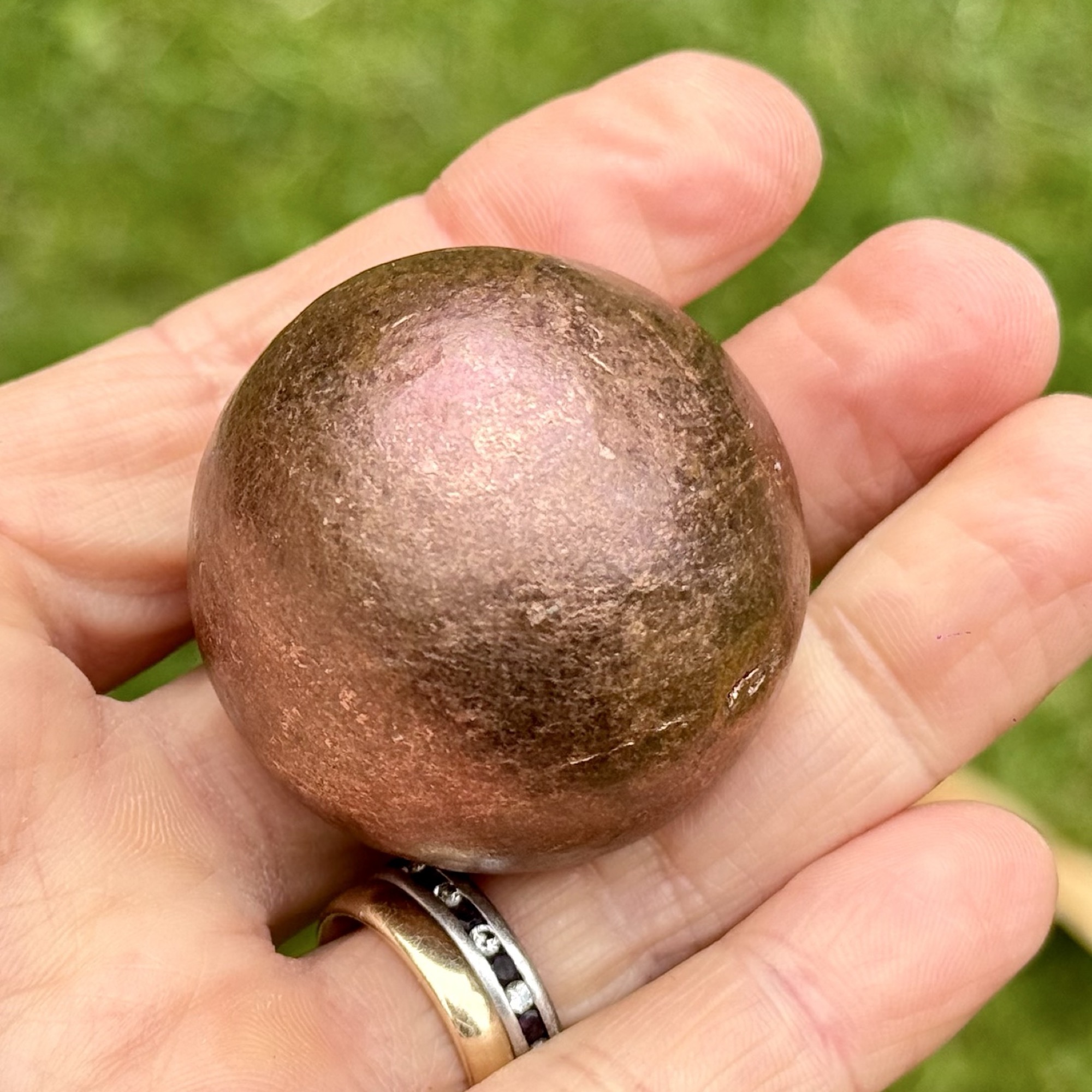
This listing features a 40mm Copper sphere crafted from genuine natural copper, polished into a smooth spherical form that highlights the distinctive metallic colour and reflective surface of this naturally occurring element. Copper is one of the few metals found in nature in a native elemental form, making it an interesting and collectible geological specimen. The exact sphere shown in the photographs is the piece you will receive, allowing you to clearly see the natural metallic surface, colour tones, and texture before purchase. Each specimen includes a Certificate of Authenticity lifetime guarantee card, confirming that the item is made from genuine copper. Please refer to the photographs provided for full sizing and scale, with the sphere measuring approximately 40mm in diameter. MINERAL CLASSIFICATION AND CHEMICAL COMPOSITION Copper is classified as a native element mineral, meaning it occurs naturally in metallic form without being chemically combined with other elements. Its chemical symbol is Cu, and it belongs to the native metals group alongside minerals such as gold, silver, and platinum. Native copper crystallises in the isometric (cubic) crystal system, though well-defined crystal shapes are relatively uncommon. Instead, copper often forms irregular masses, branching growths, sheets, or wire-like formations within rock cavities or mineral veins. The metal is known for its high electrical and thermal conductivity, ductility, and distinctive reddish metallic appearance. COLOUR, SURFACE CHARACTERISTICS AND OXIDATION Fresh copper displays a warm reddish-orange metallic colour, often described as a bright copper tone. When polished, the metal can develop a reflective metallic lustre that highlights its natural surface. Over time, exposure to air and moisture can cause copper to develop natural oxidation or patina, producing darker brown tones or subtle greenish surfaces depending on environmental conditions. These surface changes occur naturally as copper reacts slowly with oxygen and other elements. Because copper is a soft metal compared to many minerals, it can be polished into smooth forms such as spheres while retaining its natural metallic characteristics. GEOLOGICAL FORMATION AND NATURAL OCCURRENCE Native copper forms in a variety of geological environments, most commonly in hydrothermal veins, basaltic lava flows, and sedimentary deposits where copper-rich fluids circulate through rock formations. One of the most famous geological regions for native copper is the Lake Superior Copper District in the United States, where copper formed within ancient basalt lava flows. These deposits produced some of the largest native copper masses ever discovered. Copper is also found in deposits in Chile, Peru, Zambia, the Democratic Republic of Congo, Russia, and Australia, often associated with minerals such as cuprite, malachite, azurite, calcite, quartz, and chalcocite. In many geological settings, native copper occurs alongside copper oxide and carbonate minerals that form as the metal interacts with oxygen-rich groundwater over time. SPHERICAL SHAPE AND LAPIDARY CRAFTSMANSHIP The spherical shape of this specimen is created through precision metal shaping and polishing, producing a smooth and symmetrical form that enhances the reflective qualities of copper. The sphere shape allows the metallic surface to catch and reflect light from all directions. Spheres are popular display shapes because they present a balanced form and allow the natural colour and texture of the material to be appreciated from every angle. A 40mm copper sphere provides a substantial size for display while remaining suitable for desks, shelves, or mineral cabinets. CULTURAL AND HISTORICAL SIGNIFICANCE Copper has been used by humans for thousands of years and was one of the first metals ever worked by ancient civilisations. Archaeological discoveries show copper tools and ornaments being produced during the Copper Age (Chalcolithic period) long before the development of bronze and iron metallurgy. The metal has been widely used in art, jewellery, architecture, and coinage due to its malleability and attractive colour. In modern spiritual traditions, copper is sometimes traditionally associated with conductivity symbolism and energetic flow imagery. These interpretations vary between cultures and belief systems and are shared as cultural or symbolic perspectives rather than scientific claims. MINERAL COLLECTING AND DISPLAY APPEAL Copper specimens are highly appreciated by mineral collectors, geology enthusiasts, and decorative metal collectorsdue to their distinctive metallic appearance and geological significance. A polished copper sphere makes an attractive addition to mineral cabinets, decorative displays, desk ornaments, or educational mineral collections. The rich metallic colour provides visual contrast when displayed alongside crystalline minerals or stone specimens. Because each copper specimen forms naturally before being shaped and polished, subtle differences in tone and surface character may be present. AUTHENTIC SPECIMEN AND CERTIFICATE This 40mm Copper sphere is made from genuine natural copper and includes a Certificate of Authenticity lifetime guarantee card confirming the authenticity of the material. The photographs show the exact specimen you will receive, allowing you to examine the colour, polish, and metallic surface before purchase. Please refer to the images for accurate size and appearance. Copper remains one of the most historically significant native element minerals, valued for its geological origins, metallic beauty, and long history of human use. This polished copper sphere offers a distinctive and collectible example suitable for display, collecting, or gifting.
This listing features a 40mm Copper sphere crafted from genuine natural copper, polished into a smooth spherical form that highlights the distinctive metallic colour and reflective surface of this naturally occurring element. Copper is one of the few metals found in nature in a native elemental form, making it an interesting and collectible geological specimen. The exact sphere shown in the photographs is the piece you will receive, allowing you to clearly see the natural metallic surface, colour tones, and texture before purchase. Each specimen includes a Certificate of Authenticity lifetime guarantee card, confirming that the item is made from genuine copper. Please refer to the photographs provided for full sizing and scale, with the sphere measuring approximately 40mm in diameter. MINERAL CLASSIFICATION AND CHEMICAL COMPOSITION Copper is classified as a native element mineral, meaning it occurs naturally in metallic form without being chemically combined with other elements. Its chemical symbol is Cu, and it belongs to the native metals group alongside minerals such as gold, silver, and platinum. Native copper crystallises in the isometric (cubic) crystal system, though well-defined crystal shapes are relatively uncommon. Instead, copper often forms irregular masses, branching growths, sheets, or wire-like formations within rock cavities or mineral veins. The metal is known for its high electrical and thermal conductivity, ductility, and distinctive reddish metallic appearance. COLOUR, SURFACE CHARACTERISTICS AND OXIDATION Fresh copper displays a warm reddish-orange metallic colour, often described as a bright copper tone. When polished, the metal can develop a reflective metallic lustre that highlights its natural surface. Over time, exposure to air and moisture can cause copper to develop natural oxidation or patina, producing darker brown tones or subtle greenish surfaces depending on environmental conditions. These surface changes occur naturally as copper reacts slowly with oxygen and other elements. Because copper is a soft metal compared to many minerals, it can be polished into smooth forms such as spheres while retaining its natural metallic characteristics. GEOLOGICAL FORMATION AND NATURAL OCCURRENCE Native copper forms in a variety of geological environments, most commonly in hydrothermal veins, basaltic lava flows, and sedimentary deposits where copper-rich fluids circulate through rock formations. One of the most famous geological regions for native copper is the Lake Superior Copper District in the United States, where copper formed within ancient basalt lava flows. These deposits produced some of the largest native copper masses ever discovered. Copper is also found in deposits in Chile, Peru, Zambia, the Democratic Republic of Congo, Russia, and Australia, often associated with minerals such as cuprite, malachite, azurite, calcite, quartz, and chalcocite. In many geological settings, native copper occurs alongside copper oxide and carbonate minerals that form as the metal interacts with oxygen-rich groundwater over time. SPHERICAL SHAPE AND LAPIDARY CRAFTSMANSHIP The spherical shape of this specimen is created through precision metal shaping and polishing, producing a smooth and symmetrical form that enhances the reflective qualities of copper. The sphere shape allows the metallic surface to catch and reflect light from all directions. Spheres are popular display shapes because they present a balanced form and allow the natural colour and texture of the material to be appreciated from every angle. A 40mm copper sphere provides a substantial size for display while remaining suitable for desks, shelves, or mineral cabinets. CULTURAL AND HISTORICAL SIGNIFICANCE Copper has been used by humans for thousands of years and was one of the first metals ever worked by ancient civilisations. Archaeological discoveries show copper tools and ornaments being produced during the Copper Age (Chalcolithic period) long before the development of bronze and iron metallurgy. The metal has been widely used in art, jewellery, architecture, and coinage due to its malleability and attractive colour. In modern spiritual traditions, copper is sometimes traditionally associated with conductivity symbolism and energetic flow imagery. These interpretations vary between cultures and belief systems and are shared as cultural or symbolic perspectives rather than scientific claims. MINERAL COLLECTING AND DISPLAY APPEAL Copper specimens are highly appreciated by mineral collectors, geology enthusiasts, and decorative metal collectorsdue to their distinctive metallic appearance and geological significance. A polished copper sphere makes an attractive addition to mineral cabinets, decorative displays, desk ornaments, or educational mineral collections. The rich metallic colour provides visual contrast when displayed alongside crystalline minerals or stone specimens. Because each copper specimen forms naturally before being shaped and polished, subtle differences in tone and surface character may be present. AUTHENTIC SPECIMEN AND CERTIFICATE This 40mm Copper sphere is made from genuine natural copper and includes a Certificate of Authenticity lifetime guarantee card confirming the authenticity of the material. The photographs show the exact specimen you will receive, allowing you to examine the colour, polish, and metallic surface before purchase. Please refer to the images for accurate size and appearance. Copper remains one of the most historically significant native element minerals, valued for its geological origins, metallic beauty, and long history of human use. This polished copper sphere offers a distinctive and collectible example suitable for display, collecting, or gifting.