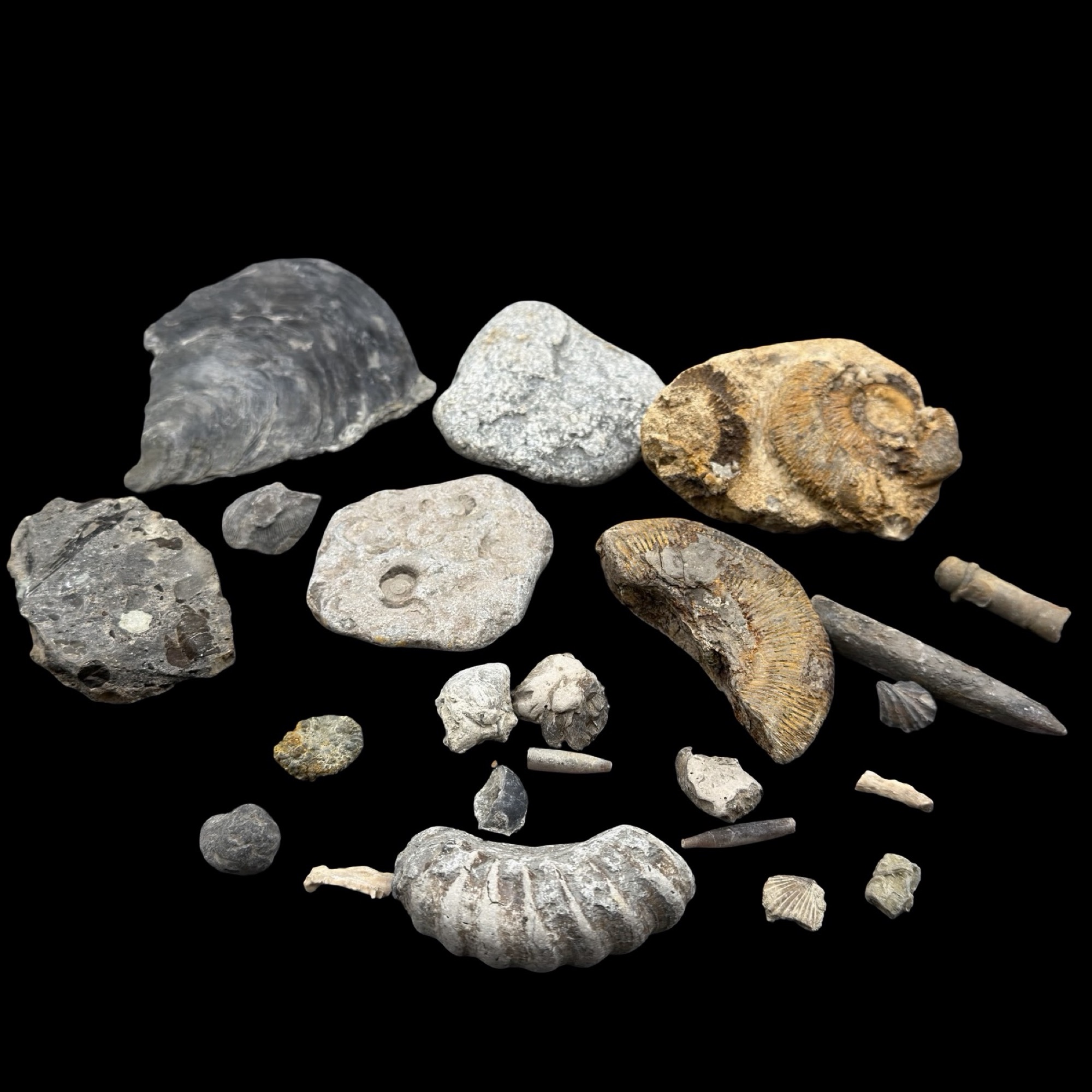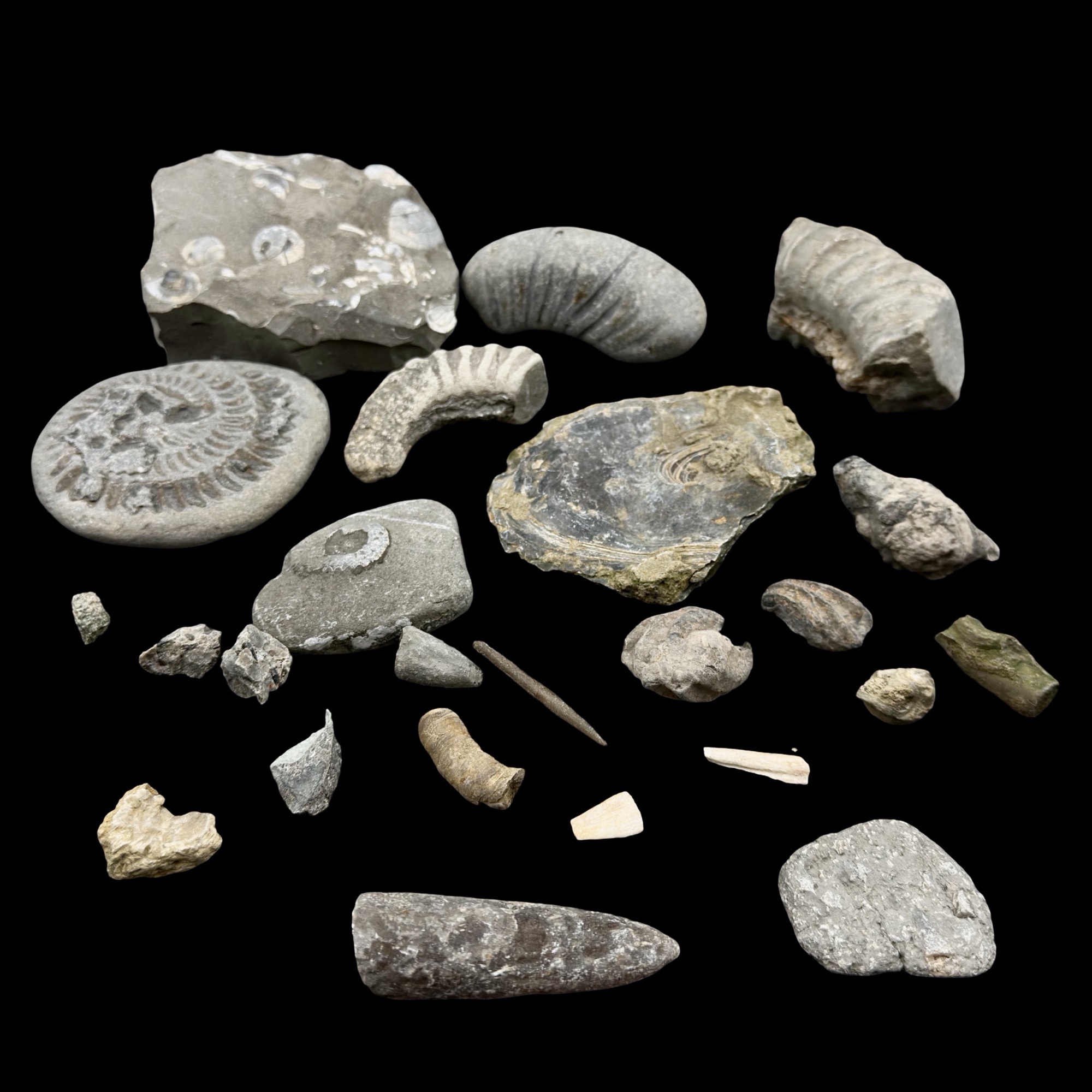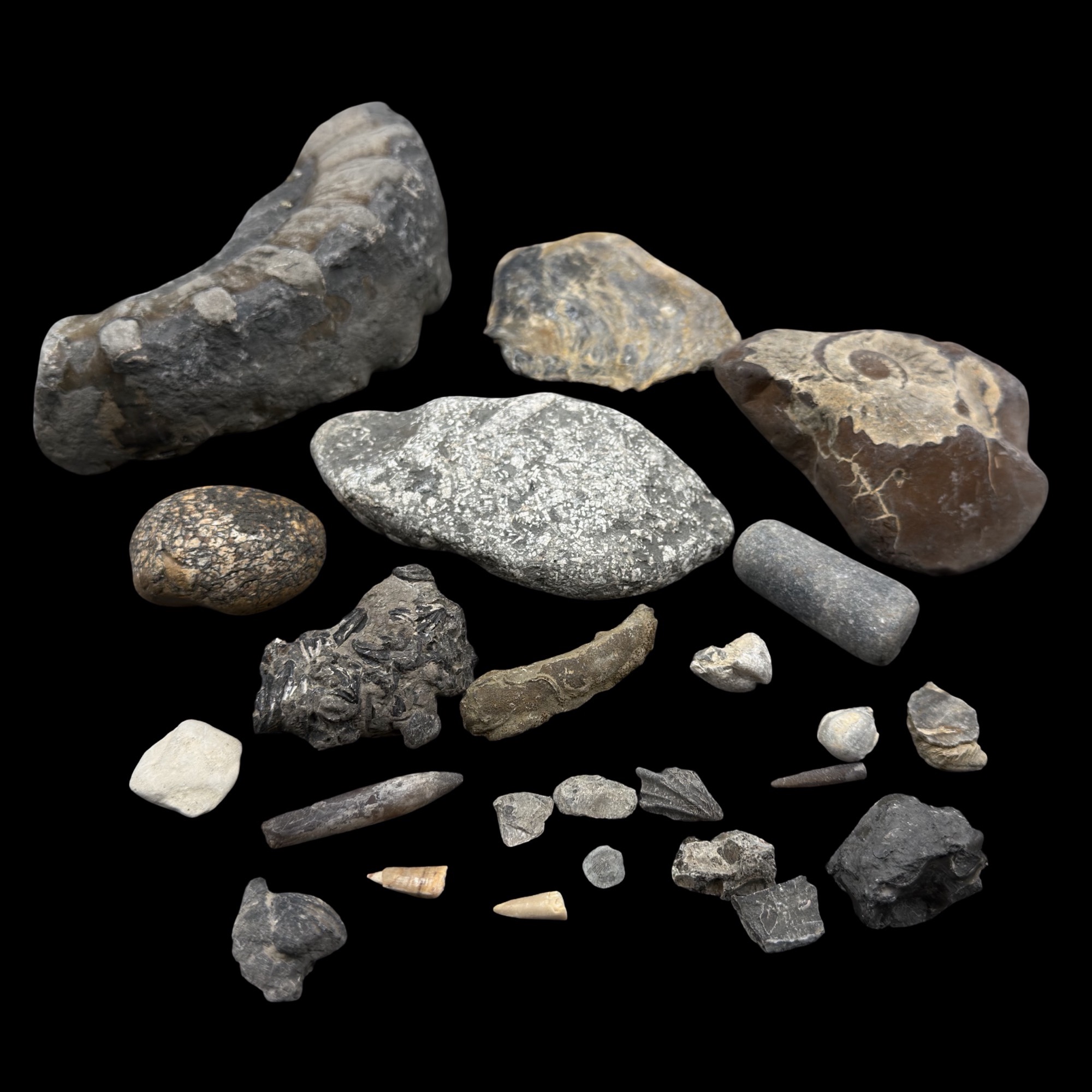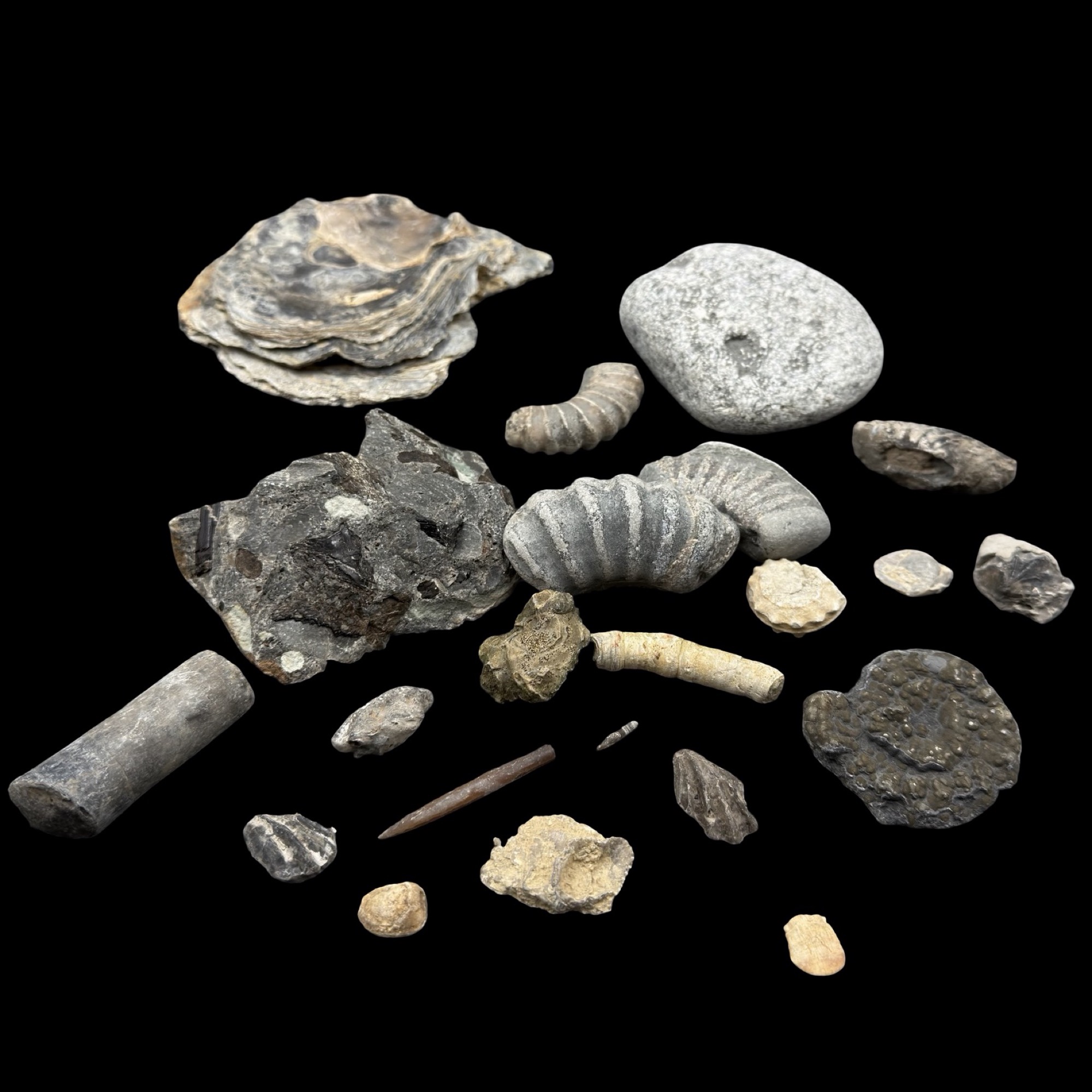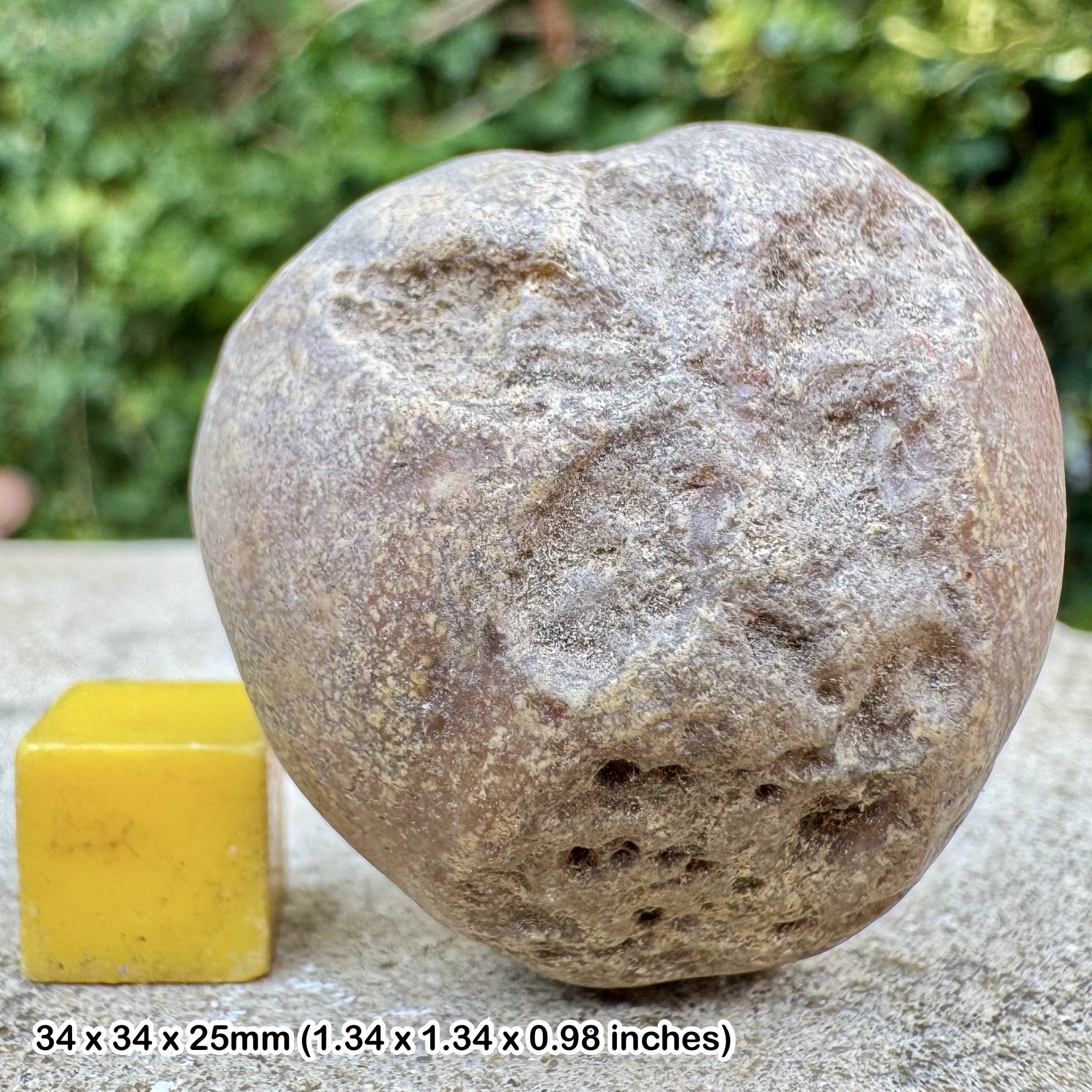
Micraster leskei Fossil Echinoid in Chert Chalk Cretaceous Dorset UK Genuine Specimen
£ 12.60
EXCEPTIONAL MICRASTER LESKEI FOSSIL ECHINOID IN CHERTThis listing features a Micraster leskei fossil echinoid, beautifully preserved
within Cretaceous chert from Dorset, United Kingdom. Unlike typical chalk-preserved specimens, this rare example is encased in chert, a silica-rich rock that often enhances the fine details of fossil preservation. The fossil pictured is the exact one you will receive, shown with a 1 cm scale cube for full accuracy. Each specimen comes with a Certificate of Authenticity, verifying it as a 100% genuine fossil. GEOLOGICAL CONTEXTThe chalk deposits of Dorset are internationally renowned for their wealth of Late Cretaceous fossils. Formed between 100.5 and 66 million years ago, the Chalk is primarily composed of microscopic calcareous plankton known as coccolithophores. In certain areas, silica dissolved in the marine waters replaced the carbonate matrix, forming chert nodules. Fossils preserved in these nodules are often more durable and display sharper detail than those found in softer chalk. The presence of Micraster leskei within chert makes this specimen especially significant, combining scientific interest with aesthetic appeal. SCIENTIFIC CLASSIFICATION
• Kingdom: Animalia
• Phylum: Echinodermata
• Class: Echinoidea
• Order: Spatangoida
• Family: Micrasteridae
• Genus: Micraster
• Species: Micraster leskei MORPHOLOGICAL FEATURESMicraster leskei is a distinctive member of the heart urchins, or spatangoids. The test (outer shell) is heart-shaped in outline, with a flat base adapted for burrowing into soft sediment. Its key features include:
• Elongated anterior groove used to channel organic matter towards the mouth.
• Petaloid ambulacra, clearly visible on well-preserved specimens, reflecting respiratory adaptations.
• Offset mouth and anus, typical of deposit-feeding echinoids that lived buried in sediment.
• Chert preservation, enhancing the clarity of fine surface structures, making this example especially attractive for both collectors and educational display. PALEOECOLOGICAL IMPORTANCEDuring the Cretaceous, Micraster echinoids were widespread across the chalk seas of Europe. They are considered important index fossils, useful for correlating layers within the Chalk sequence. Their evolutionary changes over time provide a detailed biostratigraphic framework for the Upper Cretaceous. The burrowing lifestyle of Micraster leskei also offers insights into the ecology of the seabed, where they played a role in sediment turnover and nutrient cycling. COLLECTABILITY AND RARITYWhile Micraster fossils are relatively common in chalk, those preserved in chert are significantly rarer and highly prized. The hardness of the chert protects the fossil, ensuring long-lasting preservation. Collectors value these specimens for their durability, sharp detail, and unusual preservation style. This piece from Dorset represents both a rare geological occurrence and a scientifically important fossil. GUARANTEED AUTHENTICITYAll our fossils are carefully selected, genuine specimens, and are supplied with a Certificate of Authenticity. The specimen shown in the photographs is the exact piece you will receive. This Micraster leskei echinoid fossil in chert from the Cretaceous Chalk of Dorset is a unique opportunity to acquire a rare and scientifically valuable example of one of Britain’s classic fossil echinoids.
within Cretaceous chert from Dorset, United Kingdom. Unlike typical chalk-preserved specimens, this rare example is encased in chert, a silica-rich rock that often enhances the fine details of fossil preservation. The fossil pictured is the exact one you will receive, shown with a 1 cm scale cube for full accuracy. Each specimen comes with a Certificate of Authenticity, verifying it as a 100% genuine fossil. GEOLOGICAL CONTEXTThe chalk deposits of Dorset are internationally renowned for their wealth of Late Cretaceous fossils. Formed between 100.5 and 66 million years ago, the Chalk is primarily composed of microscopic calcareous plankton known as coccolithophores. In certain areas, silica dissolved in the marine waters replaced the carbonate matrix, forming chert nodules. Fossils preserved in these nodules are often more durable and display sharper detail than those found in softer chalk. The presence of Micraster leskei within chert makes this specimen especially significant, combining scientific interest with aesthetic appeal. SCIENTIFIC CLASSIFICATION
• Kingdom: Animalia
• Phylum: Echinodermata
• Class: Echinoidea
• Order: Spatangoida
• Family: Micrasteridae
• Genus: Micraster
• Species: Micraster leskei MORPHOLOGICAL FEATURESMicraster leskei is a distinctive member of the heart urchins, or spatangoids. The test (outer shell) is heart-shaped in outline, with a flat base adapted for burrowing into soft sediment. Its key features include:
• Elongated anterior groove used to channel organic matter towards the mouth.
• Petaloid ambulacra, clearly visible on well-preserved specimens, reflecting respiratory adaptations.
• Offset mouth and anus, typical of deposit-feeding echinoids that lived buried in sediment.
• Chert preservation, enhancing the clarity of fine surface structures, making this example especially attractive for both collectors and educational display. PALEOECOLOGICAL IMPORTANCEDuring the Cretaceous, Micraster echinoids were widespread across the chalk seas of Europe. They are considered important index fossils, useful for correlating layers within the Chalk sequence. Their evolutionary changes over time provide a detailed biostratigraphic framework for the Upper Cretaceous. The burrowing lifestyle of Micraster leskei also offers insights into the ecology of the seabed, where they played a role in sediment turnover and nutrient cycling. COLLECTABILITY AND RARITYWhile Micraster fossils are relatively common in chalk, those preserved in chert are significantly rarer and highly prized. The hardness of the chert protects the fossil, ensuring long-lasting preservation. Collectors value these specimens for their durability, sharp detail, and unusual preservation style. This piece from Dorset represents both a rare geological occurrence and a scientifically important fossil. GUARANTEED AUTHENTICITYAll our fossils are carefully selected, genuine specimens, and are supplied with a Certificate of Authenticity. The specimen shown in the photographs is the exact piece you will receive. This Micraster leskei echinoid fossil in chert from the Cretaceous Chalk of Dorset is a unique opportunity to acquire a rare and scientifically valuable example of one of Britain’s classic fossil echinoids.
Other Products