Triceratops Bone Fossil Display Cretaceous South Dakota Genuine COA Card - Dinosaur Specimen Tray North America Collector Piece
£ 10.20
Triceratops Bone Tray Display from South Dakota, North AmericaThis is a genuine Triceratops bone fossil tray display from the Cretaceous of
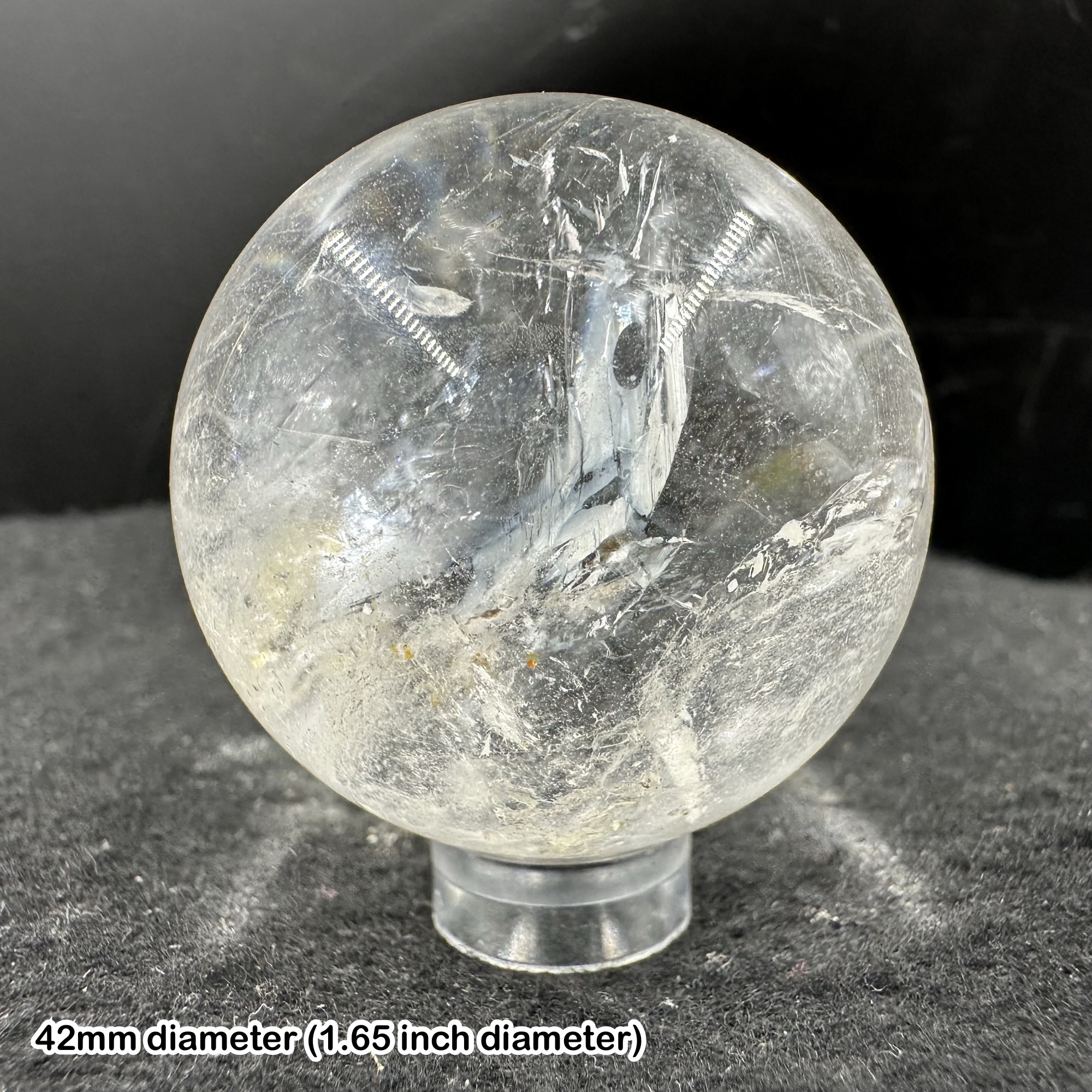
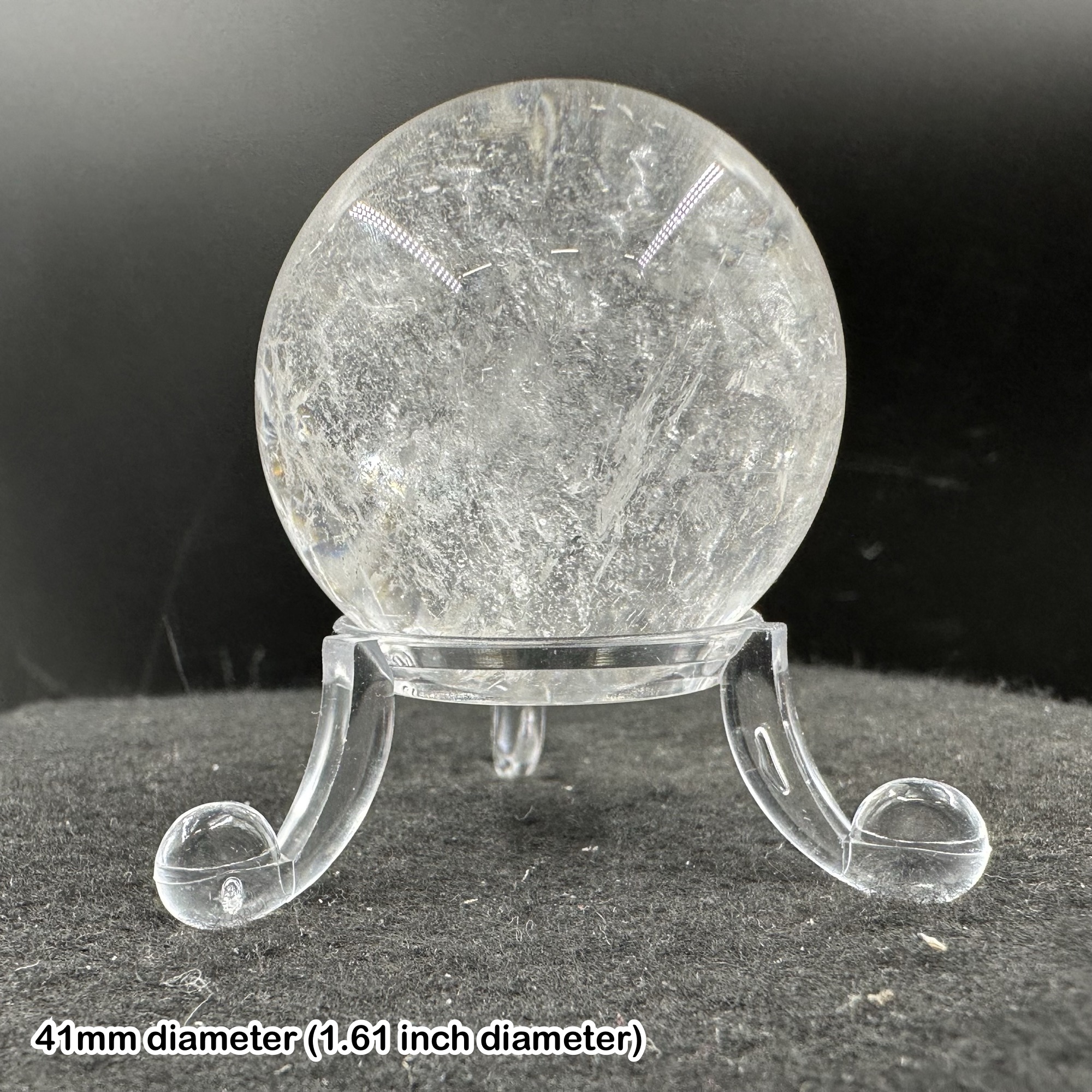
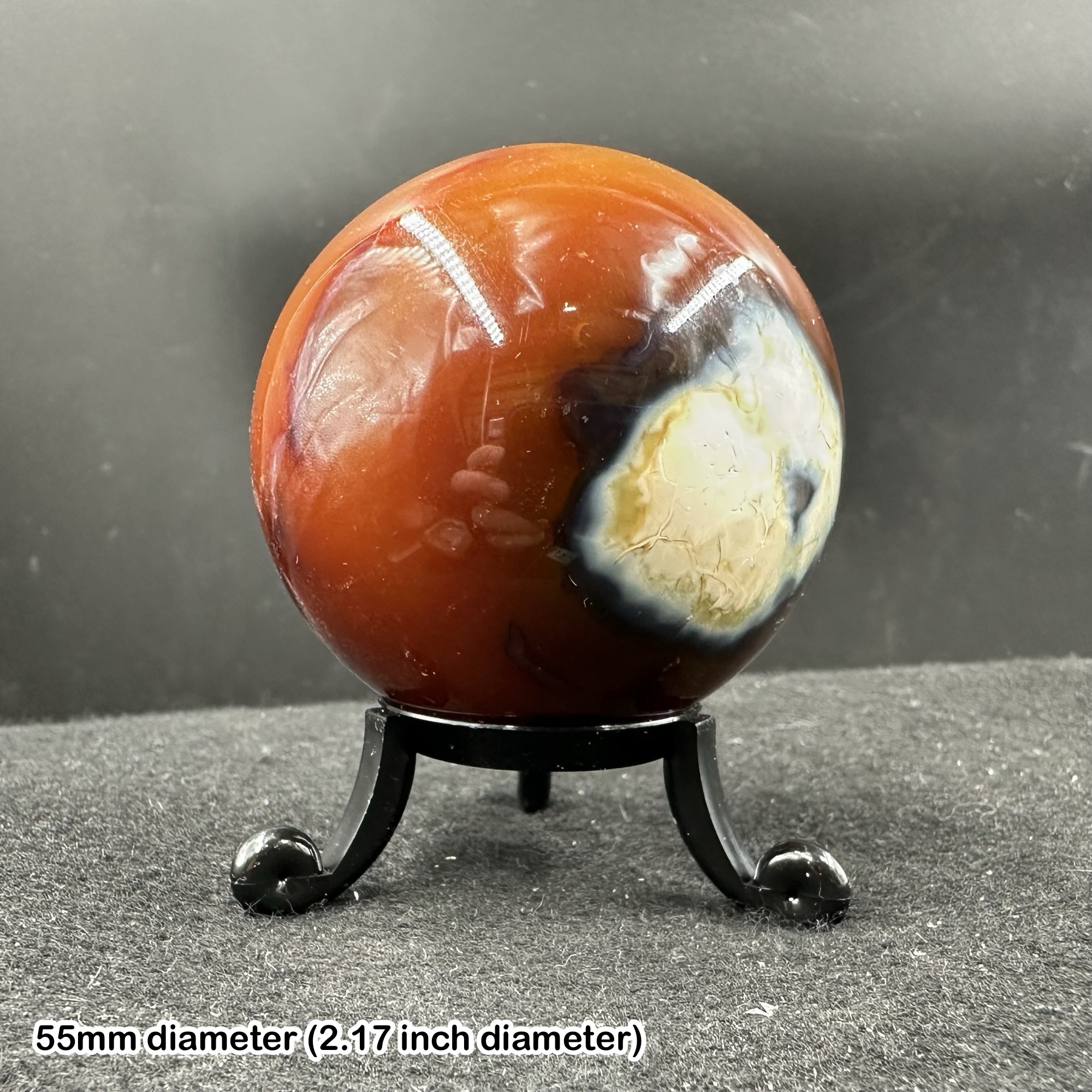
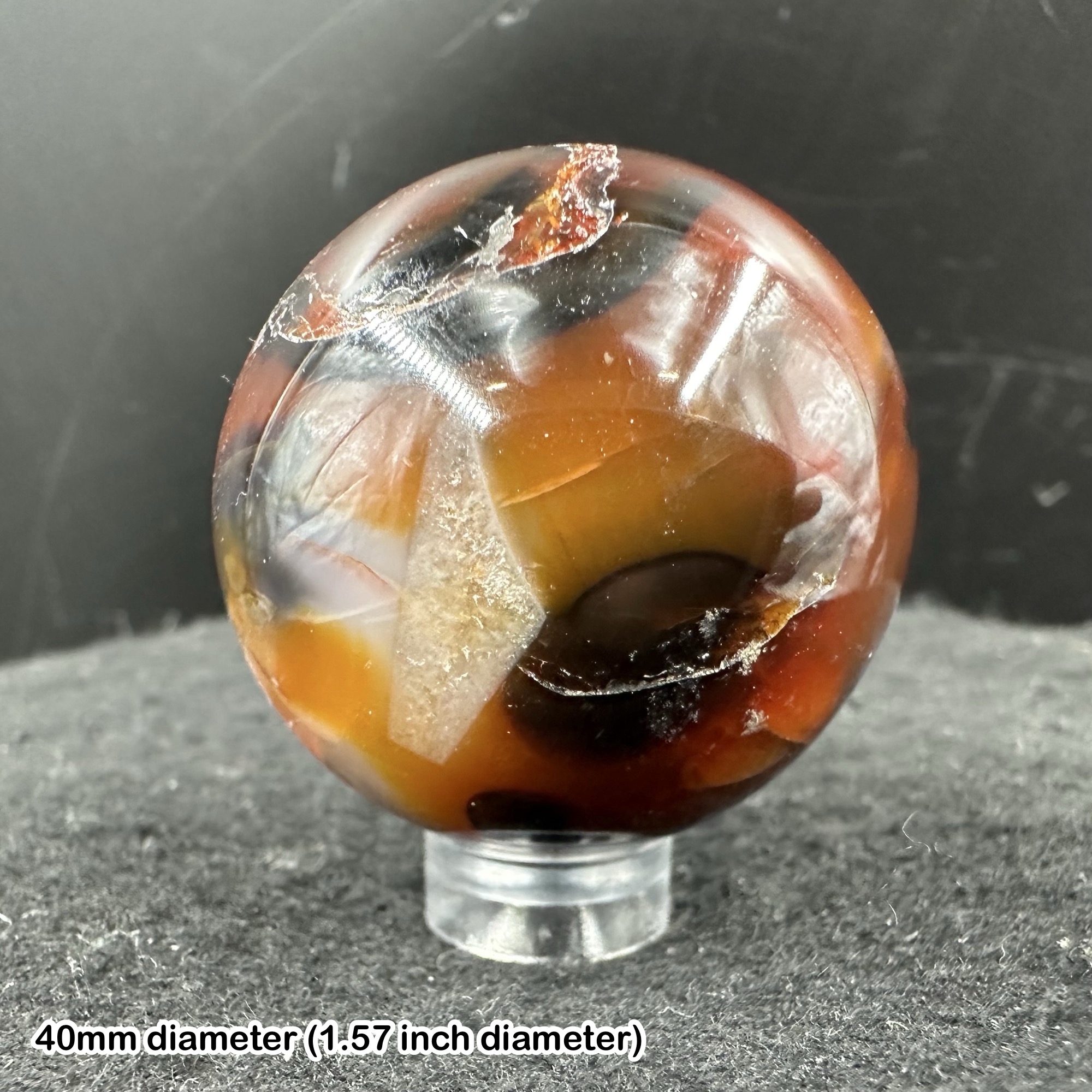
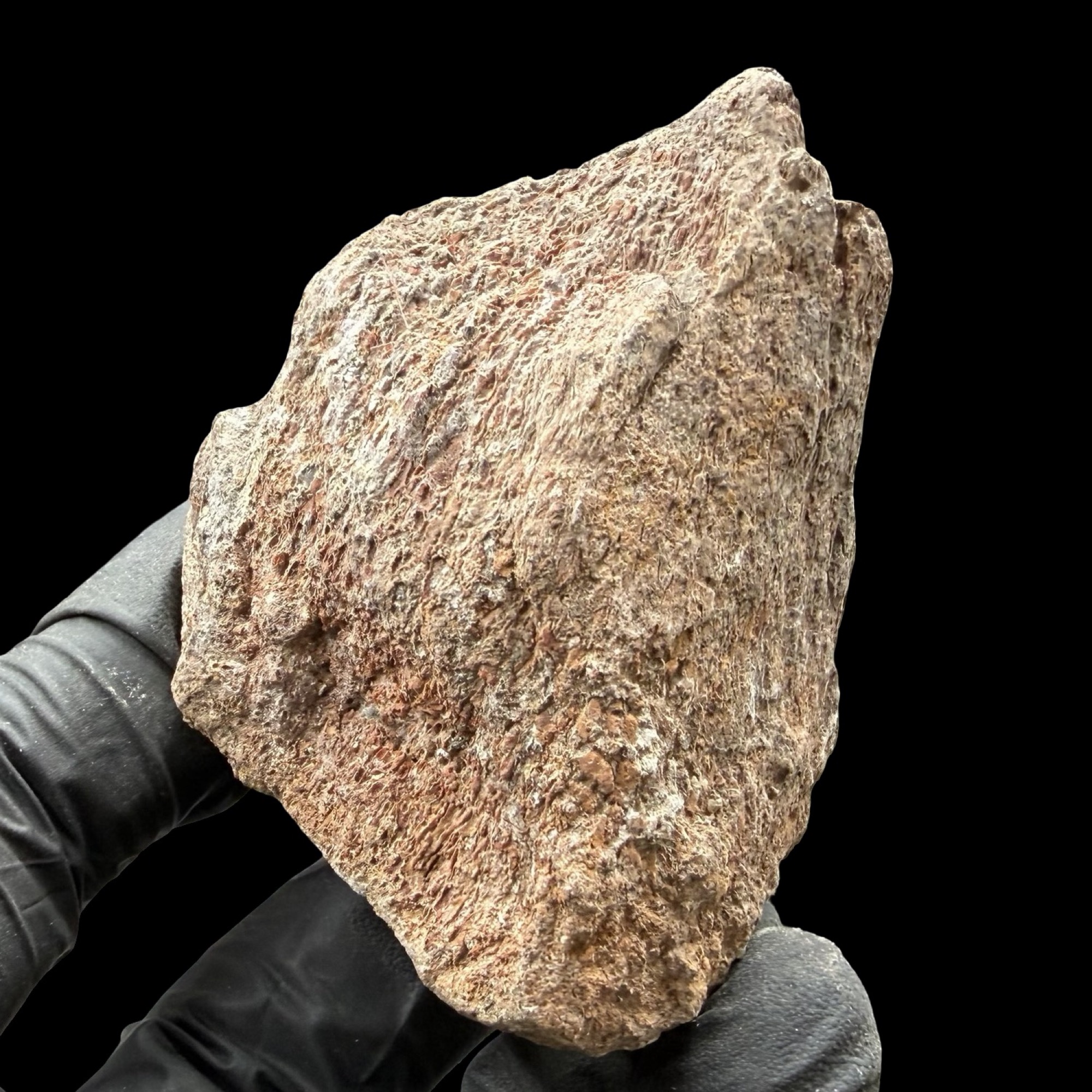
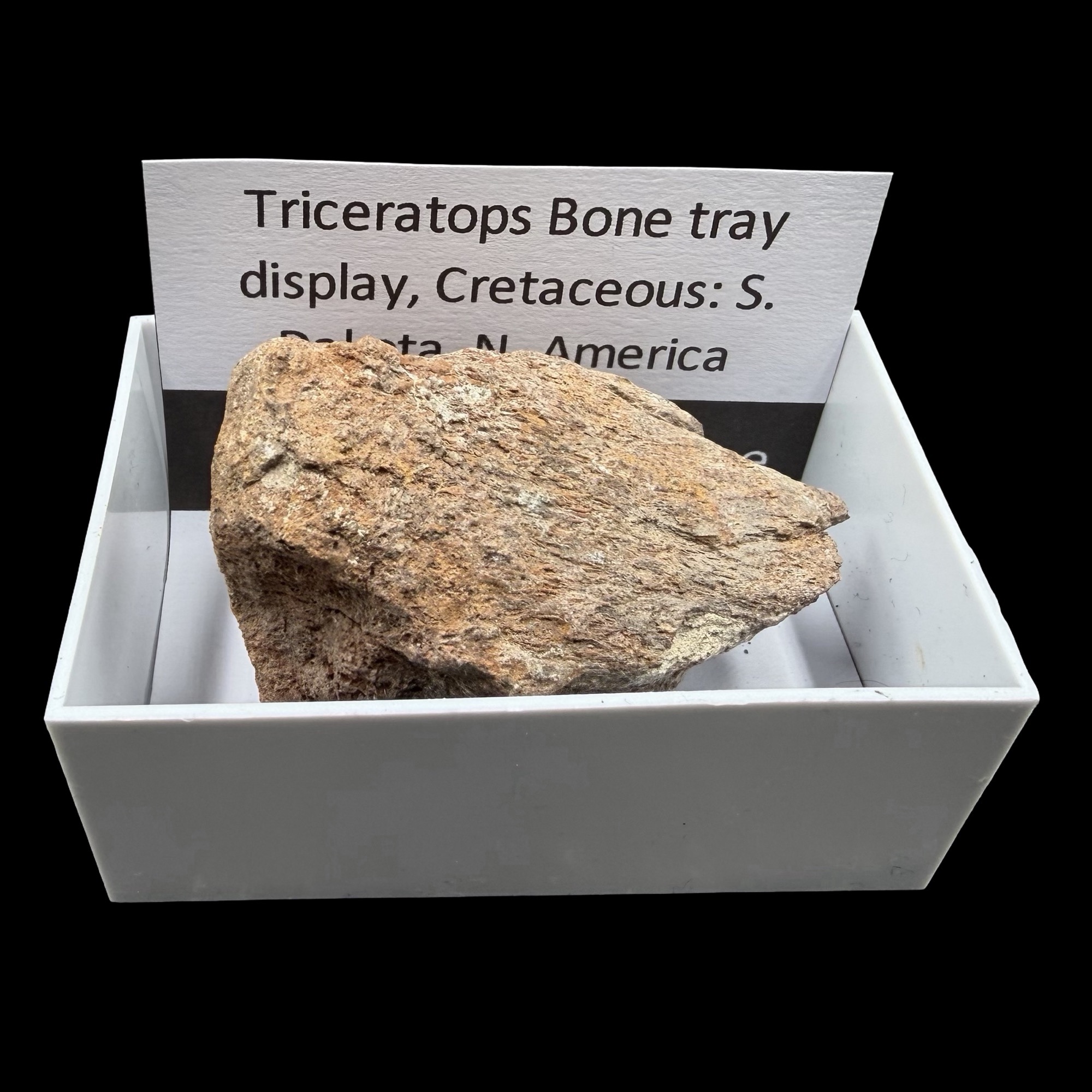
South Dakota, North America. This carefully chosen fossil display contains real dinosaur bone material, presented as a collectable tray specimen with strong natural history interest and excellent educational appeal. It is supplied with a Certificate of Authenticity lifetime guarantee generic card, making it a trusted addition to a fossil collection, dinosaur display, geology cabinet, teaching collection, or prehistoric gift selection.The photograph shows the actual fossil display you will receive. Full sizing and scale can be seen in the photo.Geological Age and LocationThis fossil dates to the Late Cretaceous Period, the final chapter of the dinosaur age, approximately 66 to 68 million years old. South Dakota is one of the most famous dinosaur fossil regions in North America, especially known for fossil-bearing Cretaceous deposits that preserve remains of iconic dinosaurs such as Triceratops, Tyrannosaurus rex, hadrosaurs, ankylosaurs, crocodilians, turtles, fish, plants, and other ancient life.During the Late Cretaceous, parts of what is now South Dakota formed a dynamic landscape of river channels, floodplains, lakes, wetlands, and coastal lowlands. These environments were ideal for preserving dinosaur bones. After an animal died, bones could be buried by sand, silt, or mud during floods or river movement. Over millions of years, minerals gradually replaced or filled the original bone structure, turning it into fossilised dinosaur bone.Fossil Type and Dinosaur IdentificationThis specimen is presented as Triceratops bone, from one of the most recognisable horned dinosaurs of the Cretaceous. Triceratops was a large herbivorous ceratopsian dinosaur, famous for its massive skull, three facial horns, powerful beak, and broad bony frill. It belonged to the group Ceratopsidae, within the wider horned dinosaur lineage Ceratopsia.Triceratops lived in western North America near the end of the Cretaceous Period. It was a four-legged plant eater with a strong, heavy body, robust limbs, and jaws adapted for slicing tough vegetation. Fossilised Triceratops material is highly collectable because the animal is one of the most famous dinosaurs ever discovered and is strongly associated with the final ecosystems before the end-Cretaceous extinction.Bone Texture and Display FeaturesDinosaur bone fossils often show a distinctive internal texture, sometimes with visible porous or fibrous structure where the original bone tissue has been mineralised. These textures are part of what makes fossil bone interesting to collectors, as they preserve evidence of the original biological material while also showing the effects of deep geological time.As a genuine fossil tray display, this specimen may include natural colour variation, mineral staining, surface texture, small cracks, weathering, matrix traces, or irregular shapes caused by fossilisation and preservation. These features are normal for authentic dinosaur bone and add to the individual character of the display. The tray format makes the fossil easy to present, study, and store, while also helping showcase the natural fossil material clearly.Cretaceous Dinosaur EnvironmentThe Triceratops that this bone material represents lived in a rich Late Cretaceous ecosystem. The landscape of ancient South Dakota supported forests, floodplains, river systems, and wetland habitats. Triceratops would have fed on plants such as cycads, ferns, conifers, and flowering vegetation, using its beak and powerful jaws to process tough plant material.This world was shared with many other prehistoric animals. Large predators such as Tyrannosaurus rex hunted or scavenged in the same environments, while hadrosaurs, small theropods, turtles, crocodilians, fish, insects, and early mammals formed part of the wider ecosystem. Fossil bone from this region provides a direct physical link to one of the most famous dinosaur faunas in the world.Authenticity and CollectabilityThis Triceratops bone fossil tray display is a genuine specimen from South Dakota, North America, dating to the Cretaceous Period. It is suitable for collectors of dinosaur fossils, Triceratops fossils, North American fossils, Cretaceous specimens, natural history displays, educational geology pieces, and prehistoric gifts.This carefully selected fossil includes a Certificate of Authenticity lifetime guarantee generic card, and the fossil shown in the photo is the actual specimen you will receive.
South Dakota, North America. This carefully chosen fossil display contains real dinosaur bone material, presented as a collectable tray specimen with strong natural history interest and excellent educational appeal. It is supplied with a Certificate of Authenticity lifetime guarantee generic card, making it a trusted addition to a fossil collection, dinosaur display, geology cabinet, teaching collection, or prehistoric gift selection.The photograph shows the actual fossil display you will receive. Full sizing and scale can be seen in the photo.Geological Age and LocationThis fossil dates to the Late Cretaceous Period, the final chapter of the dinosaur age, approximately 66 to 68 million years old. South Dakota is one of the most famous dinosaur fossil regions in North America, especially known for fossil-bearing Cretaceous deposits that preserve remains of iconic dinosaurs such as Triceratops, Tyrannosaurus rex, hadrosaurs, ankylosaurs, crocodilians, turtles, fish, plants, and other ancient life.During the Late Cretaceous, parts of what is now South Dakota formed a dynamic landscape of river channels, floodplains, lakes, wetlands, and coastal lowlands. These environments were ideal for preserving dinosaur bones. After an animal died, bones could be buried by sand, silt, or mud during floods or river movement. Over millions of years, minerals gradually replaced or filled the original bone structure, turning it into fossilised dinosaur bone.Fossil Type and Dinosaur IdentificationThis specimen is presented as Triceratops bone, from one of the most recognisable horned dinosaurs of the Cretaceous. Triceratops was a large herbivorous ceratopsian dinosaur, famous for its massive skull, three facial horns, powerful beak, and broad bony frill. It belonged to the group Ceratopsidae, within the wider horned dinosaur lineage Ceratopsia.Triceratops lived in western North America near the end of the Cretaceous Period. It was a four-legged plant eater with a strong, heavy body, robust limbs, and jaws adapted for slicing tough vegetation. Fossilised Triceratops material is highly collectable because the animal is one of the most famous dinosaurs ever discovered and is strongly associated with the final ecosystems before the end-Cretaceous extinction.Bone Texture and Display FeaturesDinosaur bone fossils often show a distinctive internal texture, sometimes with visible porous or fibrous structure where the original bone tissue has been mineralised. These textures are part of what makes fossil bone interesting to collectors, as they preserve evidence of the original biological material while also showing the effects of deep geological time.As a genuine fossil tray display, this specimen may include natural colour variation, mineral staining, surface texture, small cracks, weathering, matrix traces, or irregular shapes caused by fossilisation and preservation. These features are normal for authentic dinosaur bone and add to the individual character of the display. The tray format makes the fossil easy to present, study, and store, while also helping showcase the natural fossil material clearly.Cretaceous Dinosaur EnvironmentThe Triceratops that this bone material represents lived in a rich Late Cretaceous ecosystem. The landscape of ancient South Dakota supported forests, floodplains, river systems, and wetland habitats. Triceratops would have fed on plants such as cycads, ferns, conifers, and flowering vegetation, using its beak and powerful jaws to process tough plant material.This world was shared with many other prehistoric animals. Large predators such as Tyrannosaurus rex hunted or scavenged in the same environments, while hadrosaurs, small theropods, turtles, crocodilians, fish, insects, and early mammals formed part of the wider ecosystem. Fossil bone from this region provides a direct physical link to one of the most famous dinosaur faunas in the world.Authenticity and CollectabilityThis Triceratops bone fossil tray display is a genuine specimen from South Dakota, North America, dating to the Cretaceous Period. It is suitable for collectors of dinosaur fossils, Triceratops fossils, North American fossils, Cretaceous specimens, natural history displays, educational geology pieces, and prehistoric gifts.This carefully selected fossil includes a Certificate of Authenticity lifetime guarantee generic card, and the fossil shown in the photo is the actual specimen you will receive.