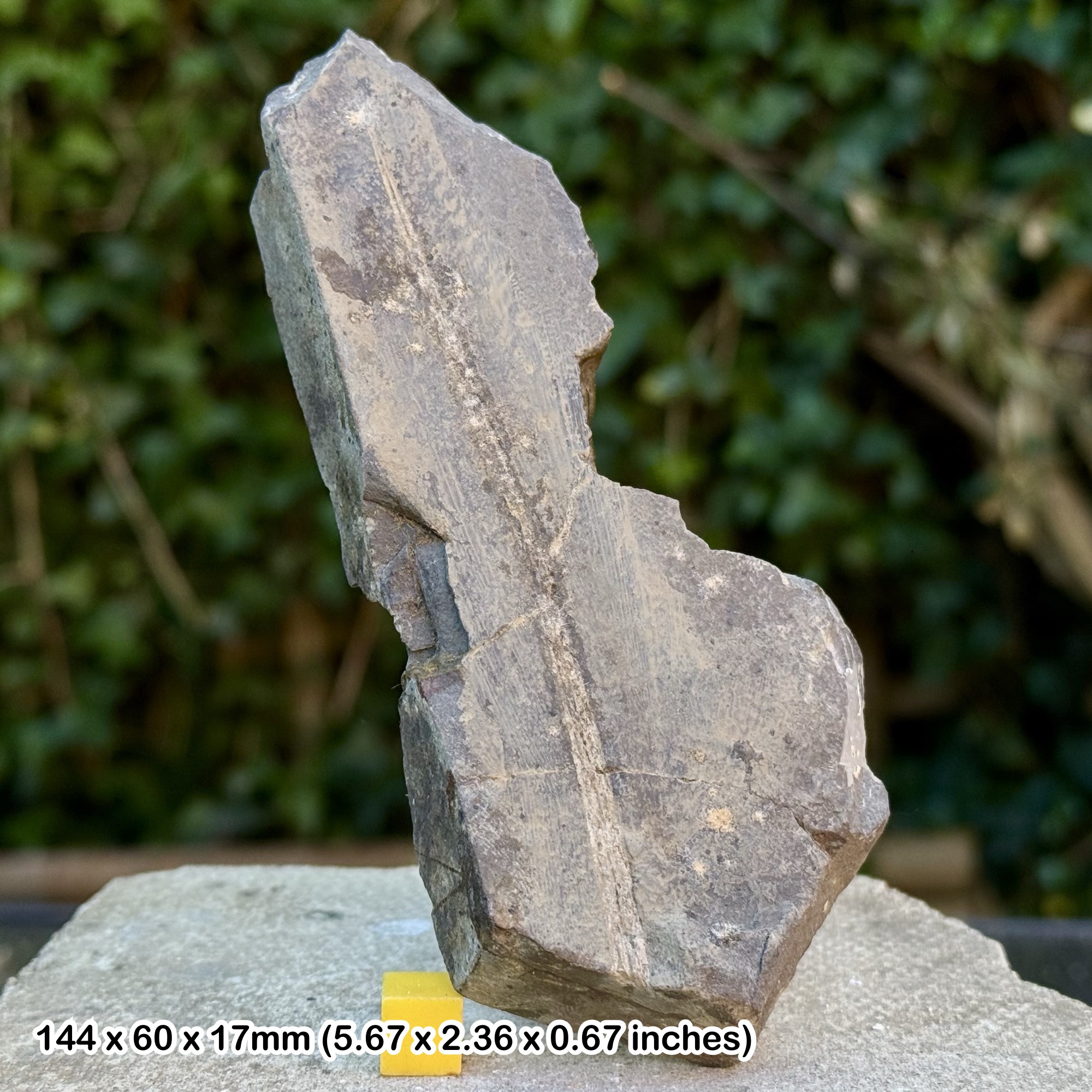
Diplograptus multidens Graptolite Fossil Ordovician UK | Genuine Collectible with COA
£ 36.00
Add a rare and scientifically significant specimen to your fossil collection
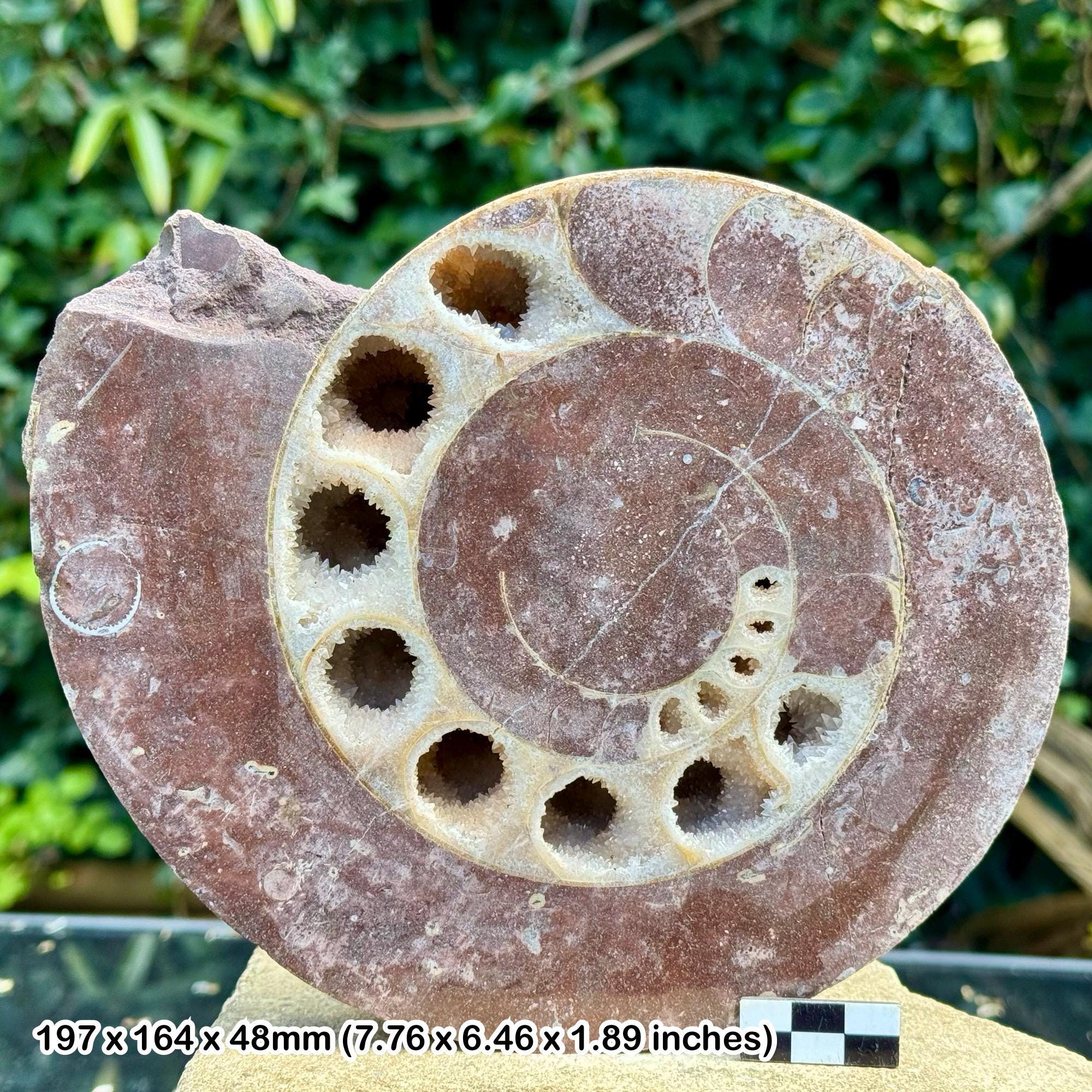
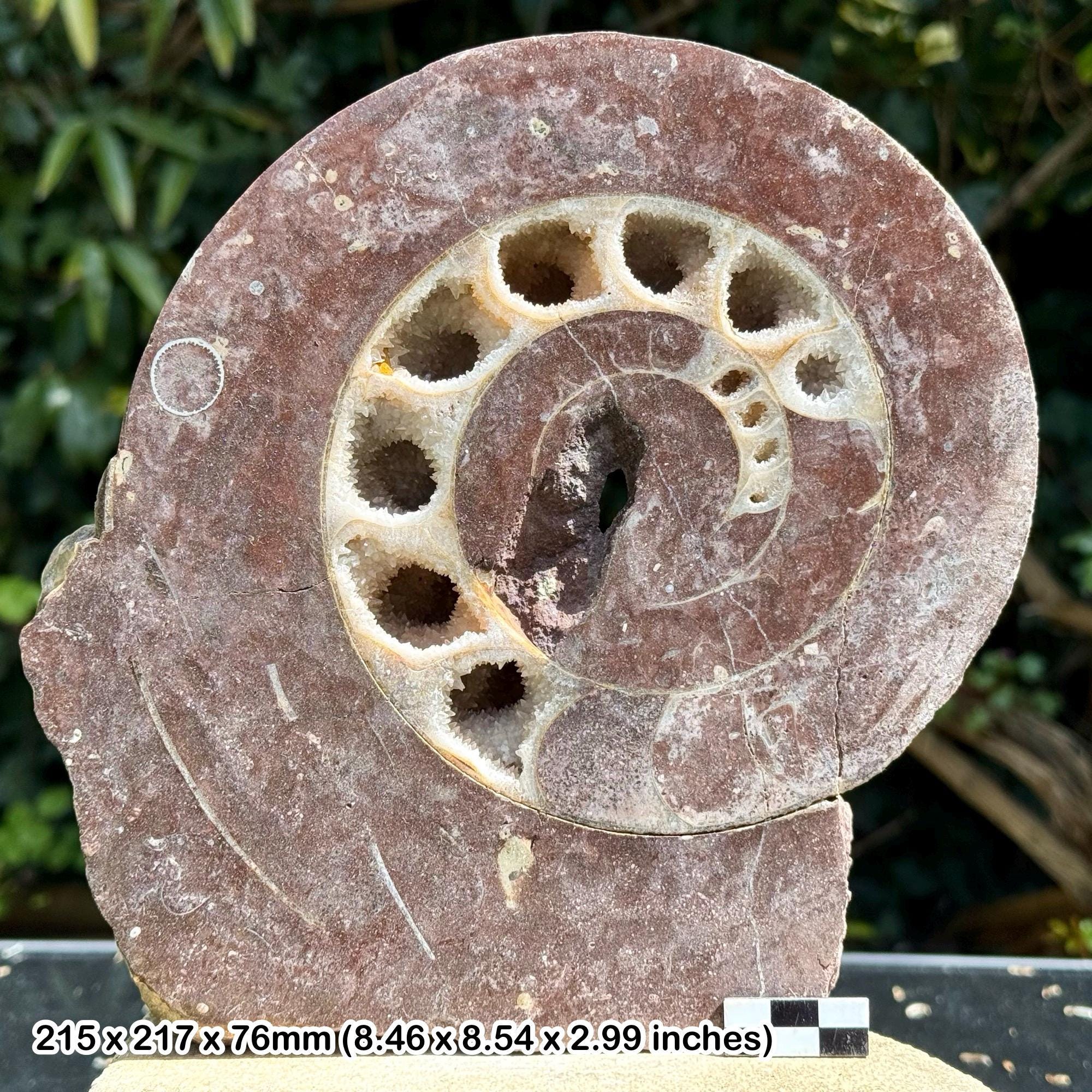
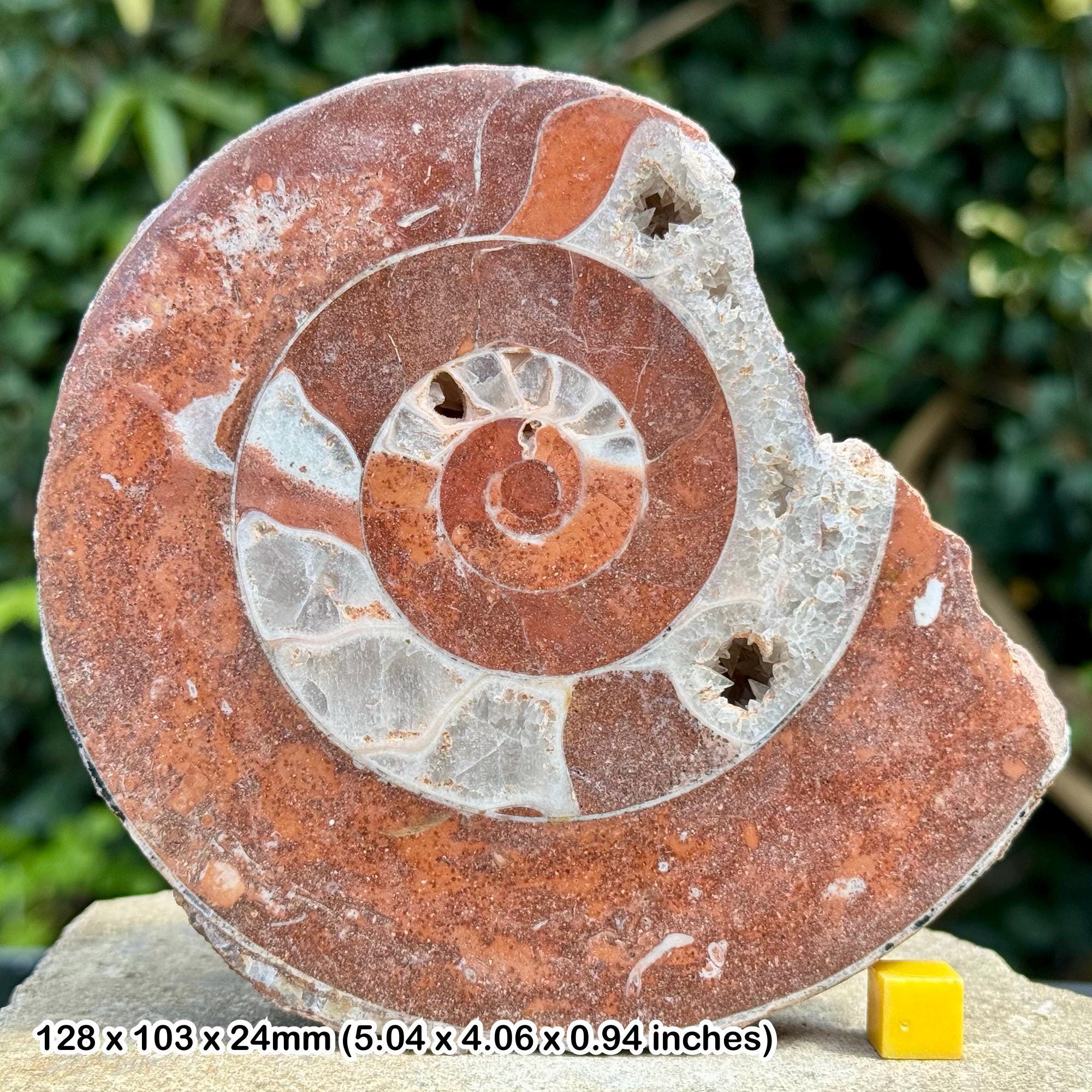
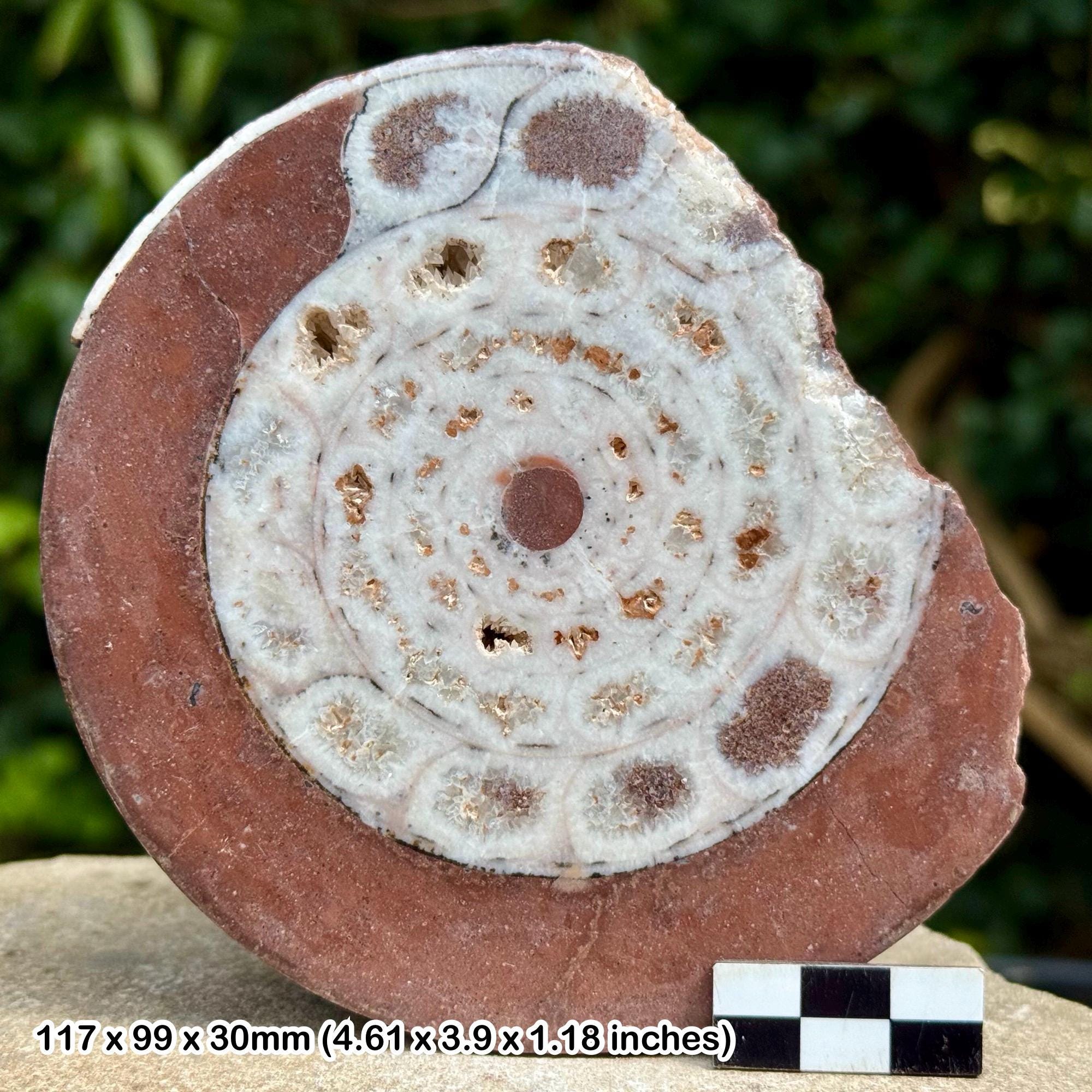
with this authentic Diplograptus multidens graptolite fossil from the Ordovician period, specifically the Caradoc and Llanvirn stages, discovered near Haverfordwest, UK. This exquisite fossil captures the beauty and detail of a colonial marine organism that once floated in the Paleozoic oceans.Fossil Type: GraptoliteSpecies: Diplograptus multidensGeological Period: Ordovician (~485 to 443 million years ago)Geological Stages: Caradoc & LlanvirnLocation: Haverfordwest, Pembrokeshire, Wales, UKScale Rule: Squares/Cube = 1cm (Please refer to the photo for full sizing)Specimen: What you see is what you get—the photo is of the actual item you will receiveAuthenticity: All of our fossils are 100% genuine specimens and come with a Certificate of Authenticity GEOLOGICAL AND PALEONTOLOGICAL INFORMATIONDiplograptus multidens is a member of the Order Graptoloidea and is characterised by its bifurcated colony form (two branches or stipes) with numerous thecae arranged along each side. These colonial animals are preserved as carbonaceous impressions in shale and other fine-grained sedimentary rocks, formed in deep marine depositional environments.
• Order: Graptoloidea
• Family: Diplograptidae
• Superfamily: Diplograptoidea
• Morphological Features: Typically features two stipes with densely packed, bilaterally symmetrical thecae. The arrangement and density of the thecae are key diagnostic features.
• Depositional Environment: Deep marine setting; pelagic organisms that settled onto fine sediments after death
• Notable: Graptolites such as Diplograptus multidens are crucial to biostratigraphy and have been used extensively to define Ordovician biozones
• Biozone: Potentially corresponds to the multidens Biozone (though precise assignment requires stratigraphic detail)
• Identifier: Formally described and named by Lapworth in the 19th century, a pioneer in graptolite taxonomy and Ordovician stratigraphyThese fossils are not only visually fascinating but also play a key role in understanding geological time due to their rapid evolution and wide distribution. WHY BUY FROM US?
• All fossils are hand-selected for quality and authenticity
• Every specimen includes a Certificate of Authenticity
• The exact fossil shown in the listing is what you will receive
• Ideal for collectors, educators, and enthusiasts of natural historyOwn a piece of ancient oceanic life with this stunning Ordovician graptolite, a witness to Earth's evolutionary history over 450 million years ago.
with this authentic Diplograptus multidens graptolite fossil from the Ordovician period, specifically the Caradoc and Llanvirn stages, discovered near Haverfordwest, UK. This exquisite fossil captures the beauty and detail of a colonial marine organism that once floated in the Paleozoic oceans.Fossil Type: GraptoliteSpecies: Diplograptus multidensGeological Period: Ordovician (~485 to 443 million years ago)Geological Stages: Caradoc & LlanvirnLocation: Haverfordwest, Pembrokeshire, Wales, UKScale Rule: Squares/Cube = 1cm (Please refer to the photo for full sizing)Specimen: What you see is what you get—the photo is of the actual item you will receiveAuthenticity: All of our fossils are 100% genuine specimens and come with a Certificate of Authenticity GEOLOGICAL AND PALEONTOLOGICAL INFORMATIONDiplograptus multidens is a member of the Order Graptoloidea and is characterised by its bifurcated colony form (two branches or stipes) with numerous thecae arranged along each side. These colonial animals are preserved as carbonaceous impressions in shale and other fine-grained sedimentary rocks, formed in deep marine depositional environments.
• Order: Graptoloidea
• Family: Diplograptidae
• Superfamily: Diplograptoidea
• Morphological Features: Typically features two stipes with densely packed, bilaterally symmetrical thecae. The arrangement and density of the thecae are key diagnostic features.
• Depositional Environment: Deep marine setting; pelagic organisms that settled onto fine sediments after death
• Notable: Graptolites such as Diplograptus multidens are crucial to biostratigraphy and have been used extensively to define Ordovician biozones
• Biozone: Potentially corresponds to the multidens Biozone (though precise assignment requires stratigraphic detail)
• Identifier: Formally described and named by Lapworth in the 19th century, a pioneer in graptolite taxonomy and Ordovician stratigraphyThese fossils are not only visually fascinating but also play a key role in understanding geological time due to their rapid evolution and wide distribution. WHY BUY FROM US?
• All fossils are hand-selected for quality and authenticity
• Every specimen includes a Certificate of Authenticity
• The exact fossil shown in the listing is what you will receive
• Ideal for collectors, educators, and enthusiasts of natural historyOwn a piece of ancient oceanic life with this stunning Ordovician graptolite, a witness to Earth's evolutionary history over 450 million years ago.
Other Products