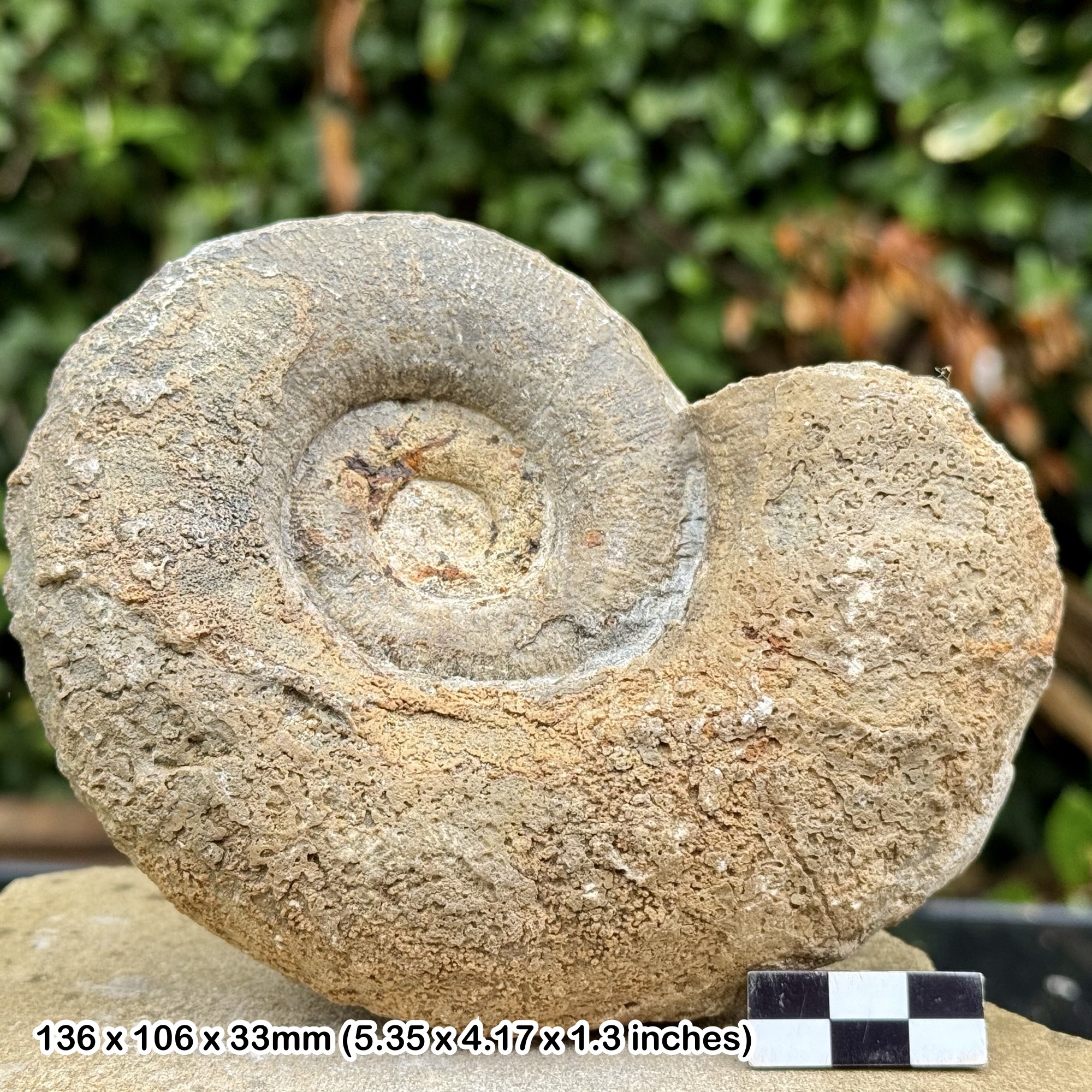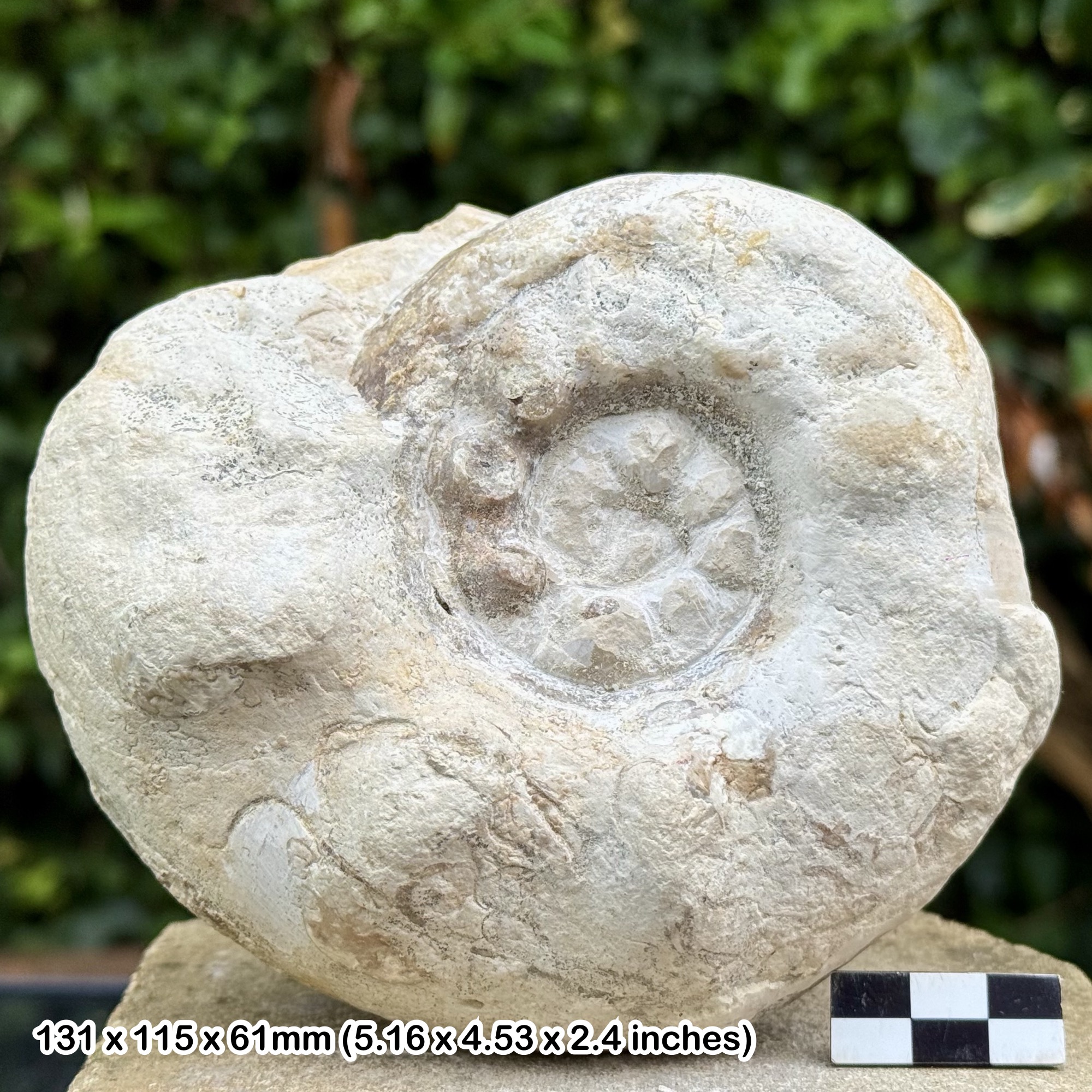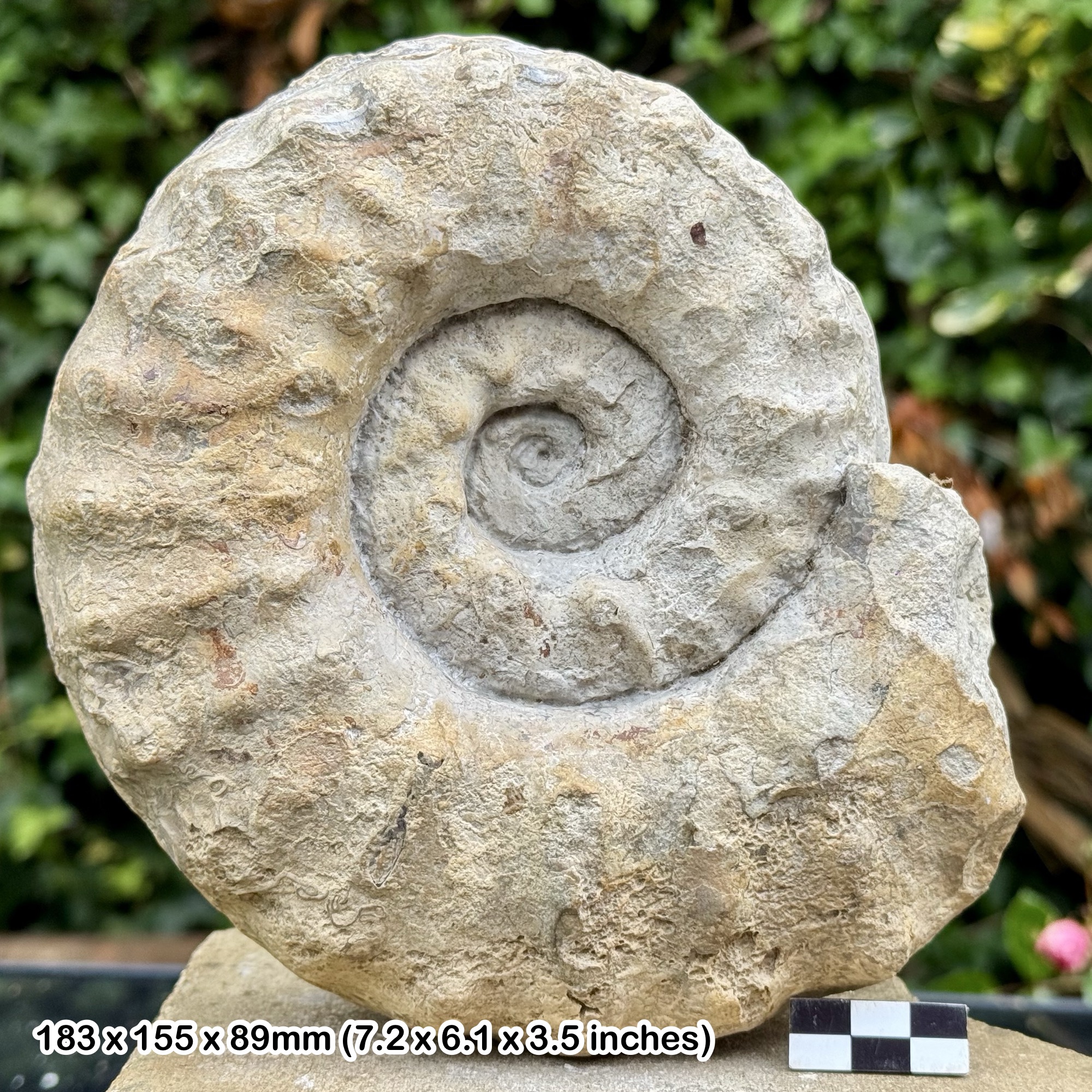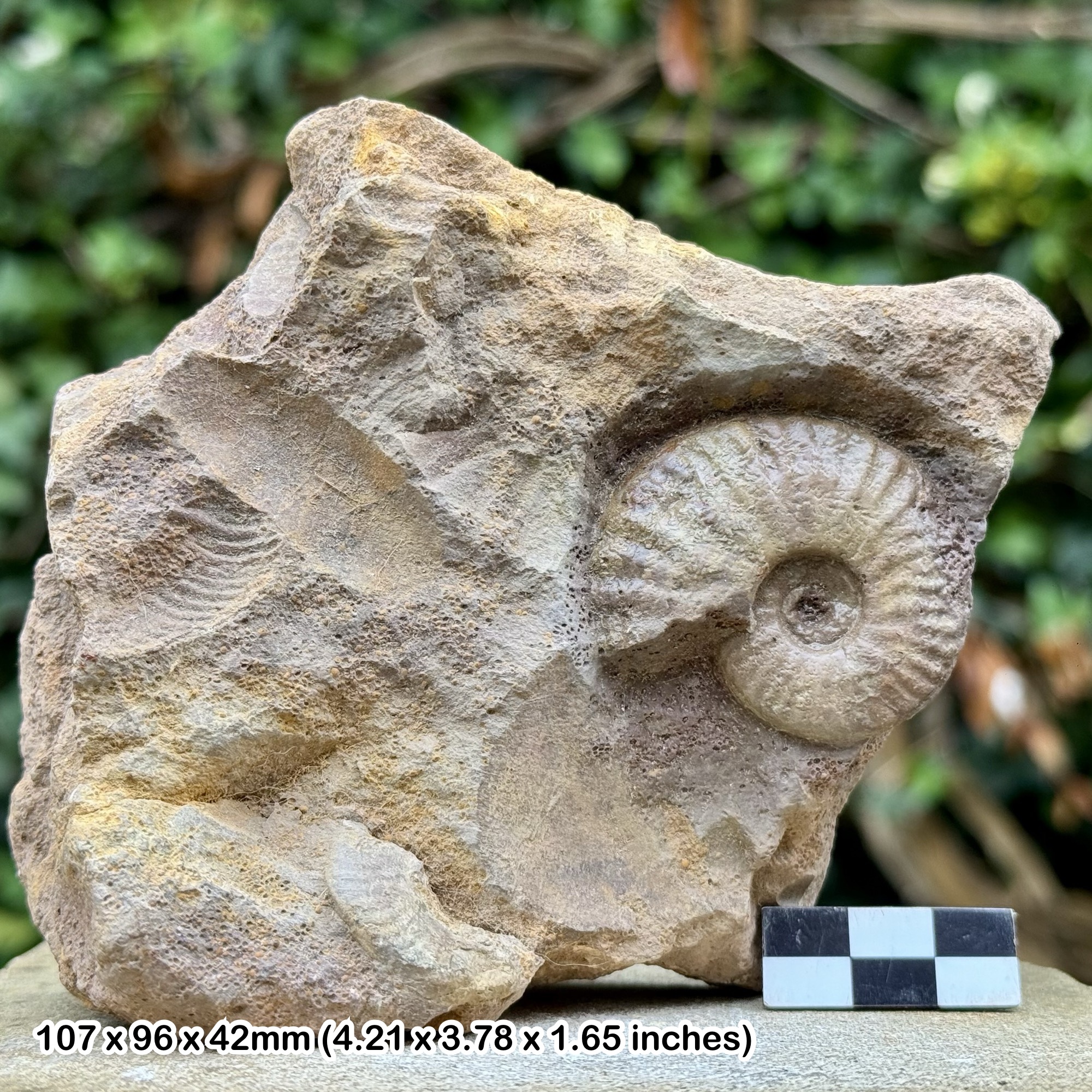
Rare Fossil Nautilus Stellare Nodule Cut and Polished Lyme Regis Dorset Jurassic Coast Specimen Authentic
£ 72.00
RARE FOSSIL NAUTILUS IN STELLARE NODULE FROM THE JURASSIC COASTThis genuine fossil Nautilus preserved within a stellare nodule and cut and
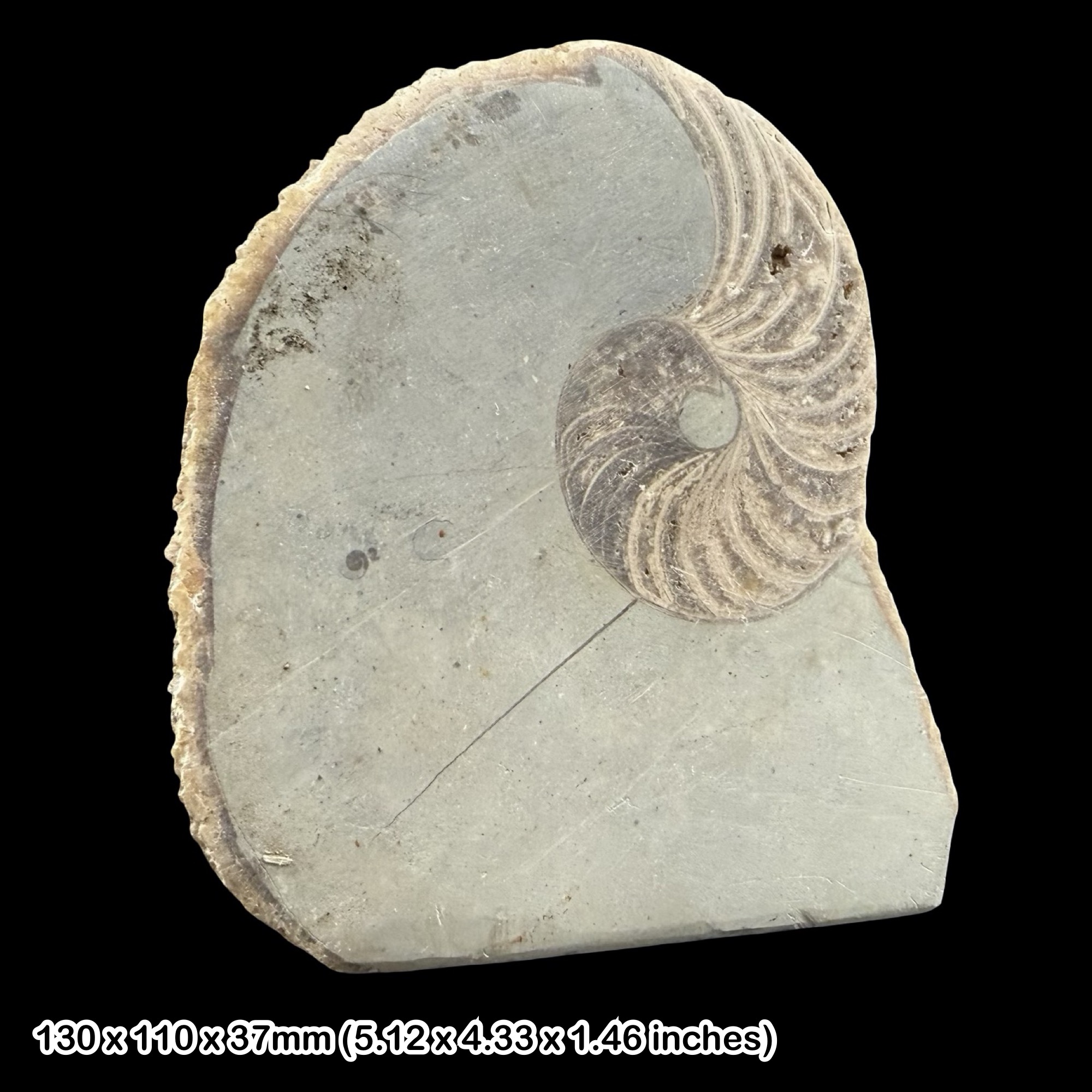
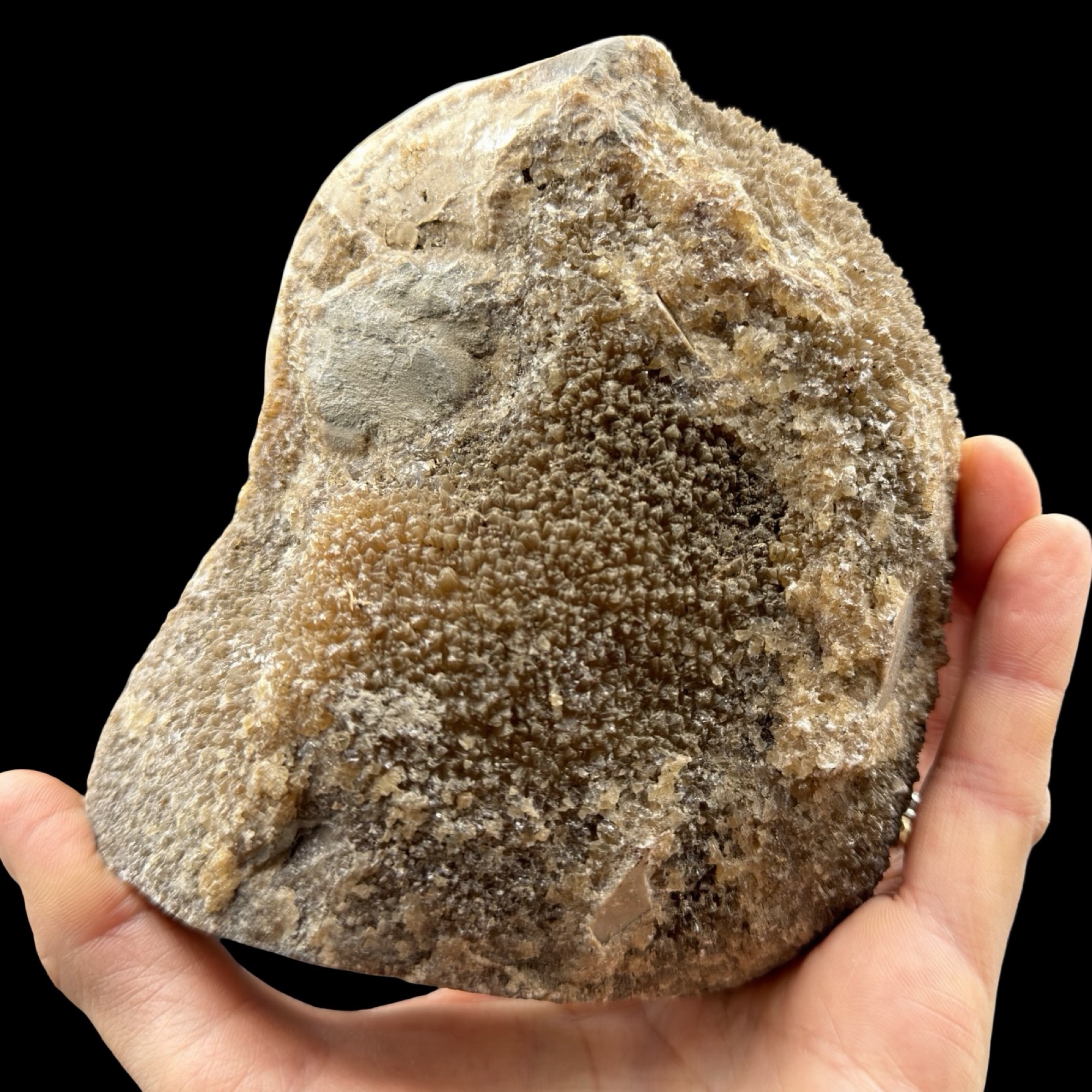
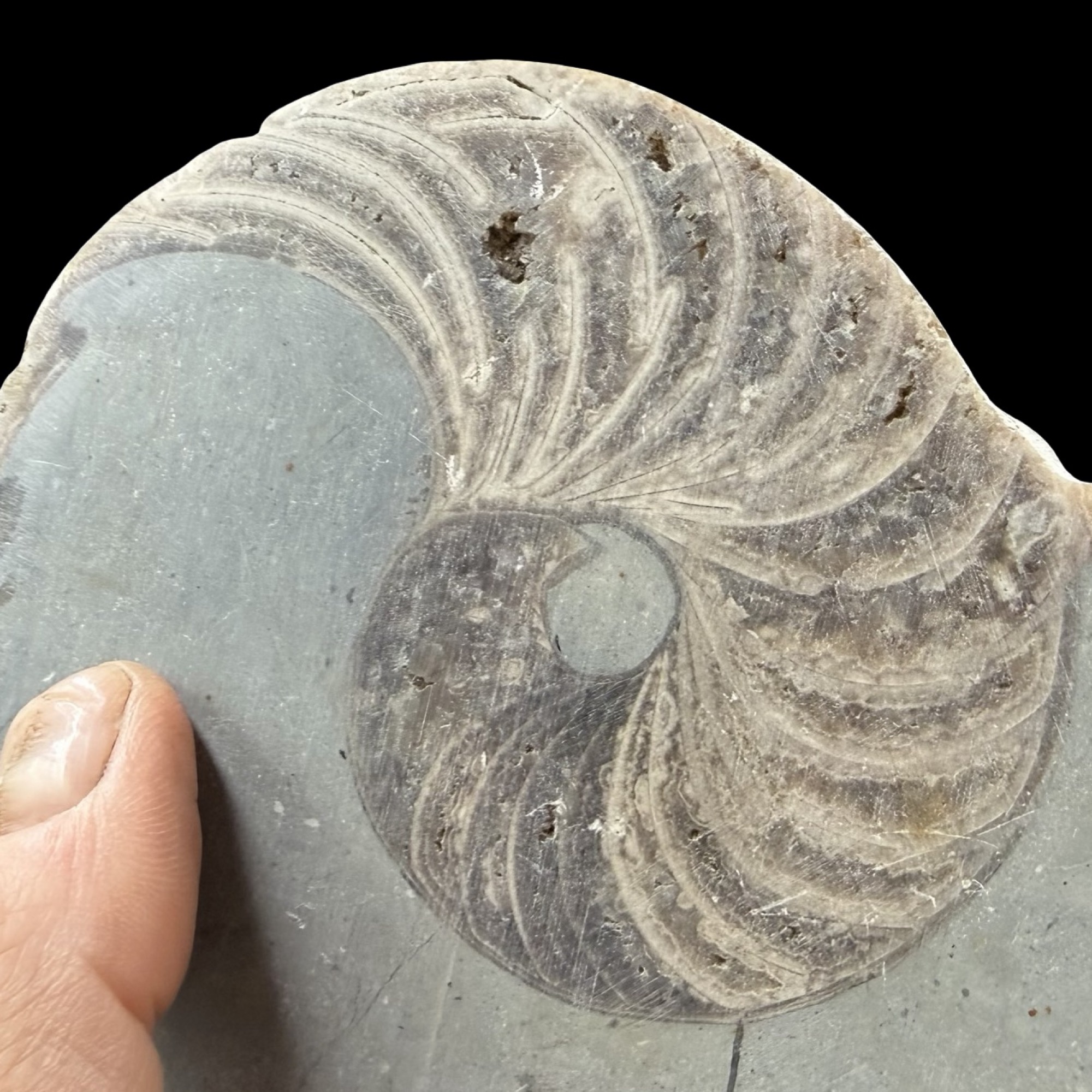
polished to reveal the internal structure originates from the Black Ven Marls of the Lower Lias Formation exposed at Stonebarrow Cliff near Charmouth, close to Lyme Regis, Dorset, UK. This famous fossil locality forms part of the Jurassic Coast UNESCO World Heritage Site, renowned worldwide for its exceptionally preserved Early Jurassic marine fossils.The specimen contains a Nautilus fossil preserved within a natural stellare nodule, a distinctive type of carbonate concretion commonly found within the Black Ven Marls. The nodule has been carefully cut and polished, revealing the internal chamber structure of the nautiloid shell preserved within the surrounding rock.The listing photographs show the exact fossil specimen you will receive, allowing collectors to observe the internal morphology and preservation of the fossil prior to purchase. Full sizing details can be viewed in the listing images.This fossil is a genuine specimen and includes a Certificate of Authenticity lifetime guarantee generic card, confirming its authenticity and geological origin. FOSSIL IDENTIFICATION AND SCIENTIFIC CLASSIFICATIONThe fossil represents a member of the nautiloids, a group of marine cephalopods closely related to modern nautiluses that still inhabit the oceans today.Scientific classification includes:
• Kingdom: Animalia
• Phylum: Mollusca
• Class: Cephalopoda
• Subclass: Nautiloidea
• Order: NautilidaNautiloids possess a coiled external shell divided into chambers. Unlike ammonites, which became extinct at the end of the Cretaceous, nautiloids have living representatives today, making them one of the longest surviving cephalopod lineages.The shell is composed of a series of internal chambers separated by curved walls known as septa. The animal lived in the outermost chamber while the internal chambers were used to regulate buoyancy. GEOLOGICAL FORMATION AND AGEThis fossil originates from the Black Ven Marls, part of the Lower Lias Formation, which represents marine sediments deposited during the Early Jurassic Period approximately 199 to 190 million years ago.The Lower Lias sediments accumulated in a shallow marine basin that covered much of southern Britain during the Early Jurassic.The Black Ven Marls consist primarily of:
• Dark grey clay-rich marl
• Laminated marine shale
• Fossil-rich sediment layers
• Occasional limestone beds and carbonate concretionsThese sediments are well known for producing exceptional fossils including ammonites, marine reptiles, fish, and nautiloid cephalopods. STELLARE NODULES AND FOSSIL PRESERVATIONThe fossil is preserved within a stellare nodule, a type of carbonate concretion that formed during early diagenesis within the sediment.Stellare nodules develop when mineral-rich groundwater precipitates carbonate minerals around organic material or fossil remains within the sediment. Over time, the surrounding sediment becomes lithified, forming a compact nodule that protects the fossil within.These nodules are particularly valuable for fossil preservation because they:
• Protect delicate fossils from compression
• Preserve internal structures in three dimensions
• Prevent erosion or distortion during burialWhen cut and polished, stellare nodules often reveal exceptionally preserved fossils inside. INTERNAL SHELL STRUCTURE OF NAUTILOIDSThe cut and polished surface of this specimen reveals the internal chamber structure of the nautiloid shell.Key morphological features visible in nautiloid fossils include:
• Spiral shell whorls
• Internal chambers known as camerae
• Curved septa separating each chamber
• The central siphuncle used for buoyancy controlThe siphuncle is a tube-like structure that runs through the chambers and allowed the animal to regulate gas and fluid within the shell to maintain neutral buoyancy.This adaptation enabled nautiloids to move efficiently through the water column. MARINE ENVIRONMENT OF THE EARLY JURASSIC DORSET COASTDuring the Early Jurassic, southern England was covered by a warm shallow sea connected to the Tethys Ocean. The marine ecosystem supported a wide diversity of organisms.The Jurassic marine environment included:
• Ammonites and nautiloids
• Belemnites
• Marine reptiles including ichthyosaurs and plesiosaurs
• Fish and crustaceans
• Bivalves and gastropodsFine mud accumulated on the seabed, preserving shells and skeletal remains within the sediment. FOSSIL DISCOVERY AT STONEBARROW CLIFF AND CHARMOUTHStonebarrow Cliff near Charmouth is one of the most productive fossil sites along the Jurassic Coast. The cliffs expose extensive Lower Lias sediments that contain a wide range of marine fossils.Natural coastal erosion continuously reveals new fossils from the cliffs, making the area one of the most important Early Jurassic fossil localities in Europe.Charmouth and Lyme Regis have a long history of fossil discoveries that played an important role in the early development of palaeontology during the nineteenth century. AUTHENTIC FOSSIL SPECIMENThis specimen is a genuine fossil Nautilus preserved in a stellare nodule from the Black Ven Marls of the Lower Lias Formation at Stonebarrow Cliff near Charmouth, Lyme Regis, Dorset, UK.Key details include:
• Authentic fossil Nautilus specimen
• Preserved in a stellare nodule
• Cut and polished to reveal internal shell chambers
• Geological Formation: Black Ven Marls
• Stratigraphy: Lower Lias Formation
• Geological Age: Early Jurassic Period
• Stage: Sinemurian
• Locality: Stonebarrow Cliff, Charmouth, Lyme Regis, Dorset, United Kingdom
• Fossil from the Jurassic Coast UNESCO World Heritage Site
• Exact specimen shown in listing photographs
• Full sizing visible in listing images
• Includes Certificate of Authenticity lifetime guarantee generic cardThis fossil represents a preserved cephalopod from the Early Jurassic seas that once covered southern Britain, making it a rare and visually striking addition to fossil collections, geological displays, and natural history exhibits.
polished to reveal the internal structure originates from the Black Ven Marls of the Lower Lias Formation exposed at Stonebarrow Cliff near Charmouth, close to Lyme Regis, Dorset, UK. This famous fossil locality forms part of the Jurassic Coast UNESCO World Heritage Site, renowned worldwide for its exceptionally preserved Early Jurassic marine fossils.The specimen contains a Nautilus fossil preserved within a natural stellare nodule, a distinctive type of carbonate concretion commonly found within the Black Ven Marls. The nodule has been carefully cut and polished, revealing the internal chamber structure of the nautiloid shell preserved within the surrounding rock.The listing photographs show the exact fossil specimen you will receive, allowing collectors to observe the internal morphology and preservation of the fossil prior to purchase. Full sizing details can be viewed in the listing images.This fossil is a genuine specimen and includes a Certificate of Authenticity lifetime guarantee generic card, confirming its authenticity and geological origin. FOSSIL IDENTIFICATION AND SCIENTIFIC CLASSIFICATIONThe fossil represents a member of the nautiloids, a group of marine cephalopods closely related to modern nautiluses that still inhabit the oceans today.Scientific classification includes:
• Kingdom: Animalia
• Phylum: Mollusca
• Class: Cephalopoda
• Subclass: Nautiloidea
• Order: NautilidaNautiloids possess a coiled external shell divided into chambers. Unlike ammonites, which became extinct at the end of the Cretaceous, nautiloids have living representatives today, making them one of the longest surviving cephalopod lineages.The shell is composed of a series of internal chambers separated by curved walls known as septa. The animal lived in the outermost chamber while the internal chambers were used to regulate buoyancy. GEOLOGICAL FORMATION AND AGEThis fossil originates from the Black Ven Marls, part of the Lower Lias Formation, which represents marine sediments deposited during the Early Jurassic Period approximately 199 to 190 million years ago.The Lower Lias sediments accumulated in a shallow marine basin that covered much of southern Britain during the Early Jurassic.The Black Ven Marls consist primarily of:
• Dark grey clay-rich marl
• Laminated marine shale
• Fossil-rich sediment layers
• Occasional limestone beds and carbonate concretionsThese sediments are well known for producing exceptional fossils including ammonites, marine reptiles, fish, and nautiloid cephalopods. STELLARE NODULES AND FOSSIL PRESERVATIONThe fossil is preserved within a stellare nodule, a type of carbonate concretion that formed during early diagenesis within the sediment.Stellare nodules develop when mineral-rich groundwater precipitates carbonate minerals around organic material or fossil remains within the sediment. Over time, the surrounding sediment becomes lithified, forming a compact nodule that protects the fossil within.These nodules are particularly valuable for fossil preservation because they:
• Protect delicate fossils from compression
• Preserve internal structures in three dimensions
• Prevent erosion or distortion during burialWhen cut and polished, stellare nodules often reveal exceptionally preserved fossils inside. INTERNAL SHELL STRUCTURE OF NAUTILOIDSThe cut and polished surface of this specimen reveals the internal chamber structure of the nautiloid shell.Key morphological features visible in nautiloid fossils include:
• Spiral shell whorls
• Internal chambers known as camerae
• Curved septa separating each chamber
• The central siphuncle used for buoyancy controlThe siphuncle is a tube-like structure that runs through the chambers and allowed the animal to regulate gas and fluid within the shell to maintain neutral buoyancy.This adaptation enabled nautiloids to move efficiently through the water column. MARINE ENVIRONMENT OF THE EARLY JURASSIC DORSET COASTDuring the Early Jurassic, southern England was covered by a warm shallow sea connected to the Tethys Ocean. The marine ecosystem supported a wide diversity of organisms.The Jurassic marine environment included:
• Ammonites and nautiloids
• Belemnites
• Marine reptiles including ichthyosaurs and plesiosaurs
• Fish and crustaceans
• Bivalves and gastropodsFine mud accumulated on the seabed, preserving shells and skeletal remains within the sediment. FOSSIL DISCOVERY AT STONEBARROW CLIFF AND CHARMOUTHStonebarrow Cliff near Charmouth is one of the most productive fossil sites along the Jurassic Coast. The cliffs expose extensive Lower Lias sediments that contain a wide range of marine fossils.Natural coastal erosion continuously reveals new fossils from the cliffs, making the area one of the most important Early Jurassic fossil localities in Europe.Charmouth and Lyme Regis have a long history of fossil discoveries that played an important role in the early development of palaeontology during the nineteenth century. AUTHENTIC FOSSIL SPECIMENThis specimen is a genuine fossil Nautilus preserved in a stellare nodule from the Black Ven Marls of the Lower Lias Formation at Stonebarrow Cliff near Charmouth, Lyme Regis, Dorset, UK.Key details include:
• Authentic fossil Nautilus specimen
• Preserved in a stellare nodule
• Cut and polished to reveal internal shell chambers
• Geological Formation: Black Ven Marls
• Stratigraphy: Lower Lias Formation
• Geological Age: Early Jurassic Period
• Stage: Sinemurian
• Locality: Stonebarrow Cliff, Charmouth, Lyme Regis, Dorset, United Kingdom
• Fossil from the Jurassic Coast UNESCO World Heritage Site
• Exact specimen shown in listing photographs
• Full sizing visible in listing images
• Includes Certificate of Authenticity lifetime guarantee generic cardThis fossil represents a preserved cephalopod from the Early Jurassic seas that once covered southern Britain, making it a rare and visually striking addition to fossil collections, geological displays, and natural history exhibits.
Other Products