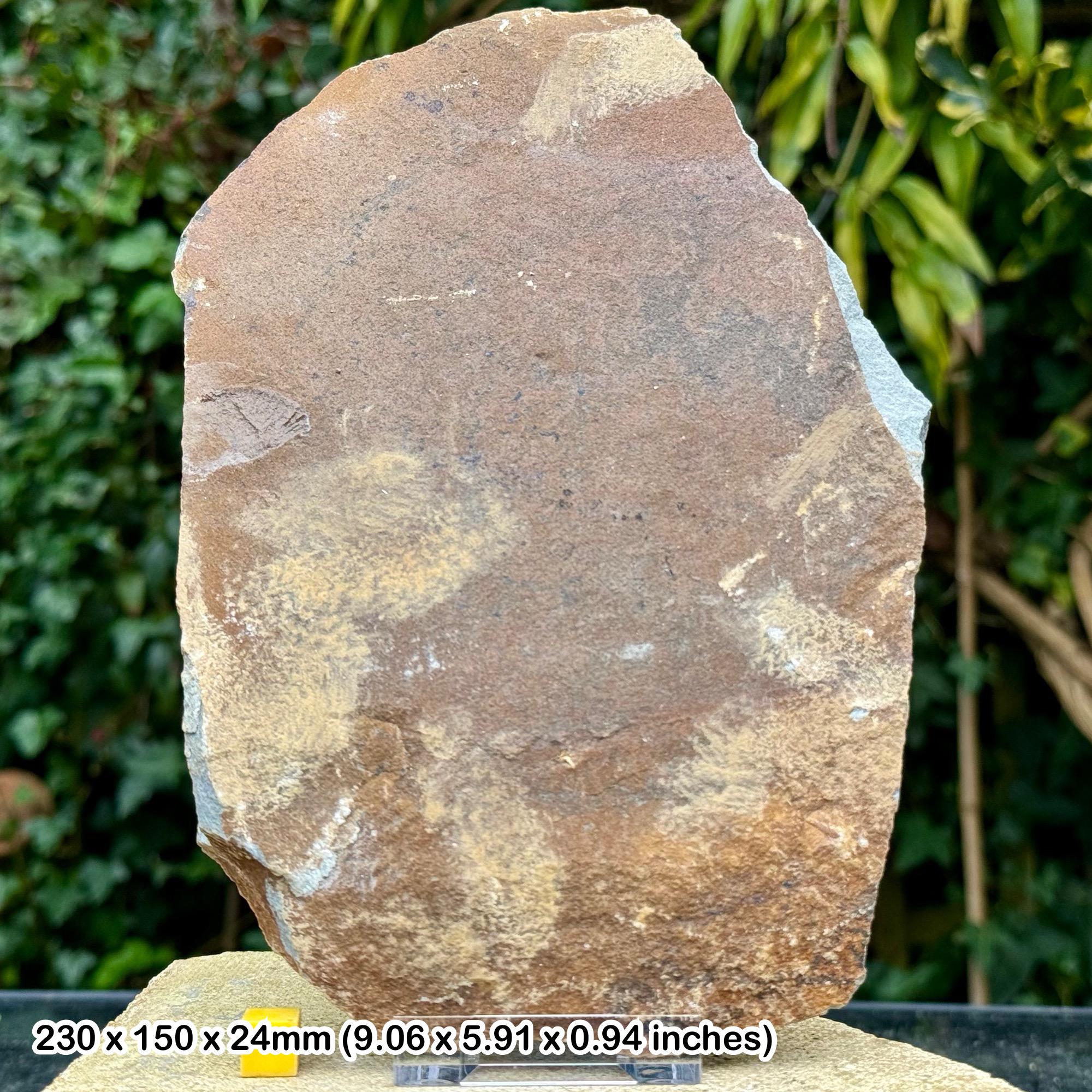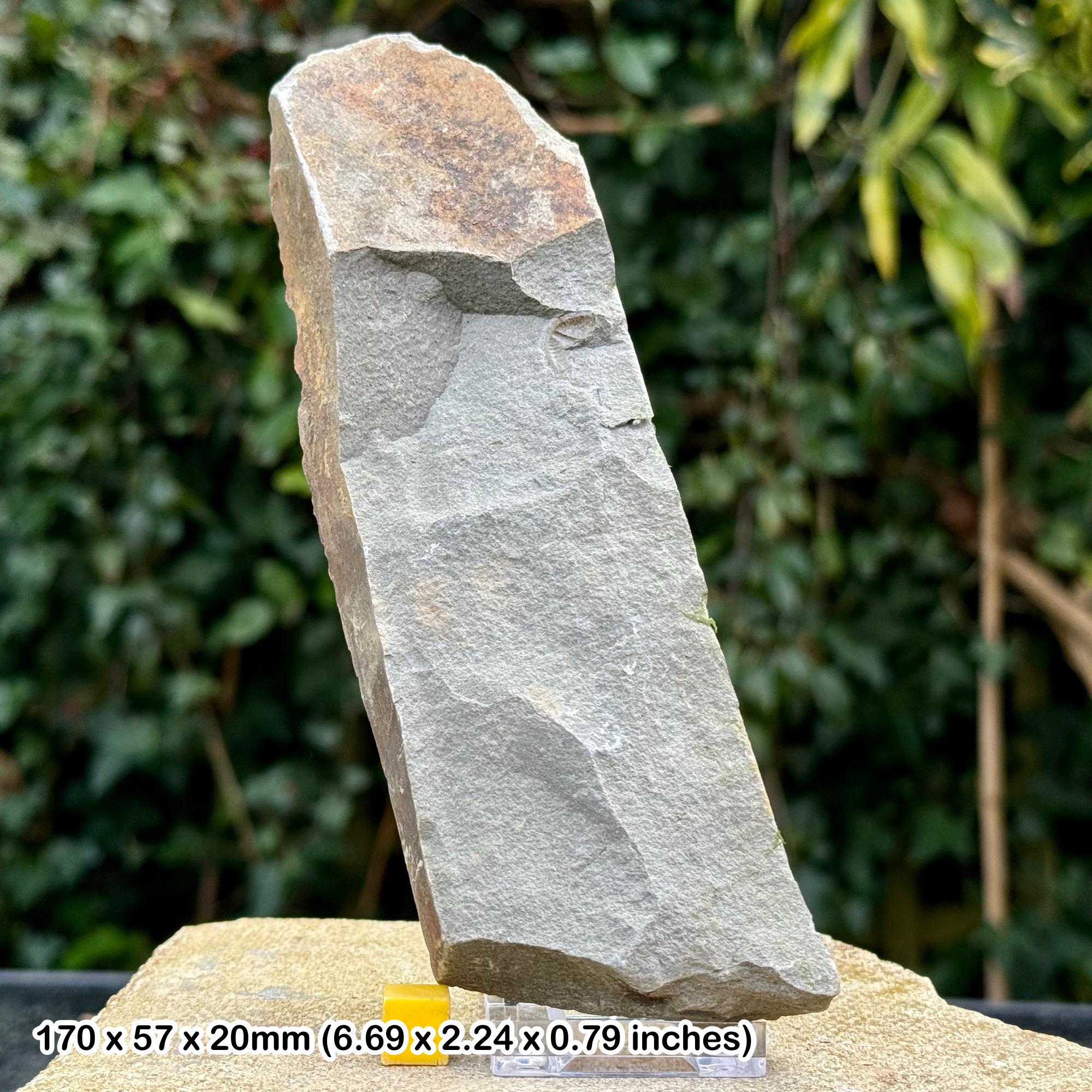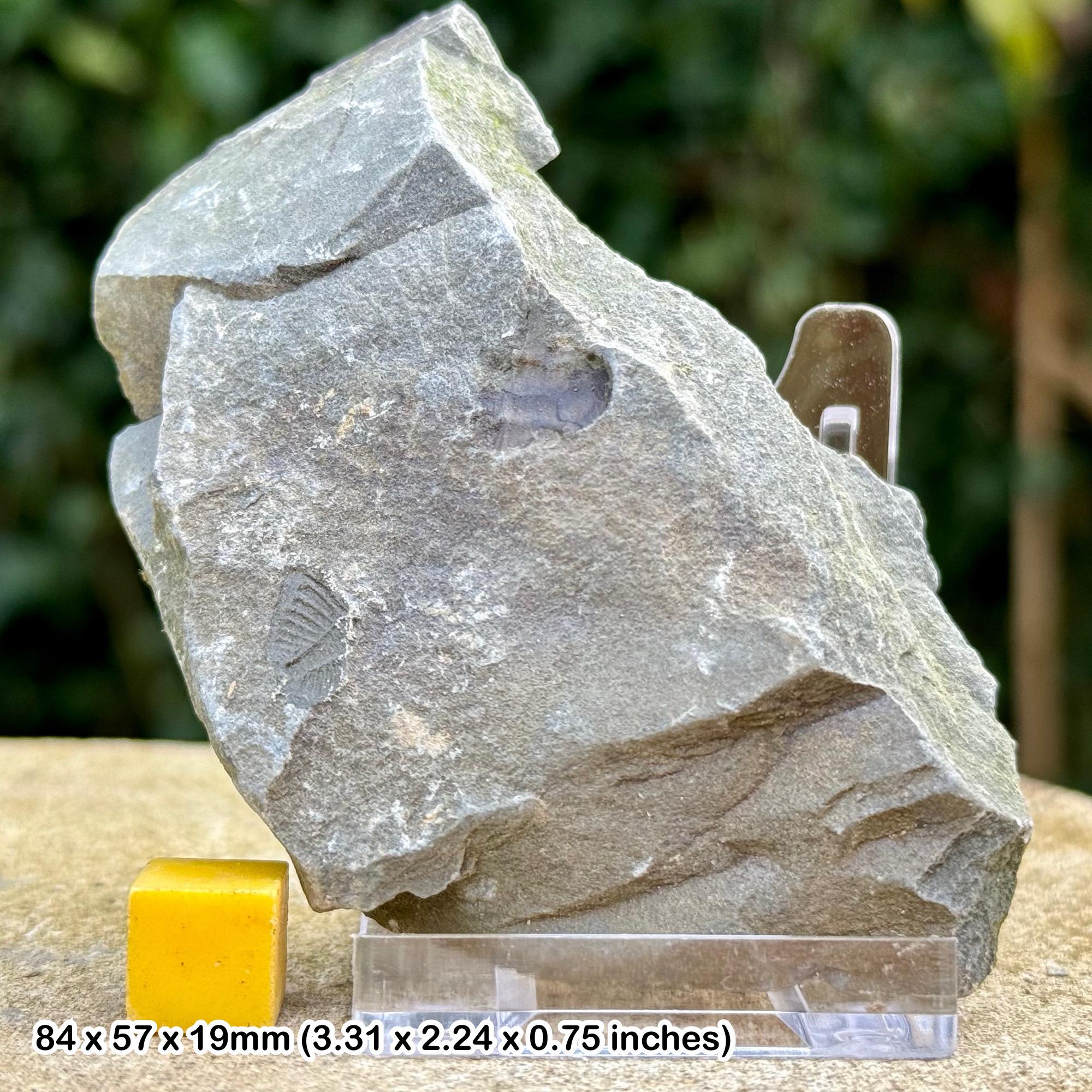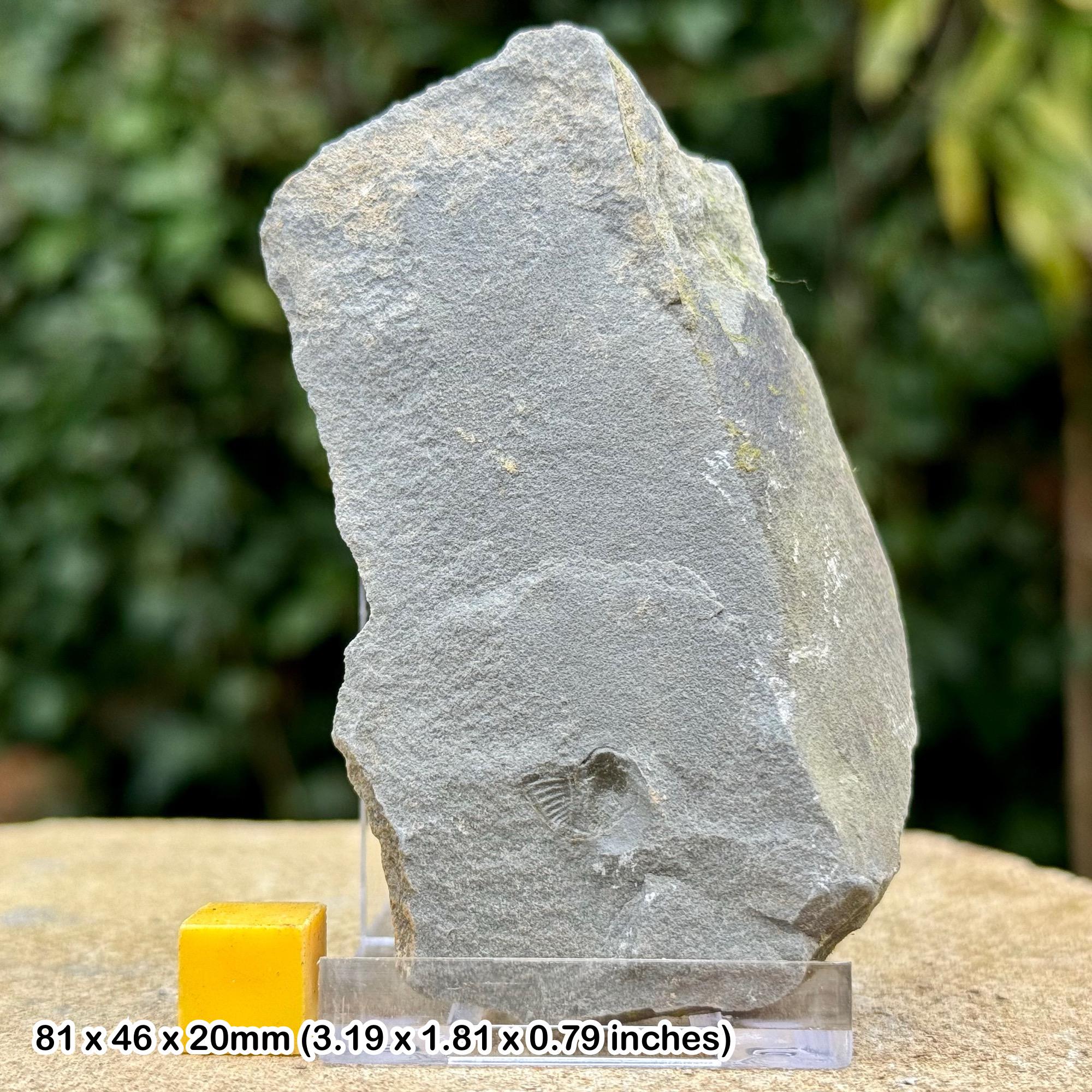
Fossil Gastropod Shell Block Isle of Wight Eocene Genuine Specimen Certificate Authenticity Headon Hill Formation Rare Collector Display
£ 48.00
Fossil Gastropod Shell Block – Headon Hill Formation, Isle of WightThis fossil gastropod shell block originates from the Headon Hill Formation at
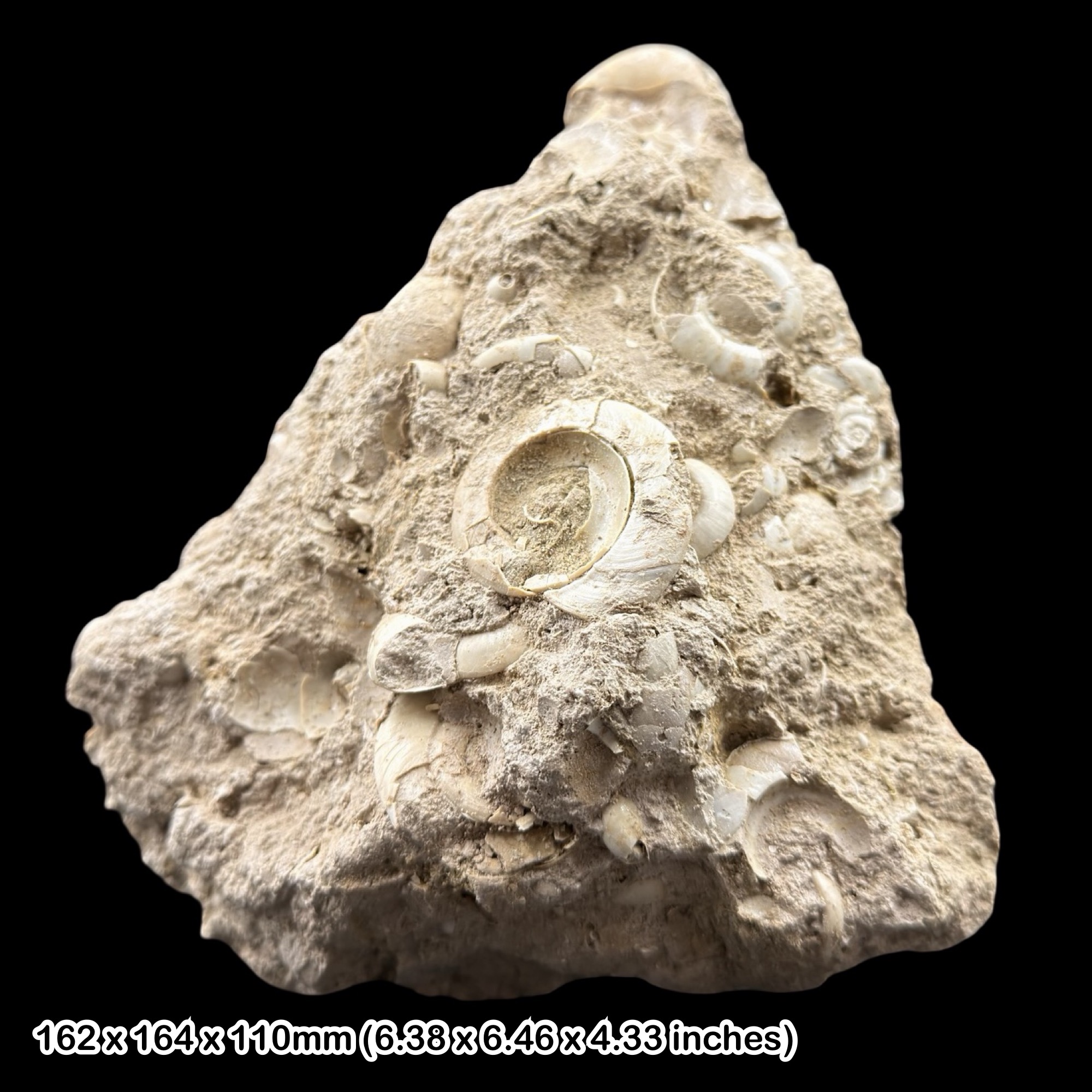
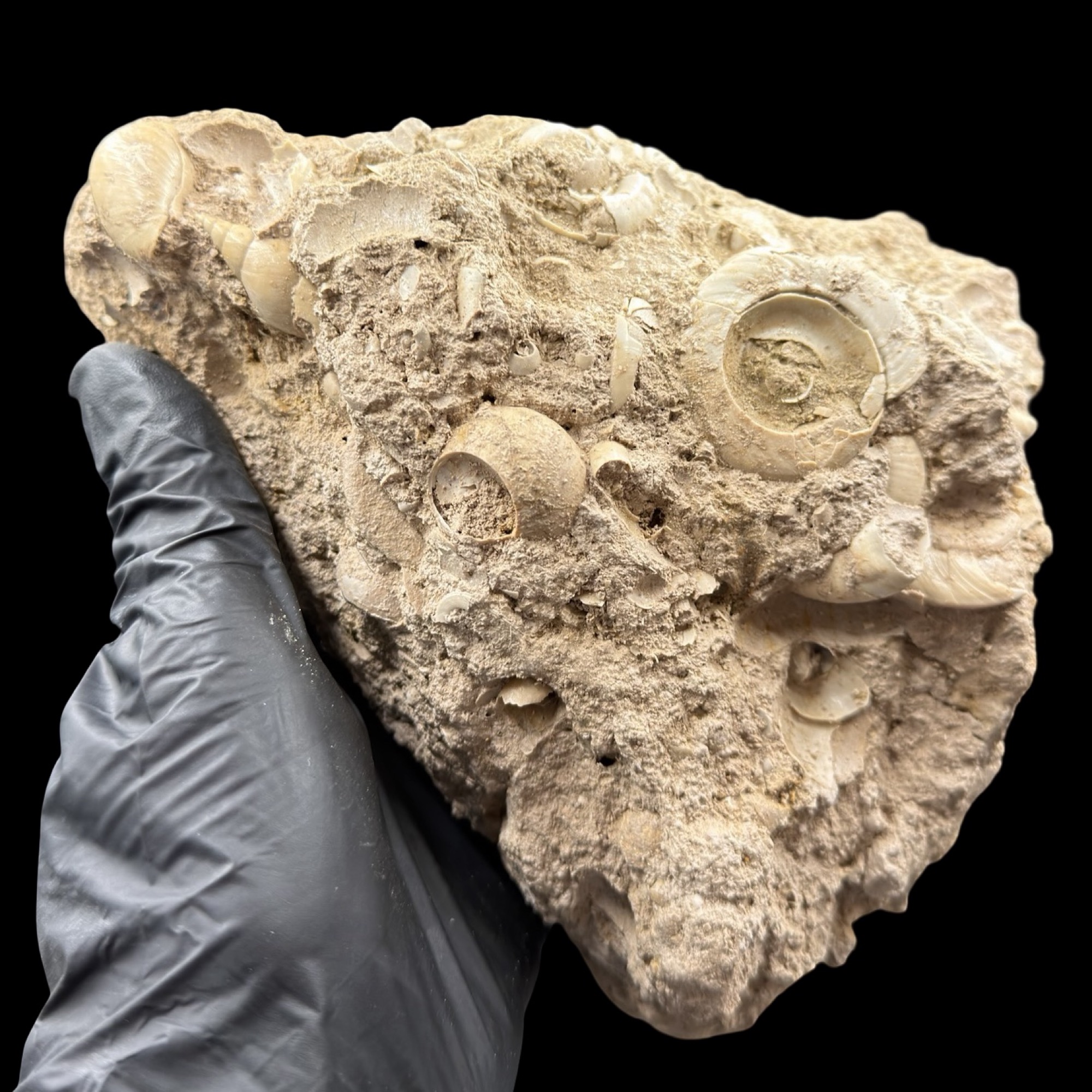
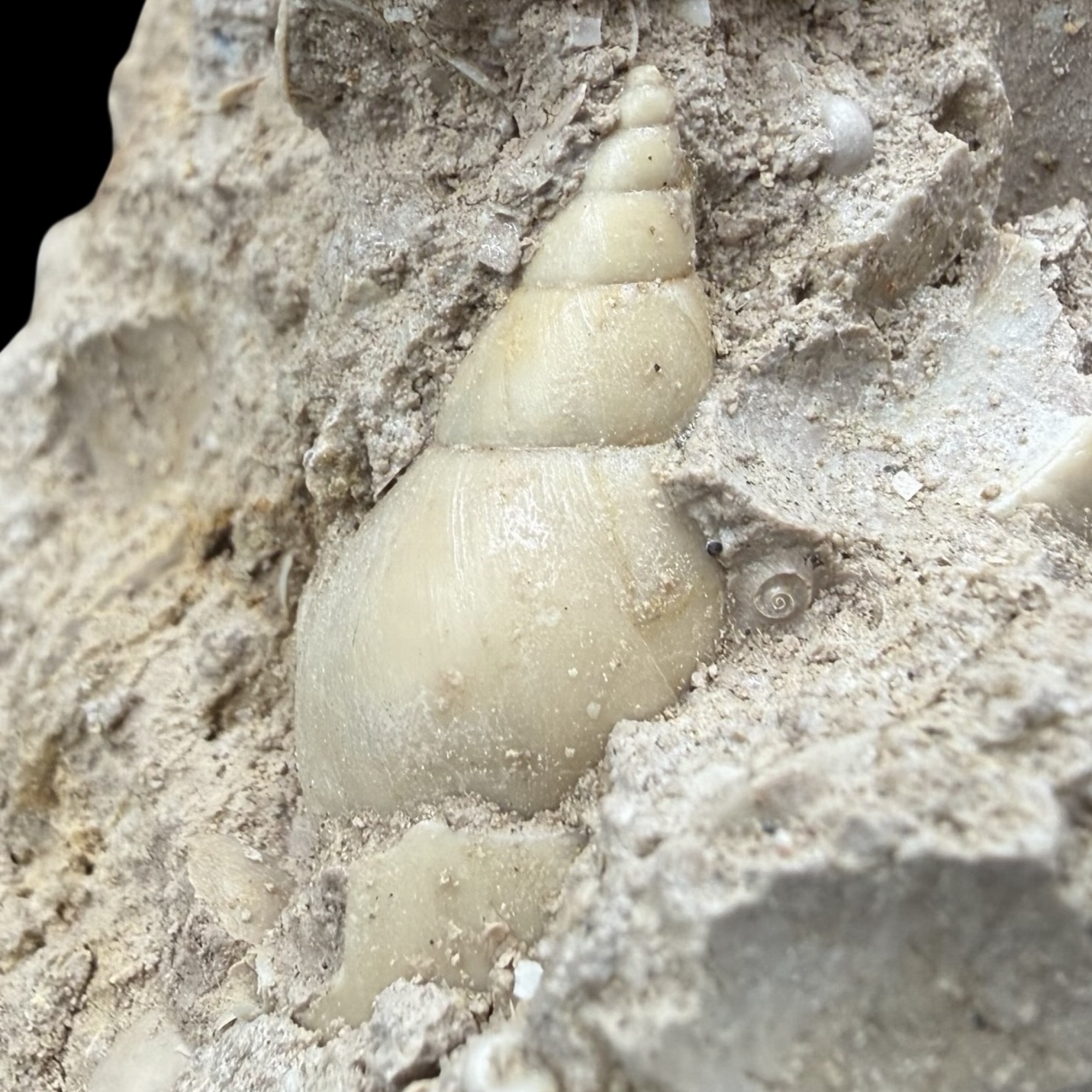
Totland Bay on the Isle of Wight, one of the UK’s most important Eocene fossil localities. Dating to the Eocene epoch, approximately 33–56 million years ago, this specimen captures a beautifully preserved assemblage of ancient snail shells within their original sedimentary matrix, offering a direct glimpse into a long-lost ecosystem.Discovered by our experienced team members, Alister and Alison, this fossil has been carefully cleaned, expertly prepared, and treated by Alison to reveal its natural structure while preserving its integrity. The exact specimen shown in the photographs is the one you will receive, making it a unique and highly collectible piece.Geological Context and Depositional EnvironmentThe Headon Hill Formation represents a complex sequence of freshwater, lagoonal, and marginal marine deposits formed during a time of fluctuating sea levels and warm climatic conditions. These environments supported a rich diversity of life, including gastropods, bivalves, fish, and plant material.The sediments at Totland Bay were deposited in calm, low-energy conditions, allowing delicate shells to accumulate and become rapidly buried. This process resulted in the preservation of multiple gastropod specimens within a single block, reflecting natural assemblages from ancient lake and lagoon systems.Gastropod Fossil Overview and ClassificationGastropods belong to the class Gastropoda within the phylum Mollusca and include modern snails and slugs. Fossil gastropods from the Eocene are particularly valuable for understanding the evolution of freshwater and brackish ecosystems following the extinction events of the Cretaceous.These organisms possessed coiled shells made primarily of calcium carbonate, which provided protection and structural support. The diversity of shell forms reflects a wide range of ecological adaptations, including feeding strategies and environmental preferences.Morphology and Shell FeaturesThis specimen displays multiple gastropod shells embedded within a natural matrix, each showing characteristic coiled forms with visible whorls and apertures. The shells vary in size and orientation, creating a visually dynamic and natural composition.Fine details such as growth lines and shell curvature are preserved, providing insight into the development and life history of these organisms. The three-dimensional preservation enhances both the scientific value and aesthetic appeal of the piece.The natural mineralisation of the shells contrasts beautifully with the surrounding sediment, highlighting each individual fossil and adding depth to the overall display.Preservation and PreparationAlison’s careful preparation has exposed the gastropod shells while maintaining the integrity of the surrounding matrix. This ensures that the fossil retains its natural context, with the shells appearing as they were originally deposited millions of years ago.The specimen has been stabilised to ensure long-term durability, making it suitable for both display and study. Full sizing details can be confirmed via the photographs provided.Authenticity and ProvenanceThis fossil is a genuine specimen and includes a Certificate of Authenticity lifetime guarantee card, ensuring complete confidence in its origin and identification. Every fossil we offer is responsibly sourced and handled directly by our team, providing full traceability from discovery through to preparation.Collector Appeal and Display QualityFossil gastropod blocks from the Isle of Wight are highly sought after for their natural beauty and scientific importance. This specimen stands out due to the presence of multiple shells within a single matrix, creating a rich and engaging display piece.Ideal for collectors of Eocene fossils, molluscs, or British geological specimens, this fossil offers both educational value and strong visual impact. Whether displayed in a cabinet, study, or gallery, it provides a tangible connection to the warm, lagoonal environments that once existed in southern England millions of years ago.
Totland Bay on the Isle of Wight, one of the UK’s most important Eocene fossil localities. Dating to the Eocene epoch, approximately 33–56 million years ago, this specimen captures a beautifully preserved assemblage of ancient snail shells within their original sedimentary matrix, offering a direct glimpse into a long-lost ecosystem.Discovered by our experienced team members, Alister and Alison, this fossil has been carefully cleaned, expertly prepared, and treated by Alison to reveal its natural structure while preserving its integrity. The exact specimen shown in the photographs is the one you will receive, making it a unique and highly collectible piece.Geological Context and Depositional EnvironmentThe Headon Hill Formation represents a complex sequence of freshwater, lagoonal, and marginal marine deposits formed during a time of fluctuating sea levels and warm climatic conditions. These environments supported a rich diversity of life, including gastropods, bivalves, fish, and plant material.The sediments at Totland Bay were deposited in calm, low-energy conditions, allowing delicate shells to accumulate and become rapidly buried. This process resulted in the preservation of multiple gastropod specimens within a single block, reflecting natural assemblages from ancient lake and lagoon systems.Gastropod Fossil Overview and ClassificationGastropods belong to the class Gastropoda within the phylum Mollusca and include modern snails and slugs. Fossil gastropods from the Eocene are particularly valuable for understanding the evolution of freshwater and brackish ecosystems following the extinction events of the Cretaceous.These organisms possessed coiled shells made primarily of calcium carbonate, which provided protection and structural support. The diversity of shell forms reflects a wide range of ecological adaptations, including feeding strategies and environmental preferences.Morphology and Shell FeaturesThis specimen displays multiple gastropod shells embedded within a natural matrix, each showing characteristic coiled forms with visible whorls and apertures. The shells vary in size and orientation, creating a visually dynamic and natural composition.Fine details such as growth lines and shell curvature are preserved, providing insight into the development and life history of these organisms. The three-dimensional preservation enhances both the scientific value and aesthetic appeal of the piece.The natural mineralisation of the shells contrasts beautifully with the surrounding sediment, highlighting each individual fossil and adding depth to the overall display.Preservation and PreparationAlison’s careful preparation has exposed the gastropod shells while maintaining the integrity of the surrounding matrix. This ensures that the fossil retains its natural context, with the shells appearing as they were originally deposited millions of years ago.The specimen has been stabilised to ensure long-term durability, making it suitable for both display and study. Full sizing details can be confirmed via the photographs provided.Authenticity and ProvenanceThis fossil is a genuine specimen and includes a Certificate of Authenticity lifetime guarantee card, ensuring complete confidence in its origin and identification. Every fossil we offer is responsibly sourced and handled directly by our team, providing full traceability from discovery through to preparation.Collector Appeal and Display QualityFossil gastropod blocks from the Isle of Wight are highly sought after for their natural beauty and scientific importance. This specimen stands out due to the presence of multiple shells within a single matrix, creating a rich and engaging display piece.Ideal for collectors of Eocene fossils, molluscs, or British geological specimens, this fossil offers both educational value and strong visual impact. Whether displayed in a cabinet, study, or gallery, it provides a tangible connection to the warm, lagoonal environments that once existed in southern England millions of years ago.
Other Products