Simbirskites Ammonite Fossil Cretaceous Speeton Clay Yorkshire UK Specimen with Certificate
£ 14.40
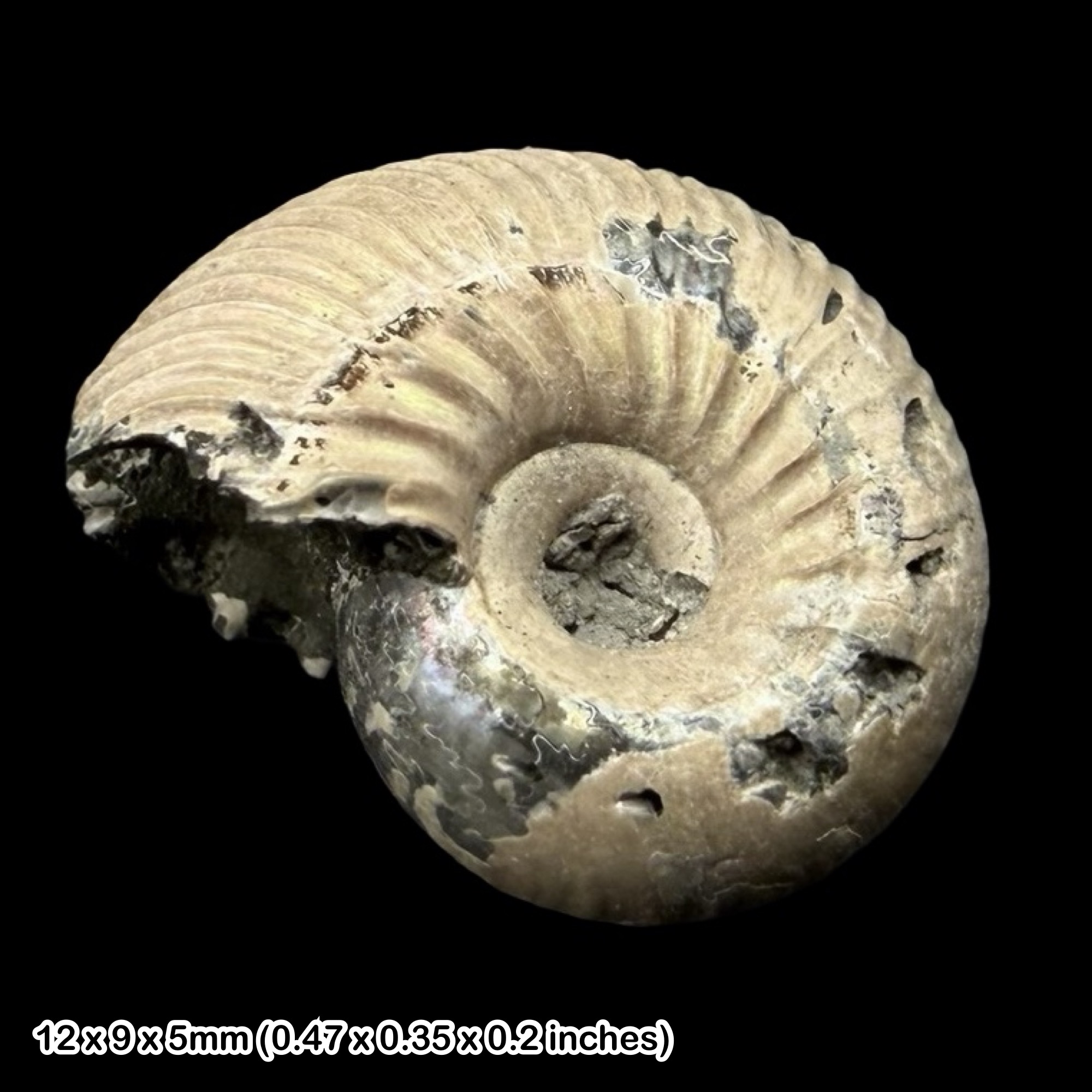
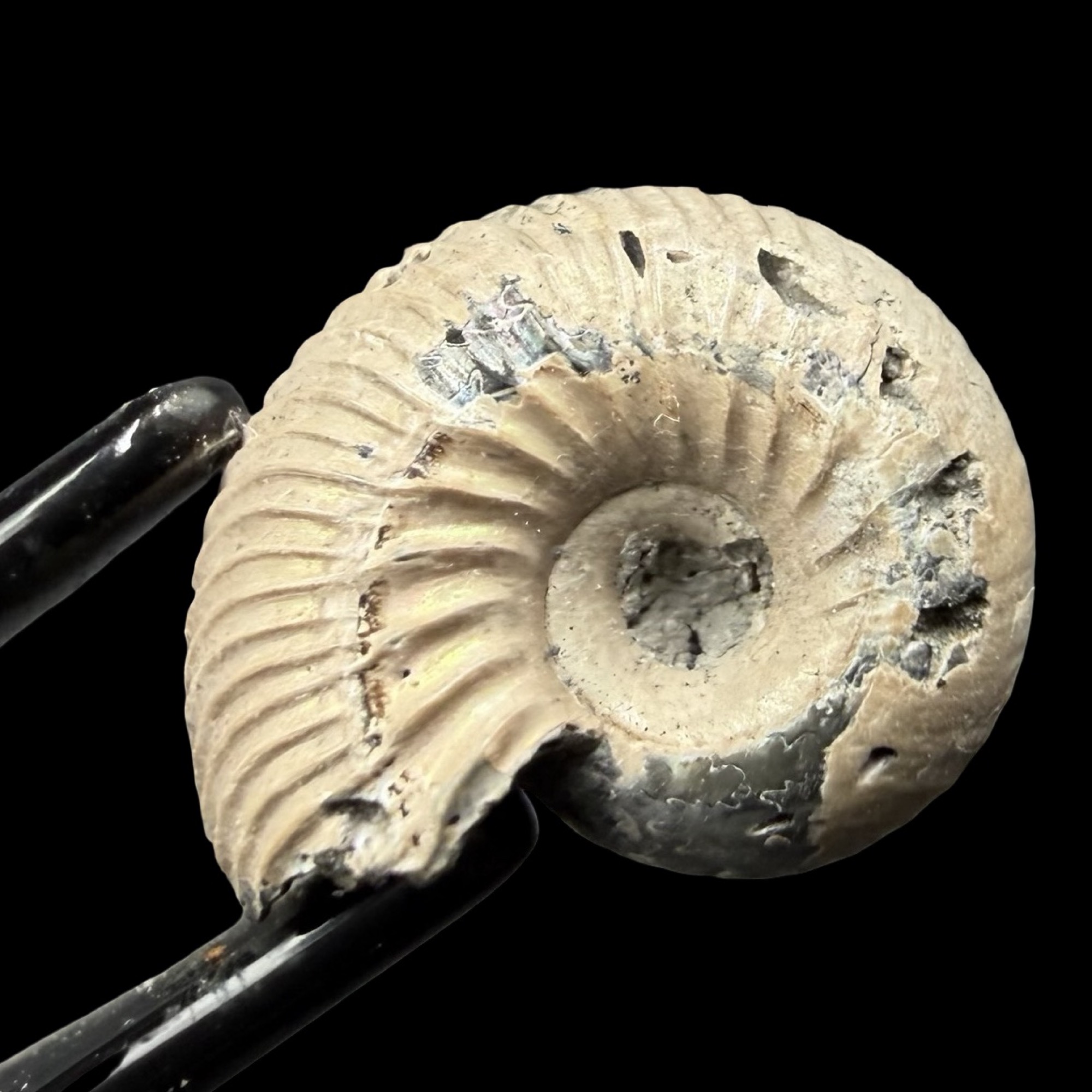
GENUINE SIMBIRSKITES AMMONITE FOSSIL FROM THE SPEETON CLAY FORMATIONThis genuine Simbirskites sp. ammonite fossil is an exceptional prehistoric
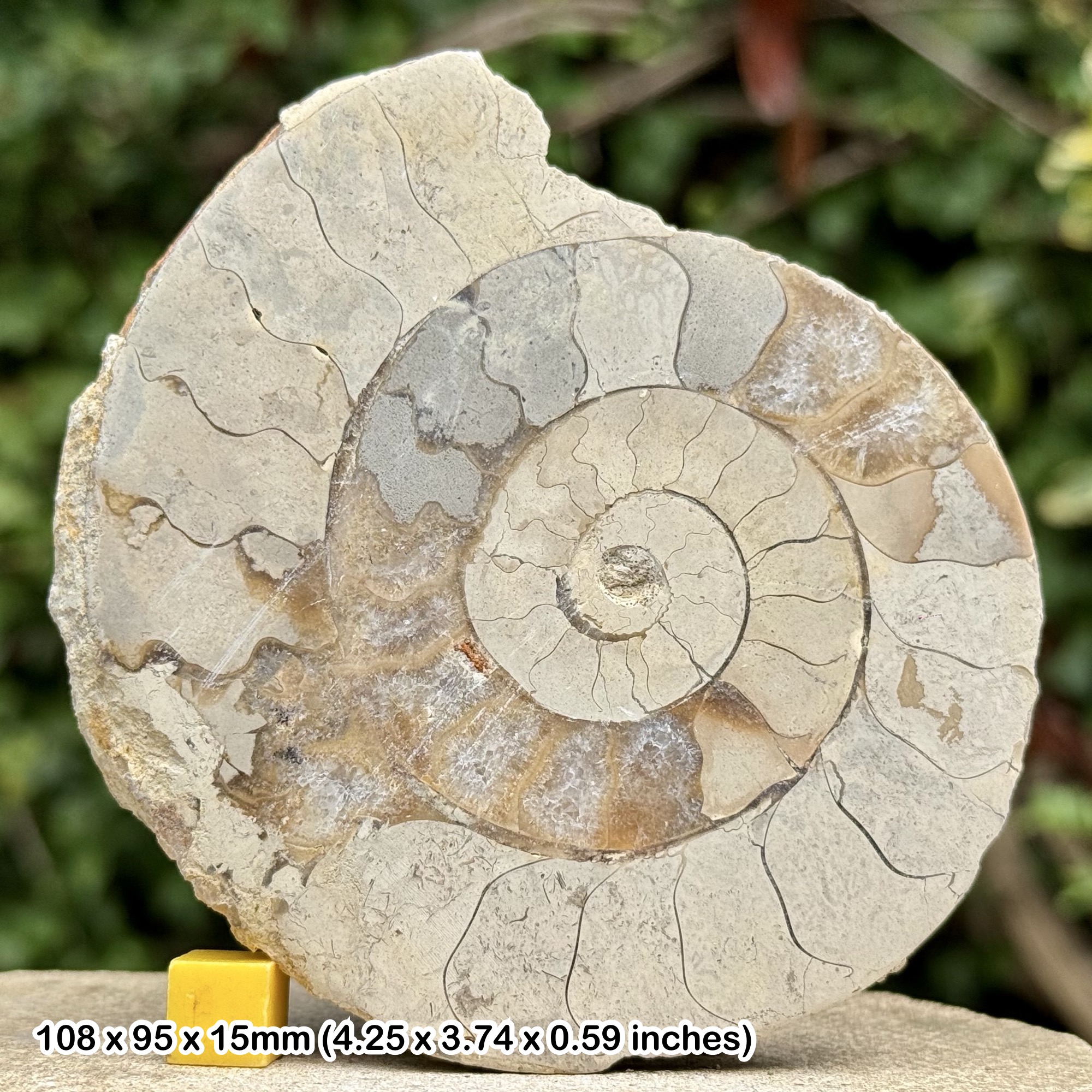
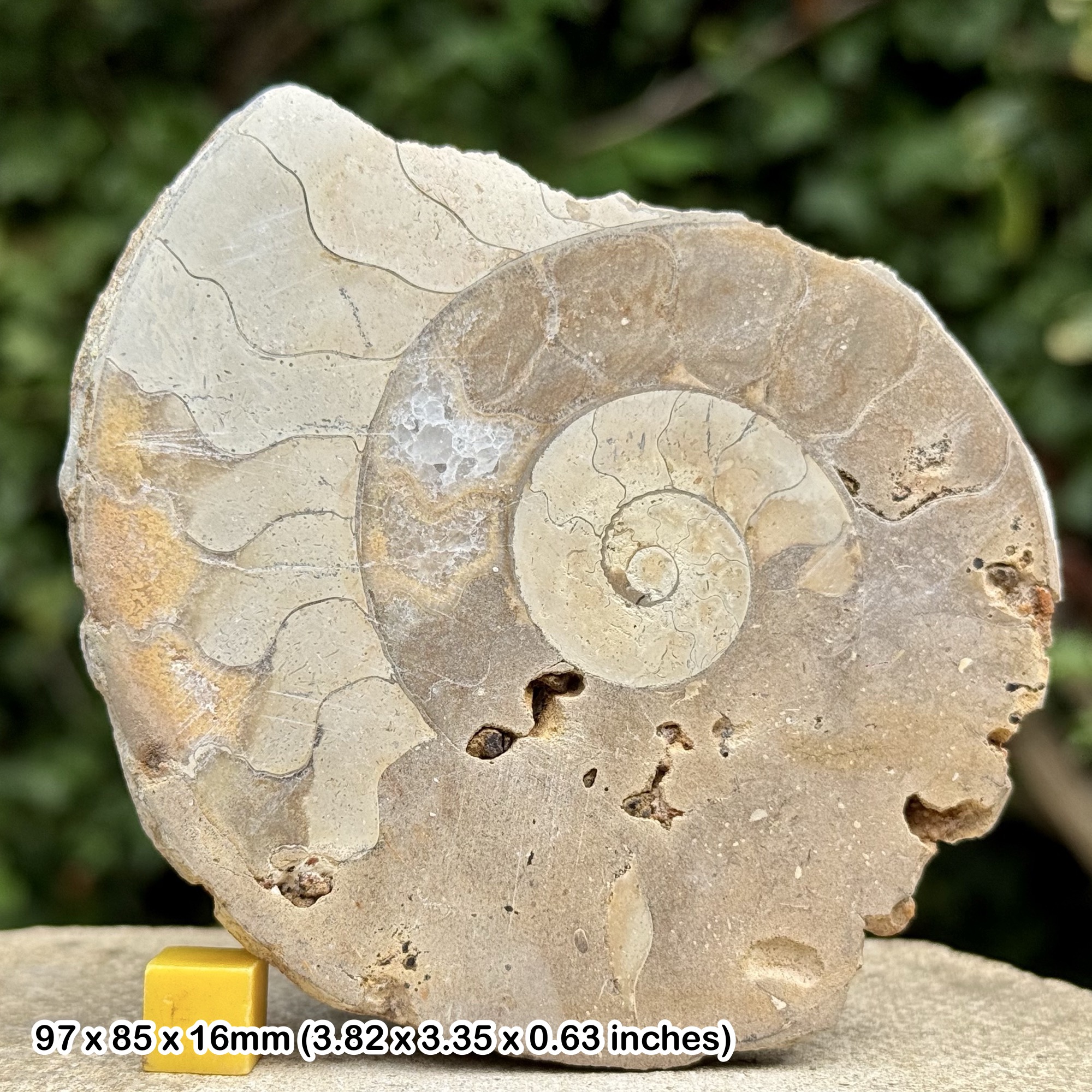
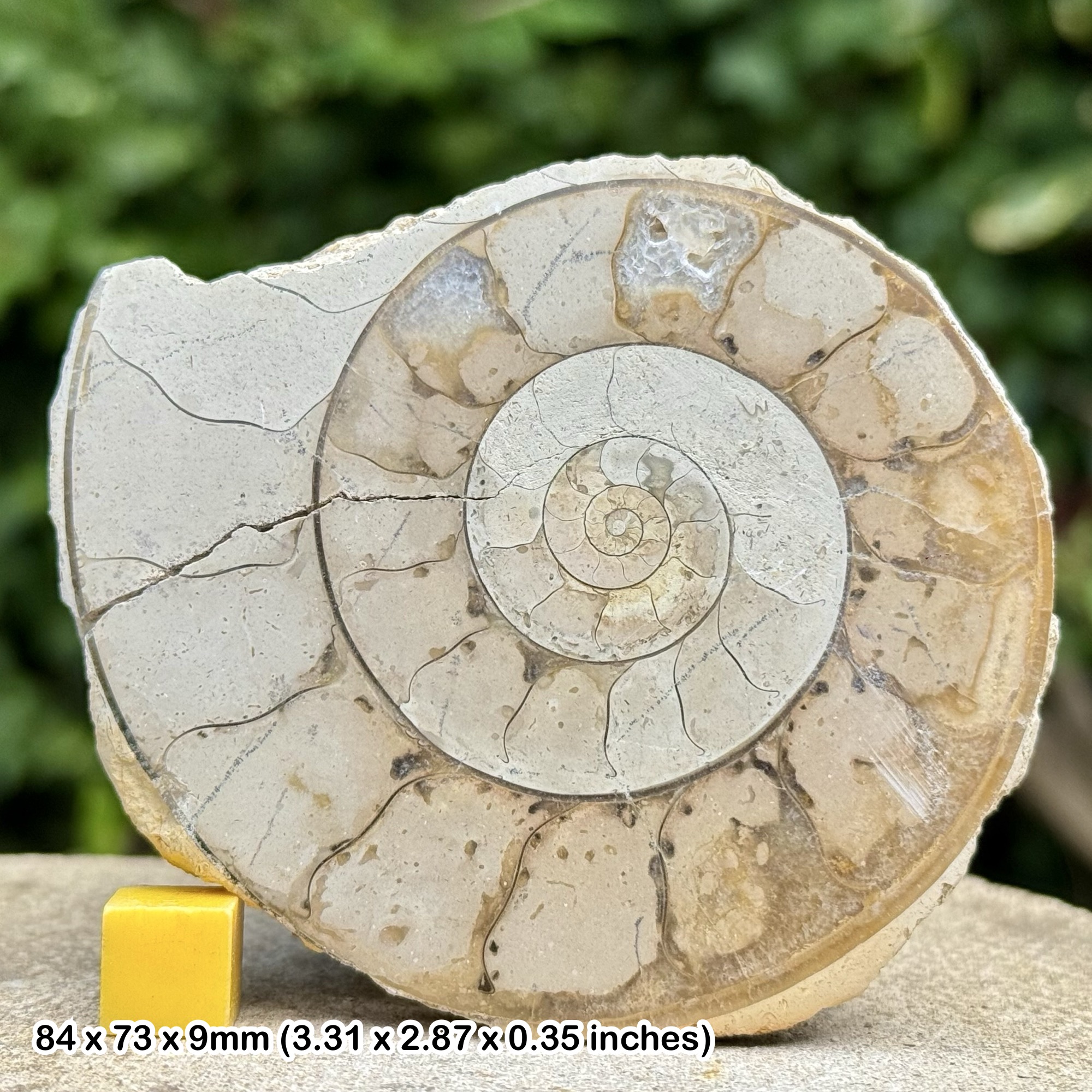
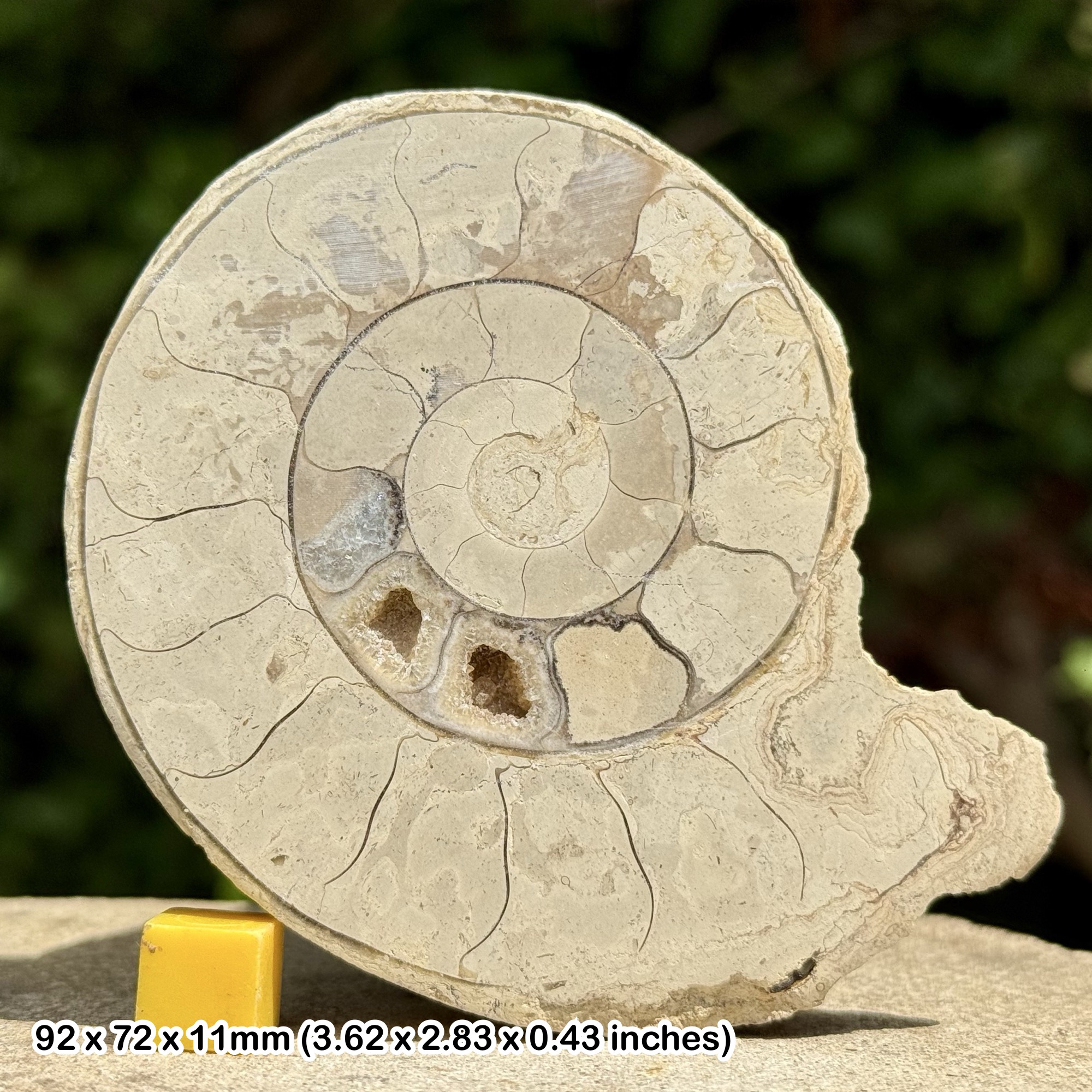
marine specimen originating from the famous Speeton Clay Formation near Scarborough, North Yorkshire, United Kingdom. Dating to the Lower Cretaceous period, specifically the Hauterivian to Barremian stages approximately 132 to 125 million years ago, this fossil represents marine life from a time when warm shallow seas covered much of Britain.The specimen shown in the photographs is the exact fossil you will receive. Carefully selected for its preservation, detail and display appeal, this authentic ammonite preserves the elegant shell morphology and natural geological character that make Simbirskites highly desirable among fossil collectors.This fossil includes a Certificate of Authenticity lifetime guarantee generic card confirming the specimen is 100% genuine.Full sizing please see photo. ABOUT SIMBIRSKITESSimbirskites is an extinct genus of ammonite belonging to the order Ammonitida and superfamily Perisphinctoidea. These cephalopods were distant relatives of modern squid, octopus and nautilus and were among the most successful marine predators of the Mesozoic Era.Ammonites possessed coiled chambered shells divided into internal compartments connected by a siphuncle, allowing the living animal to regulate buoyancy within ancient oceans. Simbirskites species are especially recognised for their strongly ribbed shell ornamentation, evolute coiling and bold whorl structure.The shell surface commonly displays prominent ribbing extending across the whorls, giving these ammonites a highly textured and visually striking appearance. Fossils from the Speeton Clay are often preserved with excellent detail due to the fine-grained marine sediments in which they were buried.This specimen preserves the characteristic morphology associated with Simbirskites, including the ribbed shell structure and natural coiling pattern typical of Lower Cretaceous ammonites. SPEETON CLAY FORMATION AND LOWER CRETACEOUS SEASThe Speeton Clay Formation is one of Britain’s most important Lower Cretaceous fossil-bearing formations and is internationally recognised for its exceptionally preserved marine fossils. These clay-rich sediments were deposited within a relatively deep marine environment along the margins of the ancient European seas during the Early Cretaceous.The formation contains a rich diversity of fossils including ammonites, belemnites, marine reptiles, bivalves and crustaceans. Fine sediment deposition within low-energy marine conditions allowed delicate shell structures and soft sediment impressions to survive fossilisation in remarkable detail.During the Hauterivian and Barremian stages, the region around modern-day Yorkshire was submerged beneath warm seas supporting abundant marine life. Ammonites such as Simbirskites thrived as active predators within these ecosystems and are now important index fossils used in Cretaceous stratigraphy.The coastal exposures near Scarborough and Speeton remain world-famous among geologists and fossil collectors due to the scientific importance and fossil diversity of the Speeton Clay deposits. NATURAL FOSSIL PRESERVATIONThis fossil retains authentic natural preservation and has not been artificially replicated or reconstructed. The visible ribbing, shell texture and mineralisation formed naturally during fossilisation over millions of years.The specimen displays genuine geological character with preserved anatomical detail associated with Cretaceous ammonites. Variations in colour and texture are entirely natural and reflect the mineral conditions present during burial within marine clay sediments.Ammonites from the Speeton Clay are highly collectable due to their scientific importance, detailed preservation and historical association with classic British geology. SCIENTIFIC AND COLLECTABLE IMPORTANCEAmmonites are among the most important index fossils in palaeontology and are widely used to date and correlate sedimentary rock formations across the world. Simbirskites species are especially significant within Lower Cretaceous marine stratigraphy and provide valuable evidence for understanding ancient marine environments and evolutionary patterns.The Speeton Clay Formation has played a major role in the study of Early Cretaceous palaeontology and continues to produce scientifically important fossils. Specimens from this locality are highly valued by collectors and researchers alike.This fossil is ideal for collectors of ammonites, British fossils, Cretaceous fossils, cephalopod fossils, Yorkshire fossils and authentic prehistoric marine specimens. CERTIFICATE OF AUTHENTICITYIncluded with the fossil is a Certificate of Authenticity lifetime guarantee generic card confirming that the specimen is genuine. The photographs provided show the exact fossil you will receive, allowing collectors and buyers to purchase with complete confidence.
marine specimen originating from the famous Speeton Clay Formation near Scarborough, North Yorkshire, United Kingdom. Dating to the Lower Cretaceous period, specifically the Hauterivian to Barremian stages approximately 132 to 125 million years ago, this fossil represents marine life from a time when warm shallow seas covered much of Britain.The specimen shown in the photographs is the exact fossil you will receive. Carefully selected for its preservation, detail and display appeal, this authentic ammonite preserves the elegant shell morphology and natural geological character that make Simbirskites highly desirable among fossil collectors.This fossil includes a Certificate of Authenticity lifetime guarantee generic card confirming the specimen is 100% genuine.Full sizing please see photo. ABOUT SIMBIRSKITESSimbirskites is an extinct genus of ammonite belonging to the order Ammonitida and superfamily Perisphinctoidea. These cephalopods were distant relatives of modern squid, octopus and nautilus and were among the most successful marine predators of the Mesozoic Era.Ammonites possessed coiled chambered shells divided into internal compartments connected by a siphuncle, allowing the living animal to regulate buoyancy within ancient oceans. Simbirskites species are especially recognised for their strongly ribbed shell ornamentation, evolute coiling and bold whorl structure.The shell surface commonly displays prominent ribbing extending across the whorls, giving these ammonites a highly textured and visually striking appearance. Fossils from the Speeton Clay are often preserved with excellent detail due to the fine-grained marine sediments in which they were buried.This specimen preserves the characteristic morphology associated with Simbirskites, including the ribbed shell structure and natural coiling pattern typical of Lower Cretaceous ammonites. SPEETON CLAY FORMATION AND LOWER CRETACEOUS SEASThe Speeton Clay Formation is one of Britain’s most important Lower Cretaceous fossil-bearing formations and is internationally recognised for its exceptionally preserved marine fossils. These clay-rich sediments were deposited within a relatively deep marine environment along the margins of the ancient European seas during the Early Cretaceous.The formation contains a rich diversity of fossils including ammonites, belemnites, marine reptiles, bivalves and crustaceans. Fine sediment deposition within low-energy marine conditions allowed delicate shell structures and soft sediment impressions to survive fossilisation in remarkable detail.During the Hauterivian and Barremian stages, the region around modern-day Yorkshire was submerged beneath warm seas supporting abundant marine life. Ammonites such as Simbirskites thrived as active predators within these ecosystems and are now important index fossils used in Cretaceous stratigraphy.The coastal exposures near Scarborough and Speeton remain world-famous among geologists and fossil collectors due to the scientific importance and fossil diversity of the Speeton Clay deposits. NATURAL FOSSIL PRESERVATIONThis fossil retains authentic natural preservation and has not been artificially replicated or reconstructed. The visible ribbing, shell texture and mineralisation formed naturally during fossilisation over millions of years.The specimen displays genuine geological character with preserved anatomical detail associated with Cretaceous ammonites. Variations in colour and texture are entirely natural and reflect the mineral conditions present during burial within marine clay sediments.Ammonites from the Speeton Clay are highly collectable due to their scientific importance, detailed preservation and historical association with classic British geology. SCIENTIFIC AND COLLECTABLE IMPORTANCEAmmonites are among the most important index fossils in palaeontology and are widely used to date and correlate sedimentary rock formations across the world. Simbirskites species are especially significant within Lower Cretaceous marine stratigraphy and provide valuable evidence for understanding ancient marine environments and evolutionary patterns.The Speeton Clay Formation has played a major role in the study of Early Cretaceous palaeontology and continues to produce scientifically important fossils. Specimens from this locality are highly valued by collectors and researchers alike.This fossil is ideal for collectors of ammonites, British fossils, Cretaceous fossils, cephalopod fossils, Yorkshire fossils and authentic prehistoric marine specimens. CERTIFICATE OF AUTHENTICITYIncluded with the fossil is a Certificate of Authenticity lifetime guarantee generic card confirming that the specimen is genuine. The photographs provided show the exact fossil you will receive, allowing collectors and buyers to purchase with complete confidence.
Other Products