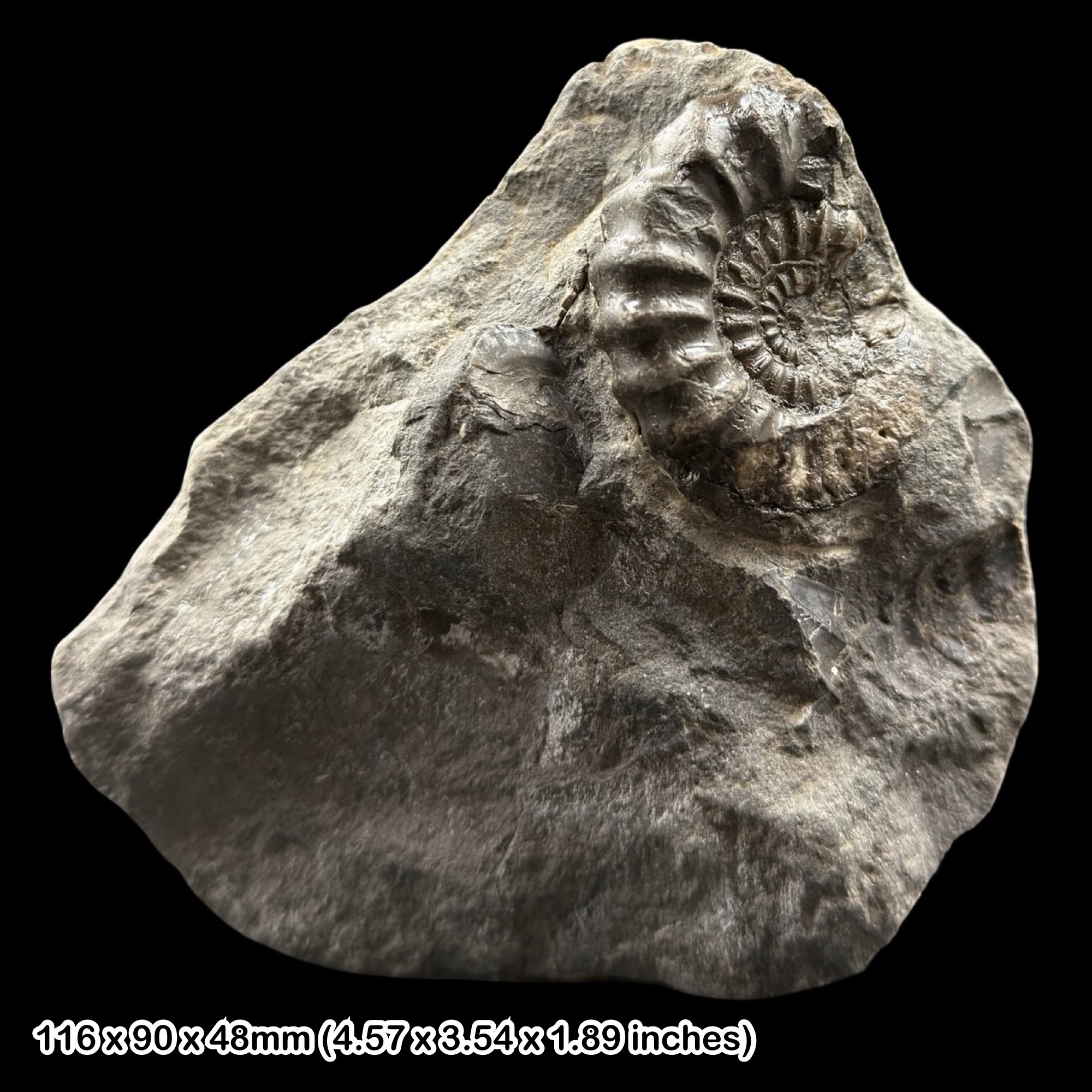
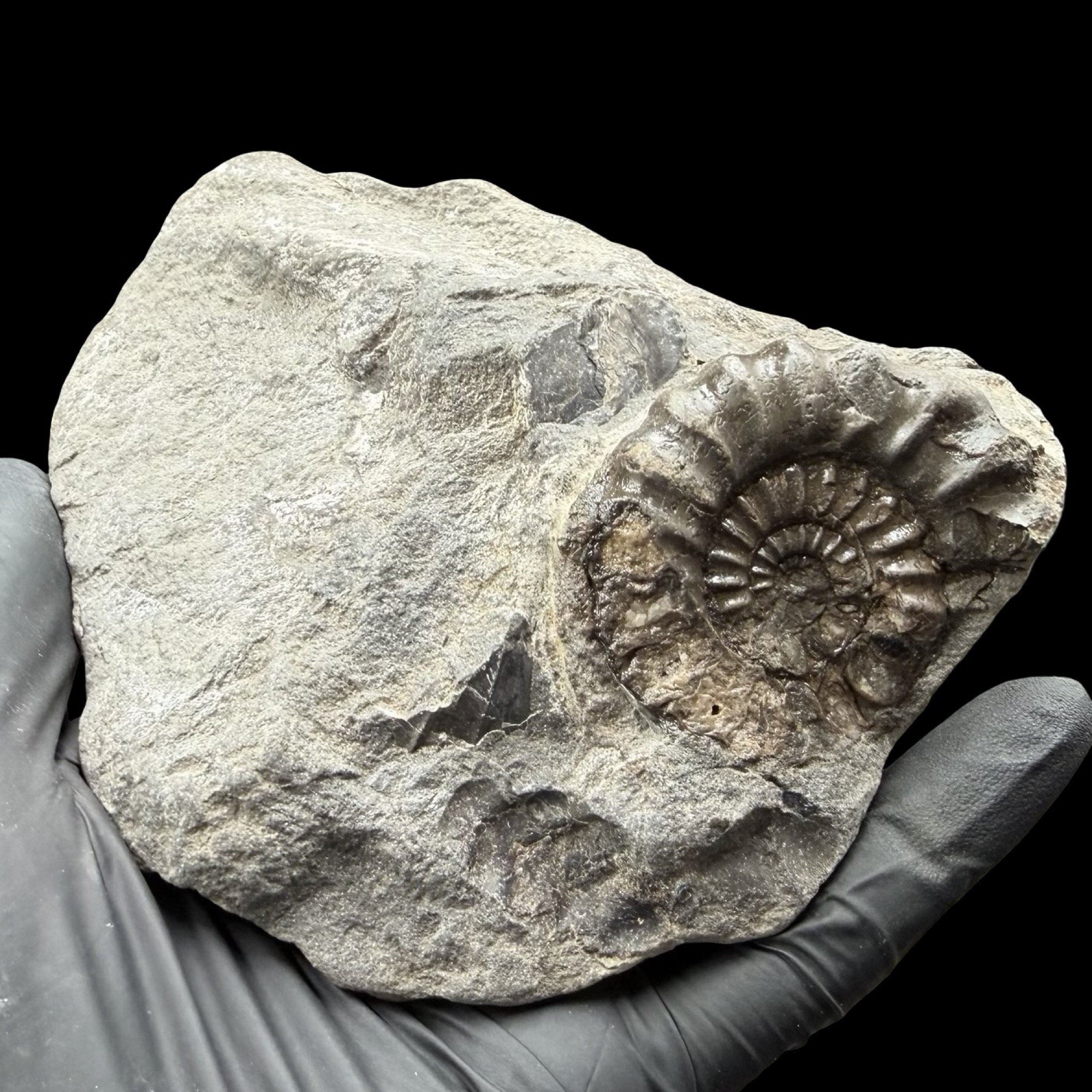
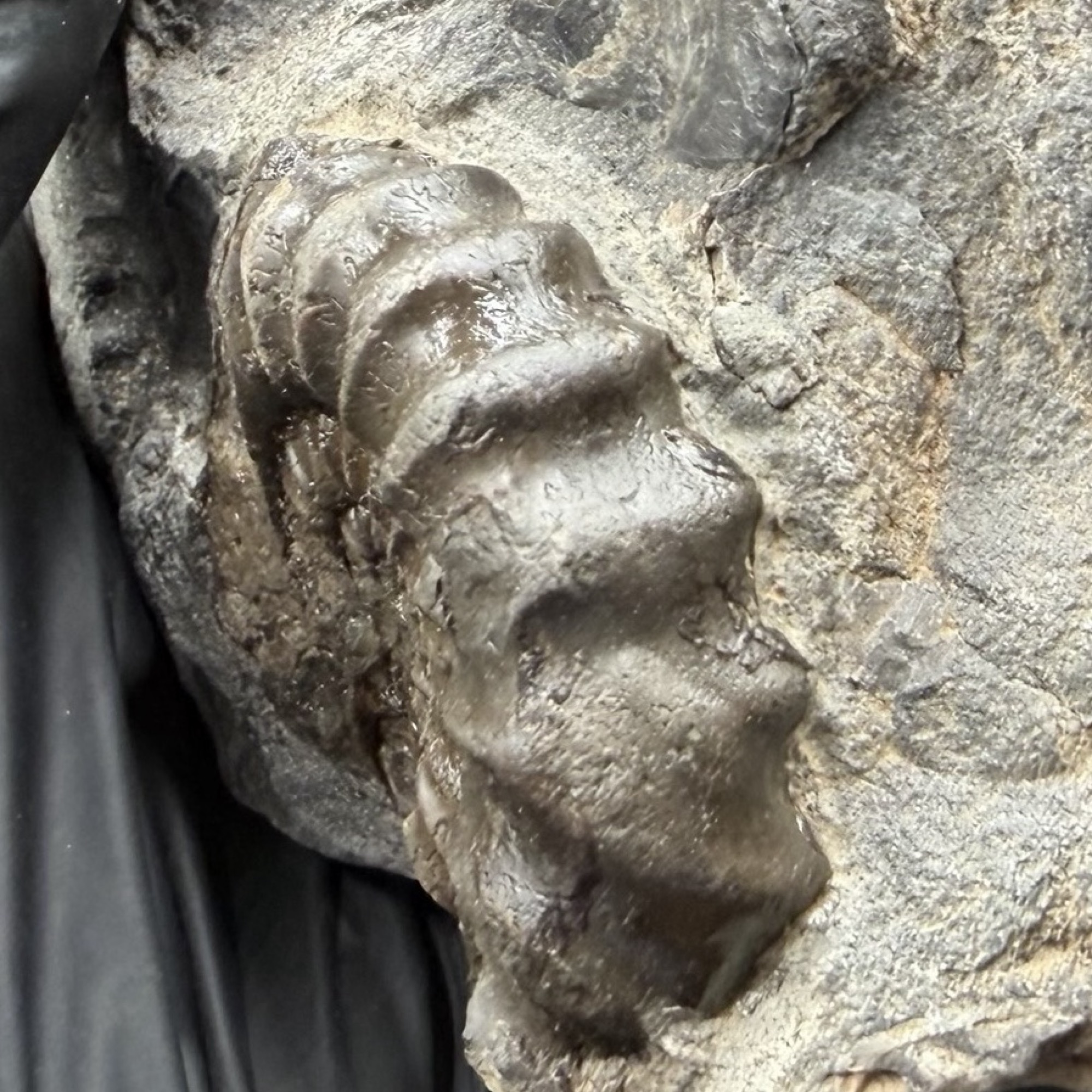
Androgynoceras Ammonite Fossil Jurassic Saltwick Bay Yorkshire UK Authentic Specimen Certified Rare Toarcian Display
£ 36.00
Androgynoceras Ammonite Fossil – Genuine Upper Toarcian Jurassic SpecimenThis authentic Androgynoceras ammonite fossil originates from Saltwick Bay,
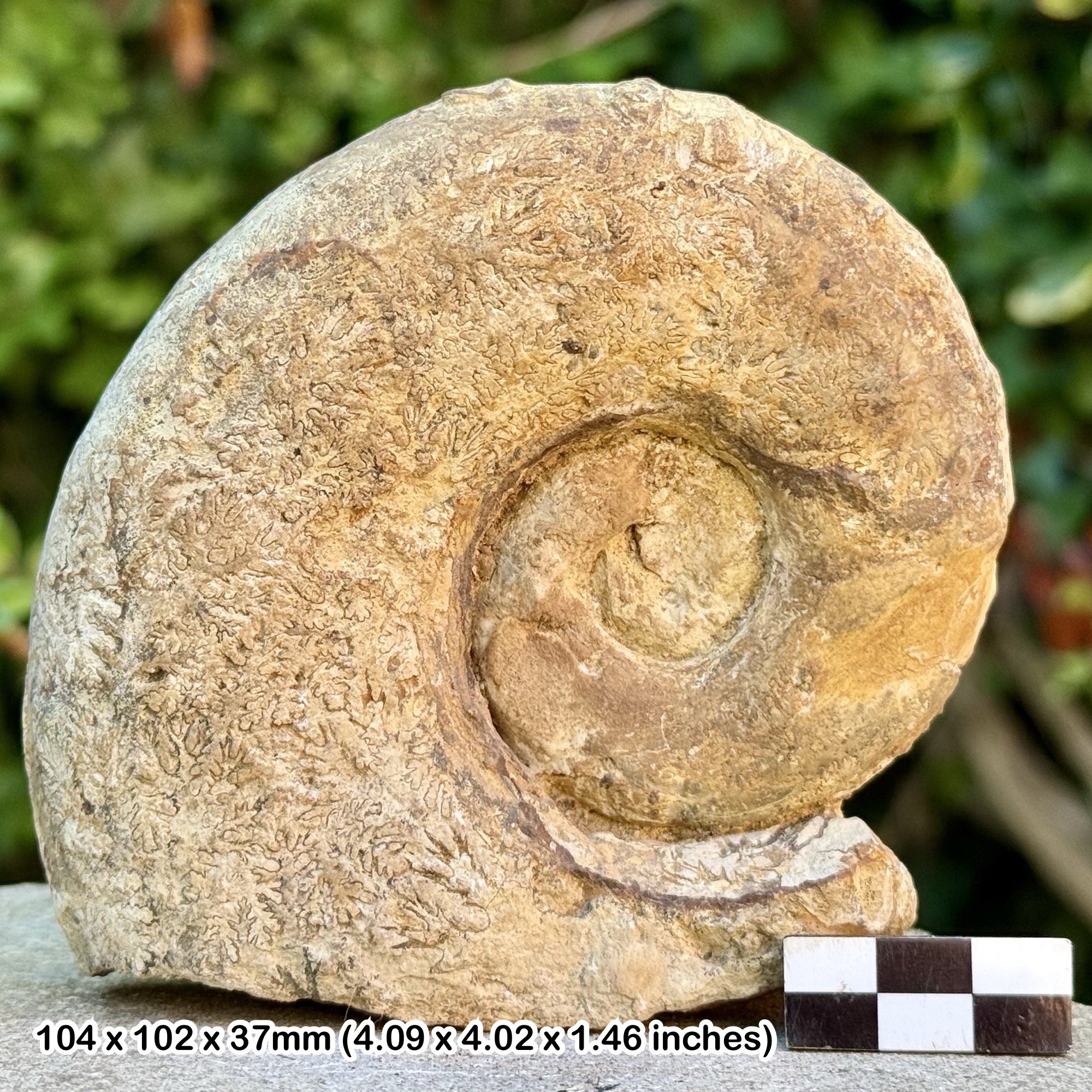
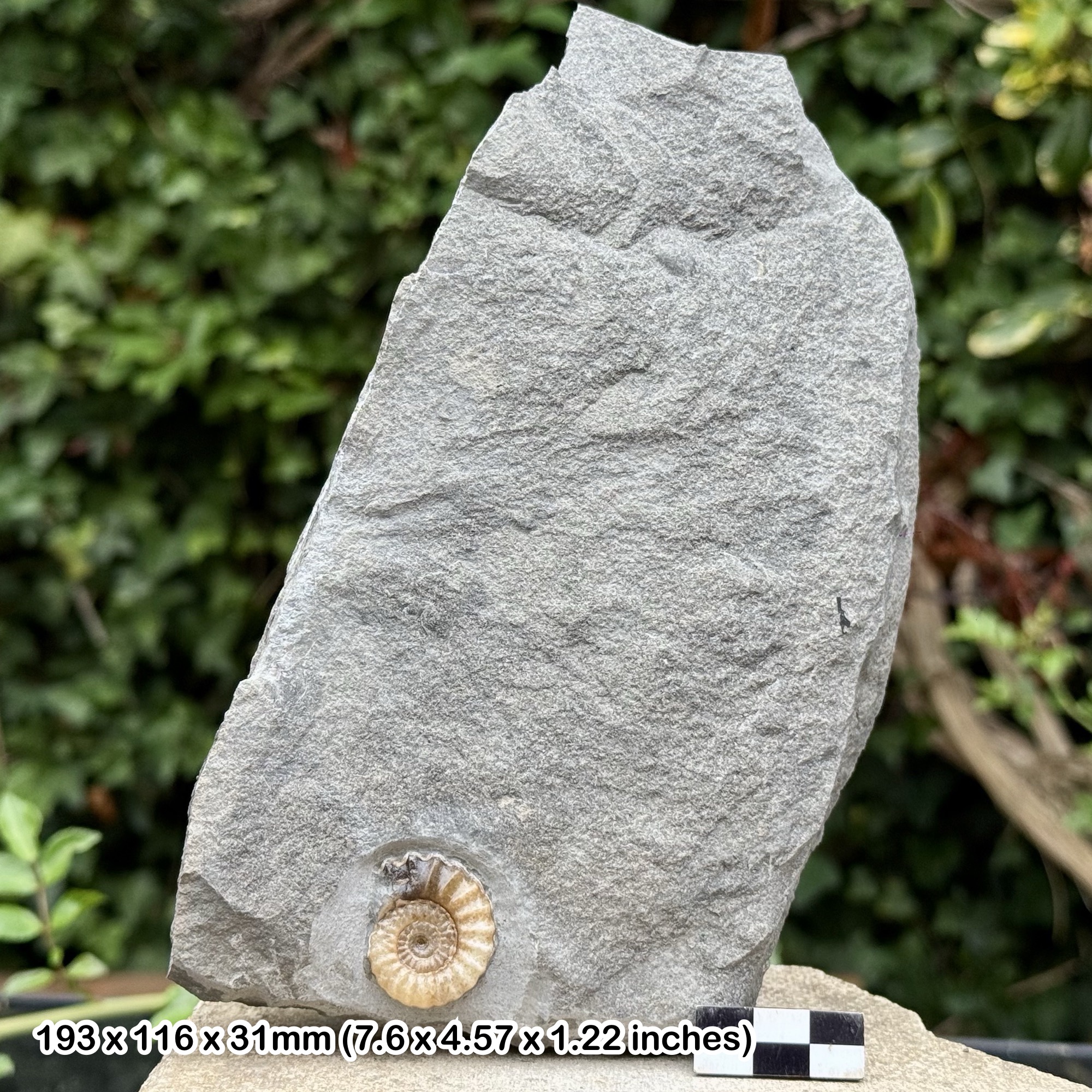
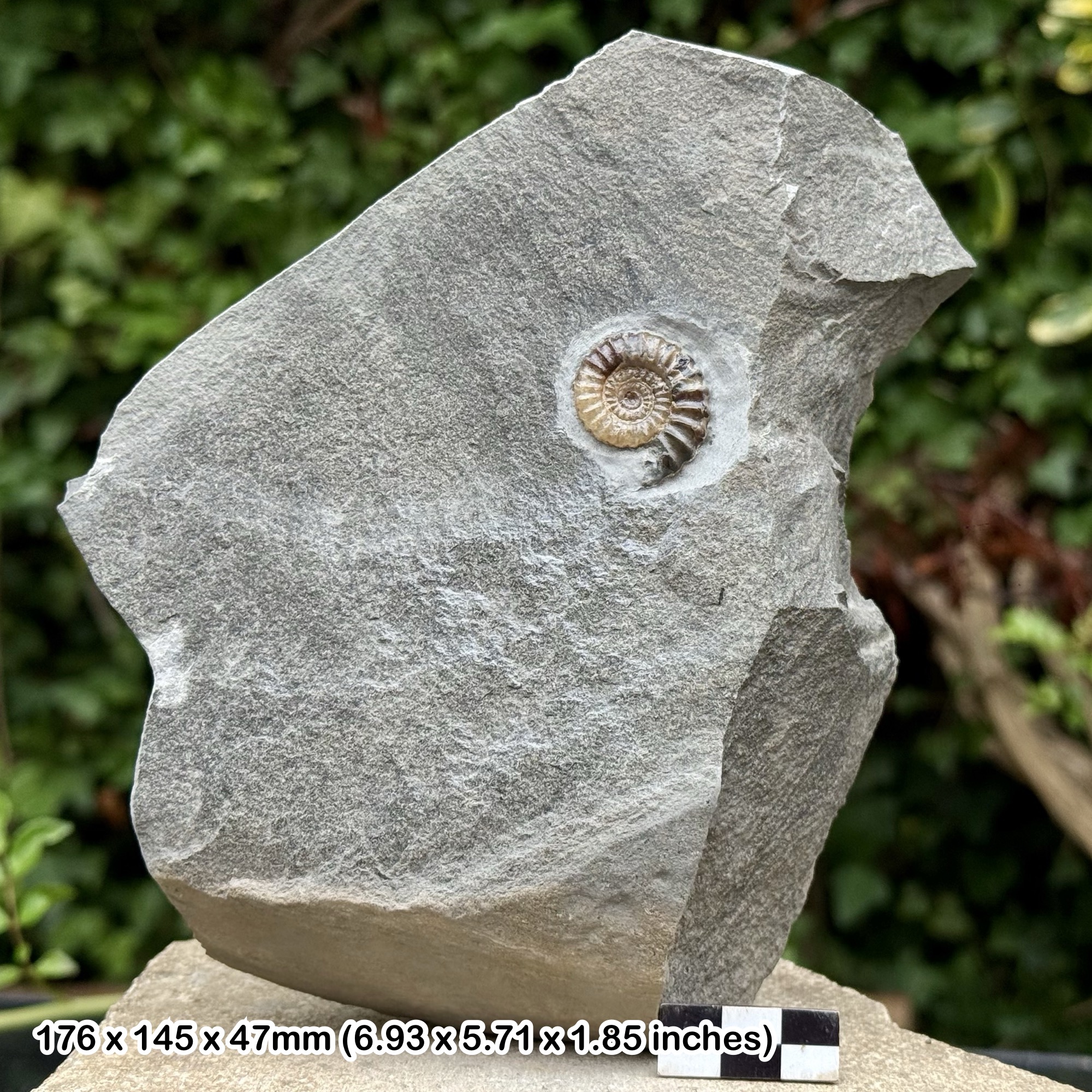
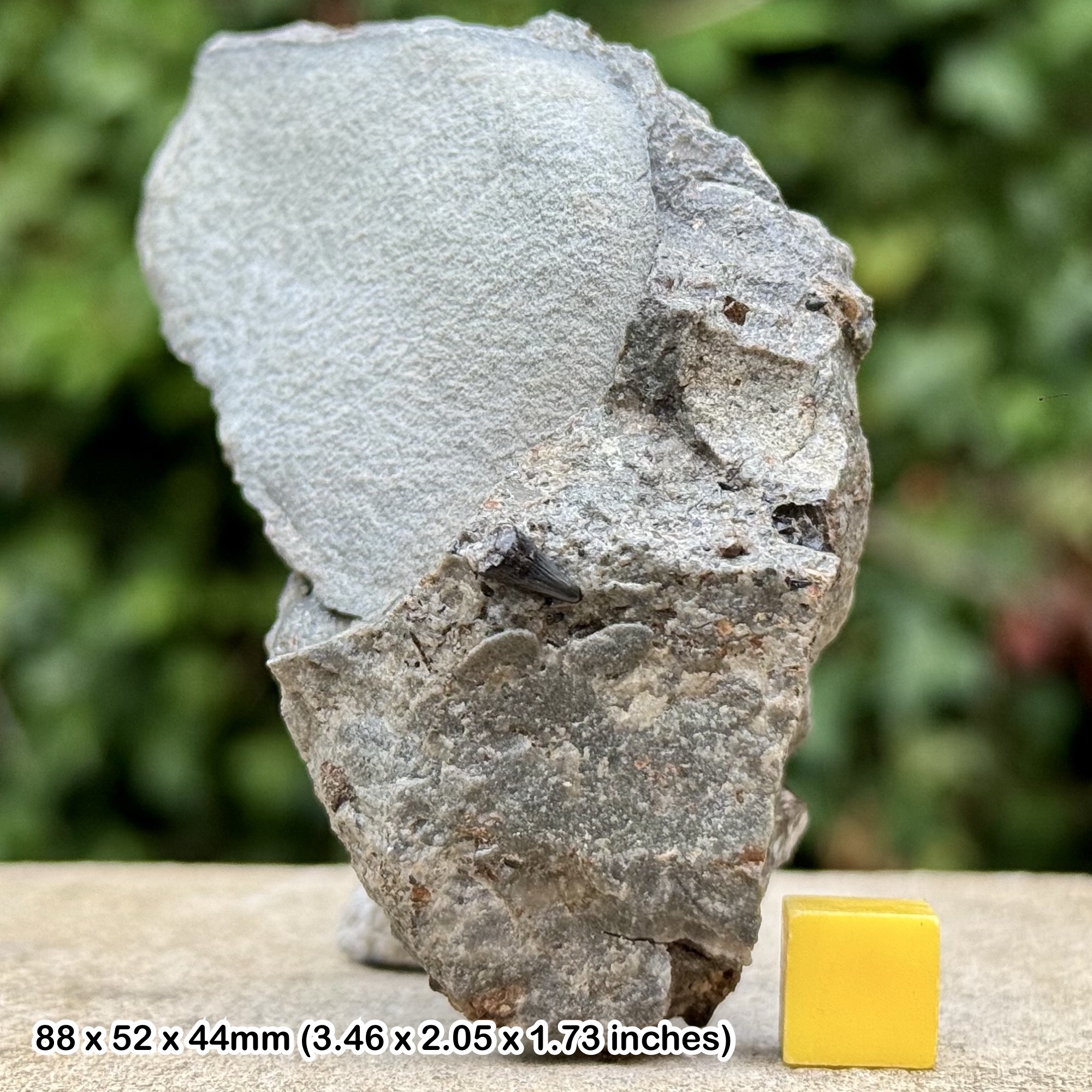
North Yorkshire, one of the most and fossil-rich Jurassic coastal locations in the United Kingdom. Dating to the Upper Toarcian stage of the Jurassic period, approximately 174–182 million years ago, this specimen represents a classic example of British ammonite preservation. The fossil shown in the photographs is the exact piece you will receive, carefully selected for its detail and visual appeal. It is a genuine specimen and includes a Certificate of Authenticity with a lifetime guarantee.Discovery and Professional PreparationYour specimen was discovered by our experienced team members, Alister and Alison, ensuring full provenance from discovery to final presentation. After careful recovery from the coastal exposures at Saltwick Bay, the fossil was expertly cleaned, stabilised, and prepared by Alison. This meticulous preparation enhances the natural features of the ammonite while preserving its structural integrity, making it suitable for both study and display.Geological Context – Upper Toarcian, Jurassic Coastline of YorkshireSaltwick Bay is part of the Cleveland Basin and is internationally recognised for its Jurassic stratigraphy, particularly the Whitby Mudstone Formation. The Upper Toarcian stage represents a time of widespread marine conditions, where fine mud sediments accumulated in relatively deep, low-energy seas. These conditions were ideal for preserving ammonites, which are now commonly found within shale and mudstone layers along the Yorkshire coast.About Androgynoceras – Jurassic AmmoniteAndrogynoceras is a genus of ammonite belonging to the order Ammonitida and superfamily Hildoceratoidea. These extinct marine cephalopods are closely related to modern squids and octopuses but possessed a coiled external shell. Androgynoceras is particularly associated with the Toarcian stage and serves as an important index fossil for correlating Jurassic strata across Europe. Their widespread distribution and rapid evolutionary changes make them invaluable in biostratigraphy.Morphology and Notable FeaturesThis ammonite displays the classic coiled shell structure with well-defined whorls and ribbing. The rib pattern may show variations in strength and spacing, characteristic of the genus, with occasional nodes or thickened ribs depending on preservation. The shell’s spiral form is both functional and aesthetically striking, reflecting the buoyancy control and hydrodynamic efficiency of the living animal. Natural mineralisation has preserved these features, with subtle variations in colour and texture enhancing its visual appeal.Palaeoenvironment and Ancient Marine LifeDuring the Jurassic period, the area that is now North Yorkshire was submerged beneath a warm, shallow sea teeming with life. Ammonites like Androgynoceras were active swimmers, playing a key role in the marine food chain. Their fossils are often found alongside other marine organisms such as belemnites, bivalves, and marine reptiles, providing a detailed picture of Jurassic ecosystems.Collector Appeal and Display ValueAmmonites from Saltwick Bay are highly sought after due to their historical significance and quality of preservation. This Androgynoceras specimen offers both scientific importance and strong aesthetic appeal, making it an excellent addition to any fossil collection. Its recognisable form and natural beauty make it ideal for display in a home, office, or educational setting.Authenticity, Provenance and PresentationThis fossil has been carefully chosen for its authenticity, condition, and visual presentation. It is a genuine piece of Jurassic history, professionally prepared and ready for display. Full sizing can be confirmed via the provided photographs, ensuring transparency before purchase. Each specimen is unique, preserving a moment from an ancient ocean that existed millions of years ago along the Yorkshire coastline.
North Yorkshire, one of the most and fossil-rich Jurassic coastal locations in the United Kingdom. Dating to the Upper Toarcian stage of the Jurassic period, approximately 174–182 million years ago, this specimen represents a classic example of British ammonite preservation. The fossil shown in the photographs is the exact piece you will receive, carefully selected for its detail and visual appeal. It is a genuine specimen and includes a Certificate of Authenticity with a lifetime guarantee.Discovery and Professional PreparationYour specimen was discovered by our experienced team members, Alister and Alison, ensuring full provenance from discovery to final presentation. After careful recovery from the coastal exposures at Saltwick Bay, the fossil was expertly cleaned, stabilised, and prepared by Alison. This meticulous preparation enhances the natural features of the ammonite while preserving its structural integrity, making it suitable for both study and display.Geological Context – Upper Toarcian, Jurassic Coastline of YorkshireSaltwick Bay is part of the Cleveland Basin and is internationally recognised for its Jurassic stratigraphy, particularly the Whitby Mudstone Formation. The Upper Toarcian stage represents a time of widespread marine conditions, where fine mud sediments accumulated in relatively deep, low-energy seas. These conditions were ideal for preserving ammonites, which are now commonly found within shale and mudstone layers along the Yorkshire coast.About Androgynoceras – Jurassic AmmoniteAndrogynoceras is a genus of ammonite belonging to the order Ammonitida and superfamily Hildoceratoidea. These extinct marine cephalopods are closely related to modern squids and octopuses but possessed a coiled external shell. Androgynoceras is particularly associated with the Toarcian stage and serves as an important index fossil for correlating Jurassic strata across Europe. Their widespread distribution and rapid evolutionary changes make them invaluable in biostratigraphy.Morphology and Notable FeaturesThis ammonite displays the classic coiled shell structure with well-defined whorls and ribbing. The rib pattern may show variations in strength and spacing, characteristic of the genus, with occasional nodes or thickened ribs depending on preservation. The shell’s spiral form is both functional and aesthetically striking, reflecting the buoyancy control and hydrodynamic efficiency of the living animal. Natural mineralisation has preserved these features, with subtle variations in colour and texture enhancing its visual appeal.Palaeoenvironment and Ancient Marine LifeDuring the Jurassic period, the area that is now North Yorkshire was submerged beneath a warm, shallow sea teeming with life. Ammonites like Androgynoceras were active swimmers, playing a key role in the marine food chain. Their fossils are often found alongside other marine organisms such as belemnites, bivalves, and marine reptiles, providing a detailed picture of Jurassic ecosystems.Collector Appeal and Display ValueAmmonites from Saltwick Bay are highly sought after due to their historical significance and quality of preservation. This Androgynoceras specimen offers both scientific importance and strong aesthetic appeal, making it an excellent addition to any fossil collection. Its recognisable form and natural beauty make it ideal for display in a home, office, or educational setting.Authenticity, Provenance and PresentationThis fossil has been carefully chosen for its authenticity, condition, and visual presentation. It is a genuine piece of Jurassic history, professionally prepared and ready for display. Full sizing can be confirmed via the provided photographs, ensuring transparency before purchase. Each specimen is unique, preserving a moment from an ancient ocean that existed millions of years ago along the Yorkshire coastline.
Other Products