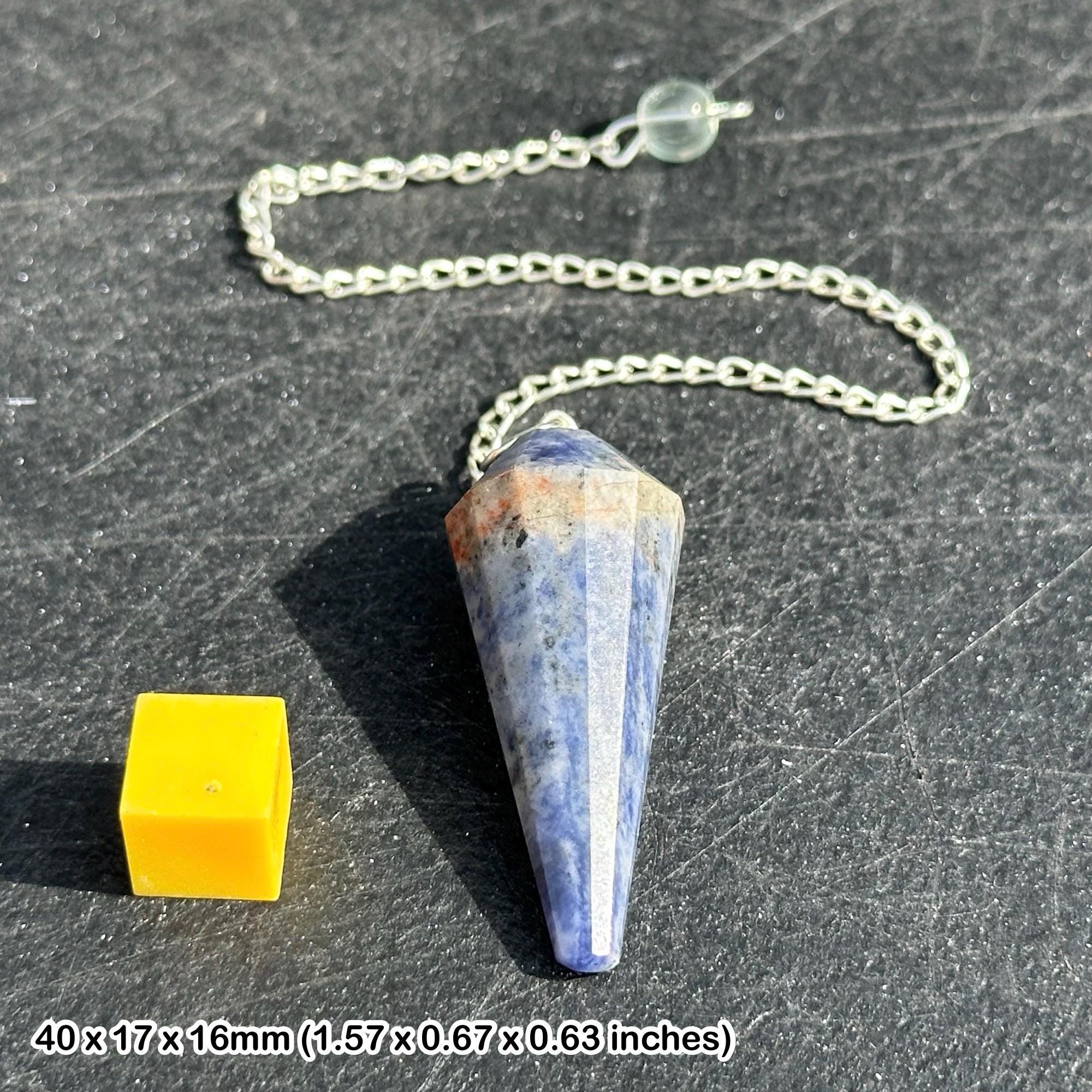
Sodalite Faceted Pendulum Natural Blue Feldspathoid Crystal Dowsing Tool Mineral Specimen Genuine with Certificate of Authenticity
£ 8.70
NATURAL SODALITE FACETED PENDULUMThis genuine Sodalite faceted pendulum carved from natural blue sodalite mineral
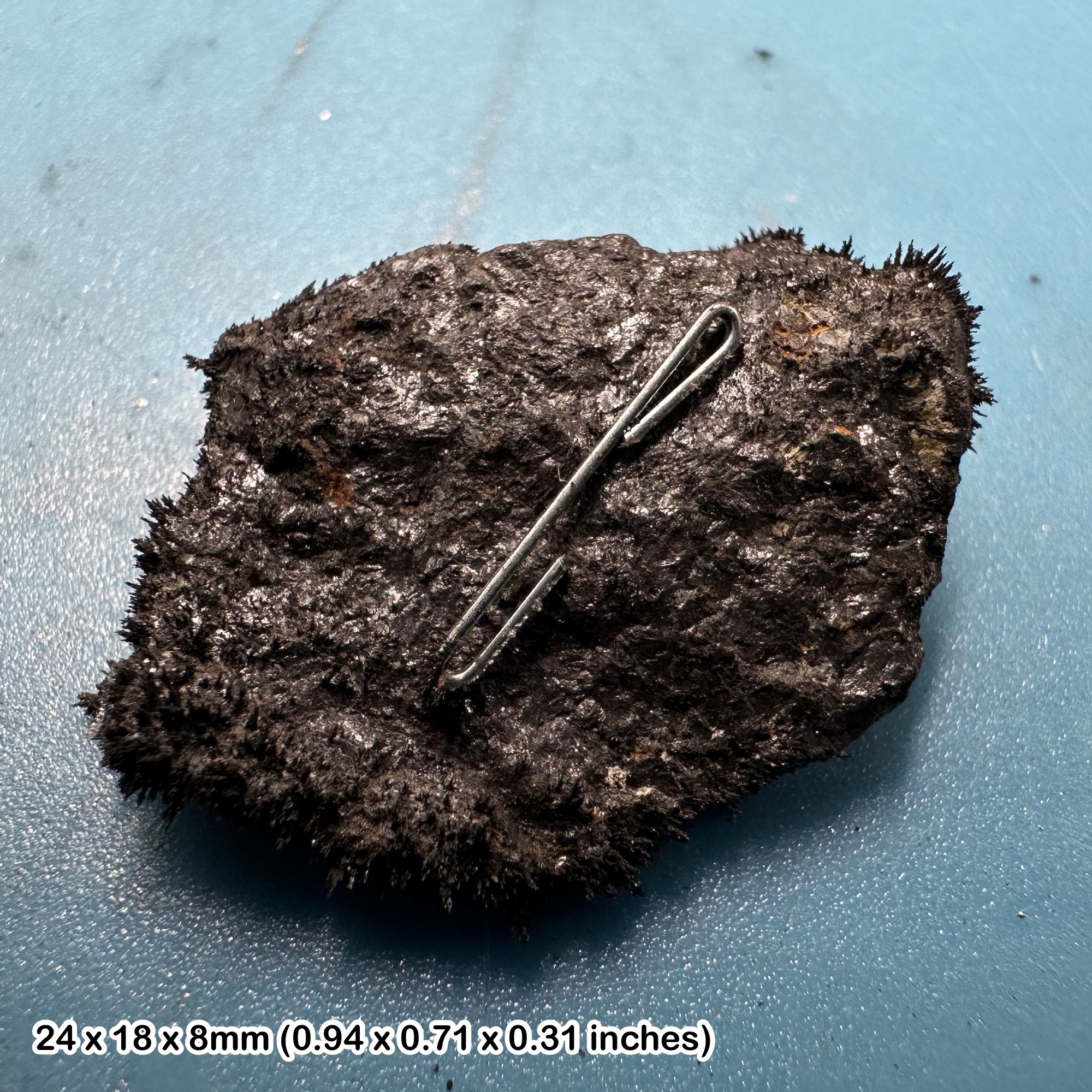
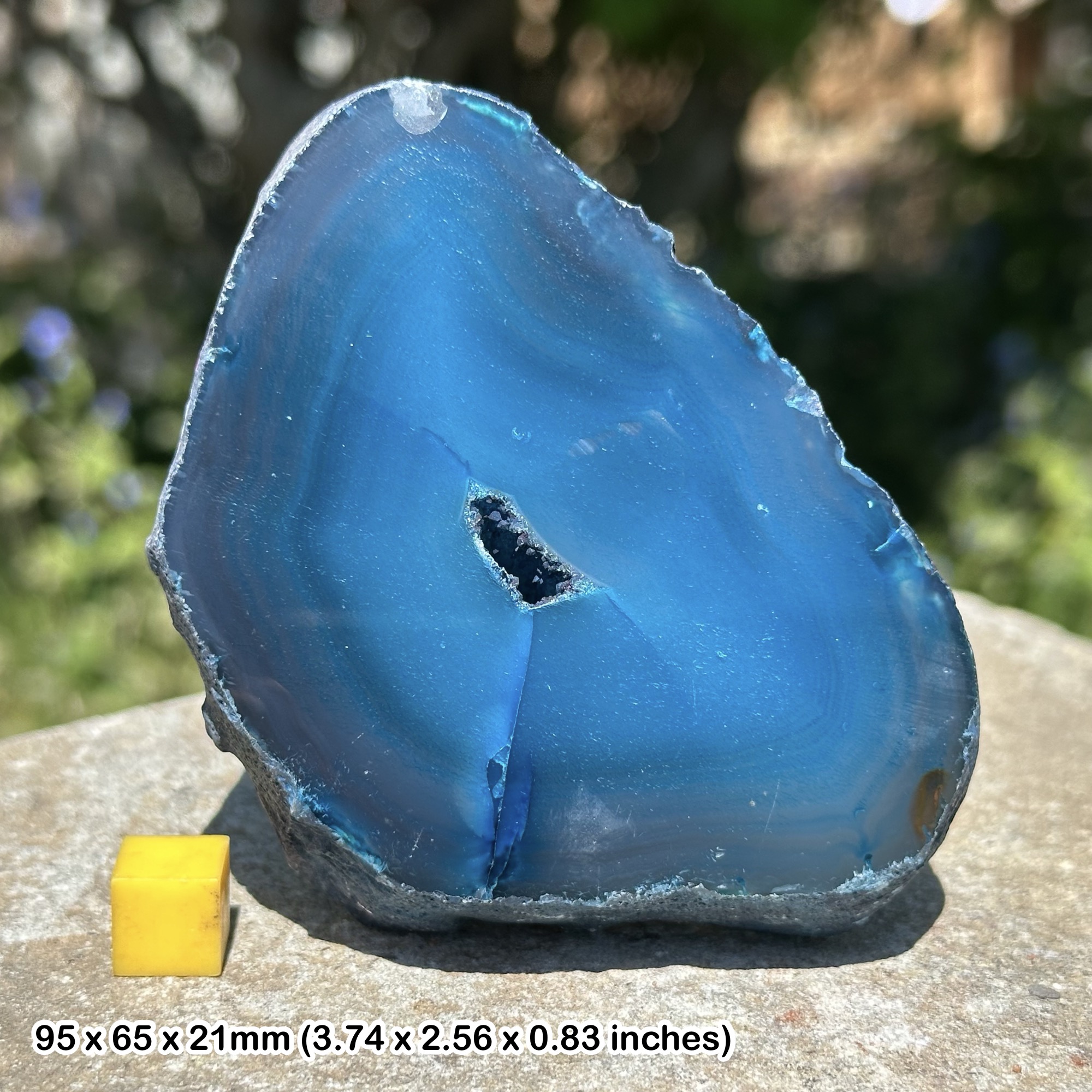
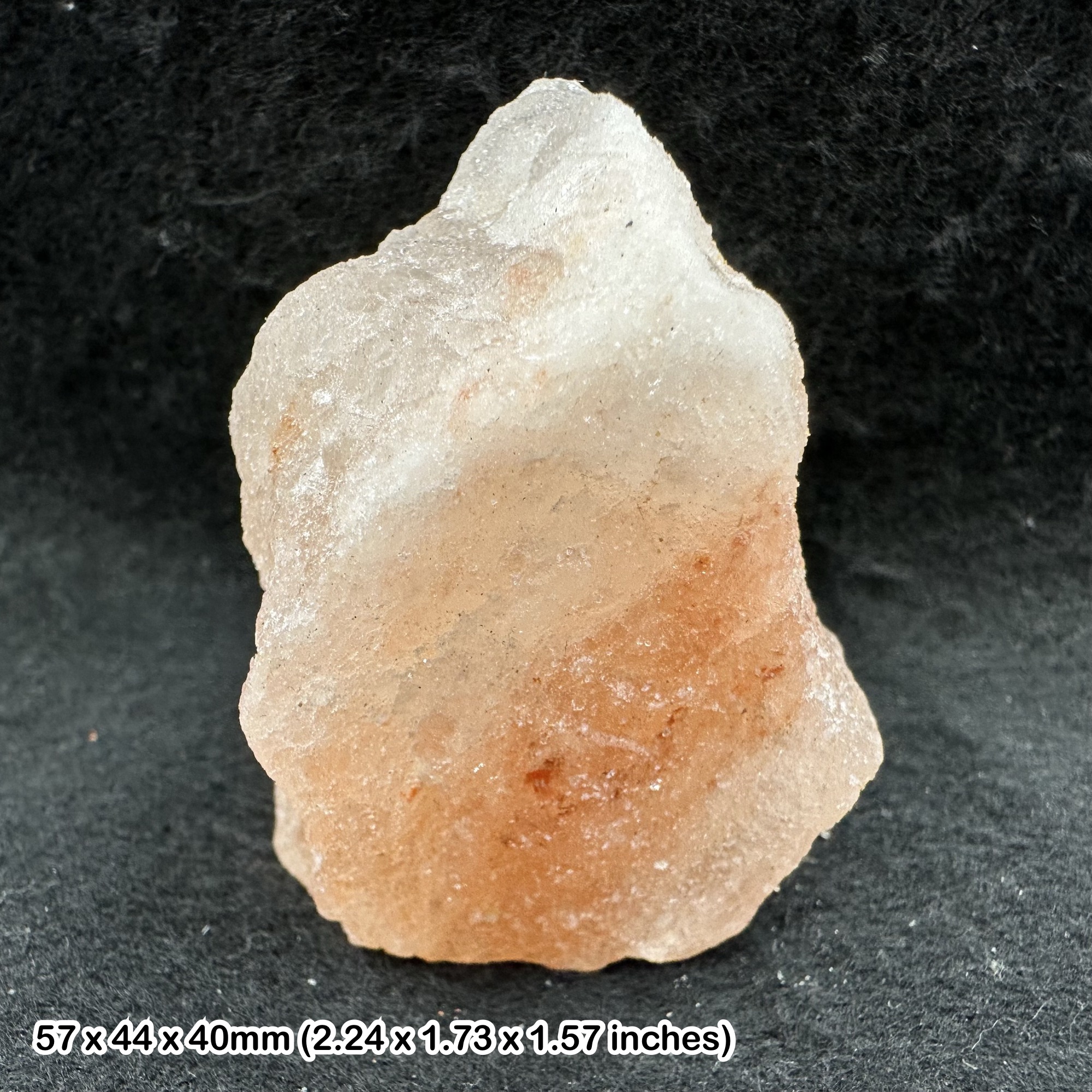
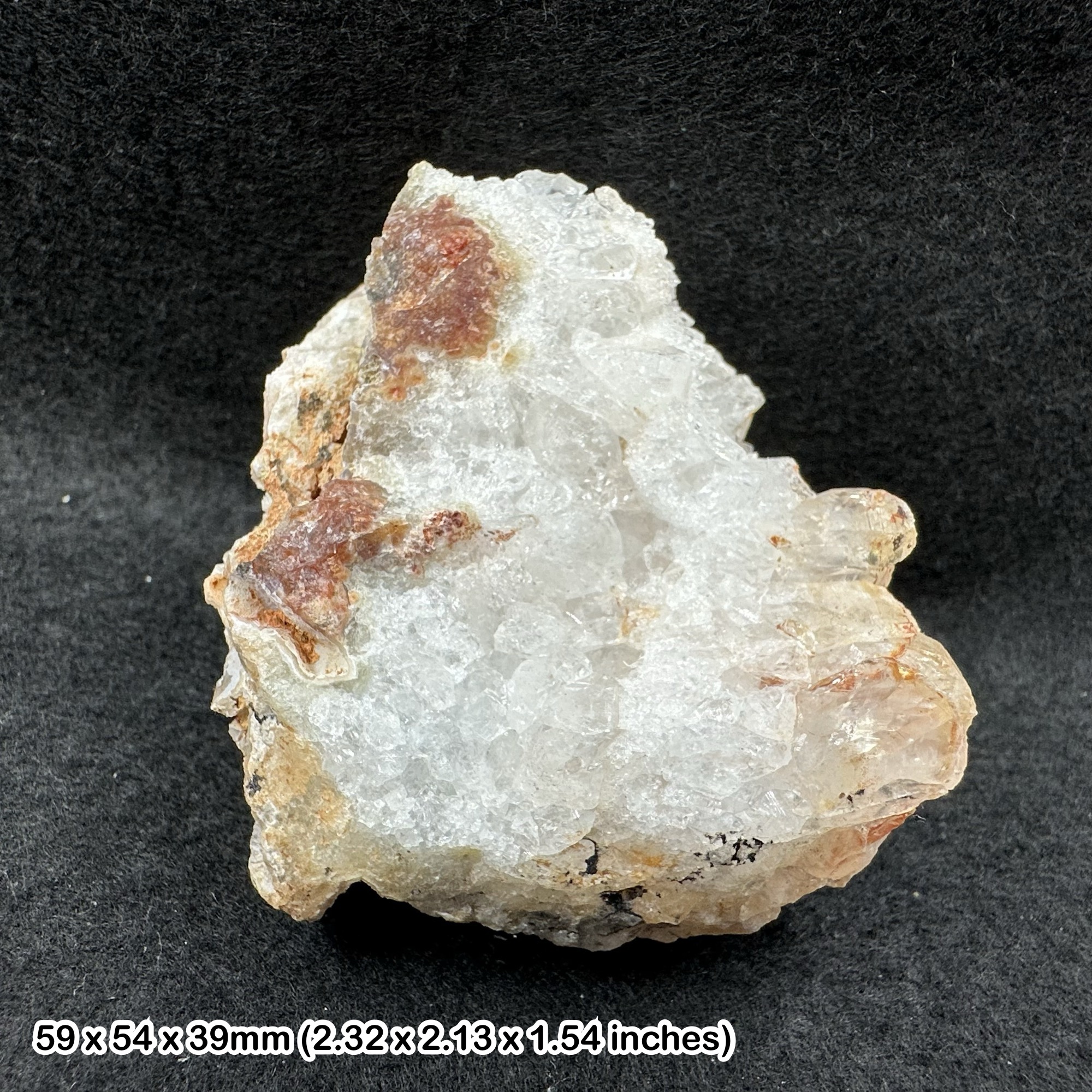
displays the deep blue colour and distinctive white veining that characterise this well-known feldspathoid mineral. Carefully shaped into a pendulum form with polished facets, the stone reflects light across its surfaces while highlighting the natural mineral patterns within the crystal.The photographs in this listing clearly show the exact specimen you will receive, allowing buyers and collectors to examine the colour distribution, natural inclusions, and polished finish before purchase. Each sodalite stone forms naturally with unique patterning, ensuring that every piece has its own individual appearance.The specimen includes a Certificate of Authenticity lifetime guarantee generic card, confirming the natural origin of the mineral. MINERAL IDENTIFICATION AND GEOLOGICAL CLASSIFICATIONSodalite is a tectosilicate mineral belonging to the feldspathoid mineral group, which forms in silica-poor igneous rocks. It is most recognised for its vivid blue colour combined with white calcite veins that create attractive natural patterns.Key mineralogical properties include:
• Mineral Species: Sodalite
• Chemical Formula: Na₈(Al₆Si₆O₂₄)Cl₂
• Mineral Class: Silicates
• Mineral Group: Feldspathoids
• Crystal System: Isometric (cubic)
• Mohs Hardness: 5.5–6
• Lustre: Vitreous to greasy
• Transparency: Opaque to translucentSodalite typically forms as massive aggregates rather than well-developed crystals, making polished pieces especially effective for displaying the mineral’s colour and texture. GEOLOGICAL FORMATION OF SODALITESodalite forms in igneous environments where magma is deficient in silica, typically within alkaline intrusive rocks such as nepheline syenite and other silica-poor plutonic formations. These geological environments allow feldspathoid minerals to crystallise instead of quartz.During the slow cooling of magma, sodium, aluminium, silicon, and chlorine combine to form sodalite crystals within the host rock. Over time, geological processes such as uplift and erosion expose these deposits, allowing sodalite to be collected as mineral specimens.Sodalite often occurs alongside minerals such as:
• Nepheline
• Feldspar
• Calcite
• Cancrinite
• AegirineWhite streaks or patches seen within many sodalite specimens are typically calcite inclusions, which crystallised later within fractures in the host rock. COLOURATION AND VISUAL CHARACTERISTICSThe most recognisable feature of sodalite is its rich royal blue colour, which contrasts with white calcite veins or patches that may appear throughout the stone. The blue colour is produced by trace elements within the mineral structure.Typical visual characteristics include:
• Deep blue to blue-violet colouration
• White calcite veining or mottled patterns
• Smooth polished surfaces
• Natural mineral textures visible within the stoneWhen polished, sodalite develops a soft vitreous lustre that enhances the contrast between the blue base colour and the white mineral inclusions. FACETED PENDULUM SHAPE AND CRAFTSMANSHIPThis specimen has been shaped into a faceted pendulum, a carved stone form designed to highlight the natural patterns within the mineral. The faceted surfaces reflect light differently across the stone, emphasising the colour variations and mineral inclusions.Stone pendulums are commonly appreciated as:
• Decorative mineral carvings
• Geological display pieces
• Collector stone items
• Natural stone giftsThe symmetrical shape and polished finish allow the stone’s natural mineral features to be viewed clearly from multiple angles. MINERAL COLLECTING AND GEOLOGICAL INTERESTSodalite is widely appreciated by mineral collectors due to its distinctive colour, geological formation, and association with alkaline igneous rocks. Its vibrant appearance makes it one of the most recognisable blue minerals used in decorative stone objects.Collectors often include sodalite specimens in:
• Feldspathoid mineral collections
• Igneous rock displays
• Decorative mineral cabinets
• Educational geological collectionsThe polished pendulum form presents the mineral in a display-ready format while preserving its natural composition. CULTURAL AND TRADITIONAL ASSOCIATIONSBlue stones have been admired across many cultures throughout history due to their vivid colour and striking appearance. In some traditions, blue minerals have been traditionally associated with symbolic ideas relating to clarity or communication, interpretations that arise from historical cultural symbolism rather than scientific mineral properties. AUTHENTICITY AND EXACT SPECIMENThis Sodalite faceted pendulum is carved from genuine natural sodalite mineral. Each specimen is selected to display the characteristic blue colour and natural white mineral veining.The listing photographs clearly show the exact specimen you will receive, ensuring transparency for collectors and buyers.Every purchase includes a Certificate of Authenticity lifetime guarantee generic card, confirming the natural origin of the stone. SIZE AND SPECIMEN DETAILSPlease refer to the listing photographs for full sizing and scale of the pendulum. Images clearly display the faceted surfaces, colour patterns, and polished finish so buyers can accurately assess the piece before purchase.This natural Sodalite faceted pendulum carved from blue feldspathoid mineral represents an excellent example of silica-poor igneous mineral formation and offers a distinctive addition to any mineral collection, geological display, or natural stone cabinet.
displays the deep blue colour and distinctive white veining that characterise this well-known feldspathoid mineral. Carefully shaped into a pendulum form with polished facets, the stone reflects light across its surfaces while highlighting the natural mineral patterns within the crystal.The photographs in this listing clearly show the exact specimen you will receive, allowing buyers and collectors to examine the colour distribution, natural inclusions, and polished finish before purchase. Each sodalite stone forms naturally with unique patterning, ensuring that every piece has its own individual appearance.The specimen includes a Certificate of Authenticity lifetime guarantee generic card, confirming the natural origin of the mineral. MINERAL IDENTIFICATION AND GEOLOGICAL CLASSIFICATIONSodalite is a tectosilicate mineral belonging to the feldspathoid mineral group, which forms in silica-poor igneous rocks. It is most recognised for its vivid blue colour combined with white calcite veins that create attractive natural patterns.Key mineralogical properties include:
• Mineral Species: Sodalite
• Chemical Formula: Na₈(Al₆Si₆O₂₄)Cl₂
• Mineral Class: Silicates
• Mineral Group: Feldspathoids
• Crystal System: Isometric (cubic)
• Mohs Hardness: 5.5–6
• Lustre: Vitreous to greasy
• Transparency: Opaque to translucentSodalite typically forms as massive aggregates rather than well-developed crystals, making polished pieces especially effective for displaying the mineral’s colour and texture. GEOLOGICAL FORMATION OF SODALITESodalite forms in igneous environments where magma is deficient in silica, typically within alkaline intrusive rocks such as nepheline syenite and other silica-poor plutonic formations. These geological environments allow feldspathoid minerals to crystallise instead of quartz.During the slow cooling of magma, sodium, aluminium, silicon, and chlorine combine to form sodalite crystals within the host rock. Over time, geological processes such as uplift and erosion expose these deposits, allowing sodalite to be collected as mineral specimens.Sodalite often occurs alongside minerals such as:
• Nepheline
• Feldspar
• Calcite
• Cancrinite
• AegirineWhite streaks or patches seen within many sodalite specimens are typically calcite inclusions, which crystallised later within fractures in the host rock. COLOURATION AND VISUAL CHARACTERISTICSThe most recognisable feature of sodalite is its rich royal blue colour, which contrasts with white calcite veins or patches that may appear throughout the stone. The blue colour is produced by trace elements within the mineral structure.Typical visual characteristics include:
• Deep blue to blue-violet colouration
• White calcite veining or mottled patterns
• Smooth polished surfaces
• Natural mineral textures visible within the stoneWhen polished, sodalite develops a soft vitreous lustre that enhances the contrast between the blue base colour and the white mineral inclusions. FACETED PENDULUM SHAPE AND CRAFTSMANSHIPThis specimen has been shaped into a faceted pendulum, a carved stone form designed to highlight the natural patterns within the mineral. The faceted surfaces reflect light differently across the stone, emphasising the colour variations and mineral inclusions.Stone pendulums are commonly appreciated as:
• Decorative mineral carvings
• Geological display pieces
• Collector stone items
• Natural stone giftsThe symmetrical shape and polished finish allow the stone’s natural mineral features to be viewed clearly from multiple angles. MINERAL COLLECTING AND GEOLOGICAL INTERESTSodalite is widely appreciated by mineral collectors due to its distinctive colour, geological formation, and association with alkaline igneous rocks. Its vibrant appearance makes it one of the most recognisable blue minerals used in decorative stone objects.Collectors often include sodalite specimens in:
• Feldspathoid mineral collections
• Igneous rock displays
• Decorative mineral cabinets
• Educational geological collectionsThe polished pendulum form presents the mineral in a display-ready format while preserving its natural composition. CULTURAL AND TRADITIONAL ASSOCIATIONSBlue stones have been admired across many cultures throughout history due to their vivid colour and striking appearance. In some traditions, blue minerals have been traditionally associated with symbolic ideas relating to clarity or communication, interpretations that arise from historical cultural symbolism rather than scientific mineral properties. AUTHENTICITY AND EXACT SPECIMENThis Sodalite faceted pendulum is carved from genuine natural sodalite mineral. Each specimen is selected to display the characteristic blue colour and natural white mineral veining.The listing photographs clearly show the exact specimen you will receive, ensuring transparency for collectors and buyers.Every purchase includes a Certificate of Authenticity lifetime guarantee generic card, confirming the natural origin of the stone. SIZE AND SPECIMEN DETAILSPlease refer to the listing photographs for full sizing and scale of the pendulum. Images clearly display the faceted surfaces, colour patterns, and polished finish so buyers can accurately assess the piece before purchase.This natural Sodalite faceted pendulum carved from blue feldspathoid mineral represents an excellent example of silica-poor igneous mineral formation and offers a distinctive addition to any mineral collection, geological display, or natural stone cabinet.
Other Products