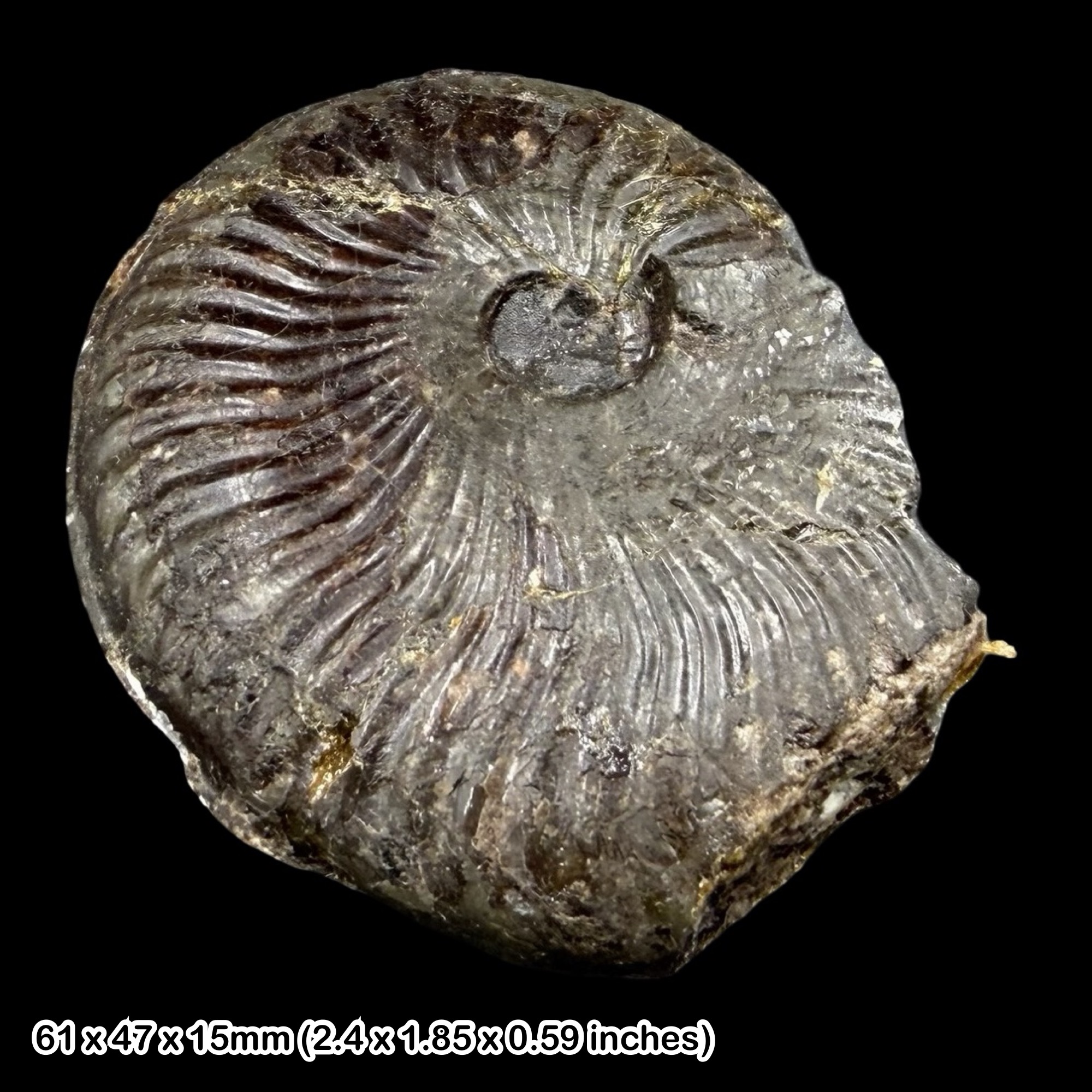
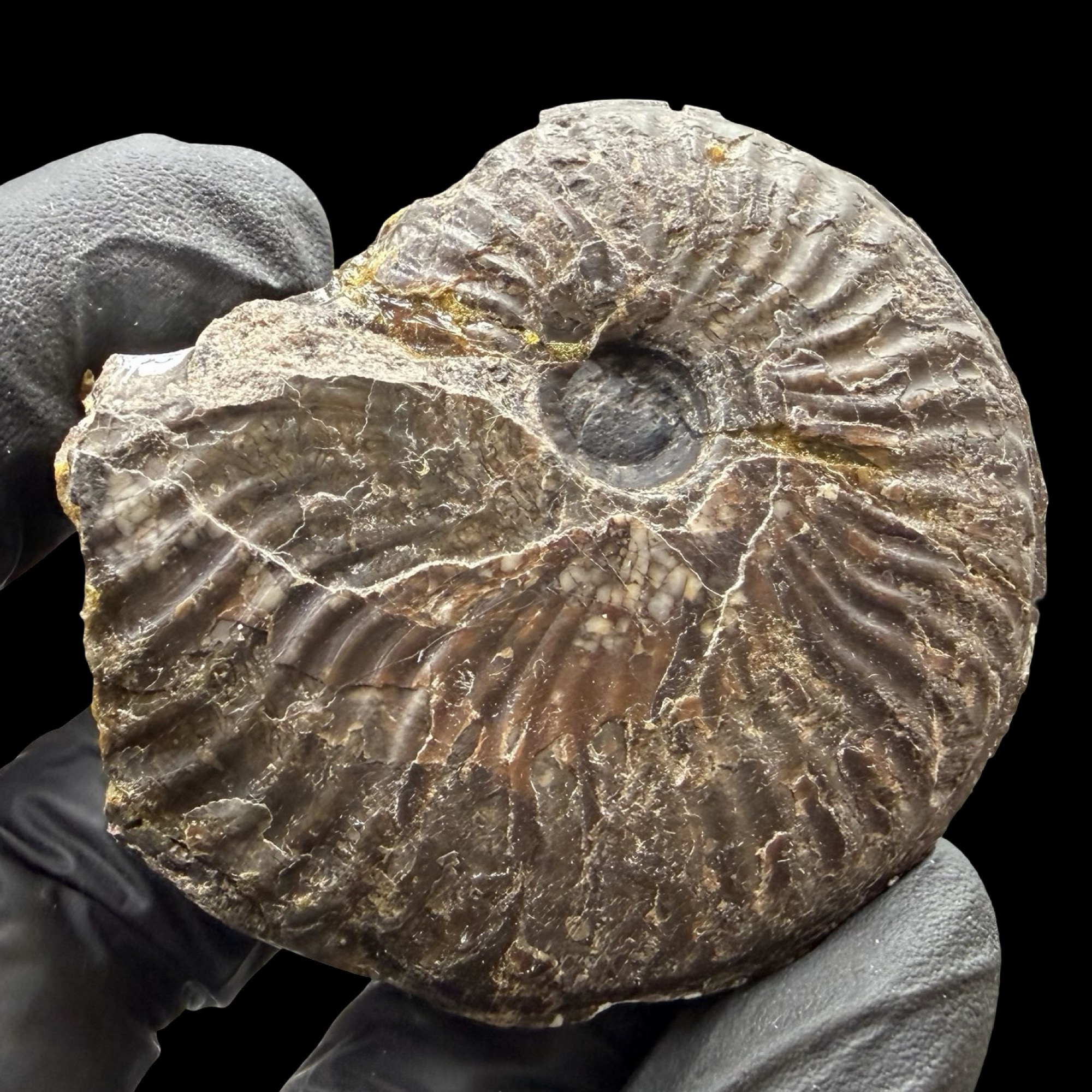
Pseudolioceras Lythense Ammonite Fossil Whitby UK Jurassic Genuine COA Alum Shale Aalenian North Yorkshire Collector Specimen
£ 36.00
GENUINE PSEUDOLIOCERAS LYTHENSE AMMONITE FOSSILThis listing is for a genuine Pseudolioceras lythense ammonite fossil from the
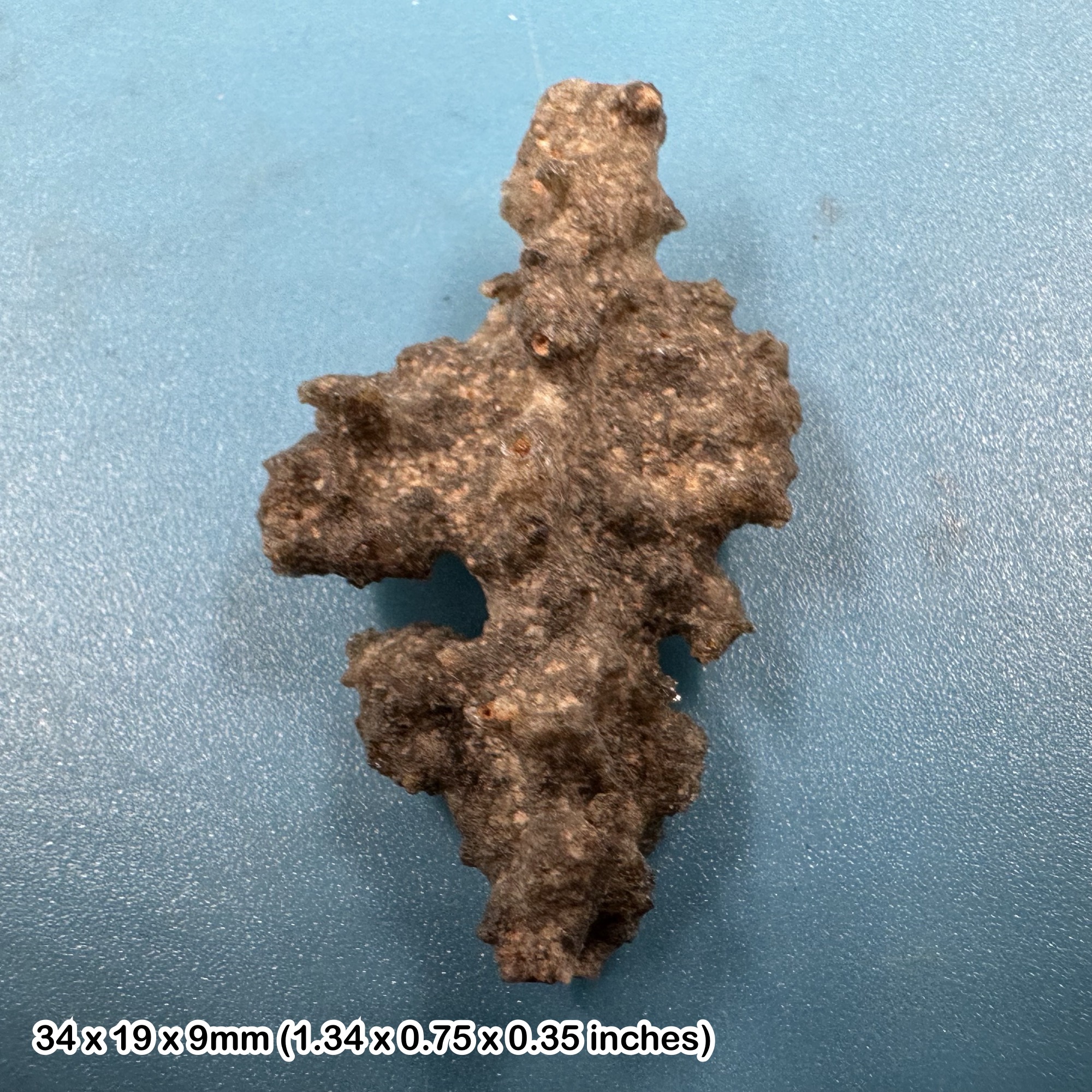
Alum Shale Formation, Middle Jurassic, Aalenian Stage, collected from the famous fossil locality of Whitby, North Yorkshire, UK. This is a carefully chosen fossil specimen, selected for its natural fossil character, geological interest, and classic British Jurassic appeal. The photograph shows the actual specimen you will receive, so please refer to the photo for the full sizing, proportions, preservation, colour, surface detail, matrix, and overall appearance of this individual piece.This fossil is supplied with a Certificate of Authenticity lifetime guarantee generic card, giving confidence that the specimen is a genuine fossil and not a modern replica.SPECIES AND FOSSIL TYPEPseudolioceras lythense is an extinct ammonite species, a marine cephalopod related to modern squid, cuttlefish, octopus, and nautilus. Ammonites lived inside coiled shells divided into internal chambers. The living animal occupied the final body chamber, while earlier chambers helped control buoyancy, allowing it to move efficiently through the ancient sea.Pseudolioceras is a well-known Jurassic ammonite genus associated with the transition from the latest Early Jurassic into the early Middle Jurassic. It belongs to the ammonite order Ammonitida, within the broader group of planispiral, chambered cephalopods that are among the most recognisable fossils in the world. Ammonites are especially valued by collectors because their shells often preserve elegant spiral forms, ribbing, whorl shapes, and other natural features that record growth through life.GEOLOGICAL AGE AND FORMATIONThis fossil comes from the Aalenian Stage of the Middle Jurassic, an important interval in Earth history dating to roughly 174 to 170 million years ago. The Aalenian marks the early part of the Middle Jurassic and follows the Toarcian Stage, a time of major marine environmental change and ammonite evolution.The Alum Shale Formation around Whitby and the Yorkshire Coast is internationally famous for its fossil-bearing marine sediments. These dark shales and associated beds were deposited in ancient seas that covered the region during the Jurassic Period. The formation is especially well known for ammonites, belemnites, bivalves, fossil wood, fish remains, and occasional marine reptile material, making Whitby one of the classic fossil collecting areas of Britain.WHITBY AND NORTH YORKSHIRE FOSSIL HERITAGEWhitby, North Yorkshire, has a long and historic connection with ammonite fossils. The coast around Whitby is one of the most celebrated fossil localities in the UK, famous for Jurassic marine fossils preserved in shale, limestone, and ironstone nodules. Ammonites from this area have been collected, studied, and admired for centuries, making them highly desirable for both collectors and educational displays.During the time this ammonite lived, the area that is now North Yorkshire was covered by a marine environment rather than land. Fine sediment accumulated on the sea floor, helping to preserve shells and other remains. Over millions of years, burial, mineralisation, pressure, and erosion produced the fossils that are now found along the Yorkshire coast.MORPHOLOGY AND NATURAL FEATURESPseudolioceras ammonites are generally recognised by their compact coiled form, compressed whorls, and comparatively smooth to finely ornamented shell style compared with more strongly ribbed Jurassic ammonites. Features such as whorl shape, umbilicus width, shell compression, growth lines, and suture pattern are important in ammonite identification and make these fossils especially interesting to collectors of scientifically significant cephalopods.Depending on preservation, this fossil may display natural shell curvature, chamber detail, surface texture, mineralisation, shale or matrix association, colour variation, or evidence of natural geological wear. Every fossil is individual, and the photo should be used to assess the exact visible features and condition of this particular specimen.ANCIENT JURASSIC MARINE LIFEIn life, Pseudolioceras lythense would have been part of a diverse Jurassic marine ecosystem. Ammonites were active swimming animals that used their chambered shells to regulate buoyancy. They likely fed on small marine organisms or scavenged available food, while also forming part of the food chain for larger predators such as fish and marine reptiles.The ammonite shell is both beautiful and functional. Its spiral design allowed for growth while retaining balance in the water, and its internal chambers provided an effective buoyancy system. After death, the shell settled to the sea floor and was gradually buried in sediment, beginning the long process of fossilisation.COLLECTOR DISPLAY AND AUTHENTICITYThis Pseudolioceras lythense ammonite fossil from Whitby is ideal for fossil collectors, geology enthusiasts, natural history displays, educational collections, cabinet specimens, and anyone interested in genuine British Jurassic fossils. It is particularly suitable for collectors of ammonites, Yorkshire Coast fossils, Alum Shale Formation specimens, marine cephalopods, and classic UK palaeontology pieces.The fossil shown in the photograph is the actual specimen supplied. Please check the photo carefully for full sizing and condition details, including any natural cracks, matrix, mineralisation, colour variation, surface texture, preparation marks, or signs of natural preservation. These features are normal in genuine fossils and help demonstrate their long geological history.INCLUDED WITH THIS SPECIMENYour fossil will be supplied as a genuine specimen with a Certificate of Authenticity lifetime guarantee generic card. This makes it suitable for personal collecting, educational use, natural history display, geology teaching, or as a thoughtful gift for fossil lovers, palaeontology enthusiasts, students, teachers, and collectors of ancient marine life.
Alum Shale Formation, Middle Jurassic, Aalenian Stage, collected from the famous fossil locality of Whitby, North Yorkshire, UK. This is a carefully chosen fossil specimen, selected for its natural fossil character, geological interest, and classic British Jurassic appeal. The photograph shows the actual specimen you will receive, so please refer to the photo for the full sizing, proportions, preservation, colour, surface detail, matrix, and overall appearance of this individual piece.This fossil is supplied with a Certificate of Authenticity lifetime guarantee generic card, giving confidence that the specimen is a genuine fossil and not a modern replica.SPECIES AND FOSSIL TYPEPseudolioceras lythense is an extinct ammonite species, a marine cephalopod related to modern squid, cuttlefish, octopus, and nautilus. Ammonites lived inside coiled shells divided into internal chambers. The living animal occupied the final body chamber, while earlier chambers helped control buoyancy, allowing it to move efficiently through the ancient sea.Pseudolioceras is a well-known Jurassic ammonite genus associated with the transition from the latest Early Jurassic into the early Middle Jurassic. It belongs to the ammonite order Ammonitida, within the broader group of planispiral, chambered cephalopods that are among the most recognisable fossils in the world. Ammonites are especially valued by collectors because their shells often preserve elegant spiral forms, ribbing, whorl shapes, and other natural features that record growth through life.GEOLOGICAL AGE AND FORMATIONThis fossil comes from the Aalenian Stage of the Middle Jurassic, an important interval in Earth history dating to roughly 174 to 170 million years ago. The Aalenian marks the early part of the Middle Jurassic and follows the Toarcian Stage, a time of major marine environmental change and ammonite evolution.The Alum Shale Formation around Whitby and the Yorkshire Coast is internationally famous for its fossil-bearing marine sediments. These dark shales and associated beds were deposited in ancient seas that covered the region during the Jurassic Period. The formation is especially well known for ammonites, belemnites, bivalves, fossil wood, fish remains, and occasional marine reptile material, making Whitby one of the classic fossil collecting areas of Britain.WHITBY AND NORTH YORKSHIRE FOSSIL HERITAGEWhitby, North Yorkshire, has a long and historic connection with ammonite fossils. The coast around Whitby is one of the most celebrated fossil localities in the UK, famous for Jurassic marine fossils preserved in shale, limestone, and ironstone nodules. Ammonites from this area have been collected, studied, and admired for centuries, making them highly desirable for both collectors and educational displays.During the time this ammonite lived, the area that is now North Yorkshire was covered by a marine environment rather than land. Fine sediment accumulated on the sea floor, helping to preserve shells and other remains. Over millions of years, burial, mineralisation, pressure, and erosion produced the fossils that are now found along the Yorkshire coast.MORPHOLOGY AND NATURAL FEATURESPseudolioceras ammonites are generally recognised by their compact coiled form, compressed whorls, and comparatively smooth to finely ornamented shell style compared with more strongly ribbed Jurassic ammonites. Features such as whorl shape, umbilicus width, shell compression, growth lines, and suture pattern are important in ammonite identification and make these fossils especially interesting to collectors of scientifically significant cephalopods.Depending on preservation, this fossil may display natural shell curvature, chamber detail, surface texture, mineralisation, shale or matrix association, colour variation, or evidence of natural geological wear. Every fossil is individual, and the photo should be used to assess the exact visible features and condition of this particular specimen.ANCIENT JURASSIC MARINE LIFEIn life, Pseudolioceras lythense would have been part of a diverse Jurassic marine ecosystem. Ammonites were active swimming animals that used their chambered shells to regulate buoyancy. They likely fed on small marine organisms or scavenged available food, while also forming part of the food chain for larger predators such as fish and marine reptiles.The ammonite shell is both beautiful and functional. Its spiral design allowed for growth while retaining balance in the water, and its internal chambers provided an effective buoyancy system. After death, the shell settled to the sea floor and was gradually buried in sediment, beginning the long process of fossilisation.COLLECTOR DISPLAY AND AUTHENTICITYThis Pseudolioceras lythense ammonite fossil from Whitby is ideal for fossil collectors, geology enthusiasts, natural history displays, educational collections, cabinet specimens, and anyone interested in genuine British Jurassic fossils. It is particularly suitable for collectors of ammonites, Yorkshire Coast fossils, Alum Shale Formation specimens, marine cephalopods, and classic UK palaeontology pieces.The fossil shown in the photograph is the actual specimen supplied. Please check the photo carefully for full sizing and condition details, including any natural cracks, matrix, mineralisation, colour variation, surface texture, preparation marks, or signs of natural preservation. These features are normal in genuine fossils and help demonstrate their long geological history.INCLUDED WITH THIS SPECIMENYour fossil will be supplied as a genuine specimen with a Certificate of Authenticity lifetime guarantee generic card. This makes it suitable for personal collecting, educational use, natural history display, geology teaching, or as a thoughtful gift for fossil lovers, palaeontology enthusiasts, students, teachers, and collectors of ancient marine life.
Other Products