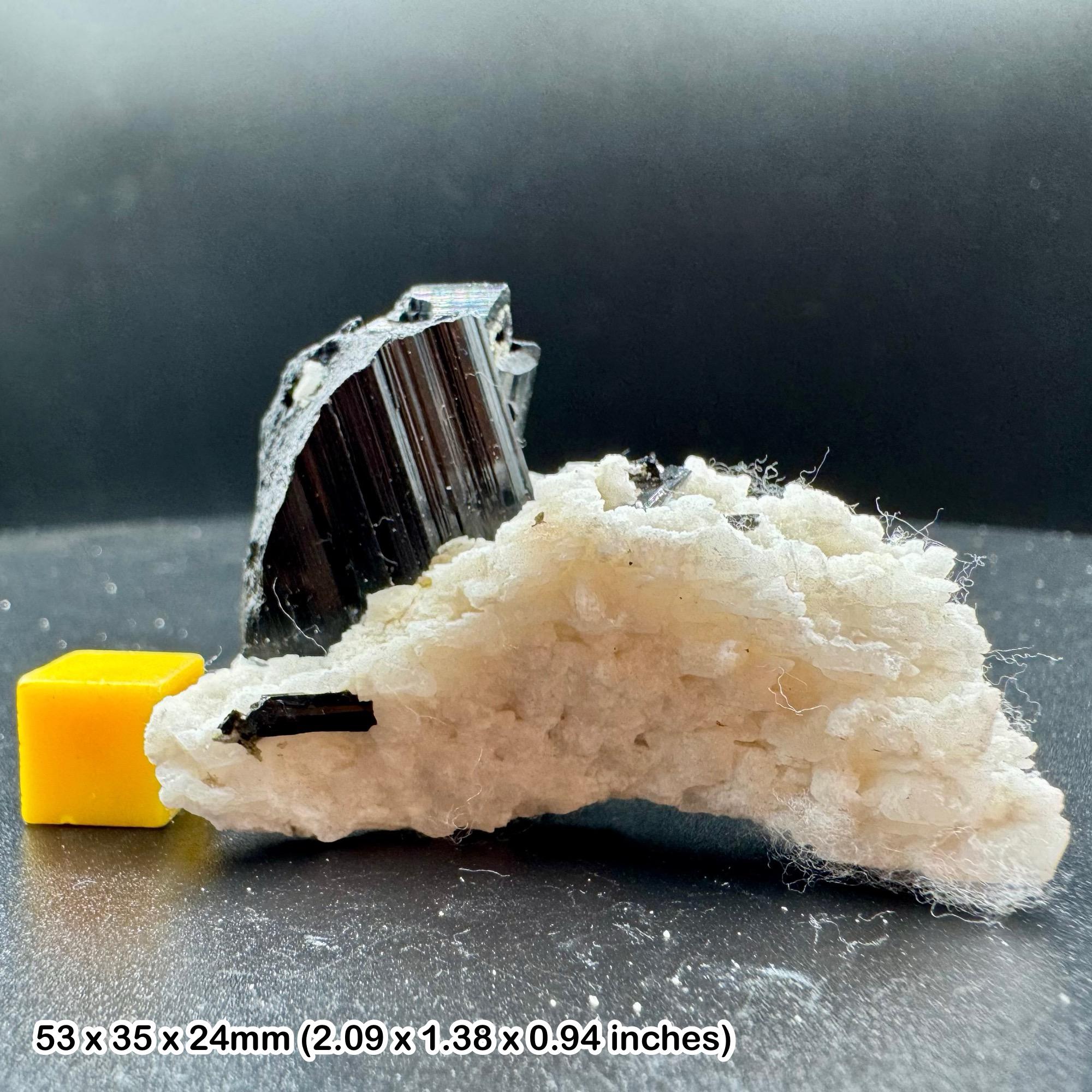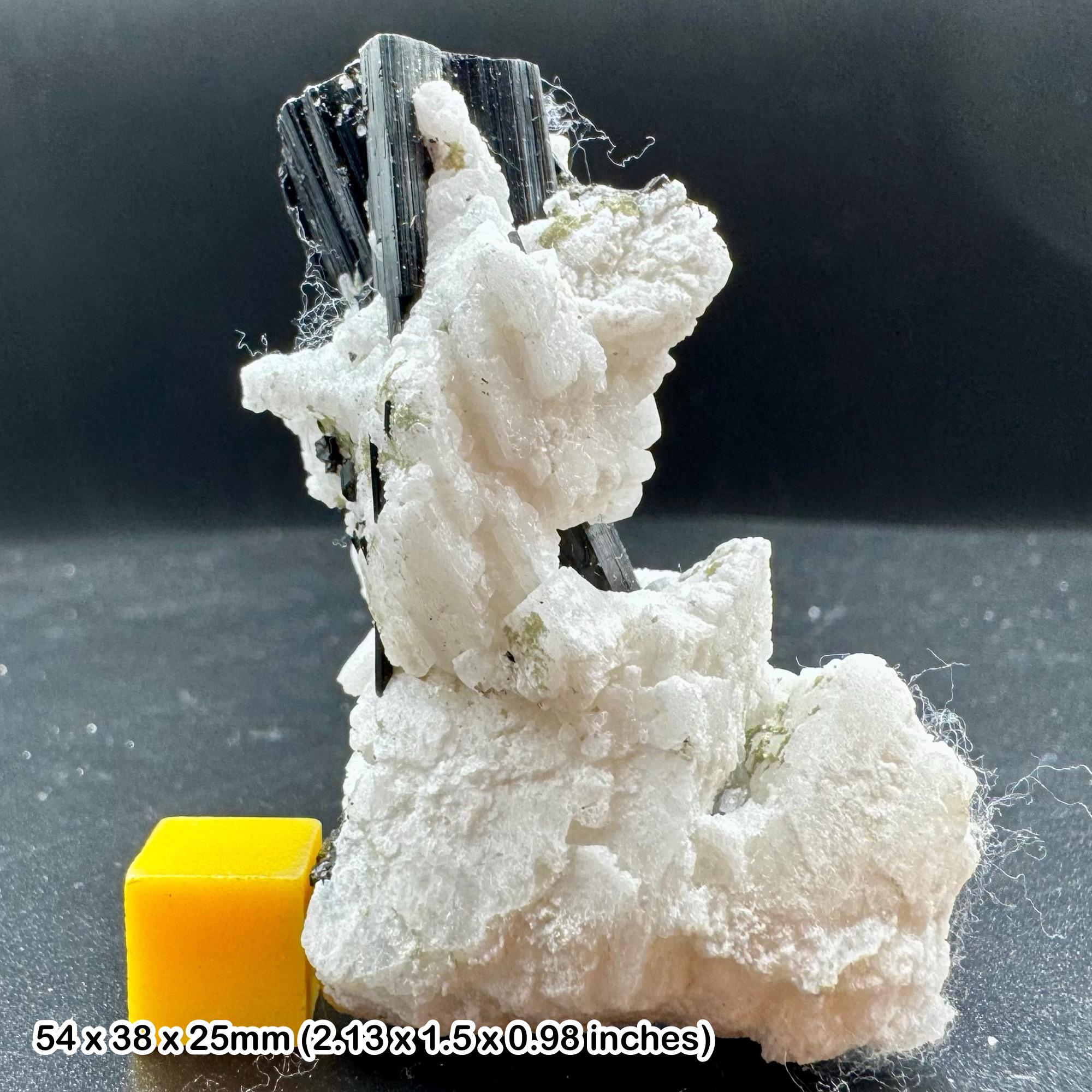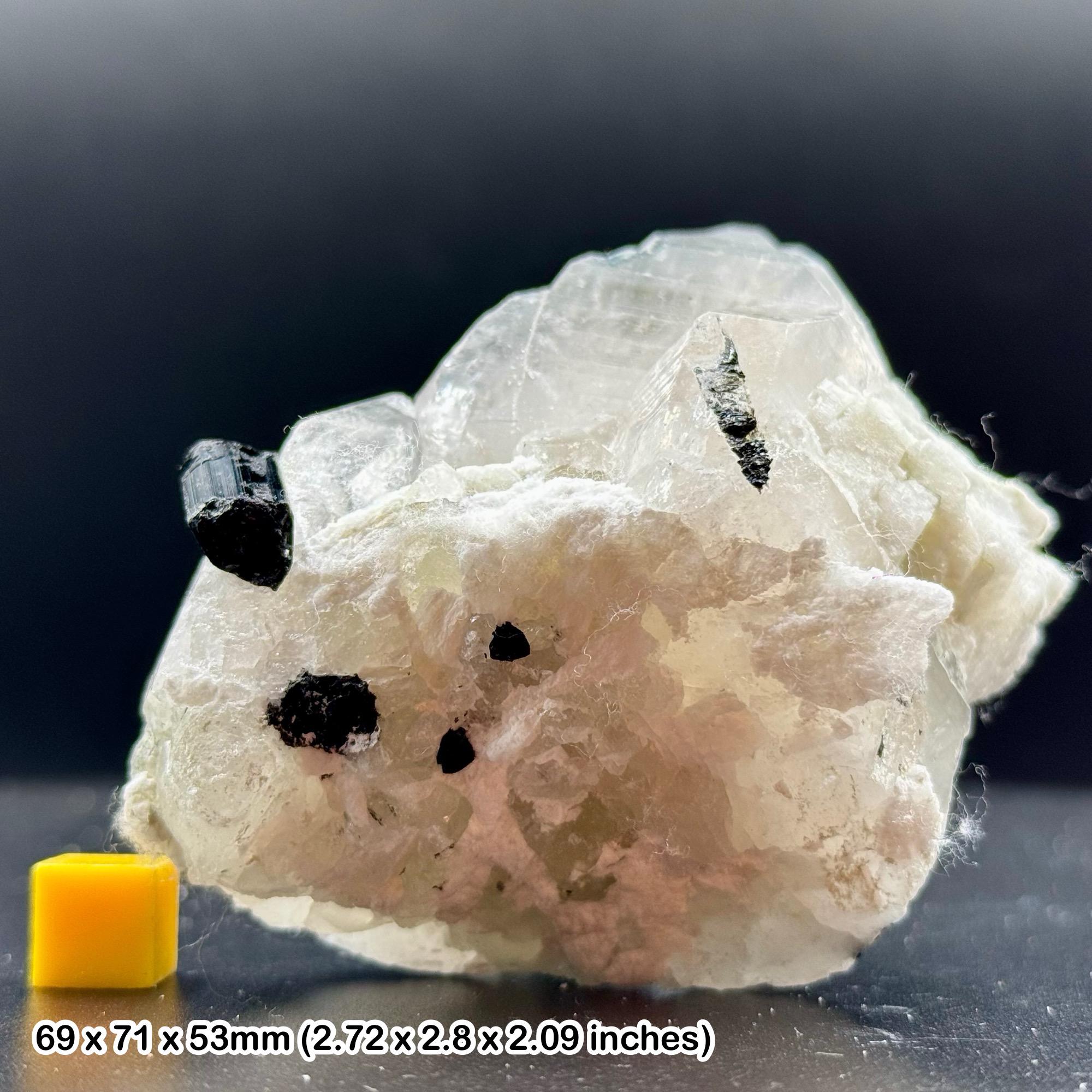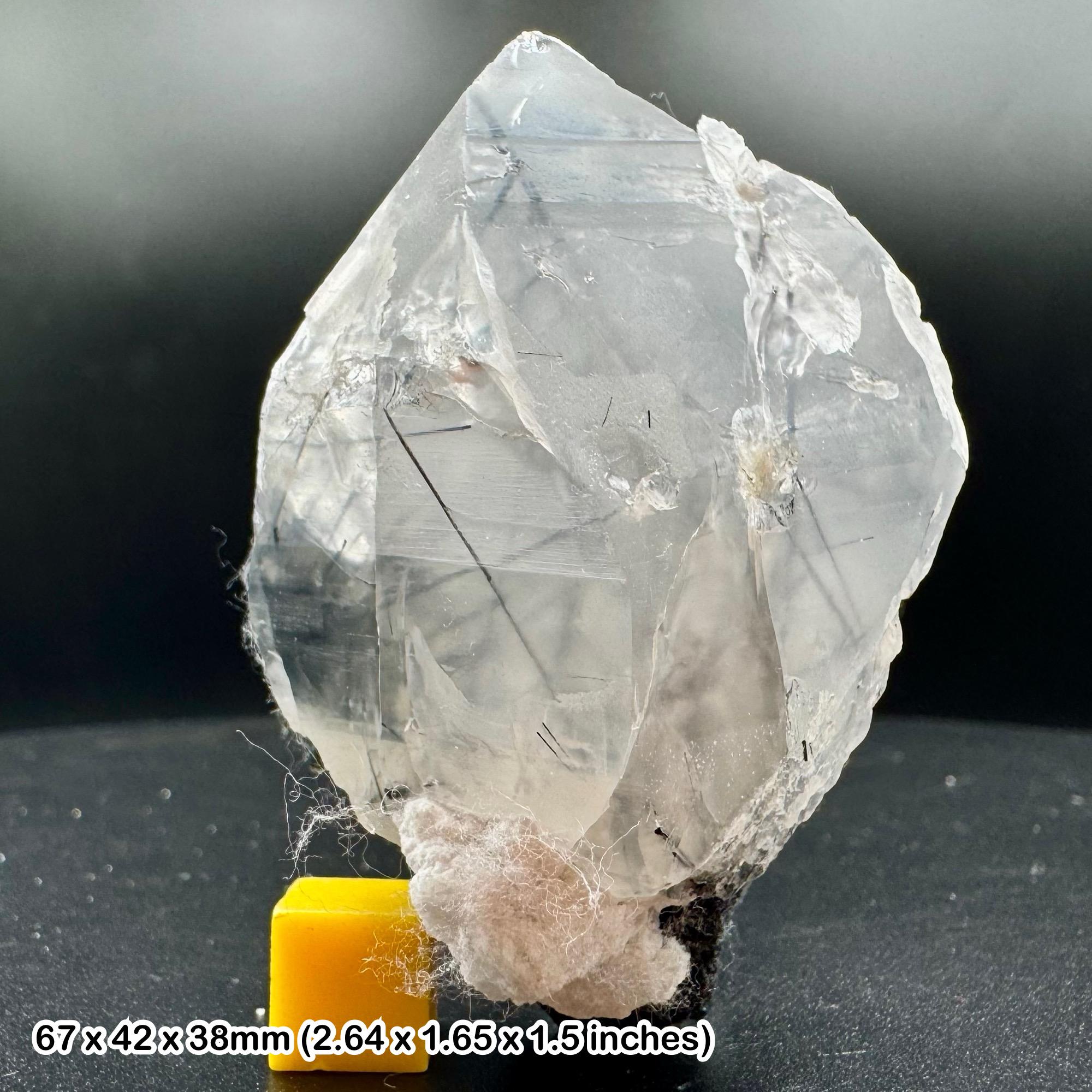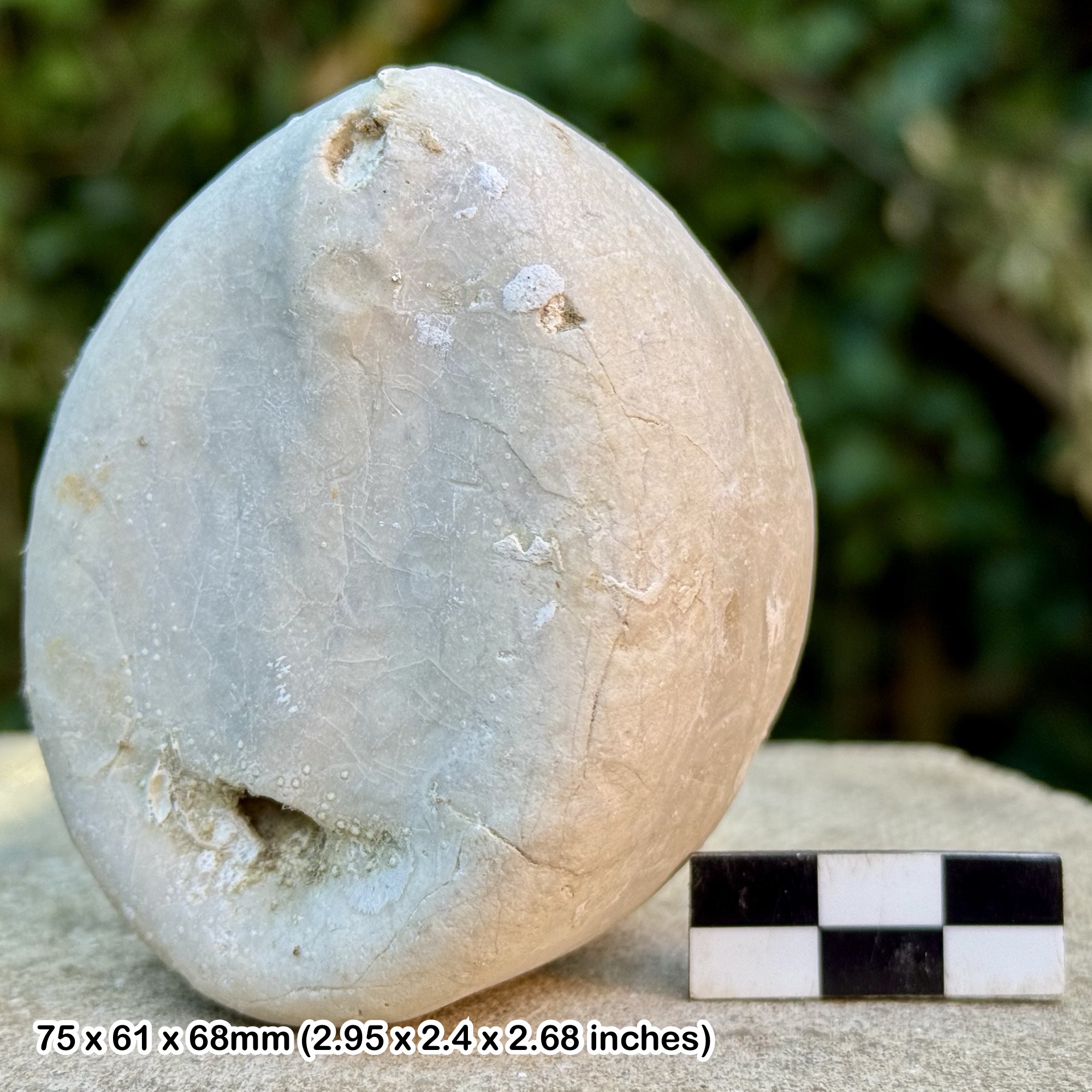
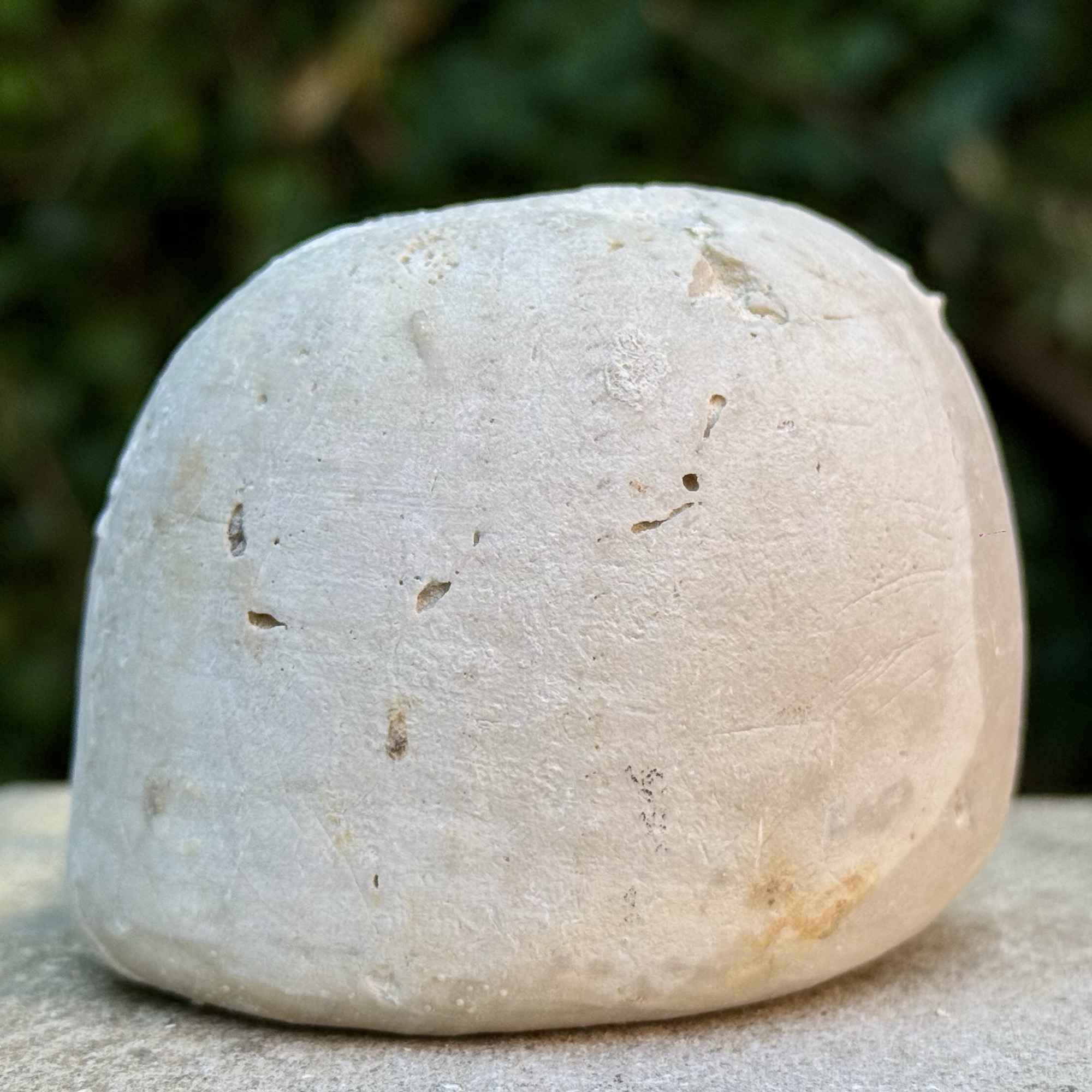
A-Grade British Chalk Fossil Echinoid – Echinocorys scutata depressula | Santonian Cretaceous Broadstairs Kent UK
£ 60.00
This is a fine-quality, A-grade fossil specimen of Echinocorys scutata
depressula, a subspecies of sea urchin from the Upper Chalk Formation, dated to the Santonian stage of the Late Cretaceous period, collected from the fossil-rich coastal site of Broadstairs, Kent, UK. This distinct form is flatter than other Echinocorys variants, making it a valuable addition to any echinoid or marine invertebrate fossil collection.Fossil Type: Echinoid (Sea Urchin)Species/Subspecies: Echinocorys scutata depressulaGeological Period: Late Cretaceous (~86.3 to 83.6 million years ago)Geological Stage: SantonianFormation: Upper Chalk (Chalk Group)Location: Broadstairs, Kent, United KingdomScale Rule: Squares/Cube = 1cm (Please refer to photo for exact sizing)Specimen: The exact specimen shown in the listing photo is what you will receiveAuthenticity: All of our fossils are 100% genuine specimens and come with a Certificate of Authenticity GEOLOGICAL AND PALEONTOLOGICAL INFORMATIONEchinocorys scutata depressula represents a distinct subspecies of the well-known chalk echinoid, notable for its depressed (flattened) profile and broad, slightly lower dome. These echinoids thrived in soft chalk marine seafloors, where they lived as infaunal deposit feeders.
• Phylum: Echinodermata
• Class: Echinoidea
• Order: Holasteroida
• Family: Holasteridae
• Genus: Echinocorys
• Subspecies: scutata depressula
• Depositional Environment: Quiet, low-energy marine shelf; deposition of coccolith-rich chalk created ideal conditions for fossilisation of echinoids and other invertebrates
• Morphological Features: Flattened, oval test (shell) with well-defined ambulacral petals; peristome and periproct typically located on flattened oral surface; delicate striae sometimes preserved
• Biozone: Likely falls within mid to late Santonian ammonite or inoceramid biozones; important for stratigraphic correlation in UK chalk studies
• Notable: This subspecies is less commonly encountered than scutata scutata and offers a refined morphotype for comparative echinoid studies WHY THIS FOSSIL IS SPECIALA beautifully preserved flattened echinoid fossil from one of Britain’s most iconic Cretaceous formations, Echinocorys scutata depressula is an excellent study specimen and a visually striking display fossil. Its low profile and complete preservation make it a particularly collectible example. WHY BUY FROM US?
• 100% genuine fossil with Certificate of Authenticity
• You will receive the exact specimen shown in the photos
• Carefully selected from reputable UK fossil sites
• Perfect for fossil collectors, paleontology educators, and museum-quality displayBring home an elegant piece of British geological history with this Echinocorys scutata depressula echinoid fossil from the Santonian Upper Chalk of Broadstairs, Kent—a well-preserved marine treasure from over 85 million years ago.
depressula, a subspecies of sea urchin from the Upper Chalk Formation, dated to the Santonian stage of the Late Cretaceous period, collected from the fossil-rich coastal site of Broadstairs, Kent, UK. This distinct form is flatter than other Echinocorys variants, making it a valuable addition to any echinoid or marine invertebrate fossil collection.Fossil Type: Echinoid (Sea Urchin)Species/Subspecies: Echinocorys scutata depressulaGeological Period: Late Cretaceous (~86.3 to 83.6 million years ago)Geological Stage: SantonianFormation: Upper Chalk (Chalk Group)Location: Broadstairs, Kent, United KingdomScale Rule: Squares/Cube = 1cm (Please refer to photo for exact sizing)Specimen: The exact specimen shown in the listing photo is what you will receiveAuthenticity: All of our fossils are 100% genuine specimens and come with a Certificate of Authenticity GEOLOGICAL AND PALEONTOLOGICAL INFORMATIONEchinocorys scutata depressula represents a distinct subspecies of the well-known chalk echinoid, notable for its depressed (flattened) profile and broad, slightly lower dome. These echinoids thrived in soft chalk marine seafloors, where they lived as infaunal deposit feeders.
• Phylum: Echinodermata
• Class: Echinoidea
• Order: Holasteroida
• Family: Holasteridae
• Genus: Echinocorys
• Subspecies: scutata depressula
• Depositional Environment: Quiet, low-energy marine shelf; deposition of coccolith-rich chalk created ideal conditions for fossilisation of echinoids and other invertebrates
• Morphological Features: Flattened, oval test (shell) with well-defined ambulacral petals; peristome and periproct typically located on flattened oral surface; delicate striae sometimes preserved
• Biozone: Likely falls within mid to late Santonian ammonite or inoceramid biozones; important for stratigraphic correlation in UK chalk studies
• Notable: This subspecies is less commonly encountered than scutata scutata and offers a refined morphotype for comparative echinoid studies WHY THIS FOSSIL IS SPECIALA beautifully preserved flattened echinoid fossil from one of Britain’s most iconic Cretaceous formations, Echinocorys scutata depressula is an excellent study specimen and a visually striking display fossil. Its low profile and complete preservation make it a particularly collectible example. WHY BUY FROM US?
• 100% genuine fossil with Certificate of Authenticity
• You will receive the exact specimen shown in the photos
• Carefully selected from reputable UK fossil sites
• Perfect for fossil collectors, paleontology educators, and museum-quality displayBring home an elegant piece of British geological history with this Echinocorys scutata depressula echinoid fossil from the Santonian Upper Chalk of Broadstairs, Kent—a well-preserved marine treasure from over 85 million years ago.