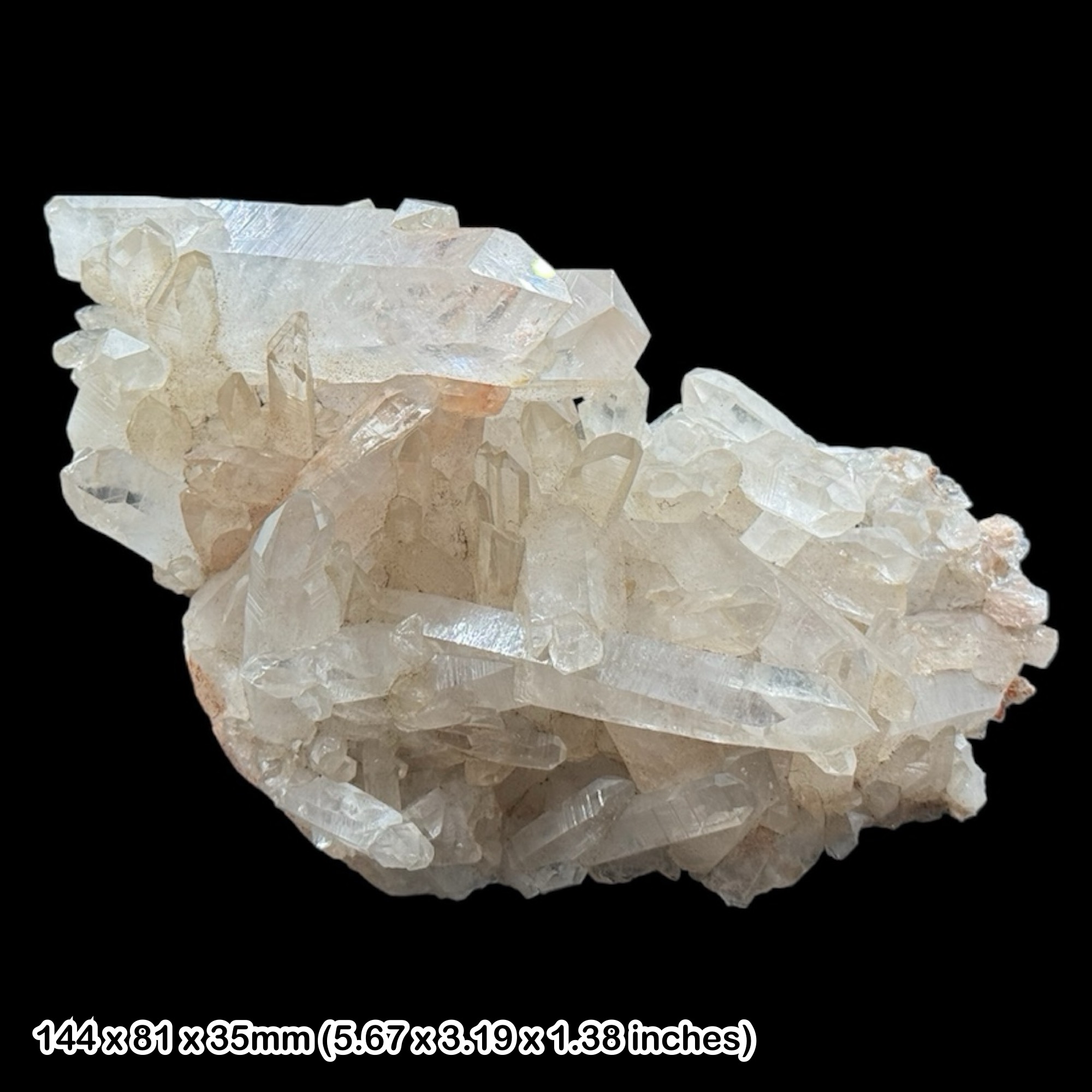
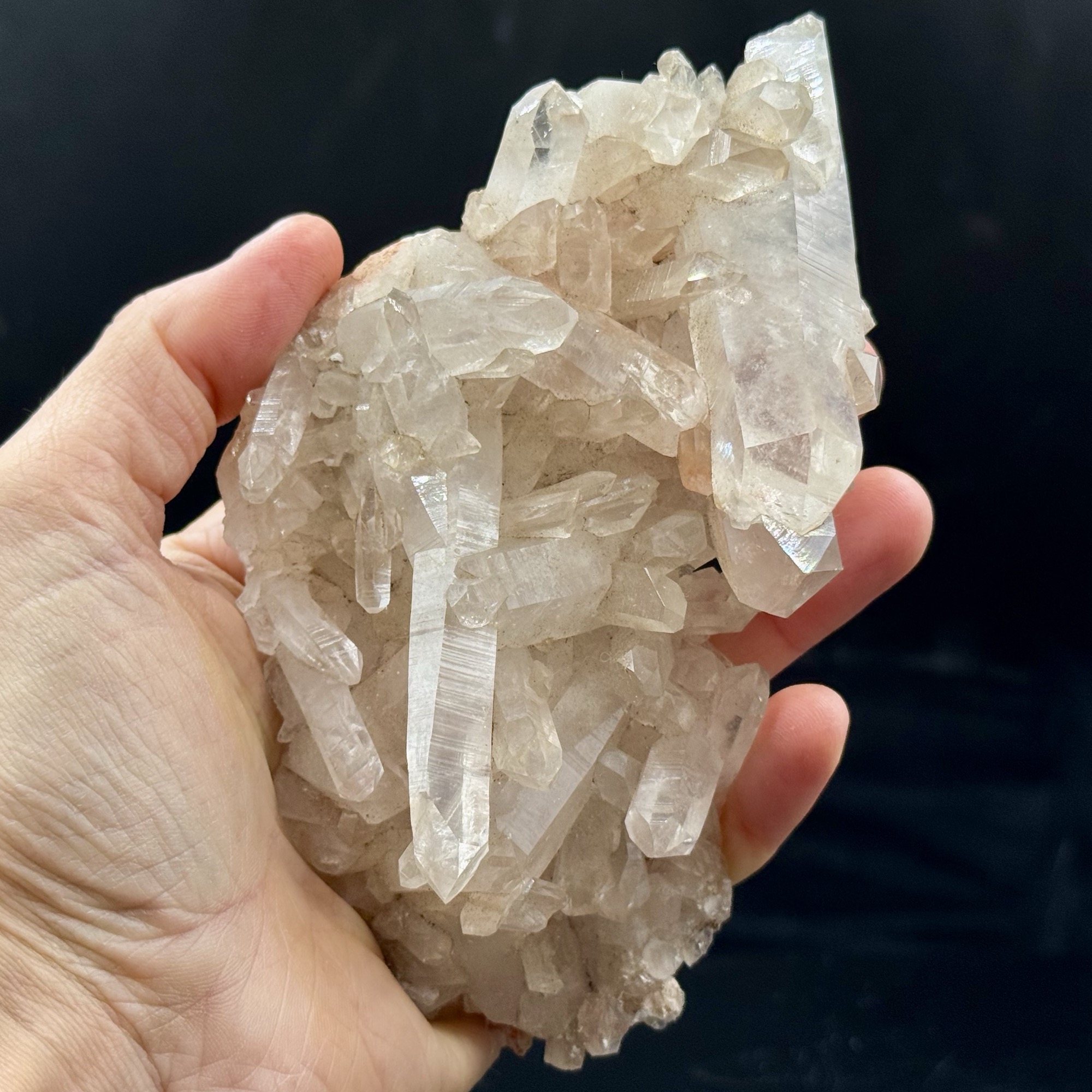
Rock Crystal Quartz Cluster Brazil Natural Clear Quartz Crystal Group Mineral Specimen
£ 36.00
Natural Rock Crystal Quartz Group – Brazilian Clear Quartz Crystal ClusterThis impressive Rock Crystal Quartz group from Brazil is a natural cluster of
clear quartz crystals displaying the classic transparent appearance and well-formed crystal points that have made quartz one of the most widely recognised minerals in the world. The specimen consists of multiple quartz points growing together from a shared base, creating a natural crystal formation that formed over millions of years through geological processes.Rock Crystal is the traditional name used for colourless, transparent quartz, and these crystal clusters are prized by mineral collectors for their clarity, structure, and natural growth patterns. The photographs in the listing show the exact specimen you will receive, allowing collectors and enthusiasts to examine the crystal terminations, internal clarity, and natural mineral features of the piece before purchase.This specimen is a genuine natural crystal and includes a Certificate of Authenticity lifetime guarantee generic card, confirming its authenticity. Quartz clusters like this are popular display pieces for mineral collections, geology displays, educational study, and decorative natural stone arrangements.Mineralogy and Crystal Classification of Rock Crystal QuartzRock Crystal is the colourless variety of quartz, composed of silicon dioxide (SiO₂). Quartz belongs to the tectosilicate mineral group and crystallises in the trigonal crystal system, forming hexagonal prismatic crystals that typically terminate in pyramidal crystal points.Quartz is one of the most abundant minerals found in the Earth’s continental crust and is widely distributed in many different geological environments. In its pure form, quartz is colourless and transparent, which is why the term "Rock Crystal" has historically been used to describe clear quartz specimens.Quartz crystals form when silica-rich fluids slowly cool and crystallise within cavities, fractures, or voids in rock. As the silica molecules arrange themselves into a repeating crystal lattice, the characteristic six-sided prism shape of quartz develops.Quartz has a hardness of 7 on the Mohs scale, making it a durable mineral that maintains sharp crystal edges and well-defined crystal faces.Crystal Cluster FormationThis specimen is a natural quartz crystal cluster, meaning multiple crystals grew together from a shared matrix during formation. Crystal clusters develop when silica-rich fluids enter open cavities within rock formations, allowing numerous crystals to nucleate and grow simultaneously.Over time, these crystals expand outward into the available space, producing groups of intergrown crystal points with varying sizes and orientations. Each point typically displays:
• A hexagonal prismatic crystal body
• A pointed termination formed by pyramidal crystal faces
• Smooth natural crystal faces created during growthThese clusters provide a striking example of natural crystal formation and are highly valued by mineral collectors for their aesthetic and geological interest.Clarity and Natural CharacteristicsRock Crystal quartz is known for its transparency and internal features. Natural characteristics commonly found within quartz crystals include:
• Clear to slightly translucent crystal bodies
• Internal veils or growth lines
• Natural inclusions formed during crystal development
• Occasional internal fractures known as "feathers"
• Natural crystal terminations with geometric symmetryThese features are created during the crystal’s geological formation and contribute to the uniqueness of each specimen.Because quartz forms naturally within geological environments, no two crystal clusters are identical, making every specimen a unique representation of mineral growth.Geological Formation and Brazilian DepositsBrazil is one of the most important sources of high-quality quartz crystals in the world. Quartz deposits in Brazil commonly occur within granitic pegmatites and hydrothermal veins, where mineral-rich fluids circulate through underground fractures and cavities.As these silica-rich fluids cool slowly, quartz crystals begin to grow along the cavity walls, eventually forming crystal clusters or geodes filled with well-developed crystal points.Brazilian quartz deposits are known for producing crystals with excellent clarity and well-formed structures. Quartz crystals found in these geological environments may occur alongside associated minerals such as:
• Feldspar
• Mica
• Tourmaline
• Calcite
• AmethystThese mineral associations reflect the complex geological conditions present during the formation of pegmatite and hydrothermal mineral deposits.Traditional and Cultural AssociationsIn various cultural traditions and modern crystal practices, Rock Crystal quartz is sometimes traditionally associated with symbolism related to clarity and spiritual reflection. These interpretations are belief-based perspectives rather than scientifically established properties. Many collectors appreciate Rock Crystal primarily for its natural transparency, crystal symmetry, and geological formation.Authenticity and Display
• Mineral Type: Rock Crystal Quartz (Clear Quartz)
• Chemical Composition: Silicon Dioxide (SiO₂)
• Mineral Group: Quartz
• Crystal System: Trigonal
• Origin: Brazil
• Formation: Natural crystal cluster group
• Colour: Colourless to transparent
• Authenticity: Genuine natural mineral specimen
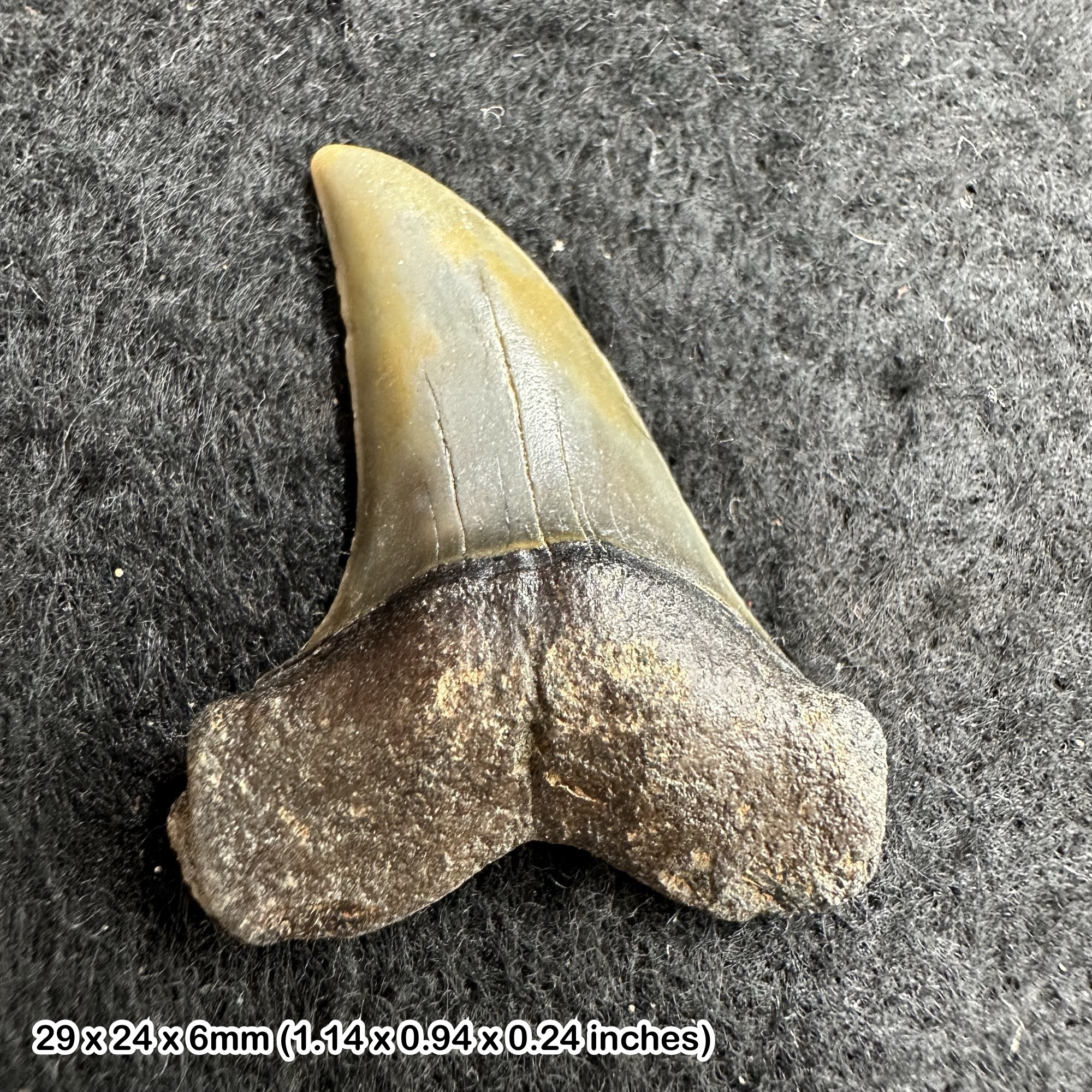
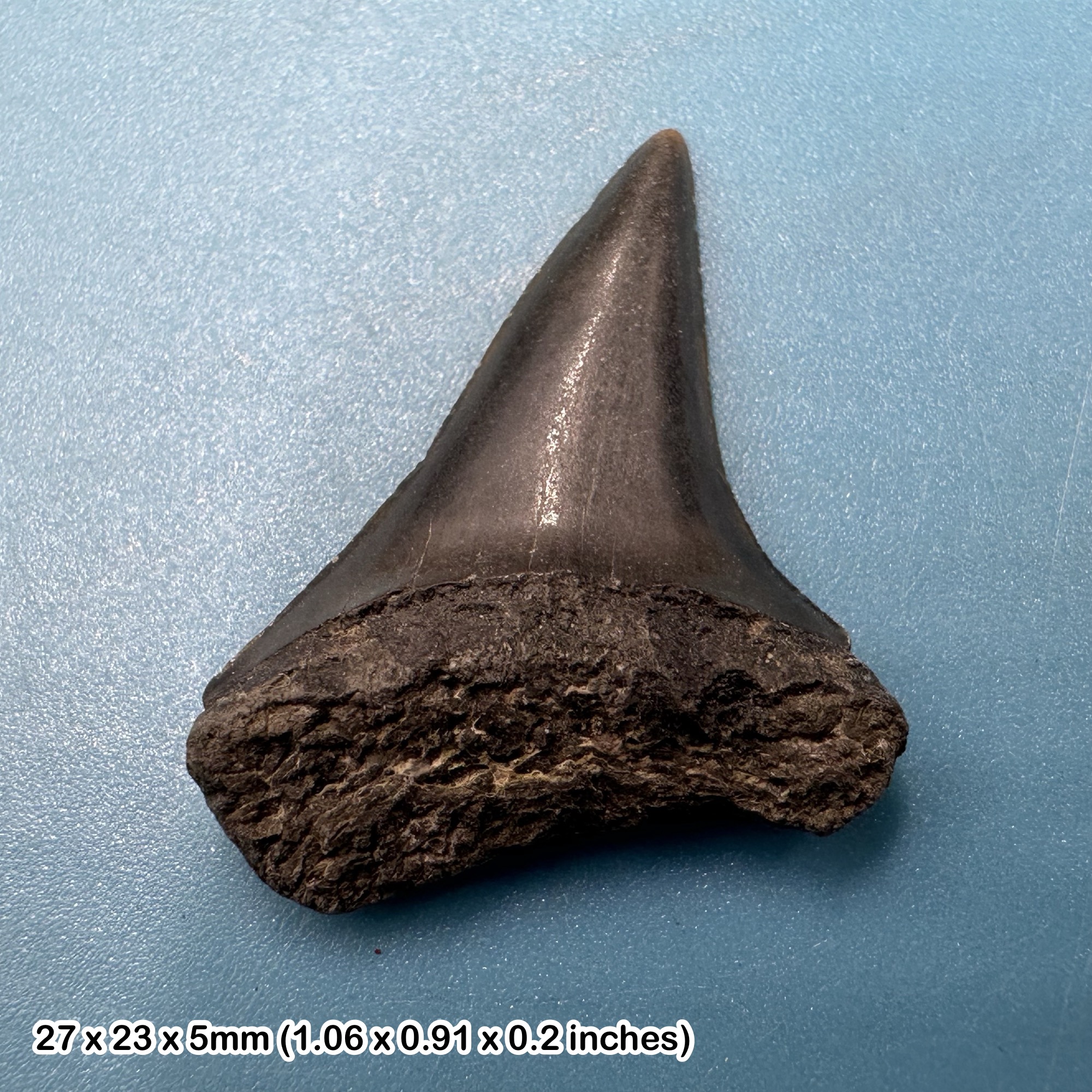
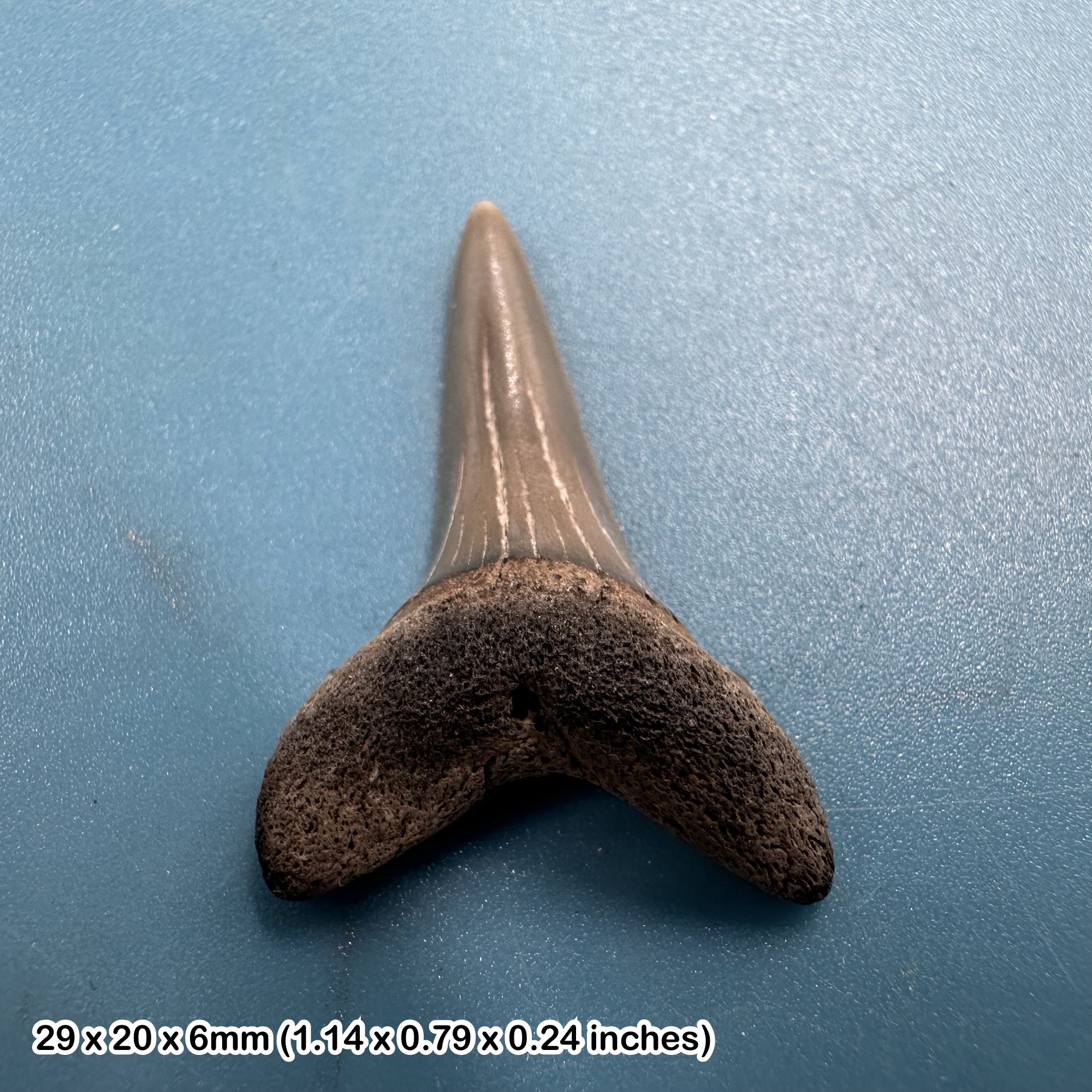
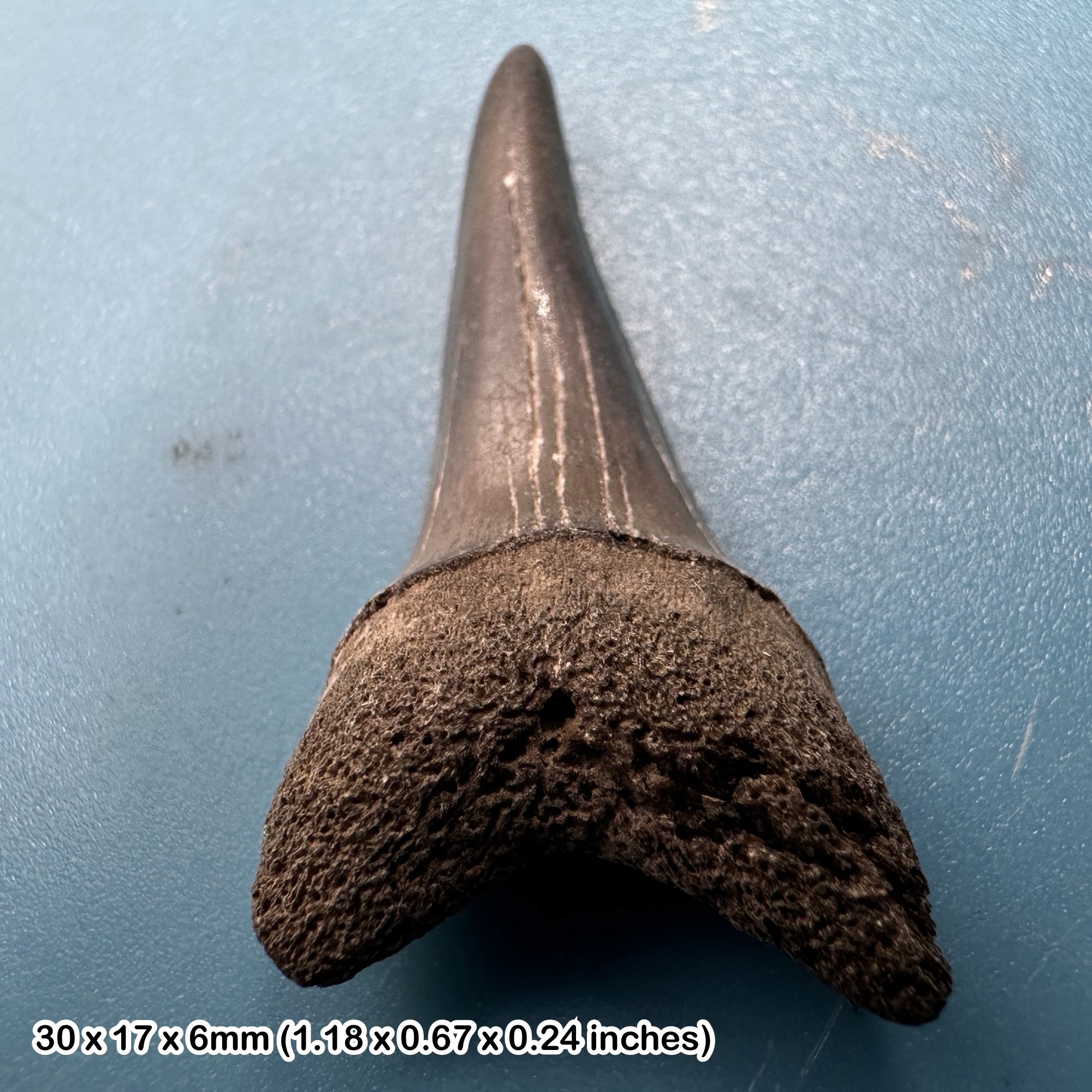
• Includes: Certificate of Authenticity lifetime guarantee generic cardFull sizing can be seen clearly in the listing photographs. The images show the exact Rock Crystal quartz cluster you will receive, ensuring collectors receive the precise specimen displayed.With its transparent crystal structure, natural cluster formation, and geological origin within Brazilian quartz deposits, this Rock Crystal group represents a classic mineral specimen admired by collectors, geology enthusiasts, and those interested in natural crystal formations.
clear quartz crystals displaying the classic transparent appearance and well-formed crystal points that have made quartz one of the most widely recognised minerals in the world. The specimen consists of multiple quartz points growing together from a shared base, creating a natural crystal formation that formed over millions of years through geological processes.Rock Crystal is the traditional name used for colourless, transparent quartz, and these crystal clusters are prized by mineral collectors for their clarity, structure, and natural growth patterns. The photographs in the listing show the exact specimen you will receive, allowing collectors and enthusiasts to examine the crystal terminations, internal clarity, and natural mineral features of the piece before purchase.This specimen is a genuine natural crystal and includes a Certificate of Authenticity lifetime guarantee generic card, confirming its authenticity. Quartz clusters like this are popular display pieces for mineral collections, geology displays, educational study, and decorative natural stone arrangements.Mineralogy and Crystal Classification of Rock Crystal QuartzRock Crystal is the colourless variety of quartz, composed of silicon dioxide (SiO₂). Quartz belongs to the tectosilicate mineral group and crystallises in the trigonal crystal system, forming hexagonal prismatic crystals that typically terminate in pyramidal crystal points.Quartz is one of the most abundant minerals found in the Earth’s continental crust and is widely distributed in many different geological environments. In its pure form, quartz is colourless and transparent, which is why the term "Rock Crystal" has historically been used to describe clear quartz specimens.Quartz crystals form when silica-rich fluids slowly cool and crystallise within cavities, fractures, or voids in rock. As the silica molecules arrange themselves into a repeating crystal lattice, the characteristic six-sided prism shape of quartz develops.Quartz has a hardness of 7 on the Mohs scale, making it a durable mineral that maintains sharp crystal edges and well-defined crystal faces.Crystal Cluster FormationThis specimen is a natural quartz crystal cluster, meaning multiple crystals grew together from a shared matrix during formation. Crystal clusters develop when silica-rich fluids enter open cavities within rock formations, allowing numerous crystals to nucleate and grow simultaneously.Over time, these crystals expand outward into the available space, producing groups of intergrown crystal points with varying sizes and orientations. Each point typically displays:
• A hexagonal prismatic crystal body
• A pointed termination formed by pyramidal crystal faces
• Smooth natural crystal faces created during growthThese clusters provide a striking example of natural crystal formation and are highly valued by mineral collectors for their aesthetic and geological interest.Clarity and Natural CharacteristicsRock Crystal quartz is known for its transparency and internal features. Natural characteristics commonly found within quartz crystals include:
• Clear to slightly translucent crystal bodies
• Internal veils or growth lines
• Natural inclusions formed during crystal development
• Occasional internal fractures known as "feathers"
• Natural crystal terminations with geometric symmetryThese features are created during the crystal’s geological formation and contribute to the uniqueness of each specimen.Because quartz forms naturally within geological environments, no two crystal clusters are identical, making every specimen a unique representation of mineral growth.Geological Formation and Brazilian DepositsBrazil is one of the most important sources of high-quality quartz crystals in the world. Quartz deposits in Brazil commonly occur within granitic pegmatites and hydrothermal veins, where mineral-rich fluids circulate through underground fractures and cavities.As these silica-rich fluids cool slowly, quartz crystals begin to grow along the cavity walls, eventually forming crystal clusters or geodes filled with well-developed crystal points.Brazilian quartz deposits are known for producing crystals with excellent clarity and well-formed structures. Quartz crystals found in these geological environments may occur alongside associated minerals such as:
• Feldspar
• Mica
• Tourmaline
• Calcite
• AmethystThese mineral associations reflect the complex geological conditions present during the formation of pegmatite and hydrothermal mineral deposits.Traditional and Cultural AssociationsIn various cultural traditions and modern crystal practices, Rock Crystal quartz is sometimes traditionally associated with symbolism related to clarity and spiritual reflection. These interpretations are belief-based perspectives rather than scientifically established properties. Many collectors appreciate Rock Crystal primarily for its natural transparency, crystal symmetry, and geological formation.Authenticity and Display
• Mineral Type: Rock Crystal Quartz (Clear Quartz)
• Chemical Composition: Silicon Dioxide (SiO₂)
• Mineral Group: Quartz
• Crystal System: Trigonal
• Origin: Brazil
• Formation: Natural crystal cluster group
• Colour: Colourless to transparent
• Authenticity: Genuine natural mineral specimen
• Includes: Certificate of Authenticity lifetime guarantee generic cardFull sizing can be seen clearly in the listing photographs. The images show the exact Rock Crystal quartz cluster you will receive, ensuring collectors receive the precise specimen displayed.With its transparent crystal structure, natural cluster formation, and geological origin within Brazilian quartz deposits, this Rock Crystal group represents a classic mineral specimen admired by collectors, geology enthusiasts, and those interested in natural crystal formations.
Other Products