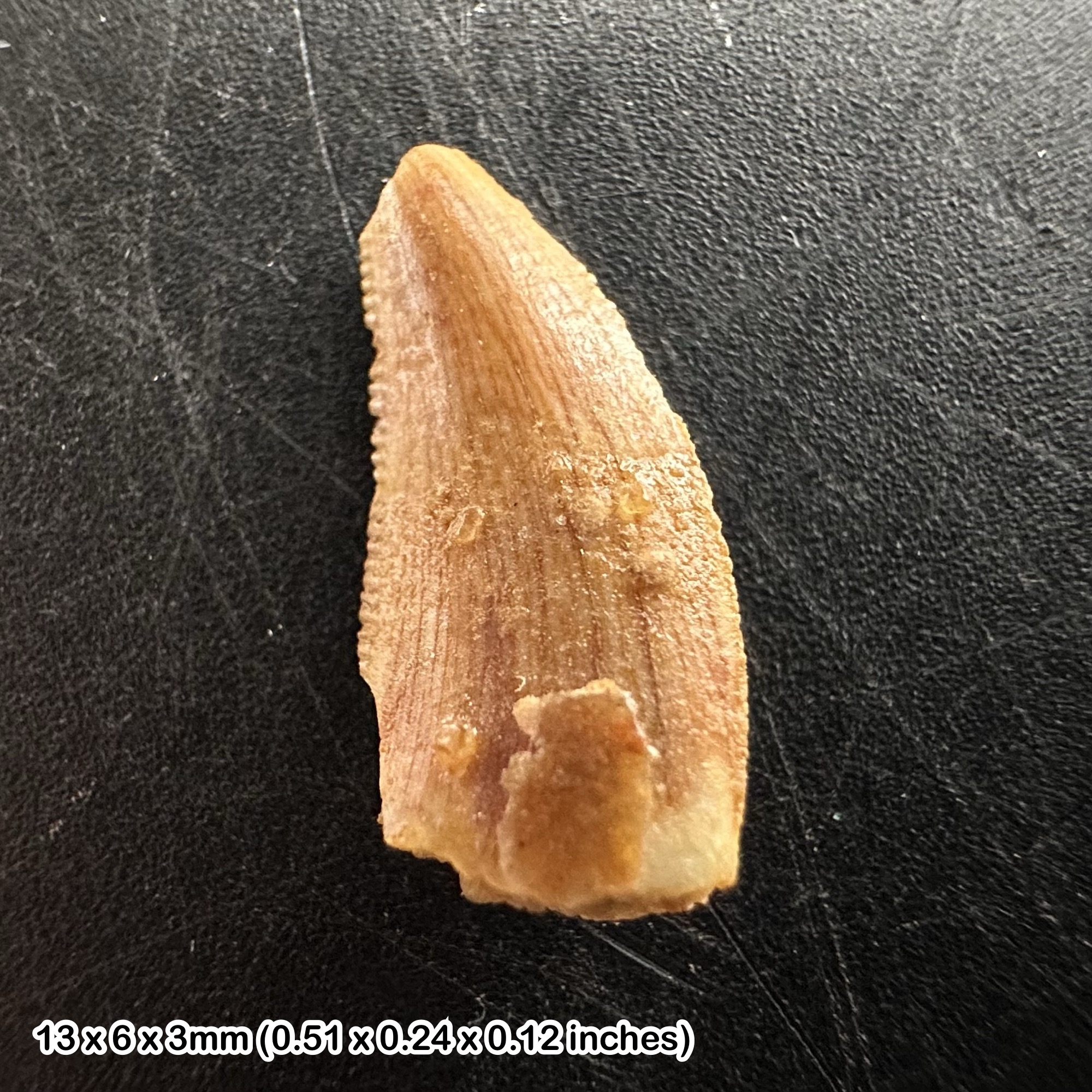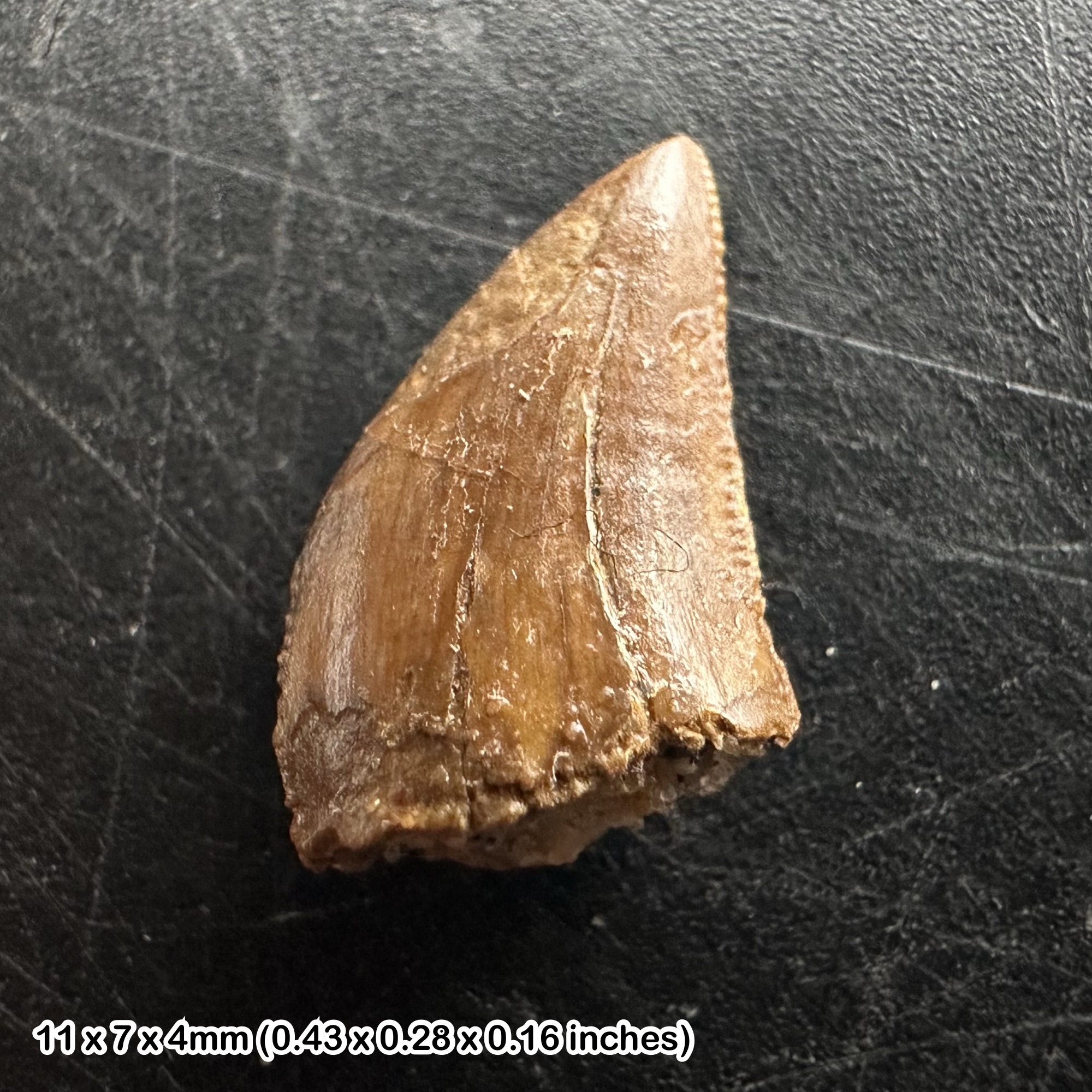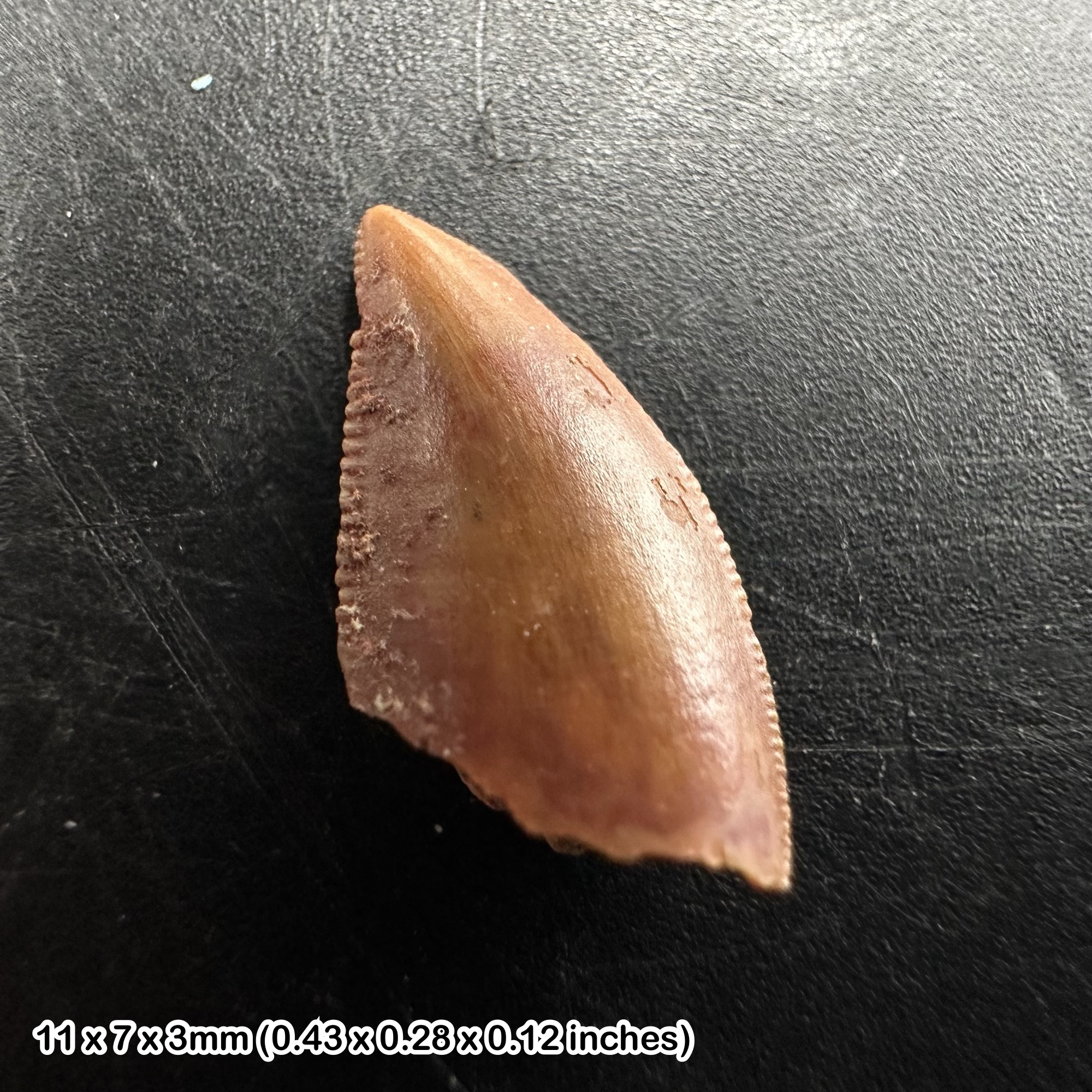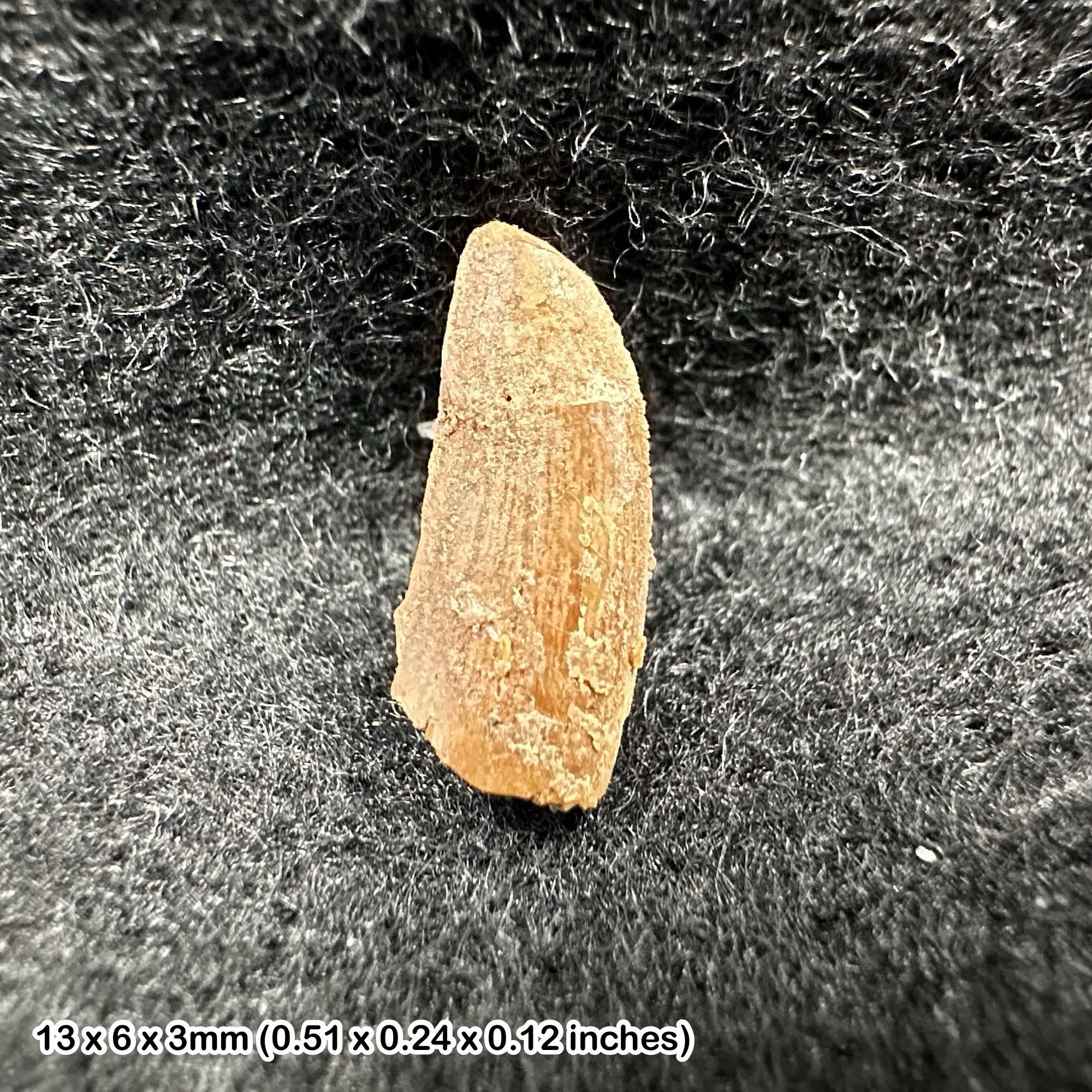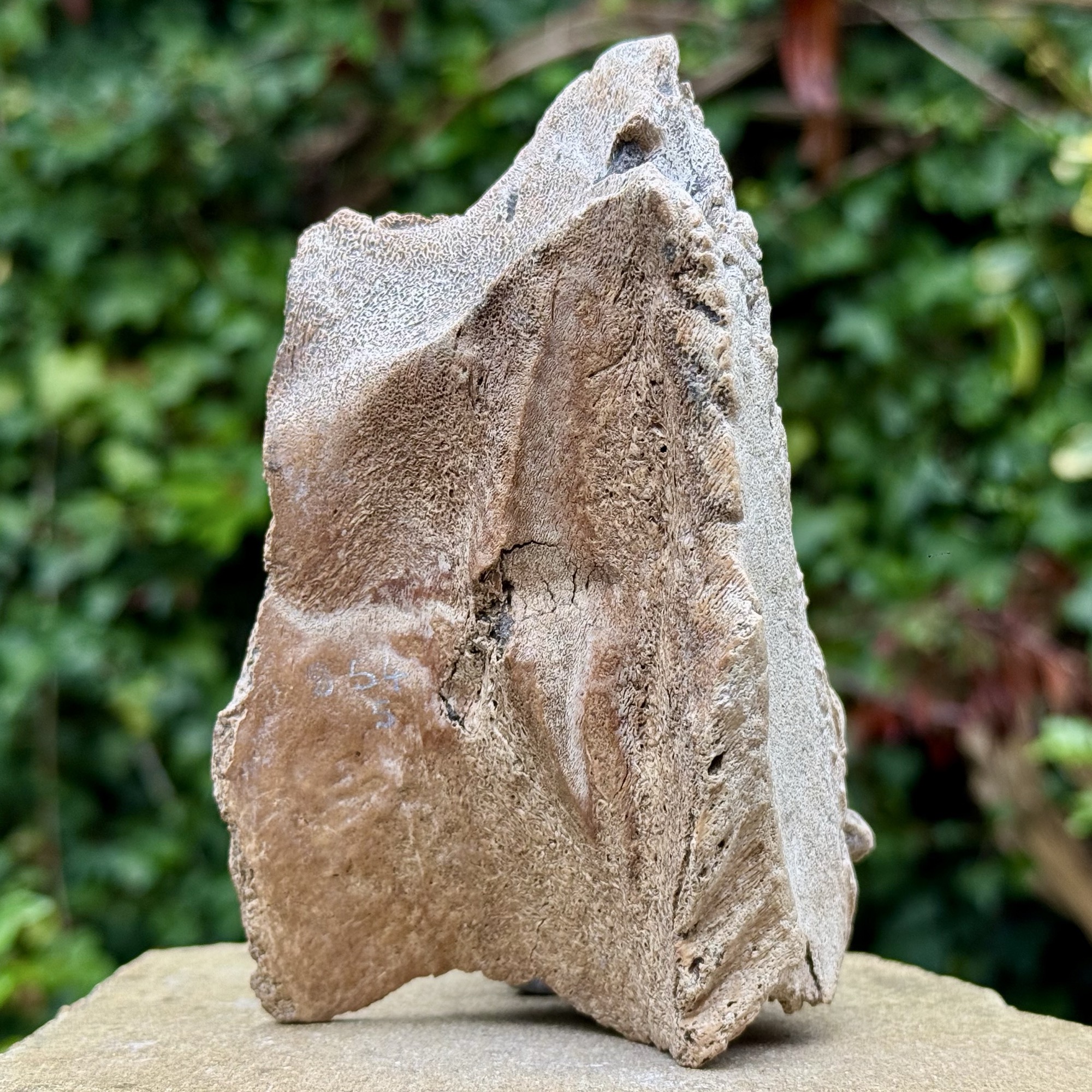
Hippopotamus Fossil Jaw Section with Tooth Socket – Pleistocene Ipswichian – Cliff Deposit – Shropham, Norfolk UK
£ 420.00
Hippopotamus sp. indet. – Fossil Front Jaw Section with Incisor Socket and
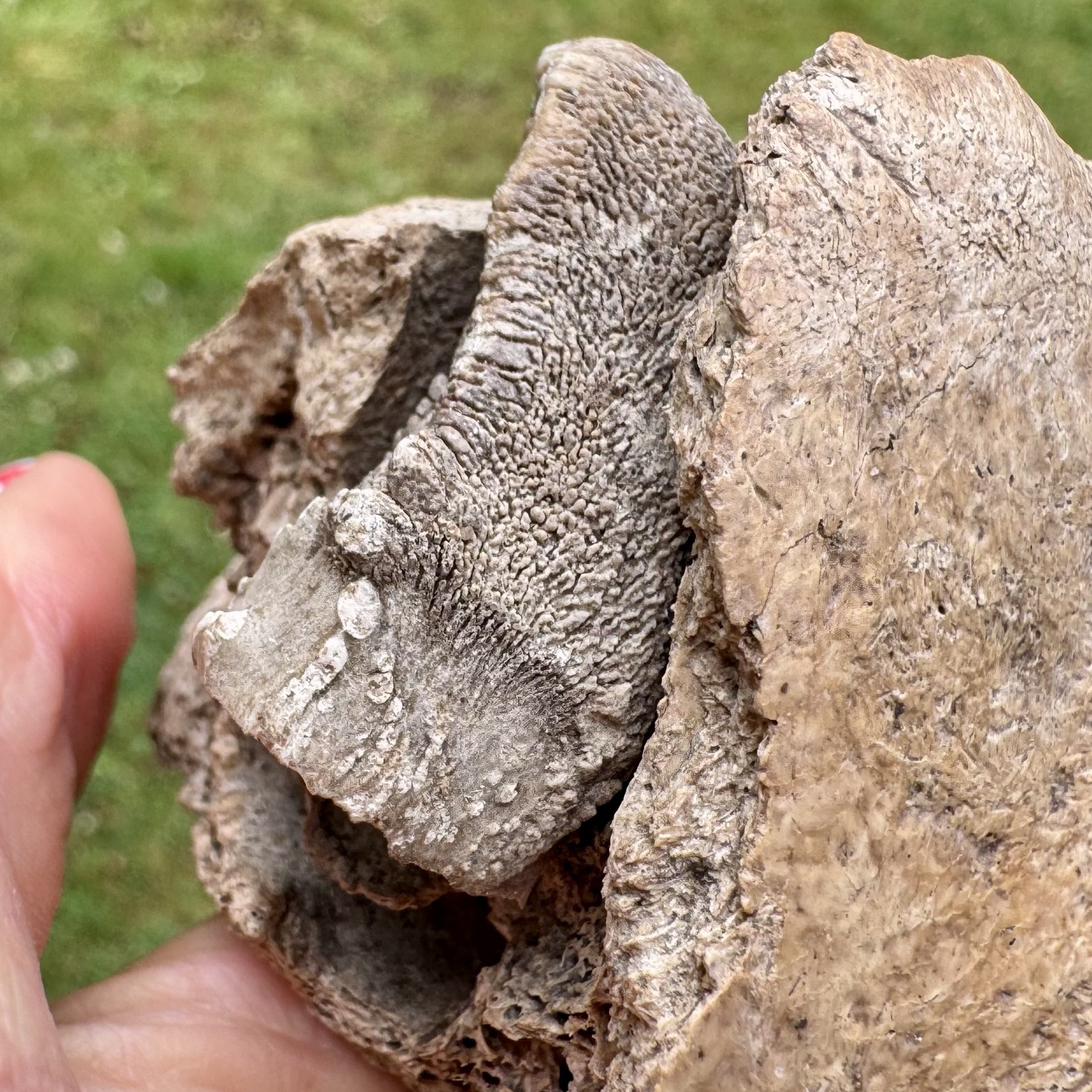
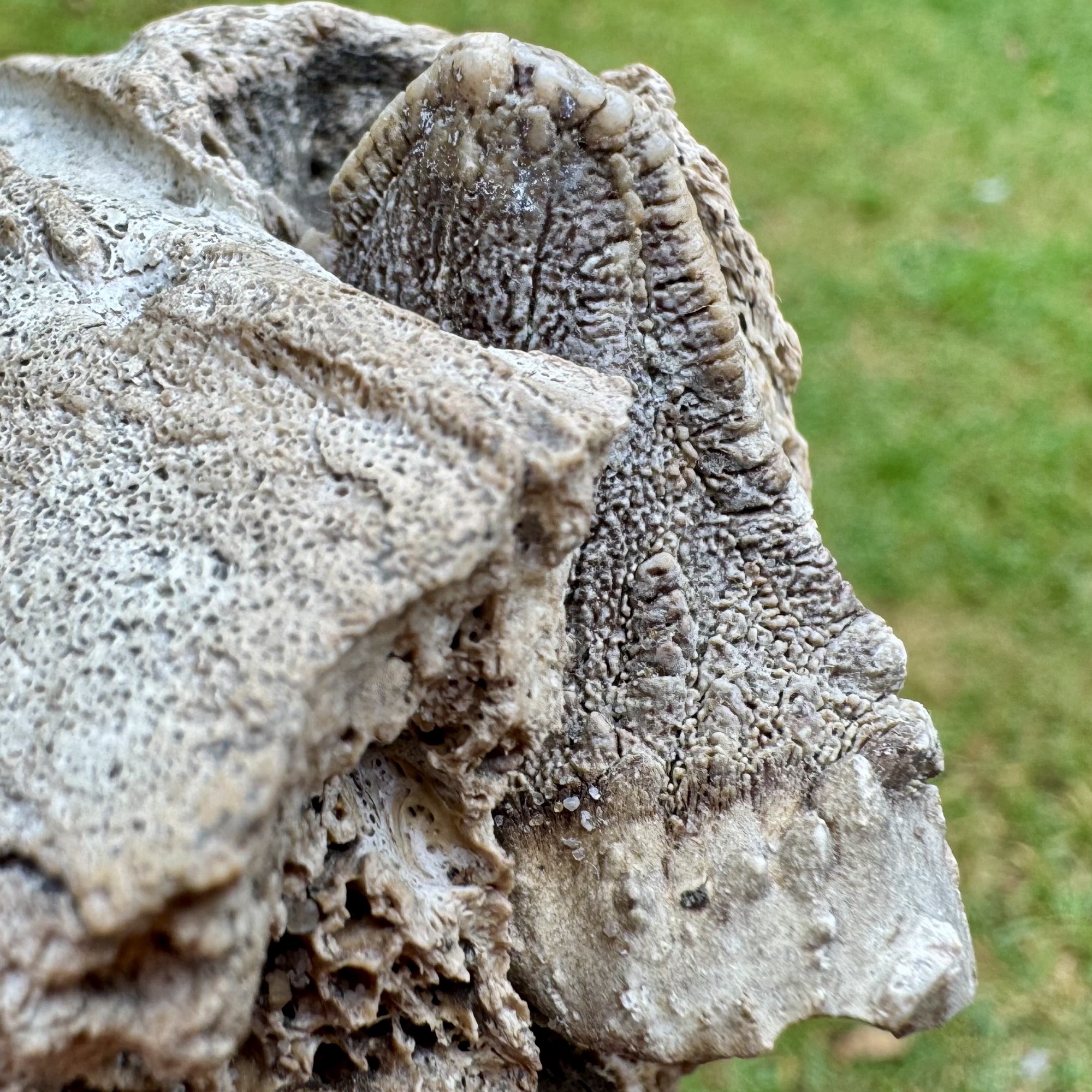
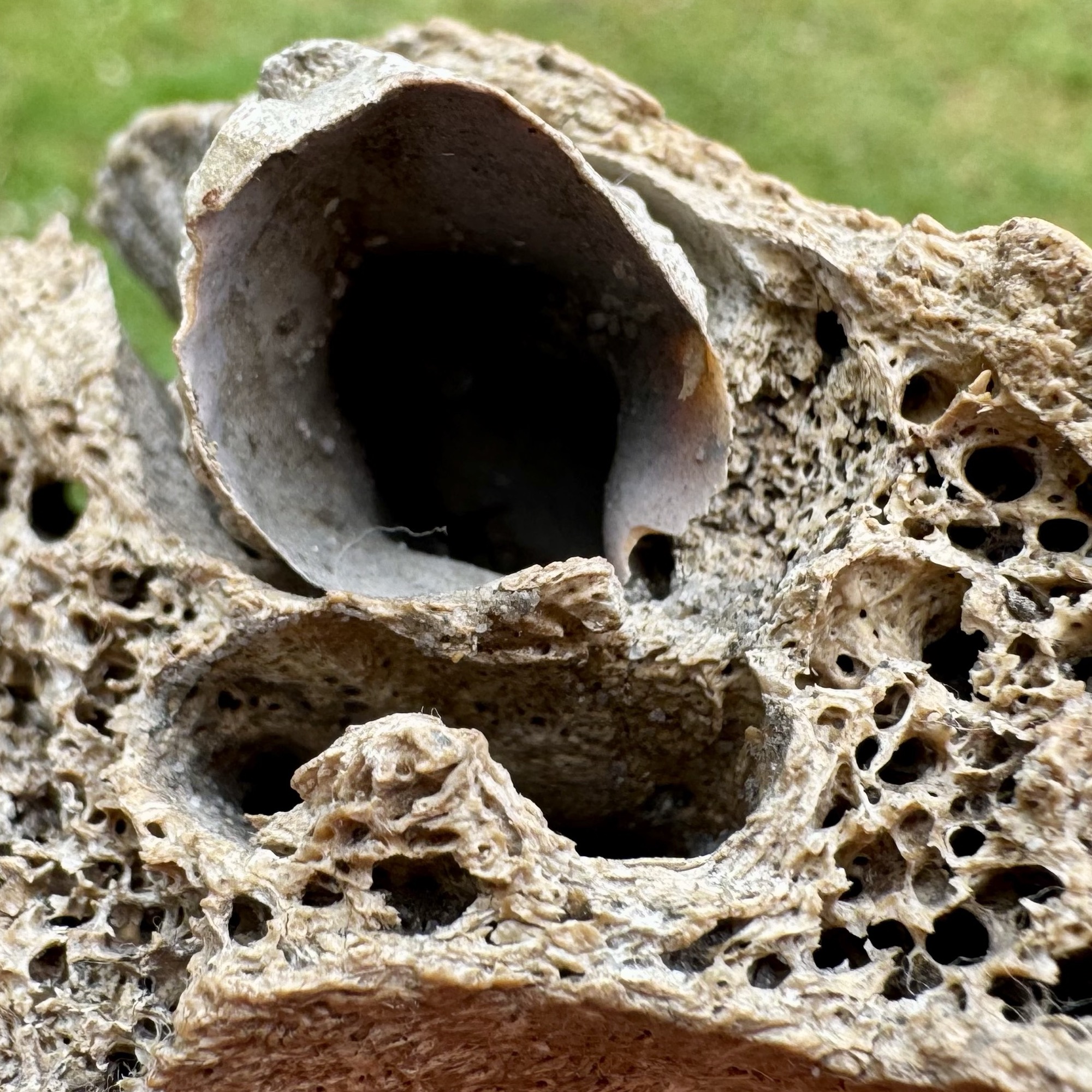
Unerupted Premolar – Pleistocene (Ipswichian Interglacial) – Cliff Deposits – Shropham, Norfolk, EnglandThis remarkable specimen is a fossilised front section of a Hippopotamus jaw, displaying a well-defined incisor socket and an unerupted premolar tooth still embedded in the bone. It was recovered from the Cliff Deposit exposures at Shropham, Norfolk, and dates to the Ipswichian Interglacial Stage of the Pleistocene Epoch, when hippopotamuses roamed temperate parts of Britain.Fossil Type: Mammal Jaw Section with Tooth FeaturesGenus: Hippopotamus sp. indet.Order: ArtiodactylaFamily: HippopotamidaeGeological Stage: Late Pleistocene – Ipswichian Interglacial (Marine Isotope Stage 5e, ~125,000 years ago)Formation: Cliff DepositsLocation: Shropham, Norfolk, United KingdomDepositional Environment: Fluvial-lacustrine and floodplain deposits associated with temperate interglacial conditionsBiozone/Zone: Associated with Ipswichian mammal assemblages, equivalent to Cromerian Complex interglacial faunasMorphology Features: The fossil section includes a prominent socket for a lower incisor, as well as a partially developed premolar still encased within the jaw bone. Hippopotamus teeth are characterised by large size, durability, and deep root structures. This unerupted premolar provides rare insight into the dental development of Pleistocene hippopotamids. The jaw bone itself is robust, with dense cortical structure typical of large terrestrial herbivores.Geological Context: The Ipswichian Interglacial was a warm phase between glacial stages, during which animals such as hippopotamuses, elephants, and lions inhabited Britain. The Cliff Deposits of Norfolk are well-known for preserving vertebrate fossils from this time, often in fluvial or pond-margin contexts. Hippopotamus remains from this period confirm repeated northward expansions during warm phases of the Quaternary.Condition: Natural break showing internal bone and unerupted premolar. Excellent preservation of the incisor socket. Some surface weathering consistent with subfossilisation. Scale Rule Squares / Cube = 1cm – please refer to the photo for full sizing.Important Note:All of our Fossils are 100% Genuine Specimens & come with a Certificate of Authenticity.A rare and scientifically valuable fragment from Britain’s Ice Age megafauna – ideal for collectors, Ice Age enthusiasts, or educational collections.
Unerupted Premolar – Pleistocene (Ipswichian Interglacial) – Cliff Deposits – Shropham, Norfolk, EnglandThis remarkable specimen is a fossilised front section of a Hippopotamus jaw, displaying a well-defined incisor socket and an unerupted premolar tooth still embedded in the bone. It was recovered from the Cliff Deposit exposures at Shropham, Norfolk, and dates to the Ipswichian Interglacial Stage of the Pleistocene Epoch, when hippopotamuses roamed temperate parts of Britain.Fossil Type: Mammal Jaw Section with Tooth FeaturesGenus: Hippopotamus sp. indet.Order: ArtiodactylaFamily: HippopotamidaeGeological Stage: Late Pleistocene – Ipswichian Interglacial (Marine Isotope Stage 5e, ~125,000 years ago)Formation: Cliff DepositsLocation: Shropham, Norfolk, United KingdomDepositional Environment: Fluvial-lacustrine and floodplain deposits associated with temperate interglacial conditionsBiozone/Zone: Associated with Ipswichian mammal assemblages, equivalent to Cromerian Complex interglacial faunasMorphology Features: The fossil section includes a prominent socket for a lower incisor, as well as a partially developed premolar still encased within the jaw bone. Hippopotamus teeth are characterised by large size, durability, and deep root structures. This unerupted premolar provides rare insight into the dental development of Pleistocene hippopotamids. The jaw bone itself is robust, with dense cortical structure typical of large terrestrial herbivores.Geological Context: The Ipswichian Interglacial was a warm phase between glacial stages, during which animals such as hippopotamuses, elephants, and lions inhabited Britain. The Cliff Deposits of Norfolk are well-known for preserving vertebrate fossils from this time, often in fluvial or pond-margin contexts. Hippopotamus remains from this period confirm repeated northward expansions during warm phases of the Quaternary.Condition: Natural break showing internal bone and unerupted premolar. Excellent preservation of the incisor socket. Some surface weathering consistent with subfossilisation. Scale Rule Squares / Cube = 1cm – please refer to the photo for full sizing.Important Note:All of our Fossils are 100% Genuine Specimens & come with a Certificate of Authenticity.A rare and scientifically valuable fragment from Britain’s Ice Age megafauna – ideal for collectors, Ice Age enthusiasts, or educational collections.