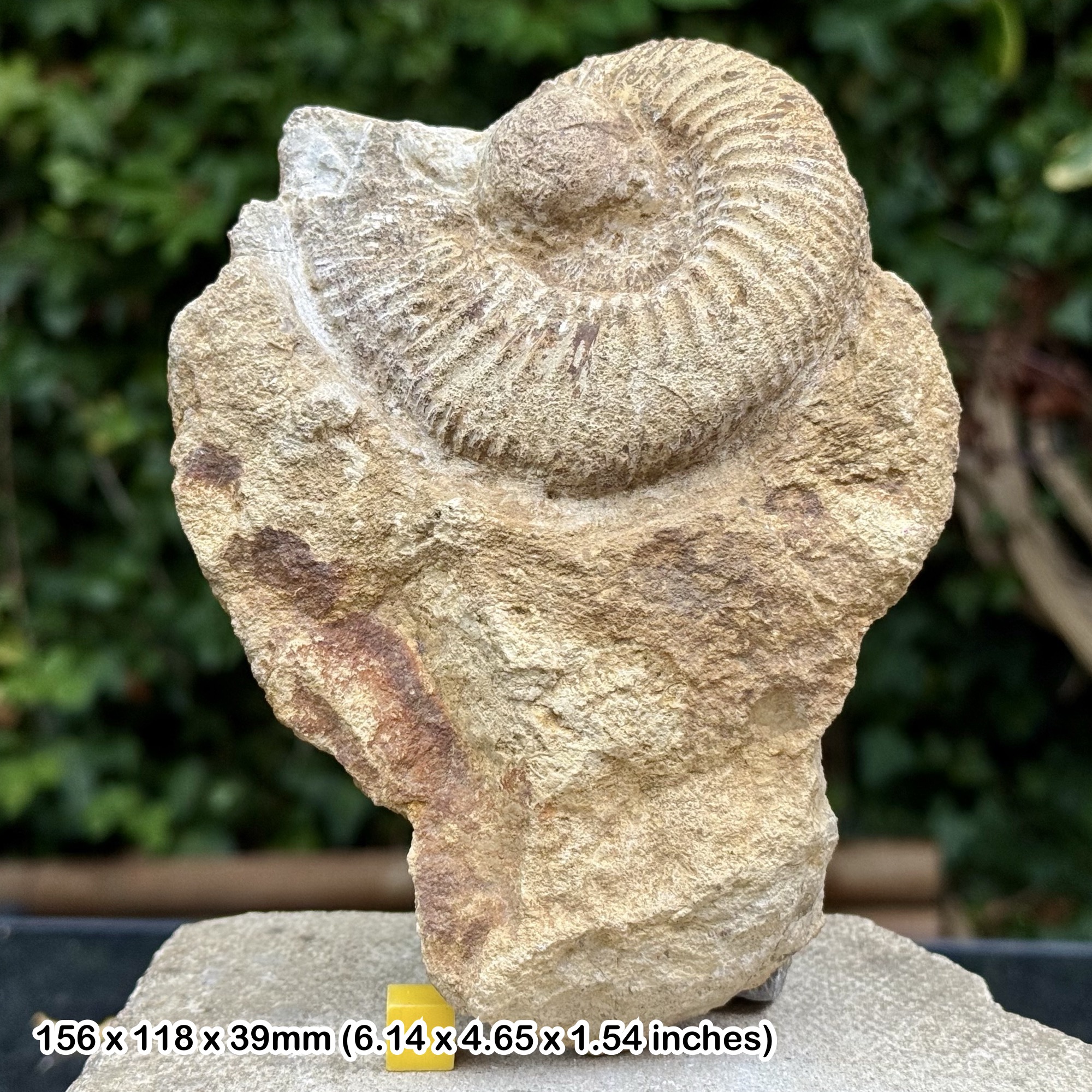
Strenoceras garentiana Ammonite Fossil Jurassic Bajocian Dorset UK Genuine Authentic COA
£ 18.00
AUTHENTIC JURASSIC FOSSIL FROM DORSET, UKThis Strenoceras garentiana ammonite fossil is a genuine specimen from the
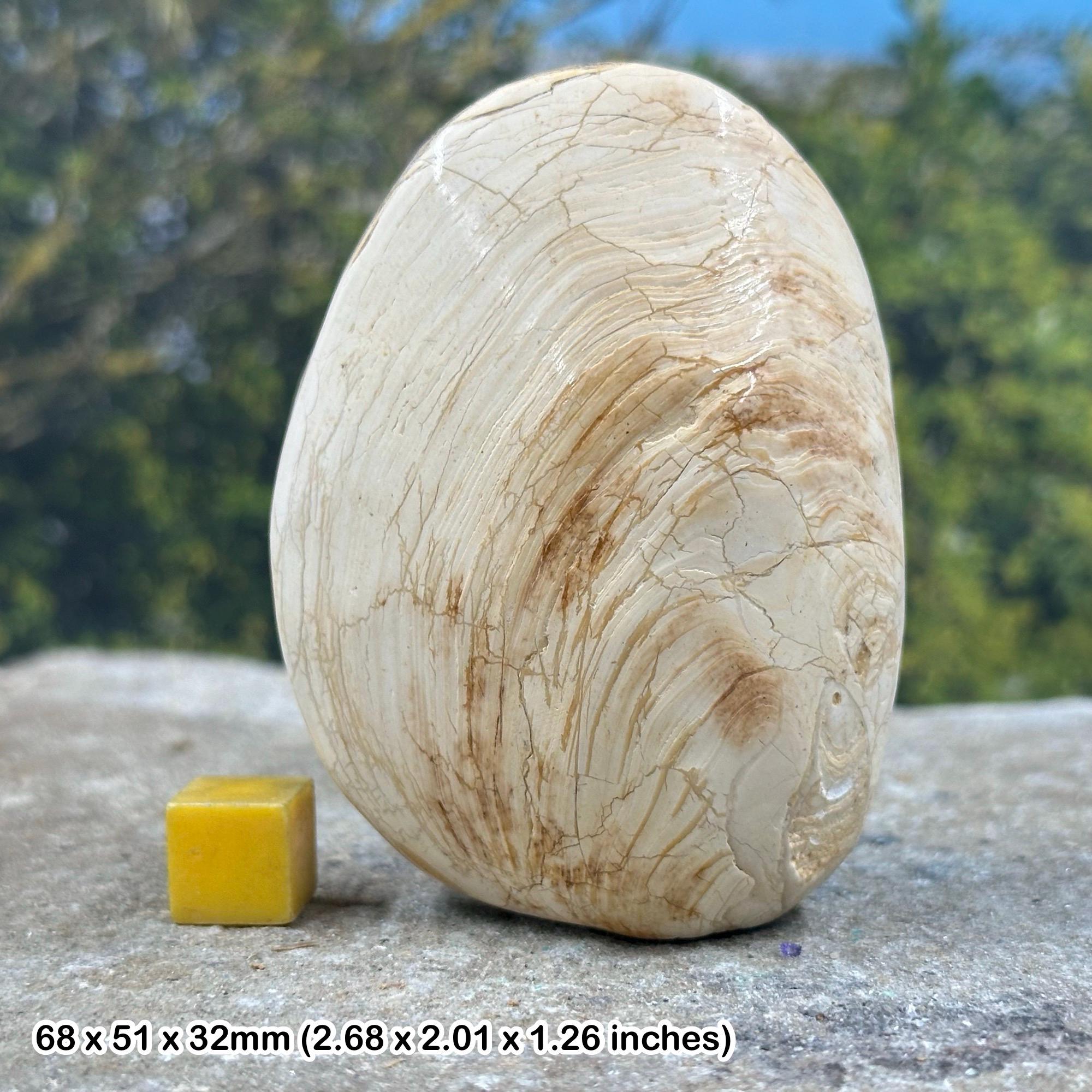
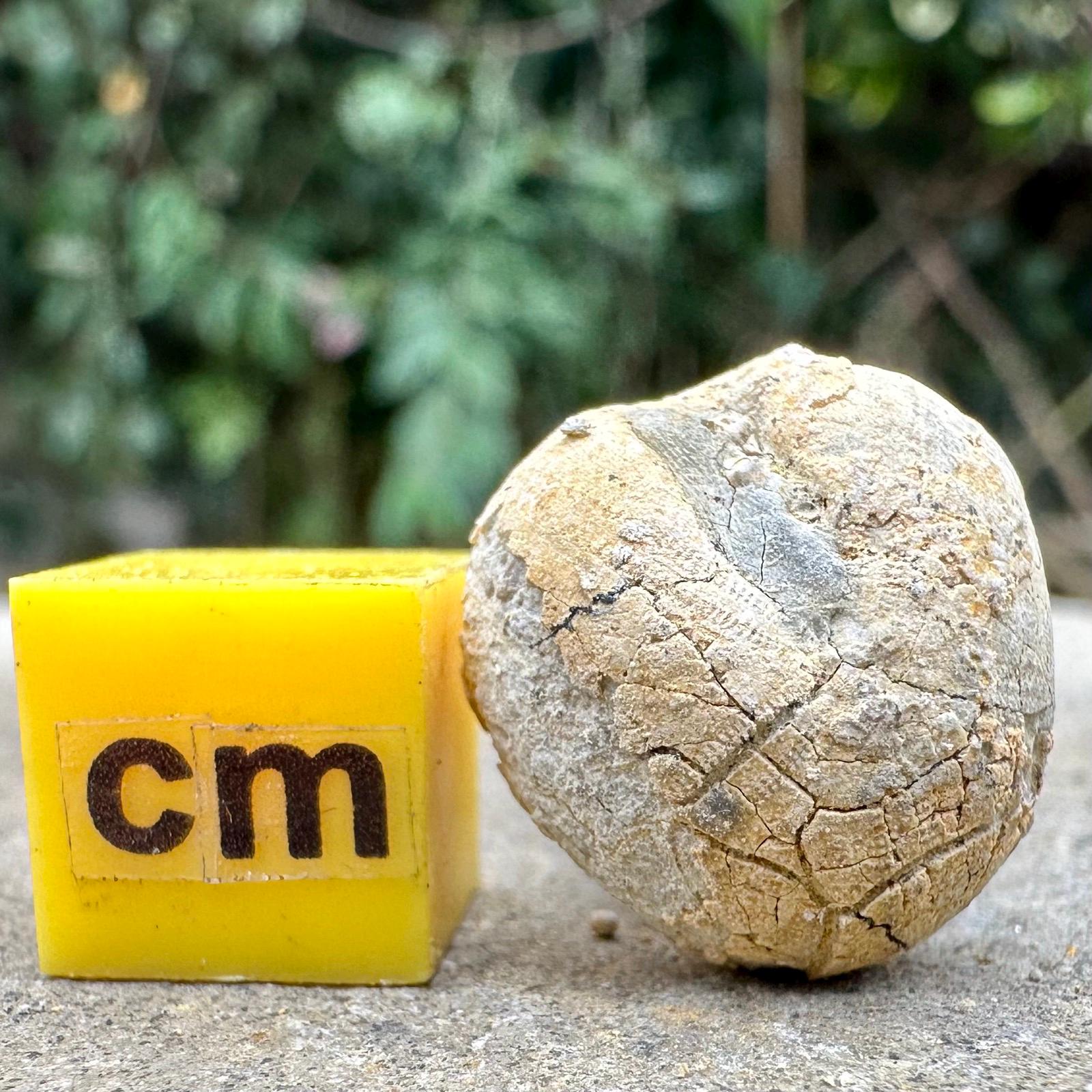
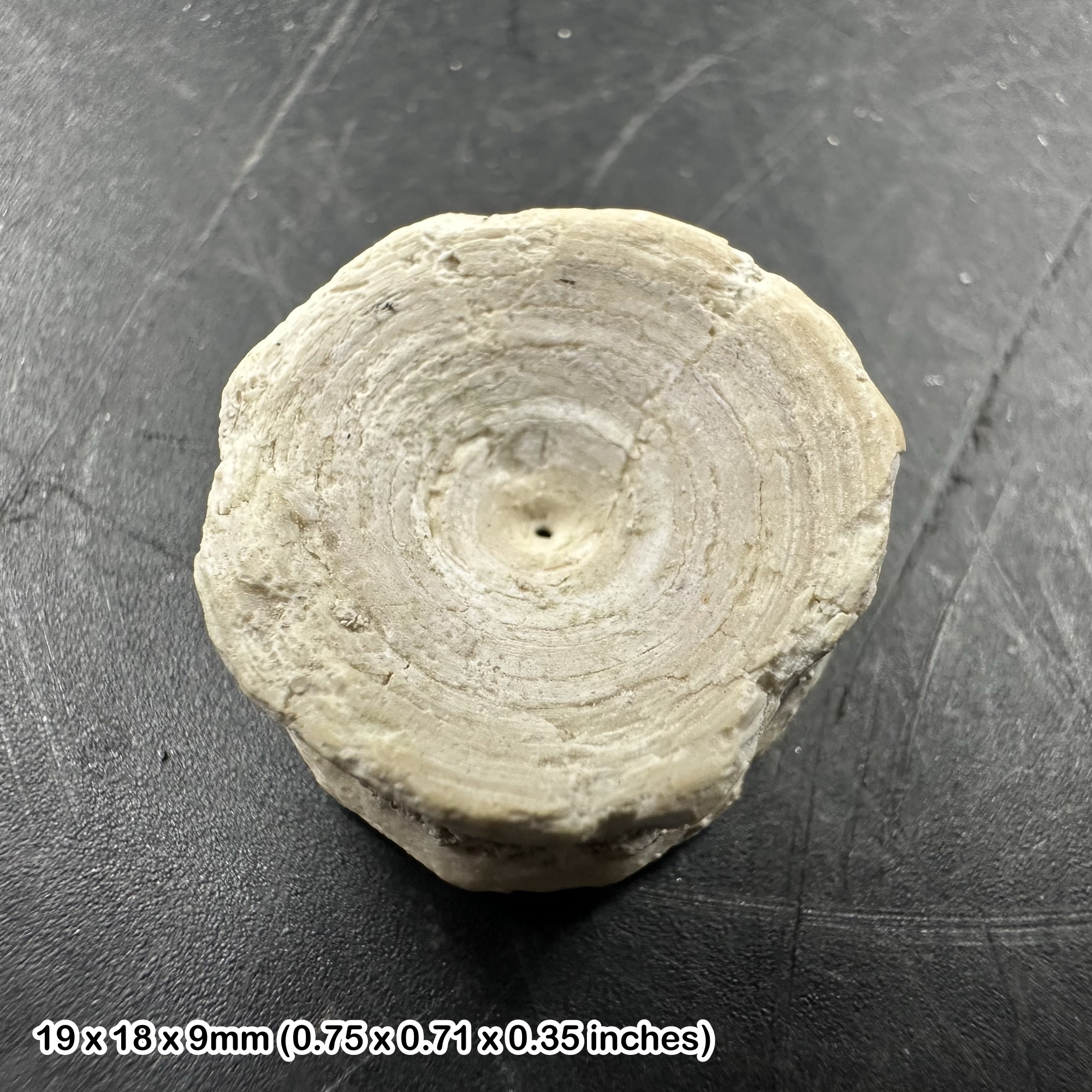
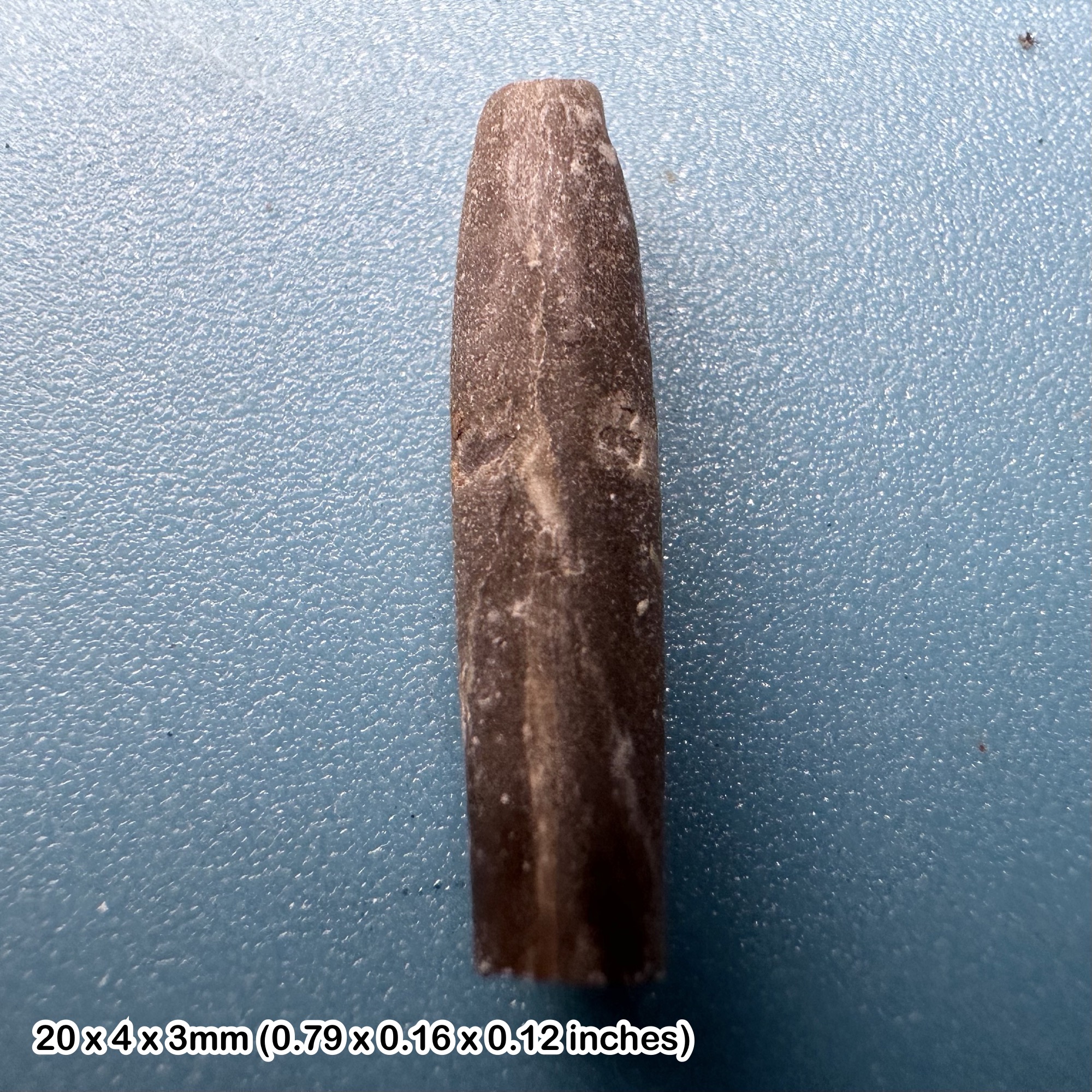
Middle Bajocian stage of the Jurassic Period, discovered at Burton Bradstock, Dorset, United Kingdom. Dorset is world-renowned for its Jurassic Coast, a UNESCO World Heritage Site, and the inland fossil localities that continue to provide extraordinary insights into Earth’s deep past. The photographs show the exact specimen you will receive, with a 1 cm scale cube provided for sizing. Every fossil comes with a Certificate of Authenticity, confirming it is 100% genuine. GEOLOGICAL AGE AND PROVENANCEDating back to the Middle Bajocian stage of the Jurassic, around 170–168 million years ago, this ammonite was preserved in the marine sediments that accumulated when much of Dorset was covered by shallow seas. These warm, nutrient-rich waters were part of the Tethys Ocean system and teemed with marine life, including ammonites, belemnites, bivalves, and marine reptiles. The sedimentary environment at Burton Bradstock provided ideal conditions for fossilisation, allowing delicate shell structures to be preserved in remarkable detail. SPECIES IDENTIFICATION AND CLASSIFICATIONStrenoceras garentiana belongs to the class Cephalopoda, order Ammonitida, superfamily Stephanoceratoidea, and family Stephanoceratidae. The genus Strenoceras is one of the iconic ammonites of the Bajocian stage, and the species garentiana is of particular biostratigraphic significance. As an important index fossil, Strenoceras garentiana is used by geologists to identify and date Bajocian deposits across Europe. Its presence in stratigraphic layers has been critical for refining the subdivision of the Jurassic timescale. MORPHOLOGY AND DISTINCTIVE TRAITSThis ammonite displays the characteristic features of Strenoceras garentiana. Its shell is involute, with strong, well-defined ribs that cross the flanks and continue over the venter in a bold, rhythmic pattern. The ribs are often bifurcated or trifurcated, giving the shell an ornate and striking appearance. These structural reinforcements provided strength and likely aided in hydrodynamic stability as the ammonite navigated Jurassic seas. The compressed whorls and decorative ribbing make it a visually captivating fossil and an excellent representation of Bajocian ammonites. SCIENTIFIC AND STRATIGRAPHIC IMPORTANCEStrenoceras garentiana holds a key place in Jurassic biostratigraphy. Its limited stratigraphic range, combined with its distinctive morphology, makes it an essential index fossil for the Middle Bajocian. This allows paleontologists to establish precise biozones that can be correlated across wide geographic areas. Such fossils help reconstruct ancient environments, track evolutionary trends in cephalopods, and refine the Jurassic geologic timescale. For collectors, owning a specimen like this offers both scientific significance and a piece of natural history that is millions of years old. CONDITION AND PRESENTATIONThis fossil has been carefully prepared to highlight its natural features. The ribbing, whorl structure, and overall shell morphology are all clearly preserved, showing the diagnostic traits of the species. It is a one-of-a-kind specimen, never a cast or reproduction. The photographs provided are of the actual fossil you will receive, ensuring complete transparency and authenticity. Its quality preservation makes it suitable for display in a personal collection, educational setting, or museum exhibit. GUARANTEE OF AUTHENTICITYAll of our fossils are 100% genuine, responsibly sourced, and scientifically identified. Each comes with a Certificate of Authenticity. This Strenoceras garentiana ammonite fossil from Burton Bradstock, Dorset, is a rare and scientifically valuable example of Bajocian ammonites, making it an excellent choice for collectors, natural history enthusiasts, and academic institutions.
Middle Bajocian stage of the Jurassic Period, discovered at Burton Bradstock, Dorset, United Kingdom. Dorset is world-renowned for its Jurassic Coast, a UNESCO World Heritage Site, and the inland fossil localities that continue to provide extraordinary insights into Earth’s deep past. The photographs show the exact specimen you will receive, with a 1 cm scale cube provided for sizing. Every fossil comes with a Certificate of Authenticity, confirming it is 100% genuine. GEOLOGICAL AGE AND PROVENANCEDating back to the Middle Bajocian stage of the Jurassic, around 170–168 million years ago, this ammonite was preserved in the marine sediments that accumulated when much of Dorset was covered by shallow seas. These warm, nutrient-rich waters were part of the Tethys Ocean system and teemed with marine life, including ammonites, belemnites, bivalves, and marine reptiles. The sedimentary environment at Burton Bradstock provided ideal conditions for fossilisation, allowing delicate shell structures to be preserved in remarkable detail. SPECIES IDENTIFICATION AND CLASSIFICATIONStrenoceras garentiana belongs to the class Cephalopoda, order Ammonitida, superfamily Stephanoceratoidea, and family Stephanoceratidae. The genus Strenoceras is one of the iconic ammonites of the Bajocian stage, and the species garentiana is of particular biostratigraphic significance. As an important index fossil, Strenoceras garentiana is used by geologists to identify and date Bajocian deposits across Europe. Its presence in stratigraphic layers has been critical for refining the subdivision of the Jurassic timescale. MORPHOLOGY AND DISTINCTIVE TRAITSThis ammonite displays the characteristic features of Strenoceras garentiana. Its shell is involute, with strong, well-defined ribs that cross the flanks and continue over the venter in a bold, rhythmic pattern. The ribs are often bifurcated or trifurcated, giving the shell an ornate and striking appearance. These structural reinforcements provided strength and likely aided in hydrodynamic stability as the ammonite navigated Jurassic seas. The compressed whorls and decorative ribbing make it a visually captivating fossil and an excellent representation of Bajocian ammonites. SCIENTIFIC AND STRATIGRAPHIC IMPORTANCEStrenoceras garentiana holds a key place in Jurassic biostratigraphy. Its limited stratigraphic range, combined with its distinctive morphology, makes it an essential index fossil for the Middle Bajocian. This allows paleontologists to establish precise biozones that can be correlated across wide geographic areas. Such fossils help reconstruct ancient environments, track evolutionary trends in cephalopods, and refine the Jurassic geologic timescale. For collectors, owning a specimen like this offers both scientific significance and a piece of natural history that is millions of years old. CONDITION AND PRESENTATIONThis fossil has been carefully prepared to highlight its natural features. The ribbing, whorl structure, and overall shell morphology are all clearly preserved, showing the diagnostic traits of the species. It is a one-of-a-kind specimen, never a cast or reproduction. The photographs provided are of the actual fossil you will receive, ensuring complete transparency and authenticity. Its quality preservation makes it suitable for display in a personal collection, educational setting, or museum exhibit. GUARANTEE OF AUTHENTICITYAll of our fossils are 100% genuine, responsibly sourced, and scientifically identified. Each comes with a Certificate of Authenticity. This Strenoceras garentiana ammonite fossil from Burton Bradstock, Dorset, is a rare and scientifically valuable example of Bajocian ammonites, making it an excellent choice for collectors, natural history enthusiasts, and academic institutions.