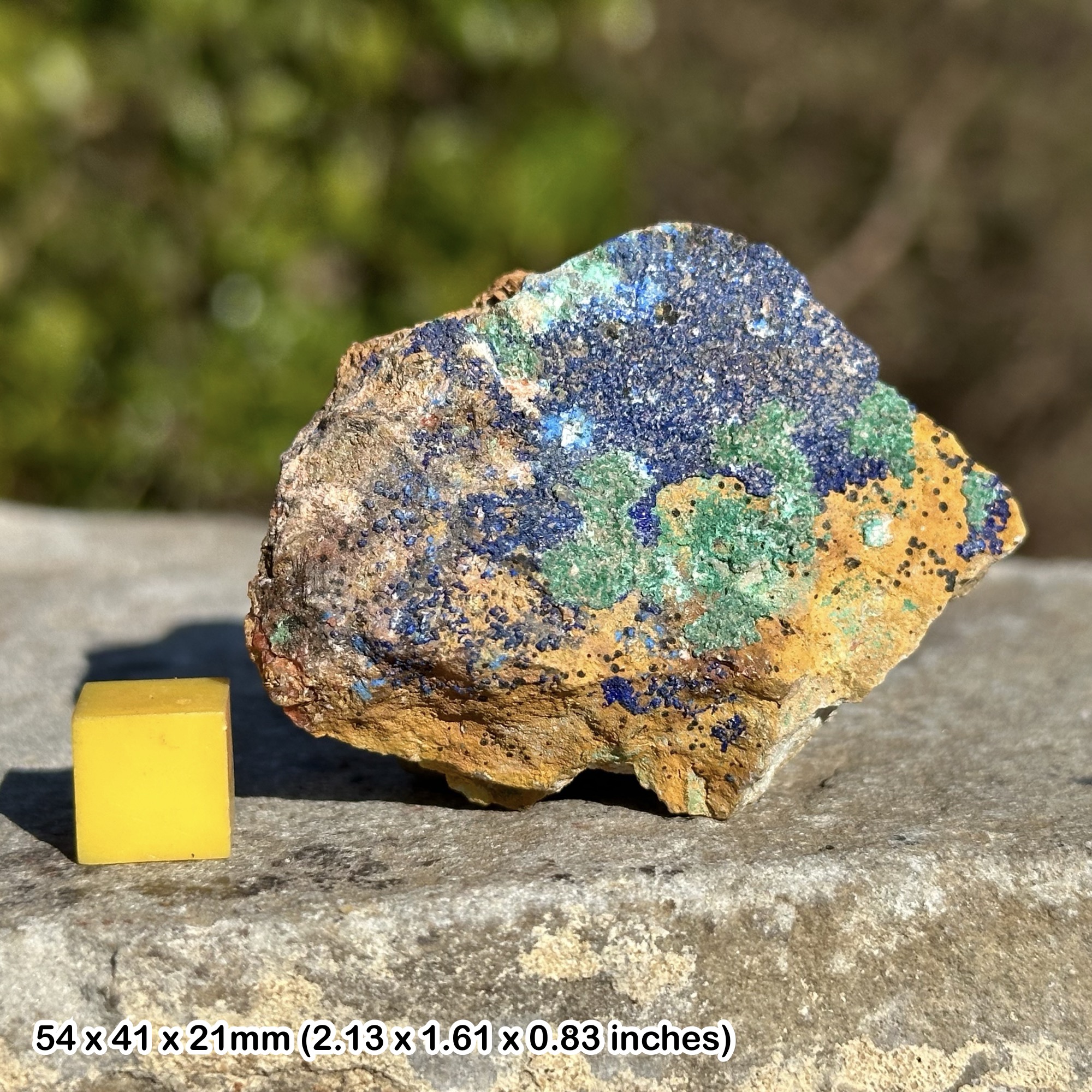
Azurite Crystal on Matrix Morocco Deep Blue Copper Mineral Specimen Collectors Display Piece Natural Azurite Crystals Geological Sample
£ 7.50
AZURITE CRYSTAL ON MATRIX – NATURAL DEEP BLUE COPPER CARBONATE FROM MOROCCOThis Azurite crystal specimen on natural matrix from Morocco features small but
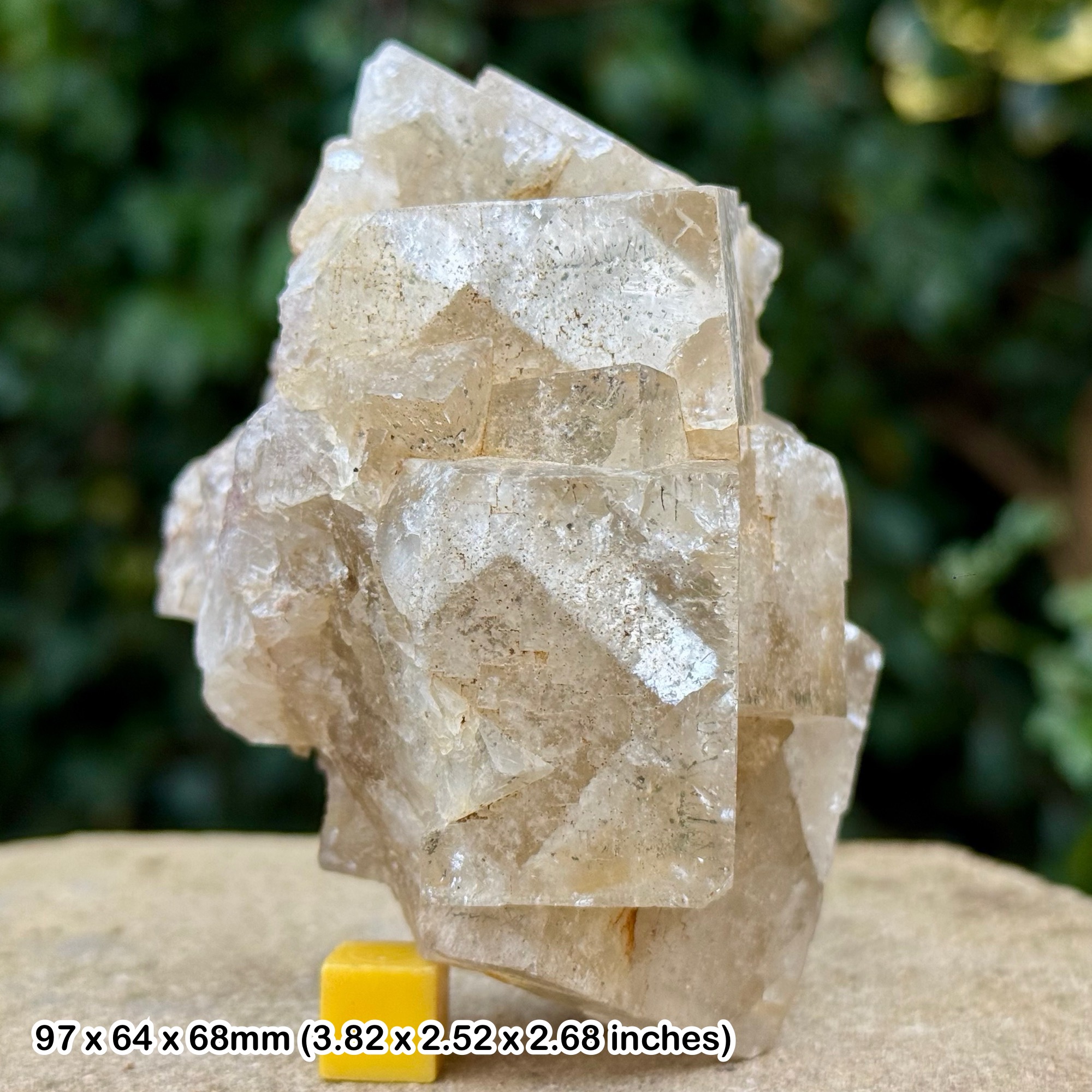
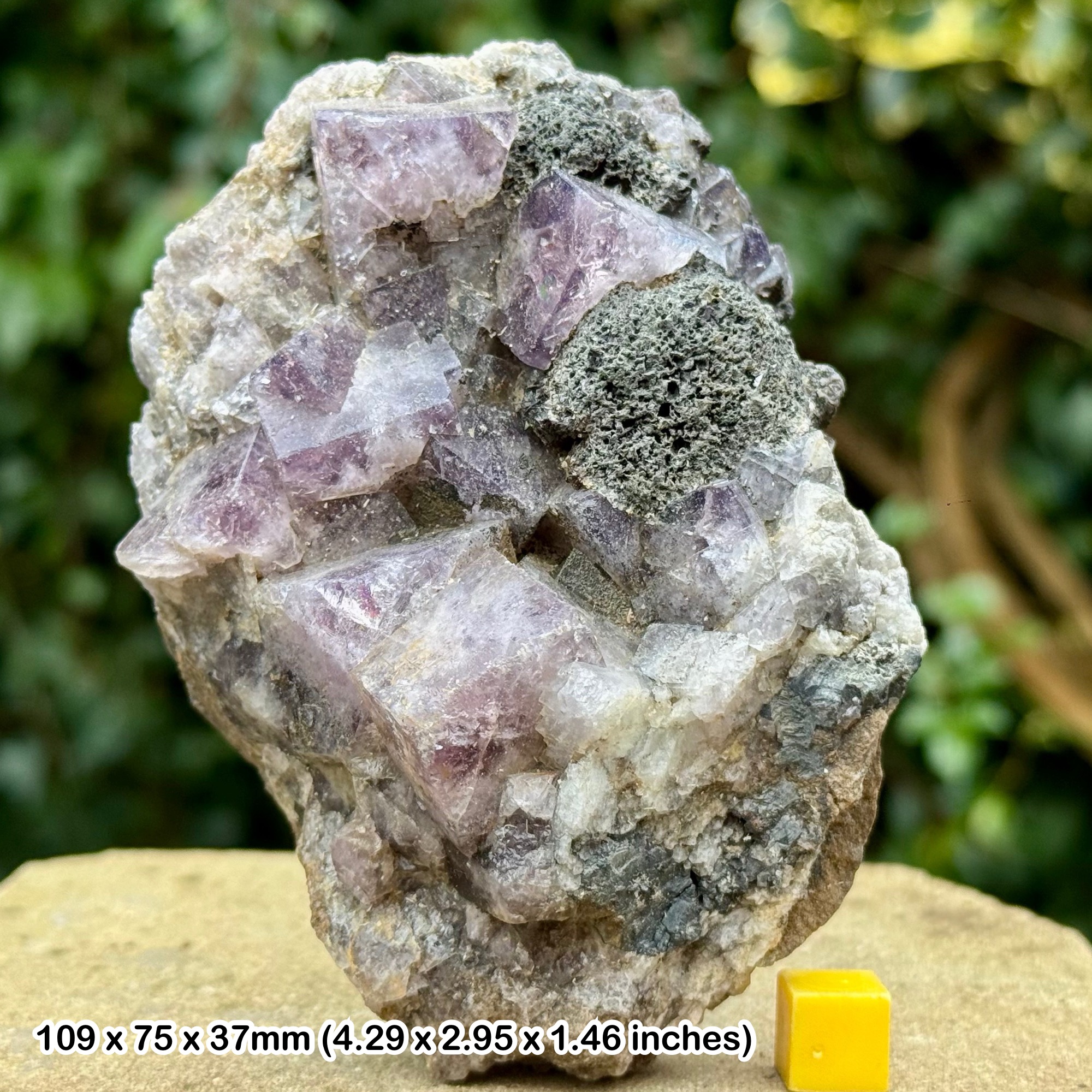
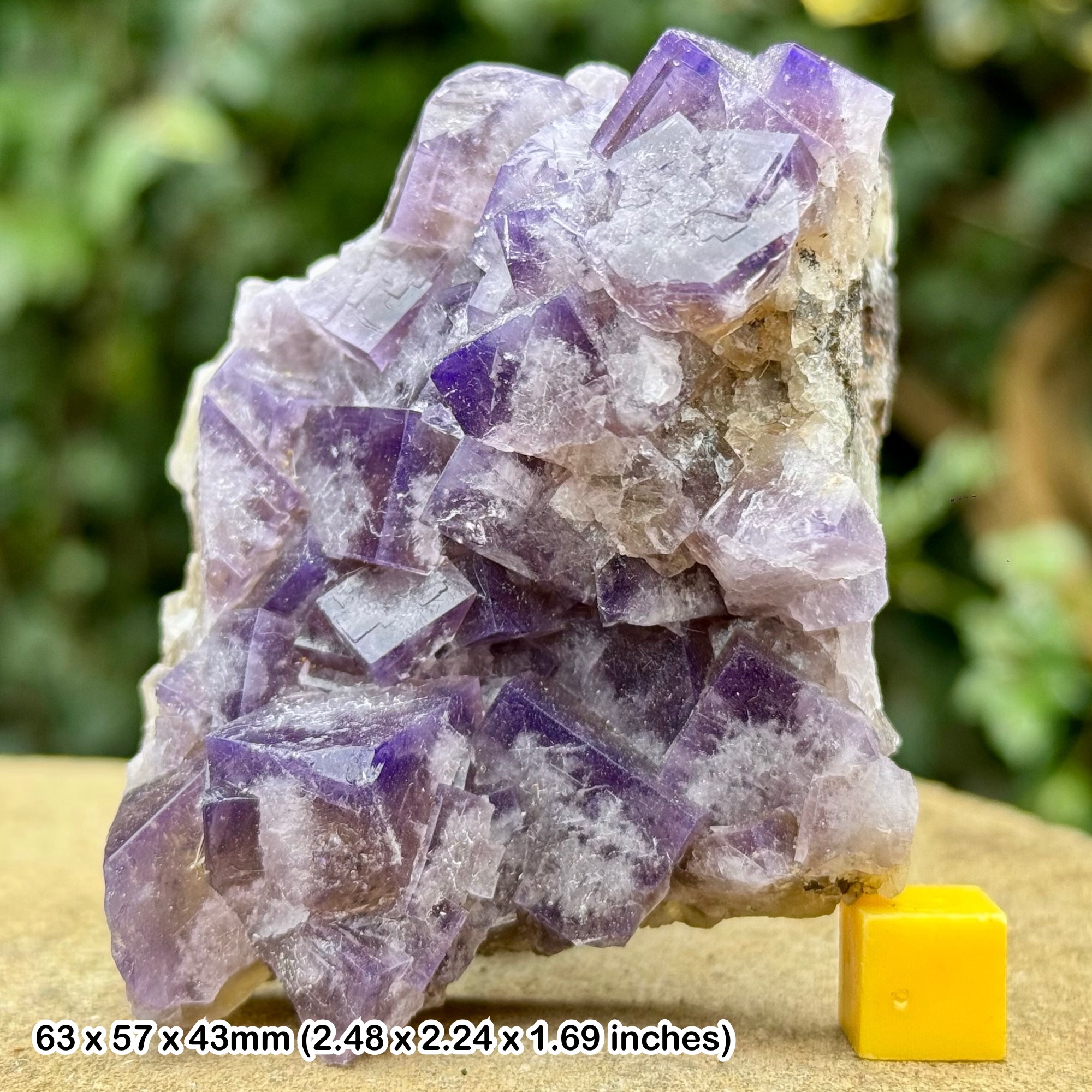
well-defined azurite crystals displaying the rich deep blue colour that makes this mineral highly sought after by collectors. The crystals are naturally formed on their host rock matrix, creating a classic mineral display specimen that highlights the natural geological environment in which azurite develops.The listing photographs show the exact specimen you will receive, allowing collectors to clearly view the crystal distribution, colour intensity, and natural mineral texture before purchase.This crystal is a genuine specimen and includes a Certificate of Authenticity lifetime guarantee generic card, confirming its authenticity as a natural mineral specimen suitable for collectors, geology enthusiasts, or display collections.Full sizing details are available in the listing photographs. MINERAL CLASSIFICATION AND CHEMICAL COMPOSITIONAzurite is a secondary copper carbonate hydroxide mineral with the chemical formula Cu₃(CO₃)₂(OH)₂. It belongs to the carbonate mineral group, forming through the weathering and oxidation of copper ore deposits near the Earth's surface.The mineral crystallises in the monoclinic crystal system, often producing prismatic, tabular, or nodular crystal forms. In many specimens, azurite forms clusters of small crystals that grow together across the surface of the host rock.The striking deep blue colour is caused by the presence of copper within the mineral structure, which absorbs certain wavelengths of light and produces the intense blue tones that make azurite distinctive among carbonate minerals. CRYSTAL APPEARANCE AND NATURAL CHARACTERISTICSAzurite is widely recognised for its vibrant colour and attractive crystal forms. Even small crystals can display a strong visual impact due to the mineral’s deep blue hue.Typical characteristics of azurite include:
• Colour: Deep blue to royal blue
• Transparency: Transparent to translucent in crystal form, opaque in massive areas
• Lustre: Vitreous to sub-adamantine on crystal faces
• Crystal System: Monoclinic
• Hardness: Approximately 3.5 to 4 on the Mohs hardness scaleIn specimens such as this one, the crystals appear as small clusters on the matrix, creating a natural contrast between the blue crystal surfaces and the surrounding host rock.Azurite crystals can occasionally show subtle variations in shade depending on crystal thickness and light reflection. GEOLOGICAL FORMATION AND COPPER ORE ENVIRONMENTSAzurite forms primarily in the oxidation zones of copper deposits, where copper-rich minerals are exposed to oxygen, water, and carbon dioxide near the Earth’s surface.In these environments, chemical reactions transform primary copper minerals into secondary carbonate minerals such as azurite and malachite. This process often occurs within fractures, cavities, or porous areas of the host rock where mineral-rich fluids circulate.Azurite frequently forms alongside other copper-related minerals including:
• Malachite
• Chrysocolla
• Cuprite
• Native copperThese mineral associations are common in oxidised copper ore zones. MOROCCAN MINERAL LOCALITYMorocco is one of the world’s most well-known sources of attractive azurite specimens. Several mining regions in the country have produced high-quality crystals and matrix specimens that are highly regarded by collectors.Notable Moroccan deposits occur within copper-rich geological formations where mineralised zones have produced azurite crystal growth within cavities and fractures in the host rock.Specimens from Morocco are often valued for their vivid blue crystals and aesthetically pleasing matrix displays. COLLECTING AND DISPLAY VALUEAzurite is one of the most visually striking copper minerals and is widely collected for its colour and crystal forms. Specimens with crystals on matrix provide a clear representation of the mineral’s natural growth environment.This specimen is suitable for:
• Mineral and crystal collections
• Geological teaching collections
• Natural history displays
• Desk or shelf display pieces
• Gifts for mineral collectors and enthusiastsThe deep blue crystals create strong visual contrast against the surrounding matrix, making azurite specimens popular centrepieces within mineral cabinets.Because azurite crystals form naturally, each specimen displays a unique arrangement of crystals and host rock structure. CULTURAL AND HISTORICAL ASSOCIATIONSThroughout history, azurite has been known for its vivid blue colour and was historically used as a natural pigment in artwork and decorative applications. The mineral’s intense colour made it valuable in early paints and pigments used in art and historical manuscripts.In some cultural traditions, blue minerals like azurite are traditionally associated with symbolism related to insight or reflection, although such interpretations are belief-based and not scientific claims.Many collectors appreciate azurite primarily for its geological origin and its striking natural colour. AUTHENTICITY AND SPECIMEN GUARANTEEThis Azurite crystal specimen from Morocco has been carefully selected as a genuine mineral sample.
• The photographs show the exact specimen you will receive.
• The specimen includes a Certificate of Authenticity lifetime guarantee generic card.
• Selected for natural crystal formation, colour intensity, and collector display quality.A beautiful example of a naturally formed copper carbonate mineral, this azurite crystal on matrix offers both geological interest and striking visual appeal for mineral collectors and enthusiasts.
well-defined azurite crystals displaying the rich deep blue colour that makes this mineral highly sought after by collectors. The crystals are naturally formed on their host rock matrix, creating a classic mineral display specimen that highlights the natural geological environment in which azurite develops.The listing photographs show the exact specimen you will receive, allowing collectors to clearly view the crystal distribution, colour intensity, and natural mineral texture before purchase.This crystal is a genuine specimen and includes a Certificate of Authenticity lifetime guarantee generic card, confirming its authenticity as a natural mineral specimen suitable for collectors, geology enthusiasts, or display collections.Full sizing details are available in the listing photographs. MINERAL CLASSIFICATION AND CHEMICAL COMPOSITIONAzurite is a secondary copper carbonate hydroxide mineral with the chemical formula Cu₃(CO₃)₂(OH)₂. It belongs to the carbonate mineral group, forming through the weathering and oxidation of copper ore deposits near the Earth's surface.The mineral crystallises in the monoclinic crystal system, often producing prismatic, tabular, or nodular crystal forms. In many specimens, azurite forms clusters of small crystals that grow together across the surface of the host rock.The striking deep blue colour is caused by the presence of copper within the mineral structure, which absorbs certain wavelengths of light and produces the intense blue tones that make azurite distinctive among carbonate minerals. CRYSTAL APPEARANCE AND NATURAL CHARACTERISTICSAzurite is widely recognised for its vibrant colour and attractive crystal forms. Even small crystals can display a strong visual impact due to the mineral’s deep blue hue.Typical characteristics of azurite include:
• Colour: Deep blue to royal blue
• Transparency: Transparent to translucent in crystal form, opaque in massive areas
• Lustre: Vitreous to sub-adamantine on crystal faces
• Crystal System: Monoclinic
• Hardness: Approximately 3.5 to 4 on the Mohs hardness scaleIn specimens such as this one, the crystals appear as small clusters on the matrix, creating a natural contrast between the blue crystal surfaces and the surrounding host rock.Azurite crystals can occasionally show subtle variations in shade depending on crystal thickness and light reflection. GEOLOGICAL FORMATION AND COPPER ORE ENVIRONMENTSAzurite forms primarily in the oxidation zones of copper deposits, where copper-rich minerals are exposed to oxygen, water, and carbon dioxide near the Earth’s surface.In these environments, chemical reactions transform primary copper minerals into secondary carbonate minerals such as azurite and malachite. This process often occurs within fractures, cavities, or porous areas of the host rock where mineral-rich fluids circulate.Azurite frequently forms alongside other copper-related minerals including:
• Malachite
• Chrysocolla
• Cuprite
• Native copperThese mineral associations are common in oxidised copper ore zones. MOROCCAN MINERAL LOCALITYMorocco is one of the world’s most well-known sources of attractive azurite specimens. Several mining regions in the country have produced high-quality crystals and matrix specimens that are highly regarded by collectors.Notable Moroccan deposits occur within copper-rich geological formations where mineralised zones have produced azurite crystal growth within cavities and fractures in the host rock.Specimens from Morocco are often valued for their vivid blue crystals and aesthetically pleasing matrix displays. COLLECTING AND DISPLAY VALUEAzurite is one of the most visually striking copper minerals and is widely collected for its colour and crystal forms. Specimens with crystals on matrix provide a clear representation of the mineral’s natural growth environment.This specimen is suitable for:
• Mineral and crystal collections
• Geological teaching collections
• Natural history displays
• Desk or shelf display pieces
• Gifts for mineral collectors and enthusiastsThe deep blue crystals create strong visual contrast against the surrounding matrix, making azurite specimens popular centrepieces within mineral cabinets.Because azurite crystals form naturally, each specimen displays a unique arrangement of crystals and host rock structure. CULTURAL AND HISTORICAL ASSOCIATIONSThroughout history, azurite has been known for its vivid blue colour and was historically used as a natural pigment in artwork and decorative applications. The mineral’s intense colour made it valuable in early paints and pigments used in art and historical manuscripts.In some cultural traditions, blue minerals like azurite are traditionally associated with symbolism related to insight or reflection, although such interpretations are belief-based and not scientific claims.Many collectors appreciate azurite primarily for its geological origin and its striking natural colour. AUTHENTICITY AND SPECIMEN GUARANTEEThis Azurite crystal specimen from Morocco has been carefully selected as a genuine mineral sample.
• The photographs show the exact specimen you will receive.
• The specimen includes a Certificate of Authenticity lifetime guarantee generic card.
• Selected for natural crystal formation, colour intensity, and collector display quality.A beautiful example of a naturally formed copper carbonate mineral, this azurite crystal on matrix offers both geological interest and striking visual appeal for mineral collectors and enthusiasts.
Other Products