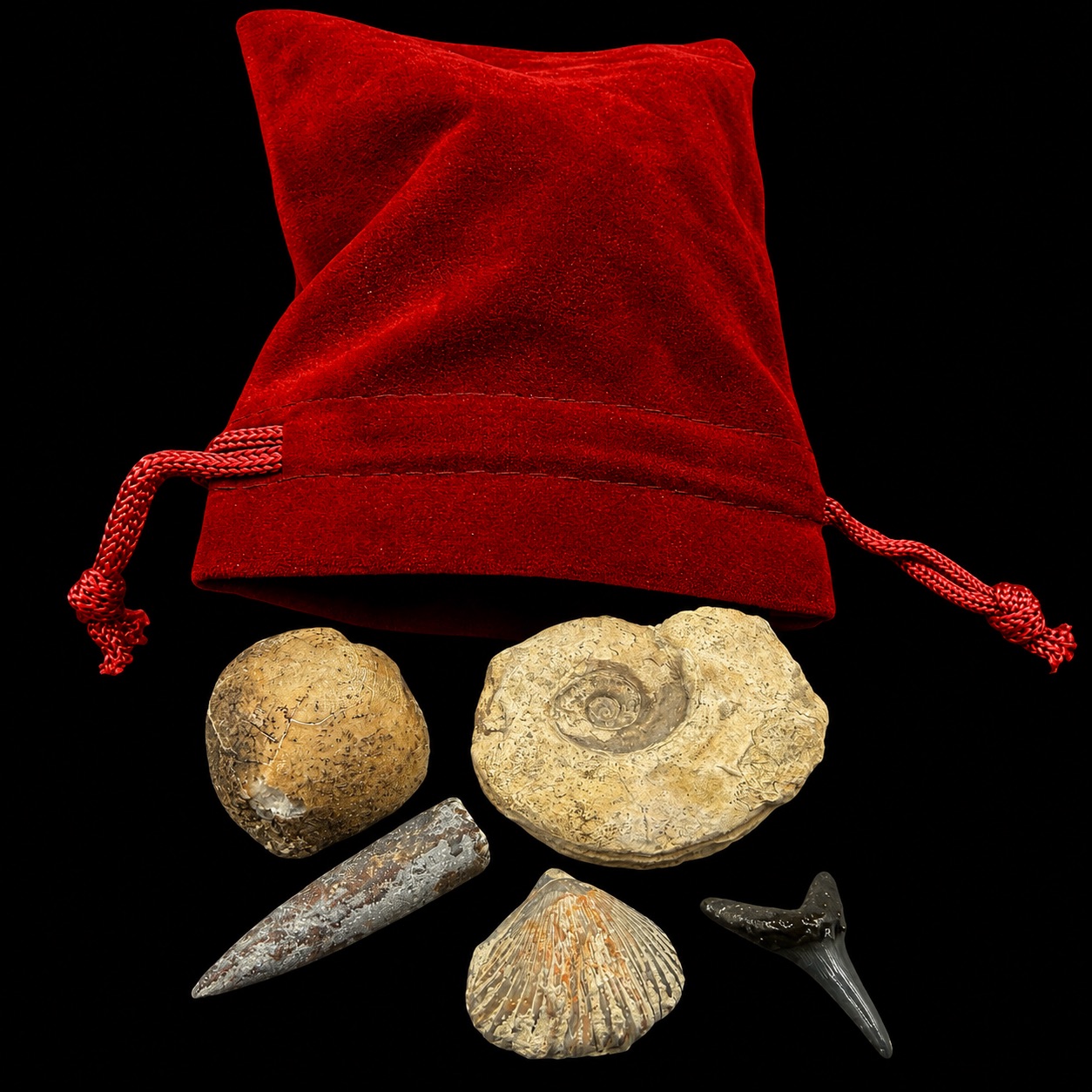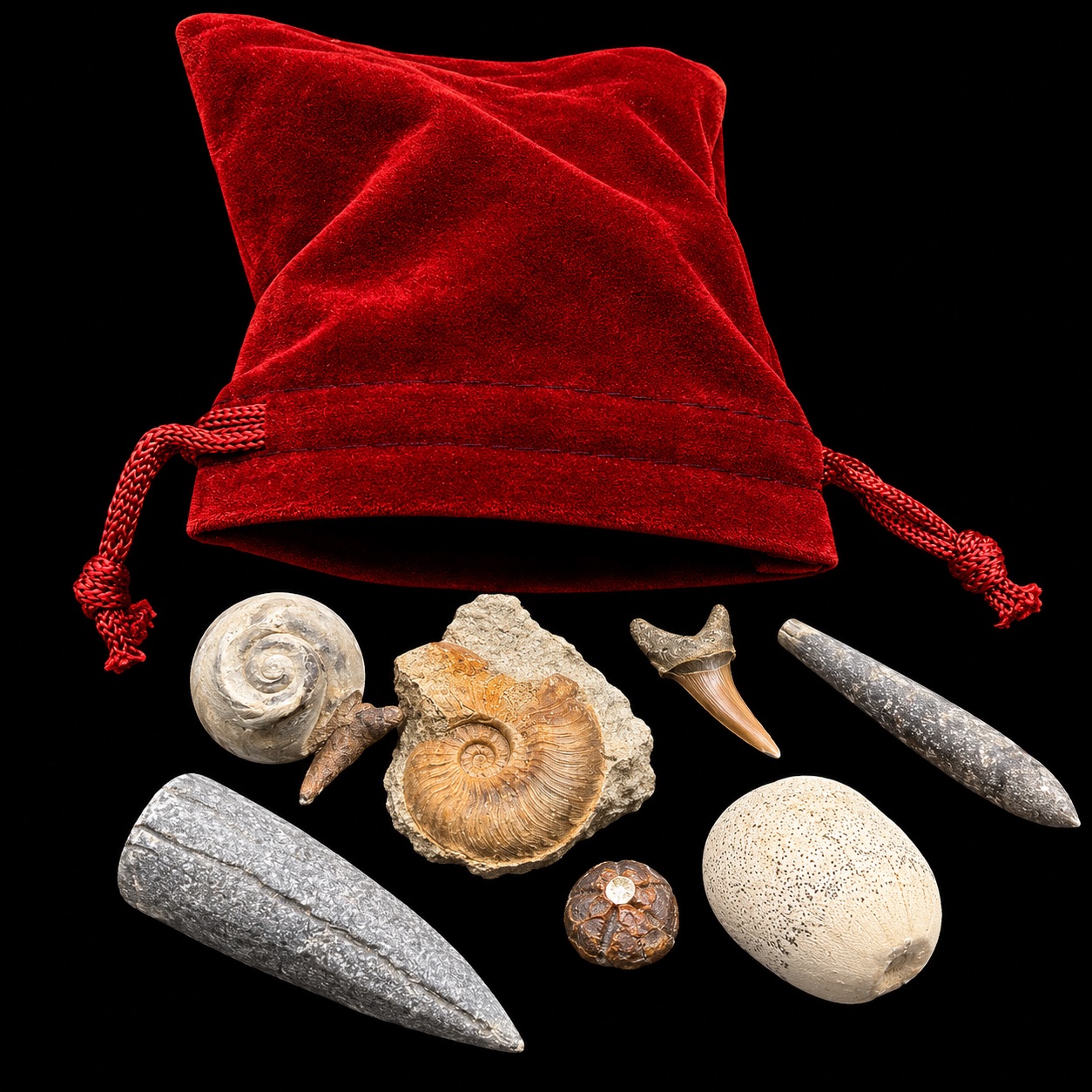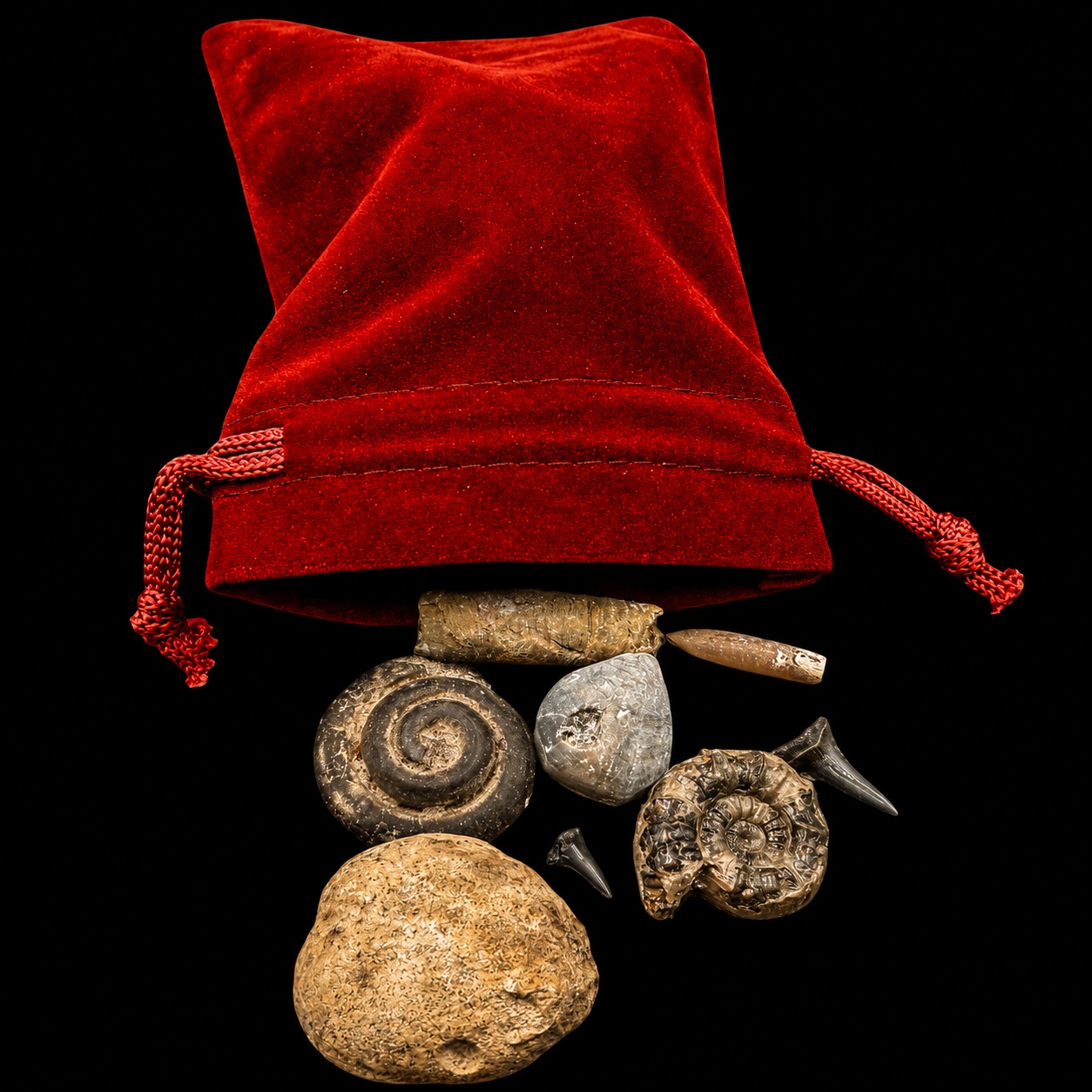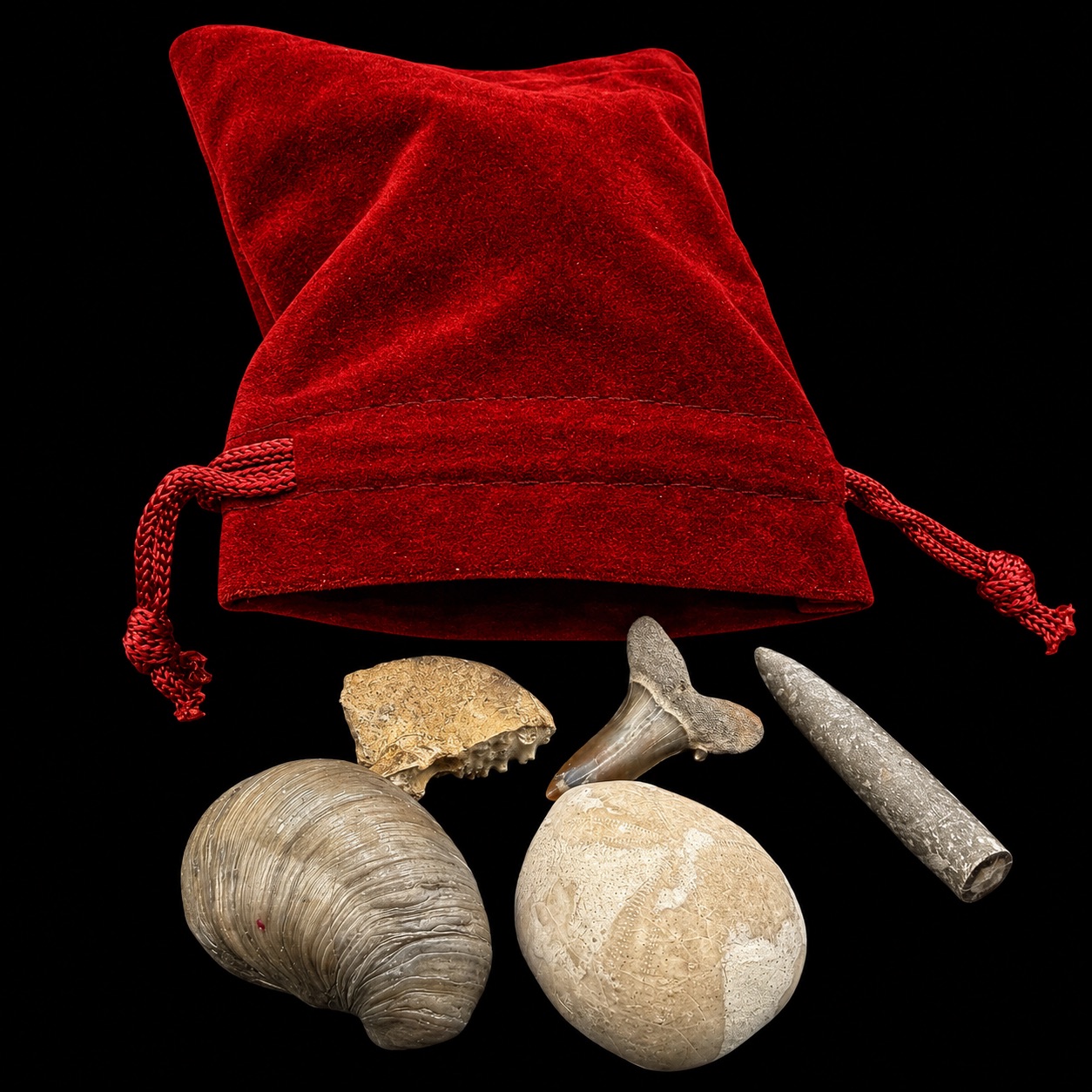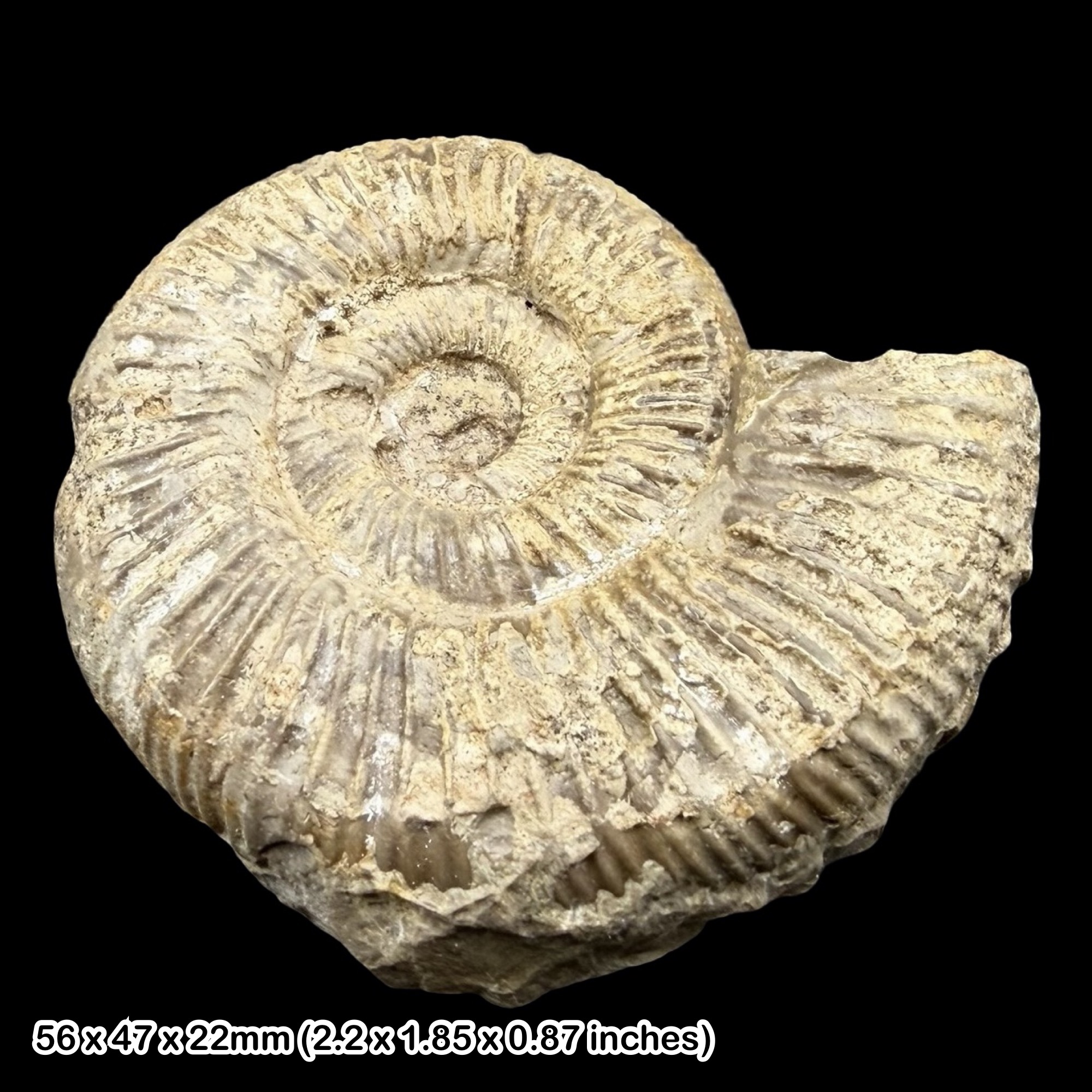
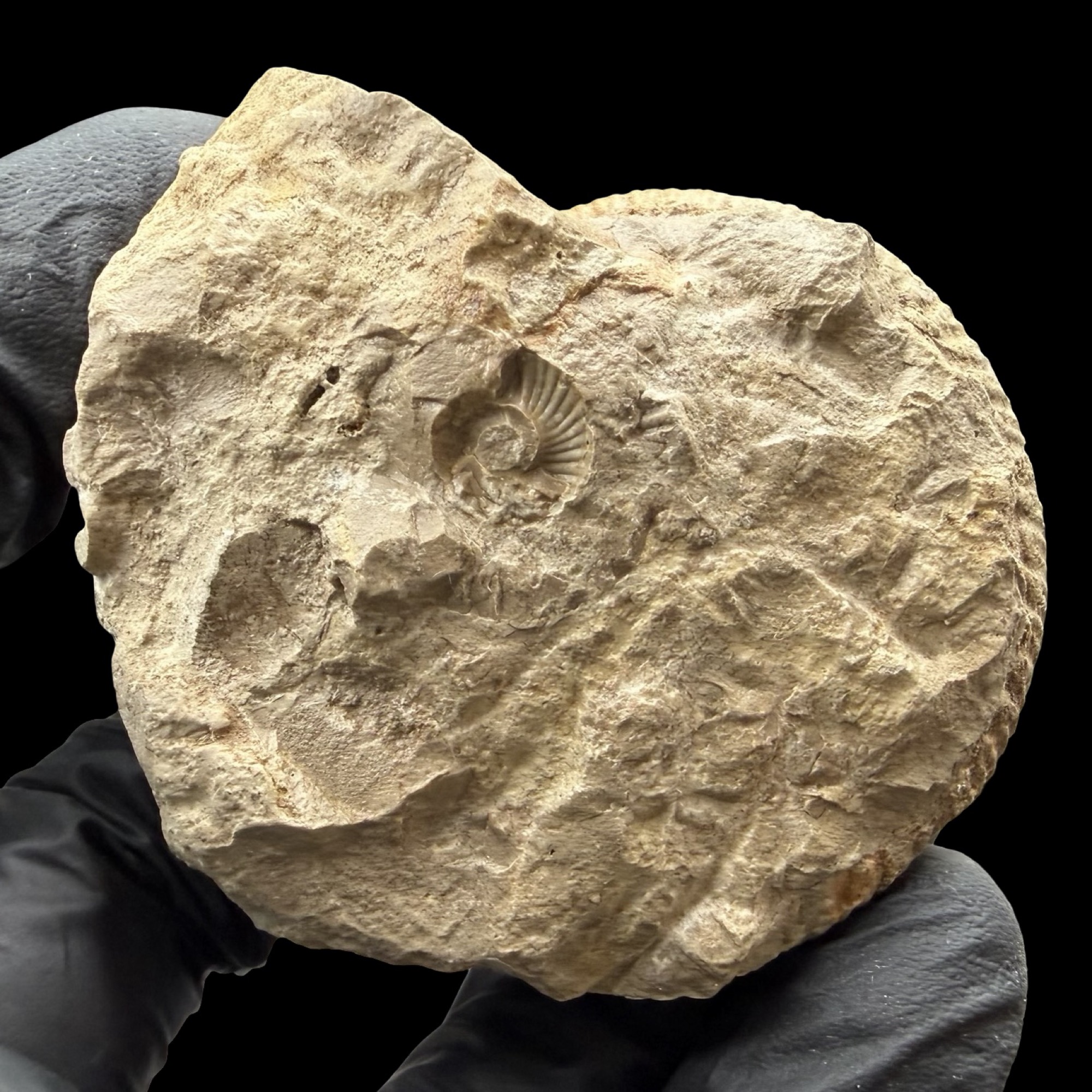
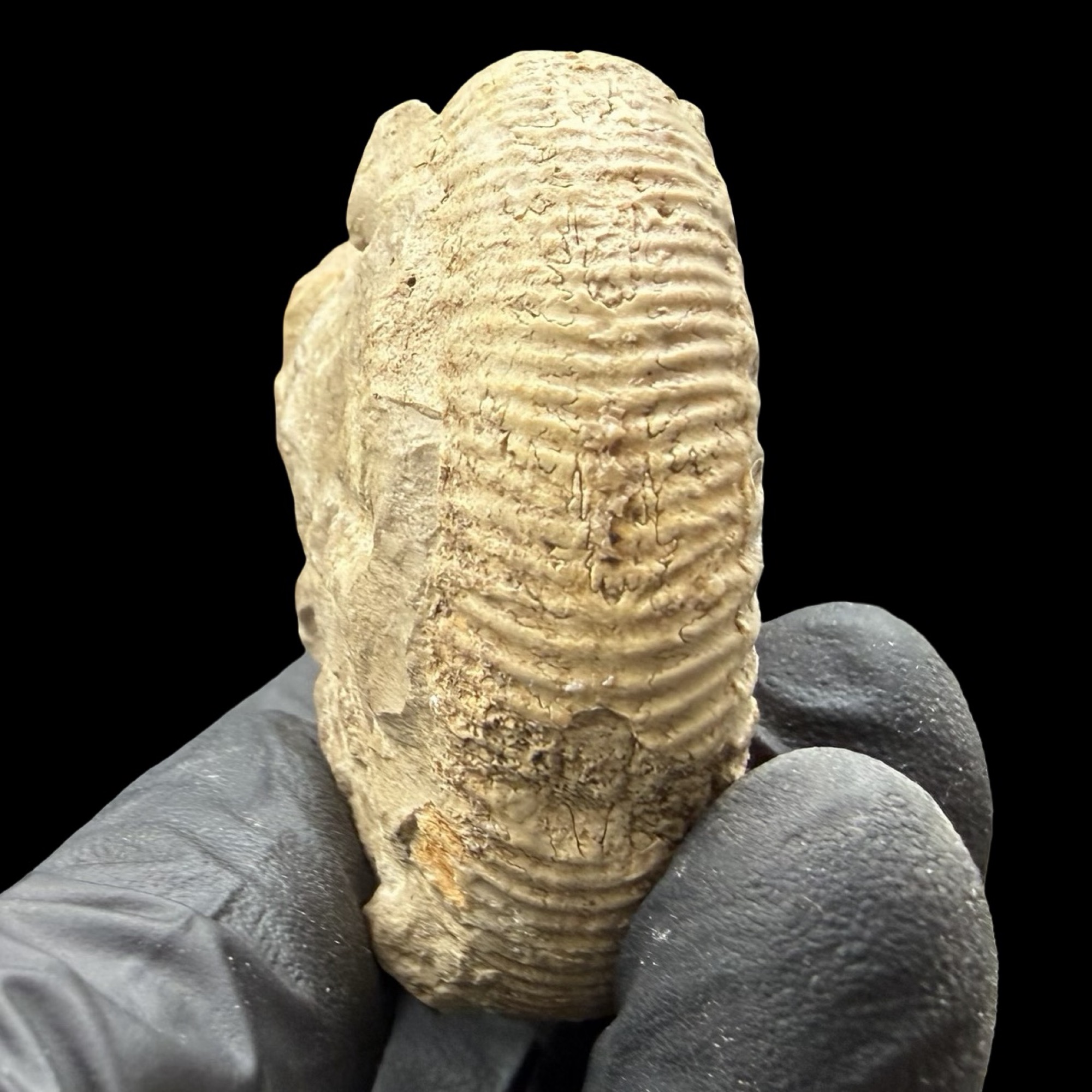
Alligaticeras Ammonite Fossil Middle Jurassic Switzerland Genuine COA Specimen Upper Callovian Natural Cephalopod Collector Display
£ 36.00
GENUINE ALLIGATICERAS SP. AMMONITE FOSSILThis listing is for a genuine Alligaticeras sp. ammonite fossil from the Middle
Jurassic, Upper Callovian of Switzerland. This carefully chosen fossil specimen has been selected for its natural character, geological interest, and classic ammonite appeal. The photograph shows the actual specimen you will receive, so please refer to the photo for the full sizing, proportions, preservation, colour, matrix, surface detail, and overall appearance of this individual fossil.This fossil is supplied with a Certificate of Authenticity lifetime guarantee generic card, giving confidence that the specimen is a genuine fossil and not a modern replica.FOSSIL TYPE AND CLASSIFICATIONAlligaticeras is an extinct ammonite, a type of marine cephalopod related to modern squid, cuttlefish, octopus, and nautilus. Ammonites lived in coiled shells divided into internal chambers, with the animal occupying the outer body chamber while earlier chambers helped with buoyancy control. Their distinctive spiral shells, rapid evolution, and wide distribution make ammonites among the most important and collectible fossils from the Mesozoic Era.This specimen is identified as Alligaticeras sp., meaning it belongs to the genus Alligaticeras, while the exact species is not specified. Alligaticeras is generally associated with the ammonite order Ammonitida and the family Perisphinctidae, a well-known group of Jurassic ammonites recognised for coiled shells, ribbed ornament, and strong value in biostratigraphy.MIDDLE JURASSIC UPPER CALLOVIAN AGEThis fossil dates from the Upper Callovian Stage of the Middle Jurassic Period, an interval approximately 164 to 161 million years old. The Callovian was a time when shallow epicontinental seas spread across large parts of Europe, creating ideal conditions for marine life and the preservation of ammonites, belemnites, bivalves, brachiopods, gastropods, echinoids, and other sea-floor organisms.The Upper Callovian is especially important in ammonite studies because ammonites evolved quickly and can be used to help divide Jurassic rock layers into detailed time intervals. Fossils such as Alligaticeras are part of this rich ammonite record, making them attractive not only as display pieces but also as scientifically interesting examples of Jurassic marine life.SWISS JURASSIC GEOLOGYSwitzerland is well known for fossil-bearing Jurassic sediments, particularly in regions linked to the broader Jura and Alpine geological history. During the Middle Jurassic, the land that is now Switzerland was very different from the modern landscape of mountains and valleys. Much of the region was influenced by warm marine conditions, with carbonate platforms, marl, limestone, and clay-rich sediments forming in ancient seas.These marine deposits preserved the remains of cephalopods and other organisms that lived in the Jurassic oceans. Ammonite shells could settle on the sea floor after death, become buried by sediment, and gradually fossilise through mineral replacement, compression, and natural geological processes over millions of years.MORPHOLOGY AND NATURAL FEATURESAlligaticeras ammonites are associated with the perisphinctid ammonite style, often showing an evolute coiled shell form where the inner whorls are visible. Perisphinctid ammonites commonly display ribbed ornamentation across the whorls, and these ribs may vary in strength, spacing, and direction as the shell grows. Features such as the whorl shape, umbilicus width, rib pattern, body chamber, and natural preservation are important in ammonite identification.Depending on the condition of the individual fossil, visible features may include natural shell curvature, ribbing, chamber traces, mineralisation, matrix, surface texture, or wear from burial and exposure. These natural details give each fossil its own character. Please use the photograph to view the exact features of this specific specimen, as the fossil shown is the actual piece supplied.ANCIENT MARINE LIFEDuring life, this ammonite would have been part of a busy Jurassic marine ecosystem. Ammonites were active swimming cephalopods, using their chambered shells to regulate buoyancy and move through the water. They likely fed on small marine animals, planktonic organisms, or carrion, while also forming part of the food chain for larger predators such as marine reptiles and large fish.The coiled shell was both a protective structure and a highly efficient buoyancy system. After the ammonite died, its shell became part of the sedimentary record, eventually fossilising and preserving a direct link to the ancient seas of the Middle Jurassic.COLLECTOR DISPLAY AND AUTHENTICITYThis Alligaticeras sp. ammonite fossil from Switzerland is ideal for fossil collectors, geology enthusiasts, natural history displays, educational collections, cabinet specimens, and anyone interested in genuine Jurassic fossils. It is a particularly appealing specimen for collectors of ammonites, fossil cephalopods, European fossils, Swiss fossils, and Middle Jurassic marine life.The specimen shown in the photograph is the actual fossil you will receive. Please check the photo carefully for full sizing and condition details, including any natural cracks, wear, colour variation, matrix, preparation marks, or mineralised areas. These are normal features of genuine fossils and help demonstrate their natural geological history.INCLUDED WITH THIS SPECIMENYour fossil will be supplied as a genuine specimen with a Certificate of Authenticity lifetime guarantee generic card. This makes it suitable for personal collecting, educational use, geology teaching, natural history display, or as a thoughtful gift for fossil lovers, palaeontology enthusiasts, students, teachers, and collectors of ancient marine specimens.
Jurassic, Upper Callovian of Switzerland. This carefully chosen fossil specimen has been selected for its natural character, geological interest, and classic ammonite appeal. The photograph shows the actual specimen you will receive, so please refer to the photo for the full sizing, proportions, preservation, colour, matrix, surface detail, and overall appearance of this individual fossil.This fossil is supplied with a Certificate of Authenticity lifetime guarantee generic card, giving confidence that the specimen is a genuine fossil and not a modern replica.FOSSIL TYPE AND CLASSIFICATIONAlligaticeras is an extinct ammonite, a type of marine cephalopod related to modern squid, cuttlefish, octopus, and nautilus. Ammonites lived in coiled shells divided into internal chambers, with the animal occupying the outer body chamber while earlier chambers helped with buoyancy control. Their distinctive spiral shells, rapid evolution, and wide distribution make ammonites among the most important and collectible fossils from the Mesozoic Era.This specimen is identified as Alligaticeras sp., meaning it belongs to the genus Alligaticeras, while the exact species is not specified. Alligaticeras is generally associated with the ammonite order Ammonitida and the family Perisphinctidae, a well-known group of Jurassic ammonites recognised for coiled shells, ribbed ornament, and strong value in biostratigraphy.MIDDLE JURASSIC UPPER CALLOVIAN AGEThis fossil dates from the Upper Callovian Stage of the Middle Jurassic Period, an interval approximately 164 to 161 million years old. The Callovian was a time when shallow epicontinental seas spread across large parts of Europe, creating ideal conditions for marine life and the preservation of ammonites, belemnites, bivalves, brachiopods, gastropods, echinoids, and other sea-floor organisms.The Upper Callovian is especially important in ammonite studies because ammonites evolved quickly and can be used to help divide Jurassic rock layers into detailed time intervals. Fossils such as Alligaticeras are part of this rich ammonite record, making them attractive not only as display pieces but also as scientifically interesting examples of Jurassic marine life.SWISS JURASSIC GEOLOGYSwitzerland is well known for fossil-bearing Jurassic sediments, particularly in regions linked to the broader Jura and Alpine geological history. During the Middle Jurassic, the land that is now Switzerland was very different from the modern landscape of mountains and valleys. Much of the region was influenced by warm marine conditions, with carbonate platforms, marl, limestone, and clay-rich sediments forming in ancient seas.These marine deposits preserved the remains of cephalopods and other organisms that lived in the Jurassic oceans. Ammonite shells could settle on the sea floor after death, become buried by sediment, and gradually fossilise through mineral replacement, compression, and natural geological processes over millions of years.MORPHOLOGY AND NATURAL FEATURESAlligaticeras ammonites are associated with the perisphinctid ammonite style, often showing an evolute coiled shell form where the inner whorls are visible. Perisphinctid ammonites commonly display ribbed ornamentation across the whorls, and these ribs may vary in strength, spacing, and direction as the shell grows. Features such as the whorl shape, umbilicus width, rib pattern, body chamber, and natural preservation are important in ammonite identification.Depending on the condition of the individual fossil, visible features may include natural shell curvature, ribbing, chamber traces, mineralisation, matrix, surface texture, or wear from burial and exposure. These natural details give each fossil its own character. Please use the photograph to view the exact features of this specific specimen, as the fossil shown is the actual piece supplied.ANCIENT MARINE LIFEDuring life, this ammonite would have been part of a busy Jurassic marine ecosystem. Ammonites were active swimming cephalopods, using their chambered shells to regulate buoyancy and move through the water. They likely fed on small marine animals, planktonic organisms, or carrion, while also forming part of the food chain for larger predators such as marine reptiles and large fish.The coiled shell was both a protective structure and a highly efficient buoyancy system. After the ammonite died, its shell became part of the sedimentary record, eventually fossilising and preserving a direct link to the ancient seas of the Middle Jurassic.COLLECTOR DISPLAY AND AUTHENTICITYThis Alligaticeras sp. ammonite fossil from Switzerland is ideal for fossil collectors, geology enthusiasts, natural history displays, educational collections, cabinet specimens, and anyone interested in genuine Jurassic fossils. It is a particularly appealing specimen for collectors of ammonites, fossil cephalopods, European fossils, Swiss fossils, and Middle Jurassic marine life.The specimen shown in the photograph is the actual fossil you will receive. Please check the photo carefully for full sizing and condition details, including any natural cracks, wear, colour variation, matrix, preparation marks, or mineralised areas. These are normal features of genuine fossils and help demonstrate their natural geological history.INCLUDED WITH THIS SPECIMENYour fossil will be supplied as a genuine specimen with a Certificate of Authenticity lifetime guarantee generic card. This makes it suitable for personal collecting, educational use, geology teaching, natural history display, or as a thoughtful gift for fossil lovers, palaeontology enthusiasts, students, teachers, and collectors of ancient marine specimens.
Other Products