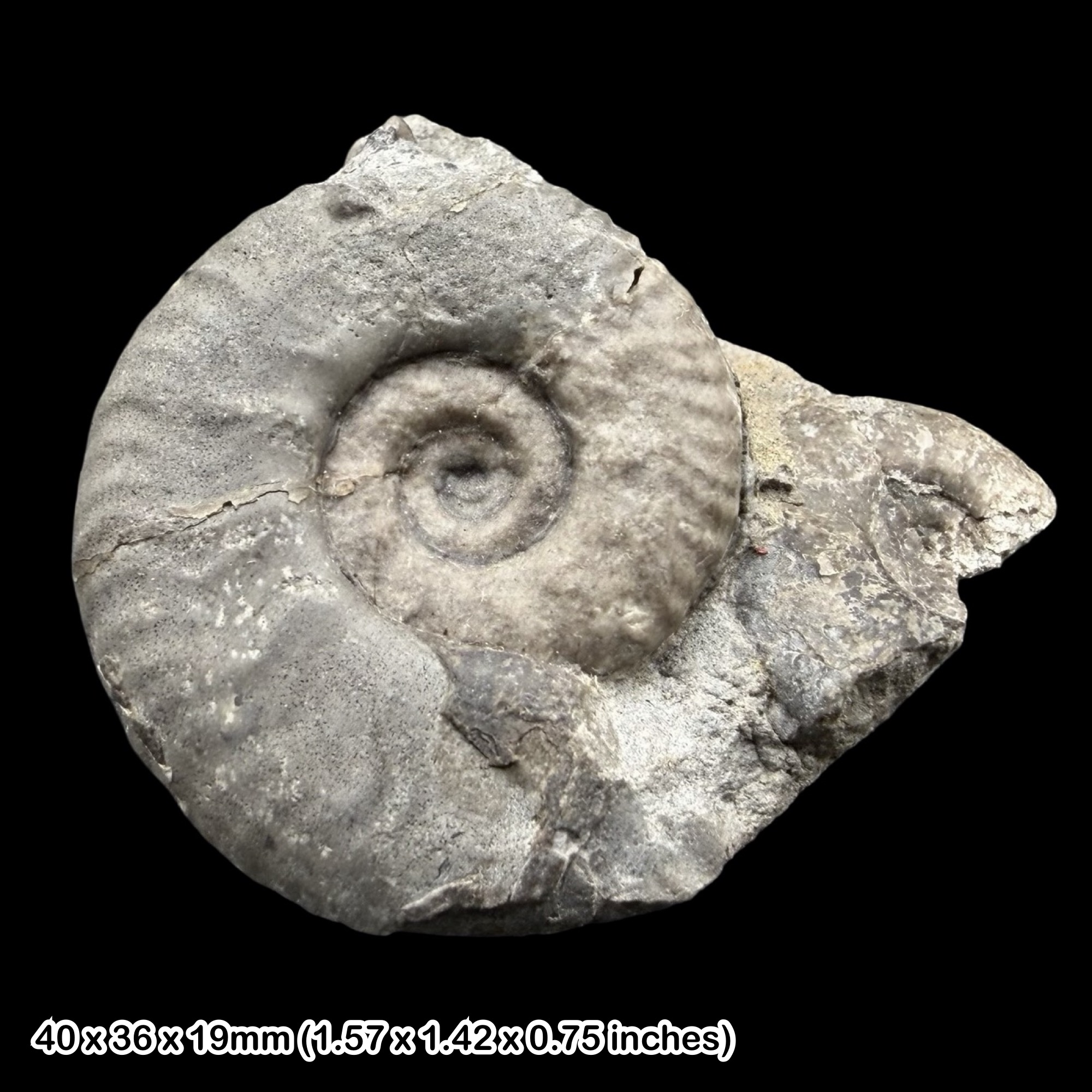
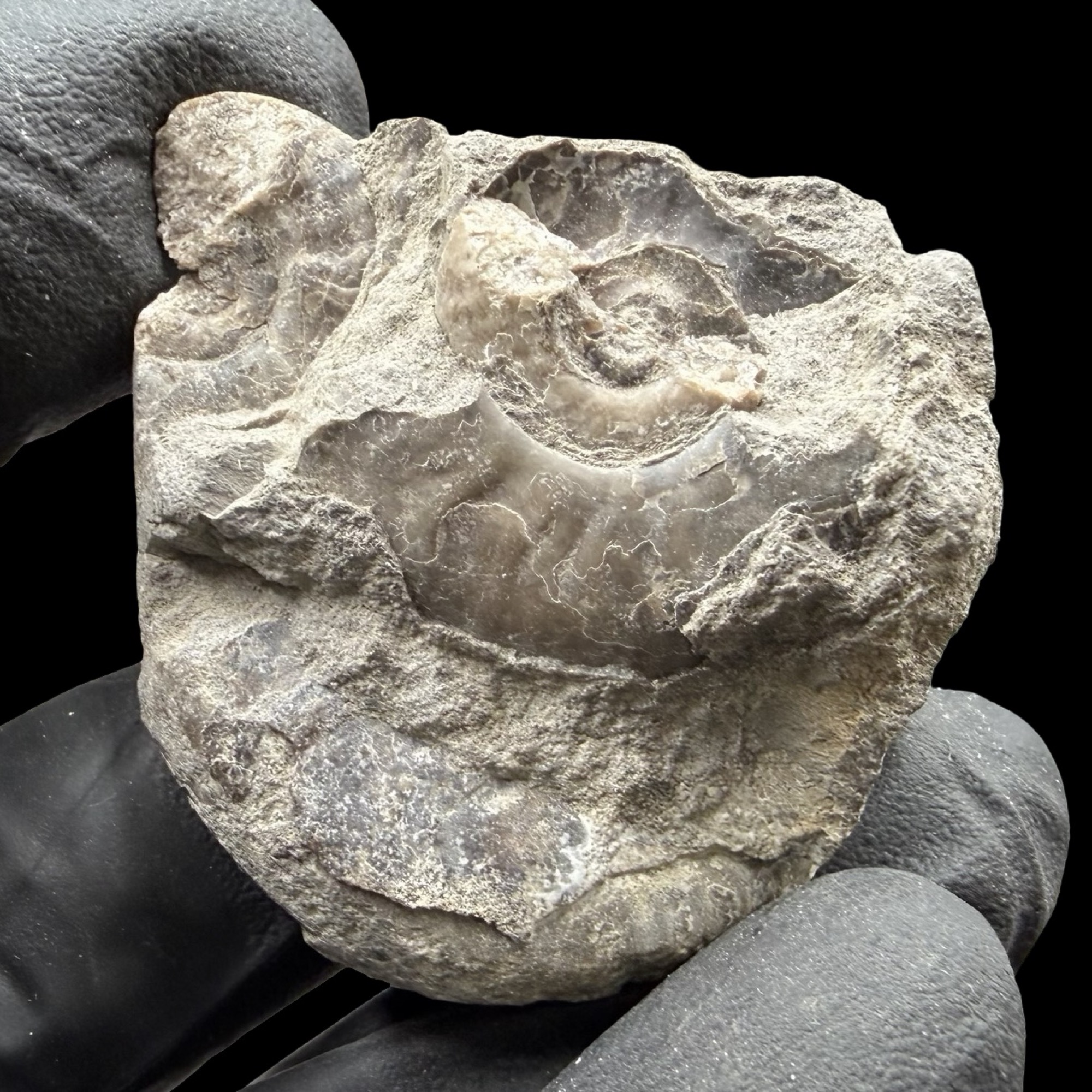
Pleydellia subserpentina Ammonite Fossil Toarcian Isle of Skye UK COA Genuine, Lower Jurassic Scotland Collectable
£ 12.60
Genuine Pleydellia subserpentina Ammonite FossilThis listing is for a genuine Pleydellia subserpentina ammonite fossil from the
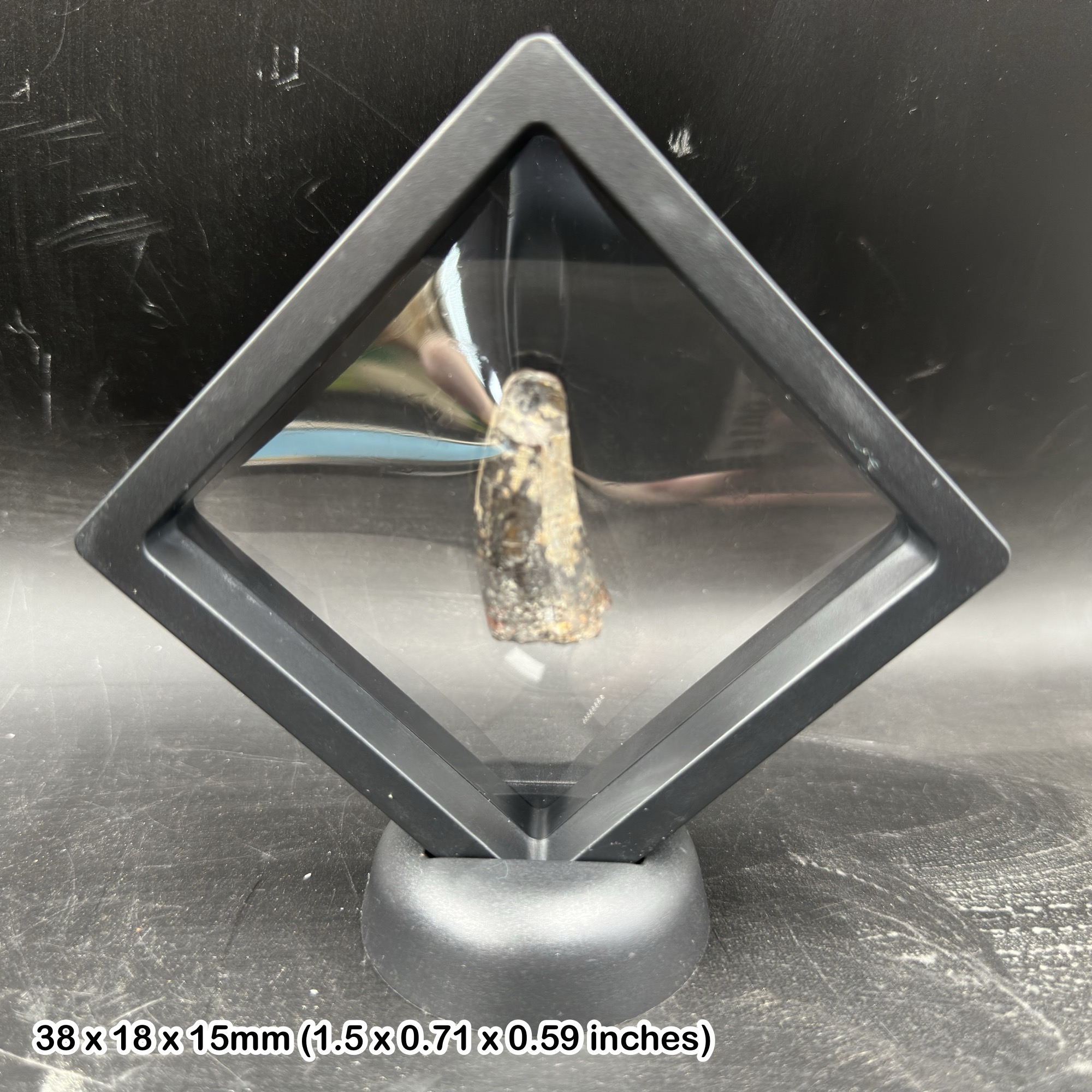
Isle of Skye, Scotland, UK, dating to the Lower Jurassic, Upper Toarcian stage. This carefully chosen fossil is an authentic natural specimen and includes a Certificate of Authenticity lifetime guarantee generic card. The photograph shows the actual fossil you will receive, so the piece pictured is the exact specimen supplied. Full sizing details can be seen in the photo.This is a highly appealing fossil for collectors of British ammonites, Scottish fossils, Isle of Skye fossils, Jurassic marine life, natural history specimens, and educational geology collections. Ammonites are among the most recognisable fossils in the world, prized for their spiral shell form, scientific importance, and connection to ancient marine ecosystems.Fossil Type and SpeciesPleydellia subserpentina is an ammonite, an extinct marine cephalopod related to modern squid, cuttlefish, octopus, and nautilus. Ammonites had coiled, chambered shells, with the living animal occupying the outer body chamber. The internal chambers helped control buoyancy, allowing the animal to move through the ancient sea while the shell provided protection and support.Pleydellia is a well-known Lower Jurassic ammonite genus associated with the Upper Toarcian. It belongs to the ammonite groups used by geologists for detailed Jurassic dating and correlation. The species Pleydellia subserpentina is valued by collectors for its classic ammonite form and its link to the late Toarcian marine faunas of Europe. Depending on preservation, specimens may show visible whorl structure, ribbing, a defined umbilicus, natural shell texture, and mineralised detail.Lower Jurassic Upper Toarcian AgeThis fossil dates to the Upper Toarcian stage of the Lower Jurassic Period. The Toarcian was a significant interval in Earth history, marked by changing sea levels, warm marine conditions, and important developments in ammonite evolution. Ammonites were abundant and diverse during this time, making them especially useful fossils for identifying and dating marine rock layers.During the Upper Toarcian, ancient seas supported a wide range of life, including ammonites, belemnites, bivalves, brachiopods, gastropods, crinoids, fish, and marine reptiles. Ammonites such as Pleydellia lived in these marine environments as active swimming or drifting cephalopods. After death, their shells could settle onto the sea floor, become buried by sediment, and gradually fossilise over millions of years.Isle of Skye Scottish Fossil LocalityThe Isle of Skye is one of Scotland’s most important fossil-bearing regions and is especially well known for its Mesozoic geology. Jurassic rocks on Skye preserve evidence of ancient coastal and marine environments that existed long before the modern Hebridean landscape formed. Fossils from the island are highly desirable because they combine strong scientific interest, classic UK provenance, and excellent natural history appeal.A Pleydellia subserpentina ammonite from the Isle of Skye represents a genuine piece of Scotland’s Jurassic past. The fossil provides a direct connection to the ancient seas that once covered parts of north-western Europe, preserving a record of prehistoric marine life from the Lower Jurassic.Morphology and Collectable FeaturesPleydellia ammonites are appreciated for their neat spiral shell form and attractive Jurassic character. Depending on preservation, the fossil may show fine to moderate ribbing, a visible umbilicus, clear whorl development, natural shell surface, mineralisation, and surrounding matrix from the original rock. These features make the specimen visually appealing while also preserving useful palaeontological detail.As a genuine natural fossil, this specimen may show normal signs of age and preservation, including surface texture, mineral replacement, matrix attachment, small chips, repairs, weathering, compression, or natural colour variation. These characteristics are typical of authentic fossils and form part of the individual character of the piece. This is not a modern replica, cast, or decorative imitation.Provenance and AuthenticityFossil type: AmmoniteSpecies: Pleydellia subserpentinaAge: Lower Jurassic, Upper ToarcianLocality: Isle of Skye, Scotland, UKCertificate: Includes a Certificate of Authenticity lifetime guarantee generic cardSpecimen shown: The photo shows the actual fossil you will receiveSize: Full sizing shown in the photoThis Pleydellia subserpentina ammonite fossil is a carefully selected genuine Scottish Jurassic specimen with strong appeal for fossil collectors, geology enthusiasts, educational collections, and display cabinets. Its Upper Toarcian age, Isle of Skye provenance, classic ammonite form, and included Certificate of Authenticity make it a desirable addition to any collection of genuine ammonites, UK fossils, Scottish fossils, prehistoric marine life, or Lower Jurassic natural history specimens.
Isle of Skye, Scotland, UK, dating to the Lower Jurassic, Upper Toarcian stage. This carefully chosen fossil is an authentic natural specimen and includes a Certificate of Authenticity lifetime guarantee generic card. The photograph shows the actual fossil you will receive, so the piece pictured is the exact specimen supplied. Full sizing details can be seen in the photo.This is a highly appealing fossil for collectors of British ammonites, Scottish fossils, Isle of Skye fossils, Jurassic marine life, natural history specimens, and educational geology collections. Ammonites are among the most recognisable fossils in the world, prized for their spiral shell form, scientific importance, and connection to ancient marine ecosystems.Fossil Type and SpeciesPleydellia subserpentina is an ammonite, an extinct marine cephalopod related to modern squid, cuttlefish, octopus, and nautilus. Ammonites had coiled, chambered shells, with the living animal occupying the outer body chamber. The internal chambers helped control buoyancy, allowing the animal to move through the ancient sea while the shell provided protection and support.Pleydellia is a well-known Lower Jurassic ammonite genus associated with the Upper Toarcian. It belongs to the ammonite groups used by geologists for detailed Jurassic dating and correlation. The species Pleydellia subserpentina is valued by collectors for its classic ammonite form and its link to the late Toarcian marine faunas of Europe. Depending on preservation, specimens may show visible whorl structure, ribbing, a defined umbilicus, natural shell texture, and mineralised detail.Lower Jurassic Upper Toarcian AgeThis fossil dates to the Upper Toarcian stage of the Lower Jurassic Period. The Toarcian was a significant interval in Earth history, marked by changing sea levels, warm marine conditions, and important developments in ammonite evolution. Ammonites were abundant and diverse during this time, making them especially useful fossils for identifying and dating marine rock layers.During the Upper Toarcian, ancient seas supported a wide range of life, including ammonites, belemnites, bivalves, brachiopods, gastropods, crinoids, fish, and marine reptiles. Ammonites such as Pleydellia lived in these marine environments as active swimming or drifting cephalopods. After death, their shells could settle onto the sea floor, become buried by sediment, and gradually fossilise over millions of years.Isle of Skye Scottish Fossil LocalityThe Isle of Skye is one of Scotland’s most important fossil-bearing regions and is especially well known for its Mesozoic geology. Jurassic rocks on Skye preserve evidence of ancient coastal and marine environments that existed long before the modern Hebridean landscape formed. Fossils from the island are highly desirable because they combine strong scientific interest, classic UK provenance, and excellent natural history appeal.A Pleydellia subserpentina ammonite from the Isle of Skye represents a genuine piece of Scotland’s Jurassic past. The fossil provides a direct connection to the ancient seas that once covered parts of north-western Europe, preserving a record of prehistoric marine life from the Lower Jurassic.Morphology and Collectable FeaturesPleydellia ammonites are appreciated for their neat spiral shell form and attractive Jurassic character. Depending on preservation, the fossil may show fine to moderate ribbing, a visible umbilicus, clear whorl development, natural shell surface, mineralisation, and surrounding matrix from the original rock. These features make the specimen visually appealing while also preserving useful palaeontological detail.As a genuine natural fossil, this specimen may show normal signs of age and preservation, including surface texture, mineral replacement, matrix attachment, small chips, repairs, weathering, compression, or natural colour variation. These characteristics are typical of authentic fossils and form part of the individual character of the piece. This is not a modern replica, cast, or decorative imitation.Provenance and AuthenticityFossil type: AmmoniteSpecies: Pleydellia subserpentinaAge: Lower Jurassic, Upper ToarcianLocality: Isle of Skye, Scotland, UKCertificate: Includes a Certificate of Authenticity lifetime guarantee generic cardSpecimen shown: The photo shows the actual fossil you will receiveSize: Full sizing shown in the photoThis Pleydellia subserpentina ammonite fossil is a carefully selected genuine Scottish Jurassic specimen with strong appeal for fossil collectors, geology enthusiasts, educational collections, and display cabinets. Its Upper Toarcian age, Isle of Skye provenance, classic ammonite form, and included Certificate of Authenticity make it a desirable addition to any collection of genuine ammonites, UK fossils, Scottish fossils, prehistoric marine life, or Lower Jurassic natural history specimens.
Other Products