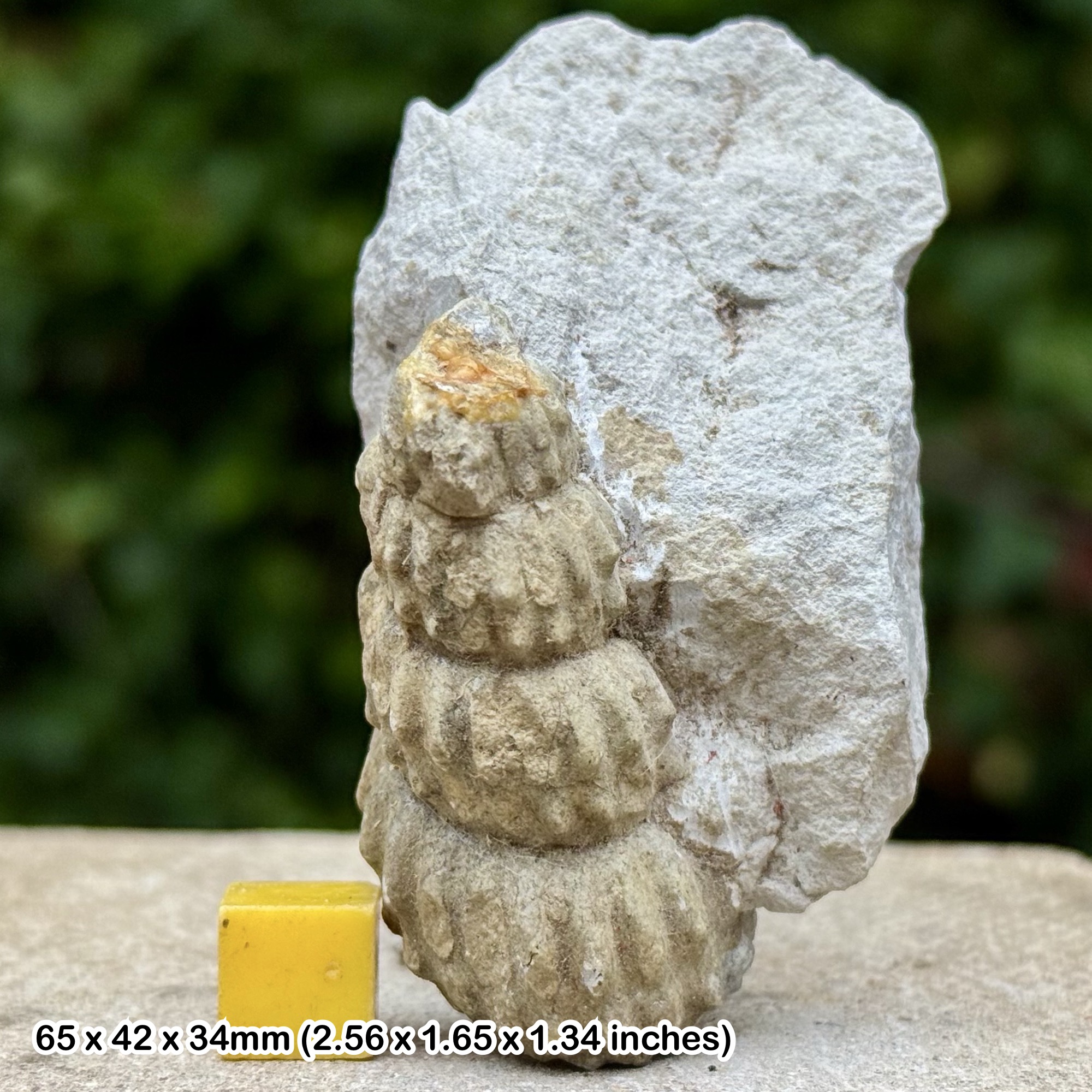
Hypoturrilites gravesianus Heteromorph Fossil Ammonite Cenomanian Cretaceous Sussex United Kingdom with COA
£ 48.00
HYPOTURRILITES GRAVESIANUS HETEROMORPH AMMONITE FROM SUSSEXThis specimen is a Hypoturrilites gravesianus heteromorph fossil ammonite,
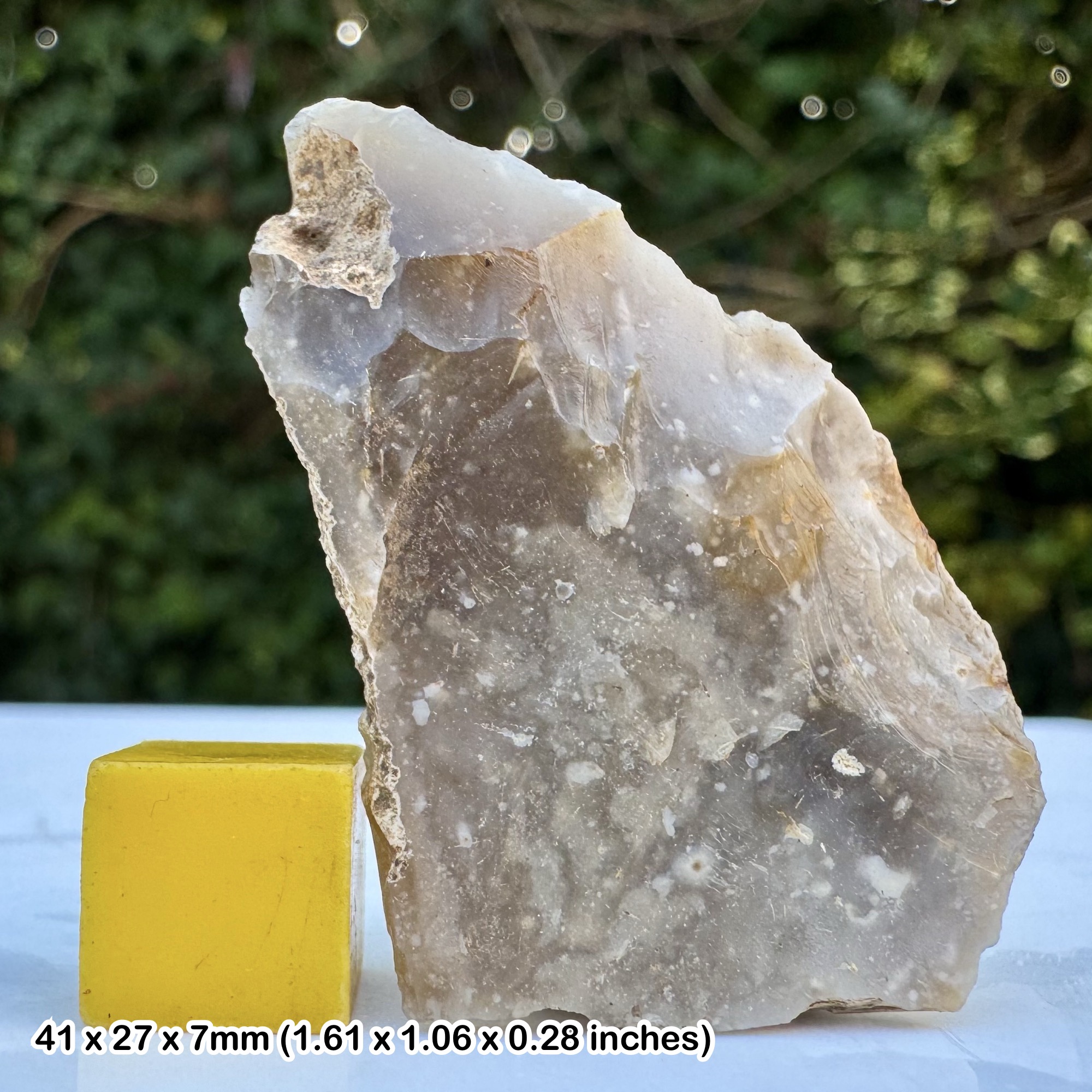
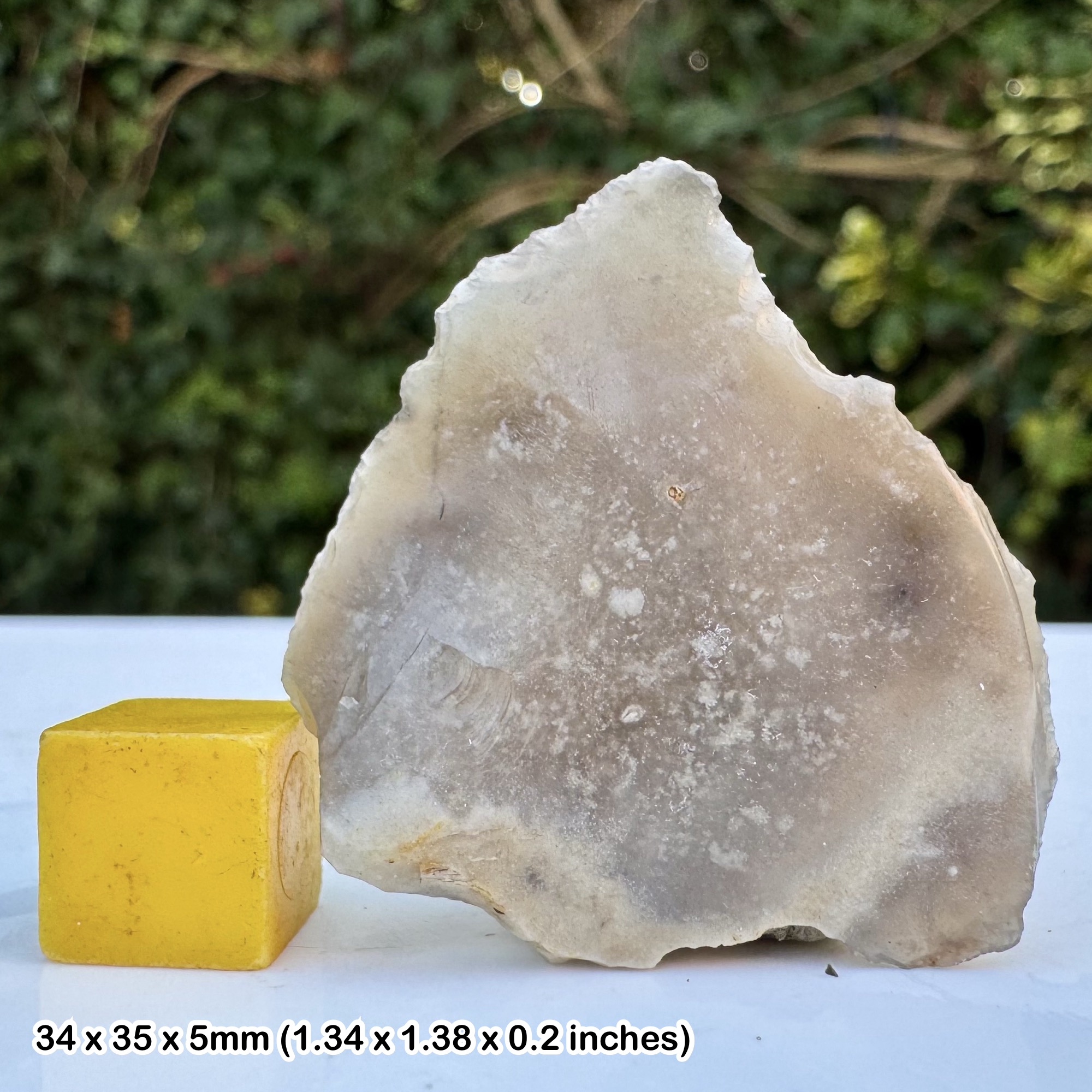
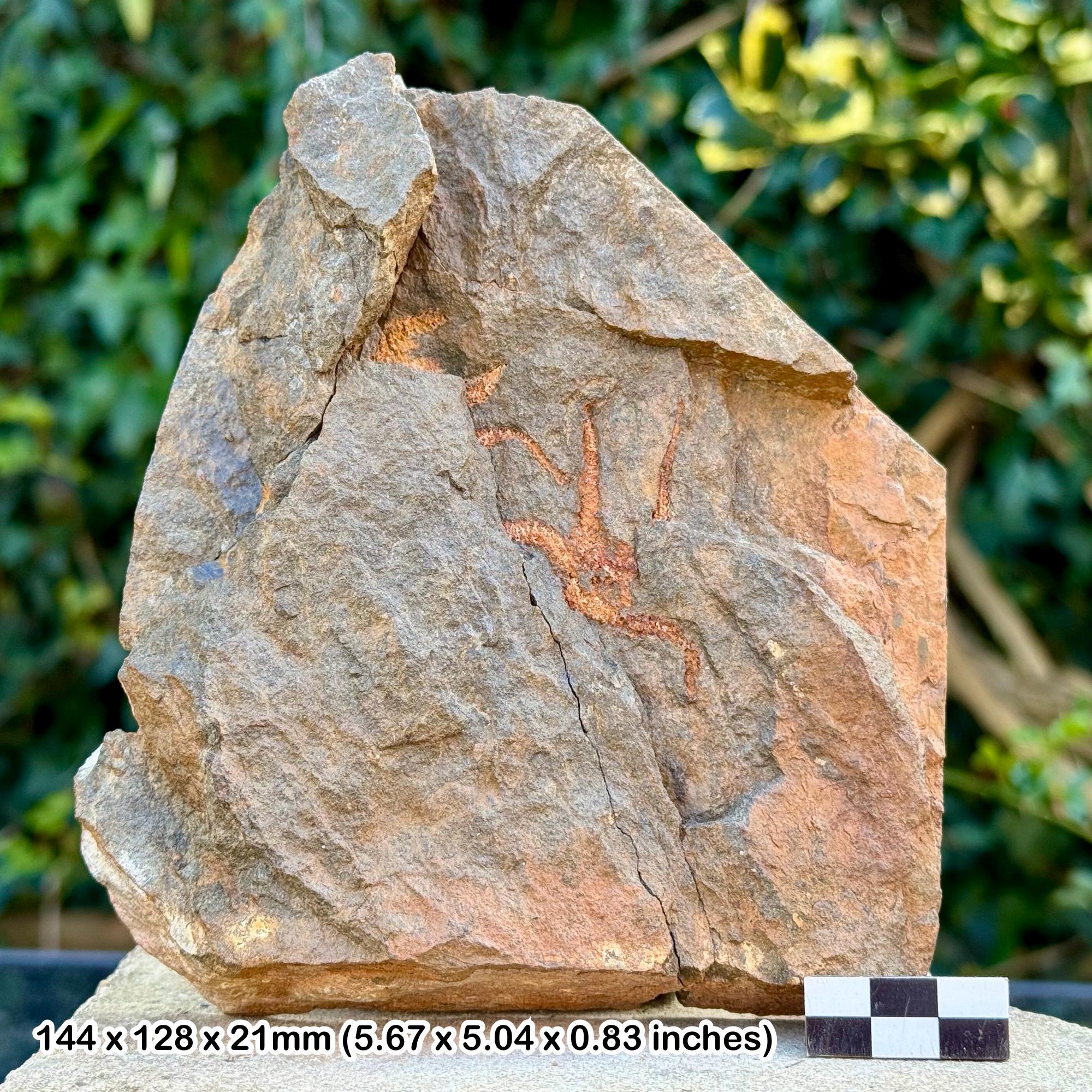
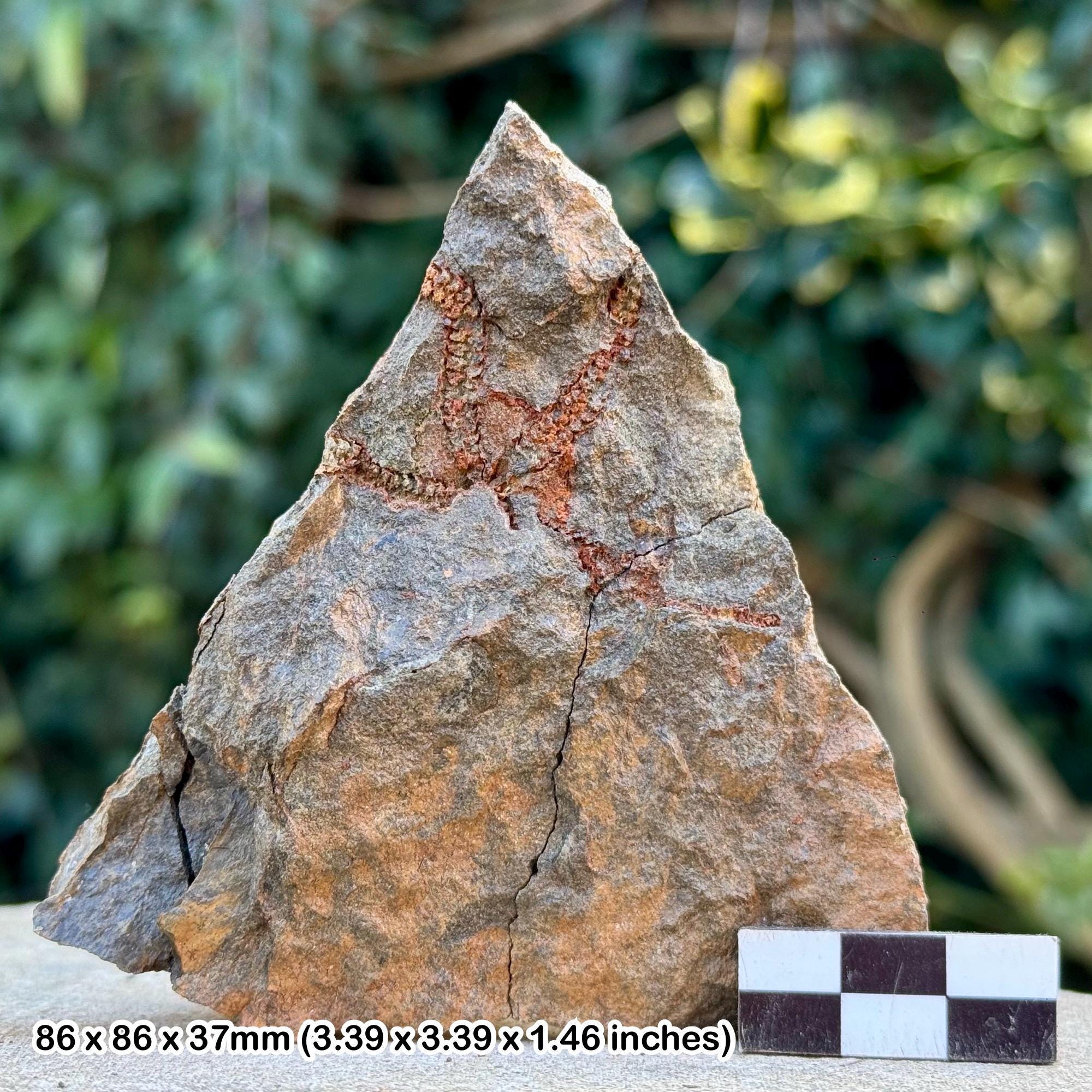
collected from Cenomanian chalk deposits in Sussex, United Kingdom. Dating to the Late Cretaceous Period, approximately 100–94 million years ago, this ammonite represents a distinctive group of heteromorphs whose irregular coiling makes them some of the most unusual and fascinating ammonites known. Fossils of this type are prized by collectors and researchers alike for their rarity, diagnostic shell structure, and scientific importance.Every fossil we sell is a 100% genuine specimen and comes with a Certificate of Authenticity. The photographs show the actual specimen you will receive, with a 1cm scale cube and rule squares included for exact size reference. GEOLOGICAL AGE AND LOCALITYThe Cenomanian Stage marks the beginning of the Late Cretaceous and is characterised by high global sea levels and warm climates that created shallow marine environments across Europe. These seas supported diverse ecosystems, in which ammonites like Hypoturrilites gravesianus flourished.The chalk deposits of Sussex, part of the famous White Chalk cliffs of southern England, are internationally renowned for their fossil record. These formations preserve an abundance of ammonites and other marine life that provide essential information about the biodiversity and evolution of the Cenomanian seas. Specimens of Hypoturrilites gravesianus from this locality are especially valued for their provenance and their role in defining biozones within the Cretaceous. FOSSIL TYPE AND SCIENTIFIC CLASSIFICATION
• Genus: Hypoturrilites
• Species: Hypoturrilites gravesianus
• Order: Ammonitida
• Superfamily: Turrilitoidea
• Family: TurrilitidaeHypoturrilites gravesianus is an important index fossil, used in stratigraphy to identify and correlate Cenomanian chalk deposits. Its unusual morphology, combined with its limited stratigraphic distribution, makes it a particularly useful species for palaeontological research. MORPHOLOGICAL FEATURESThe shell of Hypoturrilites gravesianus is highly distinctive and showcases traits typical of heteromorph ammonites:
• Irregular Helicoidal Coiling: The shell departs from the flat spiral form of traditional ammonites, instead adopting a complex, twisted growth pattern.
• Strong Ribbing: Prominent ribs cross the shell surface, often bifurcating or branching, adding to its ornate appearance.
• Tubercles: Rounded nodes or tubercles may appear along rib crests, providing additional diagnostic features.
• Keel Development: A keel runs along the venter, contributing to shell structure and hydrodynamic efficiency.These unique features make Hypoturrilites gravesianus instantly recognisable to palaeontologists and highly appealing to collectors. SCIENTIFIC AND COLLECTOR IMPORTANCEAs a defining species for specific Cenomanian ammonite zones, Hypoturrilites gravesianus holds major scientific significance. Its presence in chalk deposits allows geologists to correlate strata across different parts of Europe, making it a vital tool in biostratigraphy.For collectors, heteromorph ammonites like Hypoturrilites are especially desirable due to their rarity and unusual form. Unlike common planispiral ammonites, they display strikingly irregular shells that highlight the evolutionary diversity of ammonites during the Cretaceous. Specimens from Sussex are particularly valuable, both for their provenance and for their contribution to the history of palaeontology in the United Kingdom. DISPLAY AND EDUCATIONAL VALUEThis specimen has been carefully selected for its preservation and diagnostic features, making it suitable for display in a private collection, an educational setting, or a museum exhibit. Its unusual twisted form makes it a dramatic and eye-catching piece, while its scientific importance ensures it is more than just a display fossil.Owning a Hypoturrilites gravesianus ammonite from the Cenomanian chalk of Sussex offers both an exceptional display piece and a scientifically significant fossil. It represents a unique evolutionary pathway in ammonite development and a tangible connection to the ancient seas of the Late Cretaceous.
collected from Cenomanian chalk deposits in Sussex, United Kingdom. Dating to the Late Cretaceous Period, approximately 100–94 million years ago, this ammonite represents a distinctive group of heteromorphs whose irregular coiling makes them some of the most unusual and fascinating ammonites known. Fossils of this type are prized by collectors and researchers alike for their rarity, diagnostic shell structure, and scientific importance.Every fossil we sell is a 100% genuine specimen and comes with a Certificate of Authenticity. The photographs show the actual specimen you will receive, with a 1cm scale cube and rule squares included for exact size reference. GEOLOGICAL AGE AND LOCALITYThe Cenomanian Stage marks the beginning of the Late Cretaceous and is characterised by high global sea levels and warm climates that created shallow marine environments across Europe. These seas supported diverse ecosystems, in which ammonites like Hypoturrilites gravesianus flourished.The chalk deposits of Sussex, part of the famous White Chalk cliffs of southern England, are internationally renowned for their fossil record. These formations preserve an abundance of ammonites and other marine life that provide essential information about the biodiversity and evolution of the Cenomanian seas. Specimens of Hypoturrilites gravesianus from this locality are especially valued for their provenance and their role in defining biozones within the Cretaceous. FOSSIL TYPE AND SCIENTIFIC CLASSIFICATION
• Genus: Hypoturrilites
• Species: Hypoturrilites gravesianus
• Order: Ammonitida
• Superfamily: Turrilitoidea
• Family: TurrilitidaeHypoturrilites gravesianus is an important index fossil, used in stratigraphy to identify and correlate Cenomanian chalk deposits. Its unusual morphology, combined with its limited stratigraphic distribution, makes it a particularly useful species for palaeontological research. MORPHOLOGICAL FEATURESThe shell of Hypoturrilites gravesianus is highly distinctive and showcases traits typical of heteromorph ammonites:
• Irregular Helicoidal Coiling: The shell departs from the flat spiral form of traditional ammonites, instead adopting a complex, twisted growth pattern.
• Strong Ribbing: Prominent ribs cross the shell surface, often bifurcating or branching, adding to its ornate appearance.
• Tubercles: Rounded nodes or tubercles may appear along rib crests, providing additional diagnostic features.
• Keel Development: A keel runs along the venter, contributing to shell structure and hydrodynamic efficiency.These unique features make Hypoturrilites gravesianus instantly recognisable to palaeontologists and highly appealing to collectors. SCIENTIFIC AND COLLECTOR IMPORTANCEAs a defining species for specific Cenomanian ammonite zones, Hypoturrilites gravesianus holds major scientific significance. Its presence in chalk deposits allows geologists to correlate strata across different parts of Europe, making it a vital tool in biostratigraphy.For collectors, heteromorph ammonites like Hypoturrilites are especially desirable due to their rarity and unusual form. Unlike common planispiral ammonites, they display strikingly irregular shells that highlight the evolutionary diversity of ammonites during the Cretaceous. Specimens from Sussex are particularly valuable, both for their provenance and for their contribution to the history of palaeontology in the United Kingdom. DISPLAY AND EDUCATIONAL VALUEThis specimen has been carefully selected for its preservation and diagnostic features, making it suitable for display in a private collection, an educational setting, or a museum exhibit. Its unusual twisted form makes it a dramatic and eye-catching piece, while its scientific importance ensures it is more than just a display fossil.Owning a Hypoturrilites gravesianus ammonite from the Cenomanian chalk of Sussex offers both an exceptional display piece and a scientifically significant fossil. It represents a unique evolutionary pathway in ammonite development and a tangible connection to the ancient seas of the Late Cretaceous.
Other Products