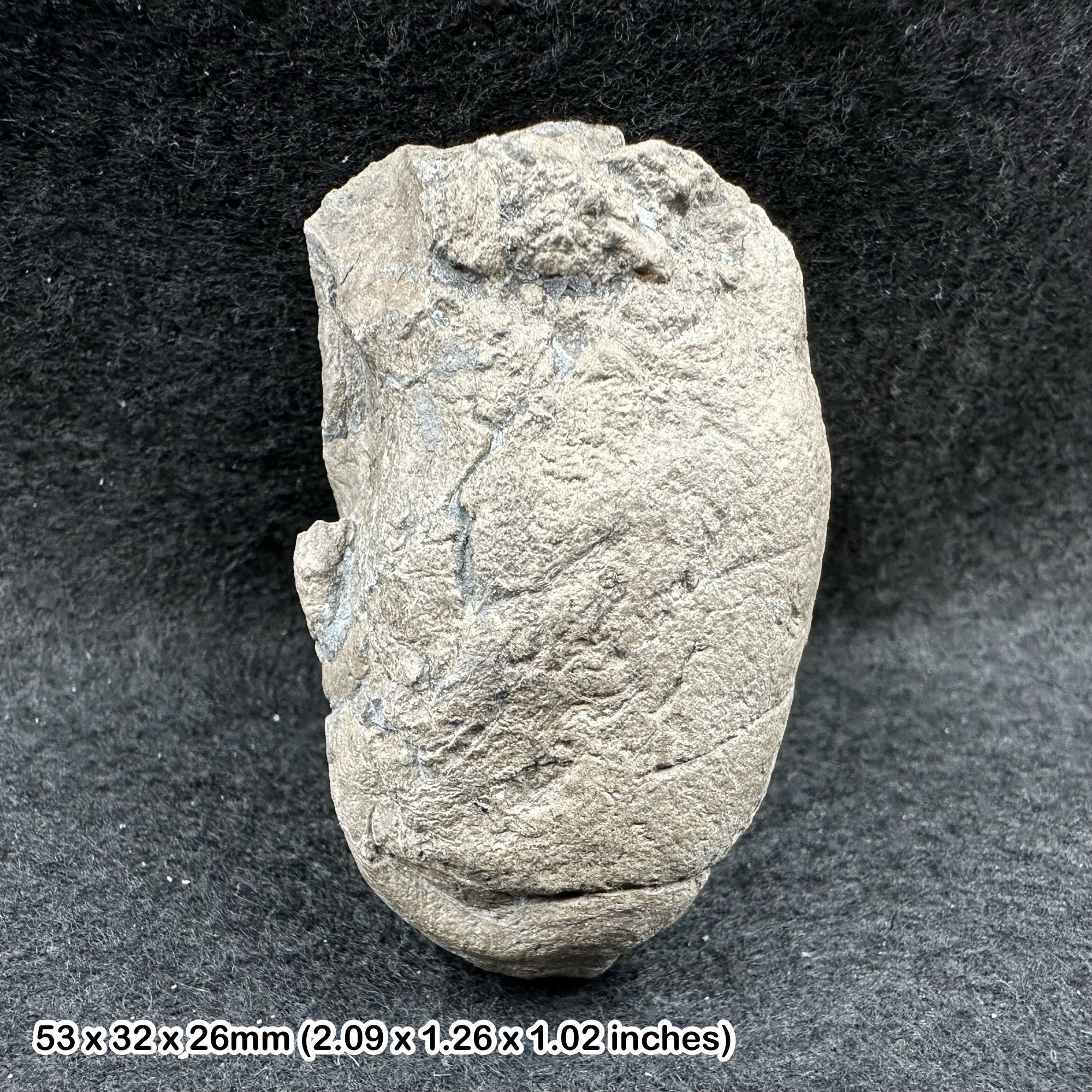
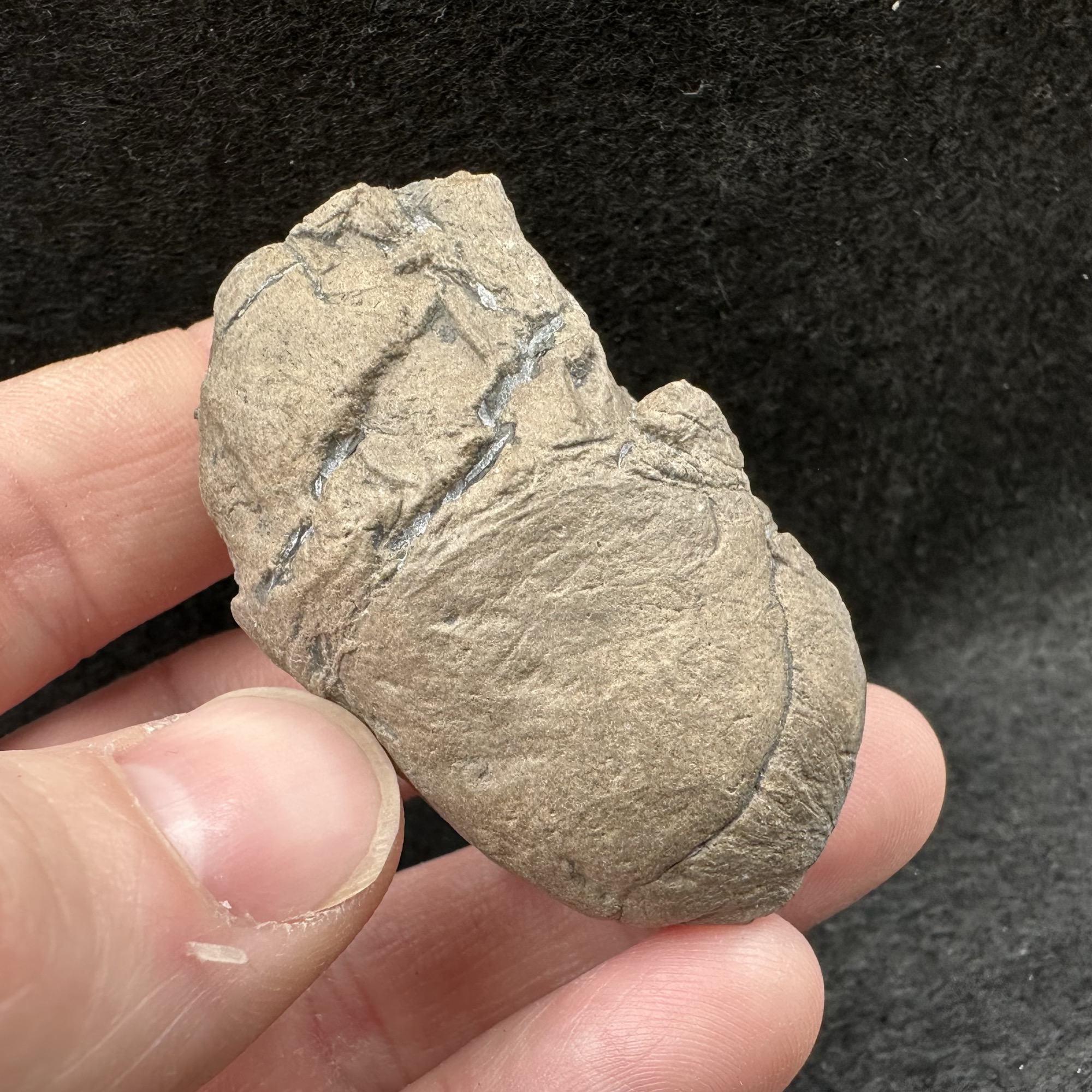
Ichthyosaur Coprolite Fossil with Fish Bone Inclusions Jurassic Coast Charmouth Dorset UK Genuine Specimen with Certificate
£ 36.00
OVERVIEW – GENUINE ICHTHYOSAUR COPROLITE FROM THE JURASSIC COASTThis listing offers a 100% genuine Ichthyosaur Coprolite containing visible
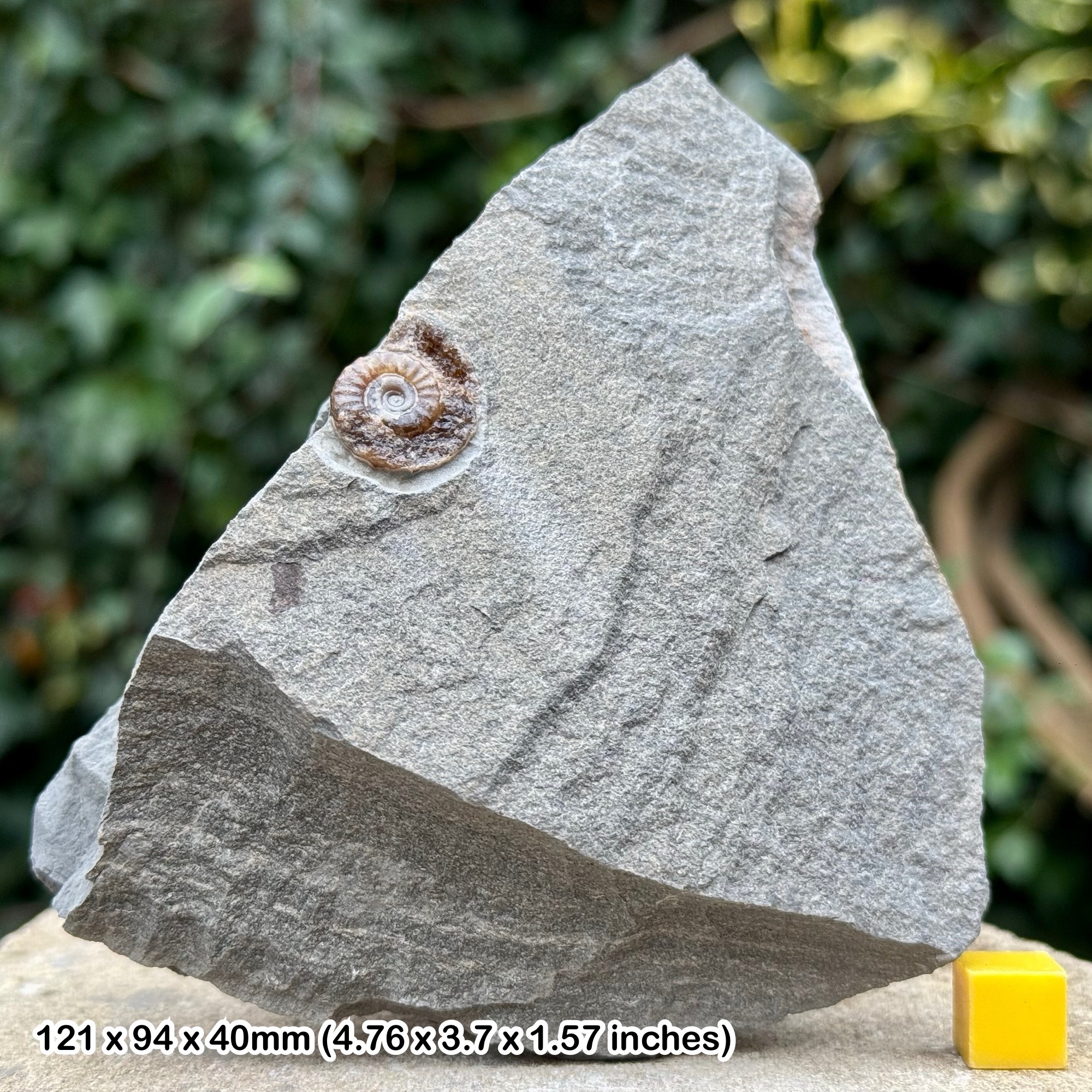
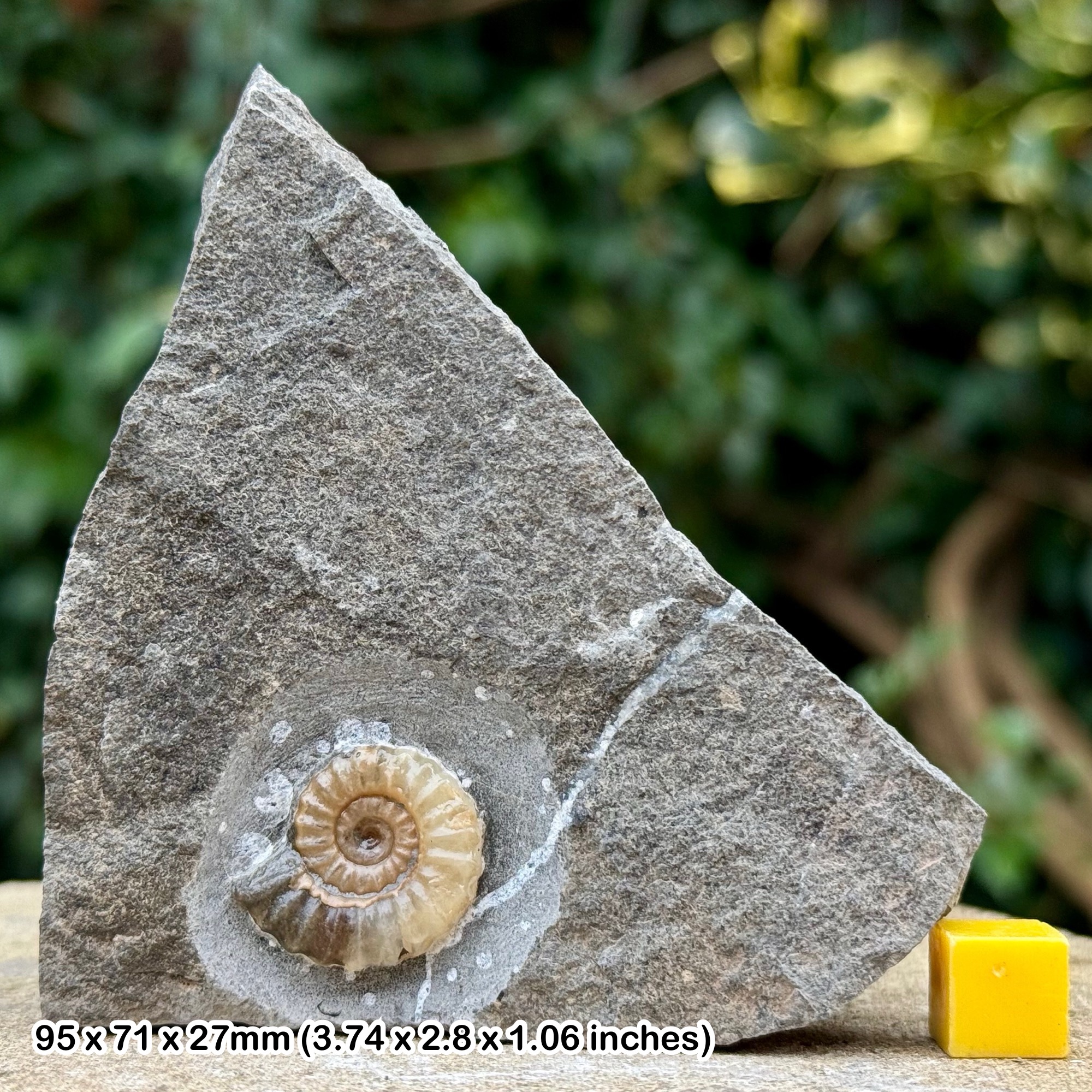
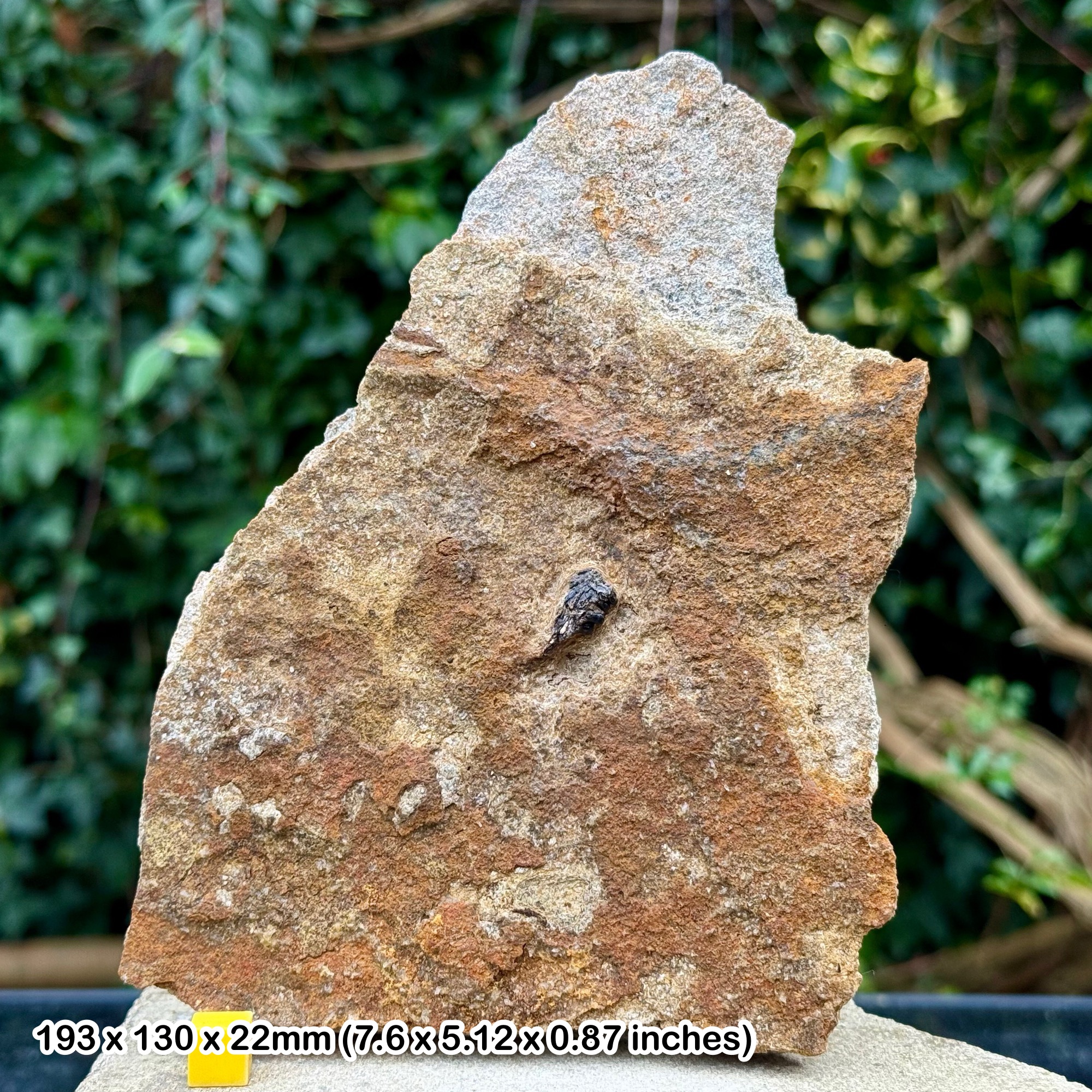
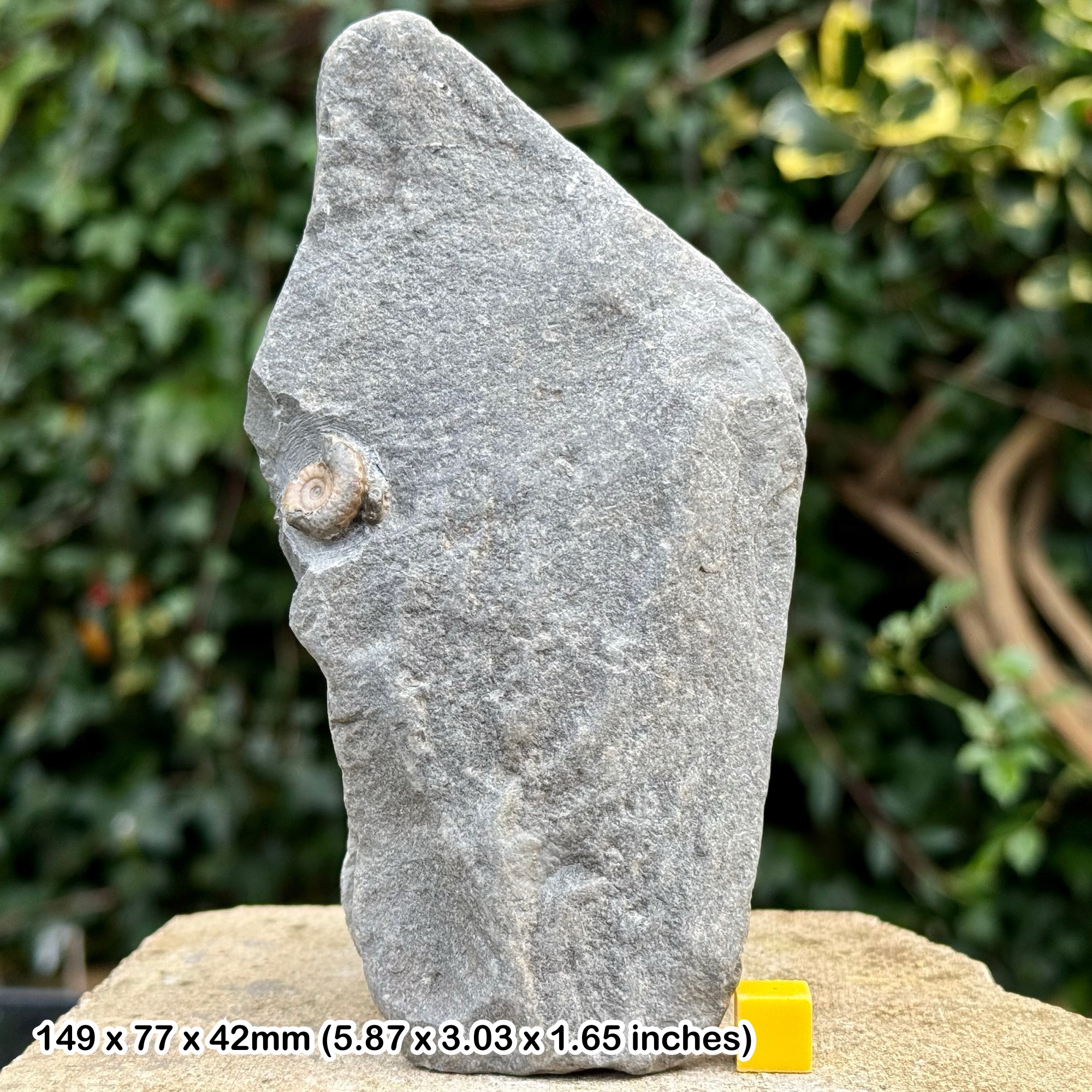
inclusions such as fish bones, vertebral fragments, and scales, collected from the world-famous Black Ven Marls, Lower Lias, at Stonebarrow Cliff, Charmouth, Lyme Regis, Dorset, UK. This extraordinary trace fossil provides direct, tangible evidence of the diet and feeding behaviour of Early Jurassic marine reptiles. The photographs show the exact specimen you will receive, carefully selected for its excellent preservation, clearly visible inclusions, and strong display presence. Every fossil includes a Certificate of Authenticity, and each photo contains a 1 cm scale cube for accurate sizing. ICHTHYOSAURS – APEX MARINE PREDATORS OF THE EARLY JURASSICIchthyosaurs belonged to the order Ichthyosauria, a group of streamlined marine reptiles that thrived during the Early Jurassic. Adapted for life in open water, they possessed large eyes for low-light hunting, powerful tails for fast swimming, and conical teeth suited for grasping slippery prey. Their diet consisted mainly of fish, squid, and other marine animals—fragments of which are often preserved within their coprolites. Coprolites (fossilised dung) are scientifically invaluable trace fossils because they preserve biological information not captured in skeletal remains, offering direct insight into ancient ecosystems. GEOLOGICAL BACKGROUND – BLACK VEN MARLS, LOWER LIAS FORMATIONThe fossil originates from the Lower Lias Group, deposited during the Hettangian–Sinemurian stages of the Early Jurassic, approximately 200–190 million years ago. The Black Ven Marls are renowned as one of the richest marine fossil deposits on Earth and form part of the UNESCO-designated Jurassic Coast World Heritage Site. This area is constantly eroded by natural processes, revealing exceptional fossils including ammonites, fish, ichthyosaurs, plesiosaurs, and coprolites.The sedimentary environment consisted of low-oxygen offshore waters where fine muds accumulated steadily. These conditions allowed organic remains—such as ichthyosaur droppings—to be rapidly buried, protected from scavengers, and eventually fossilised with outstanding preservation. MORPHOLOGY AND INCLUSIONS – EVIDENCE OF AN ANCIENT MEALYour specimen displays the classic features of authentic ichthyosaur coprolite, including:• Dense, compact structure formed by mineralised digestive remains• Smooth to subtly textured surface, depending on the specific locality and sediment• Visible inclusions, such as fish scales, fin ray fragments, tiny vertebrae, and bone splinters• Dark coloration, typical of Jurassic marine phosphatised material• Rounded or tapered natural shape, reflecting original depositionThe inclusions within this coprolite provide undeniable evidence of fish consumption, making it a scientifically significant and highly desirable example for collectors, educators, and researchers. DEPOSITIONAL ENVIRONMENT – EARLY JURASSIC MARINE CONDITIONSDuring the Early Jurassic, the Dorset coastline lay beneath a warm epicontinental sea. The seabed was characterised by soft mud, low oxygen levels, and minimal disturbance—ideal conditions for preserving delicate trace fossils. As ichthyosaurs hunted above, their waste would settle gently on the seafloor, where it was gradually buried by fine sediments. Over millions of years, phosphatisation processes replaced organic components with durable minerals, locking in the tiny skeletal inclusions.This exceptional preservation helps palaeontologists reconstruct predator–prey interactions, marine food webs, and ecosystem dynamics along the ancient coastline. SCIENTIFIC AND COLLECTOR IMPORTANCEIchthyosaur coprolites from Charmouth are highly sought after due to their rarity, exceptional preservation, and direct link to the behaviour of Early Jurassic marine reptiles. Specimens containing identifiable inclusions such as fish bones and scales are especially valuable, as they provide direct evidence of ancient diet and feeding habits. They serve as powerful educational tools and striking display pieces that appeal to fossil enthusiasts, natural history collectors, and museum curators alike. PRODUCT DETAILS• Fossil Type: Ichthyosaur Coprolite with Fish Bone & Scale Inclusions• Geological Formation: Black Ven Marls, Lower Lias• Geological Age: Early Jurassic (Hettangian–Sinemurian)• Locality: Stonebarrow Cliff, Charmouth, Lyme Regis, Dorset, UK• Authenticity: 100% genuine fossil with Certificate of Authenticity• Photograph: Shows the exact specimen you will receive• Scale Cube: 1 cm – see photos for accurate sizingThis remarkable ichthyosaur coprolite is a fascinating and scientifically significant trace fossil from the iconic Jurassic Coast—an exceptional addition to any serious fossil collection.
inclusions such as fish bones, vertebral fragments, and scales, collected from the world-famous Black Ven Marls, Lower Lias, at Stonebarrow Cliff, Charmouth, Lyme Regis, Dorset, UK. This extraordinary trace fossil provides direct, tangible evidence of the diet and feeding behaviour of Early Jurassic marine reptiles. The photographs show the exact specimen you will receive, carefully selected for its excellent preservation, clearly visible inclusions, and strong display presence. Every fossil includes a Certificate of Authenticity, and each photo contains a 1 cm scale cube for accurate sizing. ICHTHYOSAURS – APEX MARINE PREDATORS OF THE EARLY JURASSICIchthyosaurs belonged to the order Ichthyosauria, a group of streamlined marine reptiles that thrived during the Early Jurassic. Adapted for life in open water, they possessed large eyes for low-light hunting, powerful tails for fast swimming, and conical teeth suited for grasping slippery prey. Their diet consisted mainly of fish, squid, and other marine animals—fragments of which are often preserved within their coprolites. Coprolites (fossilised dung) are scientifically invaluable trace fossils because they preserve biological information not captured in skeletal remains, offering direct insight into ancient ecosystems. GEOLOGICAL BACKGROUND – BLACK VEN MARLS, LOWER LIAS FORMATIONThe fossil originates from the Lower Lias Group, deposited during the Hettangian–Sinemurian stages of the Early Jurassic, approximately 200–190 million years ago. The Black Ven Marls are renowned as one of the richest marine fossil deposits on Earth and form part of the UNESCO-designated Jurassic Coast World Heritage Site. This area is constantly eroded by natural processes, revealing exceptional fossils including ammonites, fish, ichthyosaurs, plesiosaurs, and coprolites.The sedimentary environment consisted of low-oxygen offshore waters where fine muds accumulated steadily. These conditions allowed organic remains—such as ichthyosaur droppings—to be rapidly buried, protected from scavengers, and eventually fossilised with outstanding preservation. MORPHOLOGY AND INCLUSIONS – EVIDENCE OF AN ANCIENT MEALYour specimen displays the classic features of authentic ichthyosaur coprolite, including:• Dense, compact structure formed by mineralised digestive remains• Smooth to subtly textured surface, depending on the specific locality and sediment• Visible inclusions, such as fish scales, fin ray fragments, tiny vertebrae, and bone splinters• Dark coloration, typical of Jurassic marine phosphatised material• Rounded or tapered natural shape, reflecting original depositionThe inclusions within this coprolite provide undeniable evidence of fish consumption, making it a scientifically significant and highly desirable example for collectors, educators, and researchers. DEPOSITIONAL ENVIRONMENT – EARLY JURASSIC MARINE CONDITIONSDuring the Early Jurassic, the Dorset coastline lay beneath a warm epicontinental sea. The seabed was characterised by soft mud, low oxygen levels, and minimal disturbance—ideal conditions for preserving delicate trace fossils. As ichthyosaurs hunted above, their waste would settle gently on the seafloor, where it was gradually buried by fine sediments. Over millions of years, phosphatisation processes replaced organic components with durable minerals, locking in the tiny skeletal inclusions.This exceptional preservation helps palaeontologists reconstruct predator–prey interactions, marine food webs, and ecosystem dynamics along the ancient coastline. SCIENTIFIC AND COLLECTOR IMPORTANCEIchthyosaur coprolites from Charmouth are highly sought after due to their rarity, exceptional preservation, and direct link to the behaviour of Early Jurassic marine reptiles. Specimens containing identifiable inclusions such as fish bones and scales are especially valuable, as they provide direct evidence of ancient diet and feeding habits. They serve as powerful educational tools and striking display pieces that appeal to fossil enthusiasts, natural history collectors, and museum curators alike. PRODUCT DETAILS• Fossil Type: Ichthyosaur Coprolite with Fish Bone & Scale Inclusions• Geological Formation: Black Ven Marls, Lower Lias• Geological Age: Early Jurassic (Hettangian–Sinemurian)• Locality: Stonebarrow Cliff, Charmouth, Lyme Regis, Dorset, UK• Authenticity: 100% genuine fossil with Certificate of Authenticity• Photograph: Shows the exact specimen you will receive• Scale Cube: 1 cm – see photos for accurate sizingThis remarkable ichthyosaur coprolite is a fascinating and scientifically significant trace fossil from the iconic Jurassic Coast—an exceptional addition to any serious fossil collection.
Other Products